Ushido occupies a quiet stretch of Lychener Strasse in Prenzlauer Berg, where Berlin's appetite for Japanese precision meets the neighbourhood's low-key residential rhythm. The address sits in a city that has built a serious Japanese dining culture across the past decade, placing Ushido within a compact comparable set of focused, format-driven venues that prioritise craft over spectacle.
Pearl is the En Primeur Club membership app — saves, bookings, and concierge access live there. Same editors, same standards.
- Address
- Lychener Str. 18, 10437 Berlin, Germany
- Phone
- +493055242448
- Website
- ushido-bbq.com
- Directions
- Get directions
 Saves & bookings on Pearl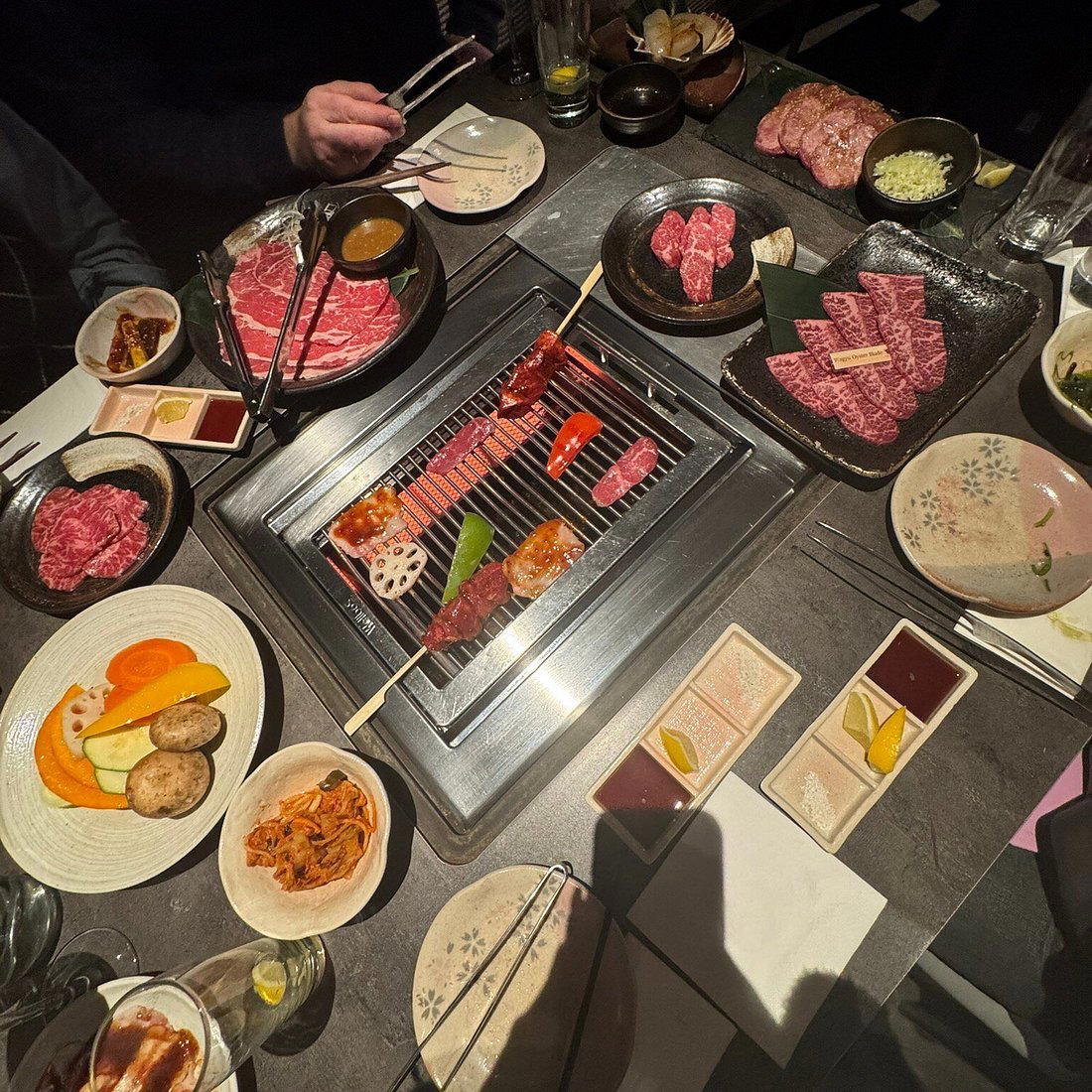
Prenzlauer Berg and the Quiet Discipline of Japanese Dining in Berlin
Lychener Strasse does not announce itself. The street runs through Prenzlauer Berg with the unhurried confidence of a neighbourhood that has settled into its own identity after years of post-reunification reinvention. The buildings are Wilhelmine-era, the pace is residential, and the dining rooms that open onto the pavement tend to be small, considered, and deliberate in a way that distinguishes the area from the louder restaurant corridors of Mitte or Kreuzberg. Ushido is a Japanese Yakiniku BBQ restaurant at Lychener Str. 18 in Berlin's Prenzlauer Berg, with. Arriving in the evening, the frontage reads as restrained: nothing telegraphs the interior before you step inside, which is itself a signal about what kind of experience is on offer.
Berlin's Japanese dining scene has matured considerably since the mid-2010s, when the city's options were largely limited to conveyor-belt formats and izakaya-adjacent drinking rooms. The decade since has produced a smaller, more focused tier of venues that approach Japanese cuisine with the same structural seriousness that the city's leading European tables bring to their own traditions. Ushido operates in that space, on a street that has become quietly representative of how Berlin absorbs international culinary influences: without fanfare, and with an emphasis on the craft itself rather than the staging around it.
Atmosphere and the Logic of a Smaller Room
In Japanese dining, the relationship between room size and hospitality philosophy is not incidental. Smaller formats, whether a counter-led omakase or a tightly controlled yakitori operation, concentrate attention in ways that larger dining rooms cannot. The intimacy is functional as much as aesthetic: it determines the rhythm of service, the distance between kitchen and guest, and the degree to which the preparation becomes part of the sensory experience of the meal itself.
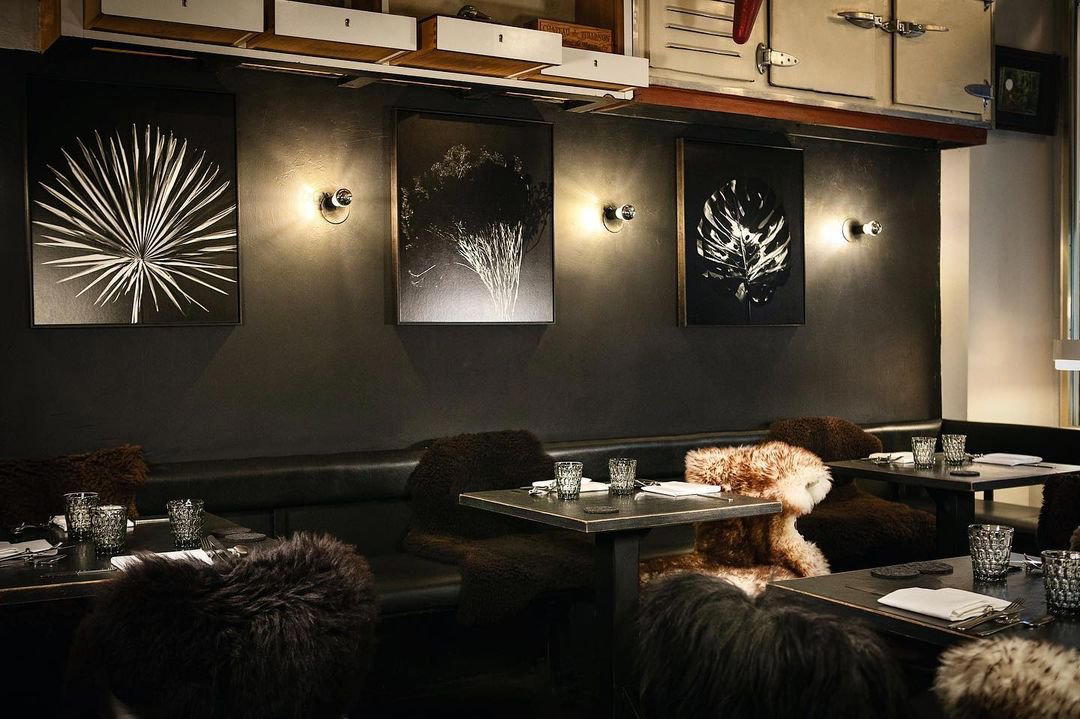
Prenzlauer Berg's residential character reinforces this logic at Ushido. The neighbourhood's dining rooms are rarely designed for volume or spectacle. They are designed for return visits, for the kind of regulars who notice when something changes. That dynamic suits a venue whose identity, based on its address and position in the local scene, appears to be built on consistency and precision rather than novelty. The sound level matters in rooms like this: the absence of background noise engineered for effect, the presence instead of conversation at a human register, is part of what separates a serious neighbourhood venue from a destination-marketing exercise.
Where Ushido Sits in Berlin's Wider Dining Picture
Berlin's upper dining tier has consolidated around a set of venues with strong European fine-dining credentials. Rutz and Nobelhart & Schmutzig represent the modern German and European end of that spectrum, both operating at the €€€€ price point with Michelin recognition. FACIL and Restaurant Tim Raue occupy adjacent territory, the latter notable for its Chinese-inflected approach to haute cuisine. CODA Dessert Dining has carved out a format-specific niche that positions it as one of the more formally inventive rooms in the city.
Ushido's position in this picture is distinct. It belongs to a smaller, less formally mapped category: the Japanese specialist venue in a European capital city that earns its standing through craft discipline rather than award architecture. Cities like New York have established clear benchmarks for this format, with venues like Atomix demonstrating how Korean and Japanese culinary traditions can operate at the highest European-style fine-dining registers. Berlin's equivalent tier is less codified but no less present, and Ushido's Prenzlauer Berg address places it in that conversation. For readers tracing Germany's broader fine-dining geography, the EP Club covers destinations from Aqua in Wolfsburg and JAN in Munich to Schwarzwaldstube in Baiersbronn and Vendôme in Bergisch Gladbach, with further strong tables at ES:SENZ in Grassau, Victor's Fine Dining in Perl, Waldhotel Sonnora in Dreis, Restaurant Haerlin in Hamburg, Schanz in Piesport, and Bagatelle in Trier.
Practical Planning
Ushido's address at Lychener Strasse 18 in 10437 Berlin is in Prenzlauer Berg, well-served by the Schönhauser Allee U-Bahn interchange on U2 and the S-Bahn. The neighbourhood is walkable from Kollwitzplatz in under ten minutes. For visitors planning a broader Berlin dining sequence, the area rewards early evening arrivals when the residential streets are at their quietest and the rooms along Lychener Strasse have not yet filled. Current operational details, including hours, booking format, and pricing, are best confirmed directly with the venue, as the information available through public channels is limited at this stage.
Seasonal Timing
Prenzlauer Berg's character shifts meaningfully by season. Winter pushes the neighbourhood indoors and the smaller dining rooms take on a concentrated warmth that suits Japanese counter formats particularly well. The contrast between the cold of the street and the close, controlled environment of a focused room is one of the more elemental pleasures of Berlin dining between November and February. Summer opens the neighbourhood outward, with pavement seating and longer evening light, though particularly technically precise venues tend to operate leading in conditions where temperature and humidity are controlled, which in Berlin means the cooler months. For venues in this format tier, autumn bookings tend to carry greater weight in terms of seasonal menu development, as producers and markets shift into their most ingredient-rich period.
Peers Worth Knowing
Comparable venues nearby, for context on price, style, and recognition.
| Venue | Cuisine | Price | Notes |
|---|---|---|---|
| UshidoThis venue — the venue you are viewing | Japanese Yakiniku BBQ | $$$$ | Not listed |
| Kumami | Traditional Japanese Omakase | $$$$ | Köpenick |
| Sticks'n'Sushi | Japanese Sushi & Yakitori with Nordic Twist | $$$ | Tiergarten |
| MIYO Sushi Experience | Modern Japanese Sushi | $$$ | Charlottenburg |
| Niko Izakaya | Authentic Japanese Izakaya | $$$ | Gesundbrunnen |
| To The Bone | Modern Italian Steakhouse | $$$$ | Scheunenviertel |
Continue exploring
More in Berlin
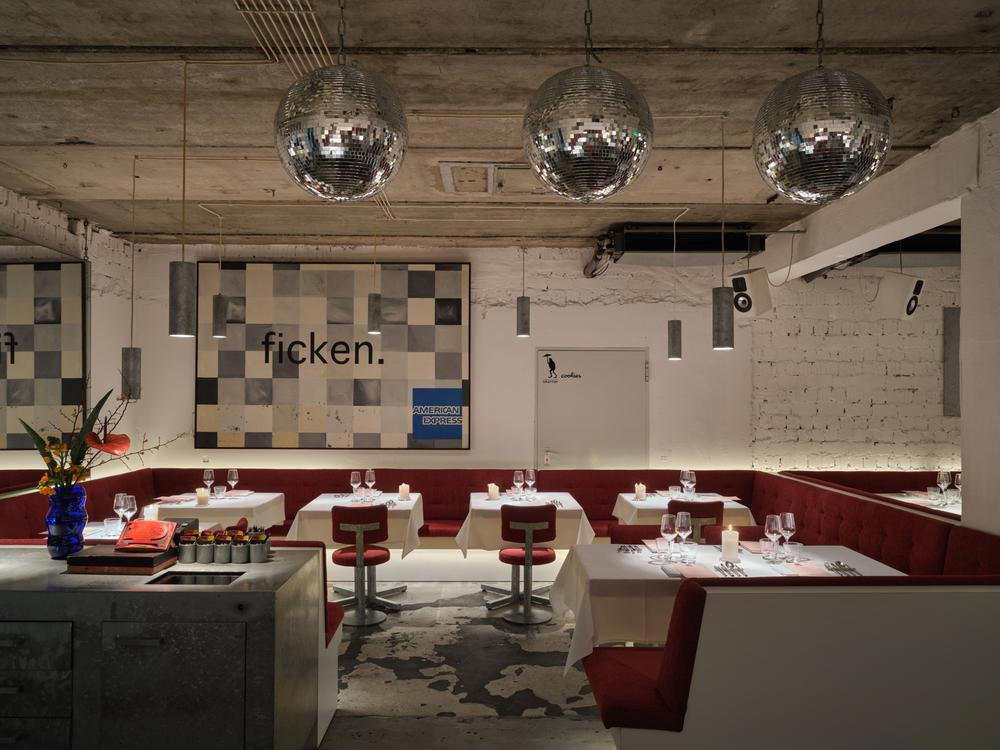
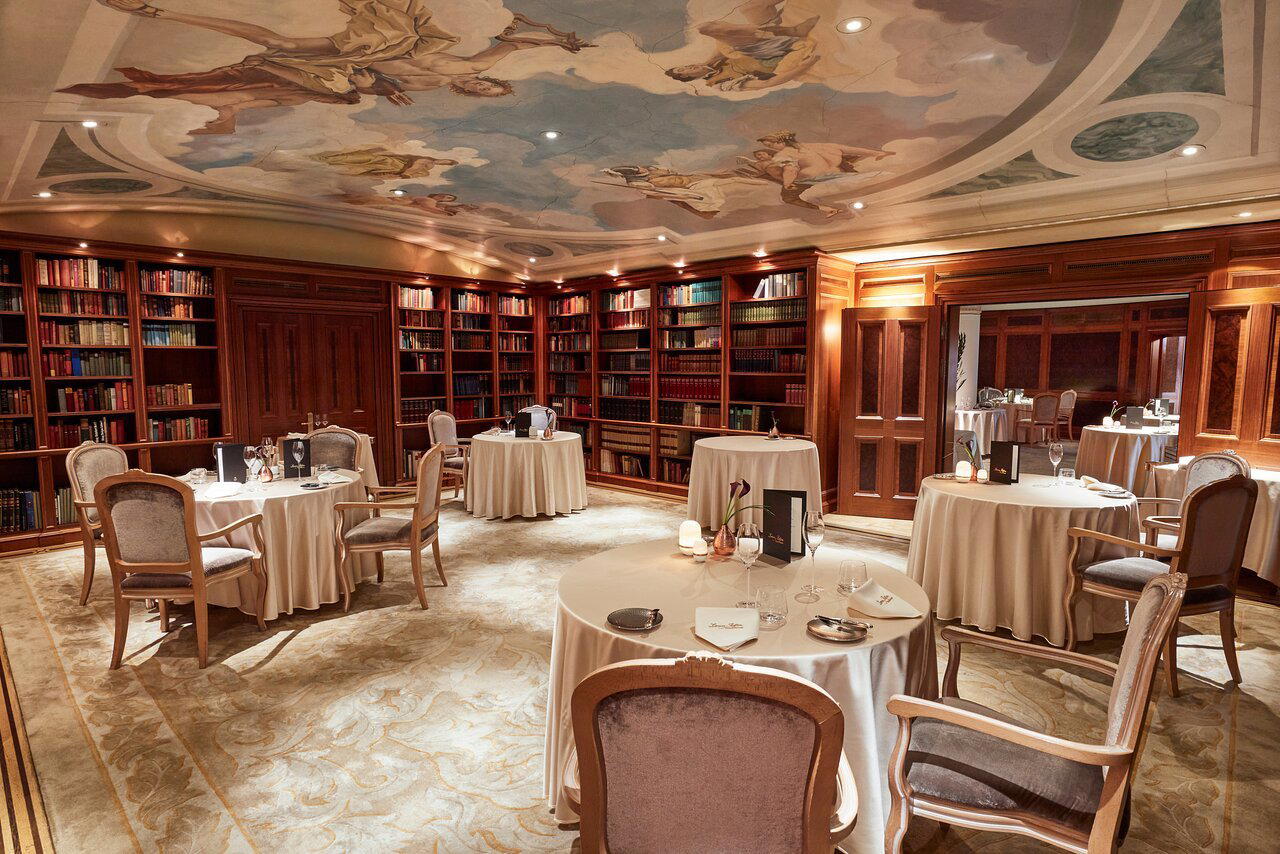
Restaurants in Berlin
Browse all →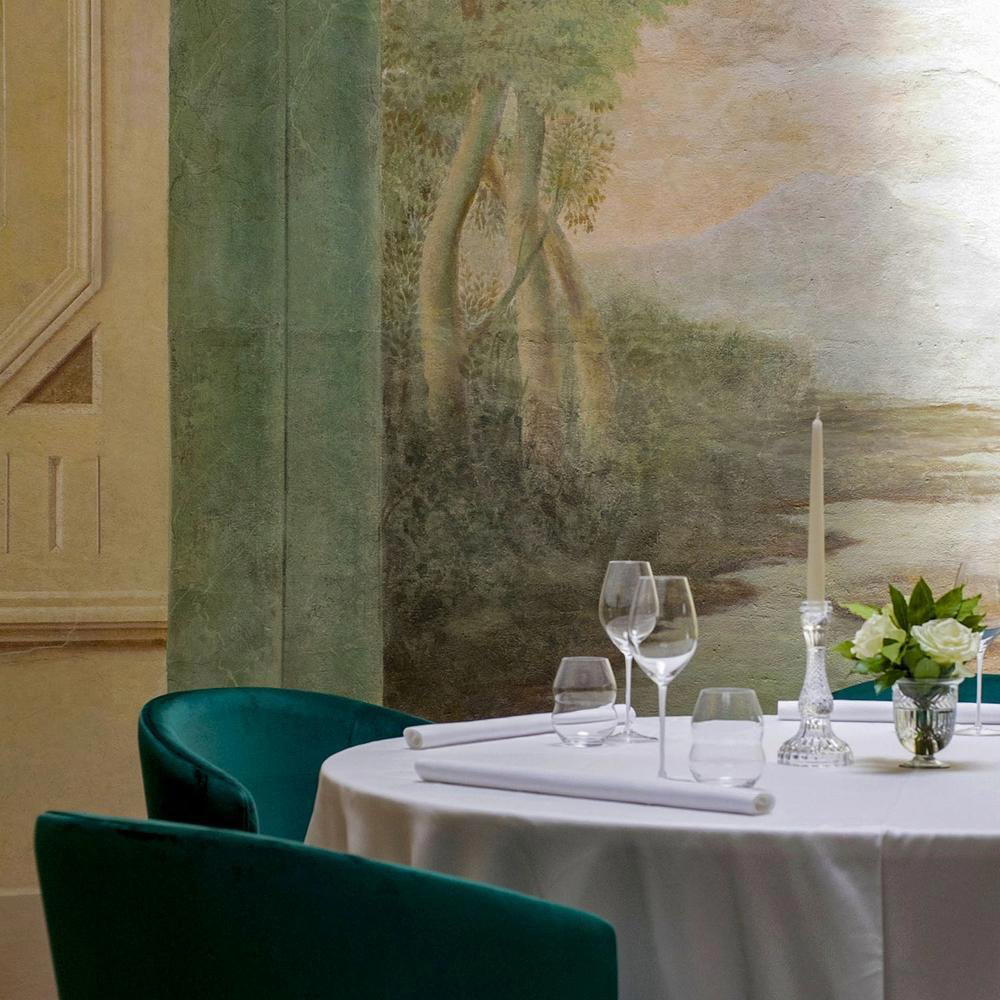
Bars in Berlin
Browse all →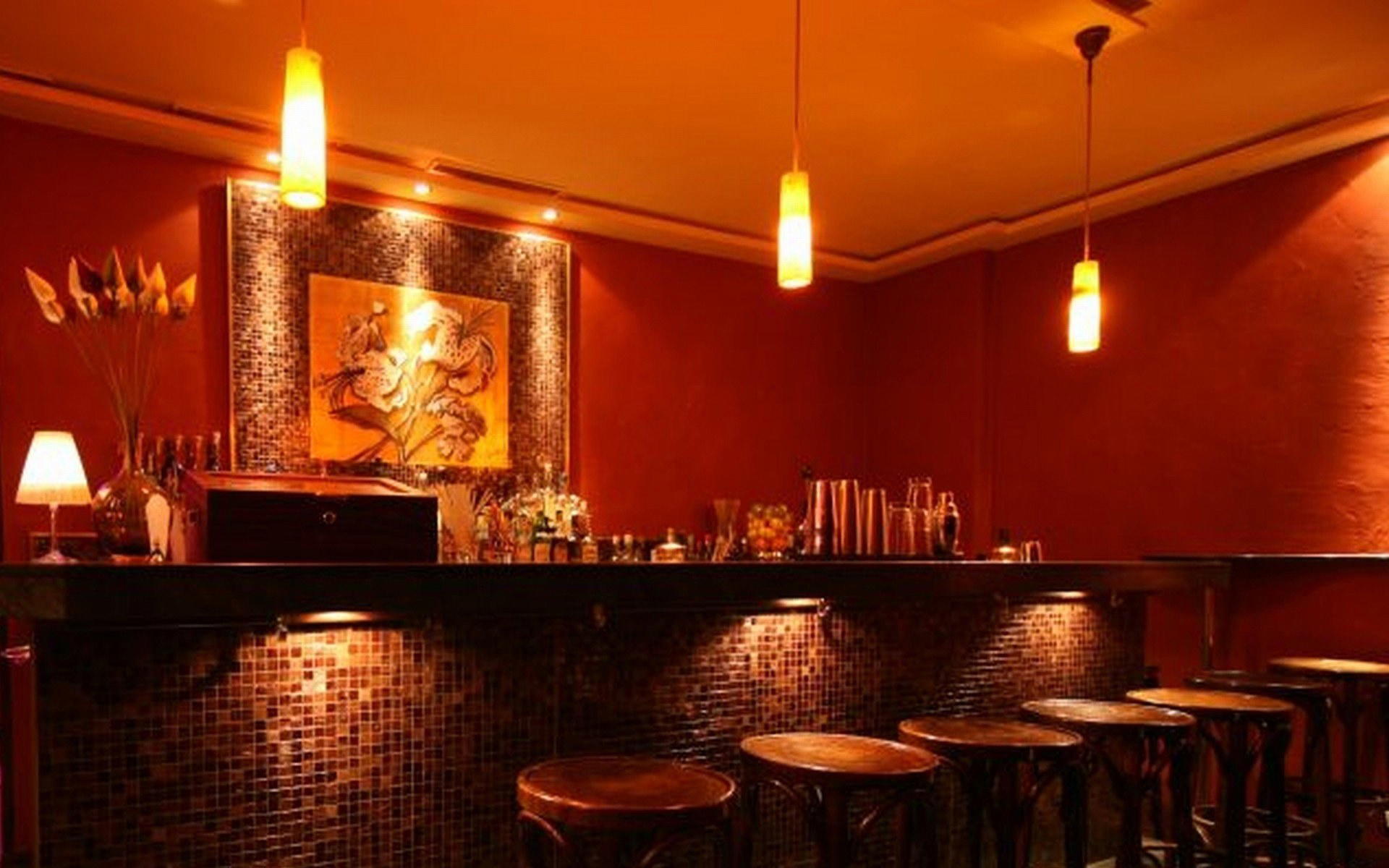
Hotels in Berlin
Browse all →

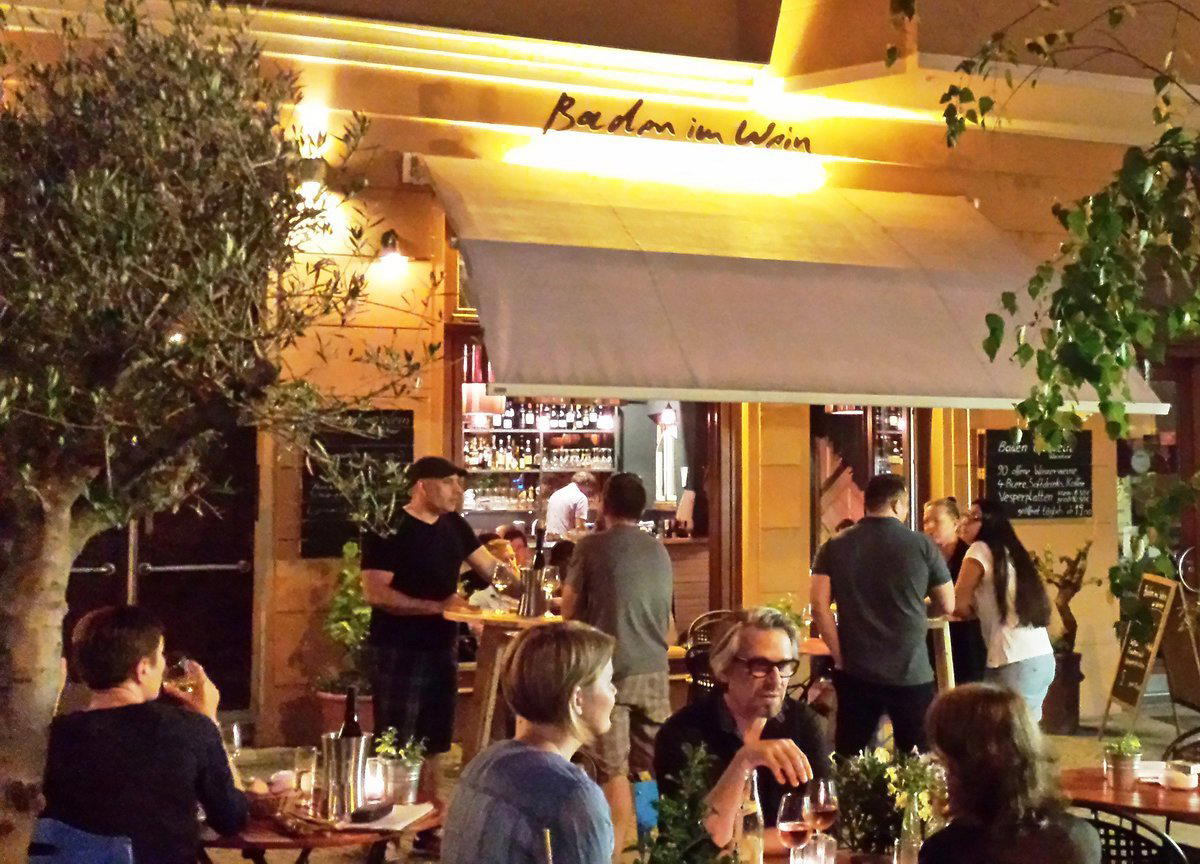
Wineries in Berlin
Browse all →
At a Glance
- Modern
- Trendy
- Elegant
- Cozy
- Date Night
- Group Dining
- Special Occasion
- Open Kitchen
- Sake Program
Current opening hours
- Monday
- 6–10 PM
- Tuesday
- Closed
- Wednesday
- 6–10 PM
- Thursday
- 6–10 PM
- Friday
- 5–11 PM
- Saturday
- 5–11 PM
- Sunday
- 5–10 PM
Hours can change for holidays and private events. Last verified .
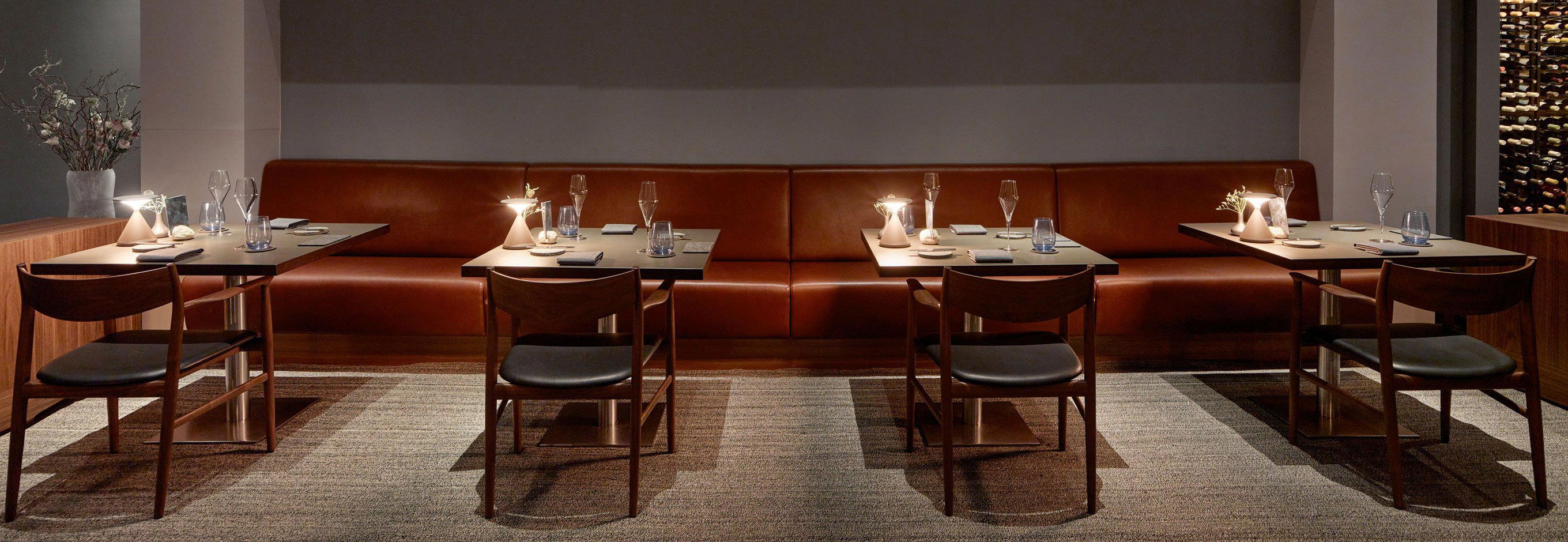
Elegant wooden surroundings with a charming, cordial atmosphere evoking a journey to Japan.