1 Michelin Star · Star Wine List
Our verdict
On Potsdamer Straße, Irma la Douce has held its position as one of Berlin's most consistent classic French addresses for years, drawing a loyal following with boeuf bourguignon, a French-weighted wine list, and room warmth that borrows more from a Parisian bistro than a German capital. Chef Jérôme Laurent brings personal Italian lineage to a menu that reads otherwise firmly French, and the result earns.

Pearl is the En Primeur Club membership app — saves, bookings, and concierge access live there. Same editors, same standards.
- Address
- Potsdamer Str. 102, 10785 Berlin, Germany
- Phone
- +49 30 23000555
- Hours
- Mon ClosedTue–Fri 12–2 PM, 6–11 PMSat 6–11 PMSun Closed
- Website
- irmaladouce.de
- Directions
- Get directions
- Booking
- Book on OpenTable
The menu
What to order
- Bœuf bourguignon
- Bouillabaisse
- Crème brûlée
Where Potsdamer Straße Meets the Paris of Memory
Berlin's dining identity has fractured productively over the past decade. At one end of the spectrum, Michelin-starred kitchens like Rutz (three stars) and CODA Dessert Dining push against genre conventions entirely, while addresses such as Nobelhart & Schmutzig make hyper-regional German produce a near-ideological commitment. Against that restless backdrop, classic French cooking occupies a different position in the city: quieter, less fashionable, and probably more difficult to sustain precisely because it makes no claim to novelty. Irma la Douce restaurant Berlin sits in that less-contested tier, on Potsdamer Straße in the Tiergarten district, and has built a reputation not on innovation but on consistency, warmth, and the kind of French bistro canon that travel writers once described as timeless before the word wore out.
The address itself is doing some work here. Potsdamer Straße runs through one of Berlin's more layered corridors — part gallery district, part mid-century transit artery — carrying the particular charge of a street that never quite settled into a single identity after reunification. A French restaurant holding its own on this stretch carries a certain resonance in a city that still measures distances, consciously or not, from that old East-West divide. The name Irma la Douce refers to the 1963 Billy Wilder film, itself adapted from a French musical, which sets up the room's nostalgic register before you open the door.
The Room as Argument
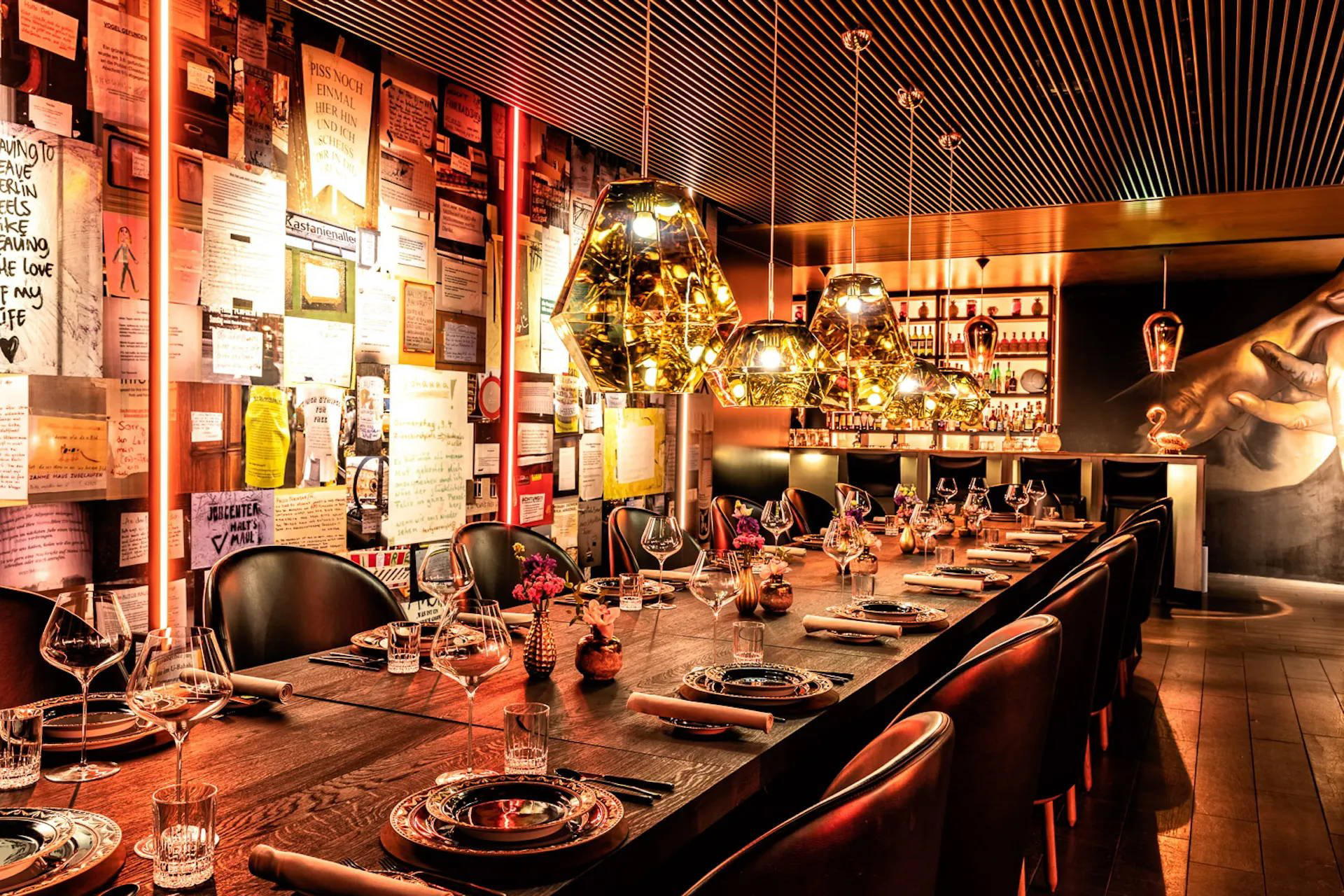
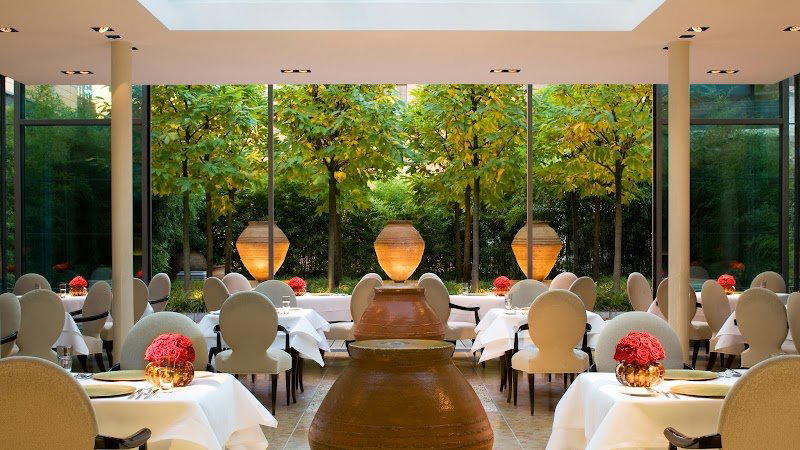
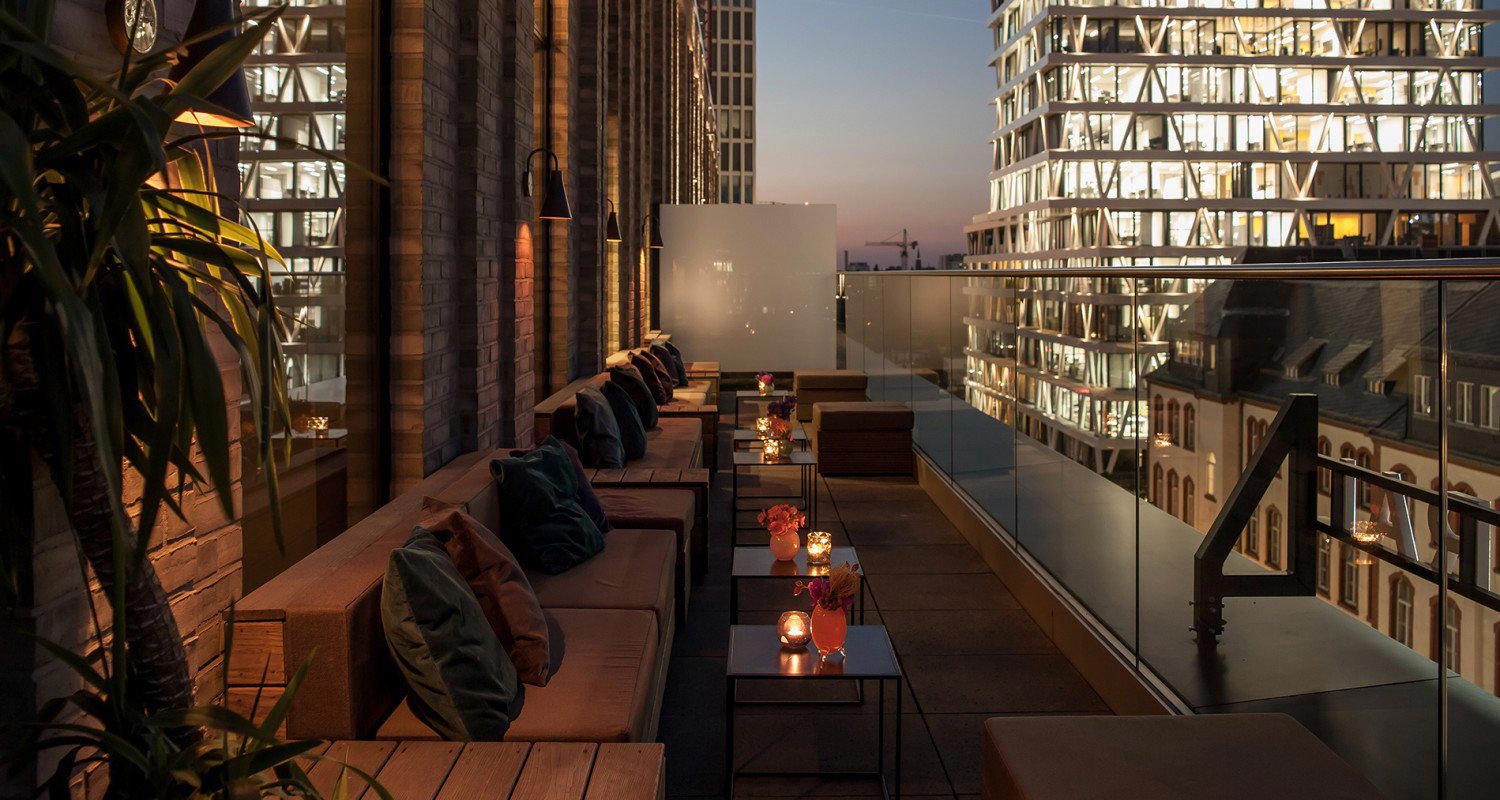
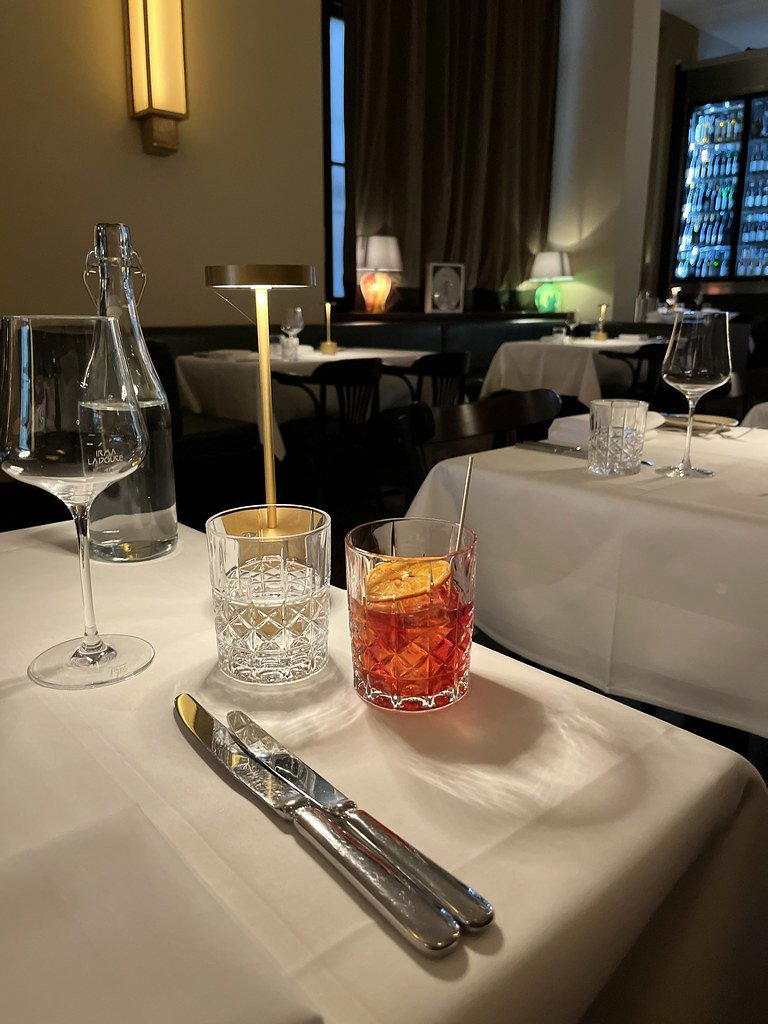
In an era when Berlin's higher-end dining spaces tend toward exposed concrete, kinetic lighting rigs, and industrial materials, think the deliberate austerity threading through Nobelhart & Schmutzig's counter format, Irma la Douce takes the opposite position. The décor runs to warm golden light, classically elegant fixtures, and a room temperature that feels calibrated against the city's characteristic coolness. The effect, according to the restaurant's documented reception, evokes a specific era of French dining, pre-nouvelle, pre-molecular, when a room's job was to make you feel comfortable enough to eat well and linger longer than planned.
Service follows the room's logic. Friendly, unhurried, and attentive without the choreography that Michelin-tracked kitchens often install, the front-of-house operation here functions more like a neighbourhood restaurant that has earned its neighbourhood than a destination address performing accessibility. For diners arriving from a run of Berlin's more conceptually demanding tables, the tasting-menu circuits at Restaurant Tim Raue or the dessert-forward architecture of CODA, that ease registers as genuine relief rather than as compromise.
The Logic of a French Menu in a German Capital
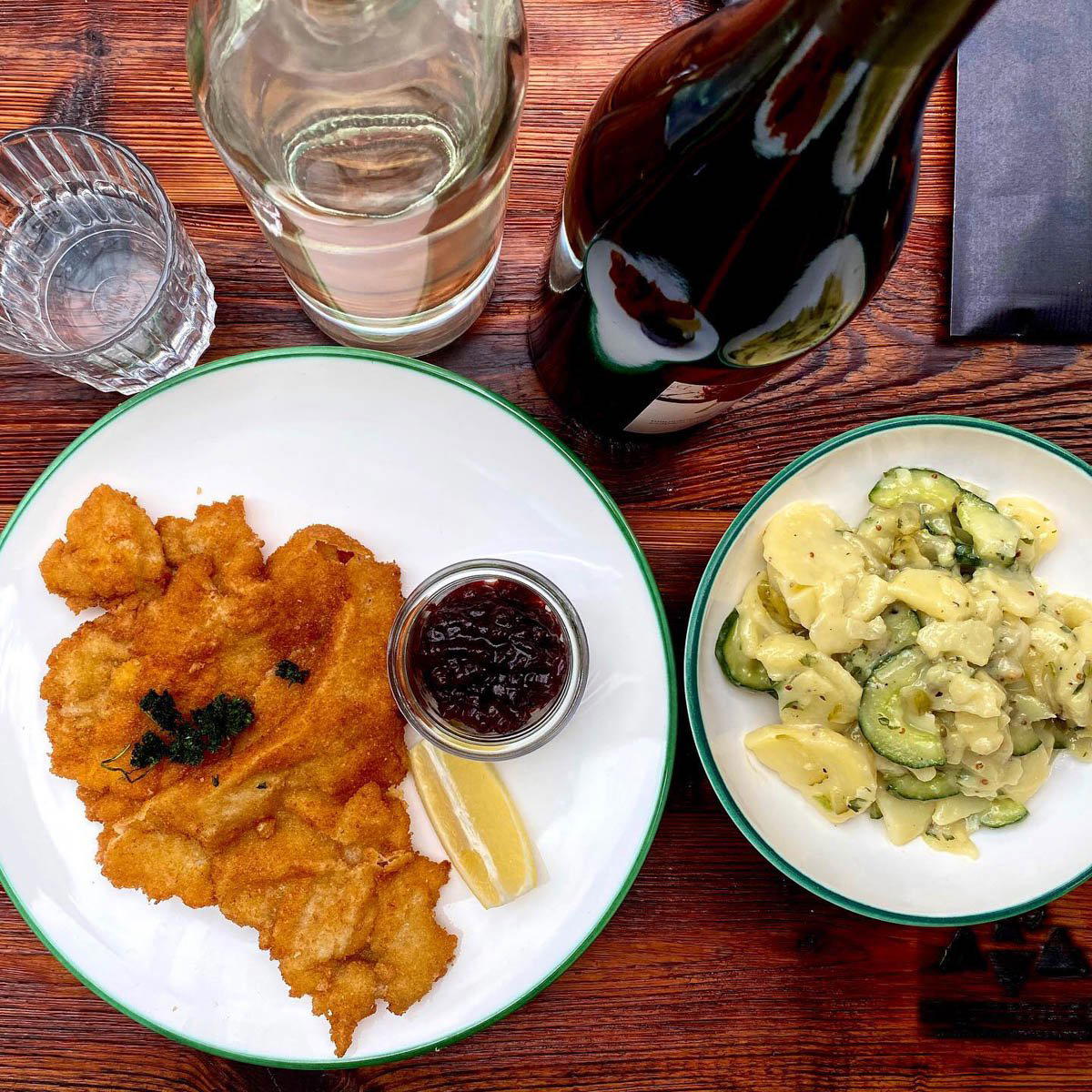
Classic French cooking in cities outside France operates under a particular pressure: it must justify its existence against both the local tradition and against diners who have eaten the originals in Paris, Lyon, or Bordeaux. The approach at Irma la Douce frames this through confident, canon-adjacent dishes rather than through revisionist cooking. Boeuf bourguignon, slow-braised, deeply reduced, the kind of preparation that punishes shortcuts, appears as a signature dish, which says something about the kitchen's priorities. Crème brûlée rounds the meal. These are not dishes that photograph particularly well or generate social media heat, but they are dishes that demonstrate technique and product respect when executed properly.
The more telling detail is the carbonara. Chef Jérôme Laurent's Italian background surfaces in this single dish, which sits on the menu not as a fusion exercise but as a direct acknowledgement of the chef's heritage inside a kitchen that otherwise follows French precedent. In the broader context of European fine dining, where kitchens like Vendôme in Bergisch Gladbach or Schwarzwaldstube in Baiersbronn operate with strict culinary frameworks, this kind of biographical departure, kept to a single menu item, is an editorial choice worth noting. It grounds the menu in a real cook's perspective without disrupting the French identity of the room.
The wine list reinforces that identity: French labels dominate, and staff recommendations are documented as reliable. For a restaurant at the €€€ price point, a focused, knowledgeably guided French list is a meaningful differentiator from the broader Berlin dining pool, where natural wine programs and local producers currently command more column inches. Diners who want to eat Burgundy-style cooking alongside actual Burgundy are served here in a way that fewer Berlin restaurants make direct.
Lunch, the Prix Fixe Discipline, and What That Signals
Tuesday-to-Friday lunch menu introduces a different register. Simplified, presumably tighter in price, and focused in scope, it places Irma la Douce in a category of French restaurants that take the midday service seriously as a format rather than treating it as an afterthought to evening business. The prix fixe logic applies here in structural terms: a curated, shorter sequence of dishes that requires the kitchen to edit, which is its own form of discipline. Across the classic French tradition, from the formule lunch of a Lyonnaise bouchon to the fixed midday covers at addresses like Waterside Inn in Bray or Cheval Blanc by Peter Knogl in Basel, the set lunch has functioned as both an access point and a quality signal. A kitchen confident enough in its daily output to offer a fixed lunch is a kitchen that runs to a standard rather than to the occasion.
For Berlin visitors working through a city with a dense dining calendar, the lunch format here represents a calibrated entry point: lower commitment, shorter duration, enough of the room and menu to determine whether an evening return makes sense.
Berlin's French Question, and Where This Fits
Paris-trained cooking and French-rooted menus appear across Germany's premium dining circuit, from Aqua in Wolfsburg to JAN in Munich and Restaurant Haerlin in Hamburg. In Berlin specifically, the French tradition occupies a narrower presence than in some of its German peers, the city's culinary identity has trended toward the international and the experimental rather than toward classical European anchors. That makes a restaurant like Irma la Douce a particular kind of address: not a museum piece, but a deliberate counterpoint to a city that usually prefers to keep moving.
The €€€ price tier places it below the Michelin-weighted €€€€ tables that define Berlin's prestige tier, below Rutz, Mastan, or CODA, and positions it as a serious but approachable option for evenings when the goal is a well-executed French dinner rather than a conceptual experience. That is a real and often under-served part of the dining market in any major city. For those building a Berlin itinerary, the full Berlin restaurants guide, alongside the city's bars, hotels, wineries, and experiences coverage, provides the broader picture. Irma la Douce fits into that itinerary as the kind of dinner that earns its place not through spectacle, but through getting the fundamentals right.
Reservations are advisable, particularly for weekend evenings on Potsdamer Straße, where the restaurant's established following means tables turn on a schedule the kitchen controls rather than one visitors can assume flexibility around. The weekday lunch window, Tuesday through Friday, offers the most accessible route in.
What to Eat at Irma la Douce
The boeuf bourguignon is the documented signature and the most reliable test of a kitchen's commitment to the French canon, it is a dish that shows its workings in the depth of the sauce and the texture of the braise. The carbonara offers a different angle, reflecting Chef Laurent's Italian lineage in a menu that is otherwise firmly French in register. Crème brûlée closes the meal as a standard-bearer dessert: the version here is cited as a favourite by the restaurant's own record. The French-dominated wine list rewards engagement with the staff, whose recommendations are flagged as informed and reliable.
Frequently asked questions
Is Irma la Douce award-winning?
Irma la Douce has received recognition including: Between old and new, East and West, shabby and chic (this is Berlin!), Irma la Douce is the pure enjoyment of French-inspired cuisine. Located on Potsdamer Straße, a Berlin institution with a lot of h...; This restaurant's name was not simp….
What kind of cuisine does Irma la Douce serve?
What should I eat at Irma la Douce?
The boeuf bourguignon is the kitchen's documented centrepiece and the dish most closely associated with Chef Jérôme Laurent's approach to classic French cooking. A carbonara also appears on the menu, reflecting the chef's origins and breaking neatly with any expectation of strict Gallic orthodoxy. For dessert, the crème brûlée is the standing recommendation. The French-dominant wine list is paired with staff guidance, so asking for a match by course is worth doing.
What should I budget for a meal at Irma la Douce?
Pricing at Irma la Douce is listed as €€€.
What part of town is Irma la Douce in?
Irma la Douce is located at Potsdamer Str. 102, 10785 Berlin, Germany, Berlin.
A quick peer reference to anchor this venue in its category.
| Venue | Cuisine | Price | Awards | Notes |
|---|---|---|---|---|
| Irma la DouceThis venue — the venue you are viewing | Classic French Fine Dining | $50–100 | 1 Michelin Star · Star Wine List | Not listed |
| CODA Dessert Dining | Dessert-Inspired Fine Dining | $200–300 | 2 Michelin Stars · World's 50 Best #79 | Creative |
| Rutz | Modern German Fine Dining | $200–300 | 3 Michelin Stars · La Liste Top Restaurants | Modern European, Modern Cuisine |
| Nobelhart & Schmutzig | Hyper-Local Modern German Fine Dining | $100–150 | 1 Michelin Star · World's 50 Best #59 | Modern German, Creative |
| FACIL | Modern Fusion Fine Dining | $200–300 | 2 Michelin Stars · La Liste Top Restaurants | Contemporary European, Creative |
| Horváth | Modern Austrian Vegetable Cuisine | $200–300 | 2 Michelin Stars · La Liste Top Restaurants | Modern Austrian, Creative |
Recognition history
Dated appearances from independent guides and award organizations, with the underlying list record or original source where available.
Michelin 1 Star
Michelin
Star Wine List
Star Wine List
Full recognition history (4 entries)
Michelin 1 Star
Michelin
Michelin 1 Star
Michelin