
A Berlin outpost dedicated entirely to Georgian wine, 8000 Vintages on Großbeerenstraße treats the Caucasus tradition with the seriousness it rarely receives this far west. The format runs from amber qvevri-fermented styles to lighter, modern expressions, positioned as an education in a wine culture that predates most European appellations by millennia.
Pearl is the En Primeur Club membership app — saves, bookings, and concierge access live there. Same editors, same standards.
- Address
- Großbeerenstraße 27A, 10963 Berlin, Germany
- Phone
- +49 30 63918842
- Website
- 8000vintages.ge
- Directions
- Get directions
 Saves & bookings on Pearl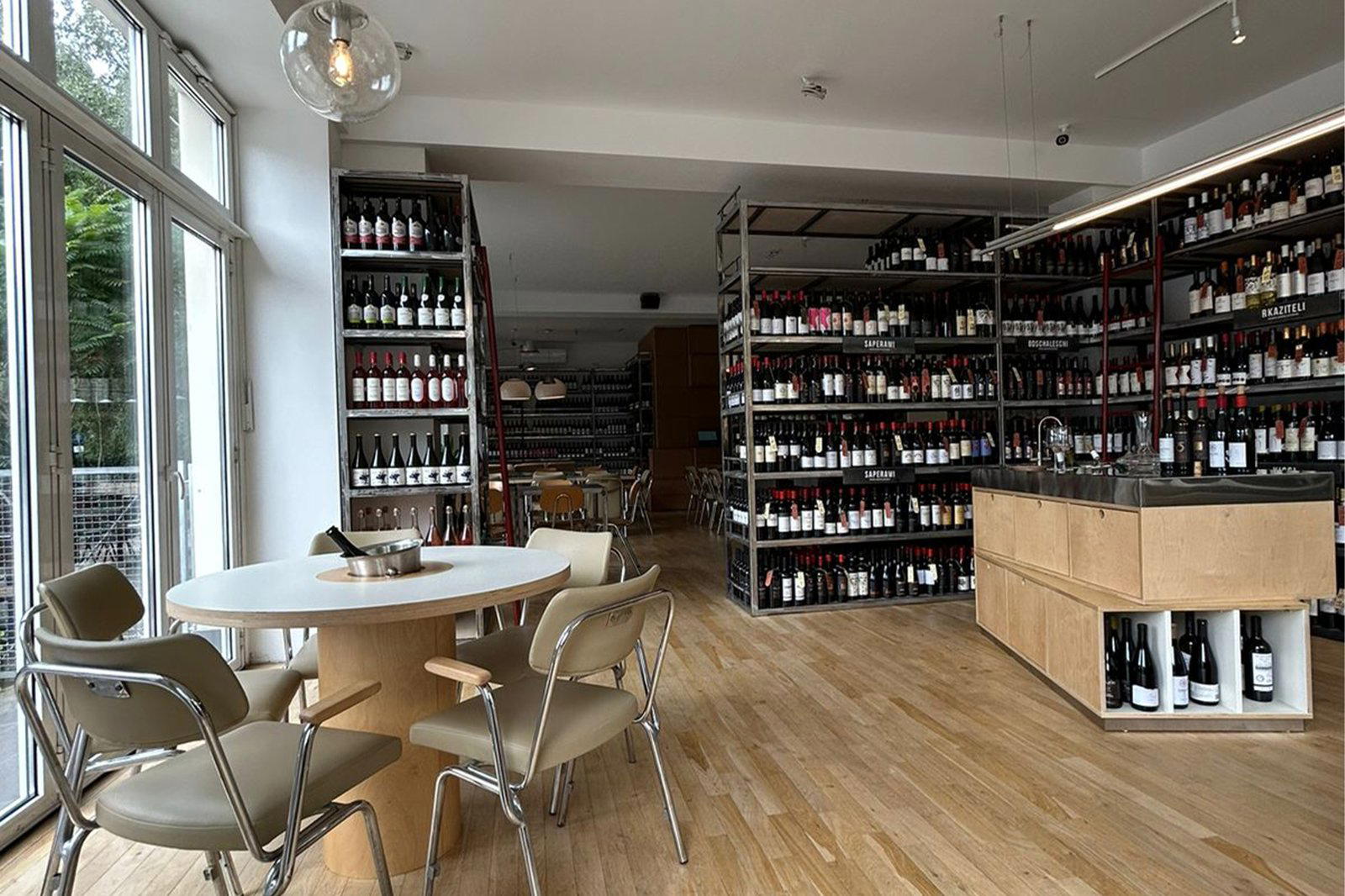
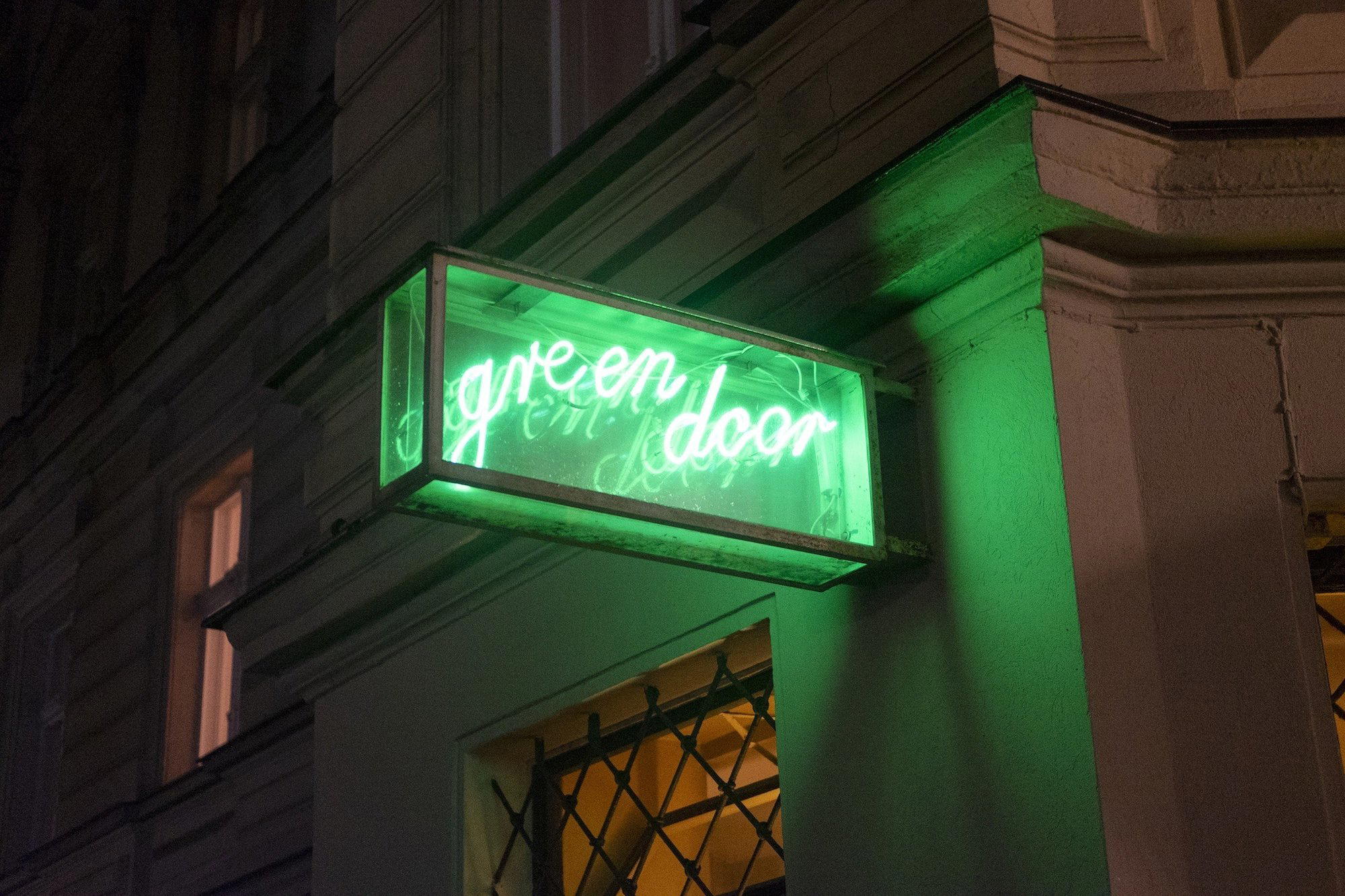
Großbeerenstraße, After Dark
Großbeerenstraße 27A fits that pattern. That search pattern suits the subject matter. Georgian wine, despite its credentials, still travels on word of mouth in most European cities. Berlin is an exception, and 8000 Vintages is a significant reason why.
A Wine Tradition That Predates the Bottle
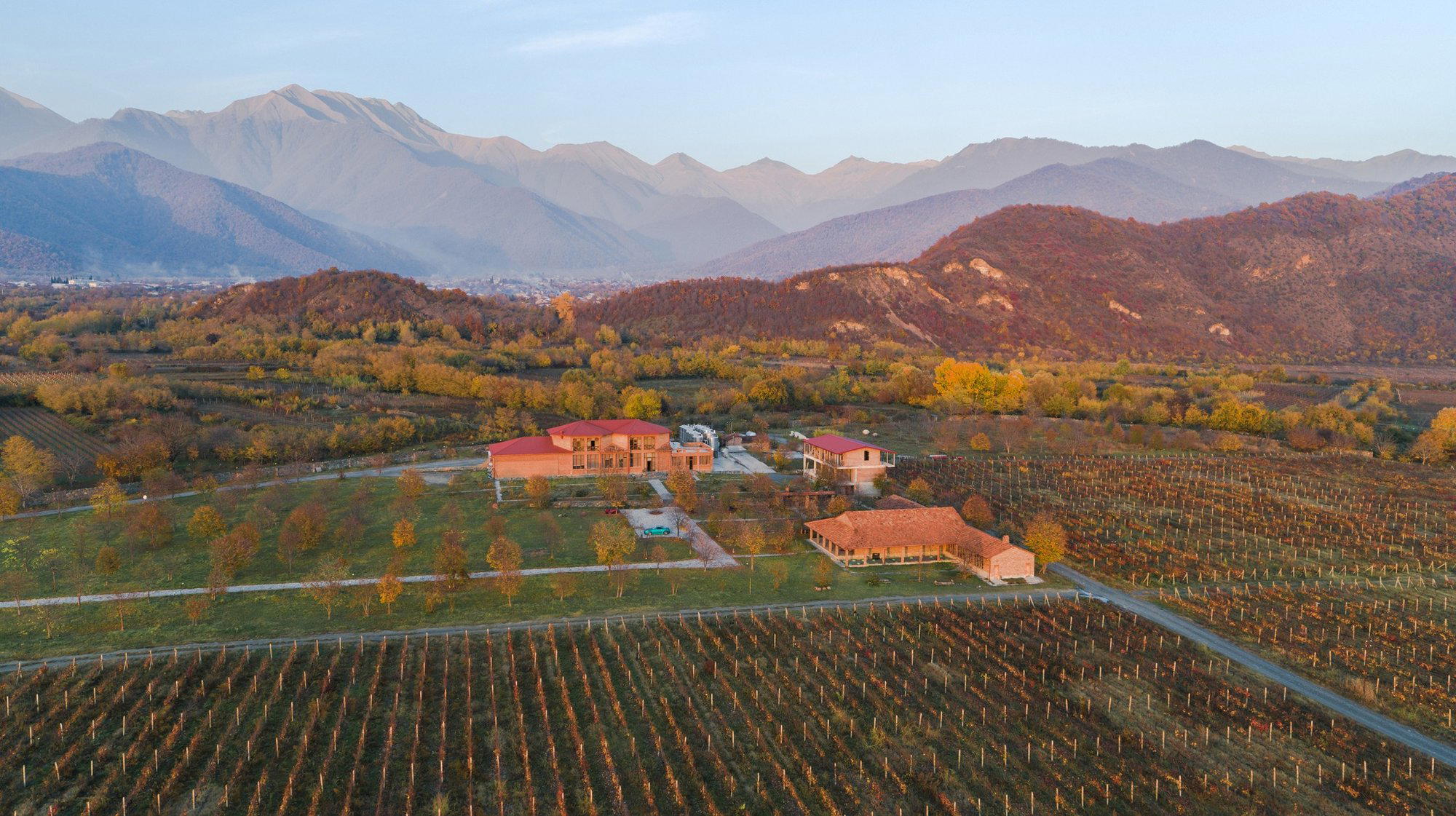
To understand what 8000 Vintages is doing, it helps to understand what Georgian wine is not. It is not a regional curiosity, not a natural-wine trend vehicle, not an ambient background choice. The qvevri, the clay amphora buried underground that defines Georgian winemaking at its most traditional, produces skin-contact whites, called amber wines, with a tannin structure and oxidative depth that sits entirely outside European winemaking convention. These wines age on grape skins for months. They emerge with colour closer to dark amber or burnt orange, with textures that have more in common with a light red than a conventional white.
That category shift, wine that disrupts the red/white binary, is part of what makes Georgian wine genuinely difficult to explain in a standard list format. 8000 Vintages sidesteps that problem by building the entire experience around the wines themselves, using the space as a teaching mechanism as much as a drinking one. Born in Tbilisi and transplanted to Berlin, the project treats Georgian wine as a subject of depth rather than novelty. That distinction matters in a city where Georgian restaurants have multiplied but the wine itself often plays second role to the food.
The Pouring Format as Editorial Stance
The editorial angle that defines the bar is not the cocktail programme in any conventional sense, there is no barrel-aged Negroni here, no clarified milk punch, but the pouring format operates with the same intentionality that distinguishes serious bar programmes across Berlin. Consider how Buck & Breck built its reputation on a short, rotating list and knowledgeable service rather than volume; or how Lebensstern has held its position through format discipline. The bar applies similar logic to a wine-specific context: the range is curated with depth rather than breadth, and the staff are positioned as guides into an unfamiliar category.
That guidance function is the core of the experience. Asking for a recommendation here is genuinely useful, because the selection is specific enough that someone who knows it well can navigate you from an entry-level Rkatsiteli to something skin-contact and funky without losing you. The grape varieties, Rkatsiteli, Mtsvane, Saperavi, Chinuri, are not names most Berlin drinkers arrive knowing. The venue assumes that and works with it.
Berlin's Wine Bar Moment, and Where Georgia Fits
Berlin's bar scene has diversified considerably across the last decade. The cocktail-bar tier, anchored by venues like Stagger Lee and Velvet, has matured into a technically serious cohort. The wine bar format has followed a parallel track, moving from simple list-and-glass operations toward specialist positions: natural wine, regional German focus, Champagne-only formats. Georgian wine sits in that specialist tier but occupies its own distinct corner. No other wine culture produces amber wines at scale, uses buried clay as primary vessel, and can trace the tradition in near-continuous form across eight millennia.
Across Germany, the bar scene takes different shapes by city. Le Lion Bar de Paris in Hamburg anchors its identity in Franco-German precision; Goldene Bar in Munich works within a grander institutional register; The Parlour in Frankfurt on the Main and Bar Trattoria Celentano in Cologne each occupy specific neighbourhood positions. Berlin tends to produce particularly format-adventurous drinking destinations, and the bar fits that tendency: it is a venue whose entire premise would be difficult to sustain in a city less comfortable with specificity.
Further afield, Uerige in Dusseldorf and Kieler Brauerei am Alten Markt in Kiel demonstrate how single-category focus, in those cases, beer, builds long-term credibility. The bar is making the same argument for Georgian wine: that focus, over time, produces authority. Even Bar Leather Apron in Honolulu exemplifies how specialist programming, executed with consistency, earns a following that generic formats cannot.
What to Expect in Practice
Großbeerenstraße 27A is a Kreuzberg address, which places it in a neighbourhood with high tolerance for concept-driven spaces and regular foot traffic from people who drink thoughtfully. The venue does not require advance booking on the same scale as Berlin's most pressured cocktail counters, but arriving without a plan on weekend evenings carries the usual risk.
The price positioning sits at about $40 per person. Expect to pay for context as much as for glass volume. This is a format where the conversation around the wine is part of what you are paying for, and where ordering more in order to compare across styles is both encouraged and rewarding.
Side-by-Side Snapshot
Comparable venues nearby, for context on price, style, and recognition.
| Venue | Cuisine | Price | Notes |
|---|---|---|---|
| 8000 VintagesThis venue — the venue you are viewing | wine_bar | $$ | Not listed |
| Mein Haus am See | lounge | $$ | Mitte |
| Mauerwinzer | wine_bar | $$ | Scheunenviertel |
| Liesl Weinwirtschaft | wine_bar | $$ | Neukolln |
| Kurpfalz Weinstuben | wine_bar | $$ | Charlottenburg |
| Strandbad Mitte | beer_bar | $$ | Mitte |
Recognition history
Dated appearances from independent guides and award organizations, with the underlying list record or original source where available.
Star Wine List
Star Wine List
Continue exploring
More in Berlin
Bars in Berlin
Browse all →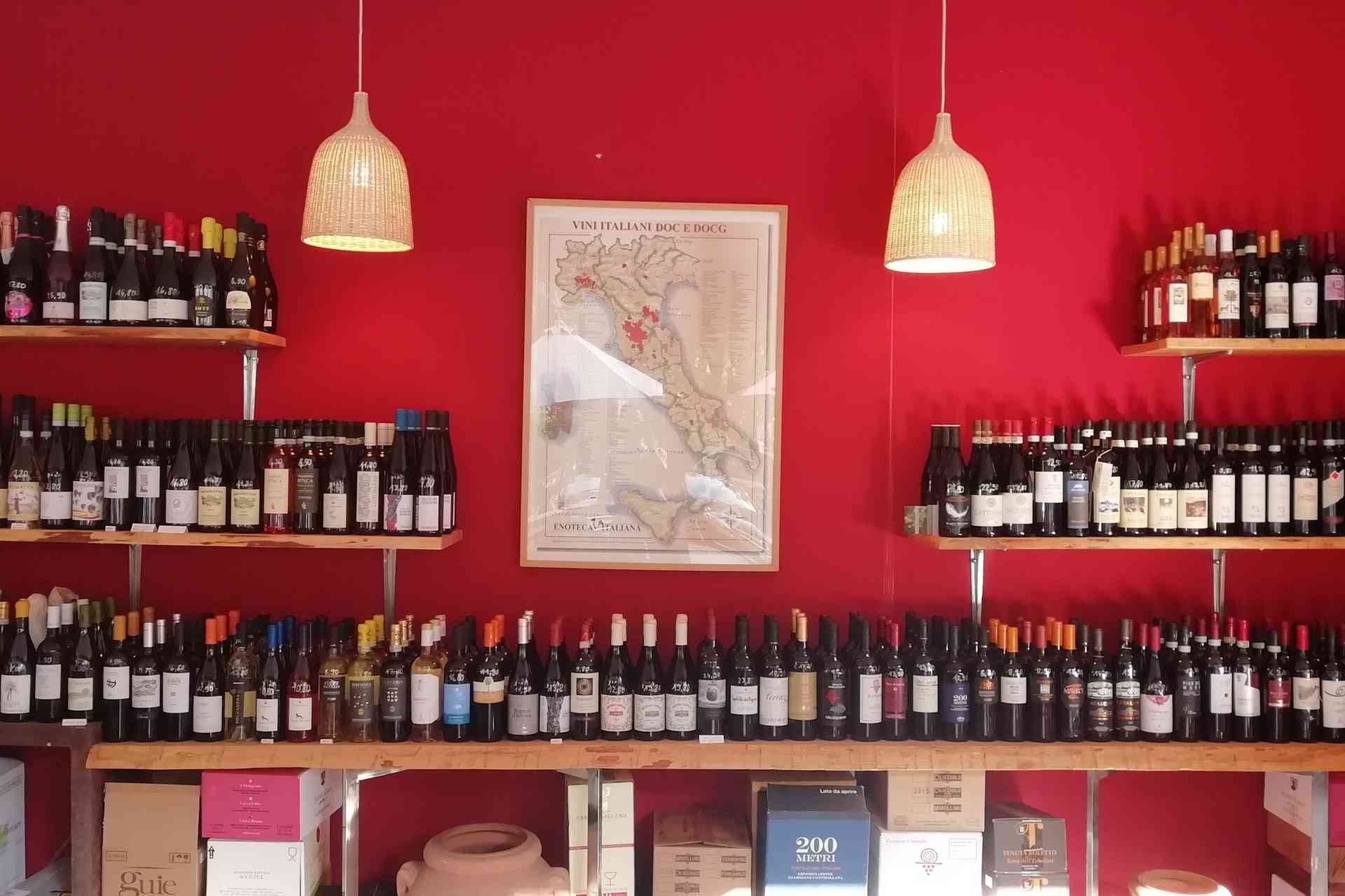
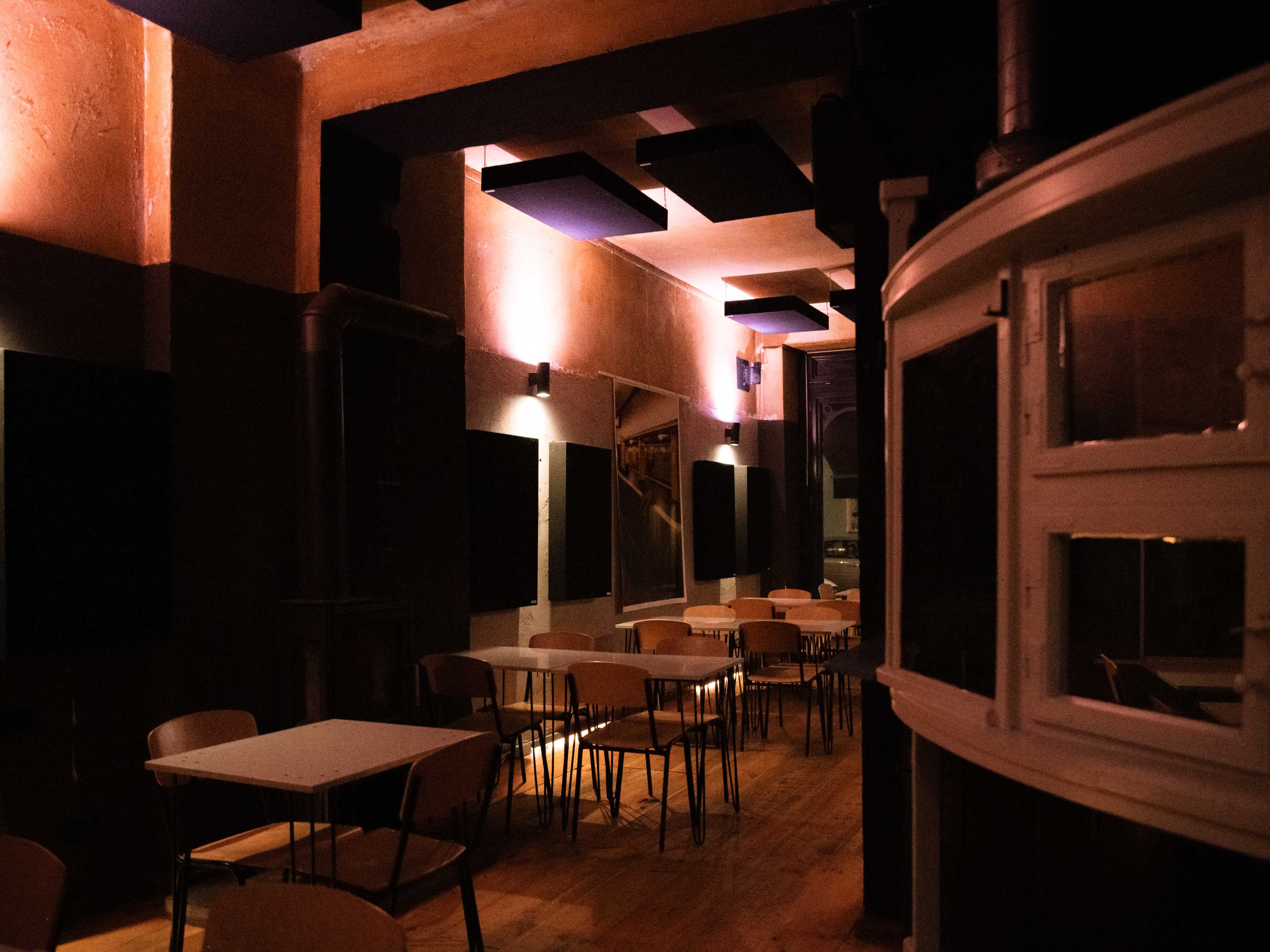
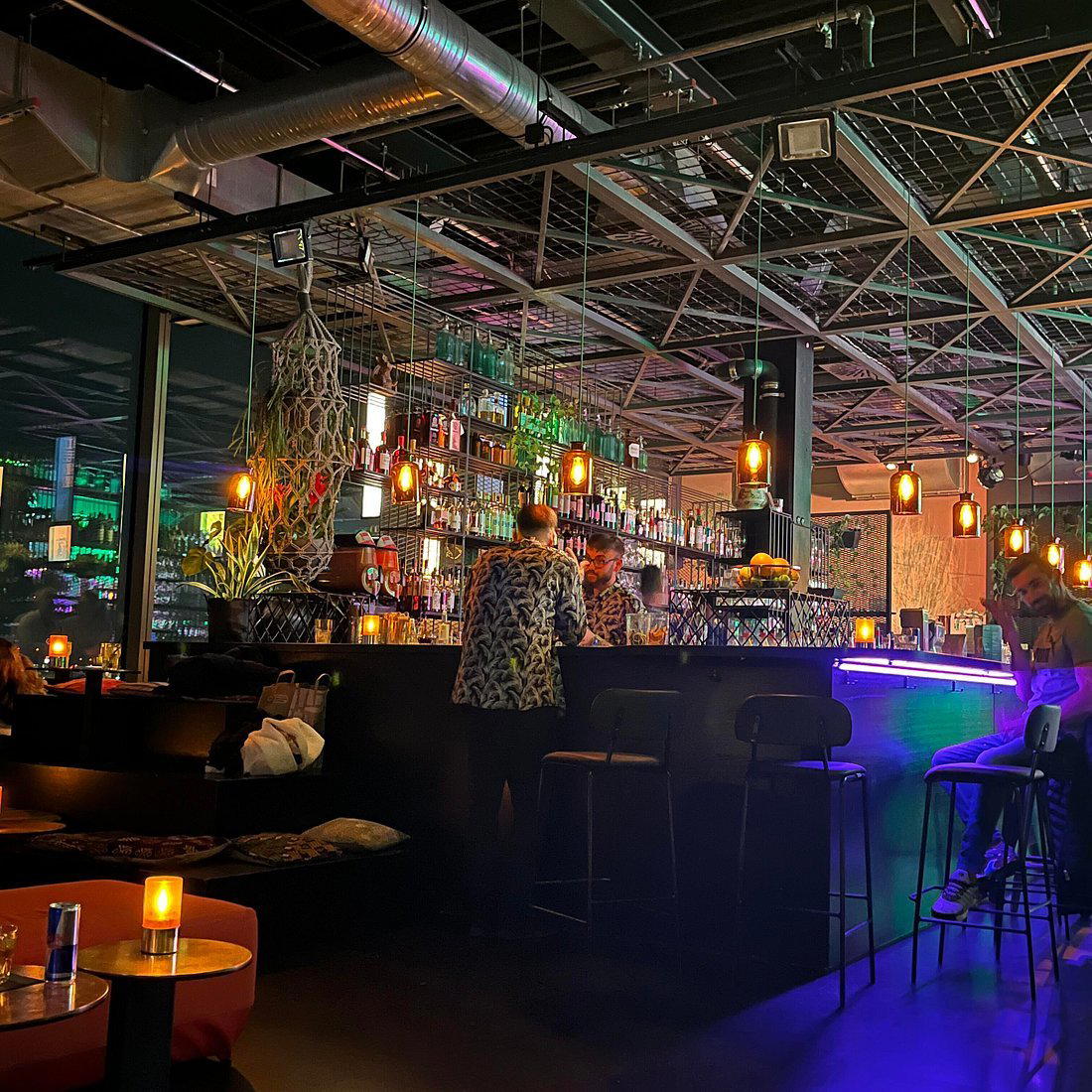
Restaurants in Berlin
Browse all →
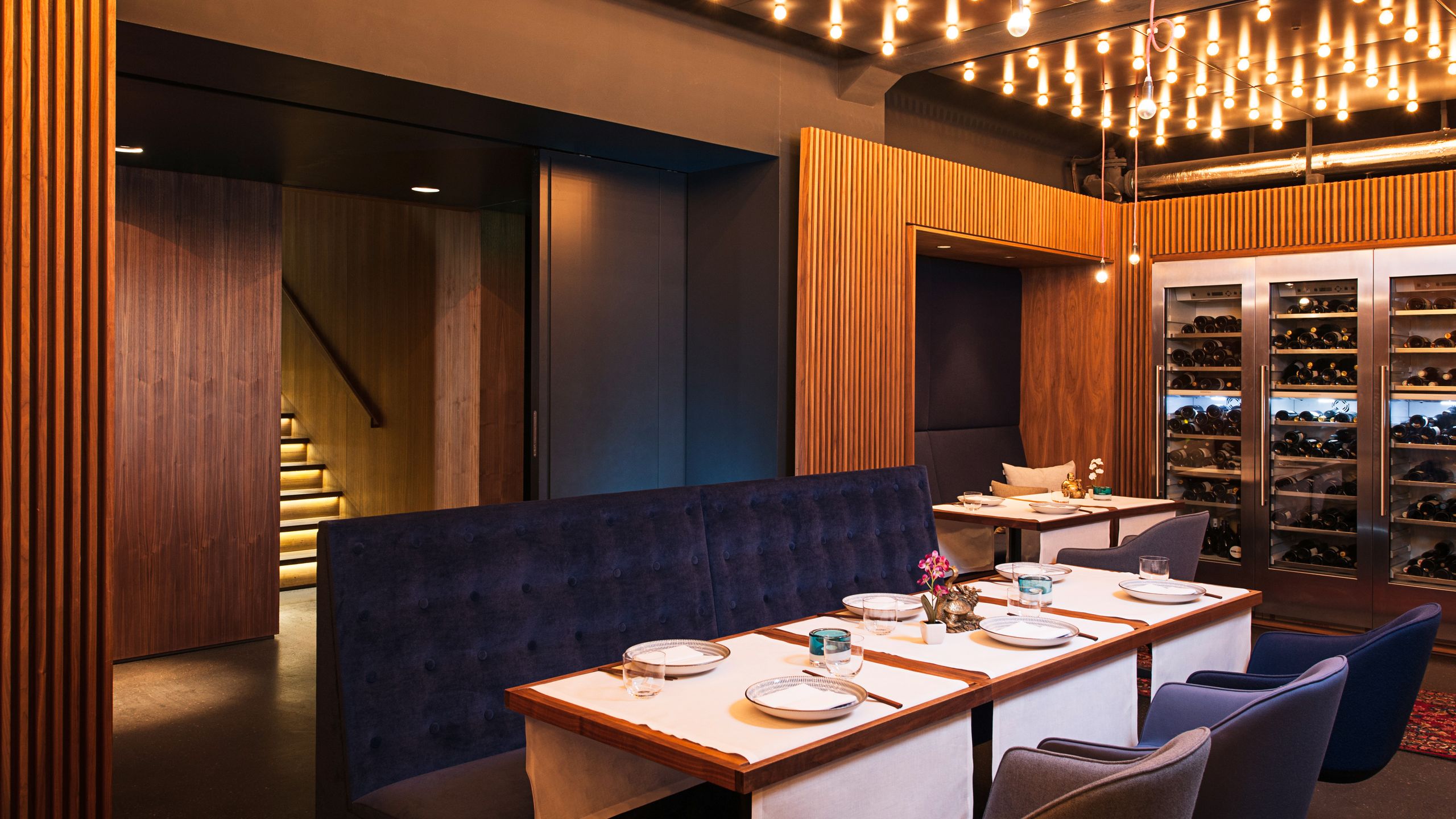
Hotels in Berlin
Browse all →

At a Glance
- Intimate
- Elegant
- Cozy
- Sophisticated
- Date Night
- Group Outing
- Casual Hangout
- Special Occasion
- Terrace
- Standalone
- Design Destination
- Seated Bar
- Outdoor Terrace
- Lounge Seating
- Natural Wine
- Conventional Wine
- Street Scene
Current opening hours
- Monday
- Closed
- Tuesday
- Closed
- Wednesday
- 12 PM–12 AM
- Thursday
- 12 PM–12 AM
- Friday
- 12 PM–12 AM
- Saturday
- 12 PM–12 AM
- Sunday
- 12 PM–12 AM
Hours can change for holidays and private events. Last verified .
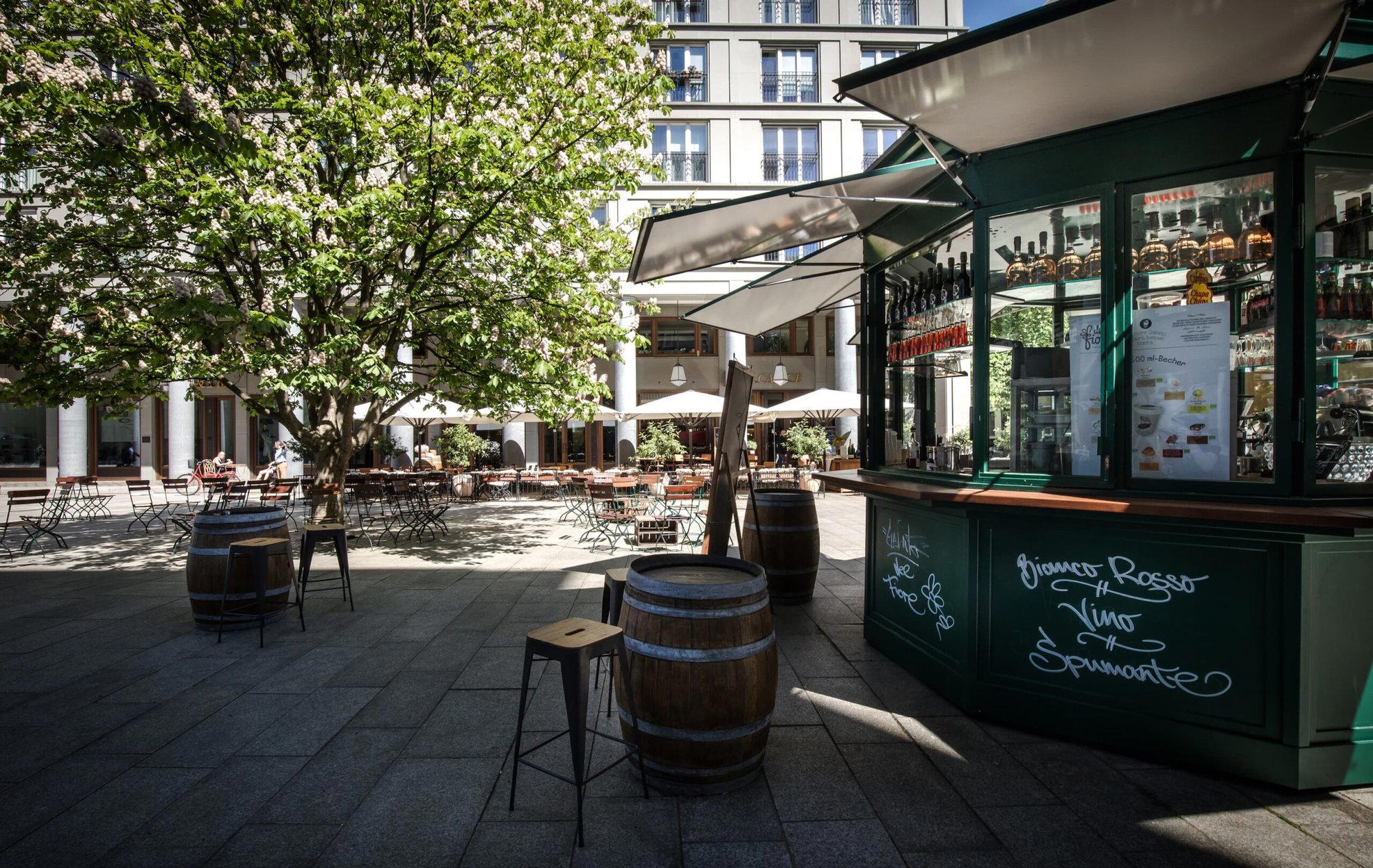
Warm, relaxed atmosphere with south-facing terrace seating; intimate interior with focus on wine appreciation and conversation.