
Yakiniku Yazawa Kyoto brings the grill-table grammar of Japanese beef dining into central Kyoto, with Kuroge Wagyu, tripe, private rooms, and a drinks list that covers sake, shochu, cocktails, and wine. Its repeated selection for Tabelog’s Yakiniku WEST “Tabelog 100” places it in a serious regional bracket for diners comparing Kyoto’s meat-focused rooms with the city’s better-known washoku and sushi counters.
Pearl is the En Primeur Club membership app — saves, bookings, and concierge access live there. Same editors, same standards.
- Address
- Japan, 〒600-8092 Kyoto, Shimogyo Ward, Shinmeicho, 243 雅綾小路ビル 1階
- Phone
- +81 75-352-2914
- Website
- valuet.co.jp
 Saves & bookings on Pearl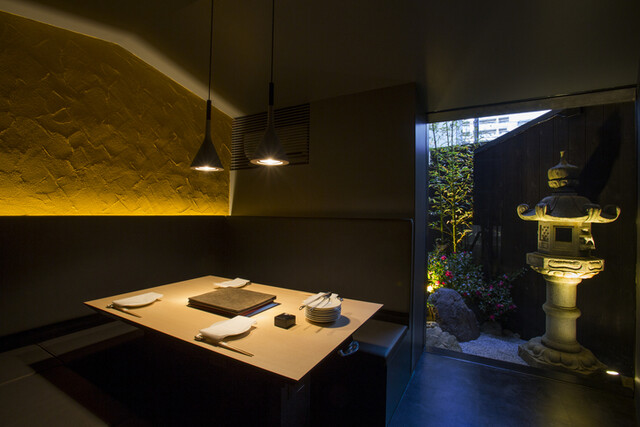
From the street, the signal is not Kyoto’s usual temple-town restraint but the quieter confidence of a beef house built around smoke control, partitions, and the ritual of cooking at the table. Yakiniku is a different kind of precision from kaiseki: less about seasonal procession, more about sourcing, cut selection, heat, timing, and the diner’s own hand over the grill. In Kyoto, where visitors often default to tofu, tea cuisine, sushi, or multi-course washoku, that makes a serious yakiniku room feel almost corrective. It reminds the city’s dining map that Japanese craft is not limited to lacquerware pacing and chef-led counters.
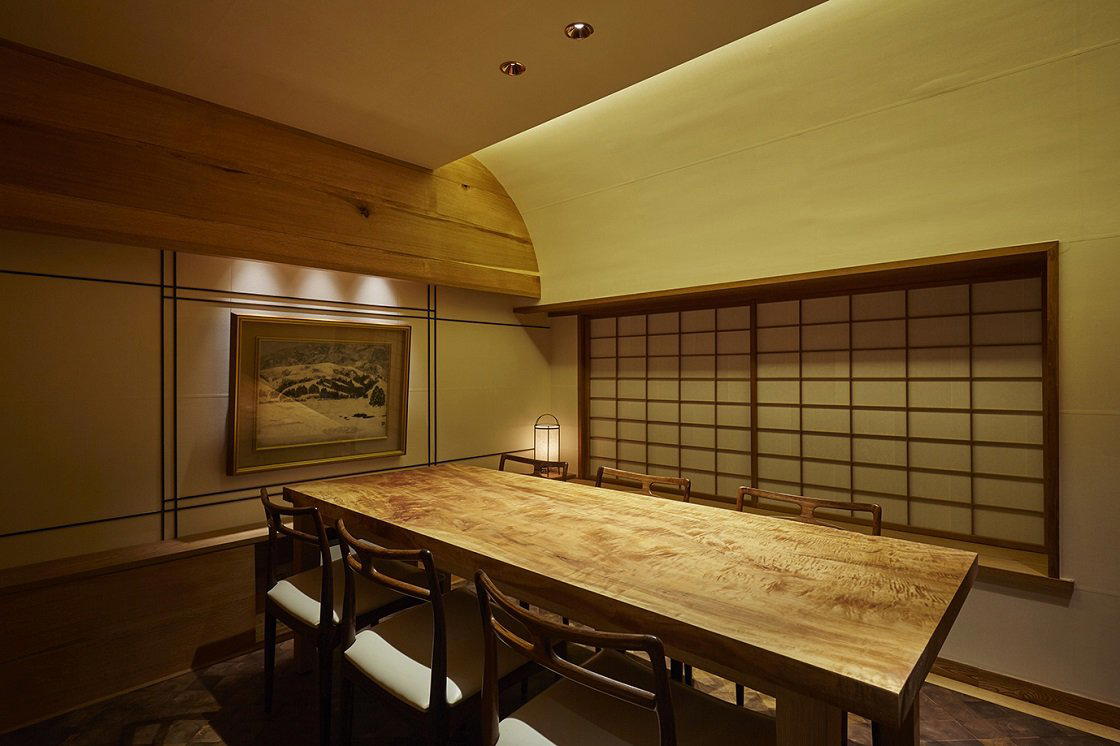
Yakiniku Yazawa Kyoto sits in that category with a clear identity: Kuroge Wagyu, Japanese barbecue, and tripe, presented in a format that fits both celebratory groups and meat-focused diners who want a narrower brief than a long dégustation. The room’s private-room structure matters because yakiniku is social by design. Unlike sushi, where conversation often bends around the counter, grilled beef rewards a table that can slow down, compare cuts, and pace the meal without the ceremony of a chef handing over each course.
Kuroge Wagyu, table heat, and Kyoto's less formal luxury
Kyoto’s premium dining culture is often discussed through refinement, but yakiniku expresses refinement through control rather than quietness. The imported influence is Korean barbecue, filtered through Japanese beef grading, sauce work, offal culture, and a service style that lets the table participate. That intersection is the point: indigenous product, especially Kuroge Wagyu, meets a grill-table method that travelled, settled, and became distinctly Japanese.
The Tabelog 100 selection for Yakiniku WEST in 2025 is the key external marker here, and the restaurant has appeared across multiple Yakiniku WEST selections in recent years. That does not make it a temple of luxury; it places it among regional yakiniku rooms judged on a category-specific basis, which is more useful. A steakhouse, a wagyu kappo counter, and a yakiniku room may all trade in beef, but they ask different questions. Yakiniku is about how fat renders, how leaner cuts respond to brief heat, how offal fits into the sequence, and how a table manages rhythm.
That rhythm is why the drinks list matters. Sake and shochu keep the meal within Japanese drinking culture, while wine and cocktails acknowledge the richer, fattier profile of grilled beef. Kyoto has plenty of rooms where the pairing logic is built around dashi, vinegar, and seasonal vegetables; here the logic is salt, smoke, tare, fat, and contrast. For diners used to the city’s hushed tasting menus, this is a more tactile version of precision.
Where it fits in a Shijo-Karasuma dining day
The Shijo-Karasuma area is one of Kyoto’s more practical dining zones because it connects shopping streets, subway access, and a dense grid of restaurants without forcing a pilgrimage to the eastern hills or northern temple districts. That convenience changes the decision. A serious grill dinner can sit after a day built around Nishiki Market, department-store browsing, or central hotel check-in, rather than becoming the sole event of the evening.
For contrast within Kyoto, 3TOKU6MI Shijo karasuma ten occupies a lower spend bracket in the same broad central orbit, while Washoku Haru, Kiu, and Izugen show how quickly the city’s dining vocabulary shifts from grilled beef to Japanese cooking and sushi. That contrast is useful for planning: choose yakiniku when the meal should feel communal, protein-led, and self-paced; choose sushi or washoku when the evening calls for chef-directed sequencing.
Kyoto’s broader restaurant map also rewards mixing registers. A snack stop such as 551蓬莱, a contemporary table such as [ki:], French cooking at Abbesses, or the older sweet-grill tradition at Aburi Mochi Honke Nemoto Kazariya all point to a city where polish and informality often sit within a few train stops. For category planning, use Our full Kyoto restaurants guide alongside Our full Kyoto hotels guide, Our full Kyoto bars guide, Our full Kyoto wineries guide, and Our full Kyoto experiences guide.
How to read the meal before choosing it
The case for Yakiniku Yazawa Kyoto is not that it replaces Kyoto’s classic dining forms. It does something they rarely do: it puts the diner in charge of heat while keeping the sourcing and service frame serious. That makes it especially useful for travellers who have already scheduled a formal Japanese meal and want a second dinner with more movement, more conversation, and less dependence on a fixed counter cadence.
There is also a family and group logic to the format. Private rooms and children-welcome policies make yakiniku a smarter premium choice than many counter-led rooms for mixed-age parties. The presence of a multilingual menu lowers friction for visitors without turning the experience into a tourist format. Those details are practical, but they also say something about where this style sits in contemporary Kyoto: refined enough to be category-recognised, flexible enough to work outside the narrow rules of haute cuisine.
For readers comparing Japanese dining beyond Kyoto, the point travels. Beef-led rooms such as -Grilled beef Sukiyaki- KAMAKURA TANUKIAN 鎌倉 たぬき庵 in Kamakura approach meat through a different tradition, while charcoal cooking at. 鮪と炭火焼き うお炭 秋葉原店 in Tokyo shows how grill technique can move beyond beef. Casual and specialist addresses such as.cafe in Osaka.know in Kumamoto, (Shoku) Vietnam in Kawasaki, [Curry Senmon Ten] Maruyama Kyoju. in Sapporo, Jōdo Saké Bar in Los Angeles, and Onigiri Time in Pasadena underline the same lesson: Japanese dining is not a single mood. It is a set of formats, and the grill table is one of its clearest expressions of shared pleasure and technical discipline.
A Pricing-First Comparison
Comparable venues for context, by category and price tier.
| Venue | Cuisine | Price | Notes |
|---|---|---|---|
| Yakiniku Yazawa KyotoThis venue — the venue you are viewing | Shimogyō, Premium Wagyu Yakiniku | $$$ | Not listed |
| 和食晴ル | Not listed | $$$ | Shinkyō-chō, Shimogyō-ku, Kyoto Kappo Izakaya |
| Hotel De Ogawa | Shimogyō, Traditional Japanese Izakaya | $$$ | Not listed |
| Sobaya Nikola | Not listed | $$$ | Kamigyō, Modern soba restaurant with sake & wine pairing |
| Teuchi Soba Sushi Imafuku | Fushimi, Japanese Soba and Sushi | $$$ | Not listed |
| Hatsuda | Not listed | $$$ | Sakyō, Kyoto-style Yakiniku & Wagyu Bento |
Recognition history
Dated appearances from independent guides and award organizations, with the underlying list record or original source where available.
Tabelog 100 #74 · No. 74
Tabelog · Tabelog 100 - Yakiniku - WEST - 2025
Continue exploring
More in Kyoto
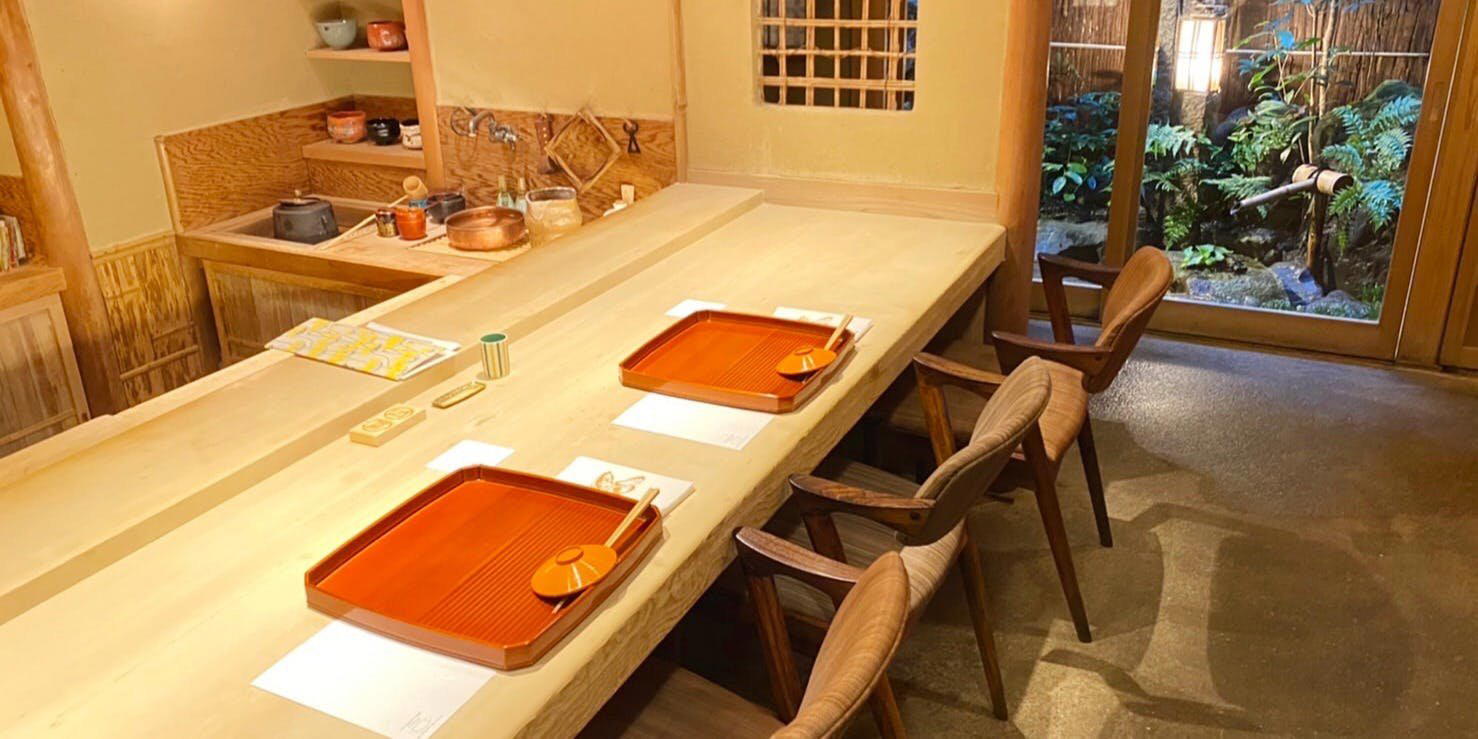
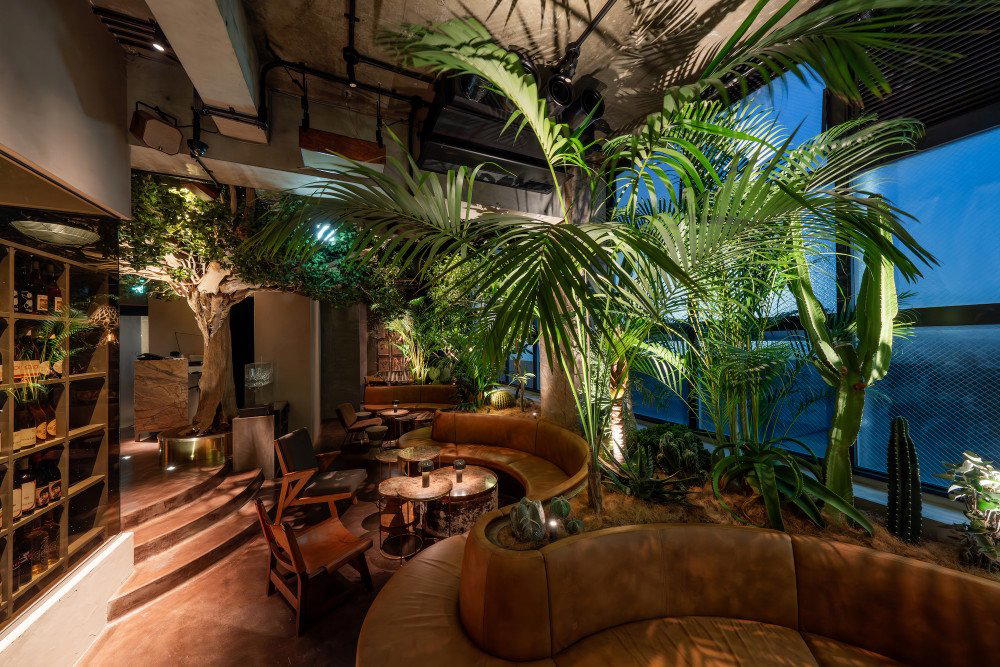
Restaurants in Kyoto
Browse all →
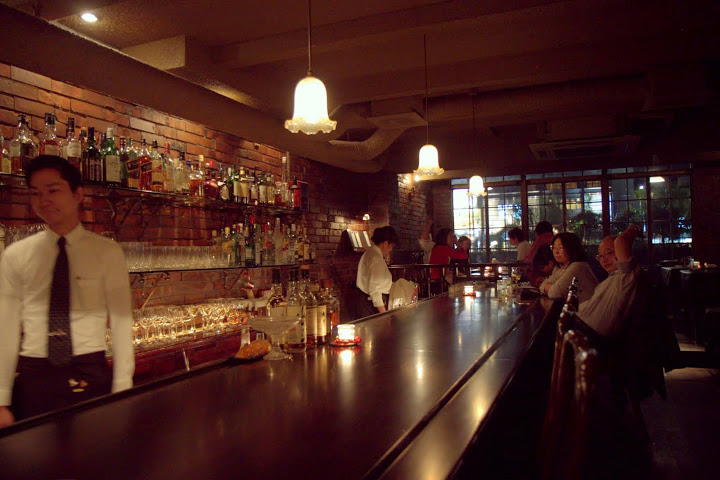
Bars in Kyoto
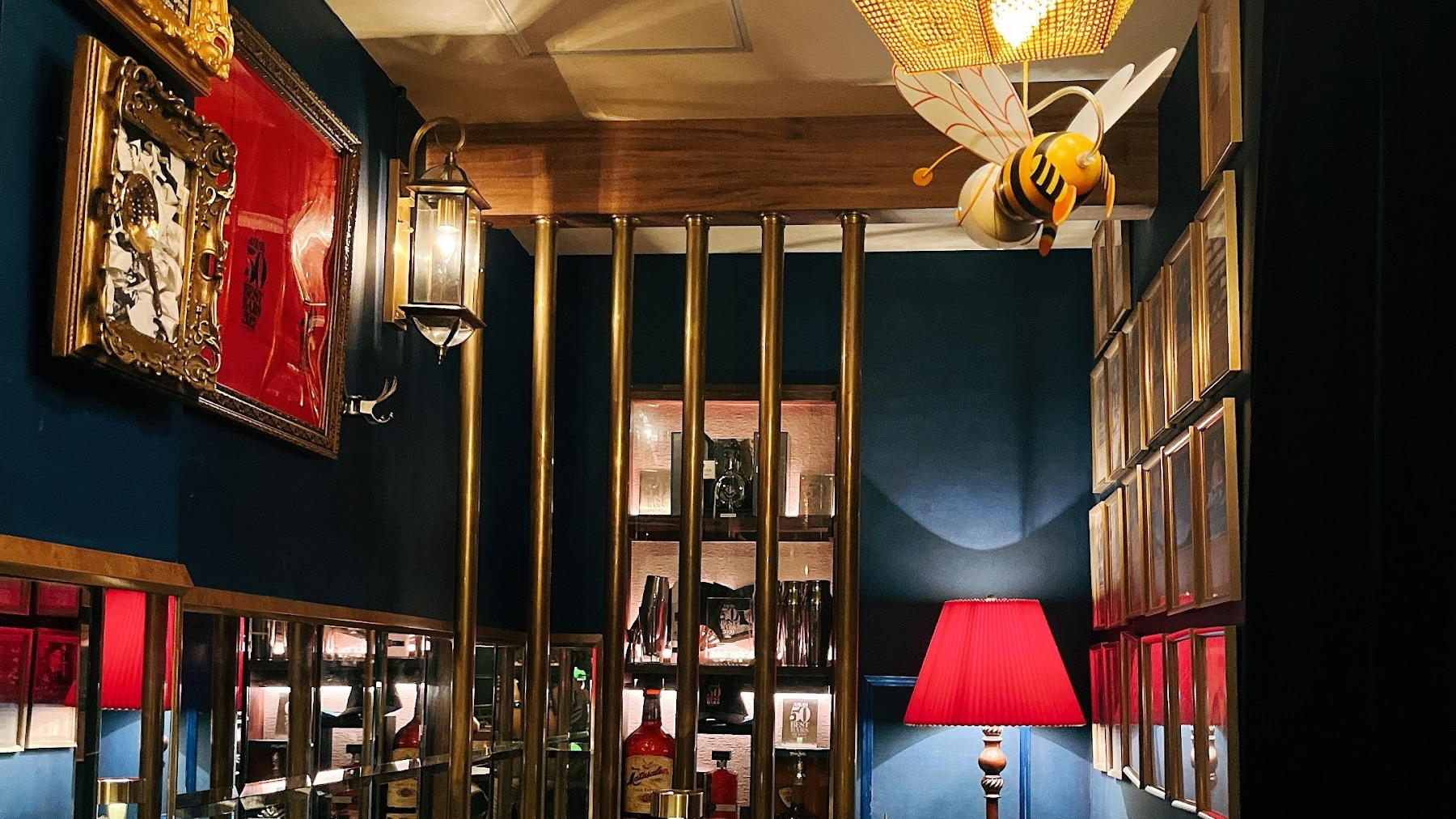
Browse all →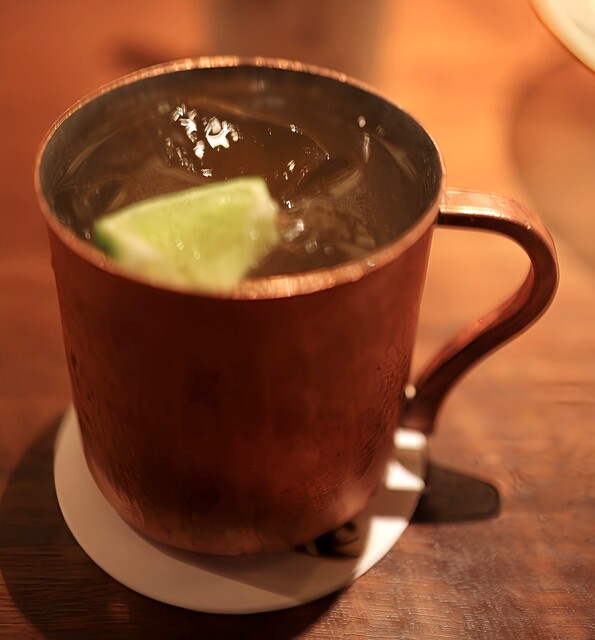

Hotels in Kyoto
Browse all →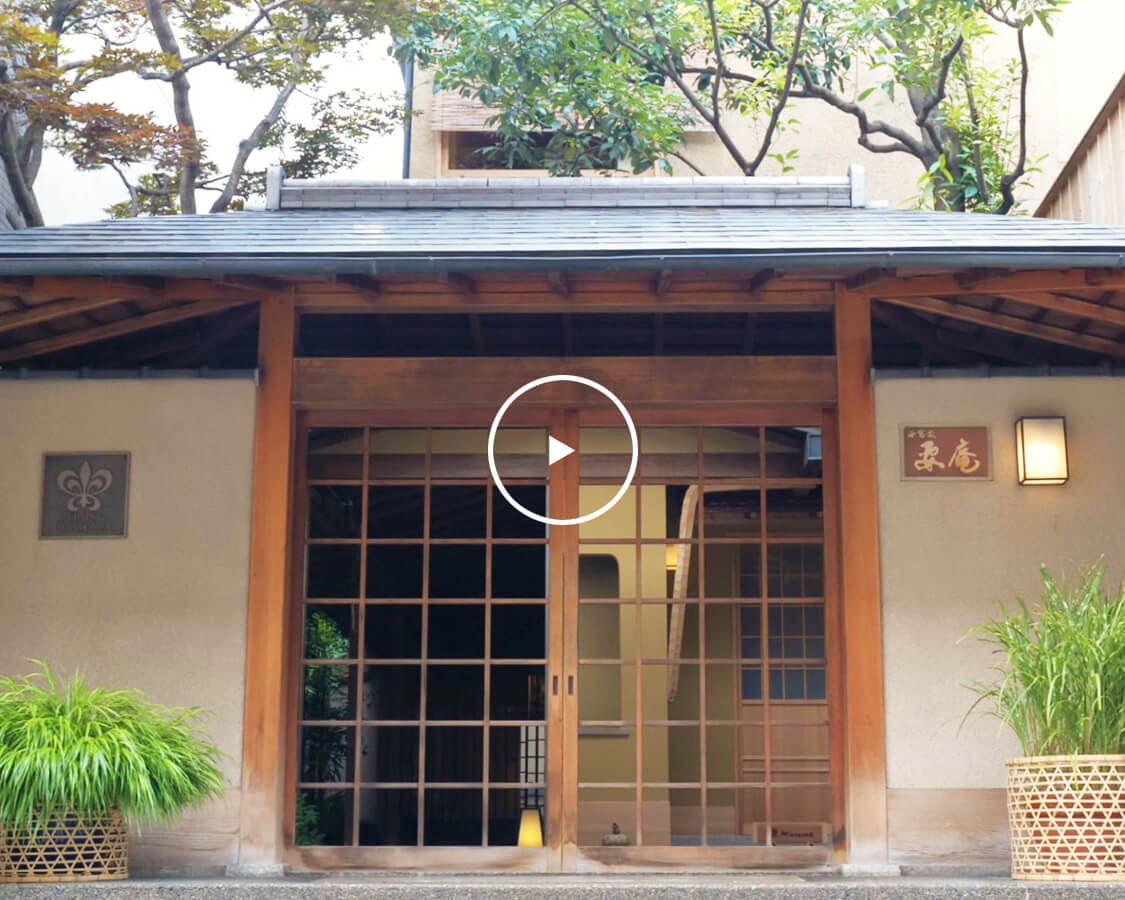
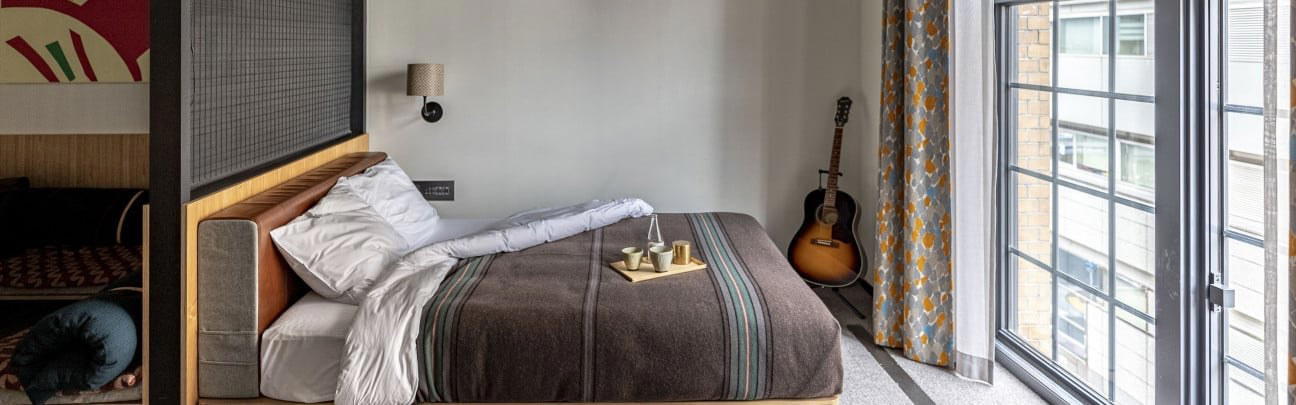
Wineries in Kyoto
Browse all →
At a Glance
- Elegant
- Cozy
- Modern
- Intimate
- Date Night
- Business Dinner
- Group Dining
- Family
- Celebration
- Special Occasion
- Private Dining
- Standalone
- Sake Program
- Beer Program
- Local Sourcing
- Farm To Table
Current opening hours
- Monday
- 5–10:30 PM
- Tuesday
- 5–10:30 PM
- Wednesday
- 5–10:30 PM
- Thursday
- 5–10:30 PM
- Friday
- 5–10:30 PM
- Saturday
- 11:30 AM–2:30 PM, 5–10:30 PM
- Sunday
- 11:30 AM–2:30 PM, 5–10:30 PM
Hours can change for holidays and private events. Last verified .
Refined but relaxed yakiniku setting with modern interiors, comfortable table and private-room seating, and an atmosphere suited to dates, families, and business dinners rather than a noisy grill house.