
Yoshokudo Suzuki places Kyoto’s yoshoku tradition in a small counter format, with croquette-led Japanese Western cooking recognized by Tabelog 100 Yoshoku WEST 2025. The appeal is not Kyoto nostalgia in broad strokes, but a tight, adult-only room where reservation discipline and eight seats make the meal feel closer to a specialist counter than a casual Western-style diner.
Pearl is the En Primeur Club membership app — saves, bookings, and concierge access live there. Same editors, same standards.
- Address
- 207 Tawarayacho, Nakagyo Ward, Kyoto, 604-8311, Japan
- Phone
- +81 75-823-2286
- Website
- instagram.com
 Saves & bookings on Pearl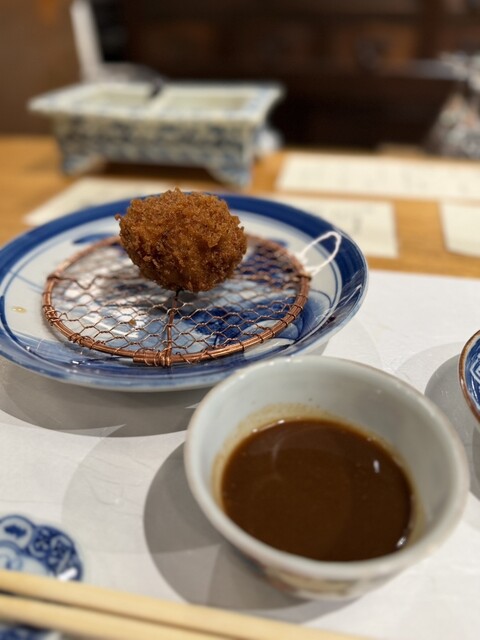
Approaching the counter-dining end of Kyoto’s yoshoku culture, the mood changes from temple-city softness to something more exacting: fewer seats, tighter pacing, and a room built around the cook’s line rather than the street. Yoshoku can be misread as casual comfort food, but in Kyoto it has a more serious register, shaped by long-running Western-influenced Japanese cooking, sauce work, frying technique, and the city’s habit of turning modest categories into precise rituals.
Yoshokudo Suzuki belongs to that smaller, more deliberate tier. Its public recognition, selection for Tabelog 100 Yoshoku WEST 2025, matters because yoshoku rarely receives the same international attention as kaiseki, sushi, or ramen, despite being one of Japan’s clearest examples of culinary translation. The category absorbs European forms, then rewrites them through Japanese textures, rice-centered appetite, and a different sense of portioning. In that frame, a croquette specialist in Nakagyo Ward is not a detour from Kyoto dining; it is a useful correction to the idea that the city’s serious food culture lives only in tatami rooms and tasting-menu temples.
Yoshoku treated with counter-level seriousness
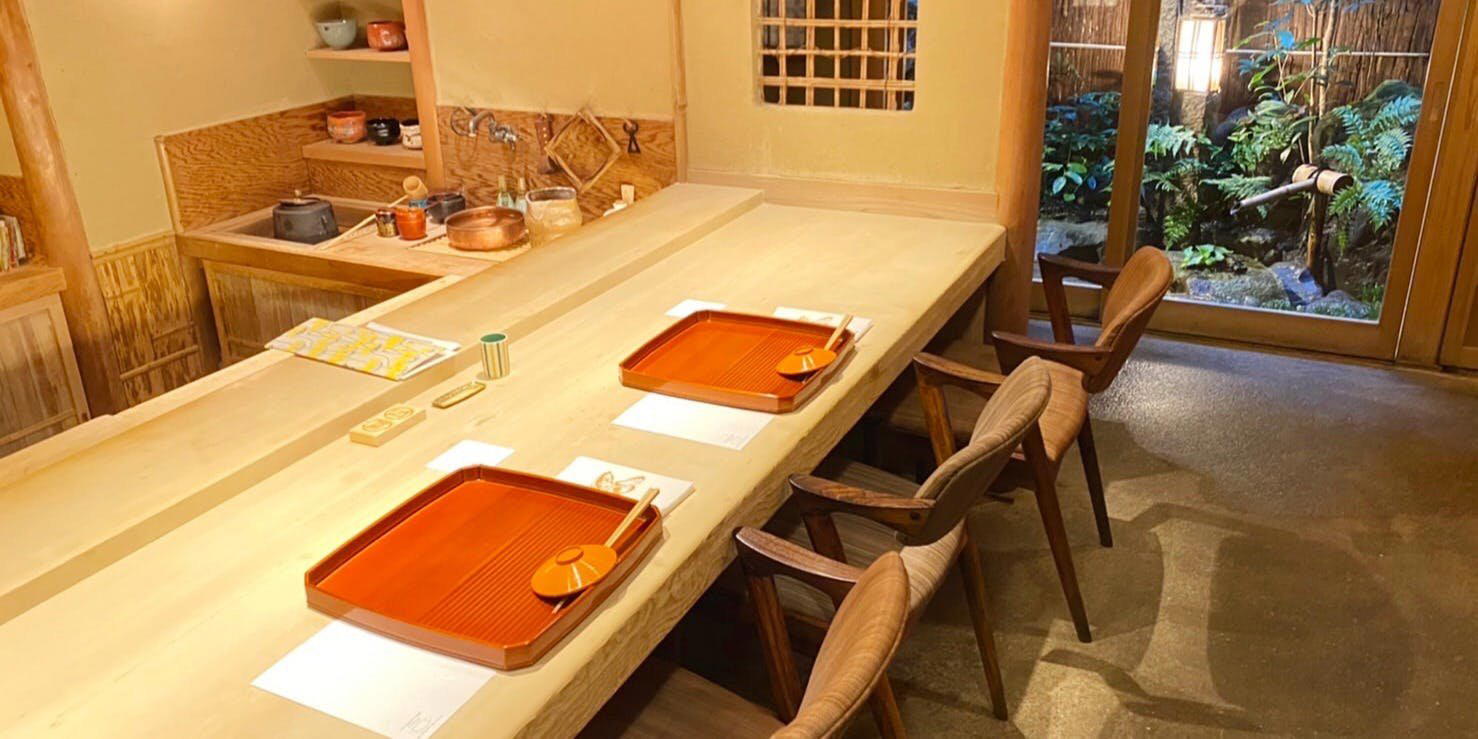
The strongest yoshoku rooms in western Japan tend to work by compression. Instead of expansive menus designed to please everyone, they focus attention on a narrower grammar: frying, demi-glace-style depth, cutlet craft, croquettes, omelette rice, stewed dishes, and the old Japanese fascination with Western restaurant form. Yoshokudo Suzuki’s listed categories, yoshoku and croquette, place it squarely in that tradition, but the format signals a stricter reading of it. Counter seating only changes the genre. It reduces distance between preparation and service, gives the room a more adult tempo, and makes the meal less about family-restaurant comfort than about watching a familiar cuisine handled with professional concentration.
That distinction matters in Kyoto, where visitors often over-index on ceremonious Japanese dining and under-read the city’s everyday specialisms. Nearby dining can swing from yakitori precision at Torisho sai to casual tea-and-sweets culture, while lower-priced local institutions such as Kissa Tirol and Sweets Cafe KYOTO KEIZO show how Kyoto’s food identity is built as much from routine addresses as from formal restaurants. Yoshoku sits between those poles: approachable in vocabulary, technical in execution, and deeply local in the way regulars evaluate it.
The Tabelog 100 selection gives the restaurant a useful external marker. Tabelog’s Hyakumeiten lists are not Michelin-style star hierarchies; they are category-specific recognition signals that can be especially revealing in Japan, where domestic diners often track genres with more granularity than international guides. A place selected for Yoshoku WEST is being measured against regional peers in the same form, not against Kyoto fine dining as a whole. That is the better comparison set.
The Kyoto context: beyond kaiseki and temple dining
Kyoto’s dining reputation is usually exported through kaiseki, wagashi, matcha, tofu, and seasonal produce, but the city’s modern appetite has always been wider. Nakagyo Ward is particularly instructive because it sits between civic Kyoto, shopping Kyoto, and residential Kyoto. Around Nijojo-mae and the central grid, small restaurants often work without the theatrical cues that overseas visitors expect. The meal is carried by format discipline: counter scale, limited capacity, reservations, and a clear understanding of what the kitchen is built to do.
Yoshokudo Suzuki’s adult-only policy and counter-only setup place it closer to Kyoto’s specialist micro-restaurants than to a broad-access neighborhood diner. That will suit travelers who value a focused room and a narrow category treated with intent. It will not suit groups expecting flexible pacing, children at the table, or a menu designed for grazing. This is a useful filter, not a drawback. Kyoto rewards diners who match the room to the occasion.
For a fuller read on the city, pair this kind of address with the broader Kyoto restaurant spectrum rather than treating it as an isolated stop. The city’s restaurant map can run from 3TOKU6MI Shijo karasuma ten, 551蓬莱, [[ki:]](https://www.enprimeurclub.com/restaurants/ki-26035998), Abbesses, and Aburi Mochi Honke Nemoto Kazariya to formal Japanese counters and casual regional staples. For planning beyond one meal, use [Our full Kyoto restaurants guide](), [Our full Kyoto hotels guide](), [Our full Kyoto bars guide](), [Our full Kyoto wineries guide](), and Our full Kyoto experiences guide as separate lenses on the same city.
Who this table is for
The right diner here is not chasing novelty. The draw is a mature Japanese category handled in a room with limited margin for distraction. Eight counter seats, reservation requirements, and a price band that sits well above everyday yoshoku push the experience into specialist territory. That makes it useful for travelers who have already done Kyoto’s obvious set pieces and want a meal that says more about how locals rank craft within familiar forms.
It also helps to compare the decision with other Japan-focused dining choices. A sukiyaki-focused meal such as -Grilled beef Sukiyaki- KAMAKURA TANUKIAN 鎌倉 たぬき庵 in Kamakura, a Tokyo charcoal-and-tuna address like. 鮪と炭火焼き うお炭 秋葉原店 in Tokyo, or a casual Osaka stop such as.cafe in Osaka answers a different question..know in Kumamoto, (Shoku) Vietnam in Kawasaki, and [[Curry Senmon Ten] Maruyama Kyoju. in Sapporo](https://www.enprimeurclub.com/restaurants/curry-senmon-ten-maruyama-kyoju-1054392) show how category focus changes by city. Abroad, [Jōdo Saké Bar in Los Angeles]() and [Onigiri Time in Pasadena]() reflect Japanese food through diaspora formats. The restaurant is more inward-looking: Kyoto, yoshoku, counter scale, and a domestic award signal doing the heavy lifting.
The editorial case is clear. For travelers building a Kyoto itinerary around reputation rather than spectacle, this is a compact study in how Japan’s Western-style cooking earns respect inside its own category. The award gives the address credibility; the counter format gives it pressure; the yoshoku focus gives it cultural value beyond another fine-dining reservation.
Cost and Credentials
Comparable venues to place this listing in its category.
| Venue | Cuisine | Price | Notes |
|---|---|---|---|
| Yoshokudo SuzukiThis venue — the venue you are viewing | Not listed | $$$ | Not listed |
| 麩屋町 久らく | 京都市役所前, Japanese Kappo Izakaya | $$$ | Not listed |
| Morita Ya Kiya machi ten | Not listed | $$$ | Nakagyō, Traditional Japanese Sukiyaki & Shabu-Shabu |
| Tori Ryori Seto | Not listed | $$$ | Sakyō, Traditional Japanese Chicken Cuisine |
| Shokudo Miyazaki | Kiyamachi, Refined Kyoto Omakase | $$$ | Not listed |
| Pass The Baton | Gion, Japanese Shaved Ice Salon de Thé | $$$ | Not listed |
Recognition history
Dated appearances from independent guides and award organizations, with the underlying list record or original source where available.
Tabelog 100 #15 · No. 15
Tabelog · Tabelog 100 - Yoshoku - WEST - 2025
Continue exploring
More in Kyoto
Restaurants in Kyoto
Browse all →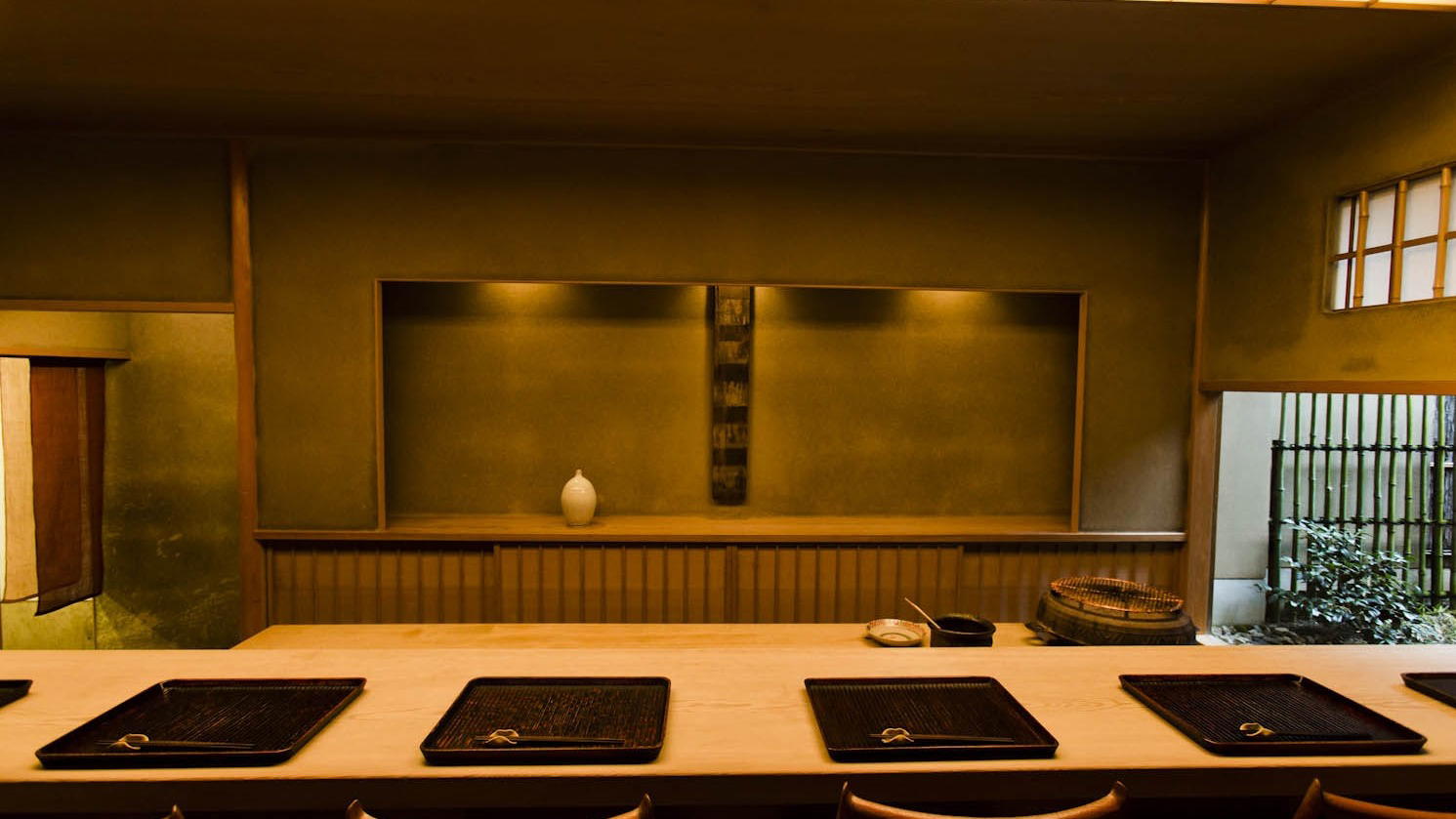


Bars in Kyoto
Browse all →


Hotels in Kyoto
Browse all →
Wineries in Kyoto
Browse all →
At a Glance
- Cozy
- Classic
- Intimate
- Date Night
- Solo
- Casual Hangout
- Chefs Counter
- Standalone
Current opening hours
- Monday
- Closed
- Tuesday
- 6–9:30 PM
- Wednesday
- 6–9:30 PM
- Thursday
- 6–9:30 PM
- Friday
- 5–9:30 PM
- Saturday
- 5–9:30 PM
- Sunday
- Closed
Hours can change for holidays and private events. Last verified .
Small, non‑smoking counter restaurant with a relaxed, intimate atmosphere where guests sit close to the open kitchen and enjoy carefully prepared fried items and seasonal dishes in a quiet residential street setting.