Our verdict
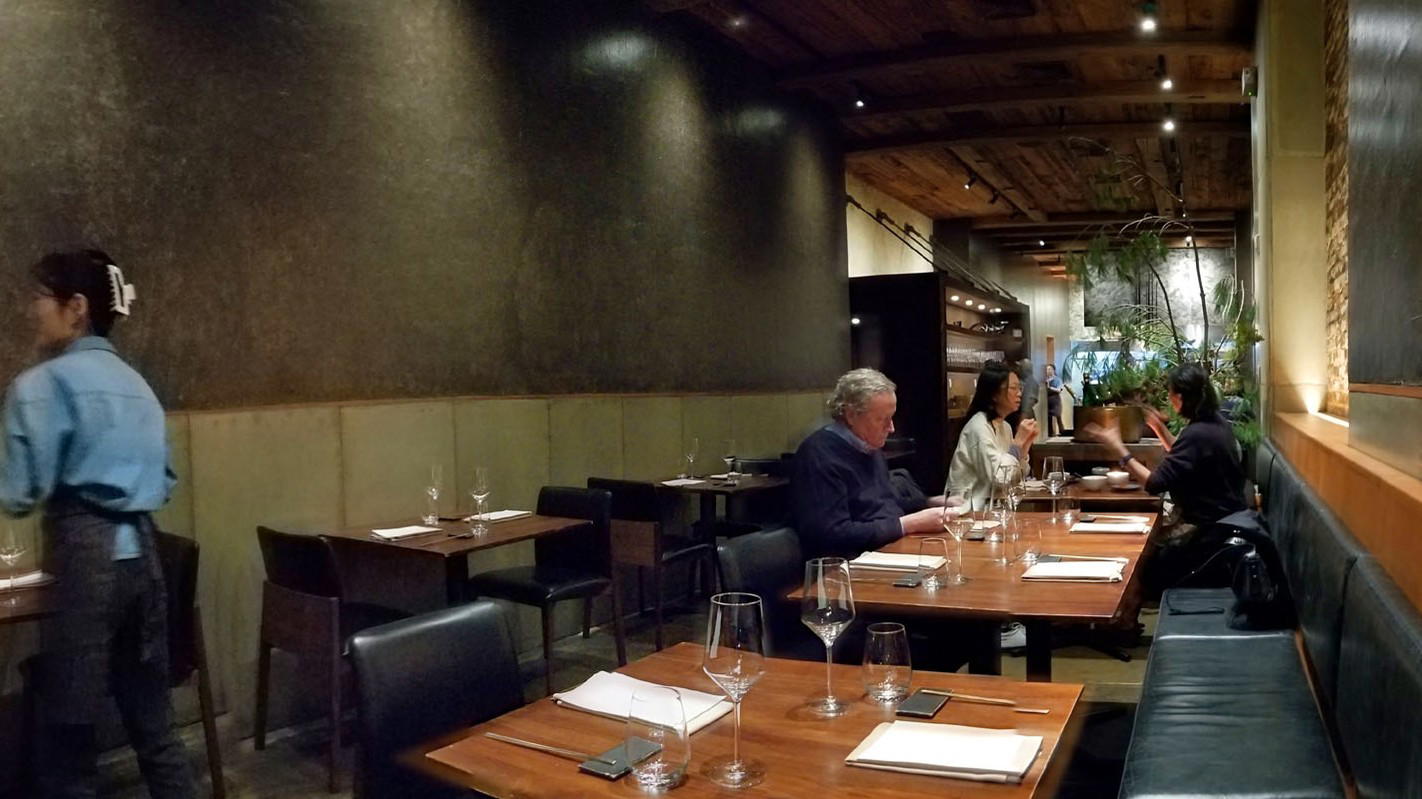
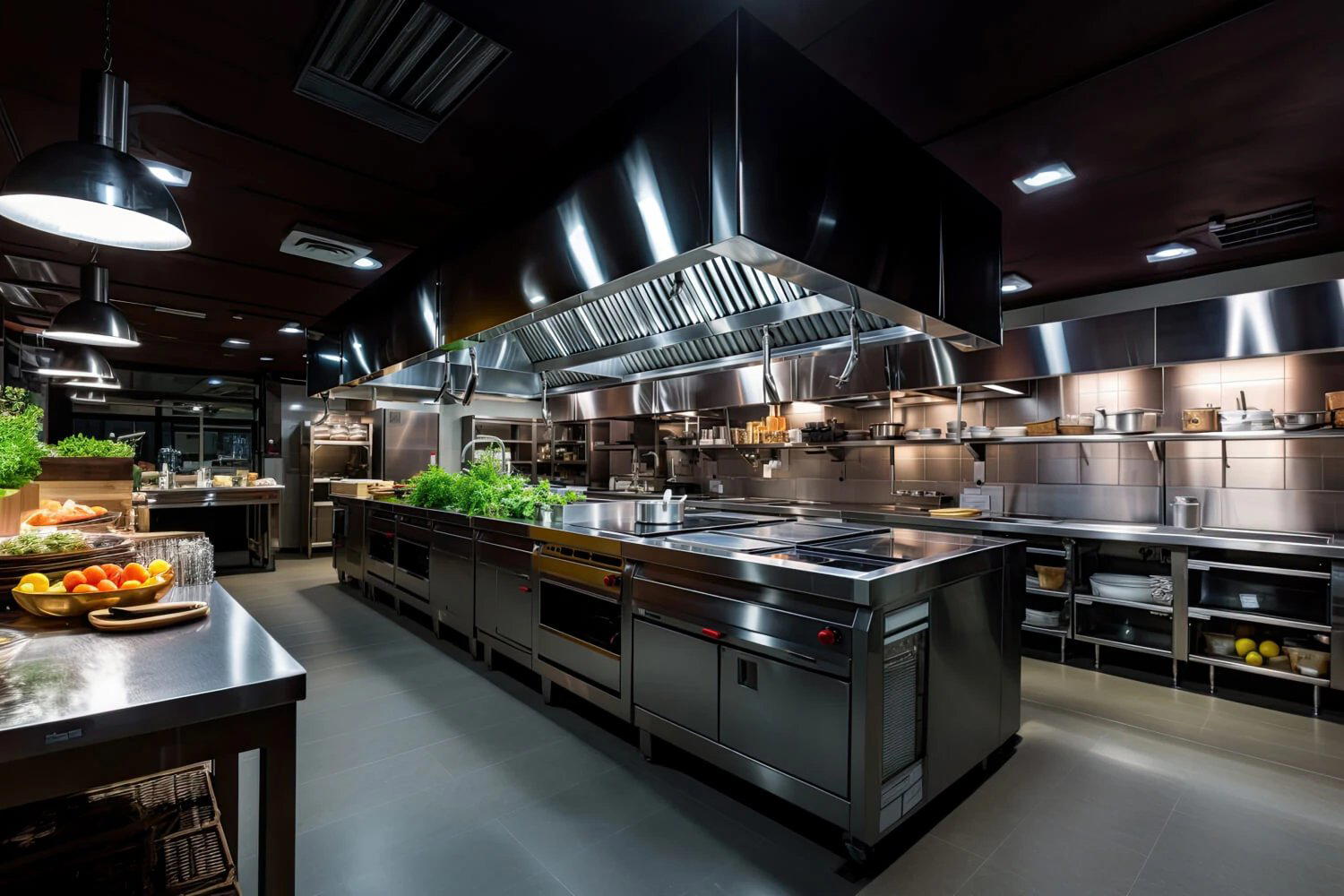
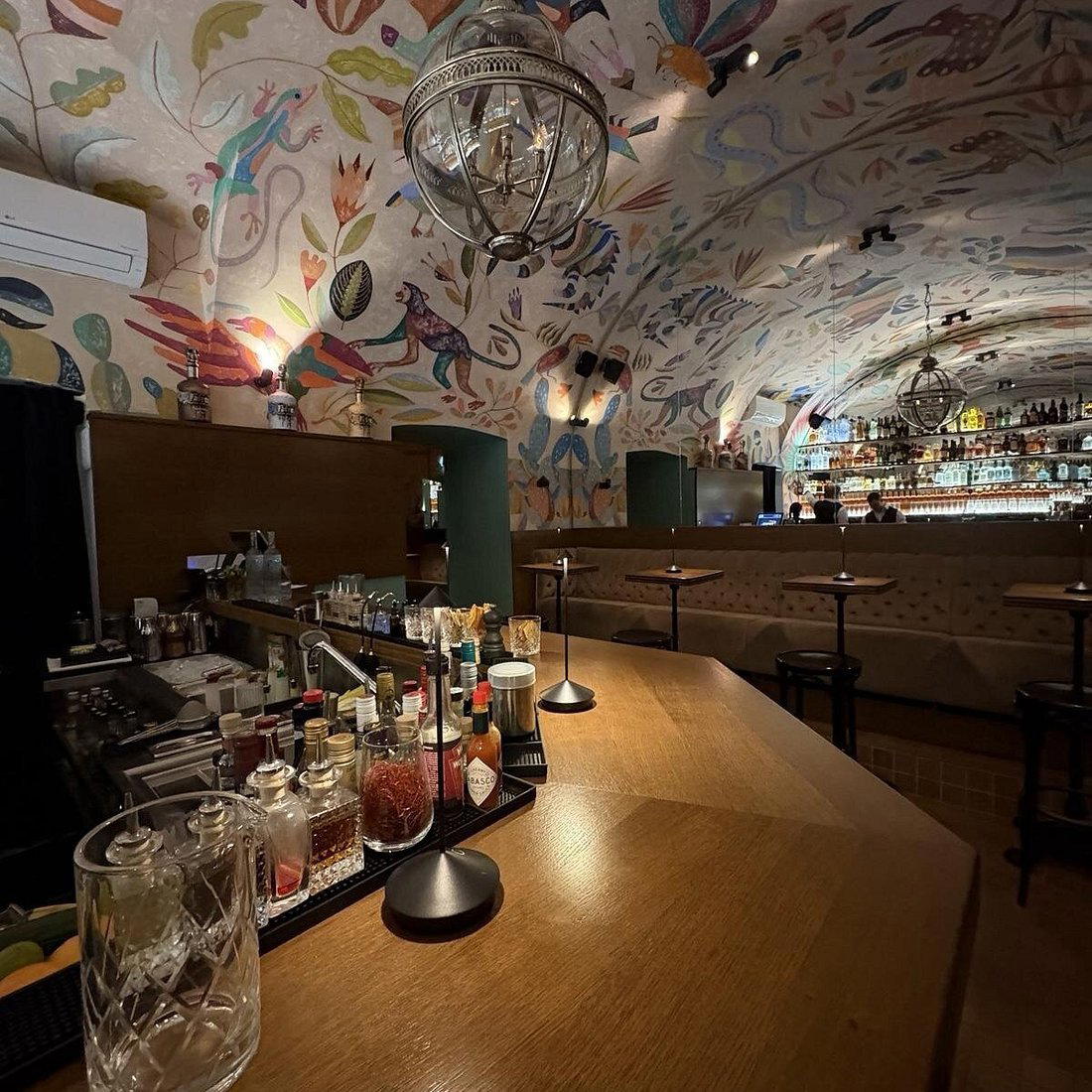
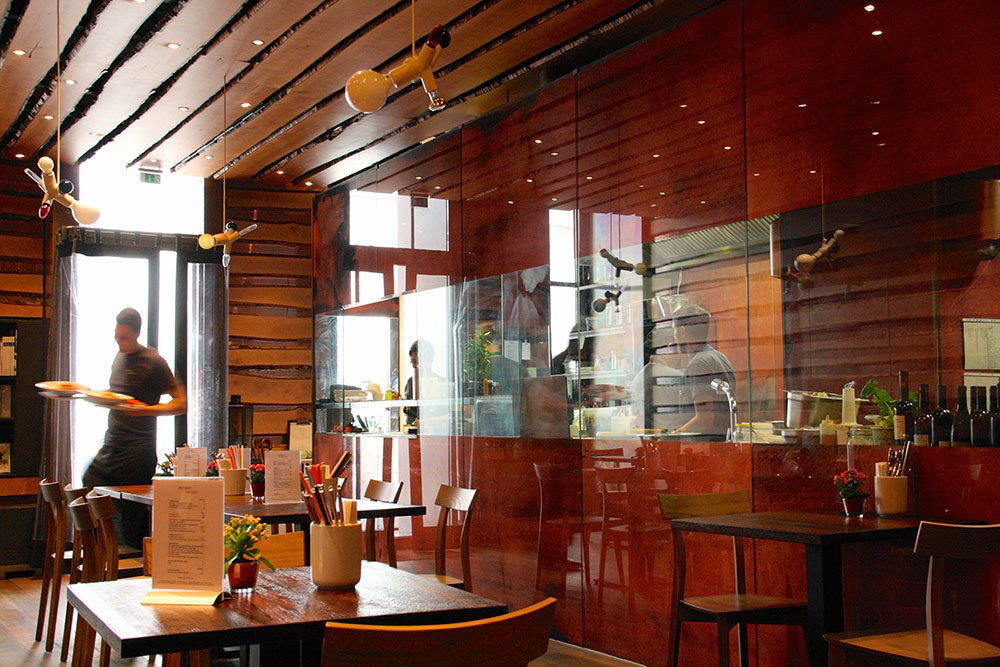
Modern Korean at Lustkandlgasse 4 in Vienna serves Modern Korean with European Influences for lunch and dinner, with a leisurely pace, conversational room, and open kitchen.

Pearl is the En Primeur Club membership app — saves, bookings, and concierge access live there. Same editors, same standards.
The menu
What to order
- Chicken Galbi
- Kimchi Jjigae
- Dolsot Bibim Surf & Turf
- Beef Miso Stew
- Bulgogi
Korean Cooking in the Ninth District
Lustkandlgasse sits in Vienna's 9th district, Alsergrund, a neighbourhood more associated with university corridors, medical faculties, and the kind of lived-in coffee houses that serve regulars by first name than with destination dining. That context matters. A Korean restaurant operating here is not positioning itself alongside the grand €€€€ tasting-counter circuit that defines Steirereck im Stadtpark or Amador. It is operating in a quieter register, serving a neighbourhood that eats seriously but without ceremony, and that distinction shapes everything about how the room feels and what visiting it actually requires.
Korean cuisine in the Austrian capital remains a niche category. Where cities like Berlin or London have developed layered Korean dining scenes spanning everything from fast-casual to kaiseki-adjacent tasting menus, Vienna's Korean presence is thin. That sparsity gives any serious operator in the space a different kind of use: there are few direct competitors, which means the venue is effectively defining the category for its postcode rather than competing within an established one. For visitors arriving from cities with deep Korean dining infrastructure, the frame of reference shifts accordingly.
The Booking Question
That absence is itself informative. In Vienna's mid-tier dining scene, venues without a dominant online booking infrastructure often rely on walk-in culture, direct phone reservations, or a regulars-first approach that makes capacity less of a public-facing concern. The 9th district, in particular, has enough neighbourhood foot traffic from the university and hospital catchment that a smaller Korean operation could sustain itself without heavy advance-booking machinery.
The practical consequence for a visitor is this: contact verification before travelling should be treated as non-negotiable. Cross-referencing Google Maps, local listings aggregators like Falstaff or Gault Millau Austria, and the venue's physical signage is more reliable than assuming hours listed on any single third-party platform are current. This is not a quirk specific to Modern Korean; it applies broadly to smaller independent restaurants in Viennese residential districts, where seasonal closures, reduced winter hours, and informal reservation systems are common.
Compared against Vienna's heavily booked fine-dining tier, where Konstantin Filippou and Mraz and Sohn require planning weeks or months in advance, a neighbourhood Korean restaurant in Alsergrund almost certainly operates with shorter booking windows or genuine walk-in availability. That accessibility is a meaningful differentiator in a city where the upper dining tier can feel impenetrable to the spontaneous visitor.
Where This Fits in Vienna's Dining Geography
Vienna's restaurant scene has developed an increasingly clear two-tier structure. At the leading, a cluster of creative and modern-European operators, largely Michelin-recognised, compete on tasting-menu ambition and international press attention. Below that, a broader mid-market runs from updated Viennese classics to international kitchens serving the city's considerable immigrant and expat communities. Korean cooking sits in that second tier by default in Vienna, not because of quality ceilings but because the category has not yet built the critical mass or media infrastructure to push individual operators into the upper tier's visibility.
That situation is changing elsewhere in Austria. Operators like Ikarus in Salzburg and Doubek in Vienna have demonstrated that non-classical formats can earn serious recognition in the Austrian market. In Germany and Scandinavia, Korean-influenced fine dining has moved well past novelty status. Vienna will follow that arc eventually, but the current moment puts a restaurant like Modern Korean in an interesting position: early enough in the city's Korean dining development that expectations are being set rather than met.
For context on what serious Korean fine dining looks like in a more developed market, Atomix in New York City operates a tasting-counter format that draws on traditional Korean culinary scholarship and has held two Michelin stars. The gap between that reference point and Vienna's current Korean dining infrastructure is significant, which means visitors should calibrate expectations around neighbourhood restaurant quality rather than destination-dining ambition.
Planning Your Visit: A Practical Comparison
| Venue | Category | Price Tier | Booking Lead Time | Format |
|---|---|---|---|---|
| Modern Korean | Korean | Not confirmed | Likely short or walk-in | Neighbourhood restaurant |
| Steirereck im Stadtpark | Creative | €€€€ | Weeks in advance | Fine dining, tasting menu |
| Konstantin Filippou | Modern European | €€€€ | Weeks in advance | Tasting menu counter |
| Mraz and Sohn | Modern Austrian | €€€€ | Weeks in advance | Tasting menu |
| Atomix (New York) | Korean fine dining | High | Months in advance | Counter tasting menu |
The Broader Austrian Fine Dining Map
Visitors building a longer itinerary around Austrian dining should note that the strongest concentration of recognised restaurants sits outside Vienna in the Alpine regions. Döllerer in Golling an der Salzach, Obauer in Werfen, and Griggeler Stuba in Lech each represent the mountain-region fine-dining tradition that runs through Tyrol and Salzburg. For those staying in the capital, our full Vienna restaurants guide maps the city's dining options by neighbourhood and price tier, including how the 9th district fits into the broader picture.
Further afield, Kräuterreich by Vitus Winkler in Sankt Veit im Pongau, Landhaus Bacher in Mautern an der Donau, Gourmetrestaurant Tannenhof in Sankt Anton am Arlberg, Restaurant 141 by Joachim Jaud in Mieming, Schwarzer Adler in Hall in Tirol, and Ois in Neufelden each represent distinct regional dining traditions worth considering when building an Austrian itinerary around serious eating.
Frequently asked questions
What's Modern Korean's location?
Modern Korean is located at Lustkandlgasse 4, 1090 Wien, Austria, Vienna.
Is Modern Korean in Vienna suited to a first-time visitor to Korean cuisine in Austria?
Korean restaurants in Vienna remain relatively sparse compared to the city's dominant Austrian, Italian, and Japanese dining options, which makes Modern Korean on Lustkandlgasse 4 in the 9th district one of the more accessible entry points into the cuisine within the capital. The contemporary framing suggested by the venue name implies a presentation style that tends to be approachable for guests unfamiliar with traditional Korean formats.
What's the best thing to order at Modern Korean?
For current menu highlights, checking directly with Modern Korean at Lustkandlgasse 4 in Vienna's 9th district before visiting is the most reliable approach. Korean cooking in a contemporary European context typically features fermented, grilled, and braised preparations worth asking staff about when you arrive. Check the venue's official channels for the latest details.
Can I walk in to Modern Korean?
For a restaurant in Alsergrund drawing on a neighbourhood with steady foot traffic from Vienna's university and medical community, walk-ins may be possible during quieter service periods, but confirming in advance by visiting in person is the safer approach.
What's the defining dish or idea at Modern Korean?
The venue name itself signals the organising principle: Korean cooking presented in a contemporary register rather than a traditional or casual format. Located at Lustkandlgasse 4 in Vienna's 9th district, the restaurant positions itself within a neighbourhood known more for academic life than for dining destinations, which shapes the likely audience and tone.
Can Modern Korean accommodate dietary restrictions?
Korean cooking frequently involves fermented ingredients, including soy and fish-based condiments, which can affect guests with certain allergies or dietary requirements. Contacting the restaurant at Lustkandlgasse 4 directly before booking is advisable.
Should I splurge on Modern Korean?
Vienna's contemporary dining tier spans a wide range, from neighbourhood spots under €30 per head to tasting-menu formats well above €100. Treating this as a neighbourhood discovery in Alsergrund rather than a destination splurge is a reasonable framing until pricing is confirmed.
Comparable Options
Comparable venues nearby, for context on price, style, and recognition.
| Venue | Cuisine | Price | Notes |
|---|---|---|---|
| Modern KoreanThis venue — the venue you are viewing | Modern Korean with European Influences | $30–50 | Not listed |
| dodo62 | Authentic Korean Street Food | Not listed | Josefstadt |
| NihonBashi | Authentic Japanese Sushi & Sashimi | $50–100 | Staatsoper |
| Restaurant Sole | Classic Italian Tuscan | $30–50 | Staatsoper |
| Stellas | Steakhouse & Grill | $50–100 | Neubau |
| Ostwind | Authentic Szechuan Chinese | $20–30 | Mariahilf |