







Skip to Main Content

UpcomingDrink over $25,000 of Burgundy at La Paulée New York

← Collection
CuisineContemporary Austrian, Innovative
Executive ChefAndreas Döllerer
LocationGolling an der Salzach, Austria
Opinionated About Dining
Michelin
La Liste
The Best Chef
Les Grandes Tables Du Monde
Wine Spectator

Two Michelin stars and a 98-point La Liste score place Döllerer among Austria's most decorated tables, yet the address remains Markt 56 in the small Salzach Valley town of Golling rather than a capital-city dining district. Chef Andreas Döllerer frames contemporary Austrian cooking through the raw materials of the surrounding Alps, supported by a wine cellar of 600,000 bottles ranked among Europe's finest by Star Wine List.

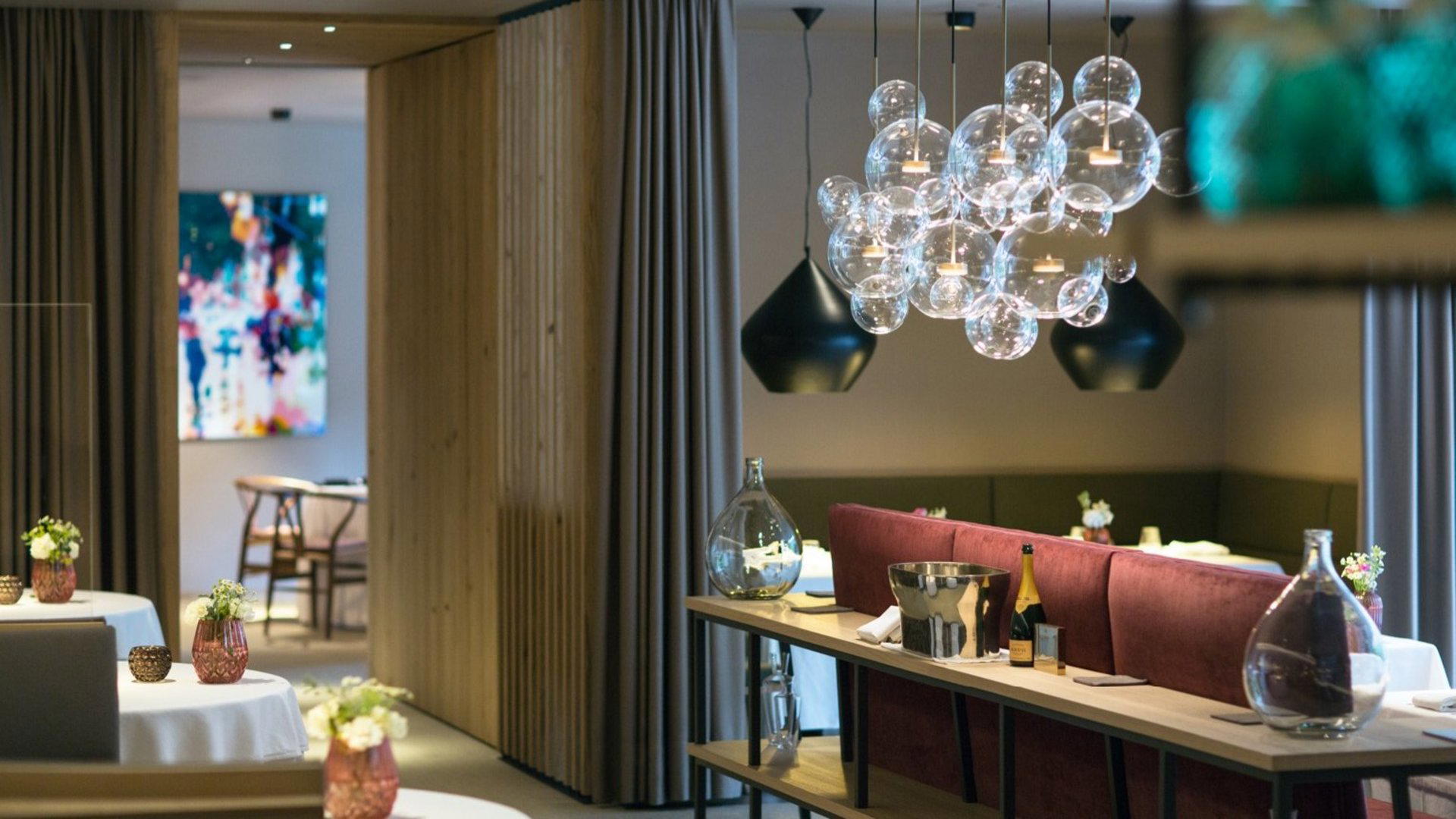
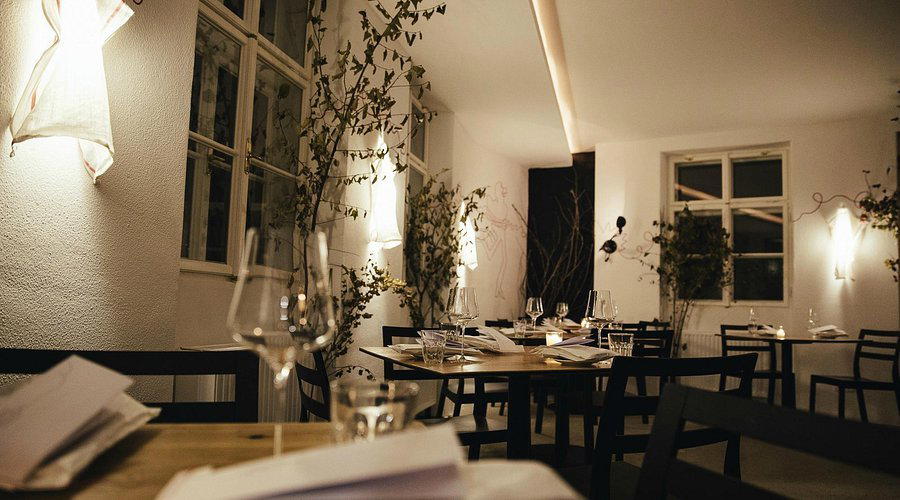
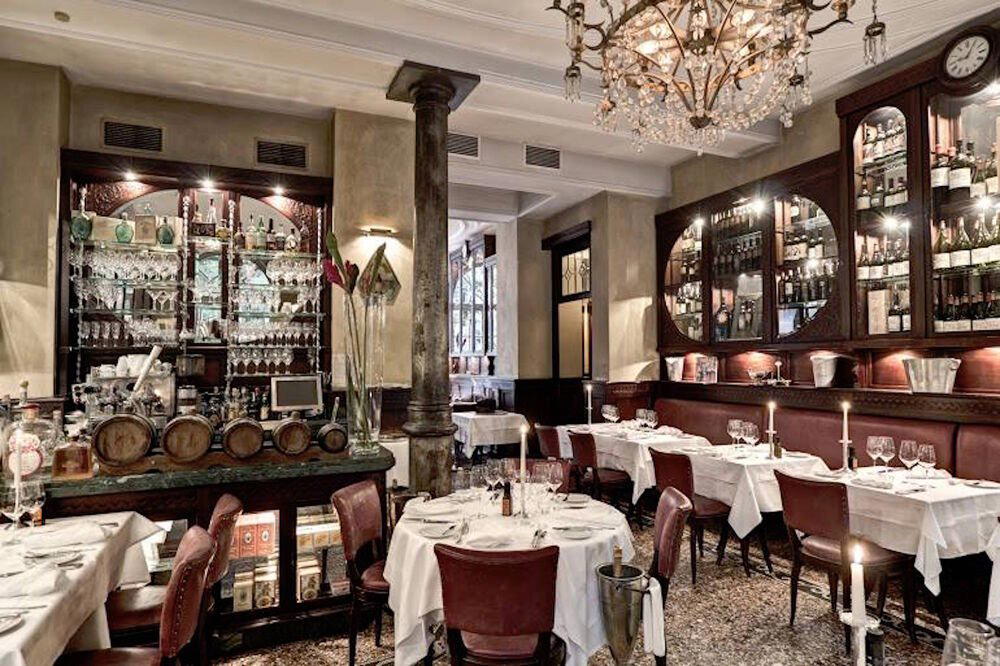
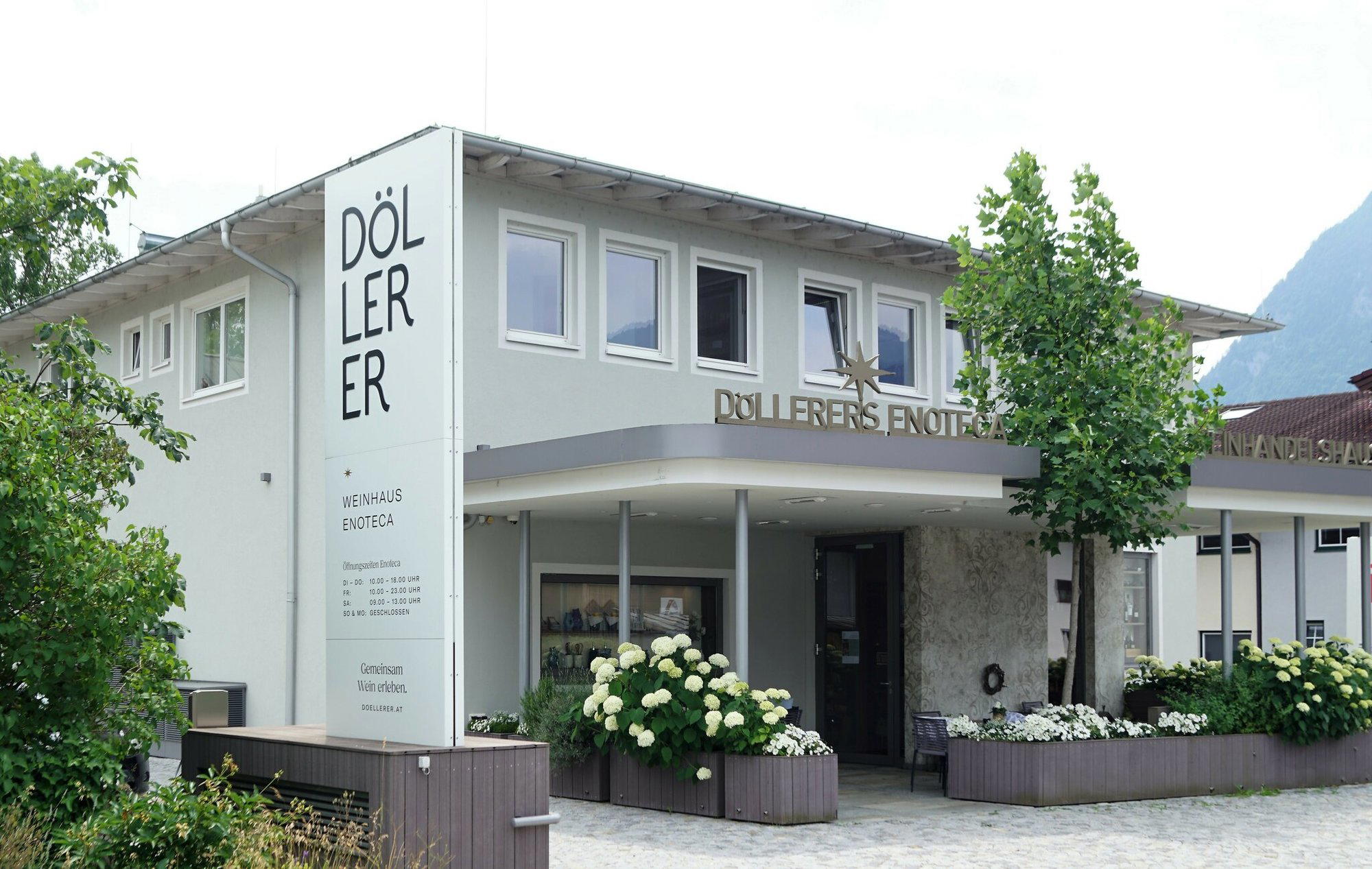
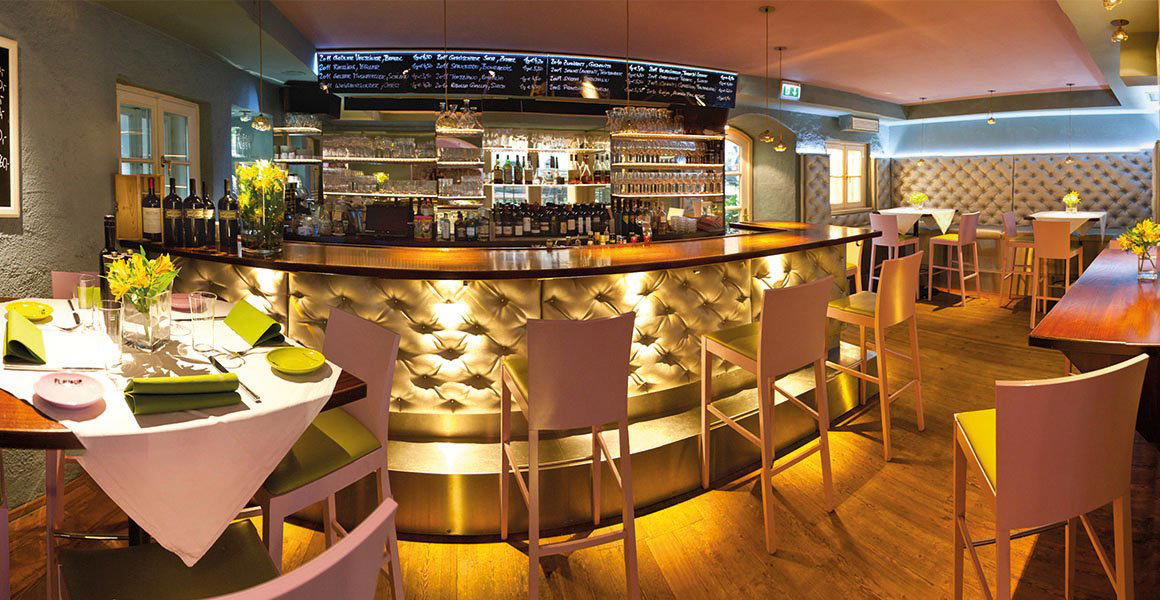
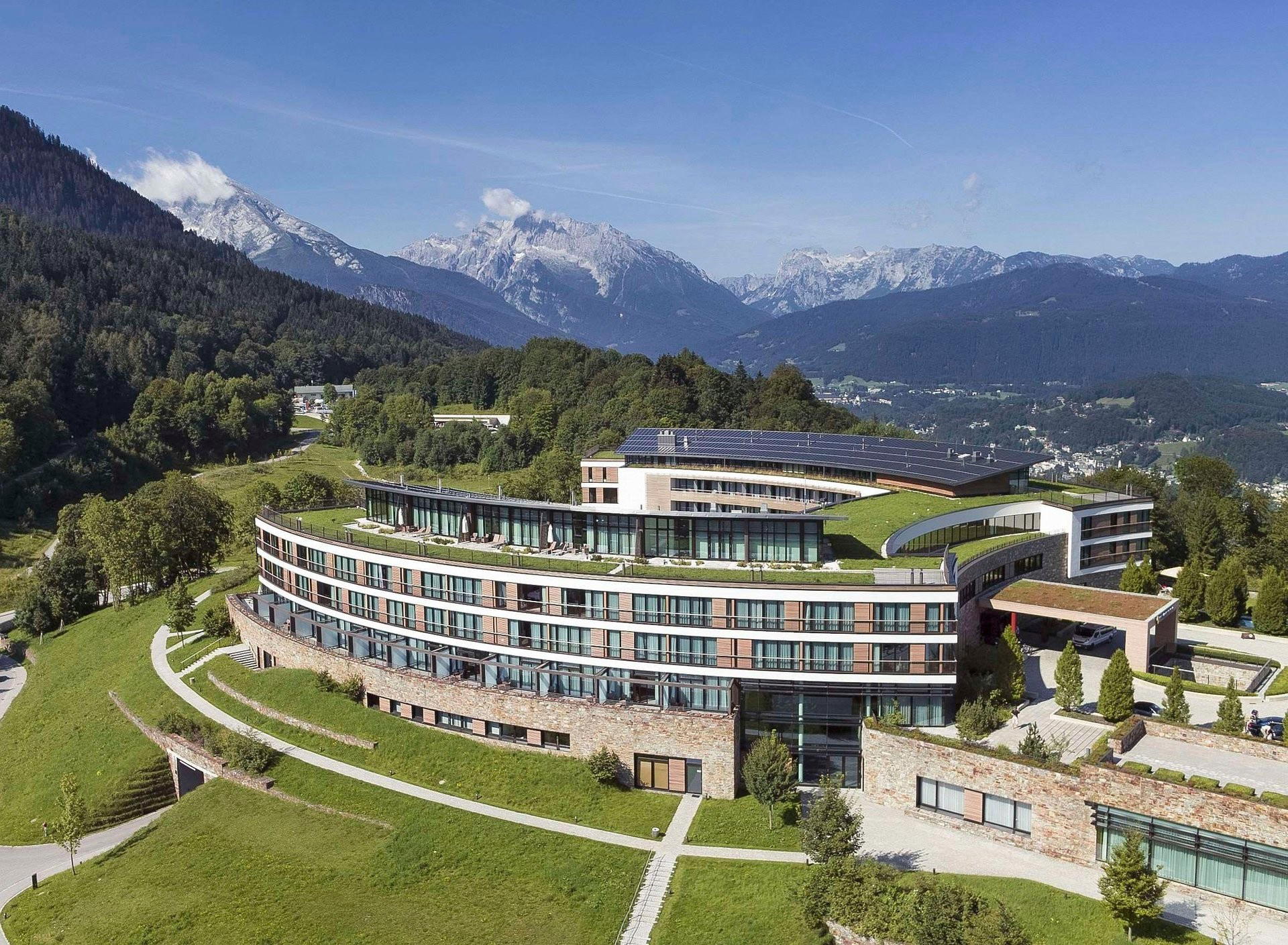
Döllerer restaurant in Golling an der Salzach, Austria
About

A Village Address, an Alpine Argument

The Salzach Valley south of Salzburg is limestone gorge country: narrow, dramatic, and largely bypassed by the restaurant industry. That is precisely the point. The two-Michelin-star cooking happening at Döllerer in Golling an der Salzach is not incidental to that geography; it is built from it. Where many contemporary Austrian restaurants in the €€€€ tier operate from Vienna or Salzburg city addresses and import regional produce as a marketing gesture, Döllerer works in the opposite direction, situating the kitchen inside the landscape it draws from and letting that position do the argumentative work.

The broader Austrian fine dining tier has consolidated around a handful of institutional addresses: Steirereck im Stadtpark in Vienna anchors the creative end, while two-star peers like Ikarus in Salzburg and Landhaus Bacher in Mautern an der Donau demonstrate that serious cooking exists beyond the capital. Döllerer belongs to that dispersed tier but occupies a specific sub-category within it: the alpine-sourcing restaurant where ingredient provenance is not a menu footnote but a structural philosophy, expressed in dishes that would be impossible to replicate with a different set of raw materials.

What the Alps Actually Provide

Editorial case for ingredient-led alpine cooking rests on specificity. Glacier runoff, high-altitude grazing, mountain herbs with abbreviated growing seasons, freshwater fish from fast-moving cold rivers — these are not interchangeable with lowland equivalents, and the leading kitchens working in this register make that difference legible on the plate. Andreas Döllerer has built a body of work around exactly this proposition. His baked fennel, prepared in a dough made with glacier polish sourced from the Großglockner, Austria's highest peak, is the kind of dish that collapses without its named origin: the ingredient is both the flavour carrier and the conceptual anchor. His Alpine Ramen draws the same line between mountain broth traditions and a form associated with a completely different geography, creating a dish that is self-aware about its own cultural borrowing while remaining grounded in local produce.

Sweetbread preparation named "Alt Wien" and the other signature constructions in the Döllerer repertoire follow a consistent logic: classical Austrian references refracted through precise modern technique and anchored to ingredients whose source addresses are specific enough to be named. This is a different project from contemporary Austrian cooking that deploys alpine aesthetics as visual language while sourcing more broadly. Among the Salzburg-region peer set, which includes Obauer in Werfen just up the valley and Kräuterreich by Vitus Winkler in Sankt Veit im Pongau, the commitment to named local sourcing is a distinguishing variable, not a shared assumption.

The Wine Program as a Separate Case

Star Wine List has ranked the Döllerer cellar at number one in Austria across multiple years (ranked first in 2024 and 2025, with additional top-three positions in 2022), which places it in a different conversation from most restaurant wine programs. A 600,000-bottle inventory with 3,600 selections is not a restaurant list that happens to be good; it is a collection that requires a dedicated professional to maintain and a serious commitment of capital to build. Wine Director Alexander Koblinger MS holds the cellar's depth, which spans Austrian, German, Burgundy, Bordeaux, Rhône, Tuscan, and Piedmontese strengths at a price point Star Wine List categorizes as mid-tier markup relative to the list's depth.

The practical implication for a visit: this is a table where the wine pairing decision carries unusual weight. A corkage fee applies for outside bottles, and with a cellar of this scale, the in-house selection across Grüner Veltliner, Riesling, and the major French appellations is extensive enough that outside bottles are rarely the stronger choice. Readers planning a special occasion around a specific Austrian producer will find the depth to support it; the list's Austrian strength is a direct expression of the kitchen's ingredient philosophy applied to the glass.

Recognition and Positioning

Two Michelin stars in both 2024 and 2025 confirm Döllerer's standing within the guide's second tier, a bracket that across Austria includes addresses like Gourmetrestaurant Tannenhof in Sankt Anton am Arlberg and Griggeler Stuba in Lech in the alpine-dining category. The La Liste score of 98 points in 2025 (down from a peak position in prior years but still in the guide's upper register) places Döllerer in a global comparison set that includes tables like Le Bernardin in New York City and Atomix in New York City, two restaurants whose recognition profiles are built in far higher-visibility markets. That Döllerer maintains La Liste scores in that tier from a village of a few thousand residents in the Salzach Valley is a useful measure of how seriously the international critical community takes the cooking here.

The Les Grandes Tables du Monde membership (2025) adds a further trust signal: that organisation's Austrian membership is small, and inclusion positions Döllerer in a European fine dining peer set that extends well beyond the alpine region. The Google review score of 4.7 across 483 reviews reflects the same underlying quality signal from a different, non-specialist audience.

For context on what this category of recognition looks like across the broader Austrian scene, Schwarzer Adler in Hall in Tirol, Ois in Neufelden, and Restaurant 141 by Joachim Jaud in Mieming represent the range of serious cooking distributed across Austria's smaller towns and alpine communities.

The Wirtshaus Alongside

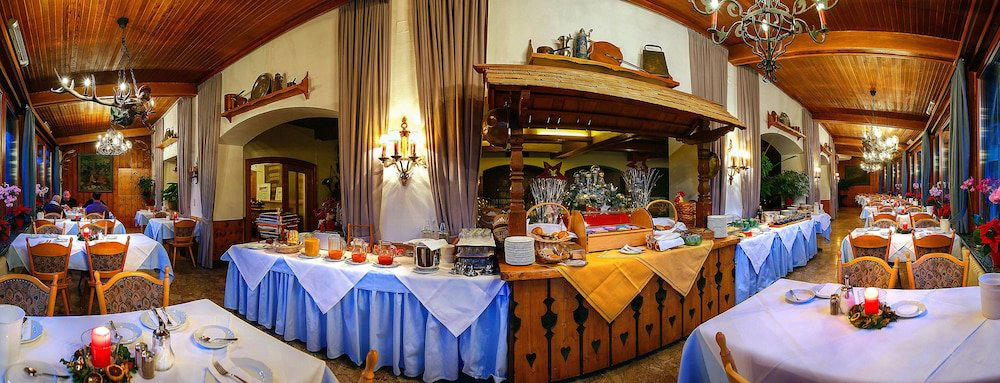
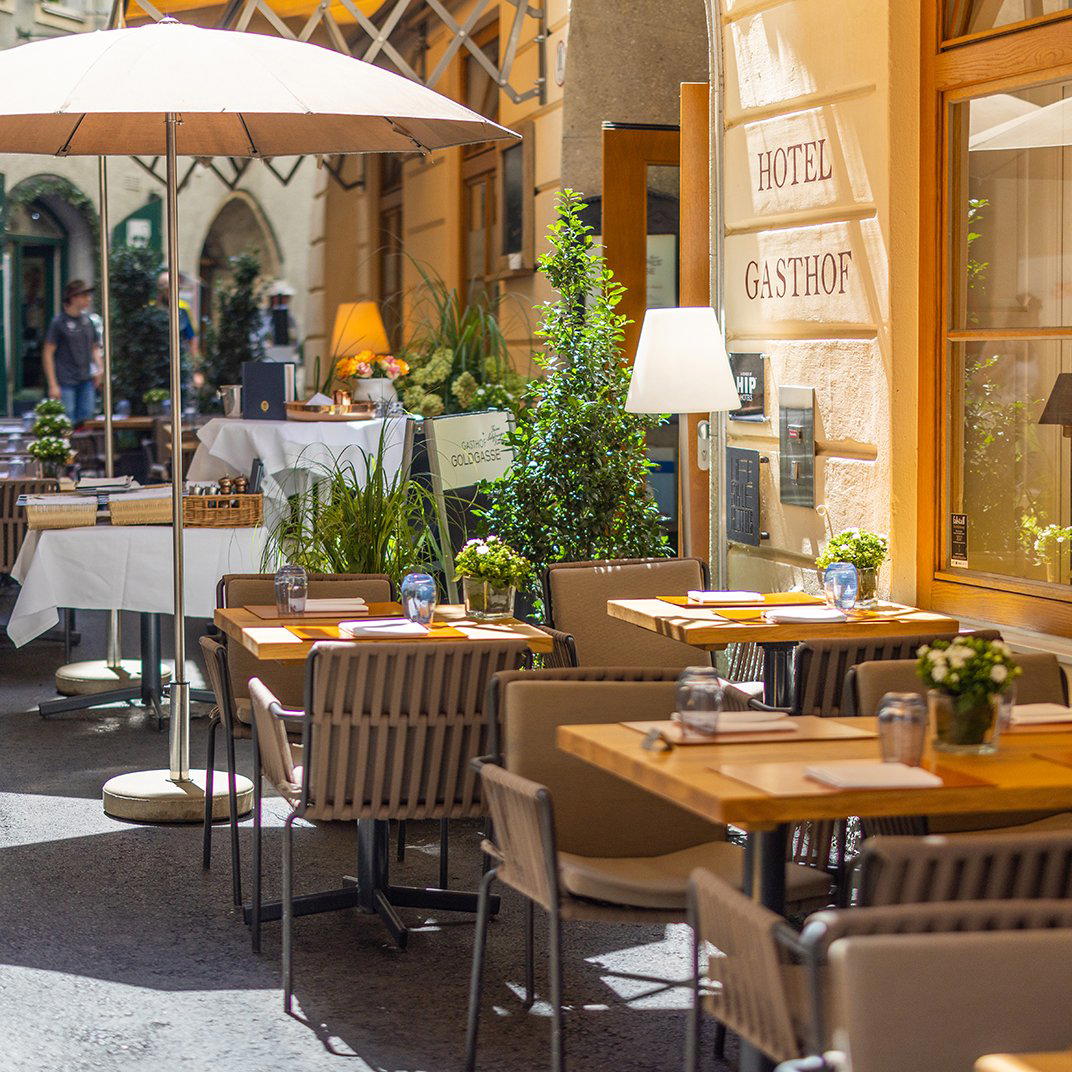
Döllerer operates within a hospitality compound that includes Döllerers Wirtshaus, a regional Austrian tavern format that shares the address. The presence of a lower-register sibling operation alongside a two-star restaurant is a structural pattern seen at a number of European destination properties: it allows the broader hospitality offer to serve different price points and purposes while the fine dining room maintains its focus. For visitors making the journey to Golling specifically for the two-star experience, the Wirtshaus provides a context-setting meal or a more casual second evening without requiring a different address.

Planning a Visit

Golling an der Salzach sits roughly 30 kilometres south of Salzburg along the A10 motorway, making it accessible as a day or evening excursion from the city, though the calibre of the wine list makes an overnight stay the more sensible logistics for anyone planning a serious dinner. The restaurant operates Wednesday through Saturday for lunch and dinner, opening at noon on those days and closing at 10 pm, with Tuesday evenings available from 5 pm. Monday and Sunday are closed. The €€€€ price tier, a cuisine pricing benchmark of €66 or above for a typical two-course meal, aligns with the Michelin two-star peer set, and the wine program's mid-tier markup designation means the cellar's depth is accessible without the aggressive pricing that characterises some European destination wine lists. For accommodation context, see our full Golling an der Salzach hotels guide; for a complete picture of the town's eating and drinking options, our Golling an der Salzach restaurants guide, bars guide, wineries guide, and experiences guide cover the broader picture.

Frequently Asked Questions

What is the signature dish at Döllerer?

The most cited construction in Andreas Döllerer's repertoire is the baked fennel prepared in a dough made with glacier polish from the Großglockner, Austria's highest mountain. The dish is notable because its named ingredient source is not decorative: the glacier mineral content is a specific raw material, not a marketing phrase. The Alpine Ramen, which places mountain-sourced broth inside a Japanese noodle format, and the sweetbread preparation known as "Alt Wien" are the other dishes most consistently associated with Döllerer's culinary identity across award citations. These dishes reflect a kitchen where the alpine ingredient sourcing argument is made most directly in the menu's headline preparations, anchoring the two-star recognition to a legible and specific point of view about what this part of Austria's mountain geography tastes like when cooked with precision.

Collector Access

Need a table?

Our members enjoy priority alerts and concierge-led booking support for the world's most difficult tables.

Access the Concierge