On Kärntner Strasse, Vienna's most trafficked commercial strip, NihonBashi occupies a position that few Japanese restaurants in Central Europe share: a serious address in the first district, steps from the State Opera. Vienna's Japanese dining scene remains thinner than its French or Austrian fine-dining tiers, which makes a committed Japanese kitchen here a distinct proposition worth tracking for anyone working through the city's upper-end tables.
Pearl is the En Primeur Club membership app — saves, bookings, and concierge access live there. Same editors, same standards.
- Address
- Kärntner Str. 44, 1010 Wien, Austria
- Phone
- +434318907856
- Website
- nihonbashi.at
- Directions
- Get directions
 Saves & bookings on Pearl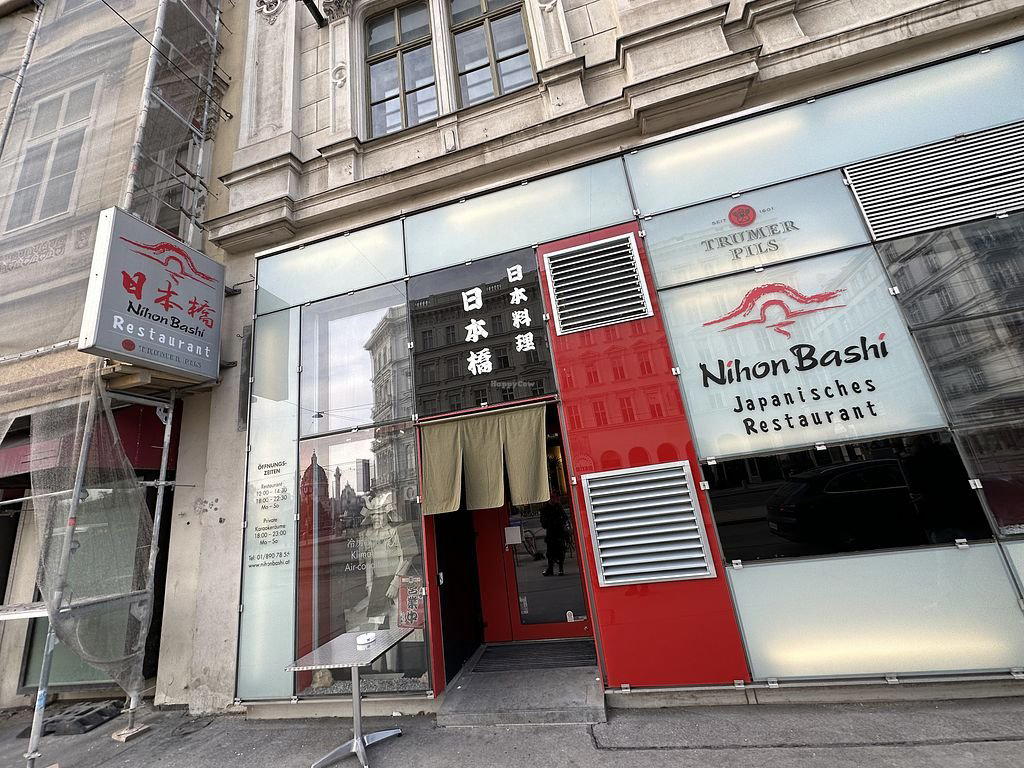
Japanese Dining in Vienna's First District
Vienna's fine-dining map concentrates heavily in the first district, where the density of €€€€ restaurants along and around the Ringstrasse is especially high. The category skews Austrian and Modern European: Steirereck im Stadtpark, Amador, Konstantin Filippou, and Mraz & Sohn collectively define what serious dining looks like in the city. Japanese cuisine occupies a smaller, quieter niche within that picture. NihonBashi, at Kärntner Str. 44 in the first district, sits on one of Vienna's most recognisable commercial thoroughfares, a location that signals intent: this is not a neighbourhood izakaya or a ramen shop filling a gap in the market. The address alone places it in a conversation with the city's upper-tier dining.
That positioning matters because Japanese fine dining in Central Europe operates differently from its counterparts in London, Paris, or New York. The supply chain for premium Japanese ingredients is longer and more complicated. The diner base is smaller. And the reference points that sommeliers and chefs use when building a programme around Japanese cuisine, whether sake, Japanese whisky, or wine pairings tuned to umami-forward food, have to be assembled with more deliberate curation than in cities where Japanese restaurants form a dense, competitive ecosystem. NihonBashi exists in a market where those constraints are real, which shapes both the ambition of the programme and the standards against which it should be read.
The Wine and Beverage Question
The editorial angle that matters most when assessing any serious Japanese restaurant in a European capital is not the food alone. It is the beverage programme, and specifically how the kitchen and the cellar speak to each other. Japanese cuisine presents a particular challenge for wine lists: the flavour architecture, built around dashi, soy, mirin, and high-glutamate ingredients, does not resolve neatly against the tannin-forward reds that dominate Austrian and Central European fine-dining cellars. The restaurants that get this right tend to orient their lists toward Burgundy, Alsace, aged Riesling, and Austrian Grüner Veltliner from cooler vintages, categories where texture and acidity carry more weight than fruit concentration.
Vienna is not short of serious wine talent. The city's proximity to the Wachau, Kamptal, and Weinviertel means that Austrian white wine, particularly Grüner Veltliner and Riesling from producers like Knoll, Hirtzberger, and Prager, is available at a depth and at prices that would be impossible to replicate in London or New York. A Japanese kitchen in Vienna that makes intelligent use of that local supply has an advantage that its counterparts in other European capitals simply do not. Whether NihonBashi's list exploits that geography is a useful question to ask before ordering.
Sake is the second dimension. The global sake market has matured considerably over the past decade, with junmai daiginjo from premium breweries in Niigata, Yamagata, and Hiroshima now available through specialist importers across Europe. A credible Japanese restaurant at this address in Vienna should be drawing from that supply, offering at least a curated selection that moves beyond the introductory tier. The depth of the sake list, how many breweries it represents, whether it distinguishes between brewing styles and rice polishing ratios, and whether it offers guidance on temperature and pairing, tells you as much about the kitchen's seriousness as the menu itself.
Context: Vienna's Broader Fine-Dining Circuit
To understand NihonBashi's position, it helps to map it against the city's wider upper tier. The Austrian fine-dining circuit extends well beyond Vienna: Döllerer in Golling an der Salzach, Ikarus in Salzburg, Obauer in Werfen, Landhaus Bacher in Mautern an der Donau, and regional destinations including Griggeler Stuba in Lech, Gourmetrestaurant Tannenhof in Sankt Anton am Arlberg, Schwarzer Adler in Hall in Tirol, Kräuterreich by Vitus Winkler in Sankt Veit im Pongau, Restaurant 141 by Joachim Jaud in Mieming, and Ois in Neufelden form part of a geographically dispersed fine-dining culture that is more nationally coherent than most visitors expect. Within Vienna specifically, the Modern Austrian and Creative European tier is well-stocked. Doubek represents the city's more intimate end of that spectrum.
NihonBashi does not compete directly with any of these. A Japanese kitchen occupies a separate culinary category and attracts a different decision from the diner: the choice is not between NihonBashi and Steirereck, but between NihonBashi and spending a similar evening at a comparable Japanese address in another European city. On that axis, the relevant comparators are in London, Munich, or Zurich. For international visitors who benchmark Japanese fine dining against Atomix in New York City or the kind of seafood precision that defines Le Bernardin in New York City, the question is whether Vienna's Japanese tier reaches a comparable standard of technical execution. That is a harder bar, and the honest answer requires sitting at the table.
Location and Access
Kärntner Strasse runs from the State Opera to Stephansplatz, passing through the dense retail and hotel core of the first district. It is among the more accessible addresses in Vienna: U1 and U3 converge at Stephansplatz, U1 and U2 at Karlsplatz, and the Opera stop on the U1 and U2 lines is a two-minute walk. For visitors staying in first-district hotels, the address is walkable from nearly any direction. The tradeoff is that the street itself is busy and commercial in character, which means the approach to the restaurant does not carry the quiet that some of Vienna's more residential fine-dining addresses offer. What it offers instead is convenience and centrality, useful for visitors structuring a full evening around the Opera or the museums of the Kunsthistorisches quarter.
Planning Your Visit
Kärntner Str. 44, 1010 Wien. The address sits in Vienna's first district, within walking distance of the State Opera and Stephansplatz U-Bahn station. Reservations are recommended, especially on weekend evenings.
Quick Comparison
Comparable venues nearby, for context on price, style, and recognition.
| Venue | Cuisine | Price | Notes |
|---|---|---|---|
| NihonBashiThis venue — the venue you are viewing | Authentic Japanese Sushi & Sashimi | $$$ | Not listed |
| Kojiro Sushi | Authentic Japanese Sushi | $$ | Wieden |
| Ramen Makotoya Landstraße | Japanese Ramen | $$ | Wien-Mitte |
| IKI Restaurant | Modern Japanese Fusion | $$$ | Favoriten District |
| MAKA Ramen | Japanese Ramen & Tapas | $$ | Josefstadt |
| KitchA Sticks & Rolls | Modern Asian Fusion Sushi | $$ | Stephansdom |
Continue exploring
More in Vienna
Restaurants in Vienna
Browse all →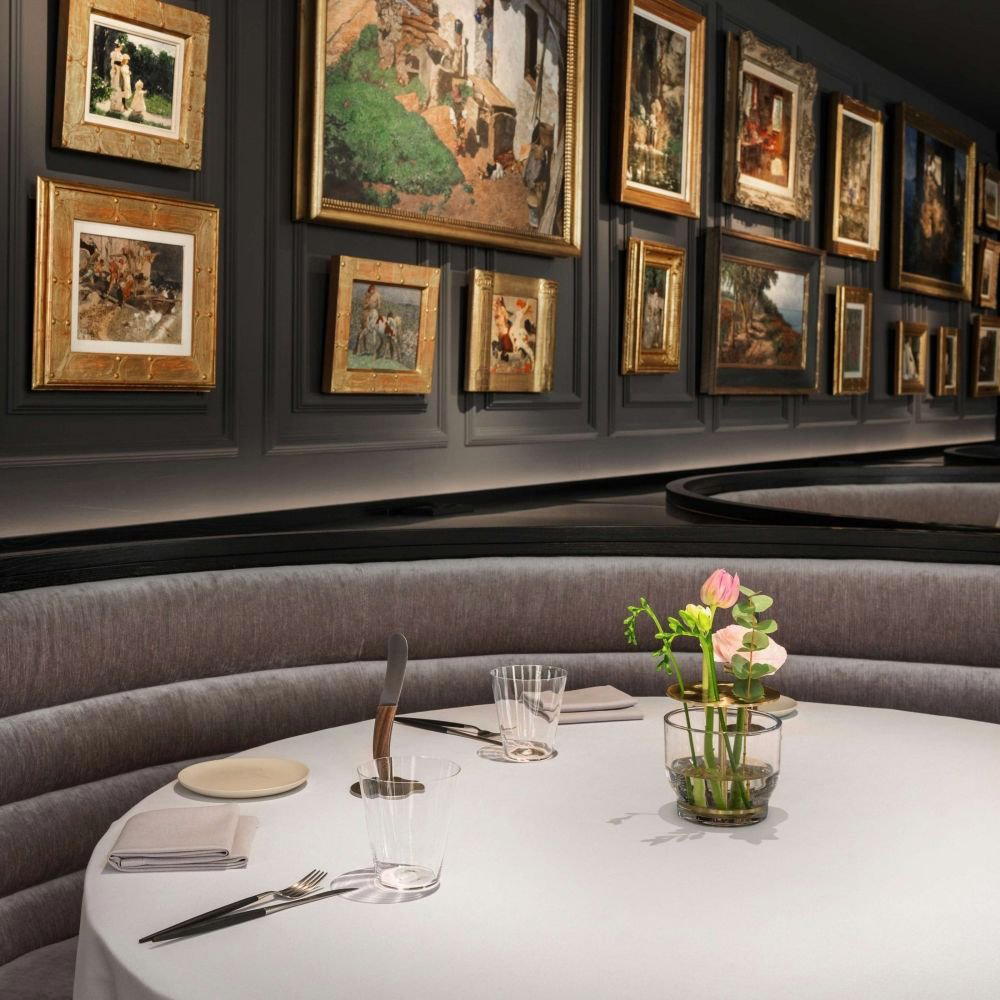
Bars in Vienna
Browse all →
Hotels in Vienna
Browse all →
At a Glance
- Cozy
- Date Night
- Group Dining
- Late Night
- Private Dining
- Sake Program
- Street Scene
Current opening hours
- Monday
- 12–3 PM, 6–11 PM
- Tuesday
- Closed
- Wednesday
- 12–3 PM, 6–11 PM
- Thursday
- 12–3 PM, 6–11 PM
- Friday
- 12–3 PM, 6–11 PM
- Saturday
- 12–3 PM, 6–11 PM
- Sunday
- 12–3 PM, 6–11 PM
Hours can change for holidays and private events. Last verified .
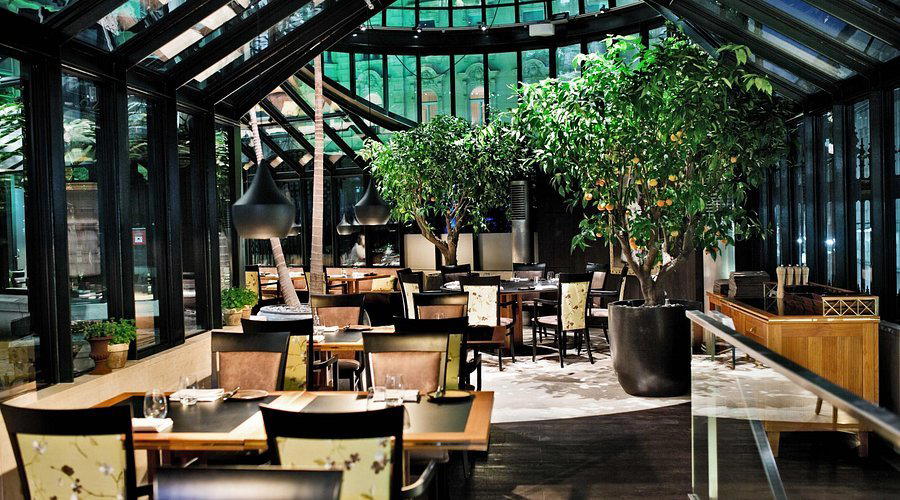
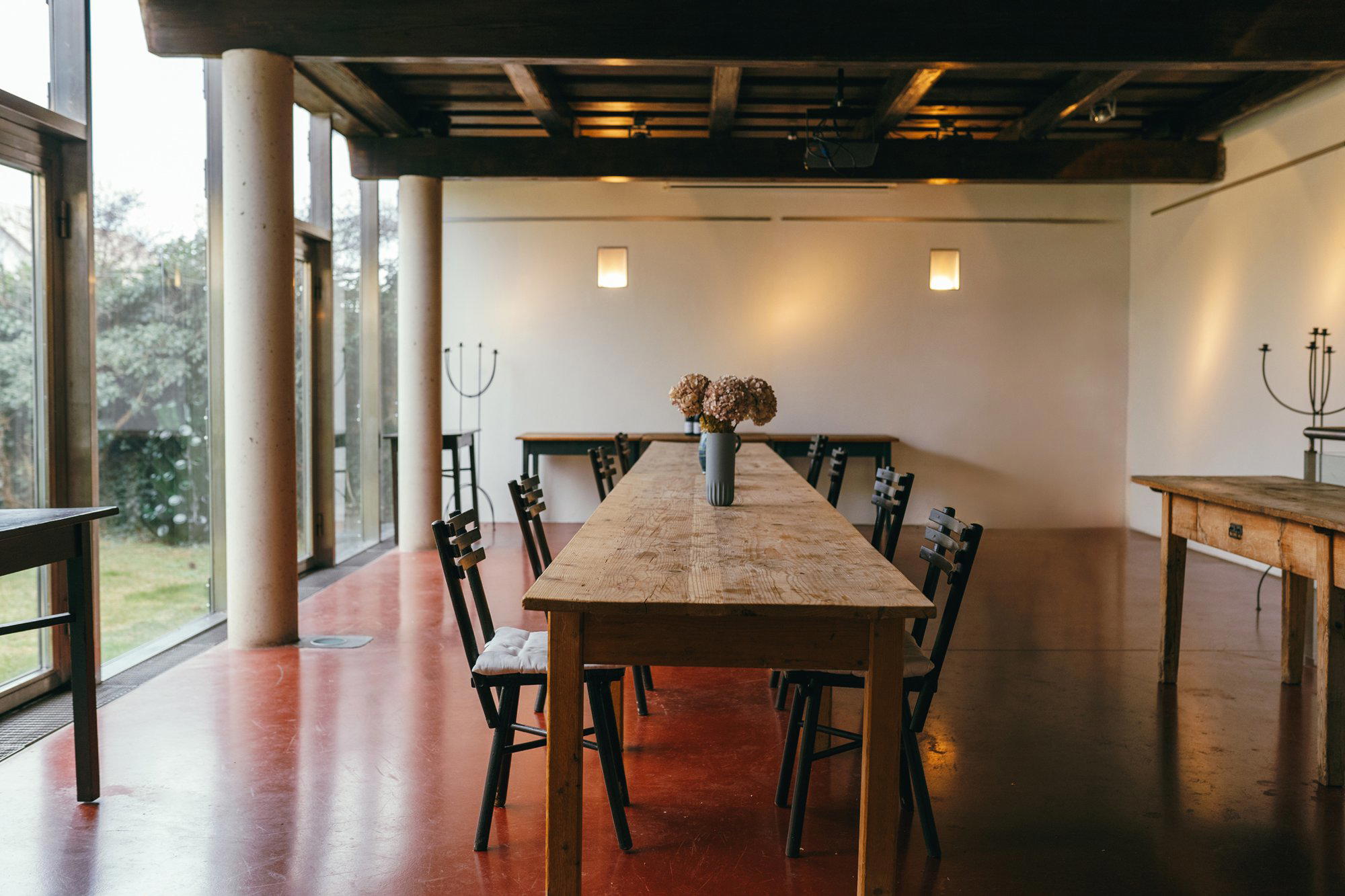
Japanese atmosphere with authentic decor, suitable for intimate dining and private karaoke sessions.