
Michelin Selected
25hours Hotel Vienna at MuseumsQuartier sits at the edge of one of Europe's most concentrated cultural districts, placing guests within walking distance of the Kunsthistorisches Museum, the Leopold Museum, and the natural rhythm of Vienna's 7th district. The property belongs to the design-led, limited-key tier of Vienna hotels rather than the grand-palace category, offering a counterpoint to the formal luxury of properties like Hotel Sacher Wien or Hotel Imperial.

Pearl is the En Primeur Club membership app, where members save venues, book tables and use the concierge.
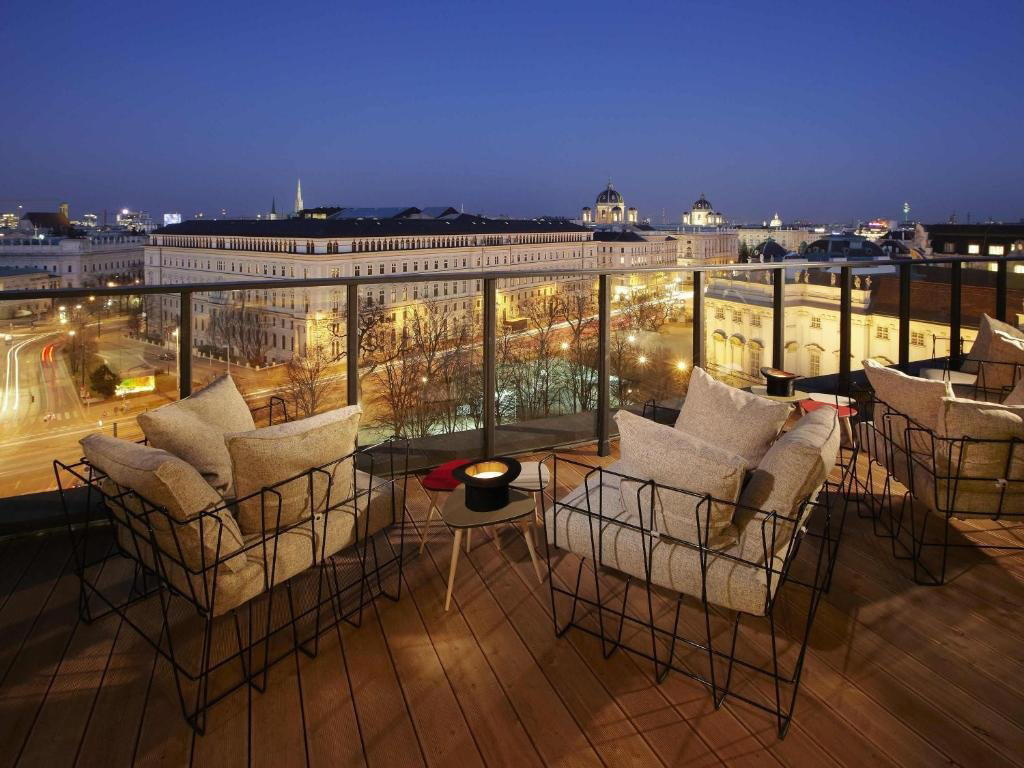
Address as Argument: Why the MuseumsQuartier Location Changes the Calculus
Vienna's hotel market divides along a fault line that has little to do with price and everything to do with orientation. On one side sit the grand-palace properties of the Innere Stadt Hotel Sacher Wien, Hotel Imperial, Park Hyatt Vienna, where the architecture itself is the experience and formality is the default register. On the other sit a smaller cohort of design-led properties that trade the Ringstrasse backdrop for neighbourhood immersion. 25hours Hotel Vienna at MuseumsQuartier belongs firmly to the second category, and its address on Lerchenfelder Strasse makes that case more directly than any interior decision.
The MuseumsQuartier is one of the densest concentrations of contemporary cultural infrastructure in central Europe. The Leopold Museum, the MUMOK, the Kunsthalle Wien, and the Architekturzentrum Wien are all within a few minutes on foot. What that proximity means in practice is that a stay here is oriented around cultural engagement rather than sightseeing circuits, you are inside the 7th district's working rhythms, not observing them from a buffer zone of lobby marble and doorman formality.
For comparison, properties like Rosewood Vienna and The Amauris Vienna position themselves within or adjacent to the 1st district's institutional weight. That works for a particular kind of visit. But for travellers whose Vienna itinerary runs through gallery openings, the Naschmarkt, the Spittelberg dining cluster, and the independent wine bars of Neubau, the 7th district address is functionally superior, the hotel becomes a base rather than a destination.
The 7th District Context
Vienna's 7th district, Neubau, has shifted over the past decade from a modestly bohemian fringe into one of the city's most active creative and dining zones. The streets between Mariahilfer Strasse and the Gürtel now hold a concentration of independent concept stores, natural wine bars, and chef-led restaurants that sit outside the tourist circuit entirely. That shift is relevant because it defines what kind of walking you do from this address: the options within a ten-minute radius lean contemporary Austrian rather than Viennese imperial, and that distinction matters if your interest in the city extends beyond Schnitzel and Sachertorte.
The MuseumsQuartier complex itself functions as a public living room for the district, open courtyards, programming across disciplines, and a density of cafés and event spaces that make it unusually active for a museum precinct. Arriving at the hotel means arriving into that energy rather than into the quieter ceremonial calm of the Innere Stadt. Whether that registers as an asset depends entirely on what you want from Vienna.
For broader context on Vienna's accommodation and dining options, see our full Vienna guide. Elsewhere in Austria, properties like Rosewood Schloss Fuschl in Hof bei Salzburg, Schloss Mönchstein in Salzburg, and Falkensteiner Schlosshotel Velden in Velden am Wörthersee offer a different register of Austrian hospitality for those extending their trip beyond the capital.
Where 25hours Sits in Vienna's Design-Hotel Tier
The 25hours brand operates across European cities with a consistent design-led, culture-adjacent positioning. In Vienna, that positioning is sharpened by the specific address: the MuseumsQuartier context gives the hotel a built-in curatorial frame that its siblings in Hamburg or Frankfurt have to work harder to establish. Design hotels in Vienna occupy a distinct competitive tier below the grand-palace category but above the standard four-star business hotel. Hotel Sans Souci Wien, Altstadt Vienna, and Almanac Palais Vienna occupy broadly similar territory: independently minded properties where the physical environment signals intent beyond accommodation.
What separates them is neighbourhood and format. Altstadt Vienna operates from a converted townhouse in the 7th district with a gallery-like art programme. Sans Souci targets a more formal design-luxury register near the Ringstrasse. 25hours at MuseumsQuartier leans more publicly oriented, with spaces that function as neighbourhood fixtures rather than guest-exclusive retreats. That distinction has operational consequences: the communal areas tend to draw a local crowd alongside hotel guests, which changes the social texture of the place considerably.
Planning Your Stay
The hotel's position at Lerchenfelder Strasse 1/3 places it at the northern edge of the MuseumsQuartier complex, within a ten-minute walk of the Kunsthistorisches Museum and directly adjacent to the U2 and U3 interchange at Volkstheater, making transit connections to the rest of the city direct. The Naschmarkt, Vienna's primary open-air market and one of the more reliable indicators of seasonal Austrian produce, is a fifteen-minute walk south. The Spittelberg quarter, which concentrates a good portion of the 7th district's restaurant density, is walkable in five minutes.
For travellers combining Vienna with Austria's mountain or lake regions, the hotel's central but non-ceremonial address works well as a transit base. Properties such as Grand Tirolia Kitzbühel, Alpen-Wellness Resort Hochfirst in Obergurgl, Aktiv & Wellnesshotel Bergfried in Tux, Naturhotel Waldklause in Längenfeld, LEADING Hotel Hochgurgl in Hochgurgl, and DAS EDELWEISS in Grossarl represent the broader Austrian hospitality range for those pairing an urban stay with alpine or rural segments. For Innsbruck, Hotel Schwarzer Adler Innsbruck and Chalet Untersberg in Grodig are worth considering. The Hotel Schloss Seefels in Techelsberg and Hotel Almhof Schneider in Lech round out the options for those targeting the lake or ski regions. For a transatlantic counterpoint, the design-led urban format of The Fifth Avenue Hotel in New York City or the neighbourhood-specific positioning of Aman New York occupy comparable territory in a different market. And for those continuing to Italy, Aman Venice represents the palazzo end of design-conscious European hotel stays.
A Lean Comparison
| Venue | Price | Awards |
|---|---|---|
| 25hours Hotel Vienna at MuseumsQuartierThis venue (the venue you are viewing) | Not listed | Michelin Selected |
| Rosewood Vienna | $300–500 | 2 Michelin Keys · La Liste Top Hotels |
| The Ritz-Carlton, Vienna | Not listed | 1 Michelin Key · La Liste Top Hotels |
| Hotel Sacher Wien | $500–750 | 3 Michelin Keys · World's 50 Best #42 |
| Hotel Imperial | Not listed | 2 Michelin Keys · La Liste Top Hotels |
| Hotel Sans Souci Wien | Not listed | 2 Michelin Keys · Forbes Recommended |
Recognition history
Dated appearances from independent guides and award organizations, with the underlying list record or original source where available.
Michelin Selected
Michelin
Continue exploring
More in Vienna
Hotels in Vienna
All hotels in Vienna →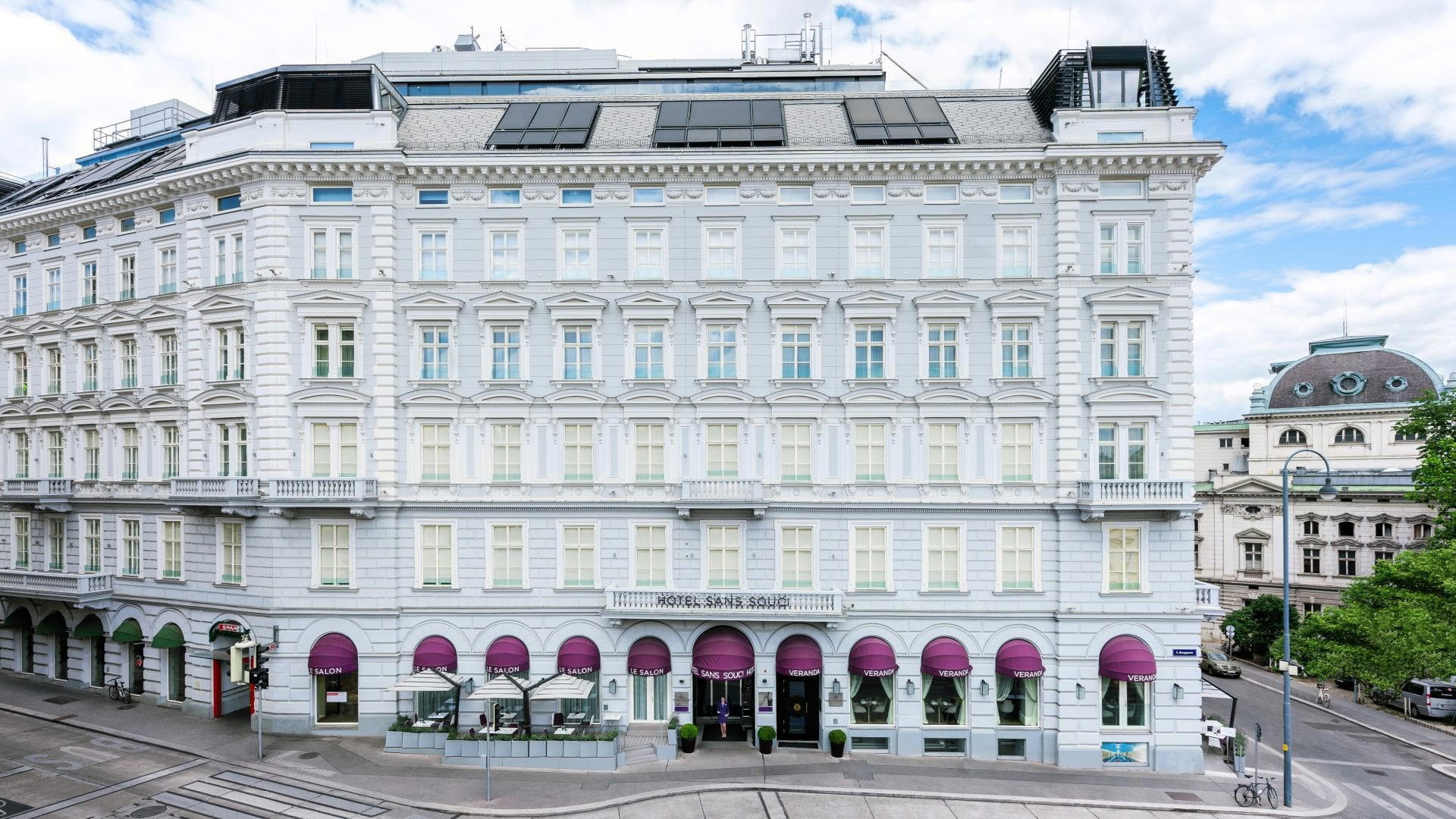
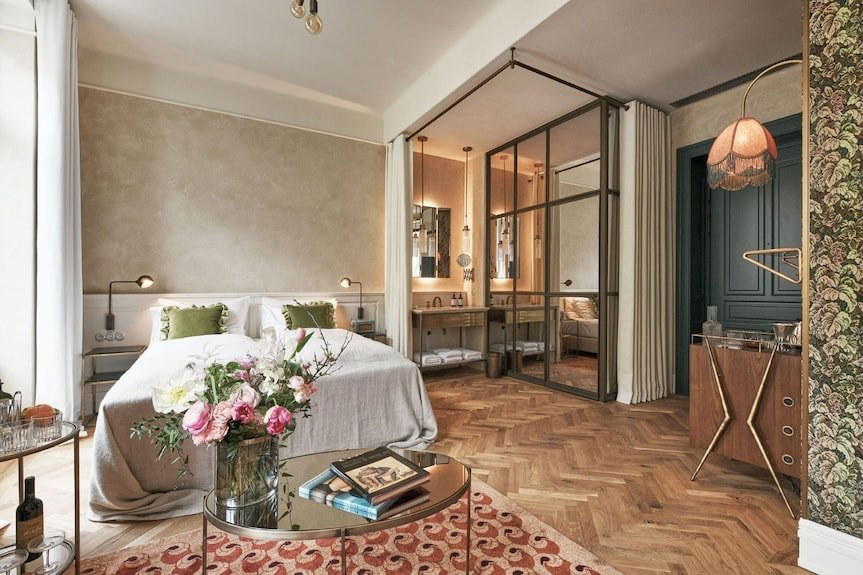
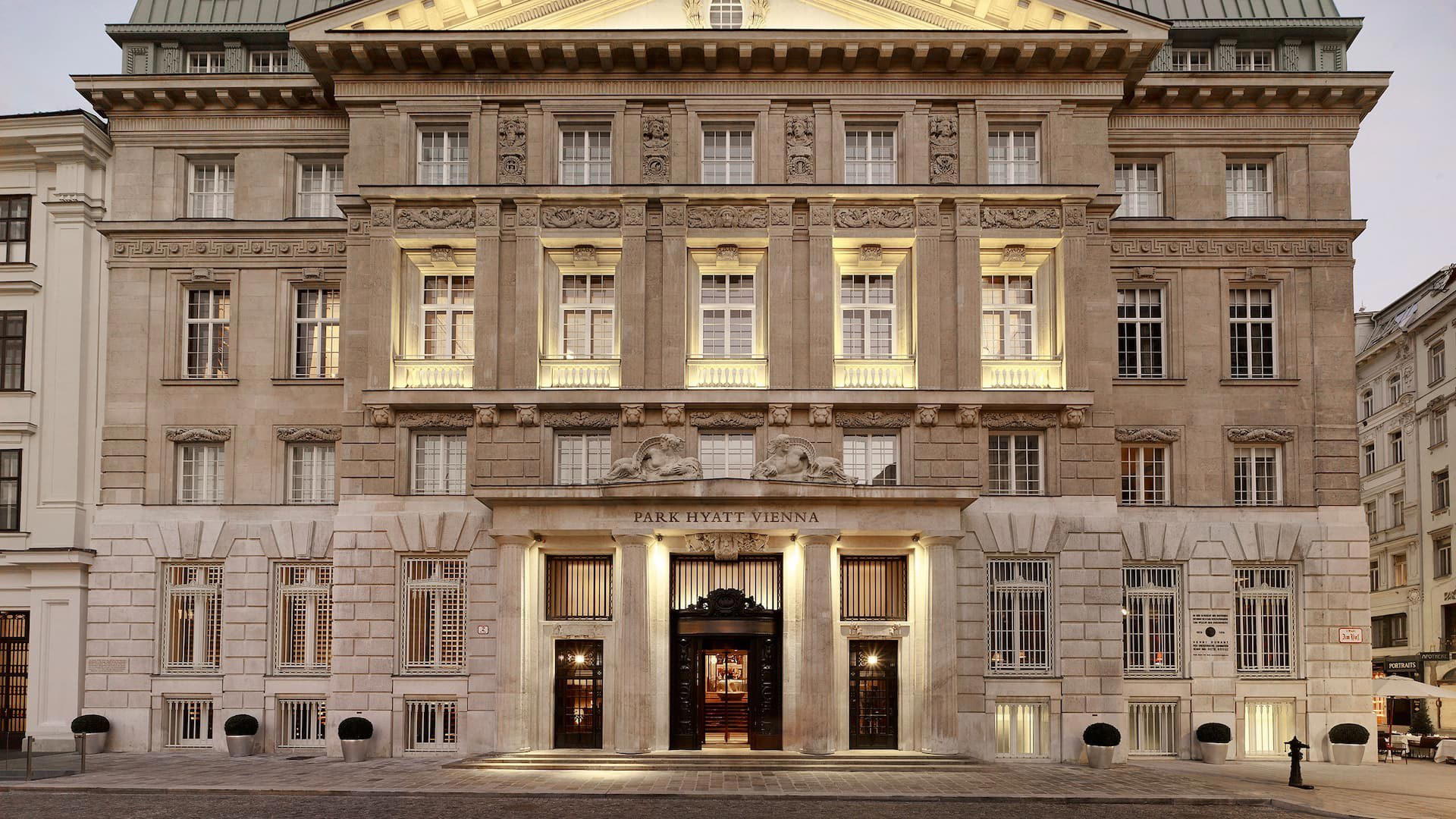
Bars in Vienna
All bars in Vienna →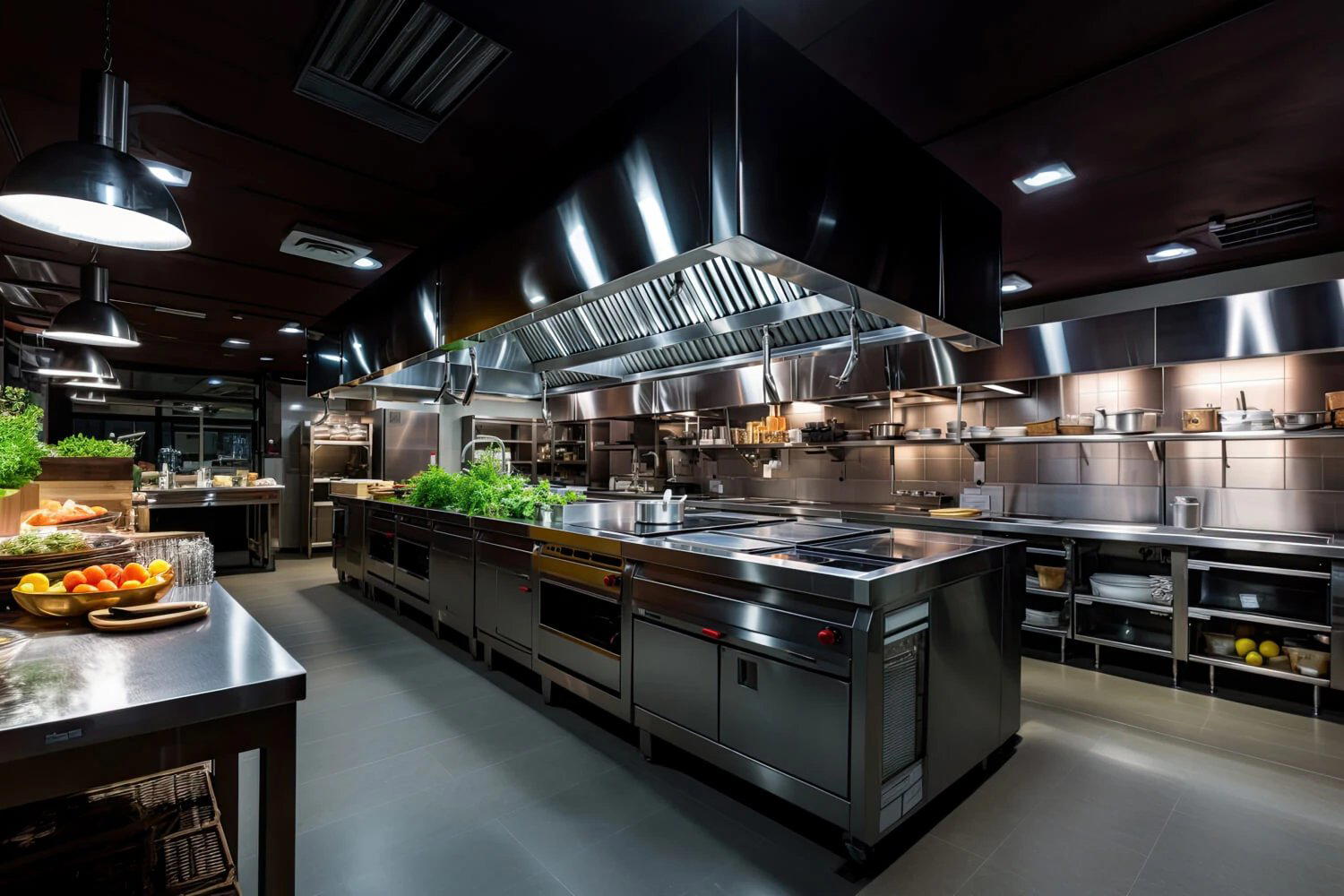
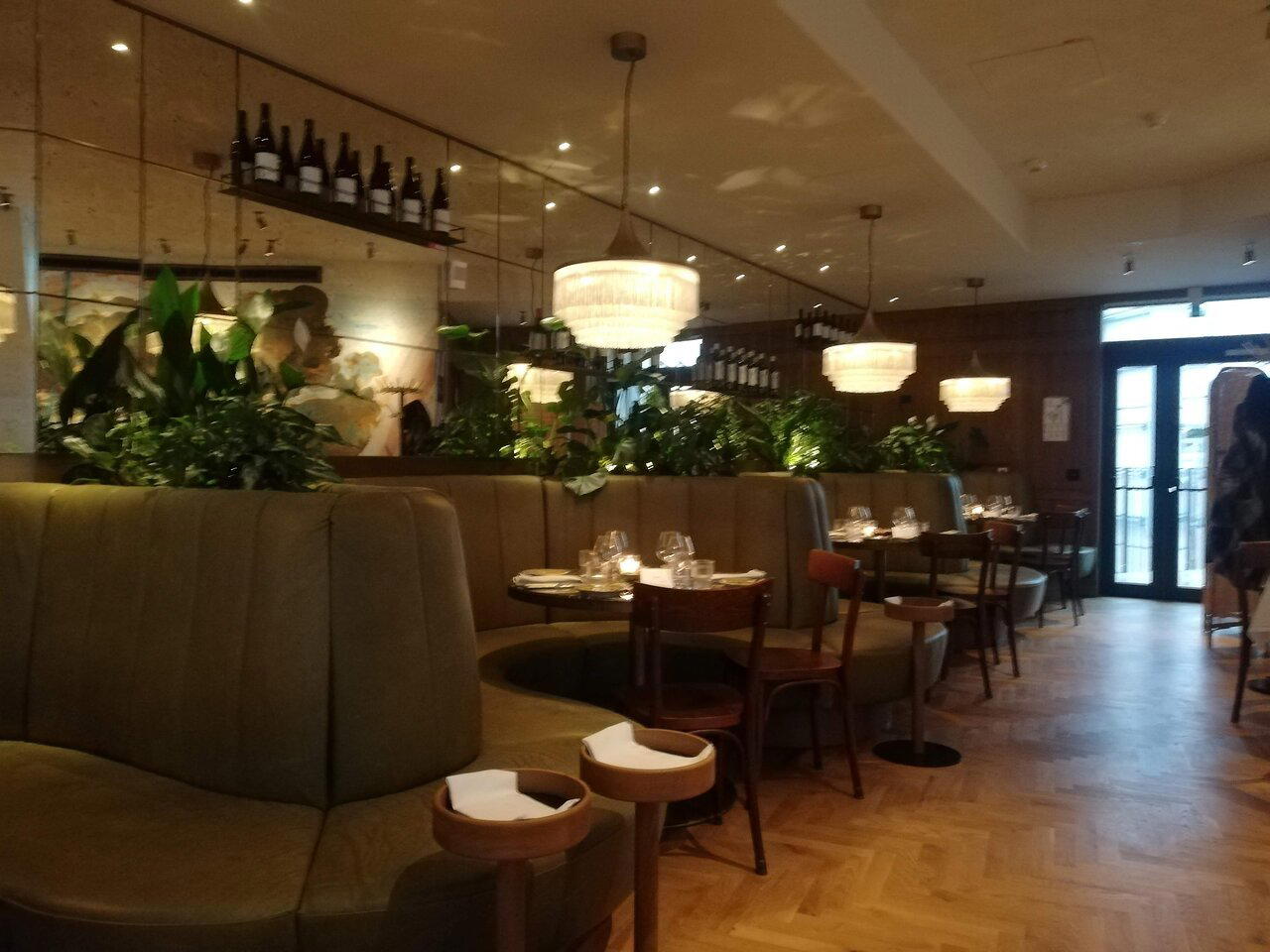
Restaurants in Vienna
All restaurants in Vienna →
Details
- Trendy
- Lively
- Modern
- Whimsical
- Weekend Escape
- Business Trip
- Rooftop Pool
- Historic Building
- Design Destination
- Panoramic View
- Terrace
- Wi Fi
- Spa
- Fitness Center
- Room Service
- Concierge
- Restaurant
- Skyline
- Elevator
Colorful, eclectic circus-inspired atmosphere blending comfort with quirky, creative elements and lively rooftop lounge.