Kräuterreich by Vitus Winkler



2 Michelin Stars · La Liste Top Restaurants · Falstaff Restaurant - 97 Falstaff Points
Our verdict
Kräuterreich by Vitus Winkler holds two Michelin stars in the small Salzburg Pongau town of Sankt Veit im Pongau, placing it among Austria's most decorated alpine dining addresses. The creative menu draws on mountain herb traditions interpreted through a technically precise, modern lens. La Liste scored the kitchen 88 points in 2026, up from 85 points the year prior, signalling consistent upward momentum.

Pearl is the En Primeur Club membership app — saves, bookings, and concierge access live there. Same editors, same standards.
- Address
- Kirchweg 2, 5621 St. Veit im Pongau, Austria
- Phone
- +43 6415 4323
- Directions
- Get directions
The menu
What to order
- Pinzgauer Angus beef with parsley root and black currant
- Alpine carbonara with nettle
- Maibock with asparagus and Aronia berries
Where Alpine Terrain Shapes a Two-Star Kitchen
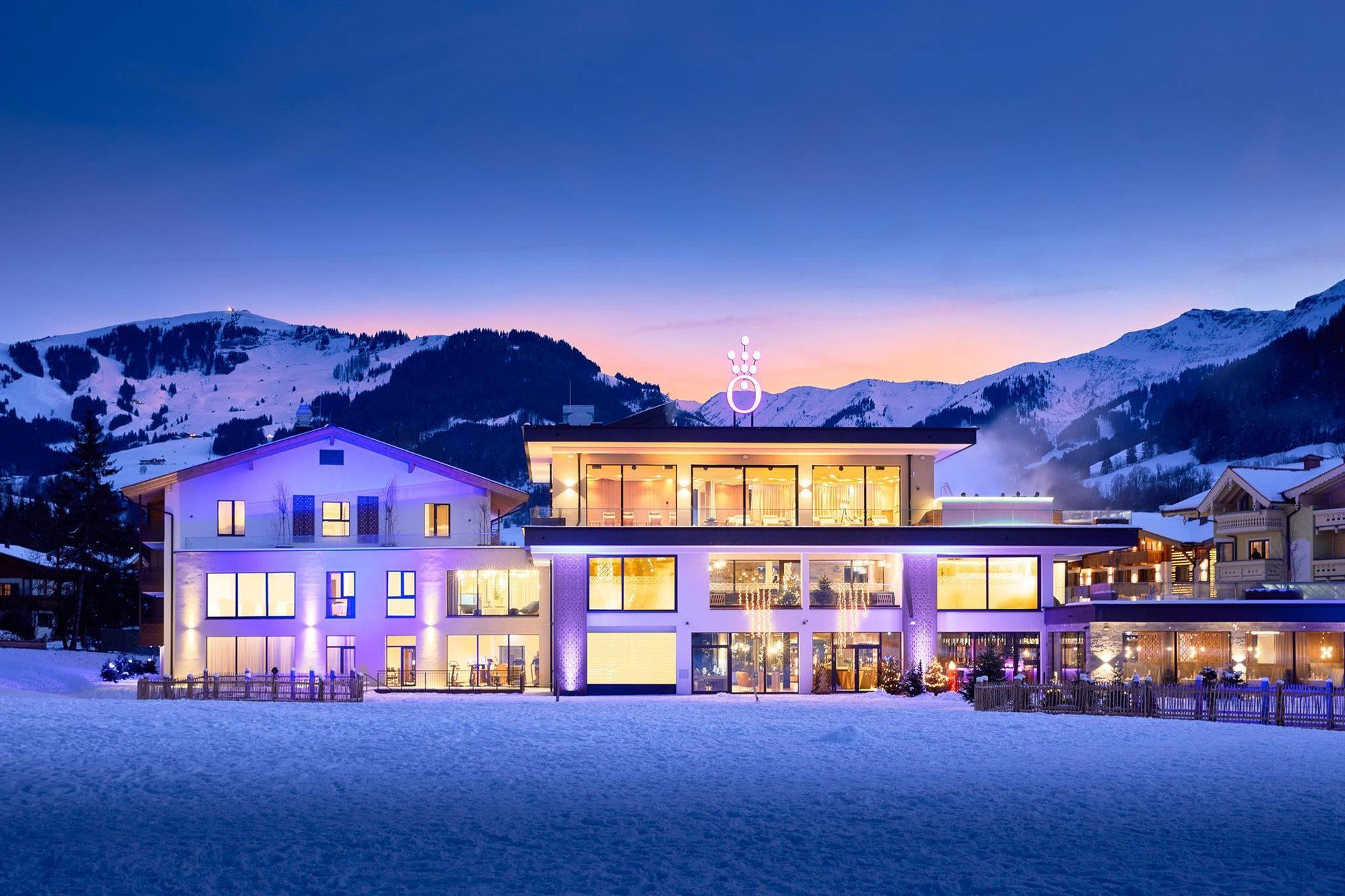
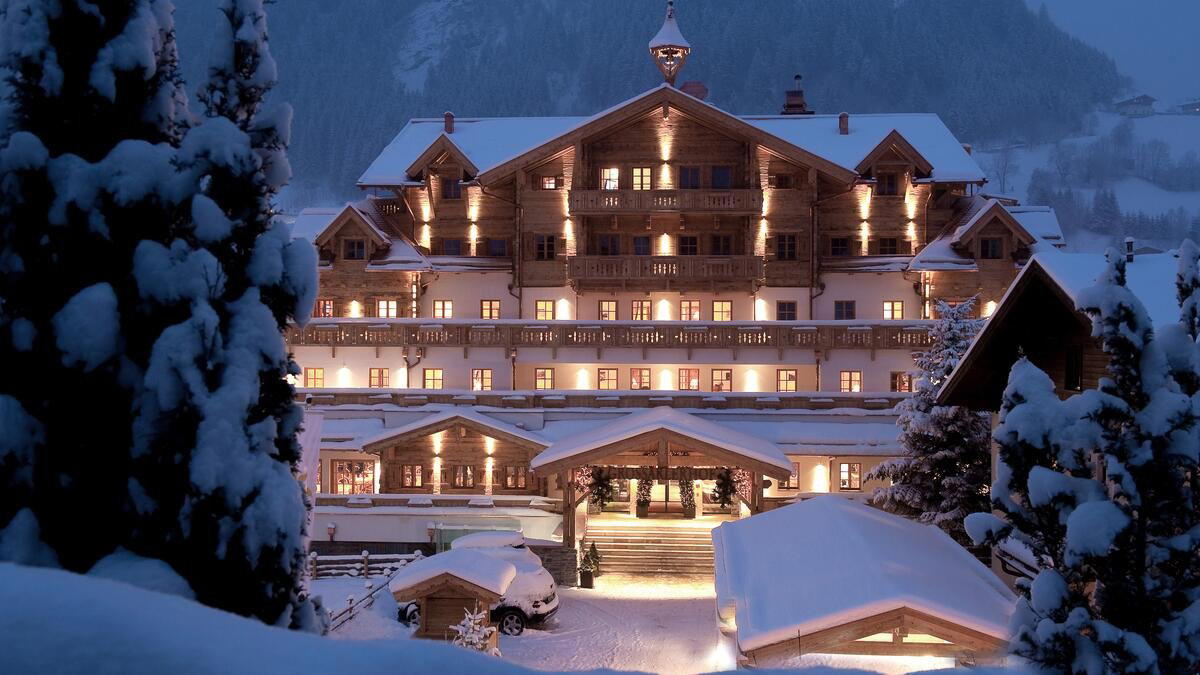
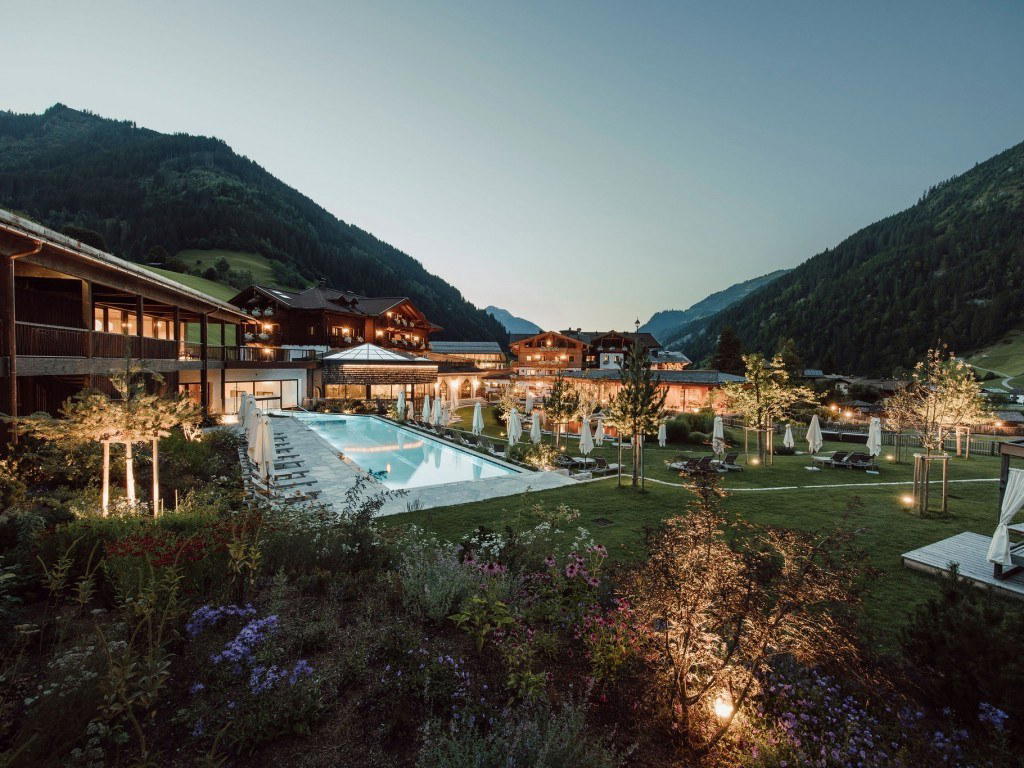
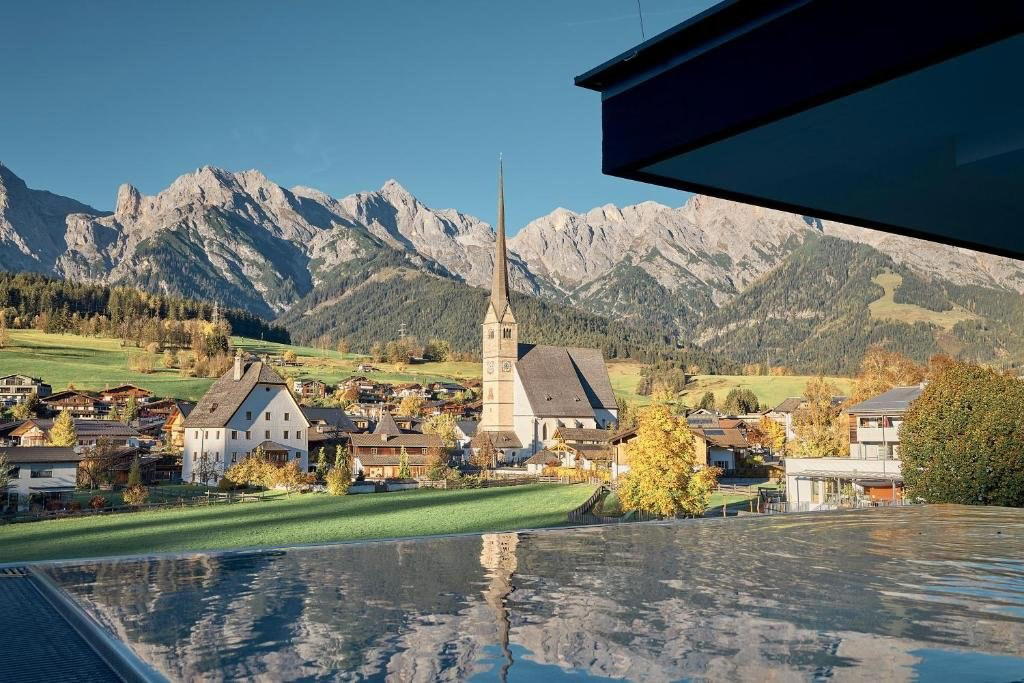
Sankt Veit im Pongau sits in the Salzburg Pongau valley, ringed by the limestone peaks of the Salzburg Alps. It is not a city with a restaurant district — it is a small market town where the mountains are closer than the next traffic light. Arriving at Kirchweg 2, that geography feels deliberate rather than incidental. Austria's two-star kitchens are not exclusively a Vienna or Salzburg phenomenon; a meaningful cluster of the country's most decorated restaurants operate at altitude or in rural settings, where the surrounding landscape determines the supply logic and, by extension, the cooking. Kräuterreich by Vitus Winkler belongs to that pattern.
The broader Austrian fine dining scene has developed a recognisable alpine subcategory over the past decade. Where city restaurants at the €€€€ tier tend to negotiate between classical French structure and modern European eclecticism, alpine kitchens have found a more specific register: preserved and fermented produce, mountain herbs with short seasonal windows, game handled with the confidence that comes from genuine proximity to the source. Döllerer in Golling an der Salzach and Obauer in Werfen represent comparable points on that continuum — both two-star addresses in the Salzburg region working within similar ingredient logic, though each with a distinct stylistic position. Kräuterreich occupies its own place in that peer group, with the herb-forward focus the name signals directly.
The Creative Program and Its Alpine Reference Points
Two Michelin stars in consecutive years (2024 and 2025) alongside a La Liste score that moved from 85 to 88 points between 2025 and 2026 are not incidental data. La Liste's methodology aggregates international critical opinion, and a three-point gain in a single year at the 85-plus threshold is a meaningful signal. Most kitchens at that level hold position year on year; upward movement at this stage of a career reflects a program that is still developing its vocabulary rather than coasting on an established formula.
Chef Vitus Winkler's training places him in the lineage of Austrian and Central European creative cooking that treats regional produce as the primary material and technique as the means of articulating it, rather than the other way around. That trajectory is visible across a number of Austrian kitchens that have accumulated serious recognition in recent years. Steirereck im Stadtpark in Vienna represents the apex of that tradition at three stars; Kräuterreich's position at two stars with upward La Liste momentum places it in the generation immediately below, where the most interesting cooking in the country is currently happening. The comparison matters because it contextualises the price point (€€€€) and the booking effort required: this is not a restaurant where the reputation has outpaced the food, nor one that is trading on past recognition.
The creative cuisine classification covers a wide range in Austria. At one end sit kitchens that use the label to justify technical showmanship loosely attached to local ingredients. At the other end are programs where creativity is a disciplined response to the immediate environment. The herb-kingdom framing of Kräuterreich, the name translates directly as herb realm, suggests the latter orientation: a cooking philosophy anchored in what grows at altitude in this specific valley, interpreted through whatever technique leading serves the ingredient rather than through a pre-set stylistic framework. For comparison in the broader creative category internationally, the ambition level aligns with addresses like Arpège in Paris, where a defined ingredient philosophy generates the menu rather than menu construction driving ingredient sourcing.
The Town as Context, Not Obstacle
Dining at this level outside a major city requires a different kind of trip planning. Sankt Veit im Pongau is accessible via the Salzburg-to-Graz rail corridor, and the town has its own train station, which makes it reachable without a car, an important logistical point for visitors coming from Salzburg or Vienna. The practical reality of a destination restaurant in a small alpine town is that the meal itself becomes the reason for the visit, and the surrounding geography becomes part of the experience in a way that a urban restaurant cannot replicate. For parallel examples in the alpine fine dining circuit, Gourmetrestaurant Tannenhof in Sankt Anton am Arlberg and Griggeler Stuba in Lech operate within the same logic, the journey frames the meal.
For visitors building a longer itinerary around the Salzburg region's fine dining circuit, the proximity of other decorated kitchens makes sequencing possible. Ikarus in Salzburg is the region's other two-star address, operating a different model entirely, a rotating guest chef format rather than a single kitchen's sustained vision. The contrast in format and philosophy makes visiting both instructive rather than redundant. For the wider Salzburg Pongau area, our full Sankt Veit im Pongau restaurants guide maps the broader dining options, and the hotels guide covers overnight options for those building the trip around a dinner reservation.
Where Kräuterreich Sits in the Austrian Two-Star Tier
Austria runs a relatively compact fine dining infrastructure at the leading level. Michelin awarded Steirereck three stars; the two-star group includes Kräuterreich alongside Landhaus Bacher in Mautern an der Donau, Döllerer, Ikarus, and a small number of others across Vienna and the provinces. Within that group, Kräuterreich's specific position is notable: it is one of the few two-star kitchens operating in a genuinely rural alpine setting without the support infrastructure of a ski resort town. Addresses like Stüva in Ischgl or Tannenhof benefit from the sustained high-spend visitor traffic of established ski destinations. Sankt Veit im Pongau draws visitors on its own terms, which means Kräuterreich's audience is self-selecting in a way that resort-town restaurants are not, the people eating there made a specific decision to be there.
For context on the creative fine dining category across Central Europe, Alléno Paris au Pavillon Ledoyen represents the technical extreme of the creative classification at international level; Kräuterreich's alpine herb focus is a fundamentally different expression of the same classification.
Two other Salzburg-region addresses worth considering in relation to Kräuterreich: Ois in Neufelden and Schwarzer Adler in Hall in Tirol and Restaurant 141 by Joachim Jaud in Mieming collectively illustrate how Austrian alpine fine dining has diversified across the Tyrol and Salzburg regions. The bars guide, wineries guide, and experiences guide for Sankt Veit im Pongau round out the planning picture for a full visit to the Pongau valley.
Planning a Reservation
At the €€€€ price tier with two Michelin stars and a rising La Liste score, Kräuterreich requires advance planning. Two-star alpine kitchens in Austria typically operate with limited covers and correspondingly tight booking windows; reservation lead times at comparable addresses in the region run from four to eight weeks for standard dinner slots, with more demand in summer walking season and winter ski season. The address, Kirchweg 2, 5621 St. Veit im Pongau, is in the town centre, and the train station keeps the restaurant accessible for those arriving via Salzburg. Specific hours, booking method, and current availability are best confirmed directly with the restaurant, as operating schedules at this level are subject to seasonal variation and private event closures.
Frequently asked questions
Can I bring kids to Kräuterreich by Vitus Winkler?
Kräuterreich operates at the €€€€ price tier with two Michelin stars, which places it firmly in the formal tasting-menu category. Contacting the restaurant directly at Kirchweg 2, St. Veit im Pongau before booking is the practical step.
What's the vibe at Kräuterreich by Vitus Winkler?
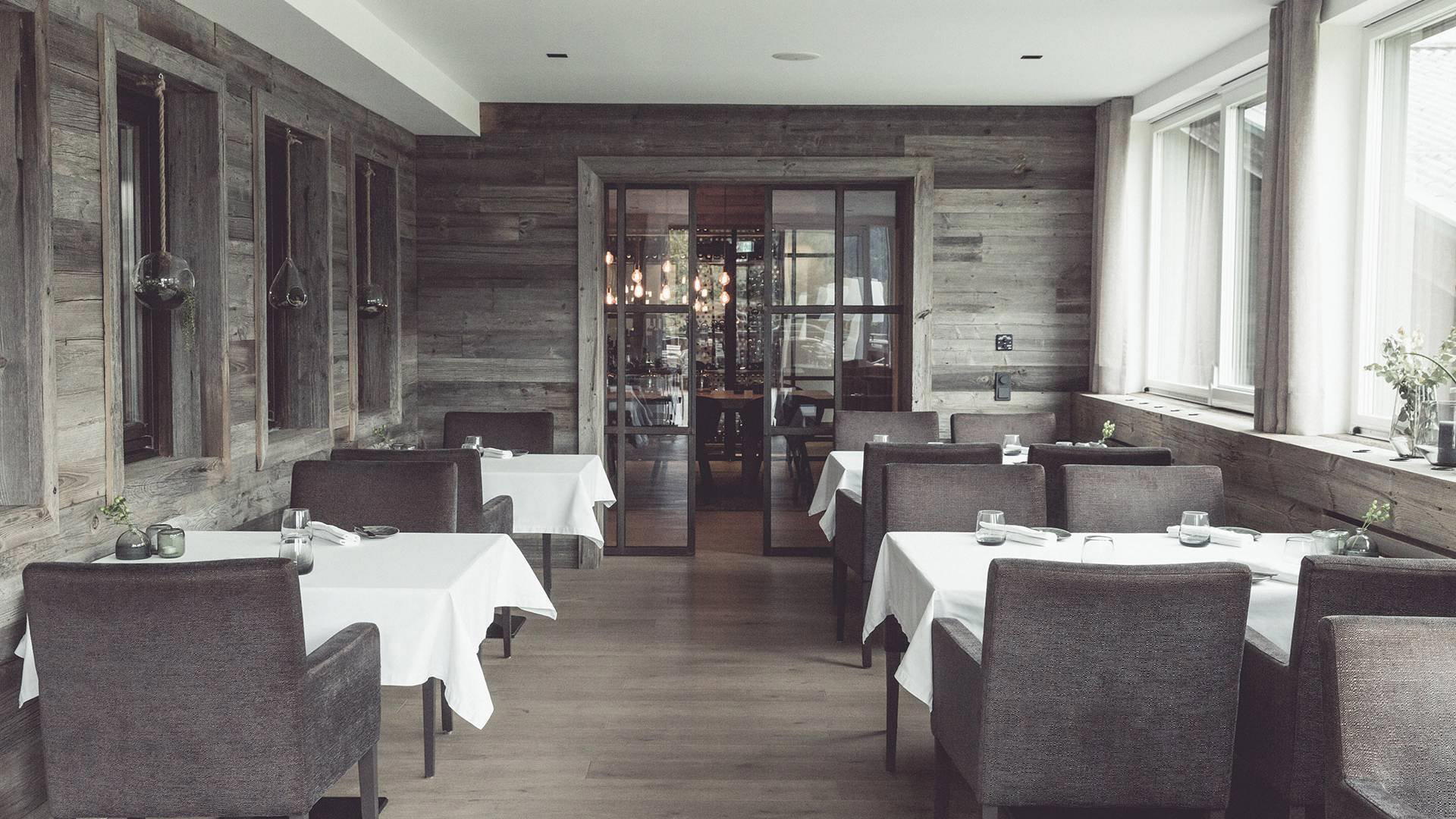
A two-Michelin-star kitchen in a Salzburg Alps valley town sets a particular tone: focused and precise rather than urban or theatrical. The setting in Sankt Veit im Pongau means the room draws a destination-dining crowd, people who have planned the trip rather than walked in. Expect the atmosphere to reflect that — composed, attentive, and oriented around the plate.
Has Kräuterreich by Vitus Winkler won any awards?
Kräuterreich by Vitus Winkler has received recognition including: La Liste Top Restaurants (2026): 88pts; La Liste Top Restaurants (2025): 85pts; Michelin 2 Stars (2025); Michelin 2 Stars (2024).
What's the signature dish at Kräuterreich by Vitus Winkler?
What the awards confirm is a creative program built on alpine reference points — Kräuterreich's La Liste score rose from 85 to 88 points between 2025 and 2026, a trajectory that suggests consistent development of the kitchen's identity rather than a single static calling card.
Quick Comparison
| Venue | Cuisine | Price | Awards |
|---|---|---|---|
| Kräuterreich by Vitus WinklerThis venue — the venue you are viewing | Alpine Avant-Garde | $200–300 | 2 Michelin Stars · La Liste Top Restaurants |
| Steirereck im Stadtpark | Creative | Not listed | Michelin 3 Star |
| Döllerer | Contemporary Austrian, Innovative | Not listed | Michelin 2 Star |
| Ikarus | Modern European, Creative | Not listed | Michelin 2 Star |
| Mraz & Sohn | Modern Austrian, Creative | Not listed | Michelin 2 Star |
| Obauer | Classic Cuisine | Not listed | Michelin 2 Star |
Recognition history
Dated appearances from independent guides and award organizations, with the underlying list record or original source where available.
Michelin 2 Stars
Michelin
La Liste Top Restaurants
La Liste
Falstaff Restaurant - 97 Falstaff Points
Falstaff
Full recognition history (6 entries)
La Liste Top Restaurants
La Liste
Michelin 2 Stars
Michelin
Michelin 2 Stars
Michelin
Continue exploring
More in Sankt Veit im Pongau
Restaurants in Sankt Veit im Pongau
Browse all →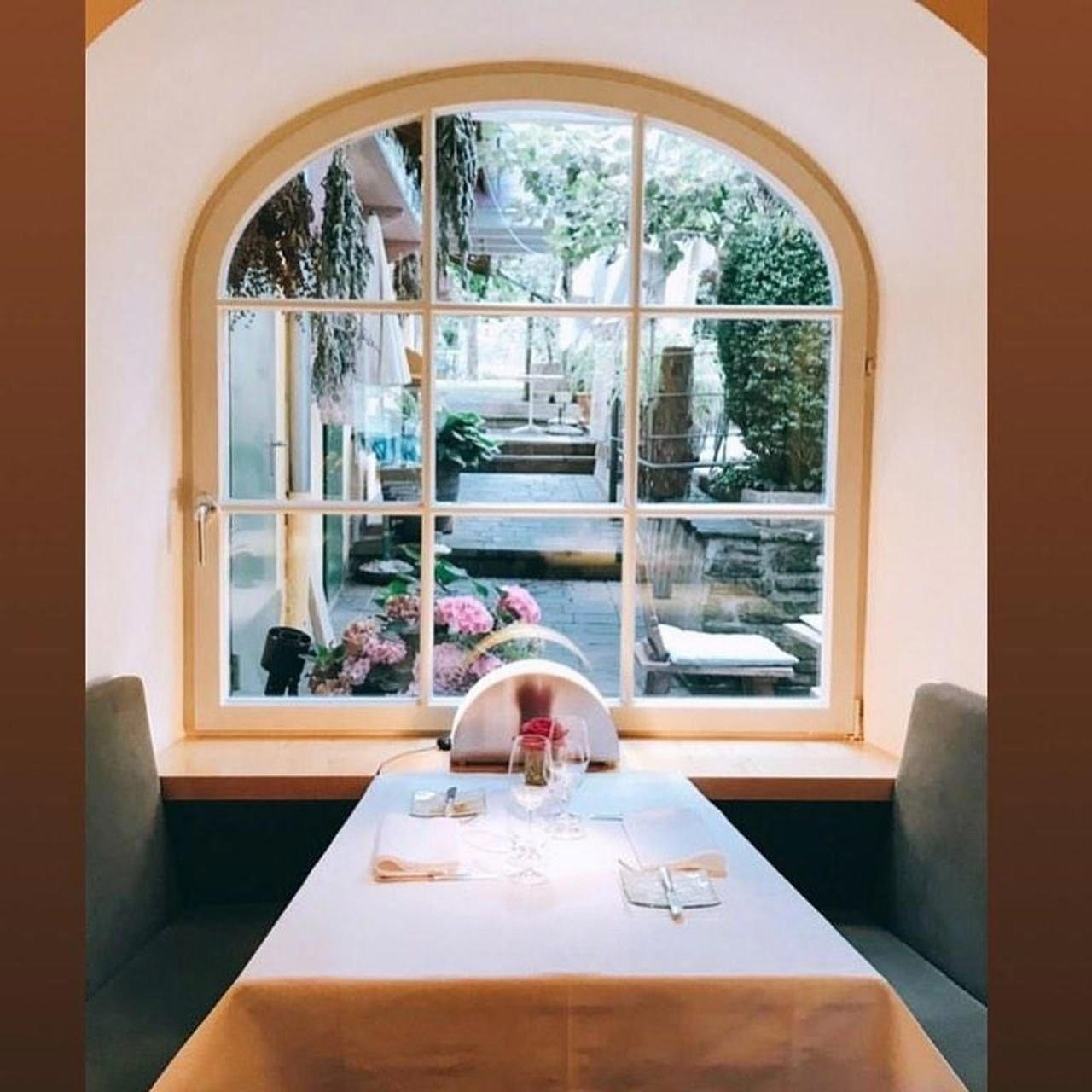
Bars in Sankt Veit im Pongau
Browse all →

Hotels in Sankt Veit im Pongau
Browse all →
Wineries in Sankt Veit im Pongau
Browse all →
Details
- Elegant
- Romantic
- Sophisticated
- Scenic
- Date Night
- Special Occasion
- Celebration
- Open Kitchen
- Panoramic View
- Historic Building
- Hotel Restaurant
- Chefs Counter
- Sommelier Led
- Farm To Table
- Local Sourcing
- Organic
- Mountain
- Tasting Menu
- Set Menu
- Wine Pairing
- House Made Vermouth
- Vegetarian Friendly
- Allergy Accommodating
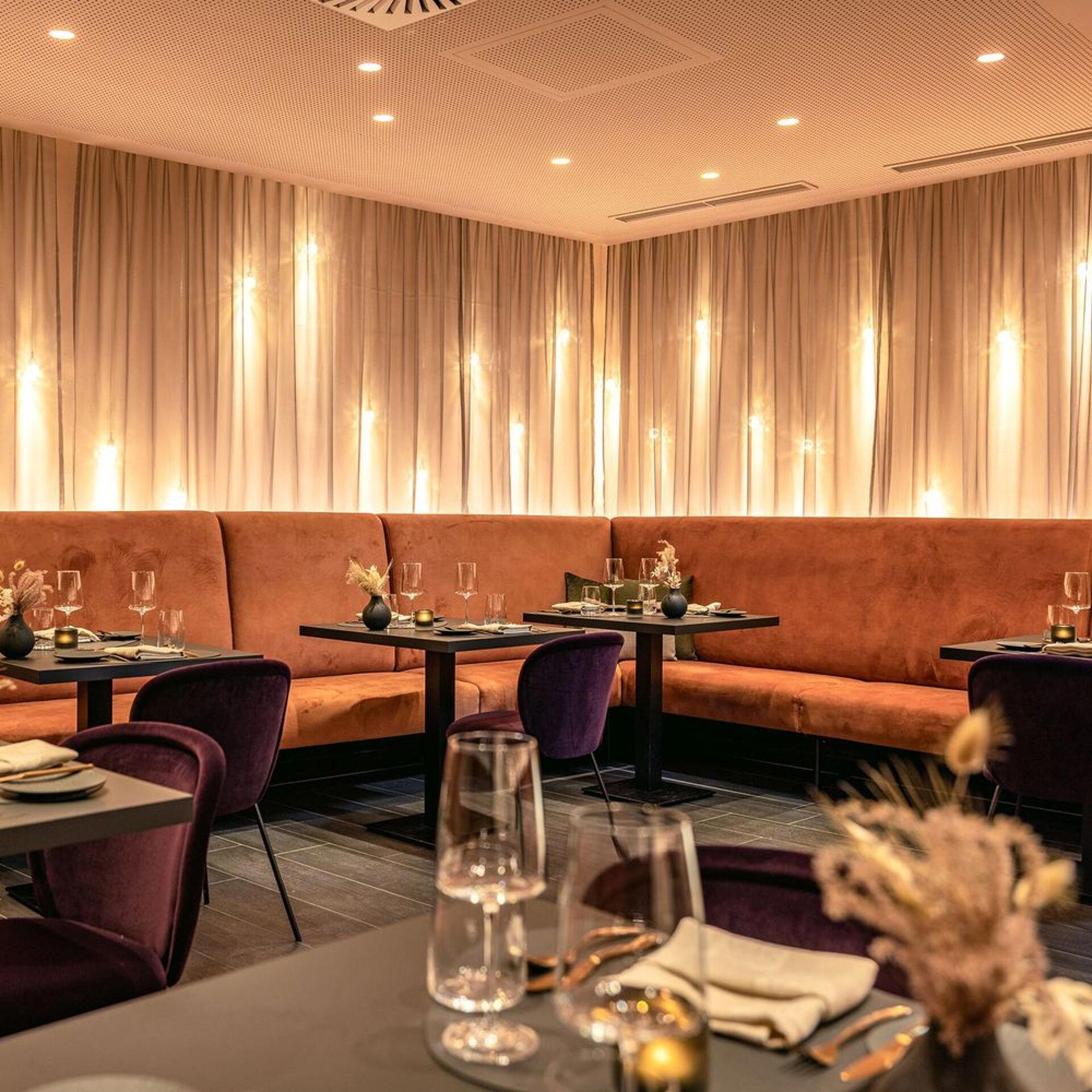
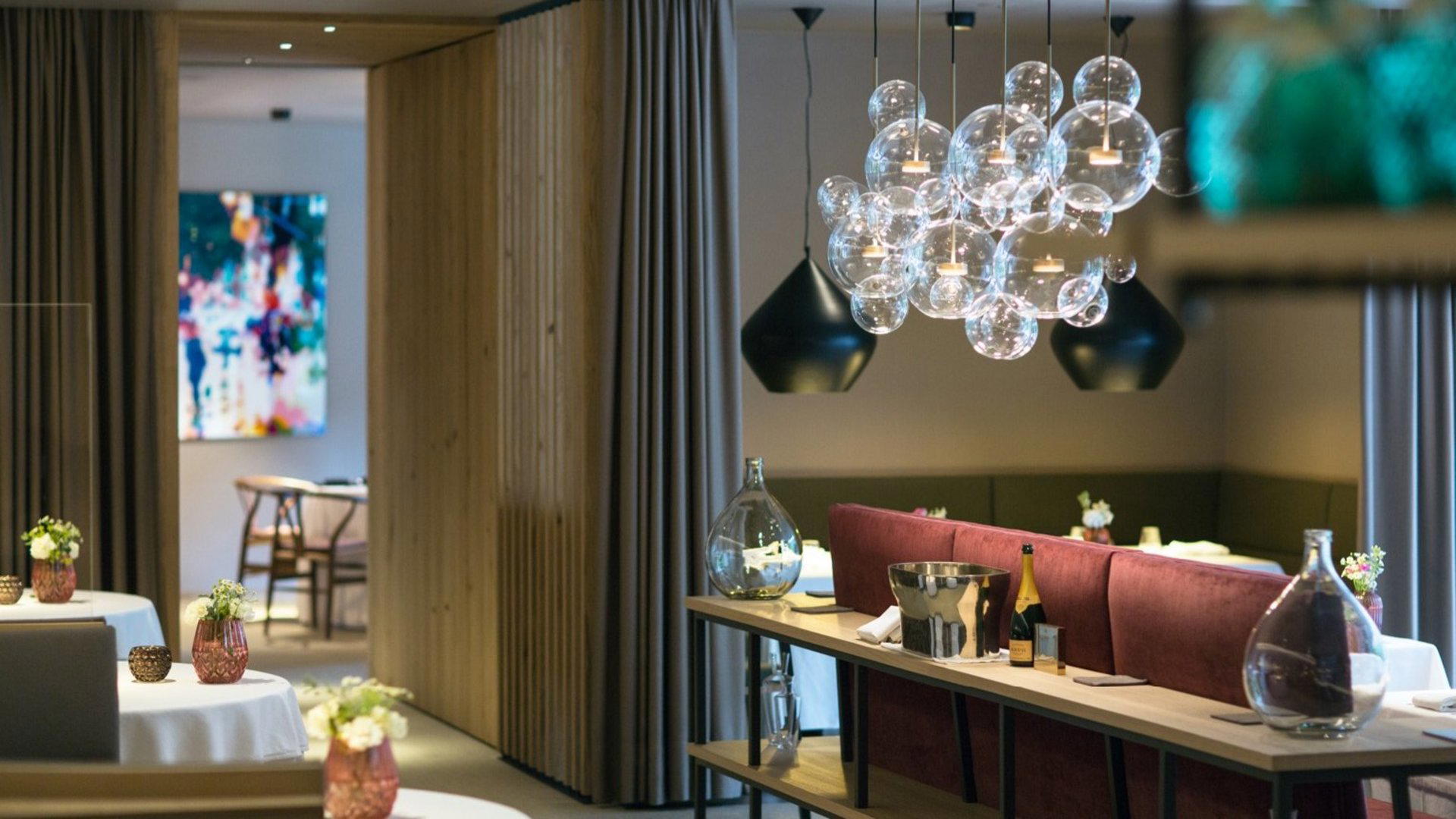
Modern, minimalist design with clear contemporary aesthetics; warm, attentive service creates a relaxed yet refined atmosphere despite the haute cuisine setting.