
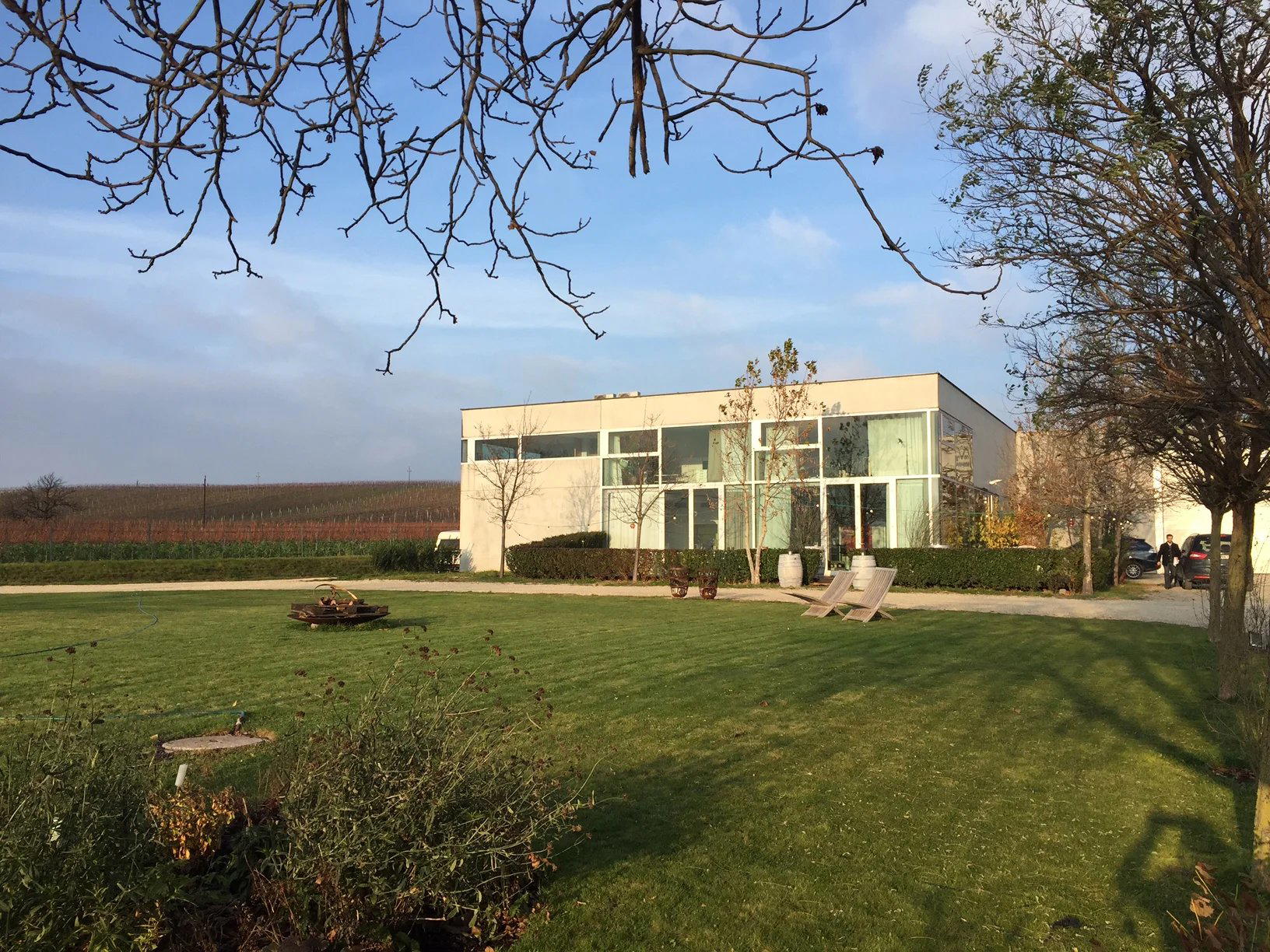
Weingut Leo Hillinger sits at Hill 1 in the village of Jois, on the western shore of the Neusiedlersee in Burgenland. Visitors engage with wines shaped directly by the pan-flat terrain and the lake's amplified microclimate.
Pearl is the En Primeur Club membership app — saves, bookings, and concierge access live there. Same editors, same standards.
- Address
- Hill 1, 7093 Jois
- Phone
- +43 2160 83170
- Website
- leo-hillinger.com
- Directions
- Get directions
 Saves & bookings on Pearl
Where the Pannonian Plain Meets the Glass
The western shore of the Neusiedlersee is among the more climatically specific wine zones in central Europe. The shallow reed lake, rarely deeper than two metres, acts as a thermal battery, absorbing heat through the long Pannonian summers and releasing it slowly through autumn. The result is a microclimate of unusual consistency: high sun hours, moderate rainfall, and an extended ripening season that allows grapes to accumulate sugar and complexity at a pace few inland European regions can match. The villages along this shore, Jois among them, have built their reputations on exactly this interaction between flat terrain and water. Weingut Leo Hillinger, at Hill 1 in Jois, is a winery in Burgenland.
The address, Hill 1, is itself a quiet provocation in a landscape almost entirely devoid of elevation. The Leitha Hills mark the western edge of the Neusiedlersee wine zone, and their influence on soils and air drainage distinguishes the Jois area from the flatter reaches to the south around Illmitz and Andau. Producers here, including Weingut Markus Altenburger, work with a soil mosaic that includes limestone, clay, and sandy loam, materials that register quite differently in finished wine from the pure sand and gravel dominant elsewhere on the lake shore.
The Neusiedlersee Terroir and What It Demands
Understanding a wine from the Neusiedlersee zone requires some basic orientation to how this terrain operates. The UNESCO World Heritage Site that encompasses the lake and its surrounding reed belts is not simply a scenic designation; it signals an ecosystem that actively shapes agricultural outcomes. The botrytis-friendly autumn mists that rise from the lake each morning gave Burgenland its global reputation for sweet wine through producers like Weingut Kracher in Illmitz, whose Trockenbeerenauslesen set an international benchmark. But the same climatic conditions that support noble rot in autumn support full, phenolically mature dry reds and whites through the rest of the growing season.
Jois operates at the northwestern margin of this zone, where the Leitha Hills begin to assert themselves. Vines at this elevation and aspect, even modest elevation matters in the Pannonian flatlands, see better diurnal temperature variation than sites closer to the lake's edge. The nights cool more reliably, preserving acidity in whites and adding structural tension to reds. This is one of the main reasons Jois producers tend toward a drier, more structured style than some of the lakeshore villages, and it is the physical basis on which estates like Hillinger differentiate their identity. Context from nearby Gols, where Weingut Pittnauer works with organic and biodynamic methods on similarly varied soils, illustrates how the broader lake-rim geography supports a concentration of serious producers within a small radius.
Award Positioning and What the Rating Means
In Burgenland's competitive landscape, the region has produced a disproportionate share of Austria's most discussed estates relative to its geographic footprint, a two-star prestige classification is a signal used by trade buyers and collectors as a sorting mechanism. It sits meaningfully above entry-level recognition and within a peer group that includes estates operating at the intersection of terroir fidelity and commercial viability.
Across Austria more broadly, the estates that sustain these ratings tend to share a commitment to site-specific expression over blending strategy. Weingut Bründlmayer in Langenlois and Weingut Emmerich Knoll in Dürnstein both operate in the Wachau and Kamptal with precisely this logic, expressing individual vineyard parcels rather than house-style assemblages. The approach at Hillinger, in a zone where site specificity plays out differently across sandy lake-floor soils and hillside limestone, reflects the same underlying discipline, even if the grape varieties and stylistic outcomes differ substantially from the northern Austrian classics.
Situating Hillinger Among Burgenland Peers
The Neusiedlersee region concentrates a notable density of formally rated producers. Weingut Scheiblhofer in Andau works at the southern extreme of the zone on pure sand soils, producing wines with a different textural register from those grown in Jois's mixed geology. Weingut Heinrich Hartl in Oberwaltersdorf sits further from the lake influence, in a transitional zone toward the Thermenregion. Hillinger's Jois location positions it within especially geologically varied portion among the Neusiedlersee-Hügelland subzone, which broadly supports the latitude the estate has to work across multiple styles.
For comparison across a wider Austrian context, Weingut Wohlmuth in Kitzeck operates in Styria's Sausal area, a completely different climate and soil register, illustrating that Austria's awarded producers span a genuine diversity of terroir type rather than clustering around a single regional template. Hillinger's identity is emphatically Pannonian: heat-accumulating soils, a lake-moderated growing season, and the structural possibilities that the Leitha Hills edge introduces.
Planning a Visit to Jois
Jois sits within comfortable driving distance of Vienna, roughly an hour along the A4 motorway toward the Hungarian border, making the Neusiedlersee wine region a coherent day-trip or weekend destination from the Austrian capital. The village is small, and visits to estates in this area typically benefit from advance contact; producers operating at the prestige tier in Burgenland often host tastings by appointment rather than on a walk-in basis. Given the absence of confirmed public booking details for Hillinger specifically, reaching out through the estate's official channels before arrival is the advisable approach.
The Neusiedlersee region rewards extended exploration. The cycling paths that ring the lake connect multiple villages and their estates within a single day, and the flat terrain makes this practical even for casual riders. In autumn, the harvest period brings the highest concentration of cellar activity, though the shoulder seasons of late spring and early summer offer access without the crowd peaks that the lake's tourist draw generates in July and August.
In Context: Similar Options
Comparable venues nearby, for context on price, style, and recognition.
| Venue | Cuisine | Price | Notes |
|---|---|---|---|
| Weingut Leo HillingerThis venue — the venue you are viewing | Grüner Veltliner, Sauvignon Blanc | $$ | Not listed |
| Weingut Markus Altenburger | Blaufränkisch, Chardonnay | $$ | Jois |
| Kräuterdestillerie Steiner | Winery | Not listed | Achenkirch |
| Weingut Höpler | Grüner Veltliner, Pinot Noir | $$ | Breitenbrunn |
| Weingut Gesellmann | Blaufränkisch, Zweigelt | $$ | Deutschkreutz |
| Alt Wiener Schnapsmuseum | Winery | Not listed | Vienna |
Recognition history
Dated appearances from independent guides and award organizations, with the underlying list record or original source where available.
Falstaff Winery - 3 Stars
Falstaff
Continue exploring
More in Jois
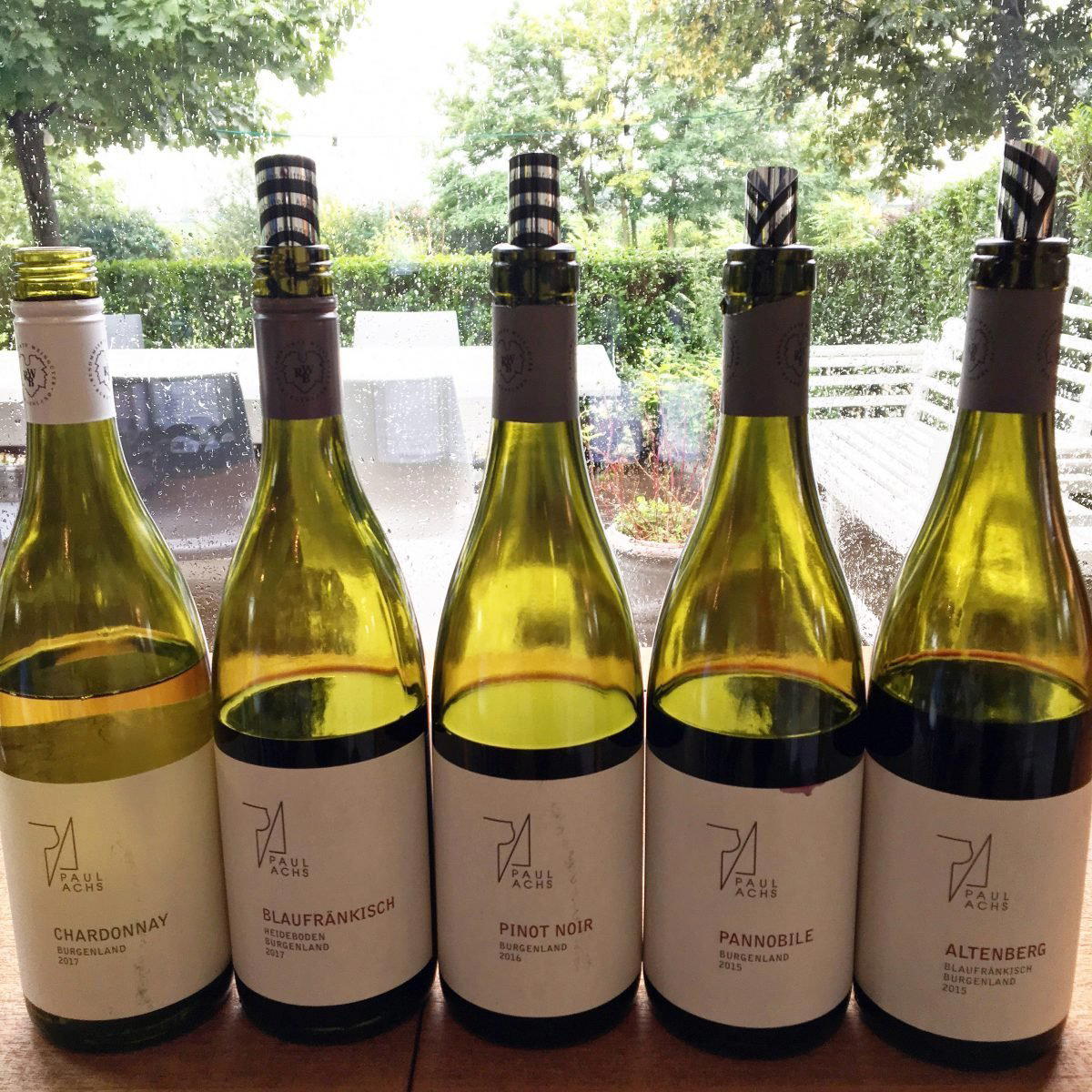
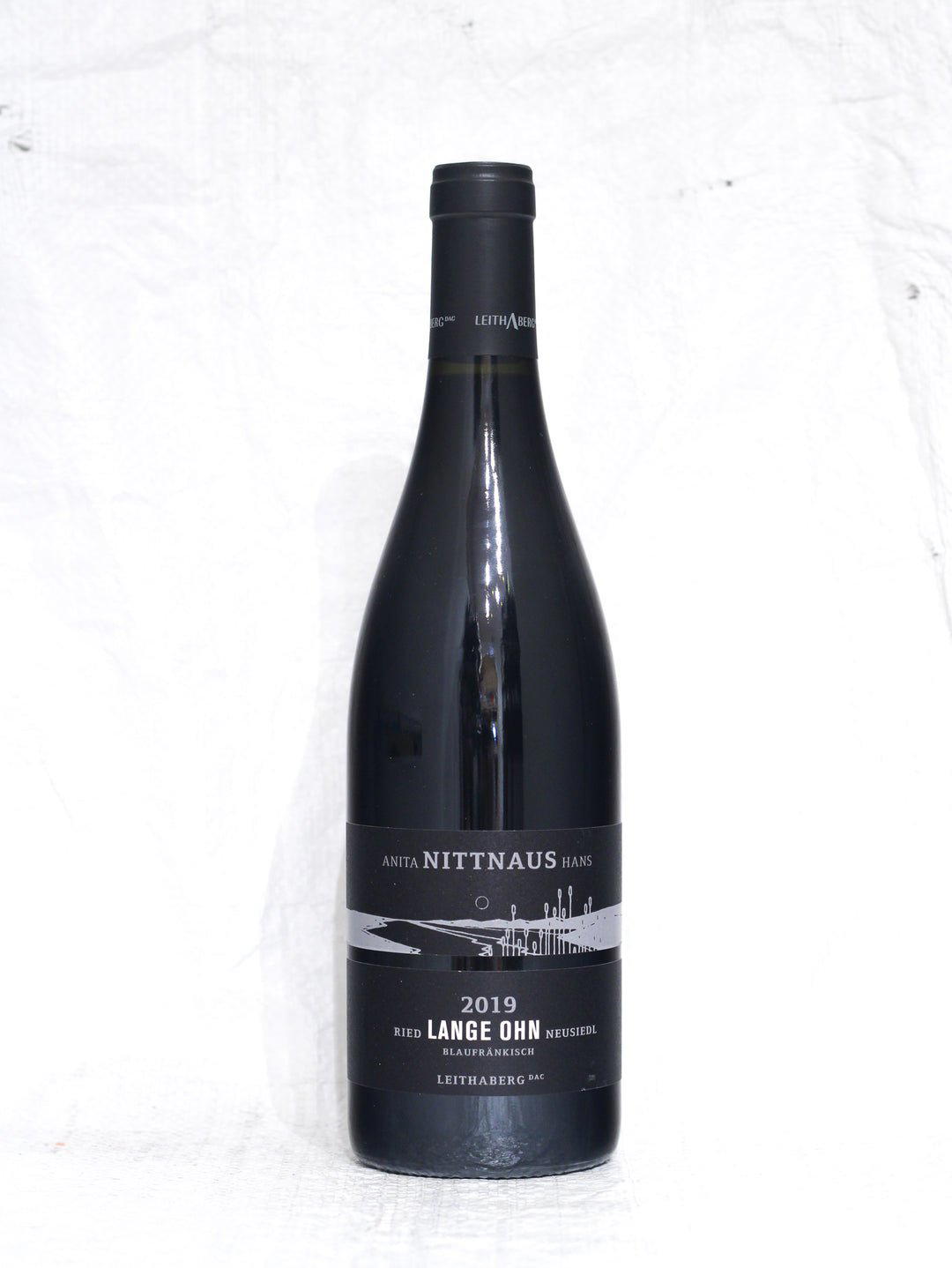
Wineries in Jois
Browse all →
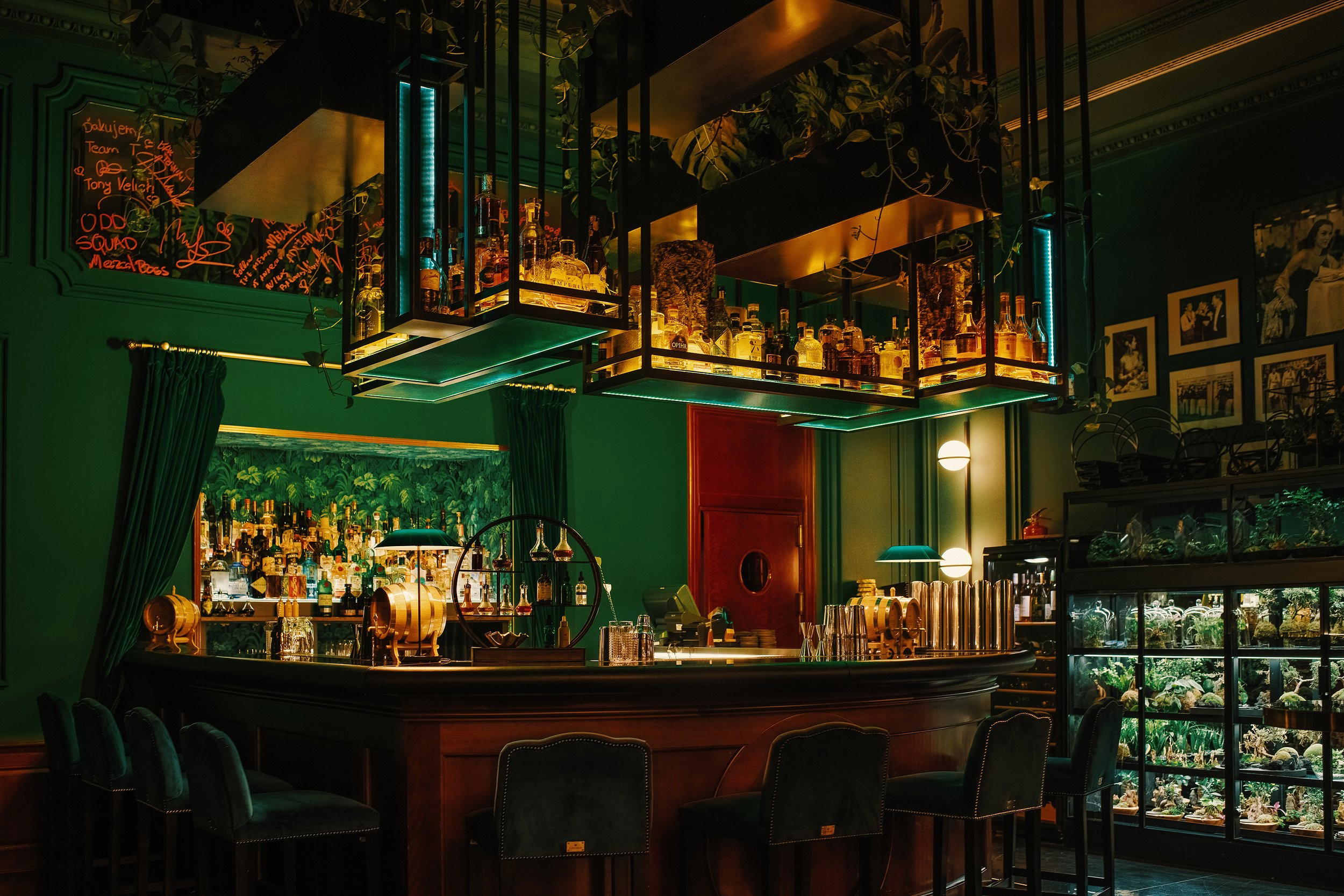
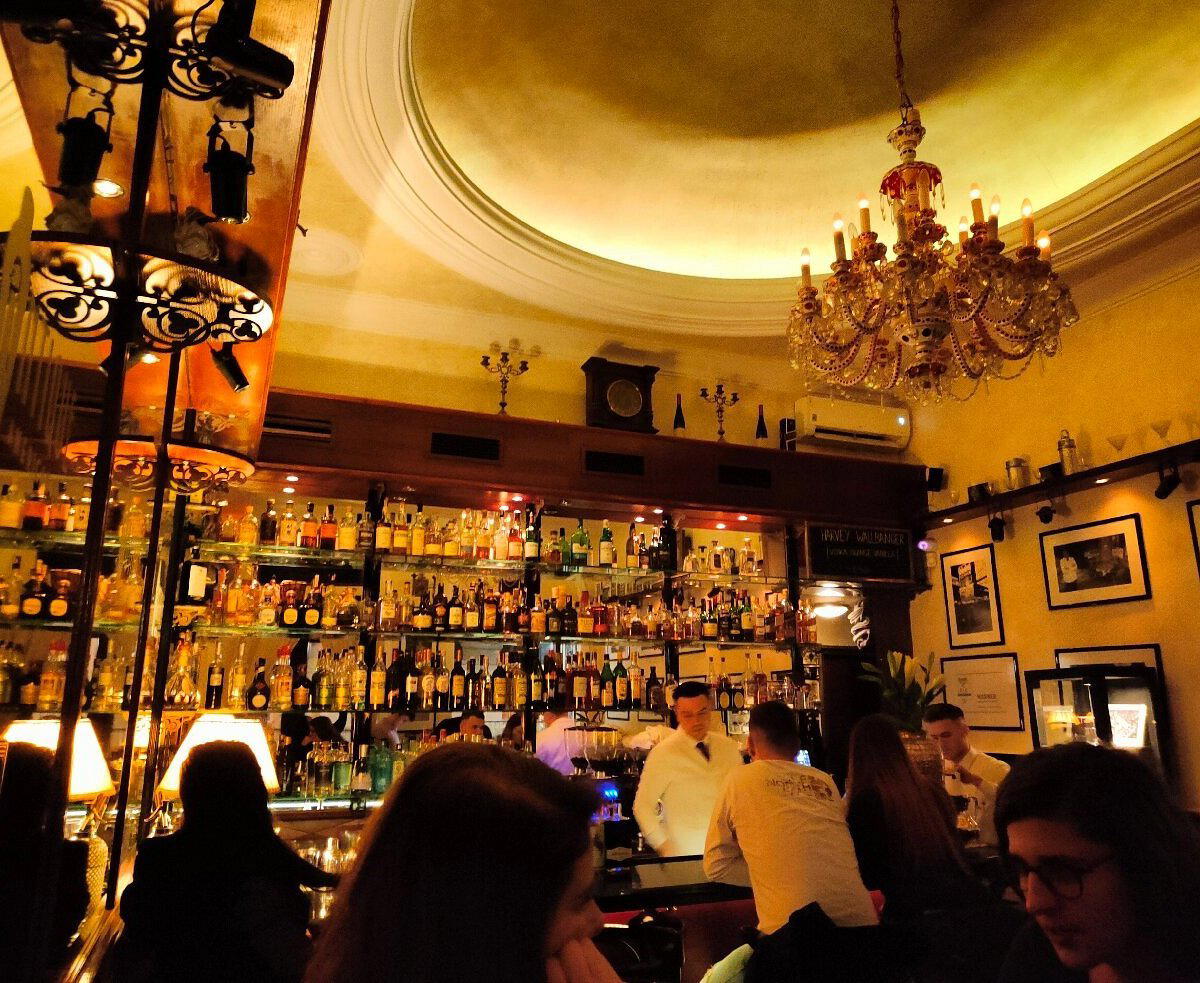
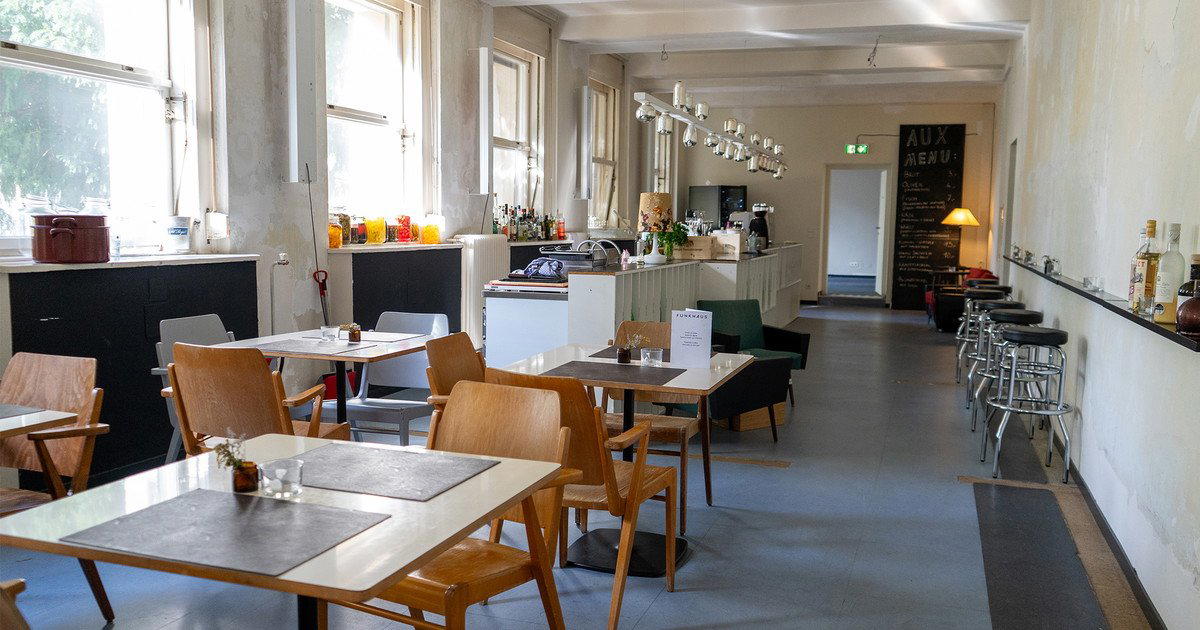
Bars in Jois
Browse all →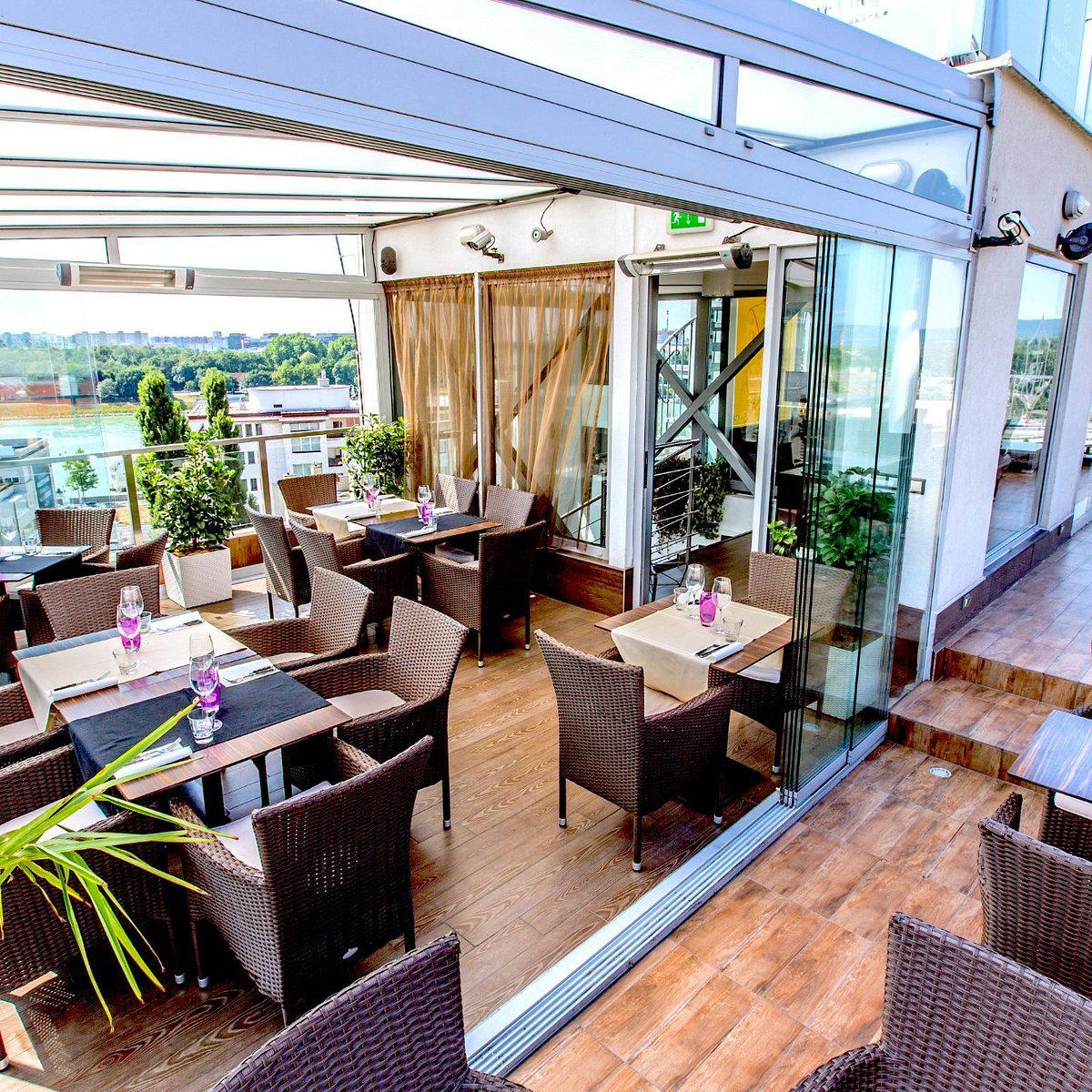

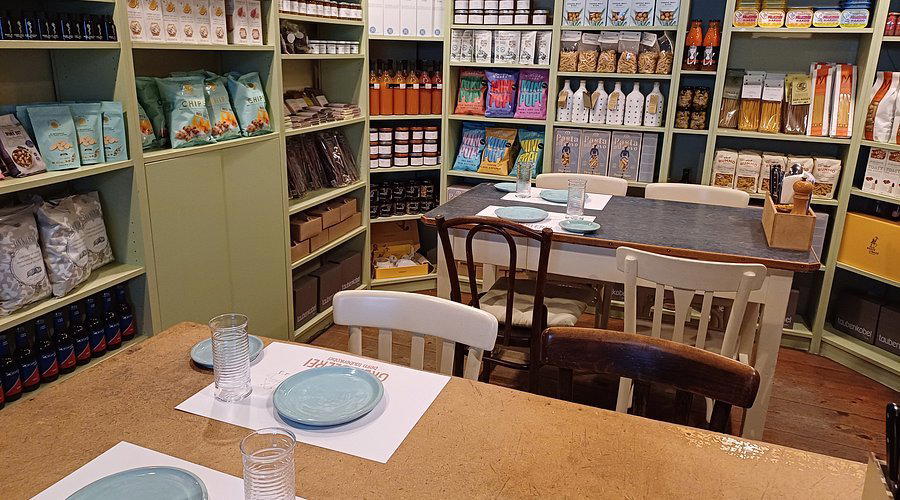
Restaurants in Jois
Browse all →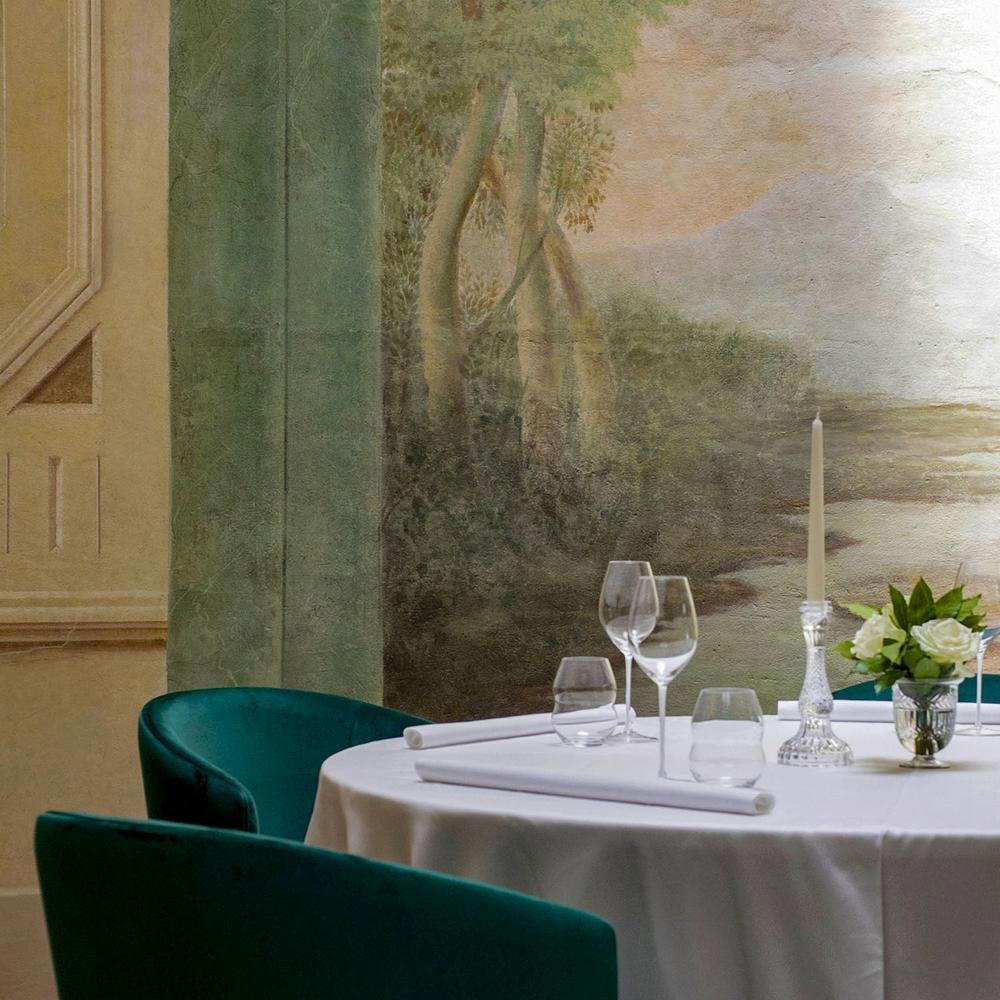
At a Glance
- Modern
- Scenic
- Elegant
- Wine Education
- Group Outing
- Estate Grounds
- Panoramic View
- Organic
- Vineyard
- Leithaberg
- Grüner Veltliner
- Sauvignon Blanc
- Zweigelt
- Blaufränkisch
- Pinot Blanc
- Merlot
- Still White
- Still Red
- Still Rosé
- Sparkling
- Cave Tasting
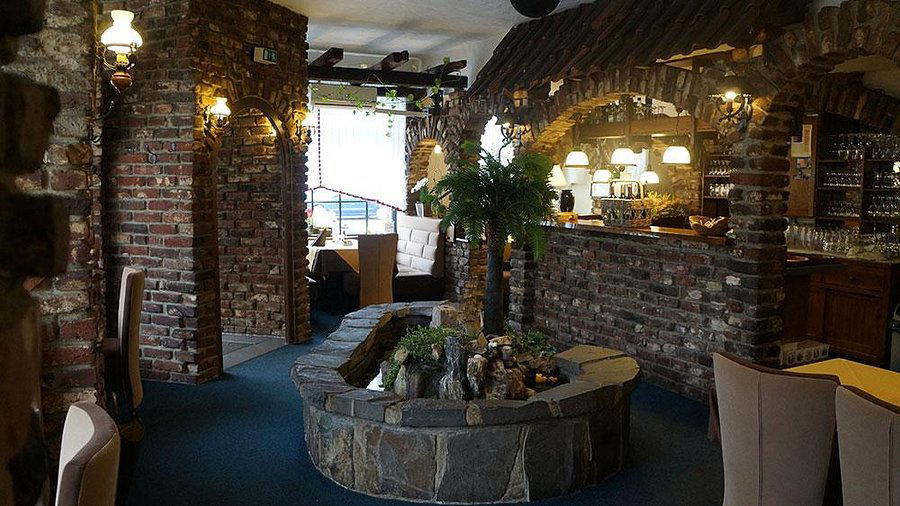
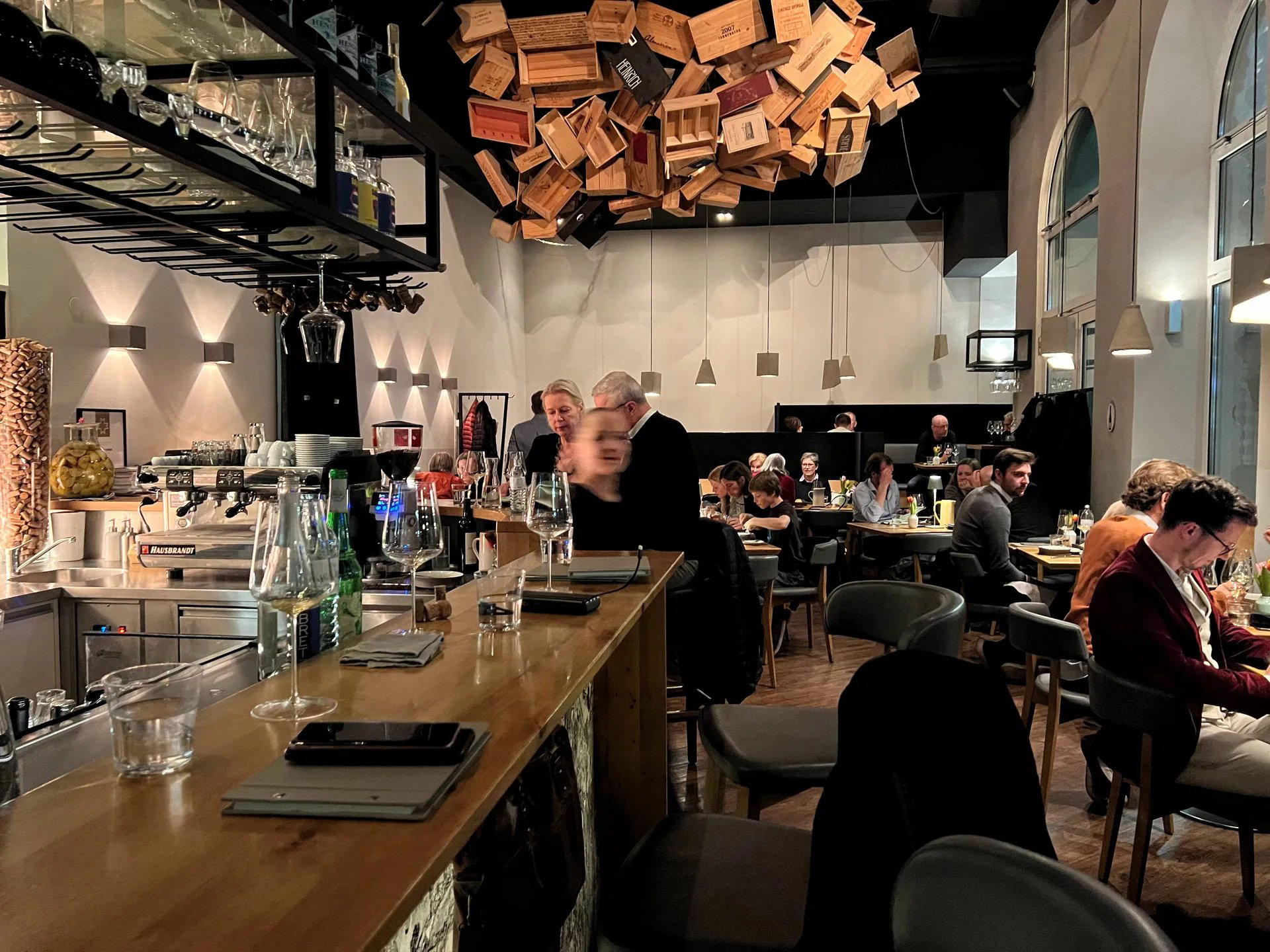
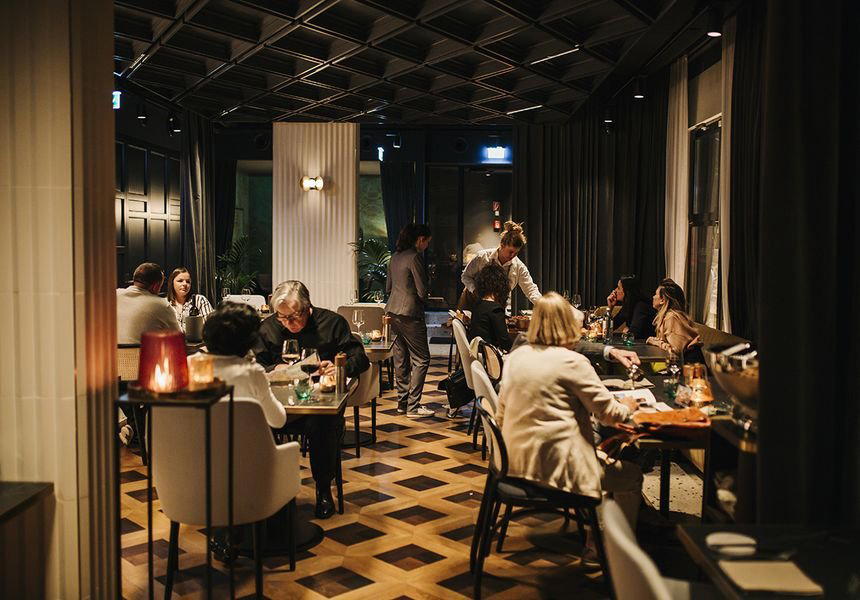
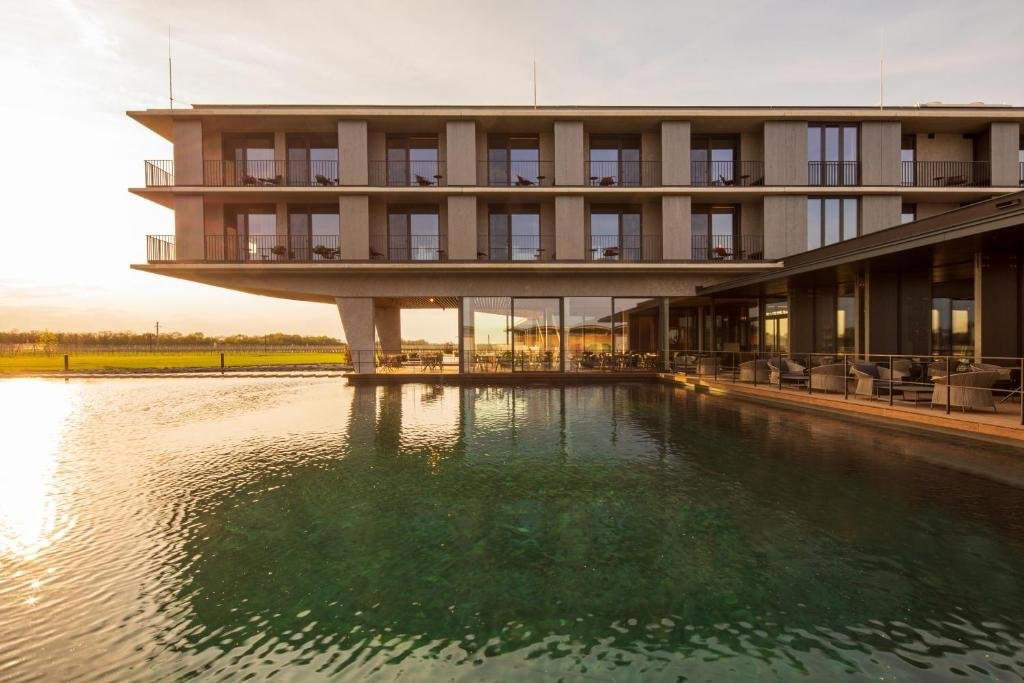
Sophisticated modern atmosphere with state-of-the-art facilities and progressive design amid vineyards.