Himmelreich


1 Michelin Star · Falstaff Restaurant - 92 Falstaff Points
Our verdict
Himmelreich holds a Michelin Plate for 2024 and 2025 in the small Wagram wine village of Zaußenberg, where contemporary cooking meets the agricultural character of Lower Austria's Danube corridor. The kitchen operates at the €€€ tier, positioning it as serious regional dining without the formality of Austria's starred houses.

Pearl is the En Primeur Club membership app, where members save venues, book tables and use the concierge.
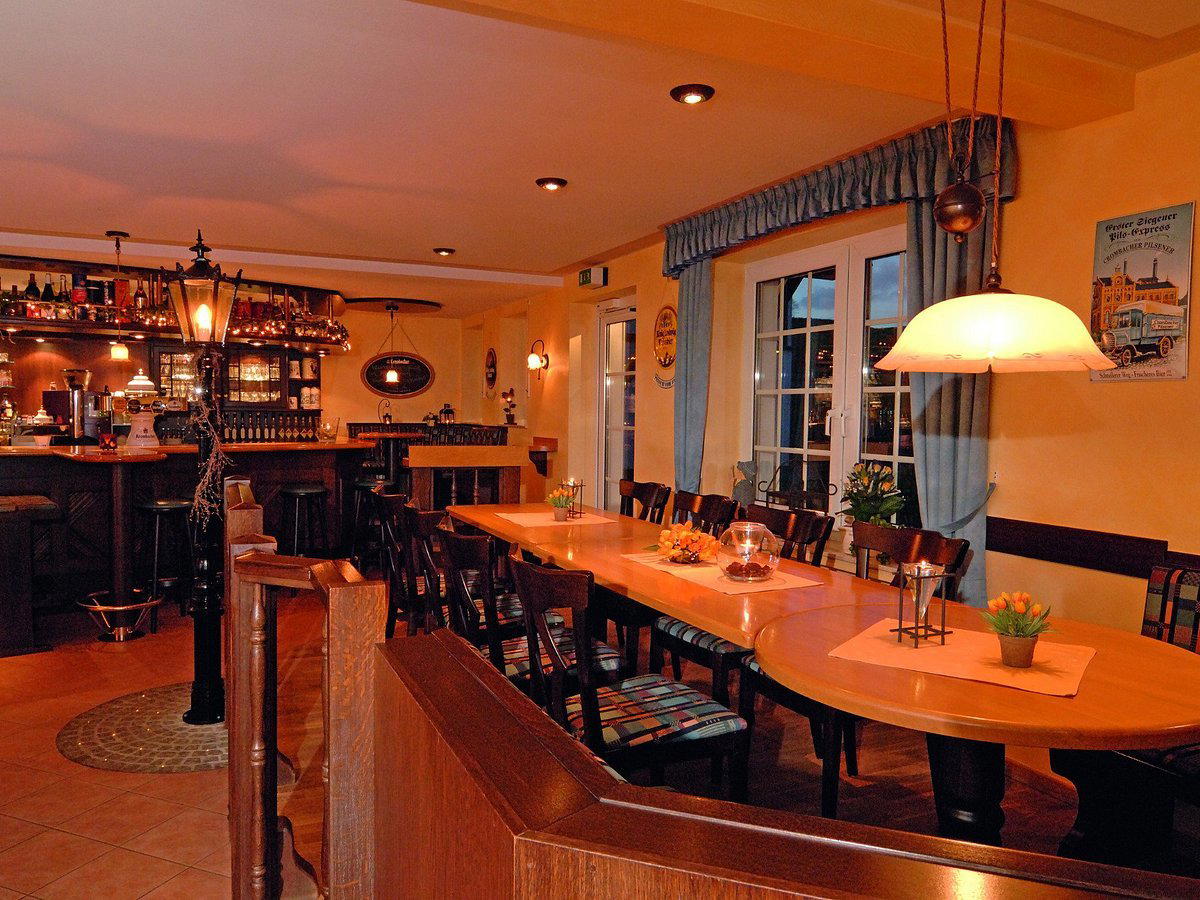
Where the Wagram Plateau Meets the Table
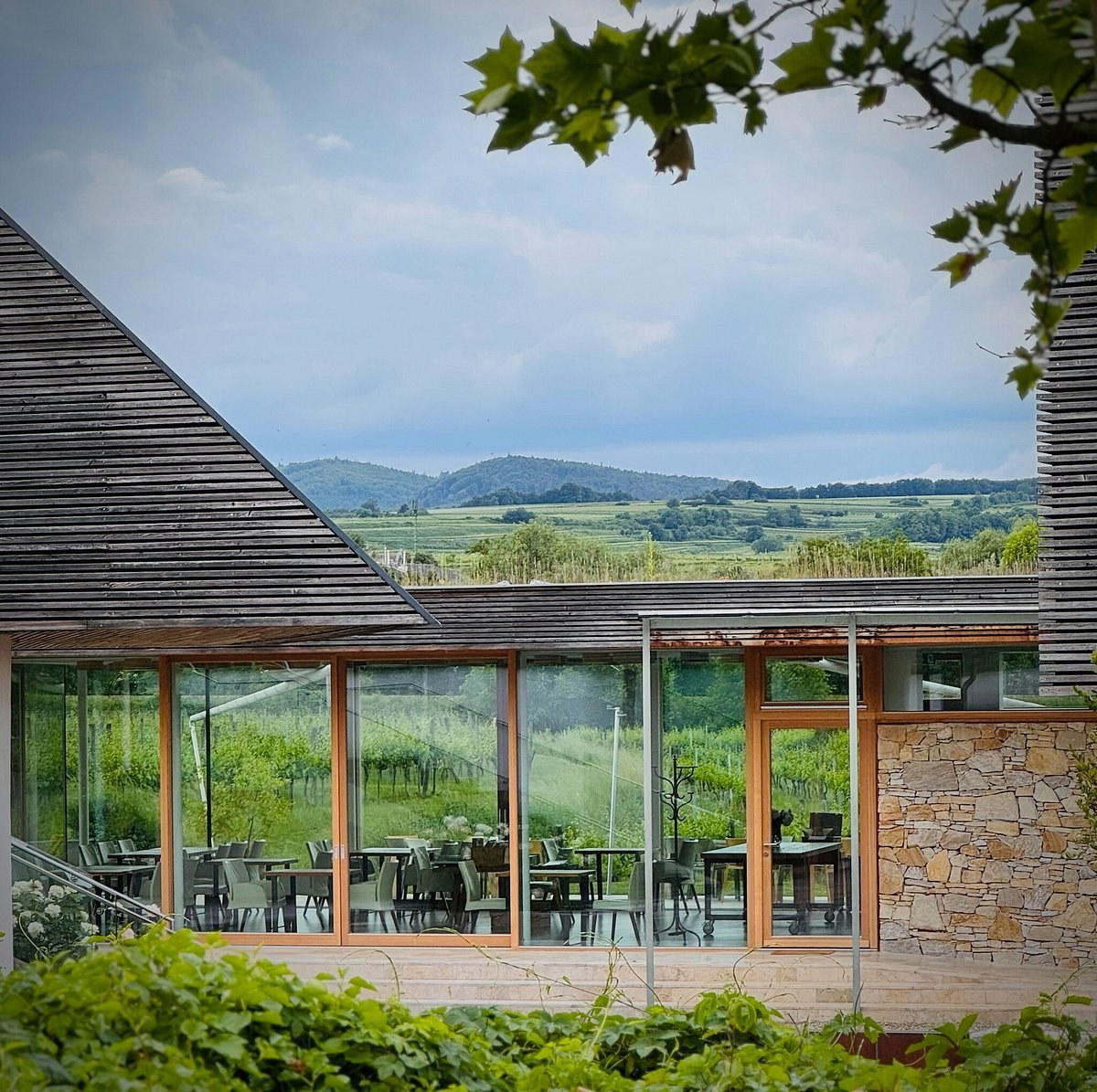
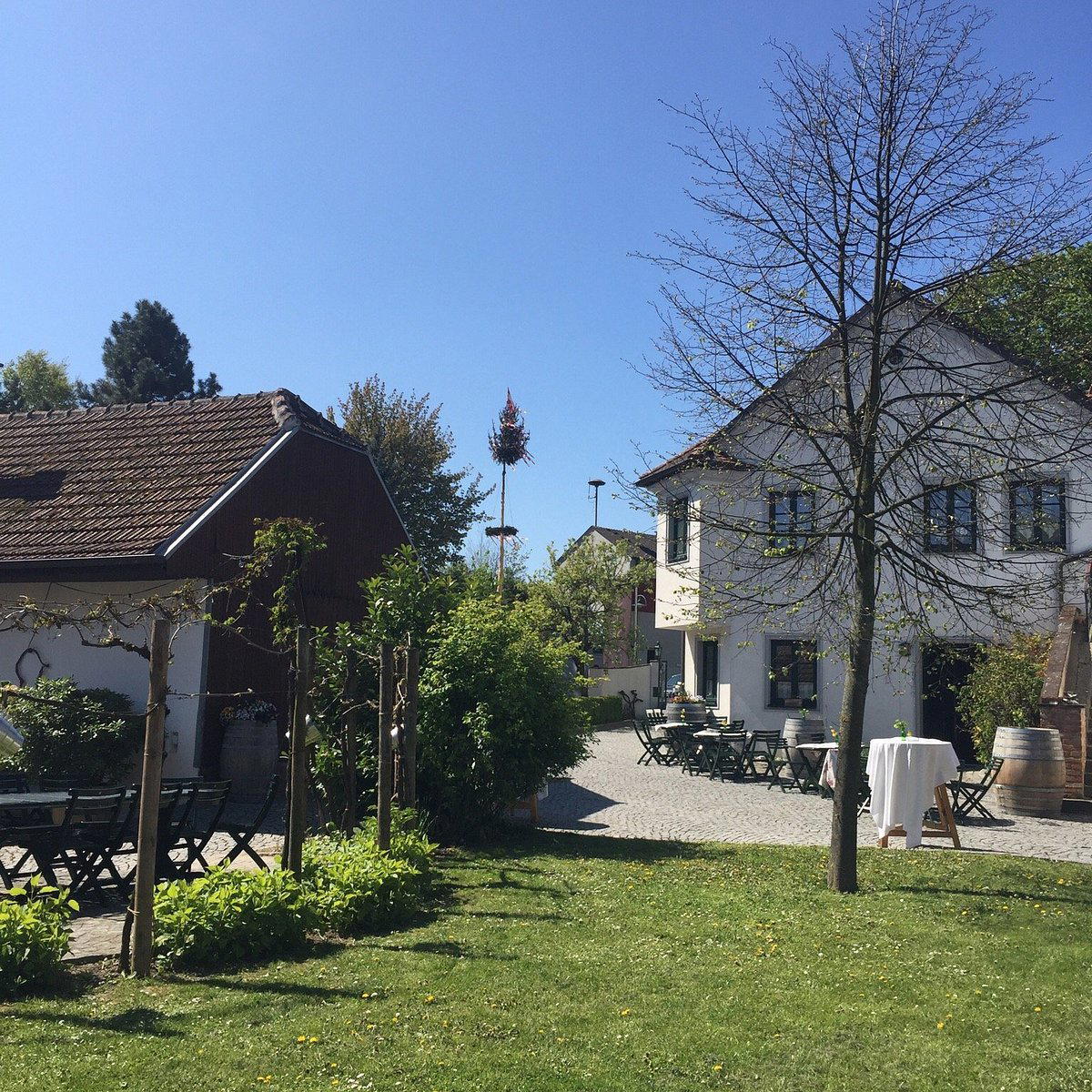
Zaußenberg sits on the Wagram ridge above the Danube, in a stretch of Lower Austria where loess terraces drop toward the river and viticulture has shaped the economy for centuries. Arriving at Ortsstraße 4, the setting communicates something that the larger Austrian fine-dining circuit rarely offers: a restaurant that is genuinely of its place rather than positioned for destination visitors. The surrounding land is not decorative backdrop but productive agricultural territory, and that distinction matters when you consider what contemporary kitchens in this region tend to put on the plate.
For context on how Austria's serious dining is distributed, see our full Zaußenberg restaurants guide, which maps the broader local scene. Himmelreich operates within a category of regionally grounded contemporary restaurants that has been quietly growing across rural Lower Austria, as cooks who trained in the major urban houses have returned to village contexts and built more ingredient-led, locally anchored programs.
The Sourcing Logic of the Wagram
The Wagram wine region is better known internationally for Grüner Veltliner than for its kitchens, but the same conditions that make the loess soils productive for viticulture also sustain quality market gardening, orchard farming, and livestock. In kitchens operating at the contemporary tier across this corridor, from Mautern an der Donau to the villages above Tulln, the sourcing conversation is rarely abstract. Proximity matters in practical terms: growers are reachable, relationships are direct, and seasonal cycles are visible from the restaurant itself.
Himmelreich's Michelin Plate recognition in both 2024 and 2025 signals that the kitchen is producing food at a level of technical consistency the guide finds worth flagging, without yet reaching star territory. In Austria's broader dining hierarchy, that places it in the tier below houses like Landhaus Bacher in Mautern an der Donau, which holds two Michelin stars and has long anchored the Wachau-adjacent dining circuit. The Plate designation is not a consolation category; it identifies restaurants where the food is genuinely good and where the guide sees kitchen discipline worth recognizing.
At the €€€ price tier, Himmelreich also sits a band below the €€€€ bracket that includes Döllerer, Steirereck, and the country's starred houses. That positioning makes it one of the more accessible entry points to serious contemporary cooking in Lower Austria. Diners who have spent time at Döllerer in Golling an der Salzach or Steirereck im Stadtpark in Vienna will recognize the genre, though the register here is quieter and the context more rural.
Contemporary Cooking in a Village Register
What the contemporary label means in a village like Zaußenberg differs from what it signals in Vienna or Salzburg. In the capital, contemporary cuisine carries associations with elaborate plating, imported technique, and the kind of tasting-menu formality that rewards advance booking and expense accounts. In a Wagram village setting, the same term typically describes a kitchen that applies modern technique to local produce without abandoning the seasonal and regional logic that has always defined Lower Austrian cooking.
That approach has parallels elsewhere in the Austrian countryside. Obauer in Werfen has long represented the model of a serious kitchen operating at high technical level in a non-urban setting. More recently, kitchens like Ois in Neufelden and Kräuterreich by Vitus Winkler in Sankt Veit im Pongau have demonstrated that rural Austria can sustain ambitious cooking without requiring urban infrastructure. Himmelreich fits that broader pattern: a kitchen taking the local larder seriously and applying the discipline that Michelin recognition implies.
That score, across a meaningful sample size, suggests the kitchen's appeal extends beyond destination visitors.
Reaching Zaußenberg and Planning the Visit
Zaußenberg is a small settlement on the Wagram plateau above the Danube, accessible by car from Vienna in under an hour via the Stockerau corridor. The village has no significant tourist infrastructure, which means a visit to Himmelreich is a deliberate choice rather than a convenient stop on a broader itinerary. That quality is part of what defines the experience: you are not passing through.
Booking ahead is advisable. A restaurant operating at this level in a village setting has limited covers and draws on both a local repeat clientele and visitors making the drive specifically for the kitchen. For those planning a broader Lower Austrian circuit, combining a meal at Himmelreich with wine visits in the Wagram region is a logical pairing; our Zaußenberg wineries guide covers the regional producers worth seeking out. Overnight options in the area are limited, and the Zaußenberg hotels guide can help with nearby accommodation planning. For those extending to an evening, the Zaußenberg bars guide and experiences guide round out the local picture.
For comparison, visitors who have made the journey to Gourmetrestaurant Tannenhof in Sankt Anton am Arlberg, Griggeler Stuba in Lech, or Schwarzer Adler in Hall in Tirol will recognize the format: serious food in a non-urban setting that requires planning but rewards the effort. Ikarus in Salzburg and Restaurant 141 by Joachim Jaud in Mieming represent different points on the same Austrian contemporary spectrum, and international comparisons might include César in New York City or Jungsik in Seoul for readers tracking the contemporary format across markets.
Frequently asked questions
What is the atmosphere like at Himmelreich?
Does Himmelreich work for a family meal?
What do regulars order at Himmelreich?
Side-by-Side Snapshot
| Venue | Cuisine | Price | Awards | Notes |
|---|---|---|---|---|
| HimmelreichThis venue (the venue you are viewing) | Contemporary Nordic-Inspired | $100–150 | 1 Michelin Star · Falstaff Restaurant - 92 Falstaff Points | Not listed |
| Steirereck im Stadtpark | Modern Austrian Fine Dining | $200–300 | 3 Michelin Stars · World's 50 Best #33 | Creative |
| Döllerer | Modern Alpine Cuisine | $100–150 | 2 Michelin Stars · La Liste Top Restaurants | Contemporary Austrian, Innovative |
| Ikarus | Guest Chef Fine Dining | $200–300 | 2 Michelin Stars · La Liste Top Restaurants | Modern European, Creative |
| Mraz & Sohn | Contemporary Austrian Fusion | $150–200 | 2 Michelin Stars · La Liste Top Restaurants | Modern Austrian, Creative |
| Obauer | Modern Austrian Fine Dining | $50–100 | 2 Michelin Stars · La Liste Top Restaurants | Classic Cuisine |
Recognition history
Dated appearances from independent guides and award organizations, with the underlying list record or original source where available.
Michelin 1 Star
Michelin
Falstaff Restaurant - 92 Falstaff Points
Falstaff
Full recognition history (4 entries)
Michelin Plate
Michelin
Michelin Plate
Michelin
Continue exploring
More in Zaußenberg
Restaurants in Zaußenberg
All restaurants in Zaußenberg →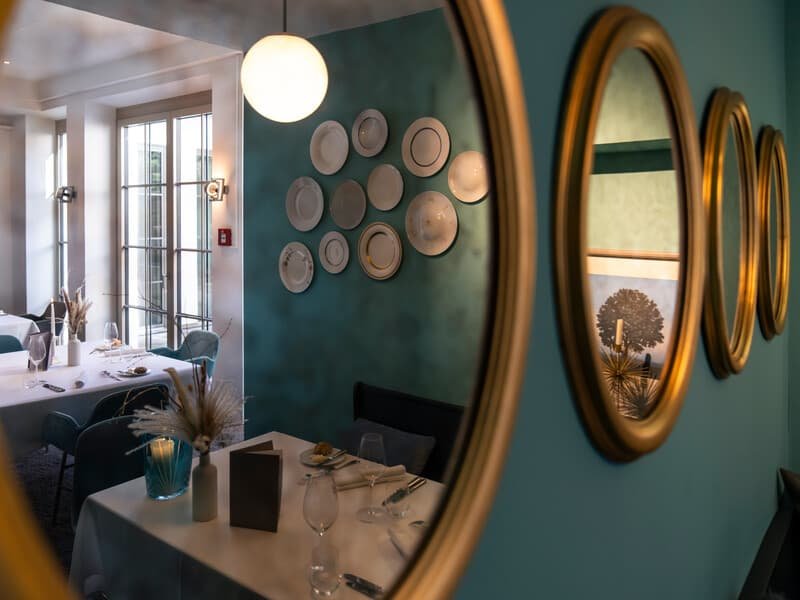
Bars in Zaußenberg
Browse all →
Details
- Elegant
- Minimalist
- Intimate
- Cozy
- Special Occasion
- Date Night
- Historic Building
- Courtyard
- Extensive Wine List
- Local Sourcing
- Vineyard
- Garden
- Set Menu
- Vegetarian Friendly
- Pescatarian Friendly
Current opening hours
- Monday
- Closed
- Tuesday
- Closed
- Wednesday
- Closed
- Thursday
- 6:30 PM–12 AM
- Friday
- 6:30 PM–12 AM
- Saturday
- 12 PM–12 AM
- Sunday
- 12 PM–12 AM
Hours can change for holidays and private events. Last verified .
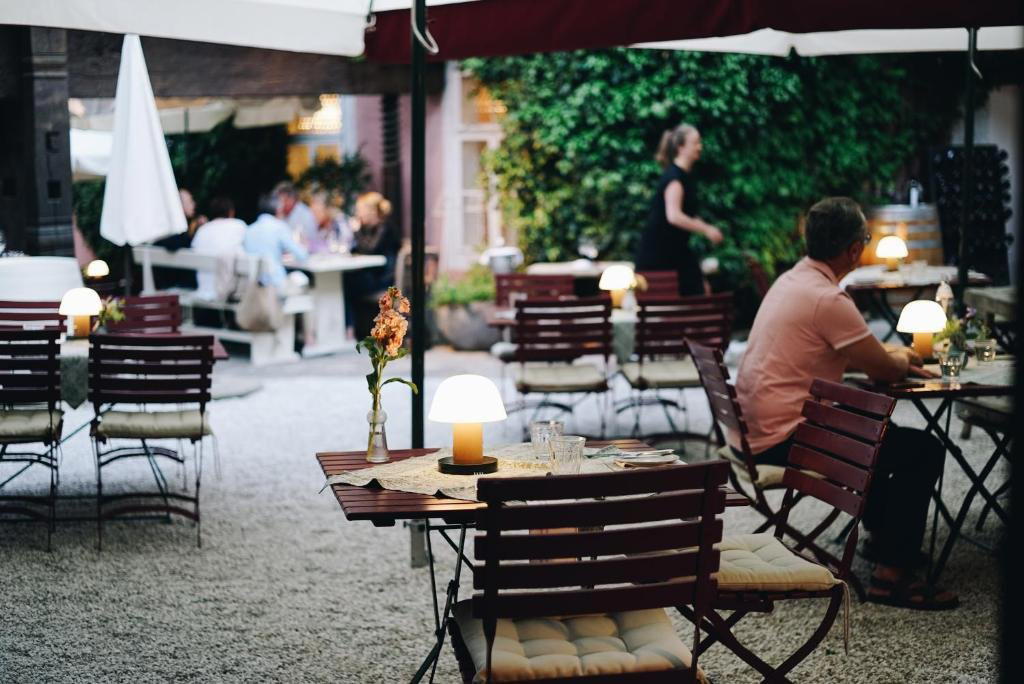
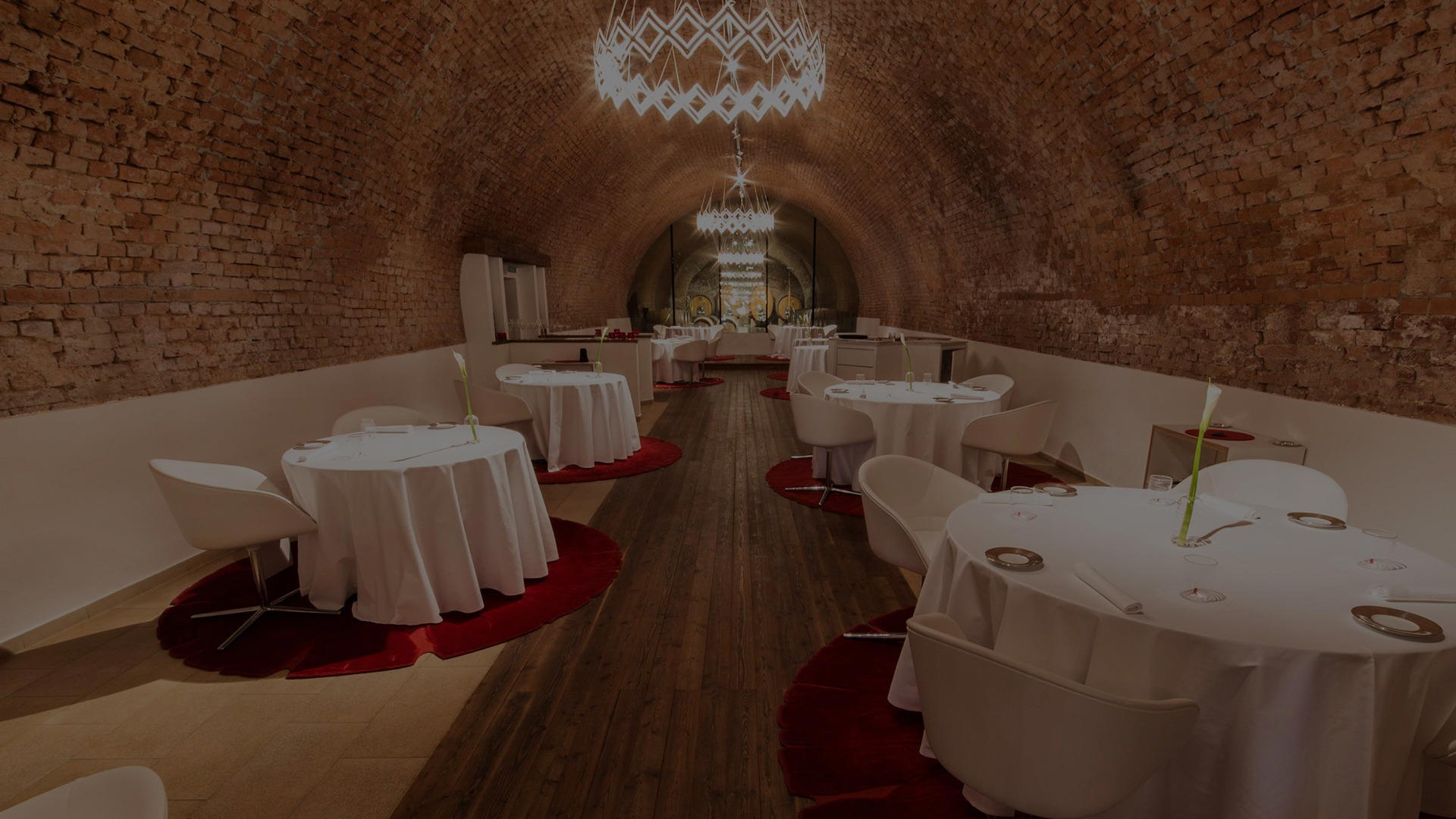
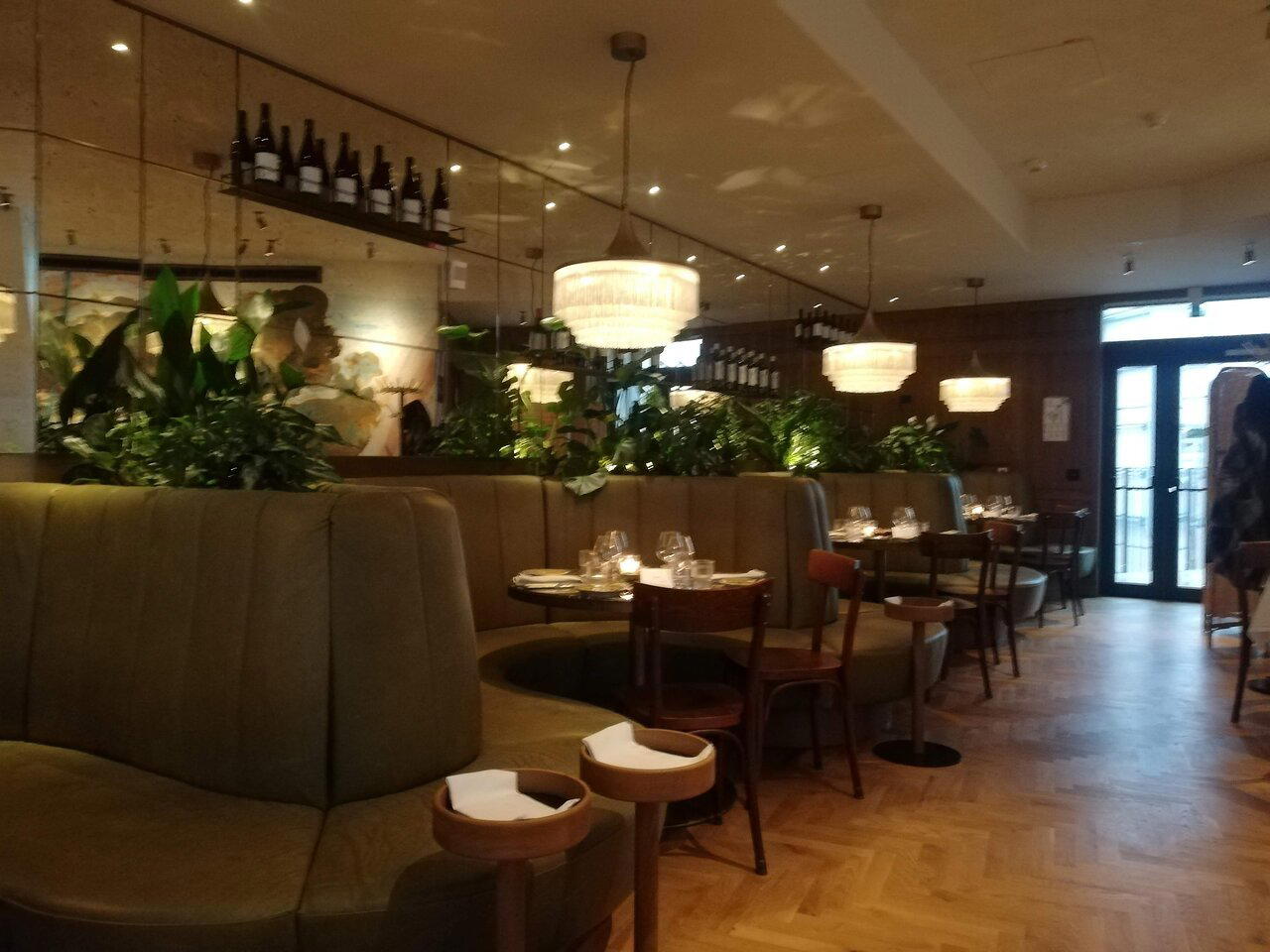
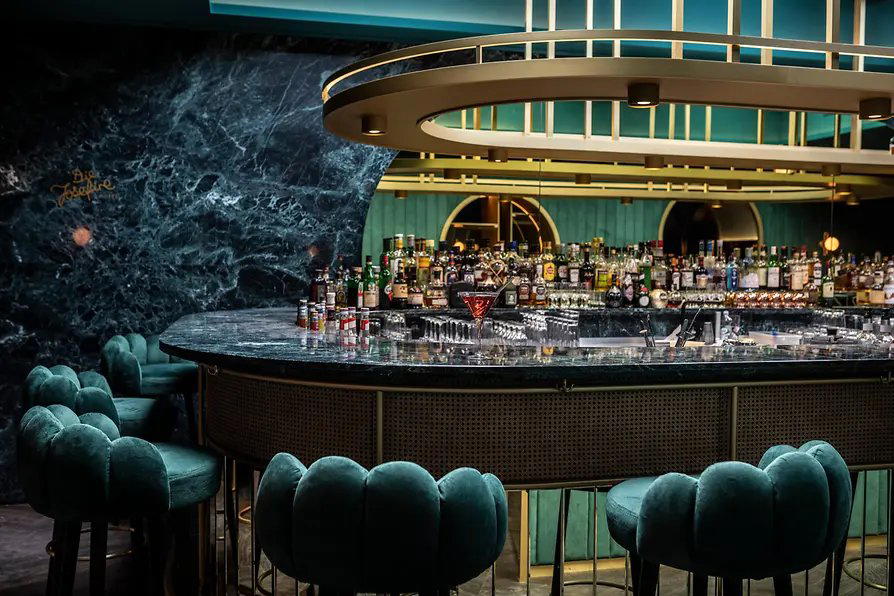
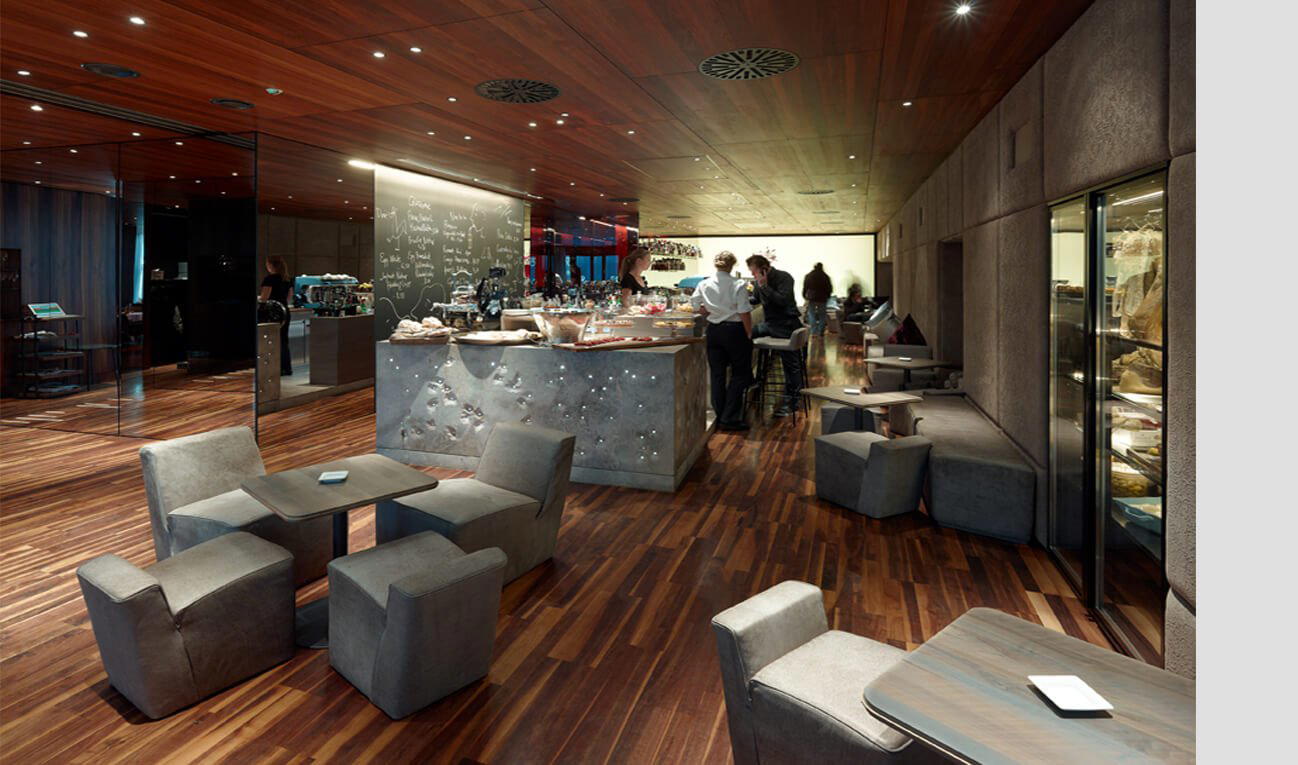
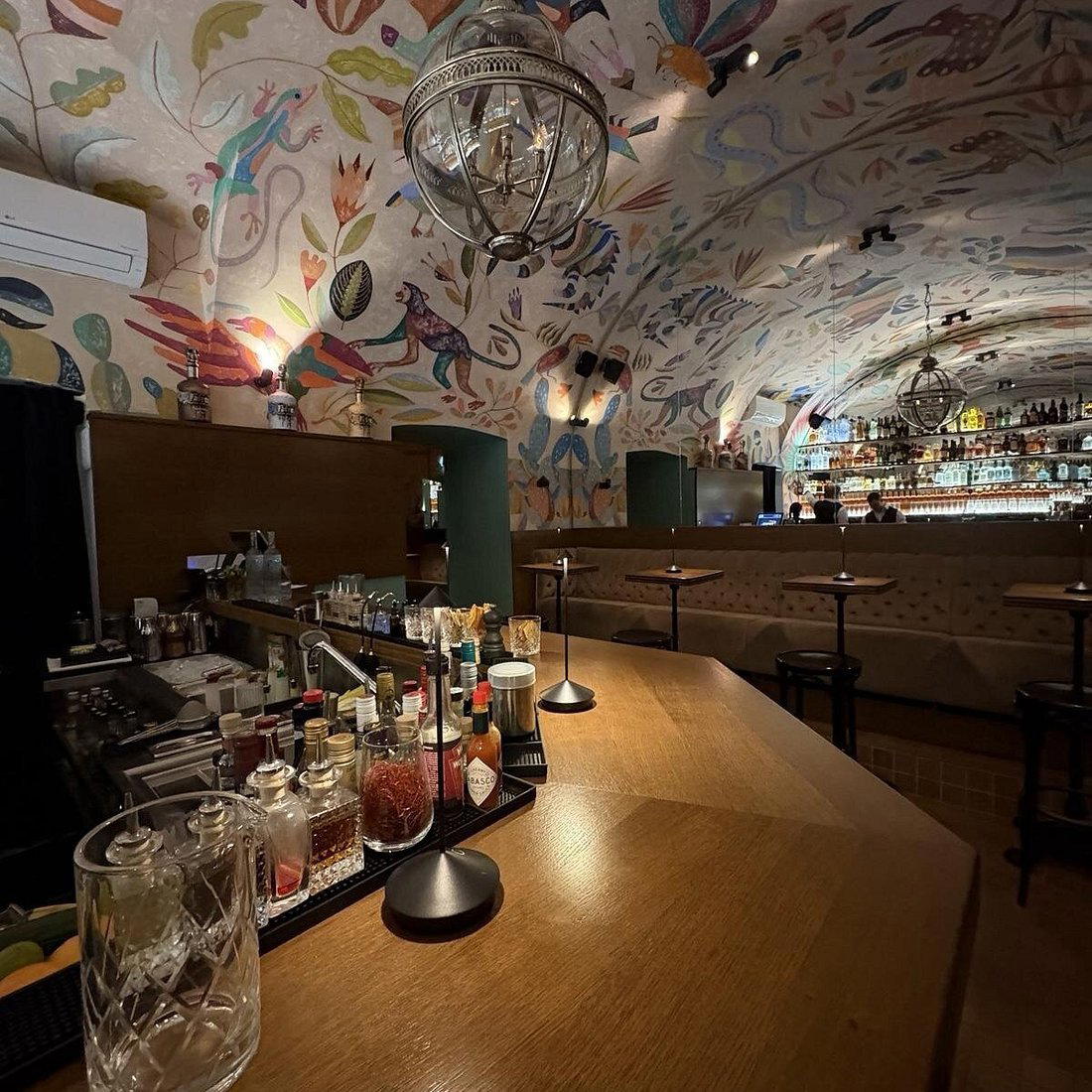
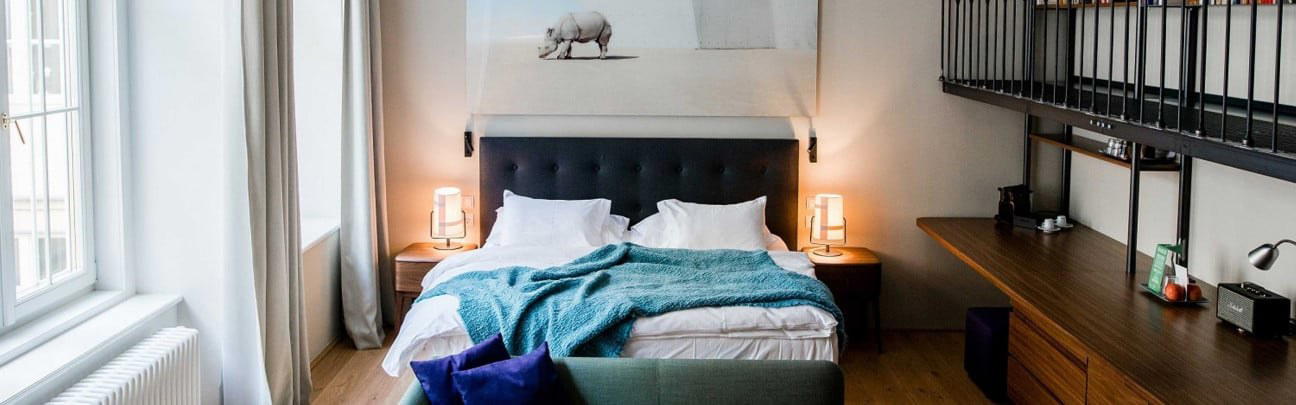
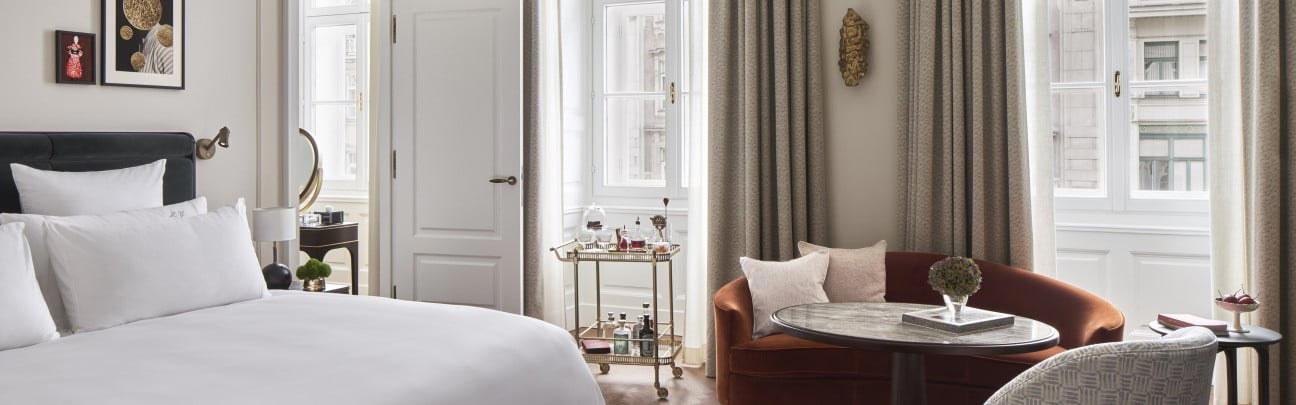
Elegant minimalist interior with intimate 24-seat setting and charming courtyard garden for summer dining.