
50 Top Pizza Europe #10
Our verdict
Via Toledo at Laudongasse 13 has operated as one of Vienna's more consistent reference points for Neapolitan-influenced pizza, with chefs Alessandro Donnabella and Marco Orrico behind a menu built around well-developed dough, Italian-sourced ingredients, and a line of sweet pizzas that extends the format past its usual boundaries. The room pairs that kitchen focus with a wine, beer, and cocktail list broad enough to support a full lunch or dinner visit.

Pearl is the En Primeur Club membership app, where members save venues, book tables and use the concierge.
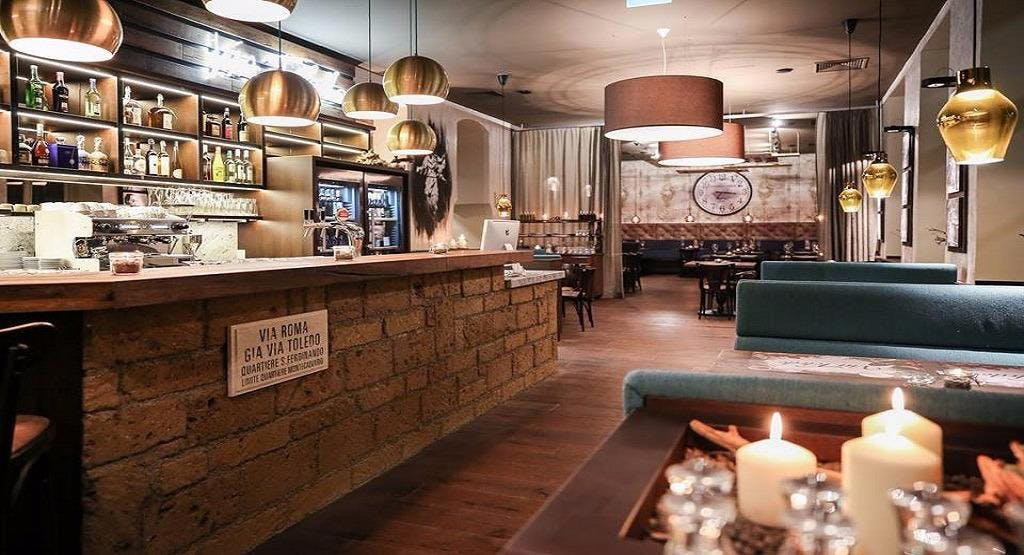
Pizza as a Structured Argument: How Via Toledo Reads Its Own Menu
Vienna's dining identity runs heavily toward Austrian formality: the schnitzel institutions, the tasting-menu houses stacked along the Ring, the Michelin-decorated rooms where service follows a protocol established decades ago. Against that backdrop, the Neapolitan-influenced pizzeria occupies a different register entirely. It promises informality, speed, and the kind of food where the quality argument lives in the dough rather than in the sauce or the garnish. At Via Toledo on Laudongasse 13, in the 8th district, that argument is taken seriously enough that the restaurant has developed a following that reads more like a long-term relationship than a seasonal discovery.
The 8th district sits between the Josefstadt theatre quarter and the broader ring of inner-city Vienna, a neighbourhood with enough residential density to sustain places that earn repeat visits rather than tourist detours. That context matters for how Via Toledo functions. This is not a destination anchored to a sightseeing circuit. It earns its position through consistency, and consistency in Neapolitan-style pizza is harder to maintain than it looks: dough hydration, fermentation timing, oven temperature, and the weight of each topping all interact, and any one variable drifting produces a measurably worse result.
The Dough as the Central Premise
The menu architecture at Via Toledo reflects a kitchen that has a clear position on what pizza should be. The dough is the premise, and everything else is evidence for or against it. The sourcing runs to fresh Italian ingredients, and in some pizzas the flavour register tilts south, toward Campanian and Calabrian references rather than the pan-Italian neutrality that fills most mid-range pizza menus. That directional specificity is how you distinguish a kitchen with a point of view from one that is simply assembling toppings.
In practice, this means the savoury side of the menu rewards lateral comparison across a few orders rather than a single safe choice. The variations in flavour weight and topping logic become more legible when you read them against each other. This is how most well-constructed pizza menus in serious Italian-influenced rooms are meant to be read, and it is the right frame for Via Toledo.
Sweet Pizzas: The Section That Defines the Room's Register
The section of the menu that most clearly signals editorial ambition is the sweet pizza line. Sweet pizza at a serious pizzeria is not a concession to dessert tourism. When done with the same care applied to the savoury programme, it functions as an extension of the dough argument: the same fermentation logic, the same crust behaviour, tested against a different flavour register. Via Toledo's sweet pizzas are described as intelligent constructions, the kind of deliberate sequencing that makes returning to try more of them a logical response rather than an impulse.
This is relatively uncommon in Vienna's pizza landscape, where dessert is typically outsourced to a separate menu category or skipped entirely in favour of a cannolo or a scoop of gelato. A developed sweet pizza programme requires the kitchen to think about how the crust behaves with sweet fillings and toppings, which means the dough quality is not optional, it is structural. The commitment implicit in that programme says something about the kitchen's overall discipline.
Service, Pacing, and the Room's Atmosphere
The service model at Via Toledo runs toward professional efficiency rather than the ceremonial formality that governs the city's fine-dining rooms like Steirereck im Stadtpark, Amador, or Konstantin Filippou. Fast and professional is a meaningful combination at a pizzeria: it means the kitchen is managing its fire correctly and the floor understands the rhythm of the meal. An uneven service pace at a pizza counter, food arriving before glasses are filled, or a long wait between rounds, usually signals a kitchen under the wrong kind of pressure.
The beverage list covers wine, beer, and cocktails at a breadth that positions Via Toledo comfortably for a full lunch sitting rather than a quick slice. That range is worth noting because the pizza category in Vienna, as in most Central European cities, often treats drinks as secondary. A varied wine list alongside a cocktail offer suggests the room is designed for people who want to eat well and stay for a while, which is a different hospitality proposition from a counter-service model.
Alessandro Donnabella and Marco Orrico
Kitchen is currently led by Alessandro Donnabella and Marco Orrico. Via Toledo ended its relationship with a previous collaborator, Francesco Calò, in June 2025, marking a transition point in the kitchen's identity. The current direction under Donnabella and Orrico continues the restaurant's established approach: high-quality Italian ingredients, careful dough work, and the personal flavour register that has given Via Toledo its recognised position in the city.
For further context on Vienna's broader restaurant range, including the tasting-menu houses and creative Austrian kitchens that define the city's higher end, see our full Vienna restaurants guide. Relevant rooms in that tier include Mraz and Sohn and Doubek, both of which operate in creative categories at the €€€€ price point and serve as useful benchmarks for the distance between Vienna's fine-dining tier and its casual-serious middle ground.
If your travel extends beyond Vienna, Austria's regional restaurant scene includes a number of destinations worth building a route around: Döllerer in Golling an der Salzach, Ikarus in Salzburg, Obauer in Werfen, Gourmetrestaurant Tannenhof in Sankt Anton am Arlberg, Griggeler Stuba in Lech, and Kräuterreich by Vitus Winkler in Sankt Veit im Pongau. For international reference points at the top of their respective categories, Le Bernardin in New York City and Atomix in New York City illustrate how sustained technical discipline translates into long-term critical recognition across different cuisine formats.
For everything else Vienna offers beyond the table, see our guides to Vienna hotels, Vienna bars, Vienna wineries, and Vienna experiences.
Know Before You Go
- Address: Laudongasse 13, 1080 Wien, Austria
- District: 8th district (Josefstadt)
- Kitchen leads: Alessandro Donnabella, Marco Orrico
- Note: Via Toledo ended its relationship with Francesco Calò in June 2025
- Drinks: Wine, beer, and cocktails available
- Phone/Website: Not publicly listed, check current booking availability through local reservation platforms or walk-in
Frequently asked questions
Who is the chef or culinary lead at Via Toledo?
The chef associated with Via Toledo is Alessandro Donnabella, Marco Orrico.
What part of town is Via Toledo in?
Via Toledo is located at Laudongasse 13, 1080 Wien, Austria, Vienna.
What should I eat at Via Toledo?
The savoury pizzas are the core of the menu, built on a fermented dough that the kitchen treats as the structural basis of every dish. Several options incorporate Southern Italian flavours. Make space for the sweet pizza line, which closes the meal and draws enough repeat visits that regulars often work through the full selection over multiple sittings.
Is Via Toledo award-winning?
Via Toledo has received recognition including: Via Toledo is a reference point in Vienna. For years it has been serving delicious pizzas while maintaining a very high standard. A well-made dough, personal and recognizable. Excellent fresh ingredients from Italy. In some pizzas you will ….
Is Via Toledo reservation-only?
No phone number or website is currently listed in public records for Via Toledo at Laudongasse 13, 1080 Wien. Dining rooms of this reputation in Vienna's 8th district do attract consistent demand, so arriving early or checking for a contact via Google Maps is the practical approach.
What's Via Toledo best at?
Dough quality is the consistent thread across Via Toledo's reputation: fermented, personally recognisable in character, and held to a high standard across the menu. The fresh Italian ingredient sourcing and the sweet pizza programme are the two details that most clearly separate it from Vienna's broader pizza field.
Can Via Toledo handle vegetarian requests?
The kitchen sources fresh ingredients directly from Italy and applies them across a menu that includes vegetable-focused options as part of its standard Neapolitan-influenced range. The sweet pizza line, which closes the meal, adds further non-meat options. Specific current listings are best confirmed on arrival or via direct contact.
Style and Standing
| Venue | Cuisine | Price | Awards | Notes |
|---|---|---|---|---|
| Via ToledoThis venue (the venue you are viewing) | Authentic Neapolitan Pizza | $30–50 | 50 Top Pizza Europe #10 | Not listed |
| Steirereck im Stadtpark | Modern Austrian Fine Dining | $200–300 | 3 Michelin Stars · World's 50 Best #33 | Creative |
| Mraz & Sohn | Contemporary Austrian Fusion | $150–200 | 2 Michelin Stars · La Liste Top Restaurants | Modern Austrian, Creative |
| Silvio Nickol Gourmet Restaurant | Modern Austrian Fine Dining | $300–500 | 2 Michelin Stars · La Liste Top Restaurants | Modern Cuisine |
| Konstantin Filippou | Modern Fish-Led Fine Dining | $200–300 | 2 Michelin Stars · La Liste Top Restaurants | Modern European, Modern Cuisine |
| APRON | Modern Austrian Fine Dining | $150–200 | 1 Michelin Star · Falstaff Restaurant - 95 Falstaff Points | Austrian, Creative |
Recognition history
Dated appearances from independent guides and award organizations, with the underlying list record or original source where available.
50 Top Pizza Europe #10
50 Top Pizza
Full recognition history (3 entries)
50 Top Pizza World #52
50 Top Pizza
50 Top Pizza World Best Pizza #20
50 Top Pizza
Continue exploring
More in Vienna
Restaurants in Vienna
All restaurants in Vienna →
Bars in Vienna
All bars in Vienna →
Hotels in Vienna
All hotels in Vienna →
Details
- Elegant
- Lively
- Classic
- Date Night
- Group Dining
- Casual Hangout
- Celebration
- Open Kitchen
- Standalone
- Extensive Wine List
- Beer Program
- Local Sourcing
- A La Carte
- Wine
- Craft Beer
- Vegetarian Friendly
- Vegan Options
Current opening hours
- Monday
- 12–10:30 PM
- Tuesday
- 12–10:30 PM
- Wednesday
- 12–10:30 PM
- Thursday
- 12–10:30 PM
- Friday
- 12–10:30 PM
- Saturday
- 12–10:30 PM
- Sunday
- 12–10:30 PM
Hours can change for holidays and private events. Hours as of .
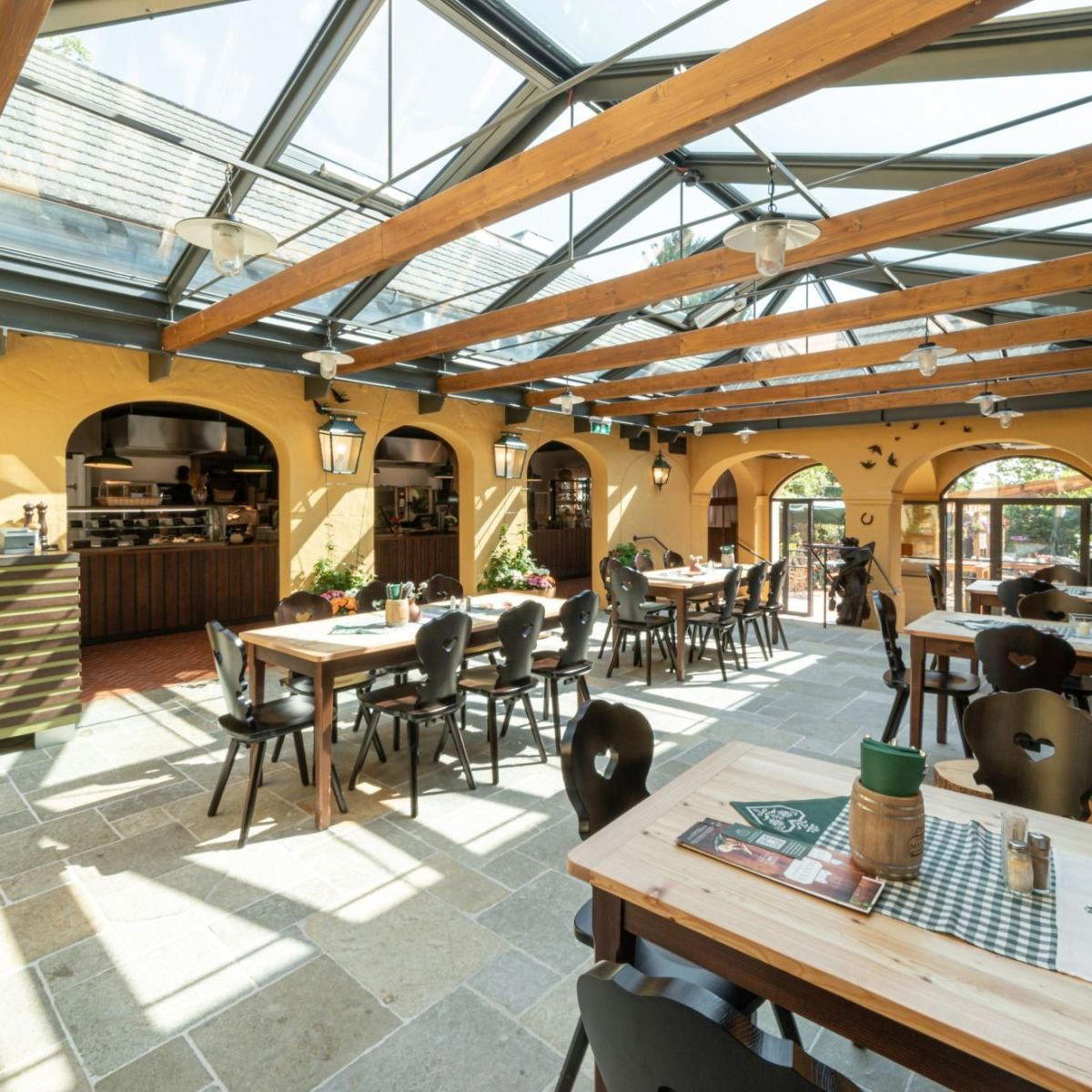
Stylish, welcoming Italian charm with dim lighting; becomes loud and crowded during peak hours with tables positioned closely together.