
Small Luxury Hotels of the World Member
On Mariahilfer Strasse at the edge of the sixth district, Hotel Das Tyrol occupies a position that most Vienna hotels can only approximate: genuinely central without the ceremonial remove of the Ringstrasse grands. The property is distinguished by an owner-curated collection of original Viennese and international artworks, placing it in a niche tier of boutique hotels where cultural programming substitutes for corporate brand identity.

Pearl is the En Primeur Club membership app — saves, bookings, and concierge access live there. Same editors, same standards.
- Address
- Mariahilfer Str. 15, 1060 Wien
- Phone
- +43 1 58754150
- Website
- das-tyrol.at
- Directions
- Get directions
Where Vienna's Art Market Meets the Boutique Hotel Format
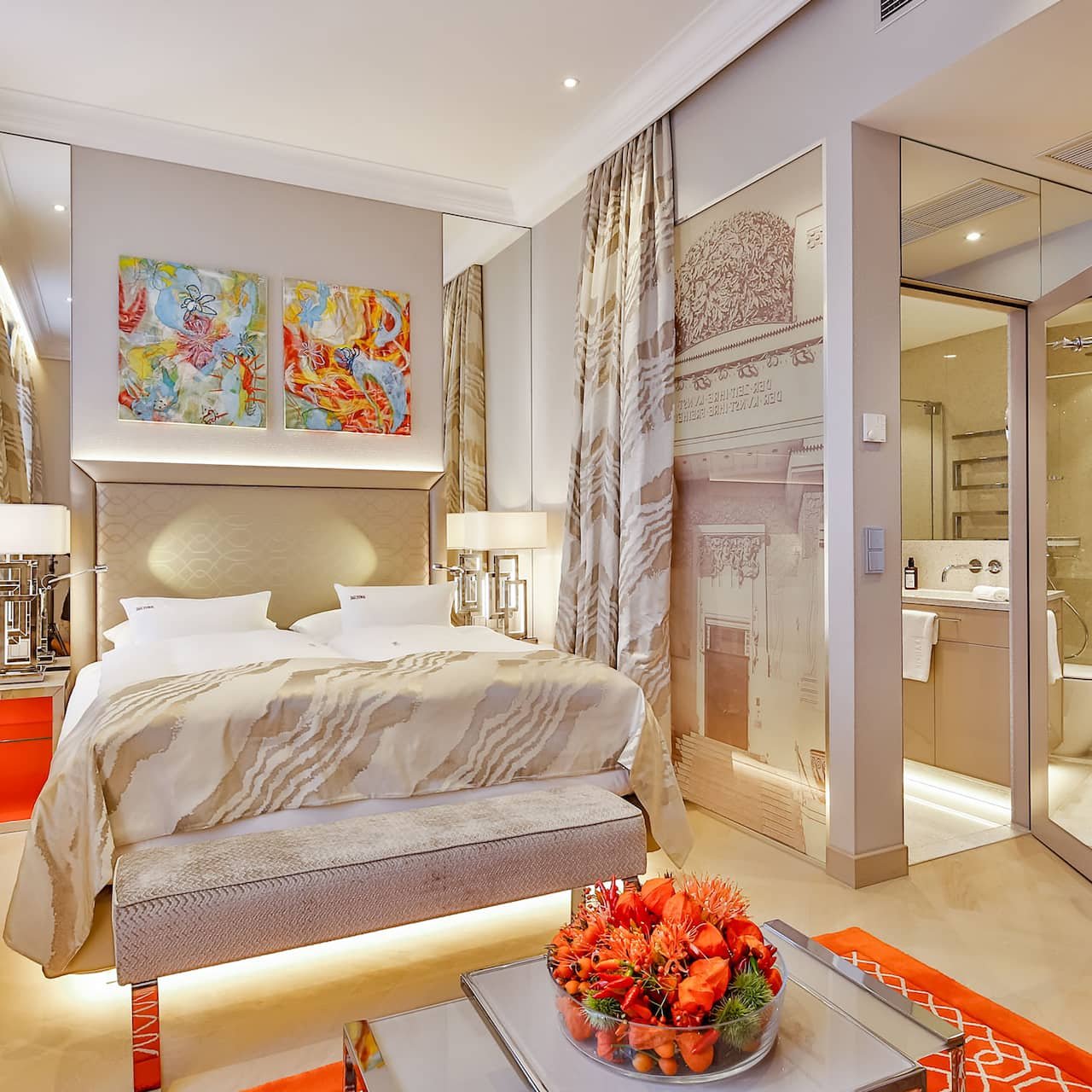
Vienna's hotel scene has long been defined by two poles: the grand palace hotels of the Ringstrasse corridor and the anonymous international chains occupying mid-century blocks across the inner districts. Between those poles, a smaller cohort of privately owned boutique properties has emerged over the past two decades, built around specific aesthetic propositions rather than brand loyalty programmes. Hotel Das Tyrol, on Mariahilfer Strasse in the sixth district, belongs to that cohort. Its distinguishing feature is an owner-curated collection of original Viennese and international artworks displayed throughout the property, a curatorial commitment that places it in a different competitive conversation from the Hotel Sans Souci Wien or the design-forward 25hours Hotel Vienna at MuseumsQuartier, even when the address geography overlaps.
That address matters. Mariahilfer Strasse 15 sits at the northern end of one of Vienna's principal commercial arteries, close enough to the MuseumsQuartier to access the Leopold Museum and Kunsthalle Wien on foot, and within walking distance of the Naschmarkt. For a city where so much of the hotel premium is paid for proximity to the opera or the Kunsthistorisches Museum, Das Tyrol offers a quieter version of centrality — positioned in the sixth district rather than the first, where the neighbourhood itself has more texture and less tourist density. The Almanac Palais Vienna and Rosewood Vienna occupy grander structures deeper in the first district; Das Tyrol operates at a different pitch.
Planning Your Stay: Timing, Booking, and What to Know Before You Arrive
Vienna is a year-round destination, but the city's cultural calendar clusters in autumn and spring. The Wiener Festwochen runs through May and June, the Vienna Philharmonic's main season extends from September to June, and the Christmas markets from late November pull significant short-stay traffic. For a boutique property in this category, those periods bring compressed availability. Travellers planning visits around specific cultural events — or who want the quieter winter window between January and mid-February, should book several weeks ahead rather than treating this as a flexible walk-in option.
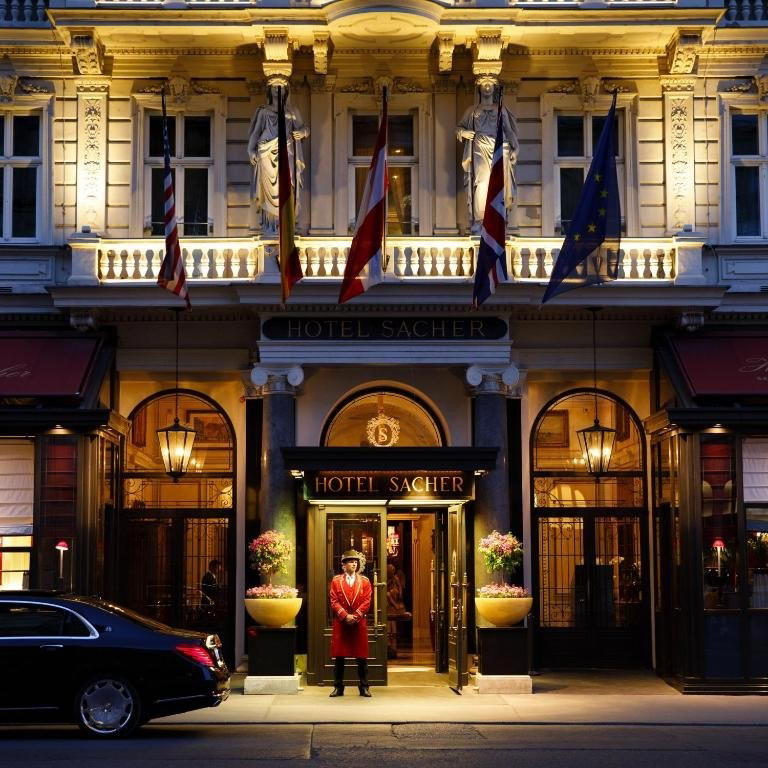
For the broader Vienna hotel market, properties at the boutique end of the scale tend to book faster than their room counts suggest. The Hotel Sacher Wien and [Hotel Imperial]() carry name recognition that drives forward bookings months in advance; boutique independents like Das Tyrol tend to fill through a different, more word-of-mouth pipeline that can make last-minute availability unpredictable. The practical implication: if you have fixed travel dates, early commitment is the more reliable approach.
Arrivals by public transit are direct. The U3 line serves Zieglergasse and Neubaugasse, both within a short walk of the Mariahilfer Strasse address. From Vienna International Airport, the City Airport Train reaches Wien Mitte in roughly sixteen minutes, from which the U3 connects directly. For travellers arriving by rail, Wien Westbahnhof is accessible via Mariahilfer Strasse itself. The sixth district position means all major inner-city museums and the Ringstrasse opera houses are reachable in under twenty minutes on foot or by U-Bahn without needing a taxi.
The Art Collection as a Defining Credential
Within the boutique hotel format, the choice of a curatorial identity over a design-brand identity carries specific implications. Vienna has one of Europe's densest concentrations of museum-quality art infrastructure, the Kunsthistorisches Museum, the Belvedere, the Leopold, the Albertina, and that context makes an in-house art collection either a plausible complement or an overclaim. At Das Tyrol, the collection is described as original works, both Viennese and international, curated by the property's owner rather than sourced from a design consultancy. That distinction matters in a city where art is not ambient decoration but a point of genuine cultural literacy. The Park Hyatt Vienna and The Amauris Vienna invest in architectural heritage and design provenance; Das Tyrol's investment is in collected works of art. Both are coherent positions, but they attract different types of traveller.
For context across Austria's broader hotel market, properties that have built reputations around cultural or artistic identity include the Schloss Mönchstein in Salzburg and the Rosewood Schloss Fuschl in Hof bei Salzburg, both of which operate with estate-level art and architecture as part of their identities. Das Tyrol works at a more intimate scale, which is in keeping with the boutique format but means the art encounter is more private and less theatrical. Whether that registers as a virtue depends on what you want from a Vienna stay.
The Vienna Boutique Tier: Where Das Tyrol Sits
Vienna's luxury hotel market is tiered in a way that matters for anyone making a considered choice. At the leading, the palace and grand hotels, Hotel Sacher Wien, [Hotel Imperial](), carry historic institutional weight and price accordingly. Below that, properties like Rosewood Vienna and Park Hyatt Vienna offer contemporary luxury inside historic structures with full-service infrastructure. Hotel Das Tyrol positions below that tier in room count and likely rate, but with an identity strong enough to make the comparison feel slightly misaligned, this is not a smaller version of the Rosewood, it is a different category of property.
Internationally, the comparison set for this type of hotel runs through properties like Aman Venice at the specialist-collection end, or The Fifth Avenue Hotel in New York City at the literary/cultural boutique end, though Das Tyrol operates at a more accessible price point than either. The closer domestic peers are properties like Hotel Sans Souci Wien and The Amauris Vienna, both of which also stake identities on design or cultural programming rather than institutional history.
For travellers looking at Austria more broadly, the country's hotel character shifts significantly outside Vienna. Alpine options like the Grand Tirolia Kitzbühel in Kitzbühel, Hotel Almhof Schneider in Lech, and Alpen-Wellness Resort Hochfirst in Obergurgl serve a completely different use case. Das Tyrol's proposition is urban and cultural, not alpine. Our full Vienna restaurants guide covers the dining context around the sixth and seventh districts in more detail.
Compact Comparison
Comparable venues nearby, for context on price, style, and recognition.
| Venue | Price | Awards | Notes |
|---|---|---|---|
| Hotel Das TyrolThis venue — the venue you are viewing | $200–300 | Small Luxury Hotels of the World Member | Not listed |
| A by Adina Vienna Danube | Not listed | Michelin Selected | Kaisermuehlen, Premium apartment hotel blending hotel sophistication with apartment independence in a skyscraper. |
| Miiro Spittelberg | $100–200 | Not listed | Spittelberg, Lifestyle hotel with atelier-style approach in historic neighborhood |
| Zola Hotel - Palais de Bohème | $200–300 | Michelin Selected | Riesenrad, Laid-back luxury in historic city palace with contemporary design inspired by nature. |
| Le Meridien Vienna | $200–300 | Michelin Selected | Hofburg, Contemporary luxury design hotel in historic landmark buildings |
| Hotel Sans Souci, Vienna | Not listed | 2 Michelin Keys · Forbes Recommended | Hofburg, Contemporary luxury boutique blending modern design with historic architecture, positioned as an artistic retreat in Vienna's cultural district. |
Recognition history
Dated appearances from independent guides and award organizations, with the underlying list record or original source where available.
Small Luxury Hotels of the World Member
Small Luxury Hotels of the World
Continue exploring
More in Vienna
Hotels in Vienna
Browse all →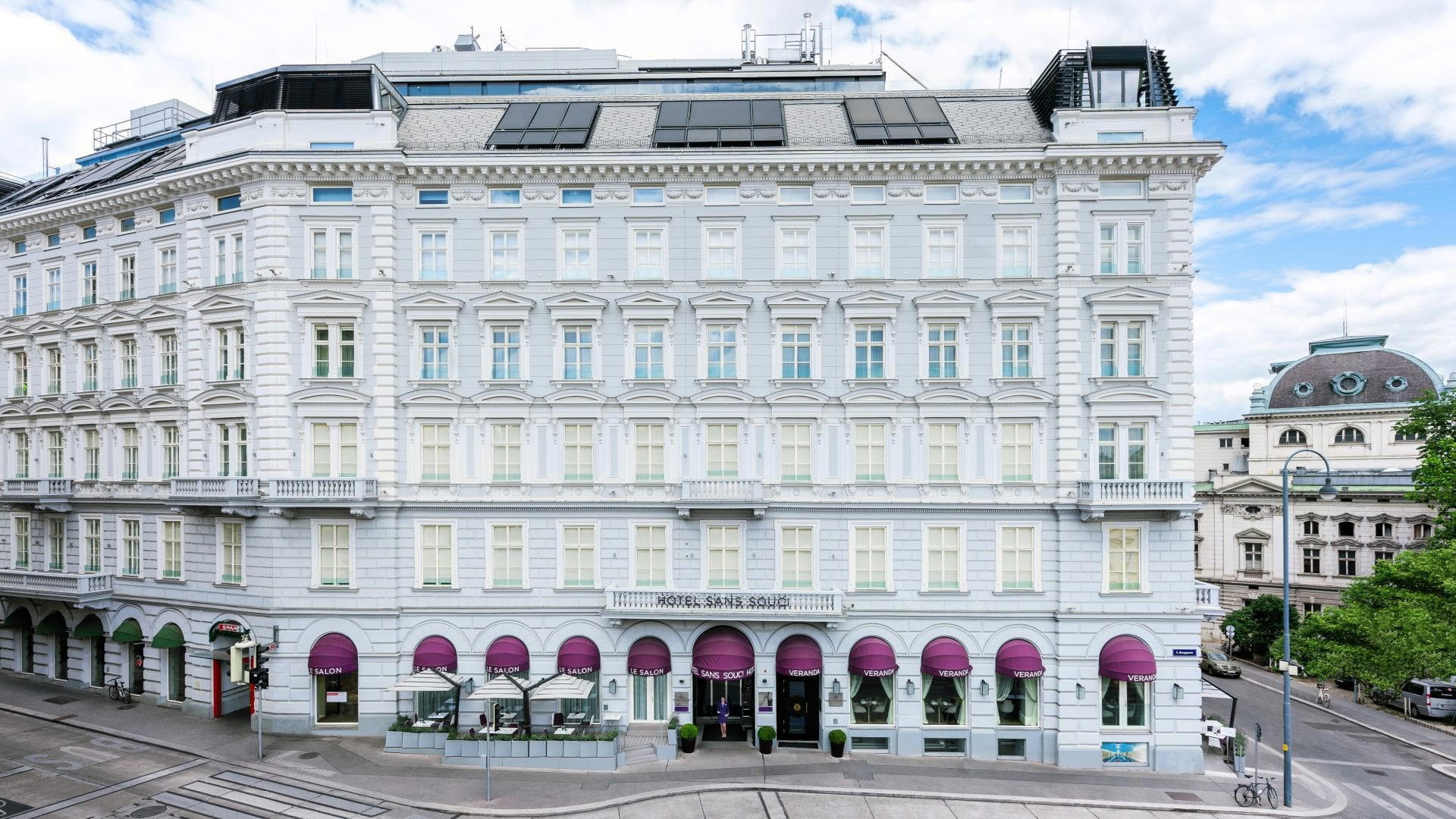
Bars in Vienna
Browse all →

Restaurants in Vienna
Browse all →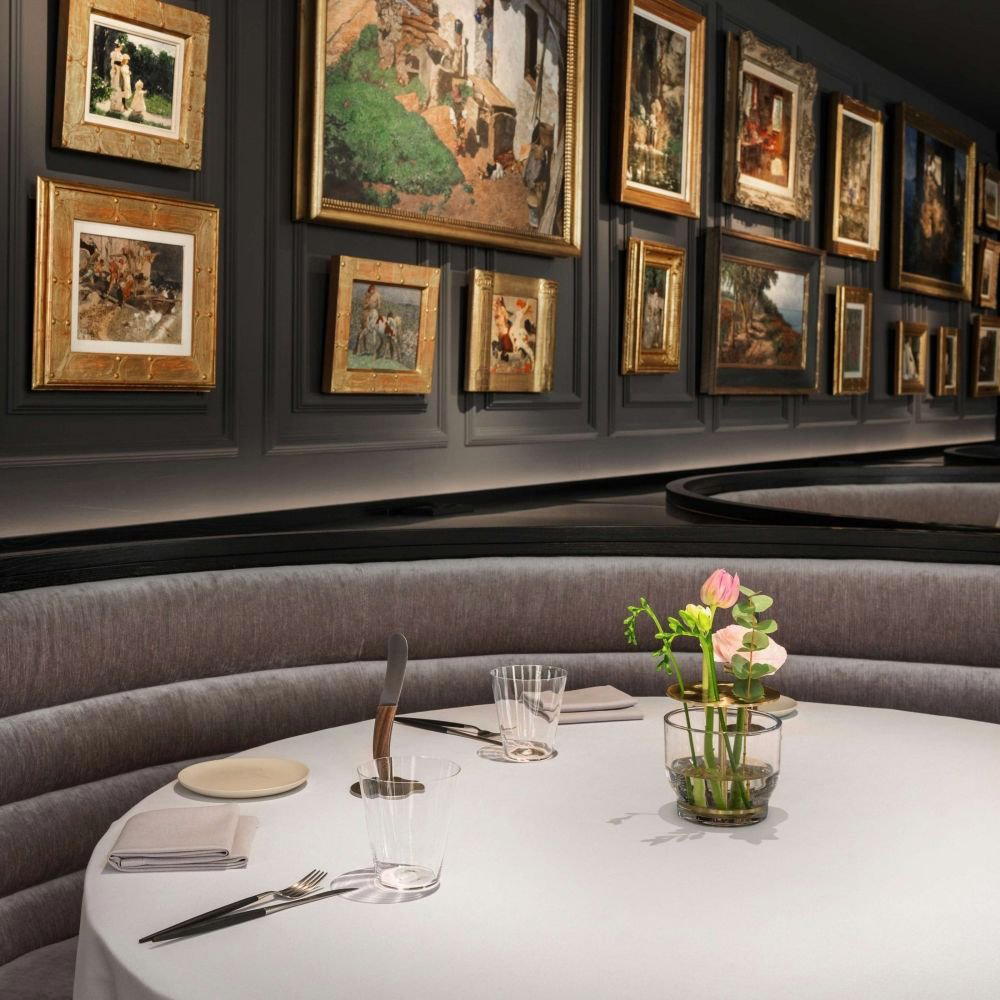
Details
- Elegant
- Sophisticated
- Modern
- Intimate
- Romantic Getaway
- Weekend Escape
- Business Trip
- Historic Building
- Design Destination
- Destination Spa
- Wi Fi
- Spa
- Sauna
- Massage
- Concierge
- Room Service
- Bar
- Street Scene
- Elevator
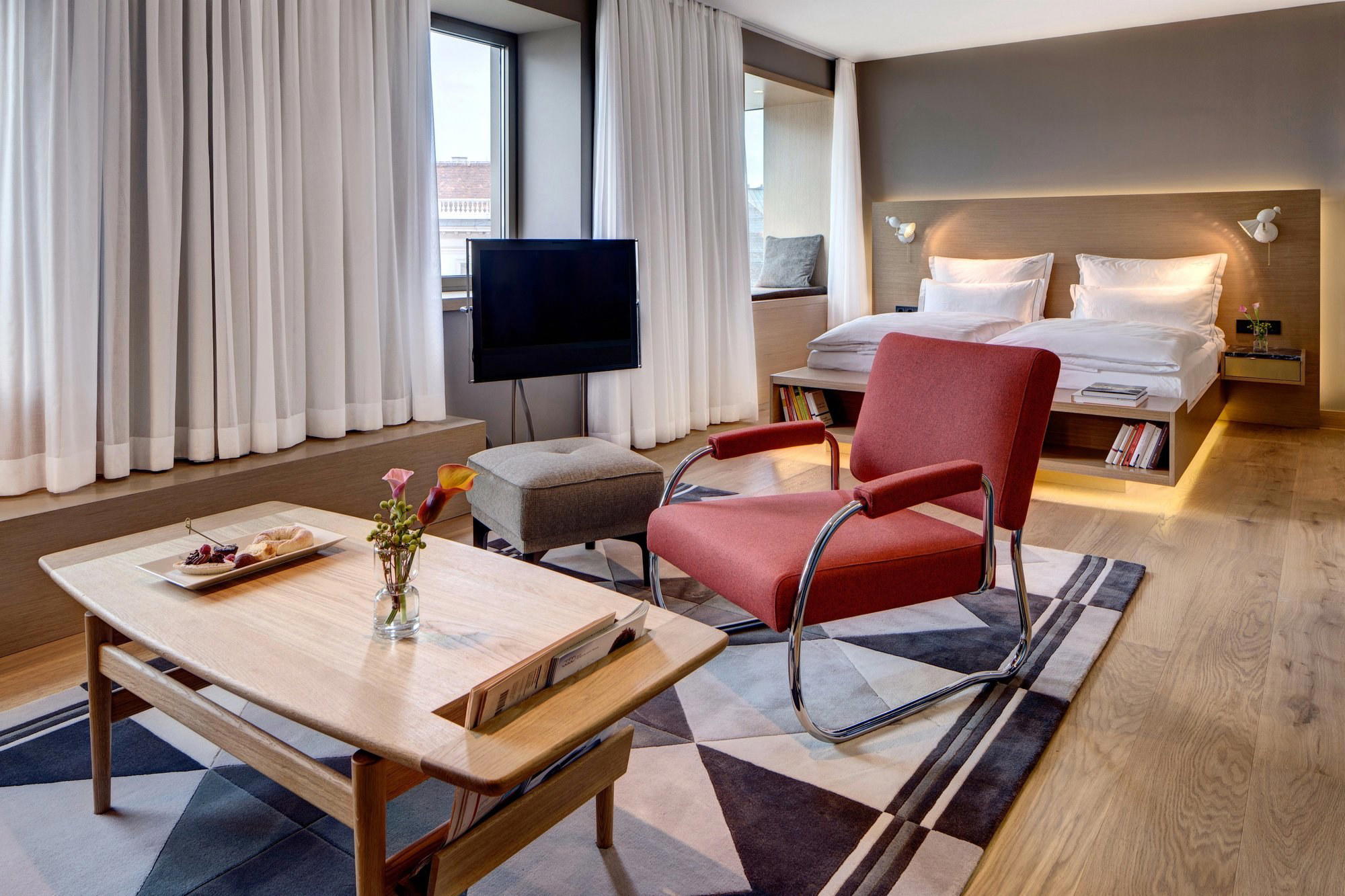
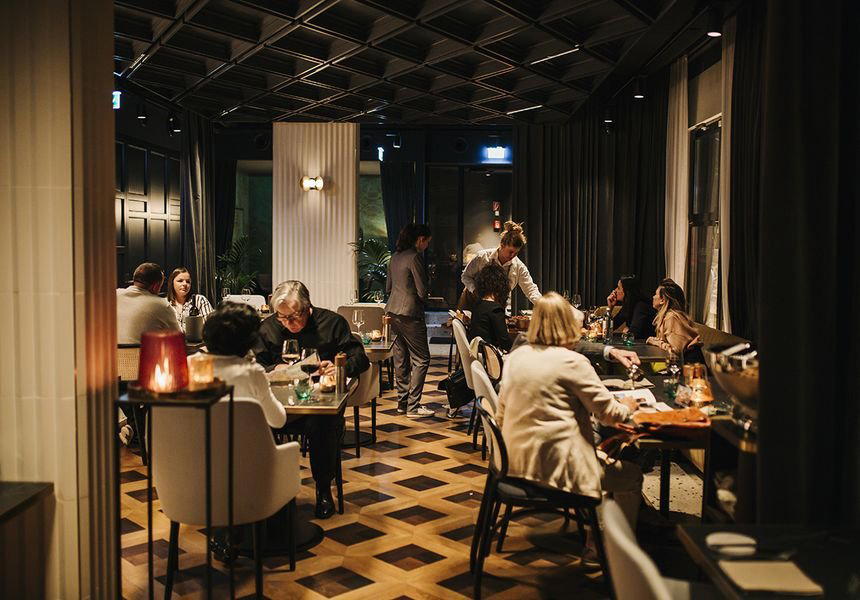
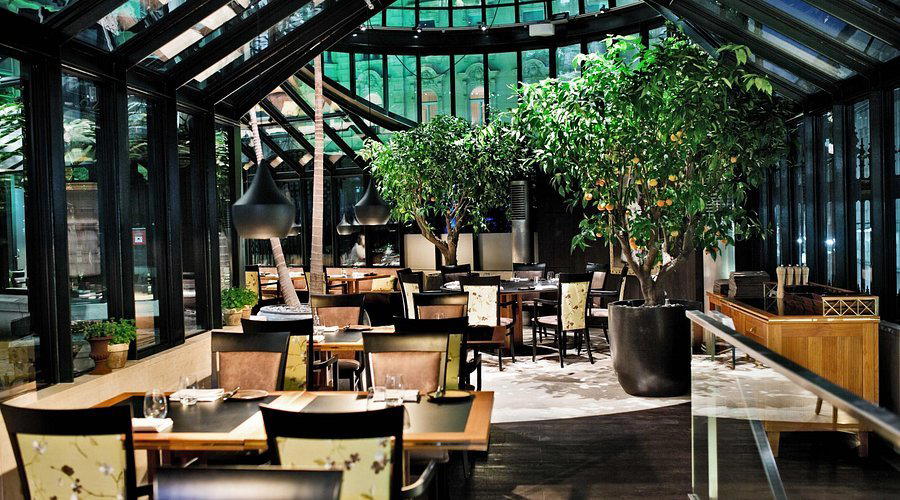
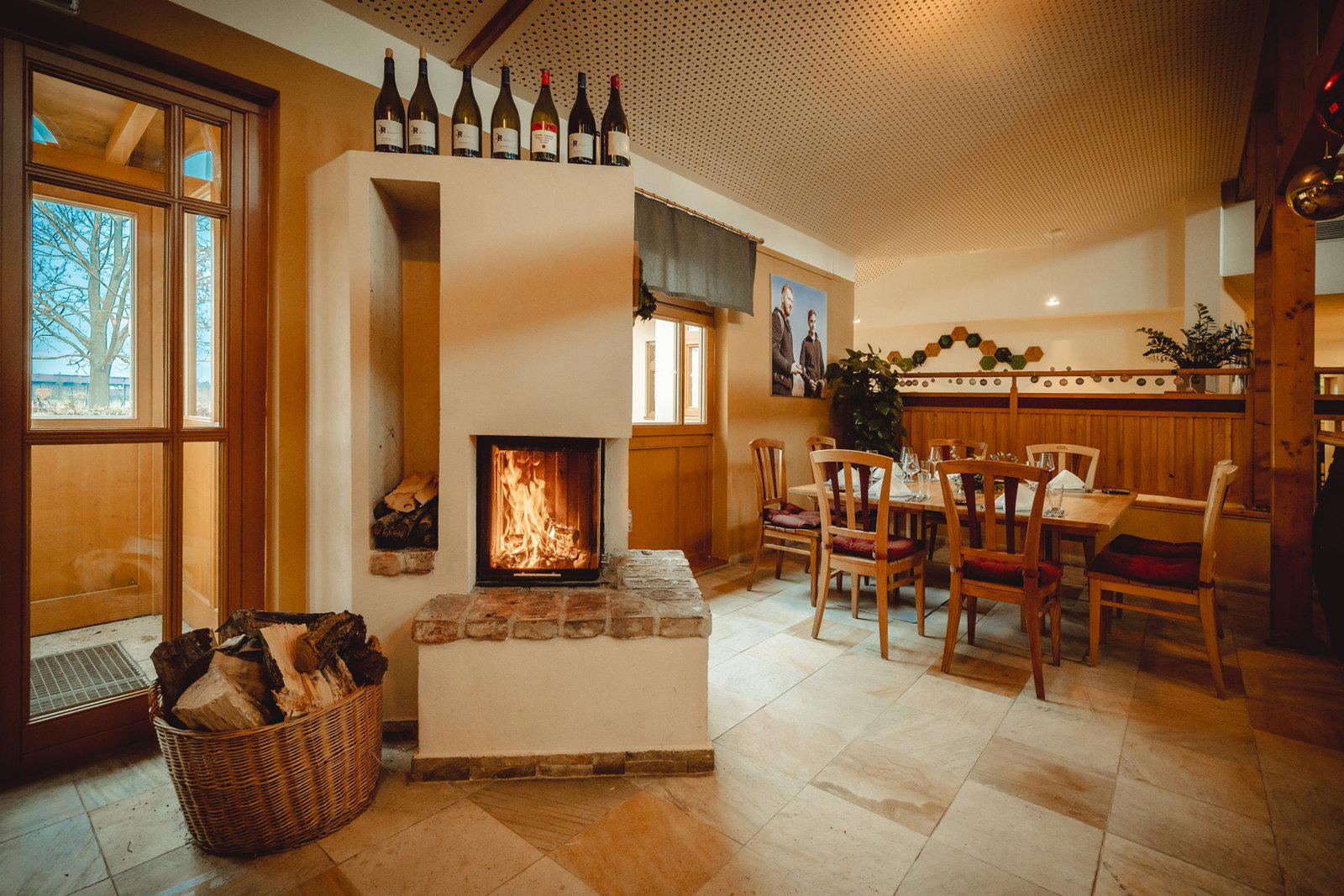
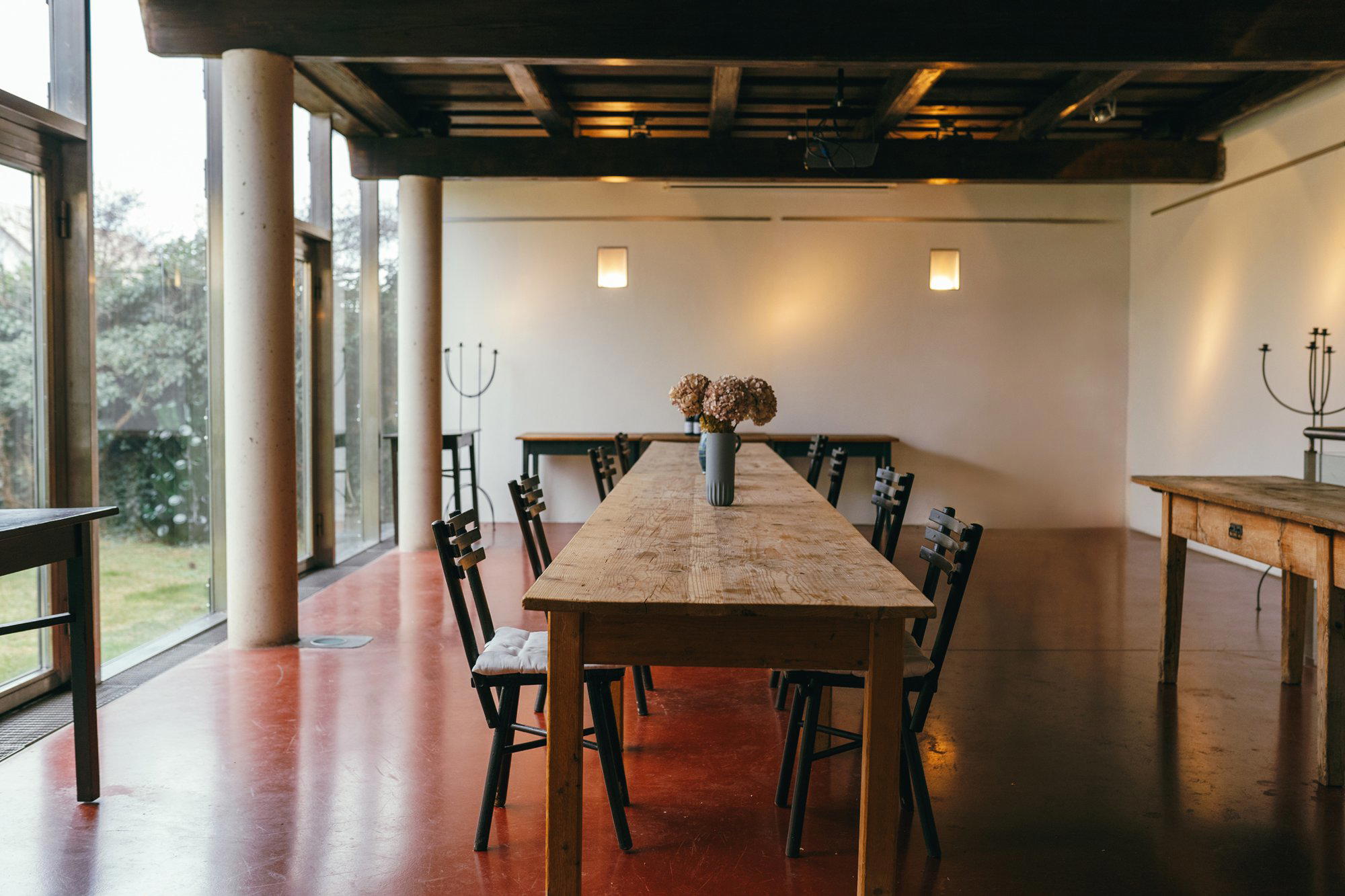
Light-flooded rooms with soft gold and red tones, carefully selected lamps creating a special atmosphere, modern high-tech design with warm, welcoming service creating an intimate luxury retreat.