Gut Purbach





Gut Purbach sits at the heart of Austria's Burgenland wine region, anchored by Chef Max Stiegl's commitment to local sourcing and regional tradition. Recognised by La Liste (77pts, 2026) and Michelin Plate (2025), and ranked #329 in Opinionated About Dining's Classical Europe list, it operates at a €€€ price point within easy reach of Vienna, a serious regional table in a village few visitors think to seek out.
Pearl is the En Primeur Club membership app — saves, bookings, and concierge access live there. Same editors, same standards.
- Address
- Hauptgasse 64, 7083 Purbach am Neusiedler See, Austria
- Phone
- +43 2683 56086
- Website
- gutpurbach.at
- Directions
- Get directions
 Saves & bookings on Pearl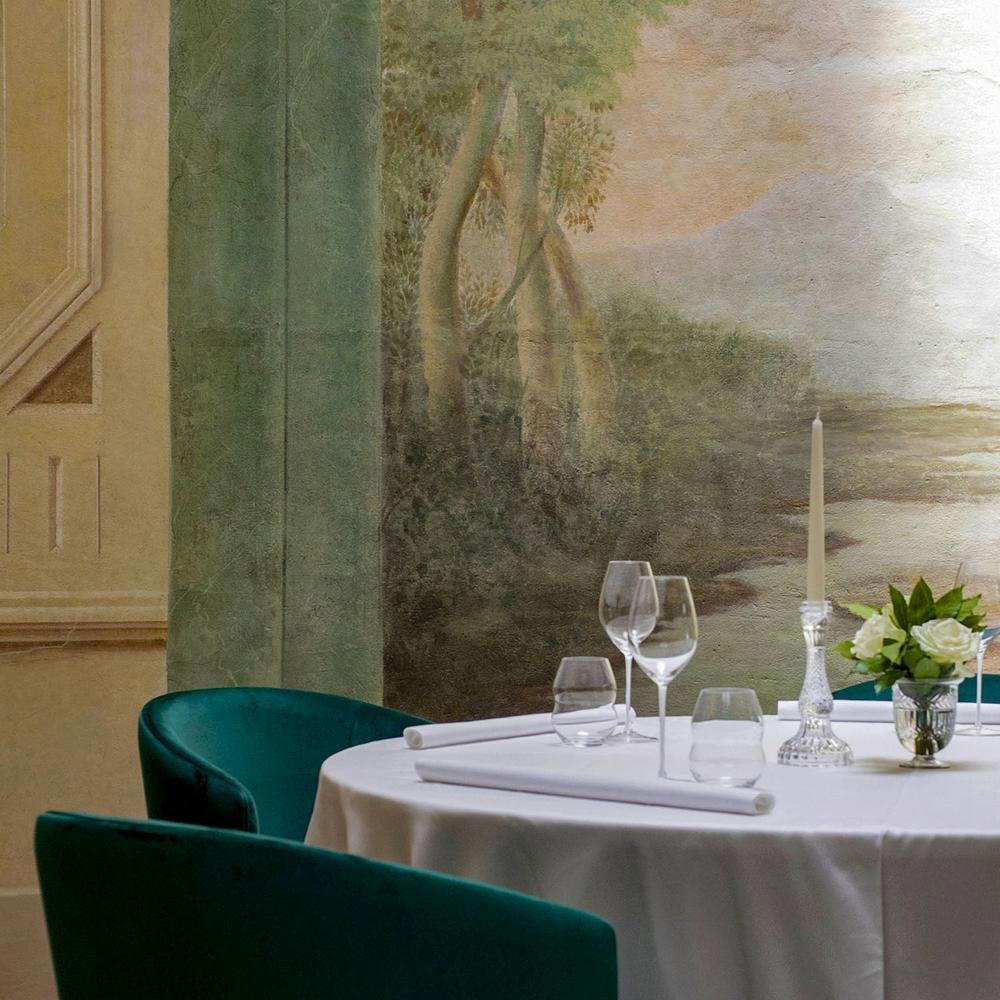
The Burgenland Table: Regional Austrian Cooking at Its Most Grounded
Gut Purbach is a restaurant in Purbach am Neusiedler See, Austria, serving Pannonian Regional Austrian Fine Dining under Chef Max Stiegl. The road into Purbach am Neusiedler See passes through vineyard rows and reed-edged wetlands before the village centre appears, a compressed grid of old farmhouses and wine cellars a short drive south-east of Vienna. This is Burgenland, Austria's easternmost and warmest wine region, where the flat expanse of Lake Neusiedl moderates the climate and the soil produces both the country's most concentrated reds and some of its most characterful white grapes. Gut Purbach occupies a building on Hauptgasse, the main street, and the physical address tells most of the story: this is a restaurant rooted in the land immediately around it, drawing its identity from one of Austria's most ingredient-rich corners rather than from the capital's fine-dining conventions.
Austria's regional cooking tradition is often discussed in the context of Alpine cuisine, the game, dairy, and mountain herbs associated with venues like Gourmetrestaurant Tannenhof in Sankt Anton am Arlberg or Griggeler Stuba in Lech. Burgenland operates on a different register entirely. The flat Pannonian plain to the east, the reed beds and shallows of the Neusiedlersee, and the warm continental climate push different ingredients to the fore: freshwater fish, mangalica pork, grey cattle, paprika, sour cherries, and feathered game in season. Gut Purbach works within that specific pantry. The broader point is that Austrian regional cooking, even within a single country, is not a unified category, the distance between a Vorarlberg cheese dish and a Burgenland fish preparation is as meaningful as the distance between Alsace and Lyon.
Sourcing as the Central Argument
The editorial angle most relevant to Gut Purbach is provenance: where ingredients come from and what that says about the cooking. Chef Max Stiegl has built the kitchen around the producers and habitats of the Neusiedlersee region, a UNESCO World Heritage site since 2001 and a biosphere reserve that restricts certain forms of agricultural and commercial activity within its boundaries. That designation has a practical culinary consequence, the wetland ecosystem supports wild species and traditional farming practices that do not survive in intensively farmed regions. Freshwater fish from the lake, free-range livestock from nearby farms, and seasonal wild produce from the reed belt all arrive at shorter distances and with fewer industrial intermediaries than at most urban restaurants.
This sourcing model places the restaurant within a broader Austrian tradition of Wirtshausküche taken seriously at the ingredient level, a tradition visible in different forms at places like Landhaus Bacher in Mautern an der Donau and, at greater ambition and price, at Steirereck im Stadtpark in Vienna. Where Steirereck operates at the €€€€ tier with Michelin three-star recognition, the restaurant works at €€€ and positions itself as a regional house first, a formal destination second. The comparison is not a diminishment, it reflects a deliberate placement within the local-produce cooking category at a different scale and price point.
Among Purbach's dining options, the contrast with Fossil, the other notable regional table in the village, is worth noting. Both restaurants draw on Burgenland ingredients, but the specific sourcing relationships and cooking approach differentiate them. A visit to Purbach that covers both gives a clearer picture of how the same regional pantry can be interpreted with different emphases.
Recognition and Where It Sits
The restaurant holds a Michelin Plate in both 2024 and 2025, a designation that signals quality cooking without reaching the starred tier. It has appeared on La Liste's Leading Restaurants ranking with 80.5 points in 2025 and 77 points in 2026, placing it in a large global cohort of serious regional restaurants that receive consistent guide attention without occupying the top tier. Opinionated About Dining ranked it #329 in its Classical Europe category in 2025 (up from #350 in 2024 and a general recommendation in 2023), a trajectory that reflects improving recognition within the classical-cooking community over three consecutive years.
The OAD Classical ranking is a useful frame here. Classical European cooking, as opposed to creative or progressive formats, is assessed on execution of tradition, ingredient quality, and consistency. This is a different comparable set from the one occupied by Döllerer in Golling an der Salzach or Ikarus in Salzburg, both of which sit in more contemporary and creative categories. The restaurant's placement in the classical register aligns with what the kitchen is actually doing: working within an established regional tradition rather than deconstructing or reimagining it.
The Star Wine List White Star recognition, published in December 2021, points to a wine program that takes the surrounding Burgenland producers seriously, which, given the region's output of Blaufränkisch, St. Laurent, and botrytised dessert wines from Rust, is a reasonable expectation and a meaningful credential.
Getting There and Planning a Visit
Purbach am Neusiedler See is roughly 45 kilometres south-east of Vienna, accessible by car in under an hour or by regional rail to Neusiedl am See followed by a short transfer. The village itself is small, and the restaurant's position on Hauptgasse 64 is easy to locate on foot from any nearby parking or accommodation. For those combining the visit with a broader Burgenland itinerary, the region's wine routes and lakeside paths are well-developed, see our full Purbach am Neusiedler See experiences guide for context on what surrounds the restaurant.
Current opening hours run Wednesday through Saturday from 11 am to 11 pm. Monday, Tuesday, and Sunday are closed. The Thursday-to-Monday schedule suits a long-weekend visit from Vienna, particularly during the warmer months when the lakeside setting is at its most atmospheric. Booking ahead is advisable given the limited size of the village's dining scene and the restaurant's consistent guide recognition. For accommodation options nearby, our full Purbach am Neusiedler See hotels guide covers the local offer. The broader dining picture in the area is mapped in our full Purbach am Neusiedler See restaurants guide, while bars and wineries in the village are worth building into the same trip. The price range sits at €€€, which in this context means a serious regional meal at a meaningful but not metropolitan price point.
For readers building a wider Austrian regional itinerary, comparable classical-register kitchens in other parts of the country include Obauer in Werfen, Kräuterreich by Vitus Winkler in Sankt Veit im Pongau, Ois in Neufelden, Restaurant 141 by Joachim Jaud in Mieming, and Döllerers Wirtshaus in Golling an der Salzach. Each represents a different regional expression of the same underlying commitment to Austrian produce cooked with technical seriousness. The restaurant's specific value within that map is its Burgenland specificity: the Pannonian ingredients, the lake ecosystem, and the wine region context are not replicated anywhere else in Austria.
What to Eat at Gut Purbach
The menu at the restaurant follows the regional sourcing logic described above. What the awards record and regional context suggest is a kitchen oriented around Burgenland's primary ingredients: freshwater species from the Neusiedlersee, locally raised livestock including the mangalica breed associated with the region, and the wild and seasonal produce of the reed belt. The OAD Classical ranking implies execution focused on traditional technique and product quality rather than presentation-led innovation. Guests with an interest in Austrian wine should approach the list expecting serious Burgenland representation, given the Star Wine List recognition and the vineyard proximity. For a comparable level of Austrian regional seriousness at a higher price and with greater guide recognition, Steirereck im Stadtpark and Landhaus Bacher remain the reference points. For those curious about how a different culinary tradition approaches the question of ingredient provenance at the leading level, Le Bernardin in New York City offers an instructive parallel in how single-category sourcing discipline shapes an entire kitchen's identity.
Pricing, Compared
Comparable venues nearby, for context on price, style, and recognition.
| Venue | Cuisine | Price | Awards | Notes |
|---|---|---|---|---|
| Gut PurbachThis venue — the venue you are viewing | Austrian, Regional Cuisine | $$$$ | Michelin Plate | Not listed |
| Fossil | Kellerplatz, Regional Austrian Seasonal | $$ | Bib Gourmand | Not listed |
| Das Wolf | Not listed | $$$$ | Michelin Plate | Langenlebarn, Contemporary Classic Austrian |
| Kommod | Not listed | $$$$ | Michelin Plate | Josefstadt, Modern Art-Inspired Tasting Menu |
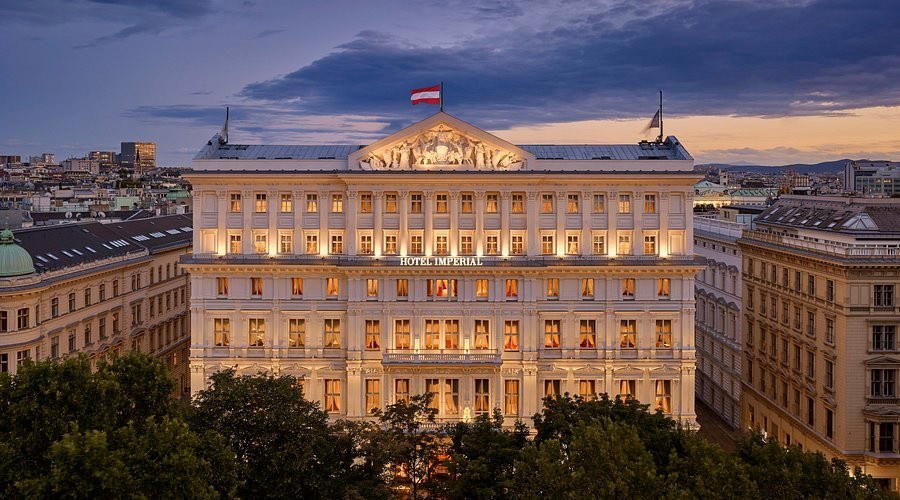
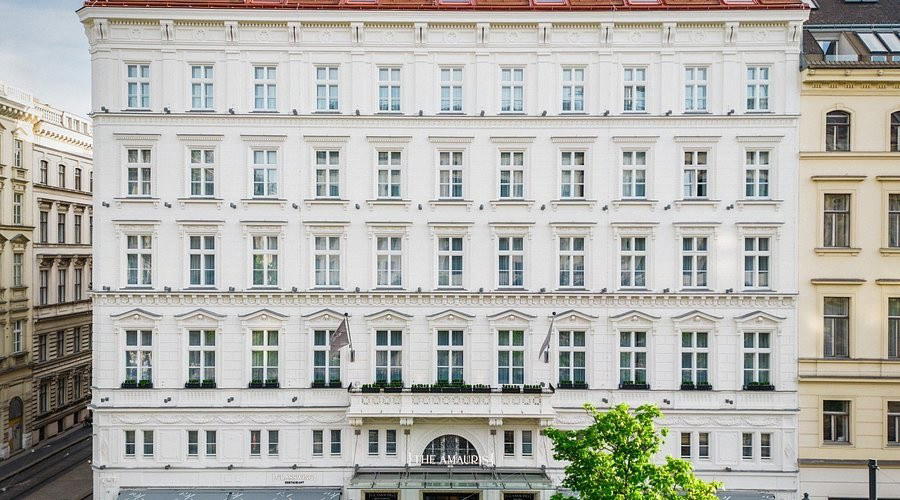
| The Amauris Vienna | Staatsoper, Modern Fine Dining | $$$$ | Not listed | Not listed |
| Broadmoar | Not listed | $$$$ | Michelin Plate | St. Josef, Seasonal Contemporary Austrian |
Recognition history
Dated appearances from independent guides and award organizations, with the underlying list record or original source where available.
Falstaff Restaurant - 94 Falstaff Points
Falstaff
La Liste Top Restaurants
La Liste
Michelin Plate
Michelin
Star Wine List
Star Wine List
La Liste Top Restaurants
La Liste
Michelin Plate
Michelin
Opinionated About Dining Classical in Europe Ranked #329
Opinionated About Dining
Michelin Plate
Michelin
Opinionated About Dining Classical in Europe Ranked #350
Opinionated About Dining
Opinionated About Dining Classical in Europe Recommended
Opinionated About Dining
Continue exploring
More in Purbach am Neusiedler See
Restaurants in Purbach am Neusiedler See
Browse all →
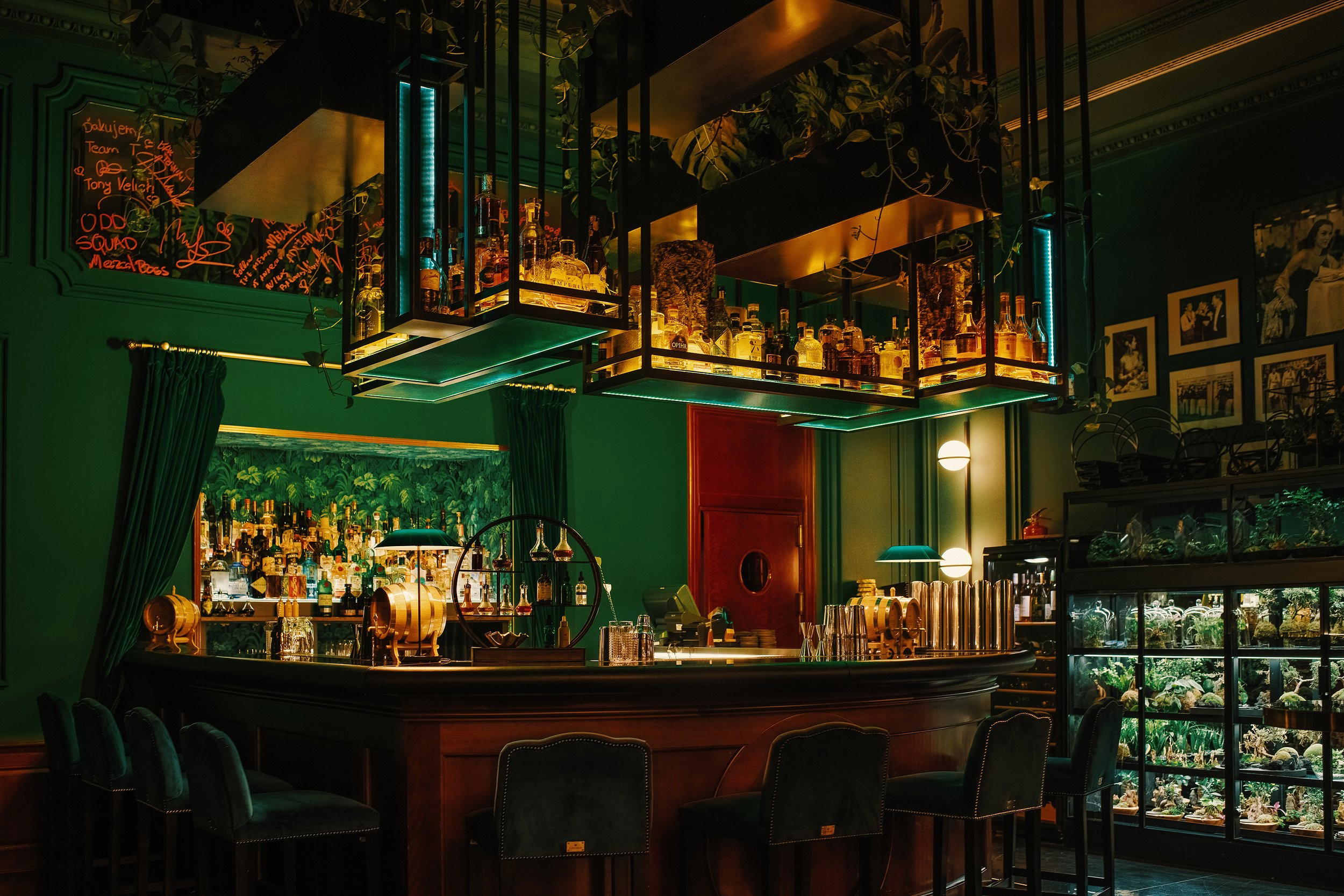
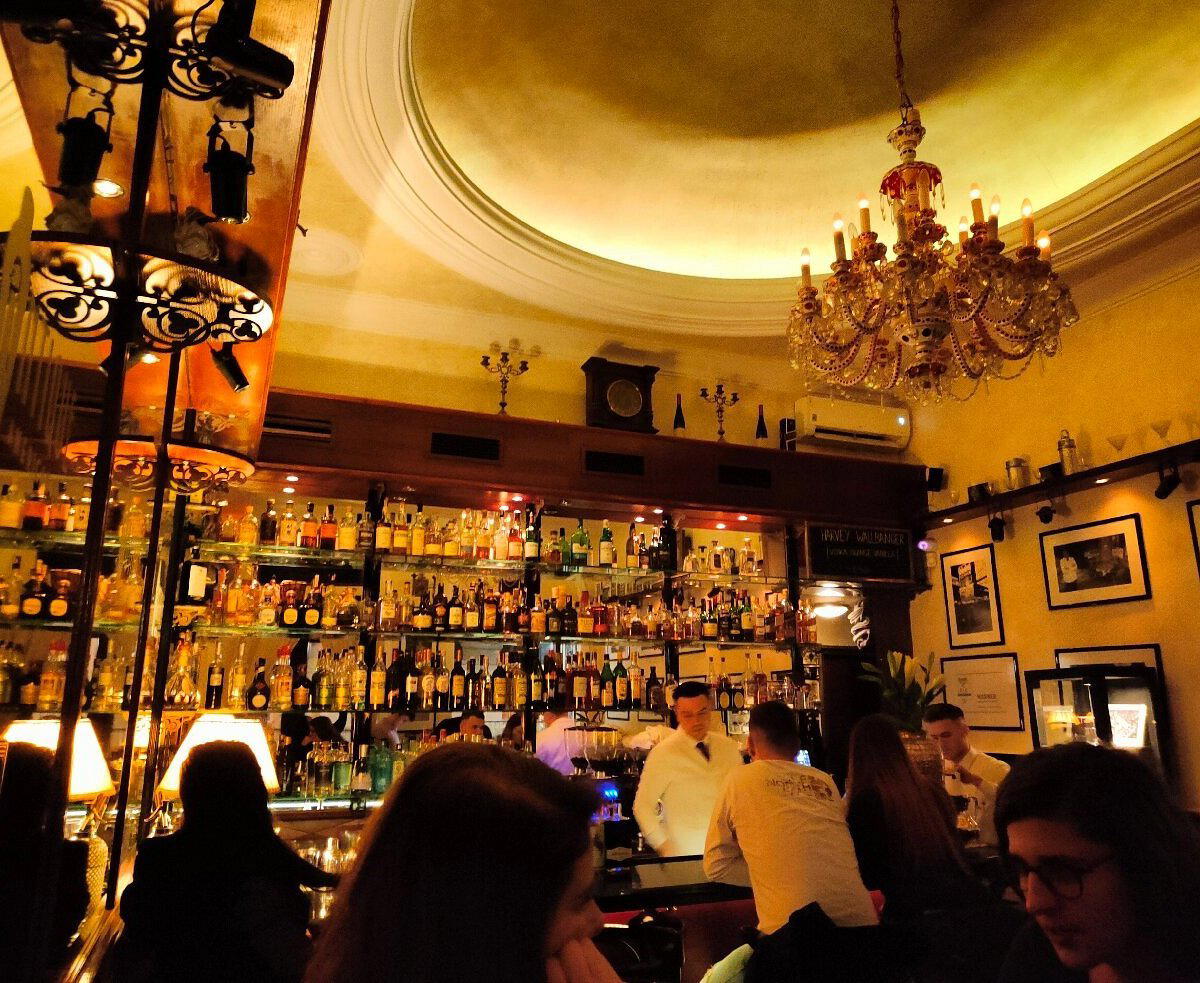
Bars in Purbach am Neusiedler See
Browse all →
Hotels in Purbach am Neusiedler See
Browse all →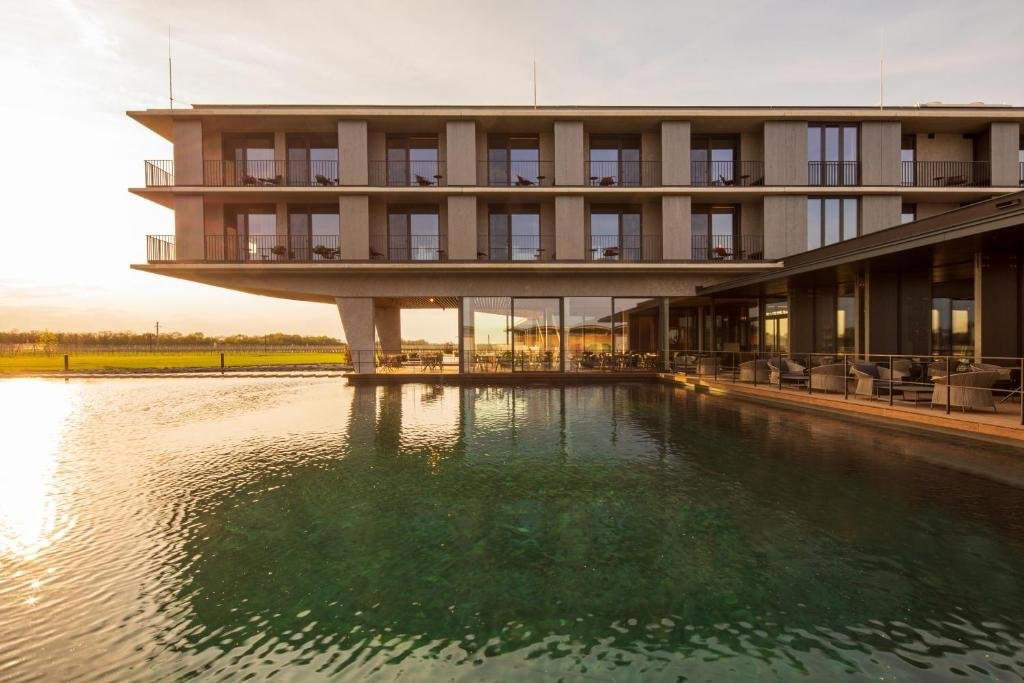

Wineries in Purbach am Neusiedler See
Browse all →
At a Glance
- Rustic
- Cozy
- Elegant
- Scenic
- Special Occasion
- Date Night
- Group Dining
- Open Kitchen
- Courtyard
- Historic Building
- Extensive Wine List
- Local Sourcing
- Farm To Table
- Garden
Current opening hours
- Monday
- Closed
- Tuesday
- Closed
- Wednesday
- 11 AM–11 PM
- Thursday
- 11 AM–11 PM
- Friday
- 11 AM–11 PM
- Saturday
- 11 AM–11 PM
- Sunday
- Closed
Hours can change for holidays and private events. Last verified .
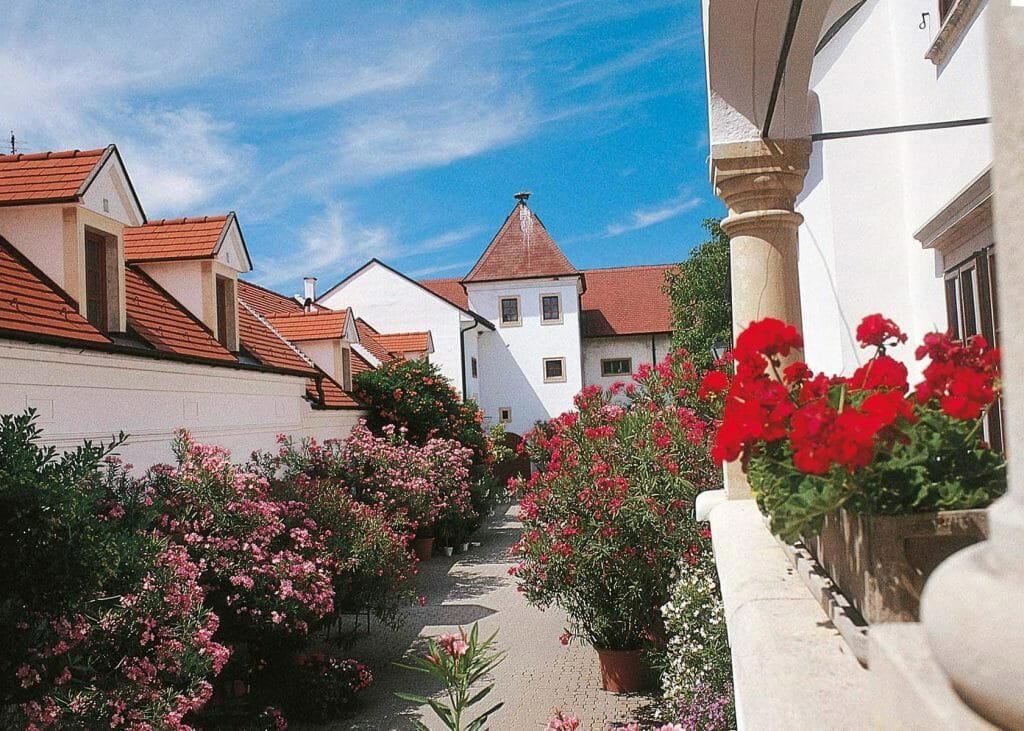
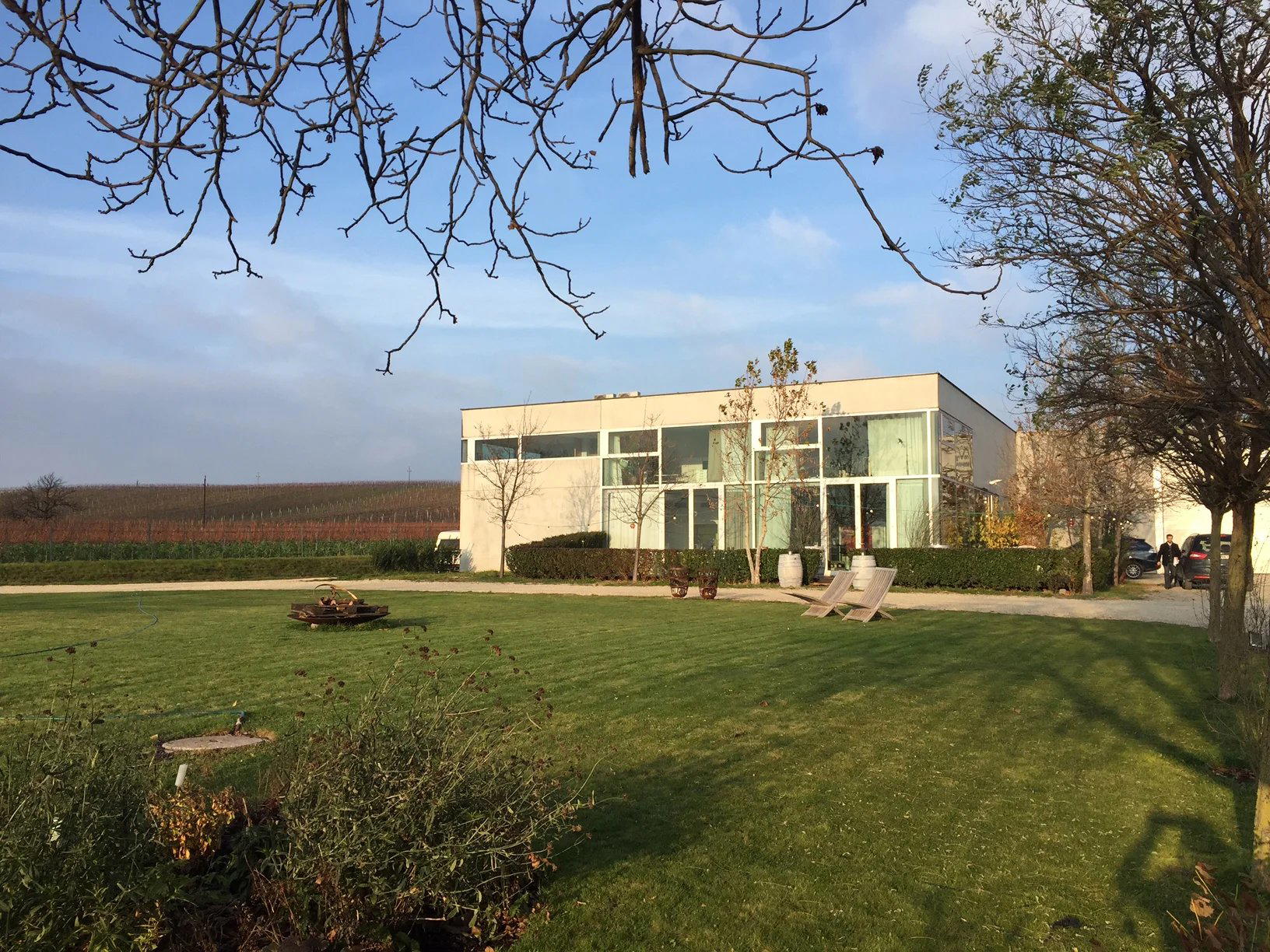
Bright, welcoming, and modern interior blending historical elements with decorative art; idyllically shaded courtyard terrace with trees and shrubs.