Ostwind occupies a quiet corner of Vienna's 7th district, where the Neubau neighbourhood has become a reliable address for independent restaurants operating outside the city's grand-hotel dining circuit. The address at Lindengasse 24 places it within walking distance of several other serious kitchens, and the wine program is the lens through which serious visitors tend to approach the room.
Pearl is the En Primeur Club membership app — saves, bookings, and concierge access live there. Same editors, same standards.
- Address
- Lindengasse 24, 1070 Wien, Austria
- Phone
- +434315234182
- Website
- ostwindwien.at
- Directions
- Get directions
 Saves & bookings on Pearl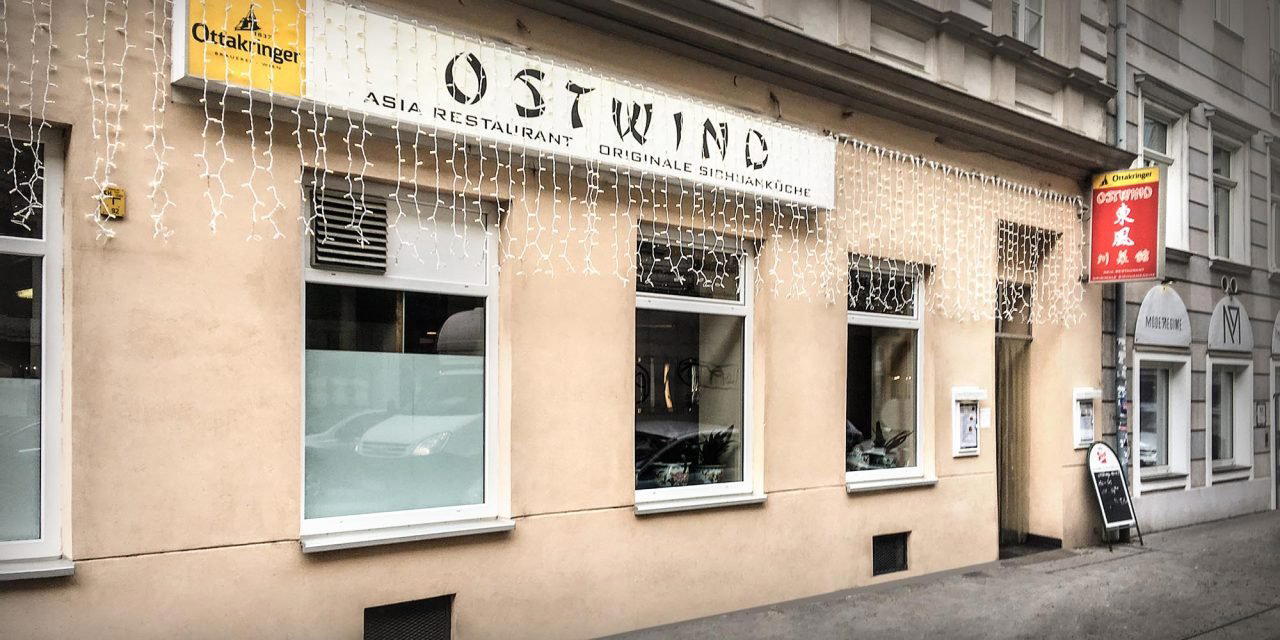
Neubau's Quieter Register
Vienna's 7th district has developed a dining character that sits some distance from the formal grandeur of the Innere Stadt. Neubau's streets, lined with Gründerzeit facades and independent retailers, have accumulated a cluster of restaurants that operate without the institutional weight of hotel affiliations or long-standing reputation-management machinery. It belongs to this cohort. The address is residential in feel, the kind of street where you might second-guess your map before the room comes into view. That low-key physical approach is part of what defines the category: restaurants here earn attention through program depth rather than location prestige.
The broader scene context matters here. Vienna's top tier, represented by addresses like Steirereck im Stadtpark and Amador, operates with the kind of infrastructure, staffing ratios, wine cellar scale, seasonal sourcing networks, that smaller neighbourhood rooms cannot replicate. What the neighbourhood tier offers instead is a different kind of attention: a room where the list is personally assembled, where the wine conversation happens at the table rather than through a formal sommelier relay, and where the pace is set by the kitchen rather than by front-of-house choreography.
The Wine Program as Organizing Principle
In Vienna's independent restaurant circuit, the wine list has increasingly become the differentiating factor between venues that draw a regular local following and those that cycle through tourists looking for Schnitzel and Grüner Veltliner by the carafe. The city sits at a genuine geographical and cultural crossroads for wine: Austria's own regions, Wachau, Kamptal, Kremstal, Burgenland, produce at a quality level that commands serious international attention, while Vienna's historical role as an imperial capital means the city's better lists have traditionally held depth in Burgundy, Bordeaux, and the northern Rhône alongside domestic bottles.
Ostwind's position in Neubau places it within a neighbourhood where this kind of curated approach has become something of a local expectation. Compare that to the formal wine programs at Konstantin Filippou or Mraz & Sohn, both operating at the €€€€ tier with cellars built to match their tasting menu ambitions. The neighbourhood independent works with a different logic: the list tends to be shorter, more personally filtered, and updated with greater frequency. That format rewards guests who are willing to ask questions and follow recommendations rather than arriving with a specific bottle in mind.
Austria's natural wine movement has found particular traction in the 7th district, where a younger restaurant-going public has pulled several kitchens toward lower-intervention producers from Burgenland and the Wagram.
Placing Ostwind in the Vienna Dining Map
Vienna's serious dining options now span a wider geographic range than the first and third districts alone. The city's independent restaurant scene has expanded into Neubau, Mariahilf, and Josefstadt in ways that have given visitors genuine alternatives to the formal hotel-dining and Ringstrasse-adjacent options. Doubek represents another point on this map of independently minded Vienna kitchens, and the accumulation of these addresses has started to give the city a neighbourhood dining culture with some of the depth previously associated only with its prestige tier.
For comparison, consider what Austria's broader fine-dining network looks like outside Vienna: Döllerer in Golling an der Salzach, Obauer in Werfen, and Ikarus in Salzburg all operate with strong regional sourcing identities and wine programs built around Austrian producers. Landhaus Bacher in Mautern an der Donau has long been considered one of Austria's most serious wine addresses outside the capital. The Vienna neighbourhood independent sits within this national conversation but adds the particular energy of a city room: a more compressed space, faster table turns, and a guest mix that includes regulars who return weekly rather than annually.
Further afield in the Austrian Alps, addresses like Griggeler Stuba in Lech, Gourmetrestaurant Tannenhof in Sankt Anton am Arlberg, and Schwarzer Adler in Hall in Tirol demonstrate how Austria's premium dining culture extends well beyond urban settings. Kräuterreich by Vitus Winkler in Sankt Veit im Pongau and Restaurant 141 by Joachim Jaud in Mieming similarly anchor serious kitchens in smaller regional towns. Ois in Neufelden rounds out the picture of a country where quality dining has dispersed well beyond the capital. Ostwind's value in this network is its urban accessibility, it is the version of this seriousness that a visitor staying in Vienna can reach without a car.
For an international reference point on what wine-led dining looks like at the highest level, Le Bernardin in New York City and Atomix in New York City demonstrate how different cities handle the relationship between kitchen ambition and cellar depth. Vienna's independent tier operates at a different scale and price point, but the underlying question, how does a list serve and extend the kitchen's point of view, is the same.
Planning Your Visit
Lindengasse 24 is in the heart of Neubau, walkable from the U3 Zieglergasse station and from the major tram routes along Mariahilfer Strasse. The 7th district has a concentration of restaurants, cafés, and wine bars that makes it a practical base for an evening's eating and drinking rather than a single destination stop.
| Venue | District | Price Tier | Style | Booking Lead Time |
|---|---|---|---|---|
| Ostwind | 7th (Neubau) | Authentic Szechuan Chinese | Recommended | Mon-Sat: 11:30 AM-3 PM, 5:30-10:30 PM; Sun: Closed |
| Steirereck im Stadtpark | 3rd (Stadtpark) | €€€€ | Creative | Weeks to months ahead |
| Konstantin Filippou | 1st | €€€€ | Modern European | Weeks ahead |
| Mraz & Sohn | 20th | €€€€ | Modern Austrian, Creative | Weeks ahead |
Reputation Context
Comparable venues nearby, for context on price, style, and recognition.
| Venue | Cuisine | Price | Notes |
|---|---|---|---|
| OstwindThis venue — the venue you are viewing | Authentic Szechuan Chinese | $$$ | Not listed |
| Shanghai | Shanghai Fine Dining with Austrian-French Influences | $$$ | Innere Stadt |
| One Night In Beijing | Traditional Chinese with Pan-Asian Accents | $$$ | Nussdorf |
| Chen's | Authentic Chinese Noodle House | $$ | Staatsoper |
| Kiang | Modern Chinese Street Food & Wine Bar | $$ | Stephansdom |
| Kiang Wine & Dine | Modern Chinese Wine Bar | $$ | Franz Josefs Bahnhof |
Continue exploring
More in Vienna
Restaurants in Vienna
Browse all →
![[aend] restaurant in Vienna](https://cdn.enprimeurclub.com/storage/v1/object/public/images/locations/recsVyRkMfzCxPmp0/hero2.jpg?width=3840&quality=75)
Bars in Vienna
Browse all →

Hotels in Vienna
Browse all →
At a Glance
- Cozy
- Group Dining
- Casual Hangout
- Open Kitchen
Current opening hours
- Monday
- 11:30 AM–3 PM, 5:30–10:30 PM
- Tuesday
- 11:30 AM–3 PM, 5:30–10:30 PM
- Wednesday
- 11:30 AM–3 PM, 5:30–10:30 PM
- Thursday
- 11:30 AM–3 PM, 5:30–10:30 PM
- Friday
- 11:30 AM–3 PM, 5:30–10:30 PM
- Saturday
- 11:30 AM–3 PM, 5:30–10:30 PM
- Sunday
- Closed
Hours can change for holidays and private events. Last verified .
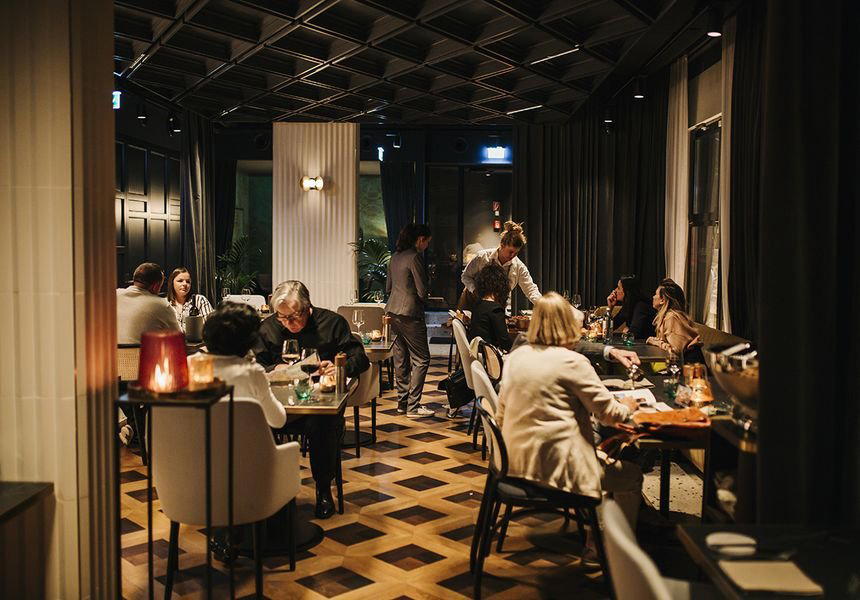
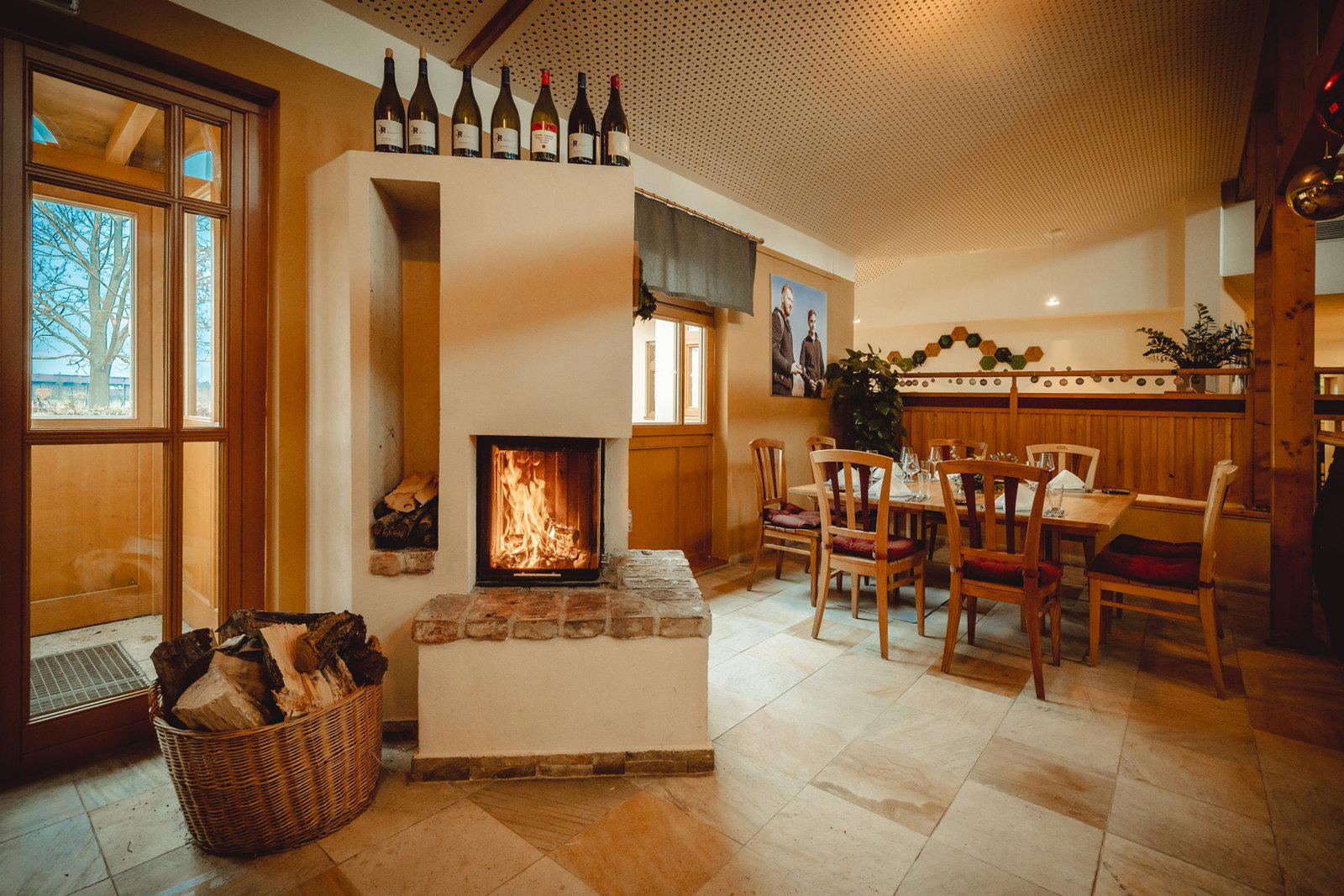
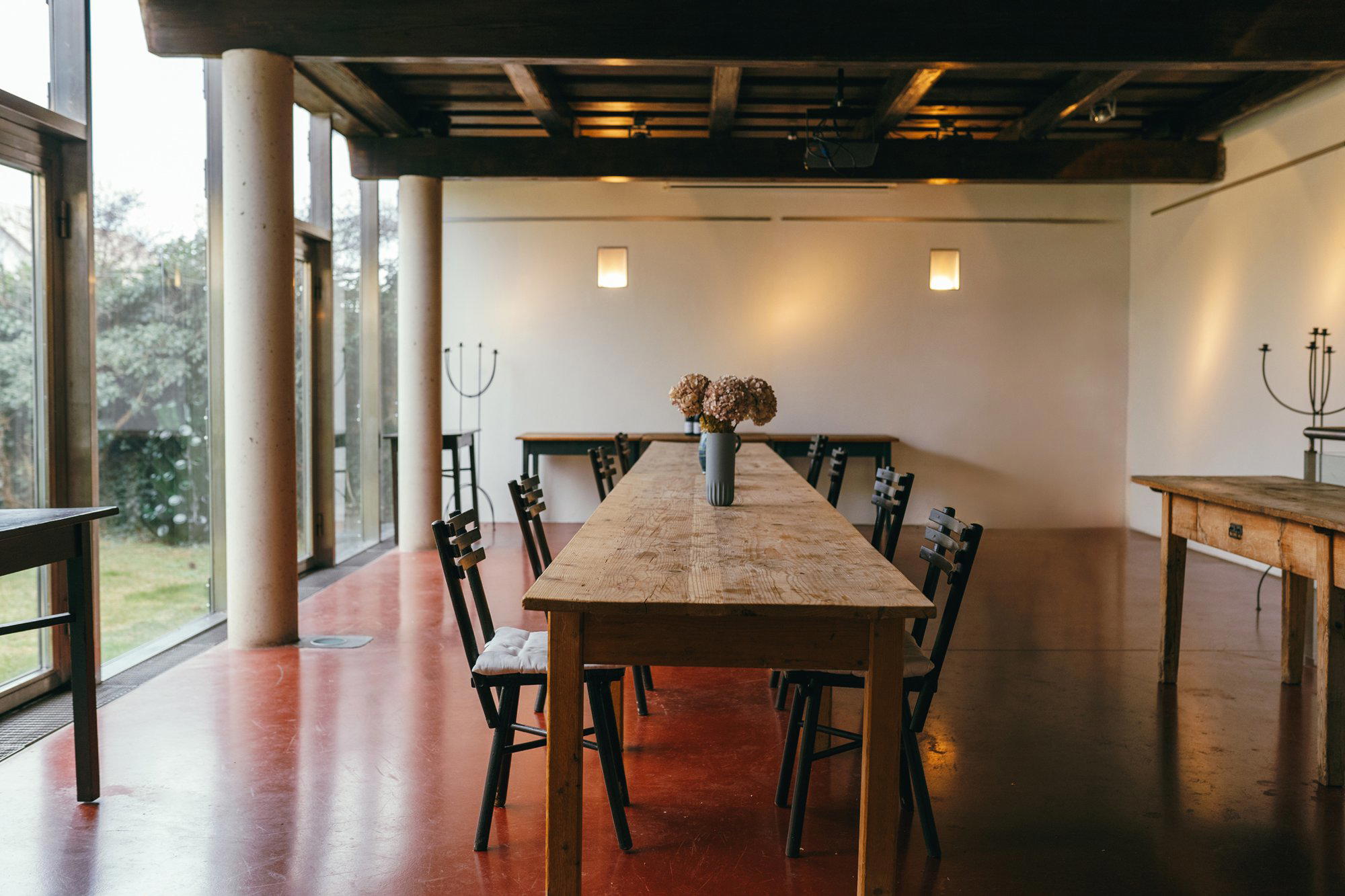
Nice and simple environment with a cozy, family-style setup featuring big round tables and a little garden out back.