



Michelin Bib Gourmand · Star Wine List · Falstaff Restaurant - 96 Falstaff Points
Our verdict
A Michelin Bib Gourmand-recognised wine bistro in Vienna's 9th district, MAST Weinbistro pairs a farm-to-table kitchen under Chef Lukas Lacina with a wine list that has placed first and second on Star Wine List two years running. Hosts Matthias Pitra and Steve Breitzke run the room with the kind of front-of-house conviction that turns a neighbourhood address into a serious destination.

Pearl is the En Primeur Club membership app, where members save venues, book tables and use the concierge.
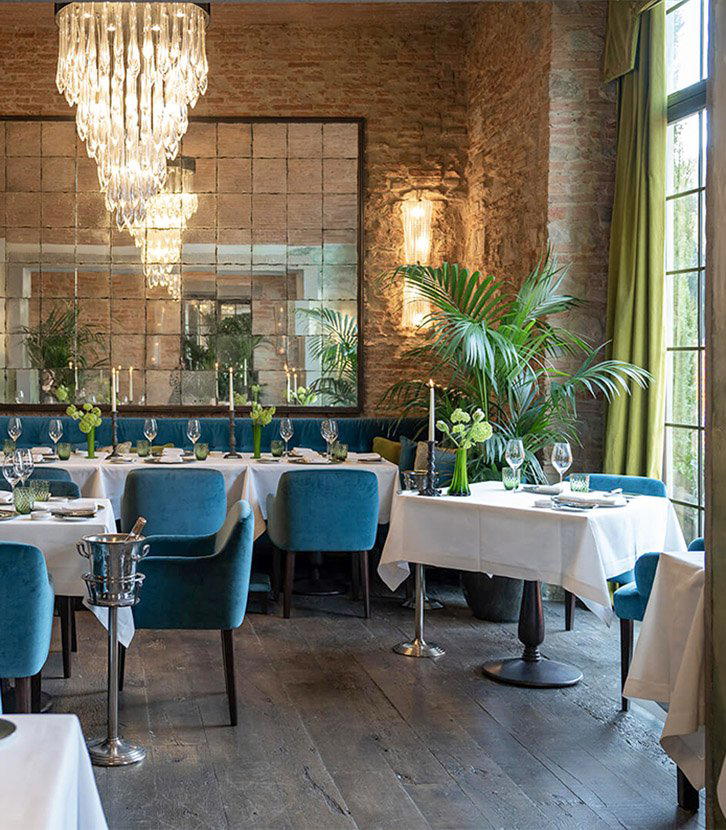
Where the Wine List and the Kitchen Are Equal Partners
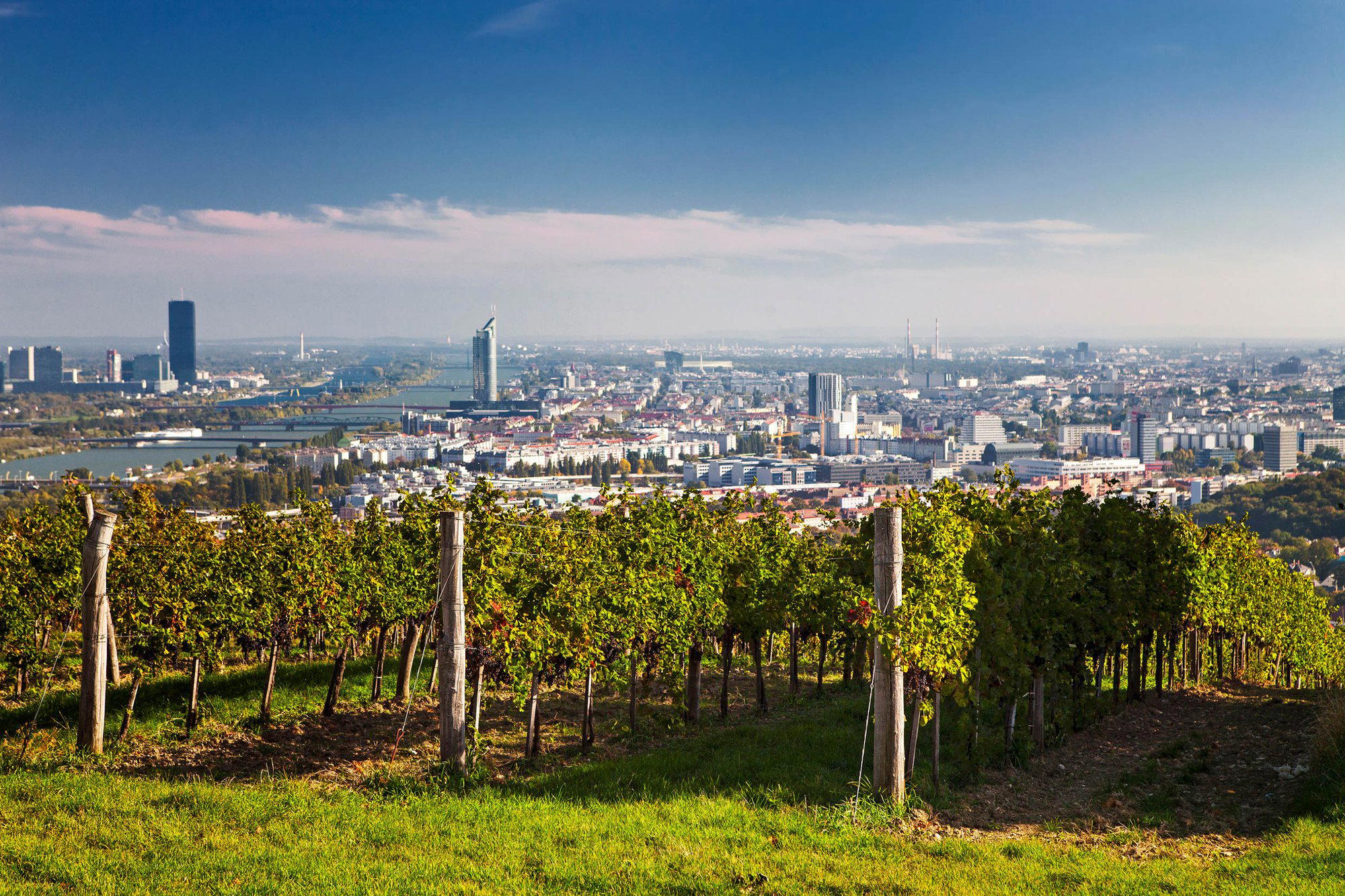
Vienna's 9th district, the Alsergrund, has long occupied a quieter register than the first or third, more university and medical faculty than tourist circuit, its streets defined by Gründerzeit apartment facades and the kind of low-key local institutions that rarely court attention from outside the neighbourhood. It is exactly the sort of address where a serious wine bistro can operate on its own terms, without the pressure to perform for passing trade. On Porzellangasse, MAST Weinbistro has done precisely that, building a reputation grounded in the relationship between what is poured and what is plated, and in the particular dynamic between the people running both.
The Bib Gourmand designation from Michelin, held in both 2024 and 2025, positions MAST within a specific tier of Vienna dining: serious enough to warrant inclusion in the guide, priced at a point where the value argument carries real weight. In a city where the €€€€ tier is occupied by creative powerhouses like Steirereck im Stadtpark, Mraz & Sohn, and Konstantin Filippou, the Bib Gourmand bracket is where the city rewards cooking that is precise and sourcing-led without the formality of a tasting menu operation. MAST fits that description with some precision.
The Collaboration at the Core
The awards data for MAST tells an interesting structural story. The Michelin recognition addresses the kitchen; the Star Wine List placements, first and second in both 2021 and 2022, address the cellar. That the two sets of accolades belong to the same address is not incidental. At MAST, the dynamic between hosts Matthias Pitra and Steve Breitzke and Chef Lukas Lacina operates as an integrated project rather than a kitchen-and-front-of-house division. The wine list is not a support document for the food; it is an equal editorial statement.
Star Wine List rankings reflect the depth, range, and intellectual seriousness of a list rather than simply its length or its concentration of trophy bottles. A wine bistro placing at number one in two consecutive years, then number two in both categories the following year, signals a list with real authority: a point of view on producers and regions, a willingness to range beyond the obvious, and a floor staff capable of navigating it for the guest. That combination, list quality plus service fluency, is rarer than the industry tends to admit.
The farm-to-table orientation of the kitchen connects naturally to the same sensibility. Sourcing-led cooking and producer-led wine selection share a common logic: both prioritise provenance and season over consistency of format. In Vienna, that approach sits within a broader Austrian restaurant culture that has always taken its food-growing hinterland seriously, from the market gardens of the Vienna Woods to the wine country of Burgenland and the Wachau immediately to the west. MAST's kitchen engages with that tradition through the particular lens of what is available rather than what is expected.
Farm-to-Table in the Vienna Context
The farm-to-table designation carries different weight in different cities. In Vienna, it lands in a context where regional Austrian sourcing has deep institutional support: the city's Naschmarkt and its network of weekly farmers' markets create a genuine supply infrastructure for chefs working at this scale. The €€ price point at MAST is consistent with the economics of ingredient-led cooking at bistro volume, smaller menus, tighter seasonal rotation, and a kitchen that works with what the suppliers bring rather than building a fixed repertoire around year-round availability.
For comparison, the farm-to-table format in other European contexts, see BOK Restaurant Brust oder Keule in Münster or Clostermanns Le Gourmet in Niederkassel, tends to anchor itself to regional identity and hyper-local sourcing as a philosophical position. At the bistro scale, that philosophy requires discipline in the kitchen: menus that are short enough to execute with focus, and a team that understands why the sourcing decisions matter rather than simply executing them.
Within Vienna's own creative dining tier, the contrast is instructive. Amador and Doubek operate in a register of technical elaboration that demands a different infrastructure and price structure entirely. MAST's positioning is deliberate: the small bites format noted in its awards record suggests a kitchen designed around the wine, producing food that rewards rather than competes with serious pours.
The 9th District Address
Porzellangasse 53 puts MAST at the northern end of the Alsergrund, close to the Gürtel ring road and a short distance from the Volksoper. The neighbourhood demographic skews residential and academic, which historically produces a certain kind of regular clientele: guests who return often, who know the list, and who treat the room as a local institution rather than a destination visit. It reflects sustained local loyalty rather than a spike driven by press attention.
For visitors approaching from Austria's broader dining circuit, MAST operates at a very different register from the mountain dining destinations further west. The Michelin-recognised restaurants of Döllerer in Golling an der Salzach, Gourmetrestaurant Tannenhof in Sankt Anton am Arlberg, Griggeler Stuba in Lech, Ikarus in Salzburg, Kräuterreich by Vitus Winkler in Sankt Veit im Pongau, and Obauer in Werfen all represent the destination-dining format built around scenery and occasion. MAST is the urban counterpart: a room you go to because the wine list and the kitchen have earned your trust, not because the surroundings demand documentation.
Know Before You Go
- Address: Porzellangasse 53, 1090 Wien, Austria
- District: 9th, Alsergrund
- Price range: €€
- Cuisine: Farm to table
- Awards: Michelin Bib Gourmand 2024 & 2025; Star Wine List #1 and #2 (2021, 2022)
- Booking: Contact details not available online; visiting in person or checking current platforms is advisable
- Explore more: Our full Vienna restaurants guide | Hotels | Bars | Wineries | Experiences
Frequently asked questions
What do people recommend at MAST Weinbistro?
The awards record points to two consistent strengths. On the food side, the Michelin Bib Gourmand in both 2024 and 2025 reflects a kitchen producing farm-to-table cooking that Michelin inspectors have found worth seeking out at its price point: small bites designed to work alongside wine rather than anchor a full tasting format. On the wine side, the Star Wine List rankings from 2021 and 2022, placing first and second in two separate categories both years, indicate a list with genuine depth and selectivity. Chef Lukas Lacina leads the kitchen. For the full picture on where MAST sits in Vienna's restaurant scene, see our Vienna restaurants guide.
Accolades, Compared
| Venue | Cuisine | Price | Awards | Notes |
|---|---|---|---|---|
| MAST WeinbistroThis venue (the venue you are viewing) | Modern Central European Wine Bistro | $50–100 | Michelin Bib Gourmand · Star Wine List | Not listed |
| Steirereck im Stadtpark | Modern Austrian Fine Dining | $200–300 | 3 Michelin Stars · World's 50 Best #33 | Creative |
| Mraz & Sohn | Contemporary Austrian Fusion | $150–200 | 2 Michelin Stars · La Liste Top Restaurants | Modern Austrian, Creative |
| Silvio Nickol Gourmet Restaurant | Modern Austrian Fine Dining | $300–500 | 2 Michelin Stars · La Liste Top Restaurants | Modern Cuisine |
| Konstantin Filippou | Modern Fish-Led Fine Dining | $200–300 | 2 Michelin Stars · La Liste Top Restaurants | Modern European, Modern Cuisine |
| APRON | Modern Austrian Fine Dining | $150–200 | 1 Michelin Star · Falstaff Restaurant - 95 Falstaff Points | Austrian, Creative |
Recognition history
Dated appearances from independent guides and award organizations, with the underlying list record or original source where available.
Michelin Bib Gourmand
Michelin
Star Wine List
Star Wine List
Falstaff Restaurant - 96 Falstaff Points
Falstaff
Opinionated About Dining Casual in Europe Recommended
Opinionated About Dining
Full recognition history (8 entries)
Michelin Bib Gourmand
Michelin
Michelin Bib Gourmand
Michelin
Star Wine List
Star Wine List
Star Wine List
Star Wine List
Continue exploring
More in Vienna
Restaurants in Vienna
All restaurants in Vienna →
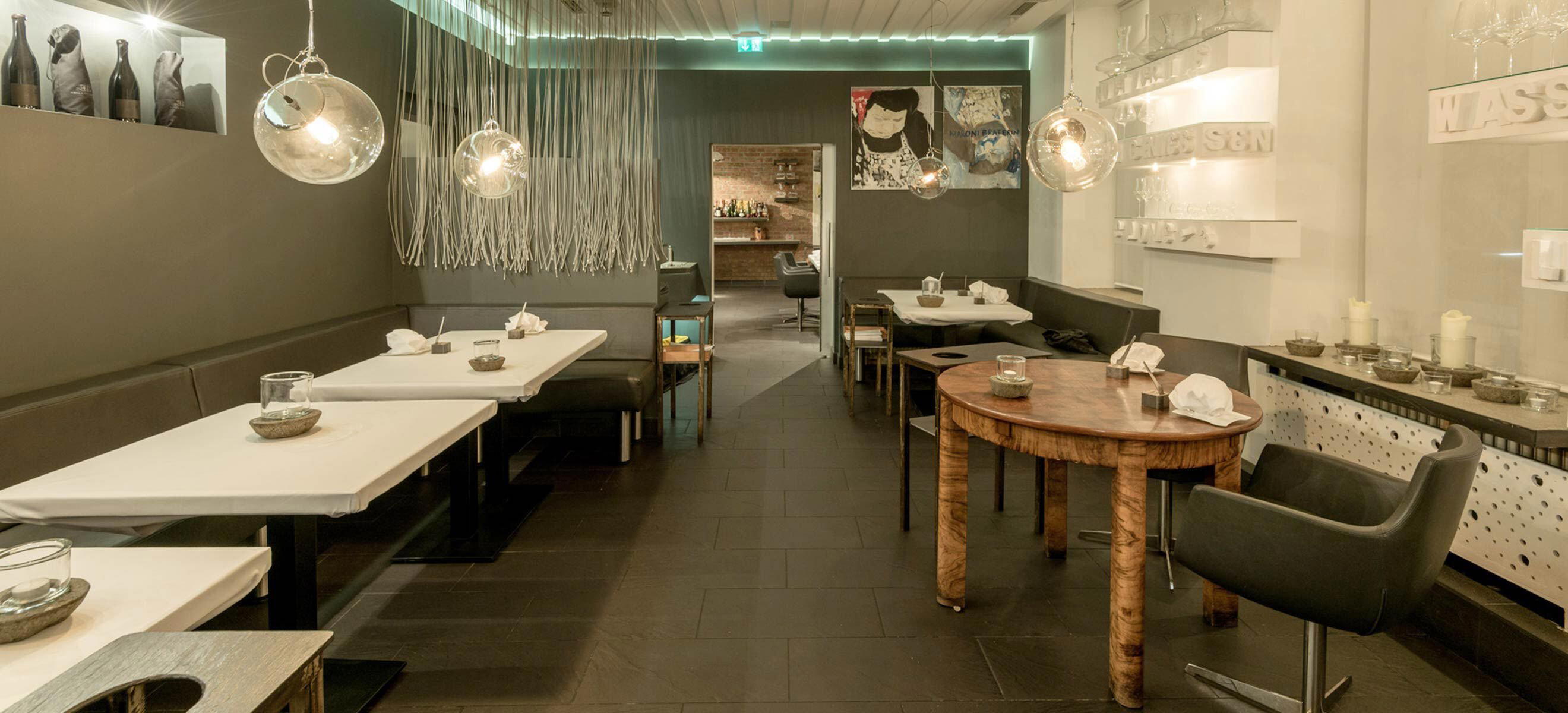
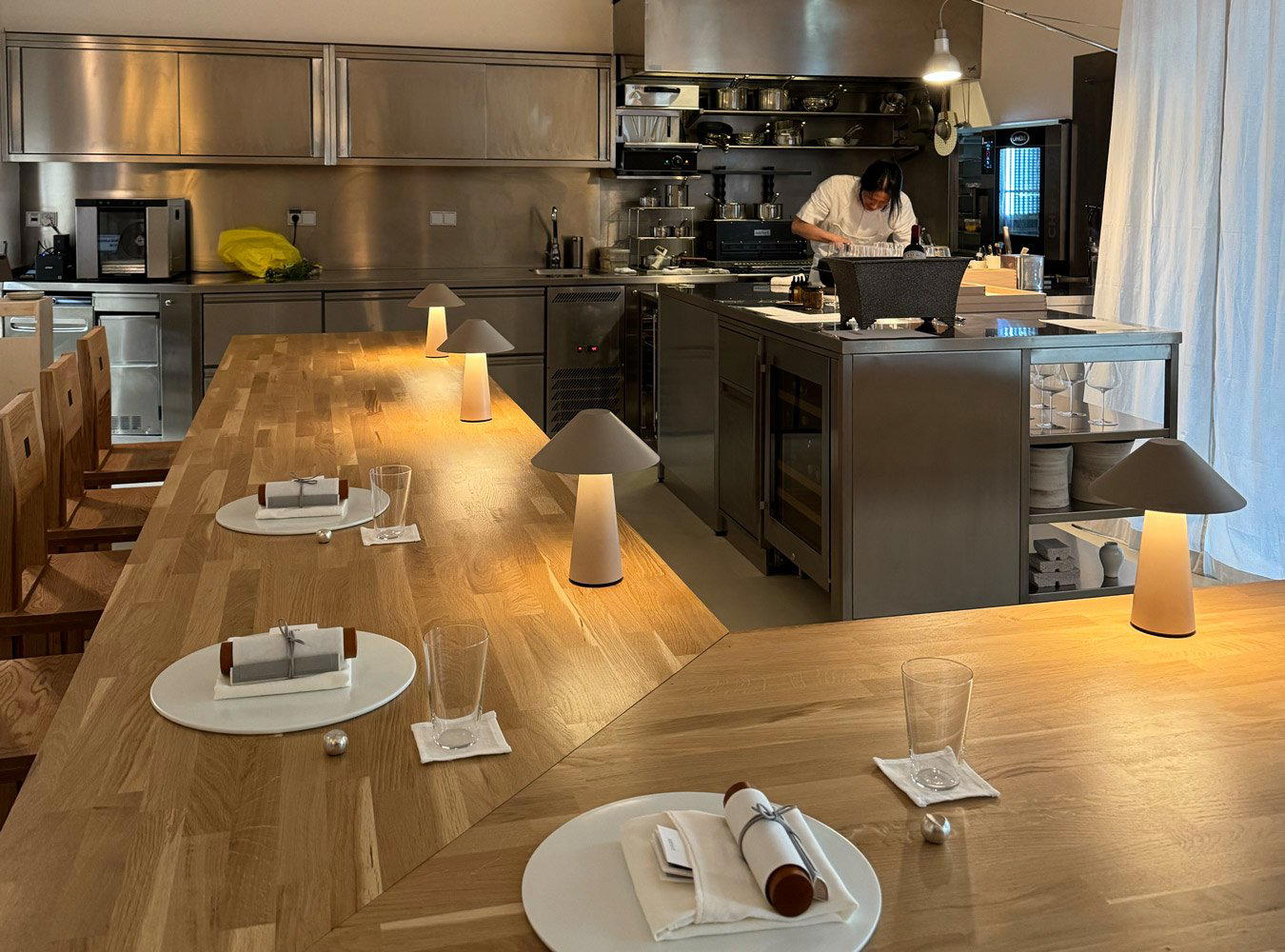
Bars in Vienna
All bars in Vienna →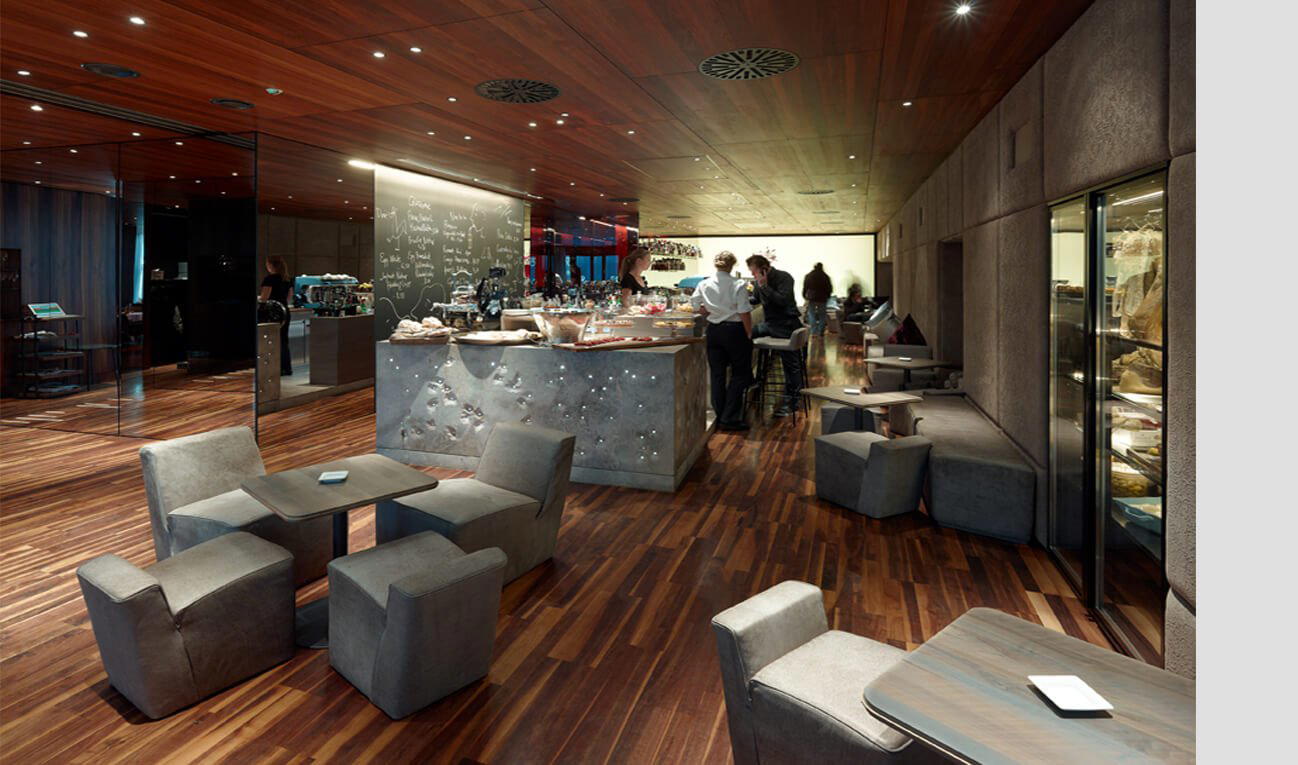
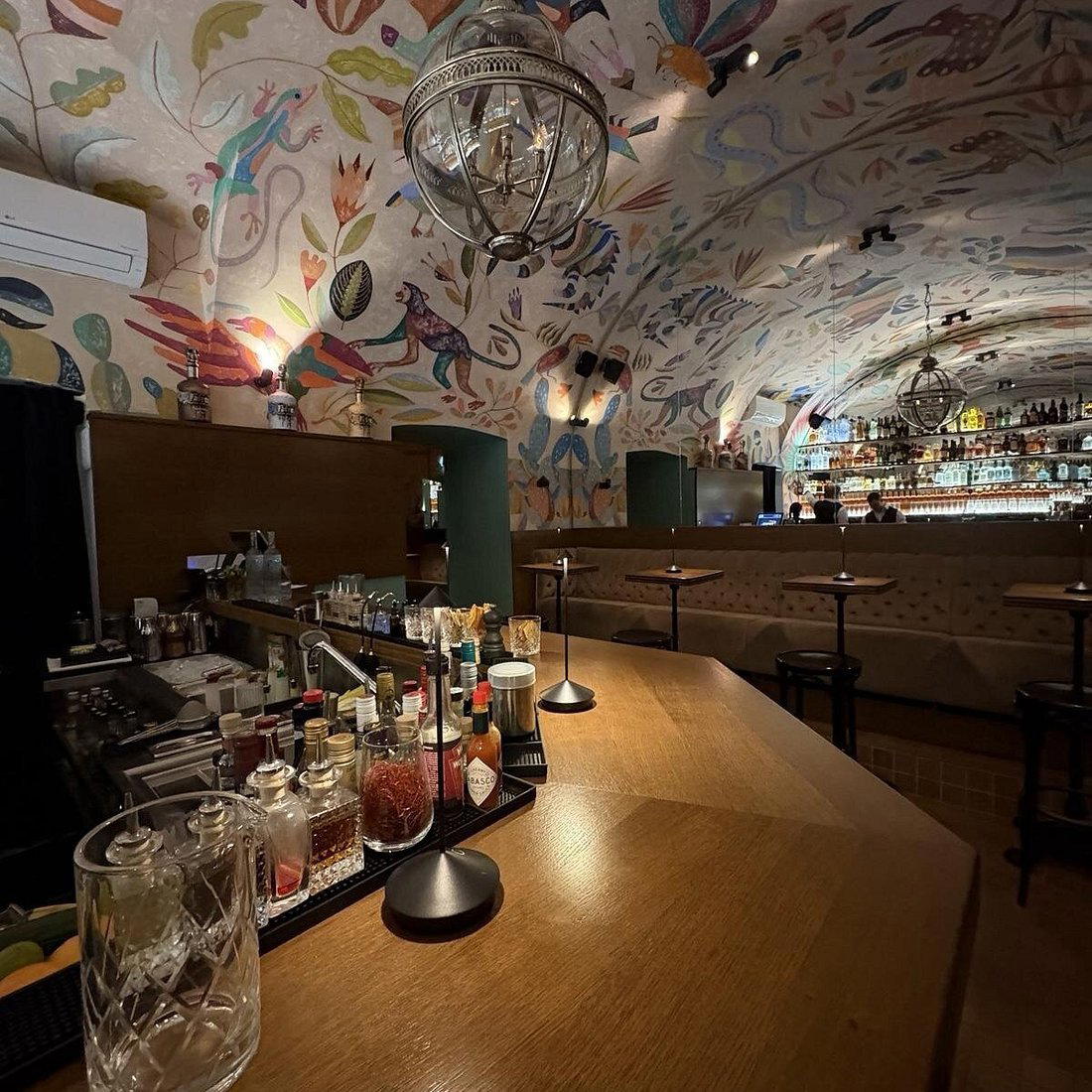
MAST Weinbistro
The wine
- Wine program
- Deep wine list
- Extensive wine list
- Sommelier-led
- Natural wine
Details
- Cozy
- Modern
- Trendy
- Intimate
- Elegant
- Date Night
- Casual Hangout
- Special Occasion
- Wine Cellar
- Open Kitchen
- Extensive Wine List
- Natural Wine
- Sommelier Led
- Local Sourcing
- Organic
- Natural Wine
- A La Carte
- Tasting Menu
- Small Plates
- Natural Wine
- Vegetarian Friendly
- Vegan Options
- Gluten Free Options
Current opening hours
- Monday
- Closed
- Tuesday
- Closed
- Wednesday
- 12–2 PM, 6–11:30 PM
- Thursday
- 12–2 PM, 6–11:30 PM
- Friday
- 12–2 PM, 6–11:30 PM
- Saturday
- 6–11:30 PM
- Sunday
- 6–11:30 PM
Hours can change for holidays and private events. Hours as of .
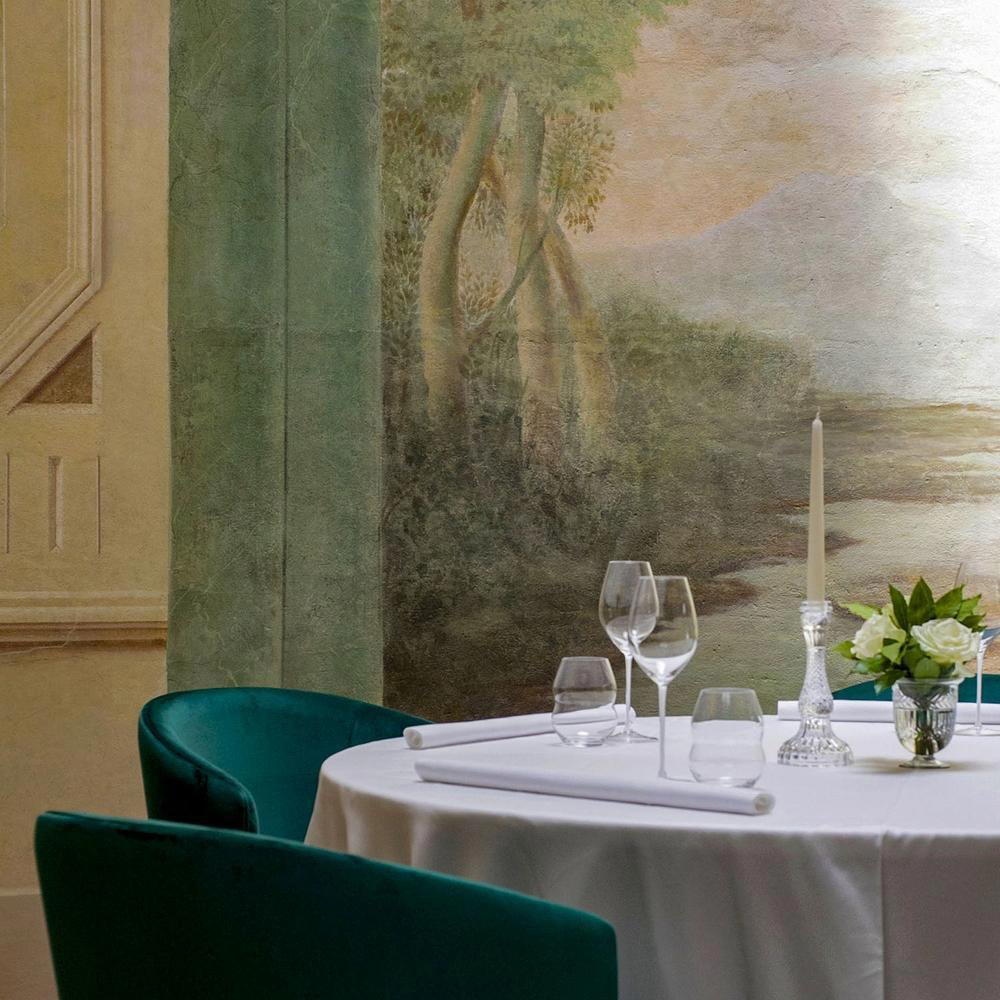
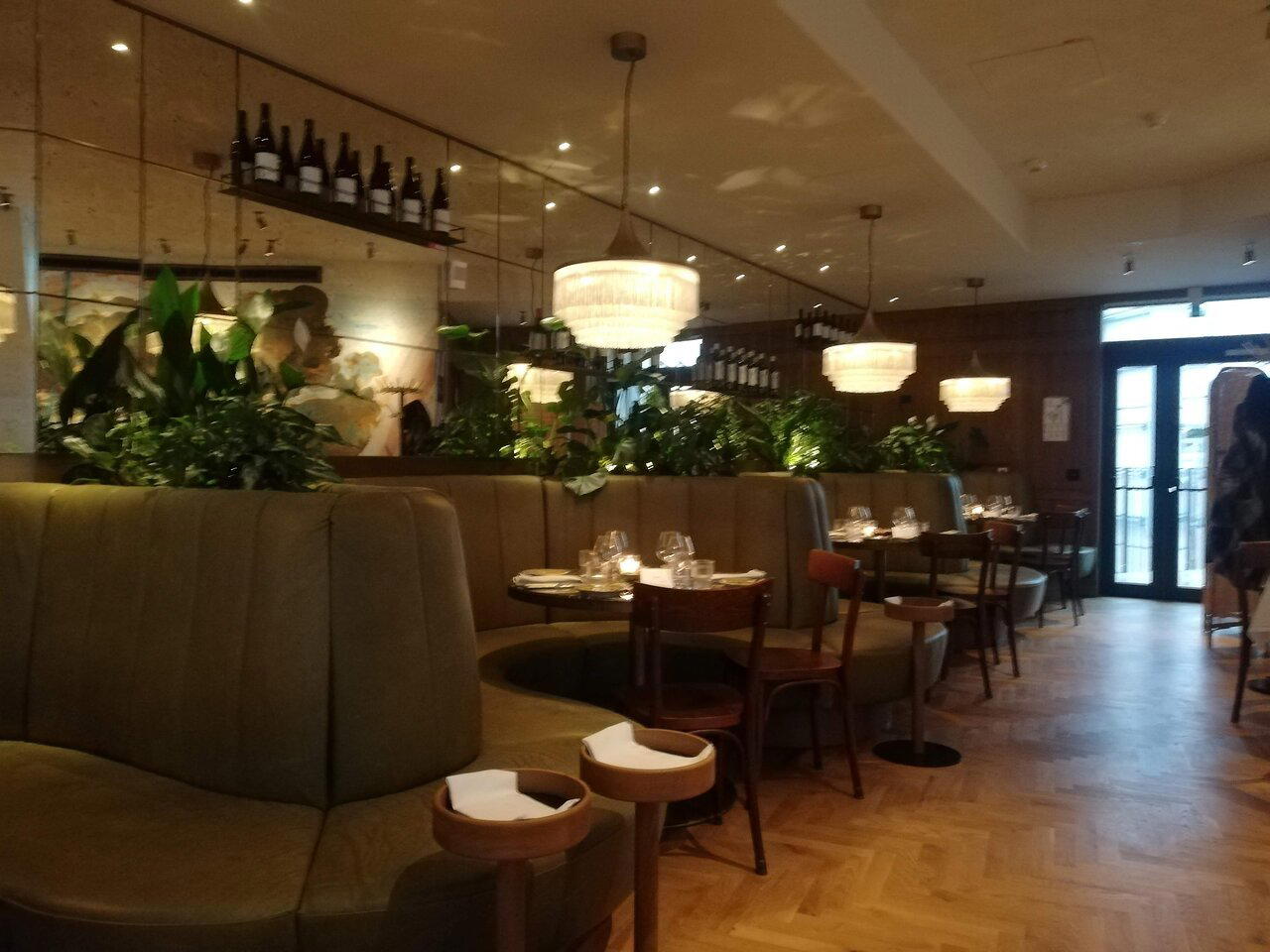
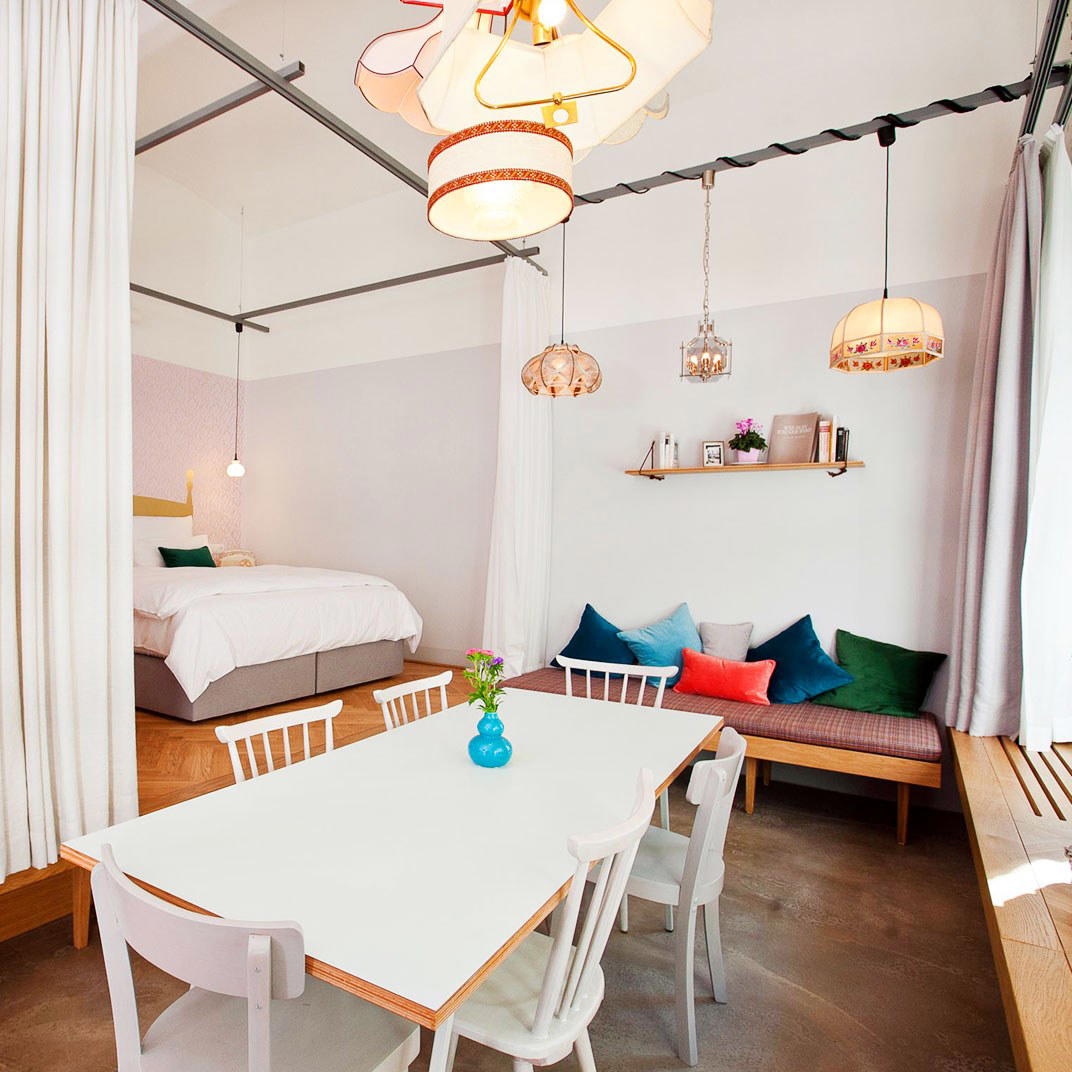
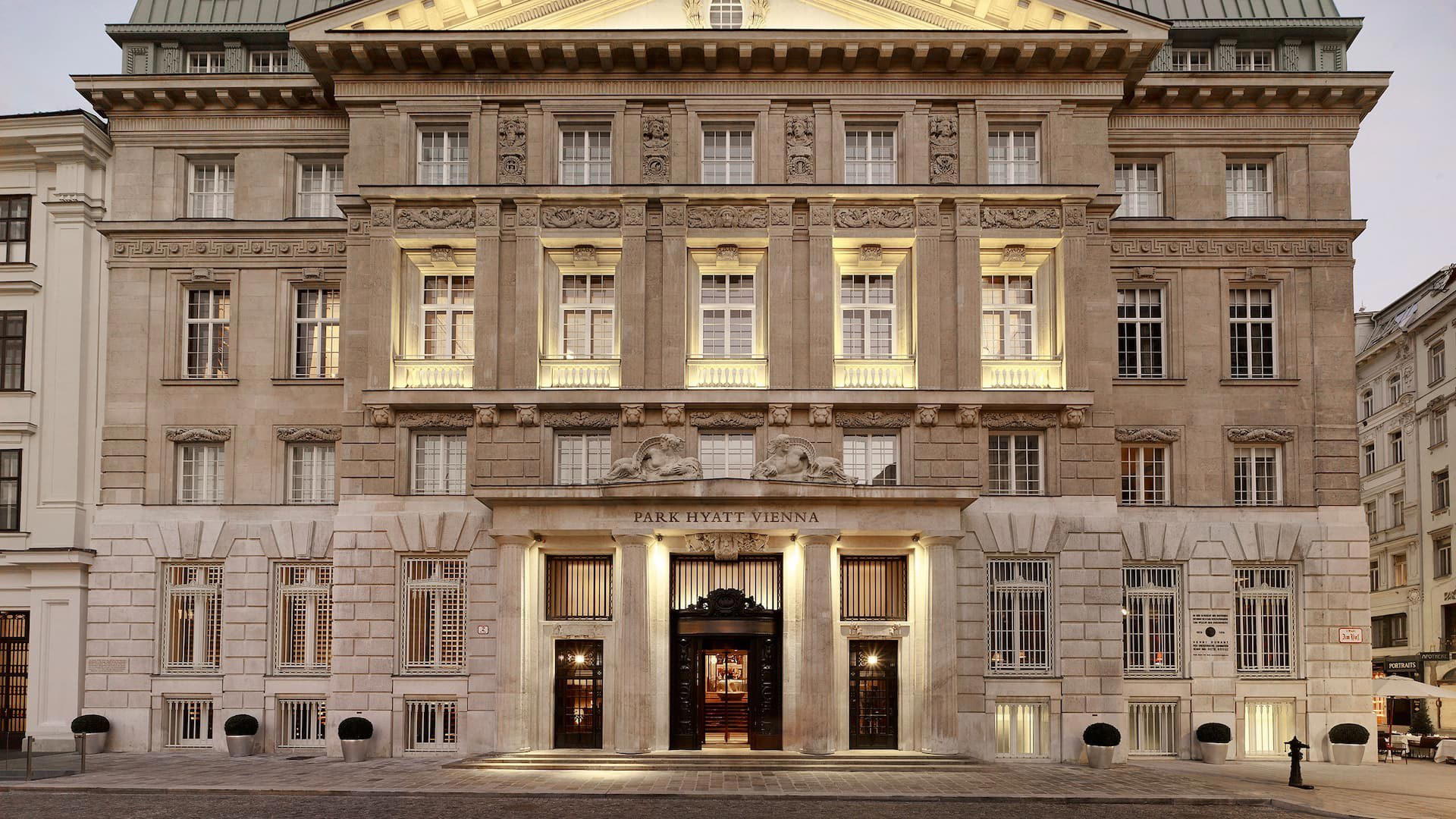
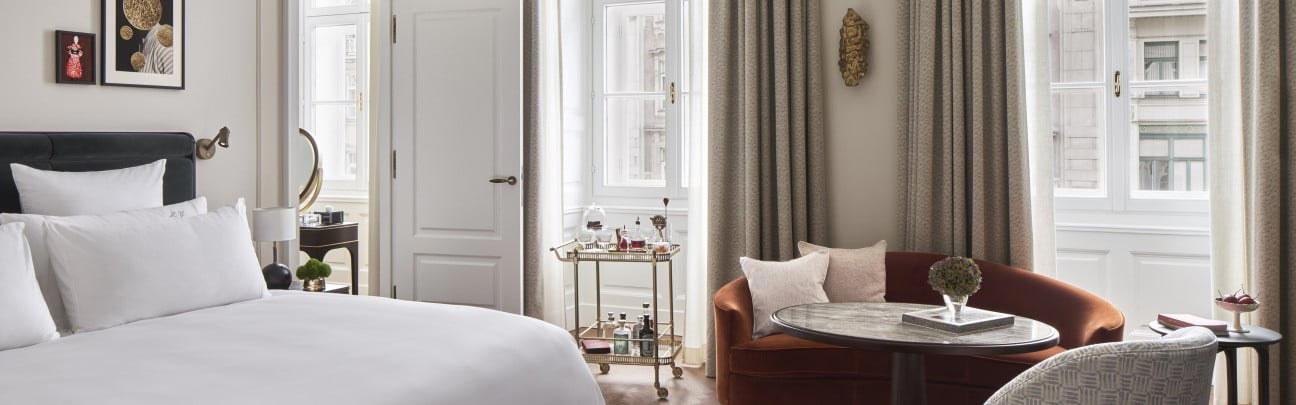
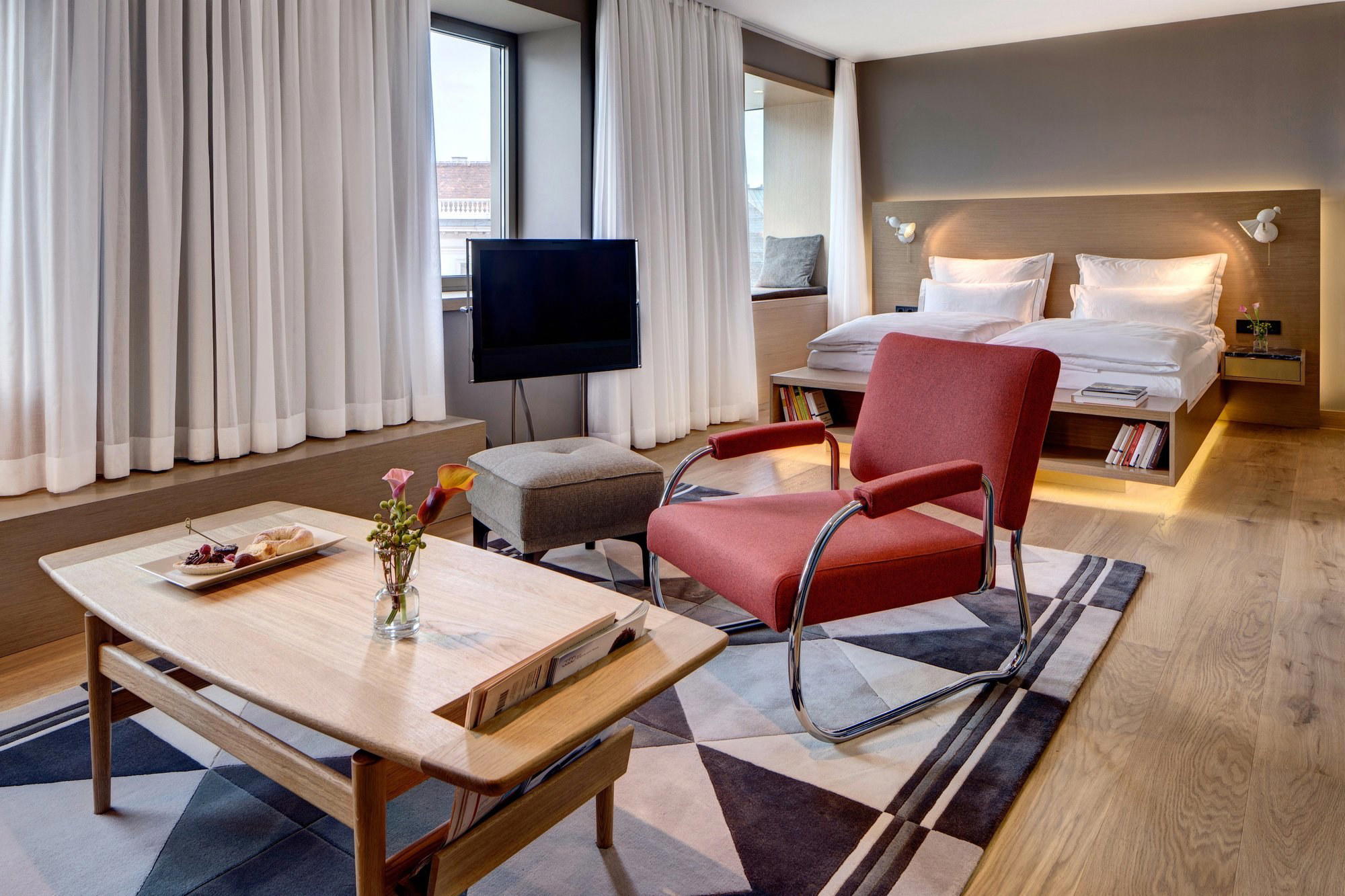
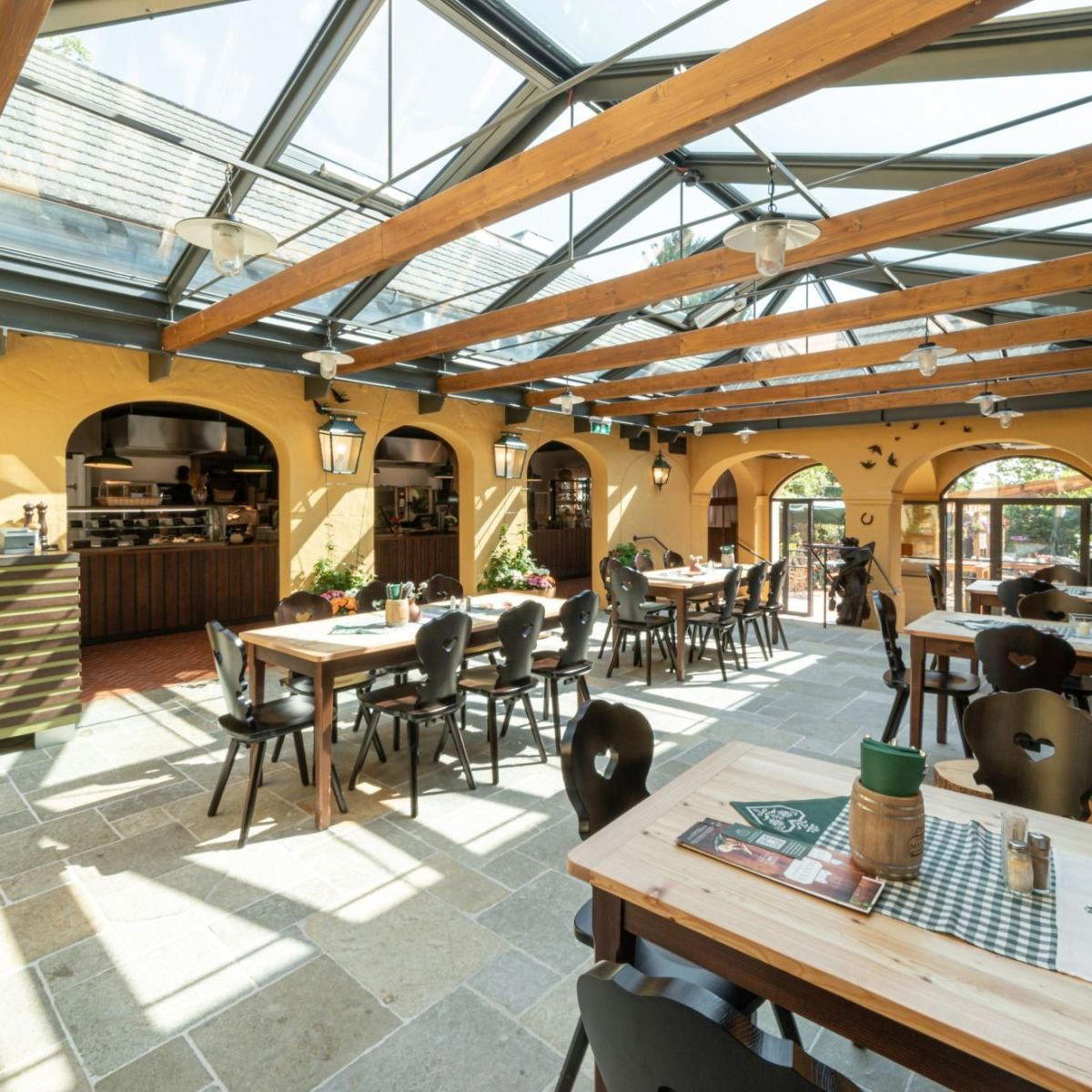
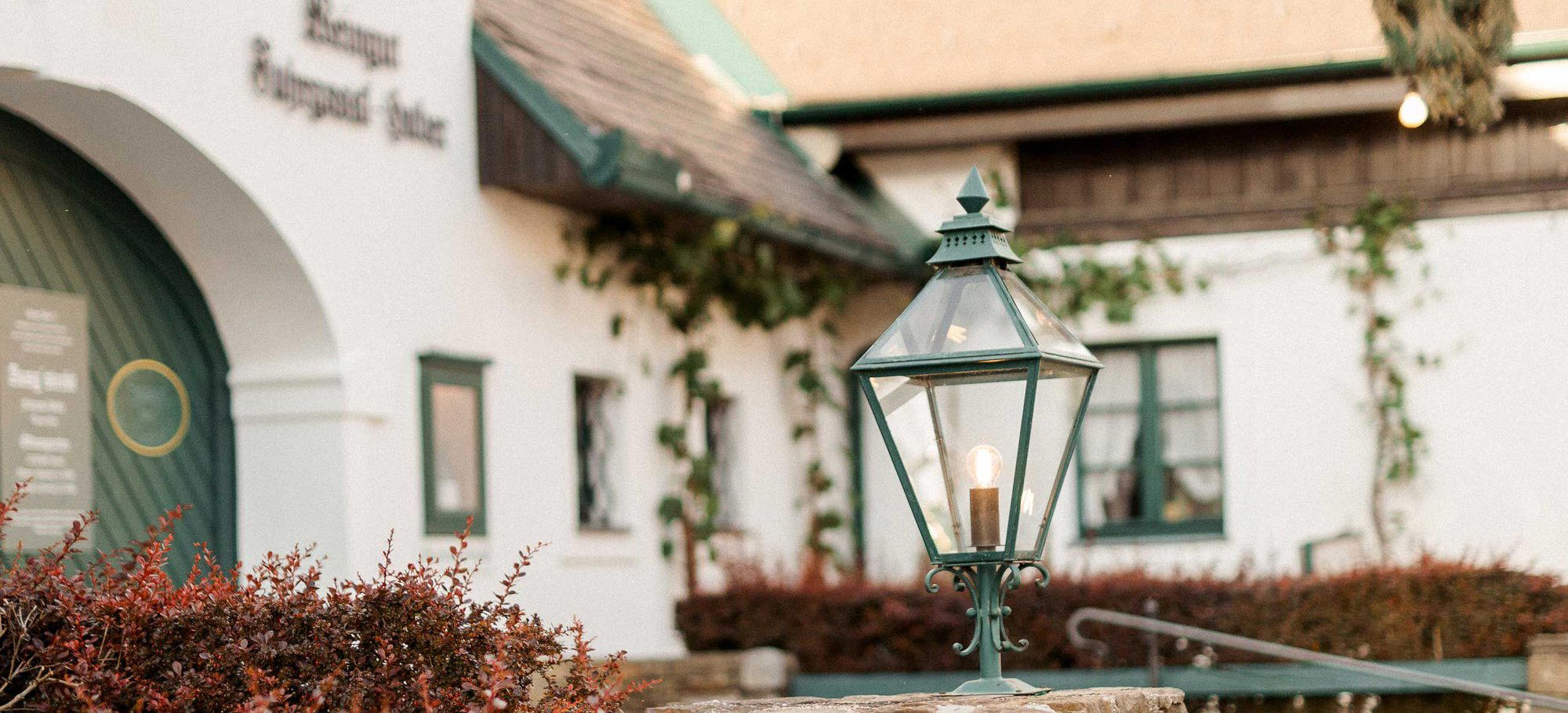
Trendy and cozy modern wine bar in a historic townhouse with inviting, relaxed atmosphere, chic decor, and warm lighting.