In Nou Barris, one of Barcelona's northernmost and least-touristed districts, MisTres Regiones operates at a remove from the city's well-documented restaurant circuit. The name gestures toward regional Mexican cooking, a cuisine with growing representation in European capitals but still thin on the ground in Barcelona's outer barrios. For the neighbourhood regulars who have found it, that distance from the centre is part of the appeal.
Pearl is the En Primeur Club membership app — saves, bookings, and concierge access live there. Same editors, same standards.
- Address
- Carrer d'Argullós, 79, Nou Barris, 08016 Barcelona, Spain
- Phone
- +34722461527
- Website
- opentable.com
- Directions
- Get directions
 Saves & bookings on Pearl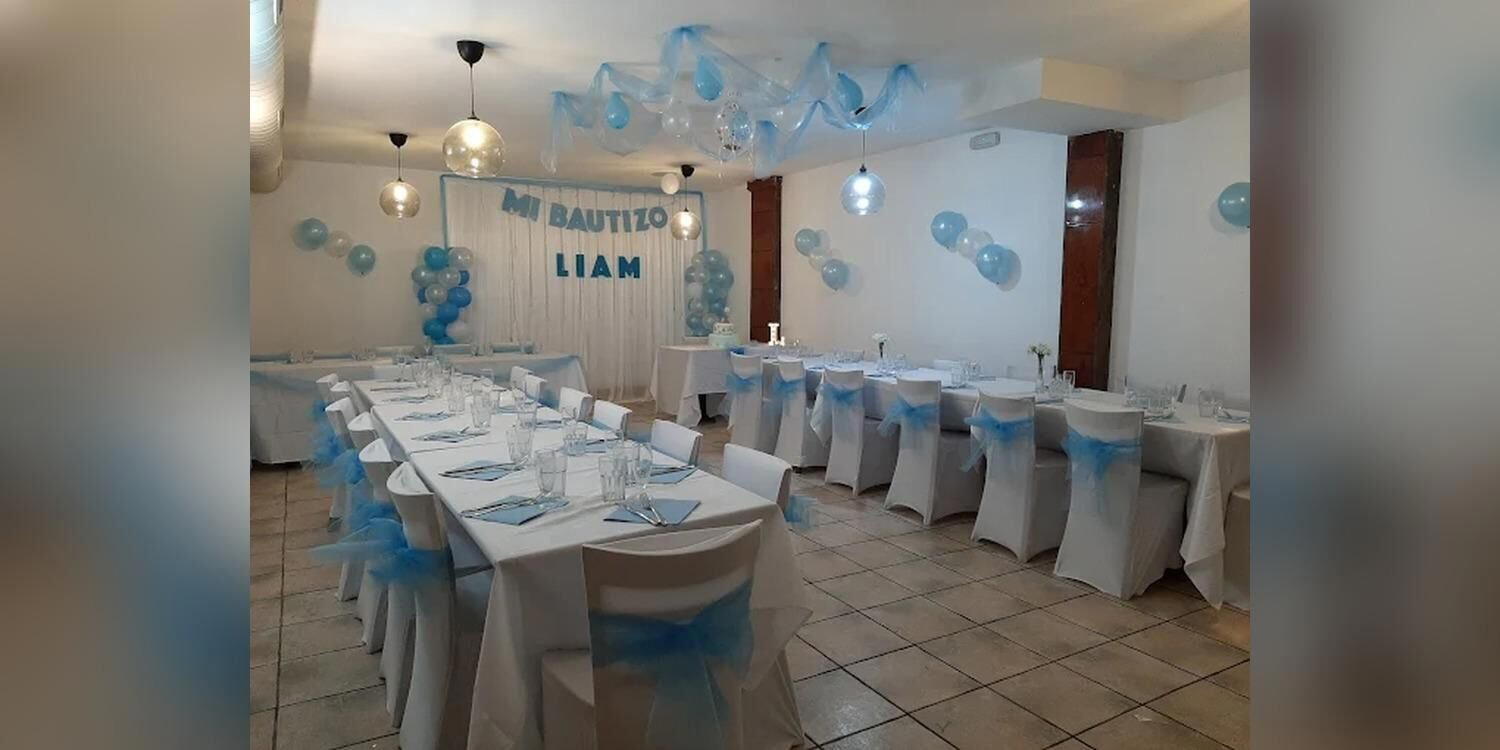
A Long Way from the Ramblas, and That's the Point
Barcelona's dining conversation tends to cluster in the Eixample and the Gothic Quarter, or in the creative-tasting-menu tier occupied by places like Disfrutar, ABaC, and Cocina Hermanos Torres. Nou Barris, the working-class district that stretches toward the city's northern limit, rarely enters that conversation. It is a neighbourhood of long-standing residents, mid-century housing blocks, and a restaurant culture that answers to its own community rather than to guidebook cycles. MisTres Regiones sits on Carrer d'Argullós in that context, a street address that carries weight for the people who live within walking distance.
That dynamic, a local restaurant with genuine neighbourhood attachment, is harder to find in Barcelona than it once was. What tends to survive further out is something more specific: places that have found their regulars, held them, and built an identity around that relationship rather than around passing footfall.
The Regional Mexican Question in a European City
The name MisTres Regiones signals a cooking tradition built on regional variation. Mexican cuisine at its most serious is not a single category but a collection of distinct regional grammars, Oaxacan moles and tlayudas, Yucatecan achiote preparations, Veracruz seafood traditions, northern border grilling cultures, each with its own larder and logic. Restaurants that choose to invoke that plurality, as the name here does, are making a claim about depth rather than generalisation.
The broader category of Mexican food has a long history of simplification in export form. The past decade has seen a corrective movement, with chefs in cities from London to Copenhagen working explicitly from regional source material. Barcelona has seen some movement in this direction, though the cuisine remains underrepresented relative to its presence in Madrid or in northern European capitals. Within that limited field, venues that position around regional specificity occupy a different tier than those operating on a more generic template.
For Spanish diners, the encounter with serious regional Mexican cooking also carries a particular historical charge. The colonial-era exchange between Spain and the Americas created shared ingredients, chilli, cacao, vanilla, tomato, that moved in both directions and are now foundational to both cuisines. A restaurant name that invokes the regions is, in that light, also invoking that layered history, even if the menu itself stays focused on the cooking rather than the concept.
What Keeps the Regulars Returning
The clearest signal of a neighbourhood restaurant's actual standing is the composition of its repeat clientele. Not who comes once, drawn by a recommendation or a review, but who comes back without prompting, the table in the corner that has a usual order, the pair who arrive at the same time on the same night each week. In Nou Barris, where dining decisions are rarely driven by social media positioning, that kind of loyalty is earned through consistency and value rather than through atmosphere curation.
For restaurants in this outer-barrio position, the unwritten menu is often as important as the printed one. Regulars tend to know which dishes outperform their menu description, which specials are worth the wait, and which days the kitchen is at its most focused. That knowledge accumulates slowly and transfers by word of mouth rather than through any formal channel, which is, in part, why places like this remain genuinely local even when the wider city is aware of them.
The broader pattern across Barcelona's outer districts suggests that this kind of regulars-first model tends to produce tighter, more stable cooking than the tourist-dependent middle tier. The kitchen is cooking for people who will notice if something changes, which is a different discipline than cooking for an ever-renewing audience of first-time visitors.
Placing MisTres Regiones in the Wider Spanish Context
Barcelona's most decorated restaurants operate in a different register entirely. The multi-Michelin tier, Lasarte, Enigma, and their peers, is part of a national creative-cooking conversation that also includes El Celler de Can Roca in Girona, Arzak in San Sebastián, Mugaritz in Errenteria, Azurmendi in Larrabetzu, Martin Berasategui in Lasarte-Oria, Quique Dacosta in Dénia, Aponiente in El Puerto de Santa María, Atrio in Cáceres, and Ricard Camarena in València. The restaurant does not occupy that tier, and it does not need to. It sits in a different and equally legitimate part of the dining ecosystem: the neighbourhood-anchored, repeat-visitor restaurant that holds its community together over time.
That category tends to be under-documented relative to its importance. Atomix in New York or Le Bernardin, there are dozens of places doing consistent, honest work for the people who actually live in the city. In Nou Barris, the restaurant appears to be one of those places. DiverXO represents the apex of what that city's scene produces.
Know Before You Go
Address: Carrer d'Argullós, 79, Nou Barris, 08016 Barcelona, Spain
District: Nou Barris, northern Barcelona, accessible by metro (Line 1, Fabra i Puig or Torras i Bages stations are the closest interchange points for this part of the district)
Cuisine: Regional Mexican (name signals multi-region focus; specifics of current menu not confirmed)
Price range: Not confirmed; outer-barrio neighbourhood positioning typically implies accessible pricing relative to central Barcelona
Hours: Not confirmed; verify before travelling
A Credentials Check
Comparable venues nearby, for context on price, style, and recognition.
| Venue | Cuisine | Price | Notes |
|---|---|---|---|
| MisTres RegionesThis venue — the venue you are viewing | Tres Regiones Spanish Regional Cuisine | Not listed | Not listed |
| El Glop Gaudí | Traditional Catalan | $$ | la Sagrada Familia |
| La Paella de Su | Authentic Valencian Paella | $$ | la Dreta de l'Eixample |
| Demo Gastrobar | Modern Spanish Gastrobar Tapas | $$ | la Vila de Gracia |
| Taller de Tapas | Authentic Spanish & Catalan Tapas | $$ | la Dreta de l'Eixample |
| La Esquinica | Traditional Spanish Tapas | $$ | el Turo de la Peira |
Continue exploring
More in Barcelona
Restaurants in Barcelona
Browse all →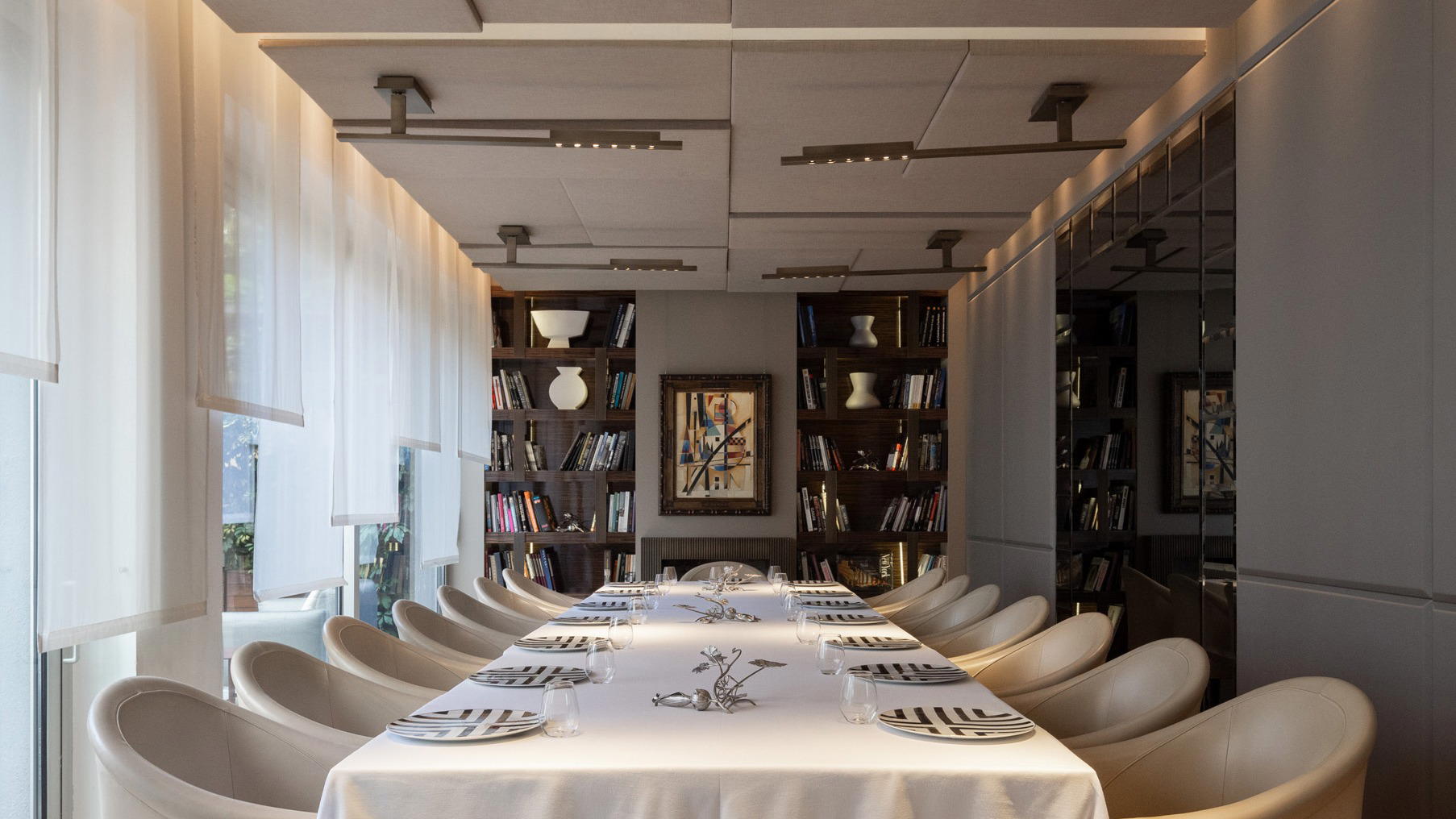
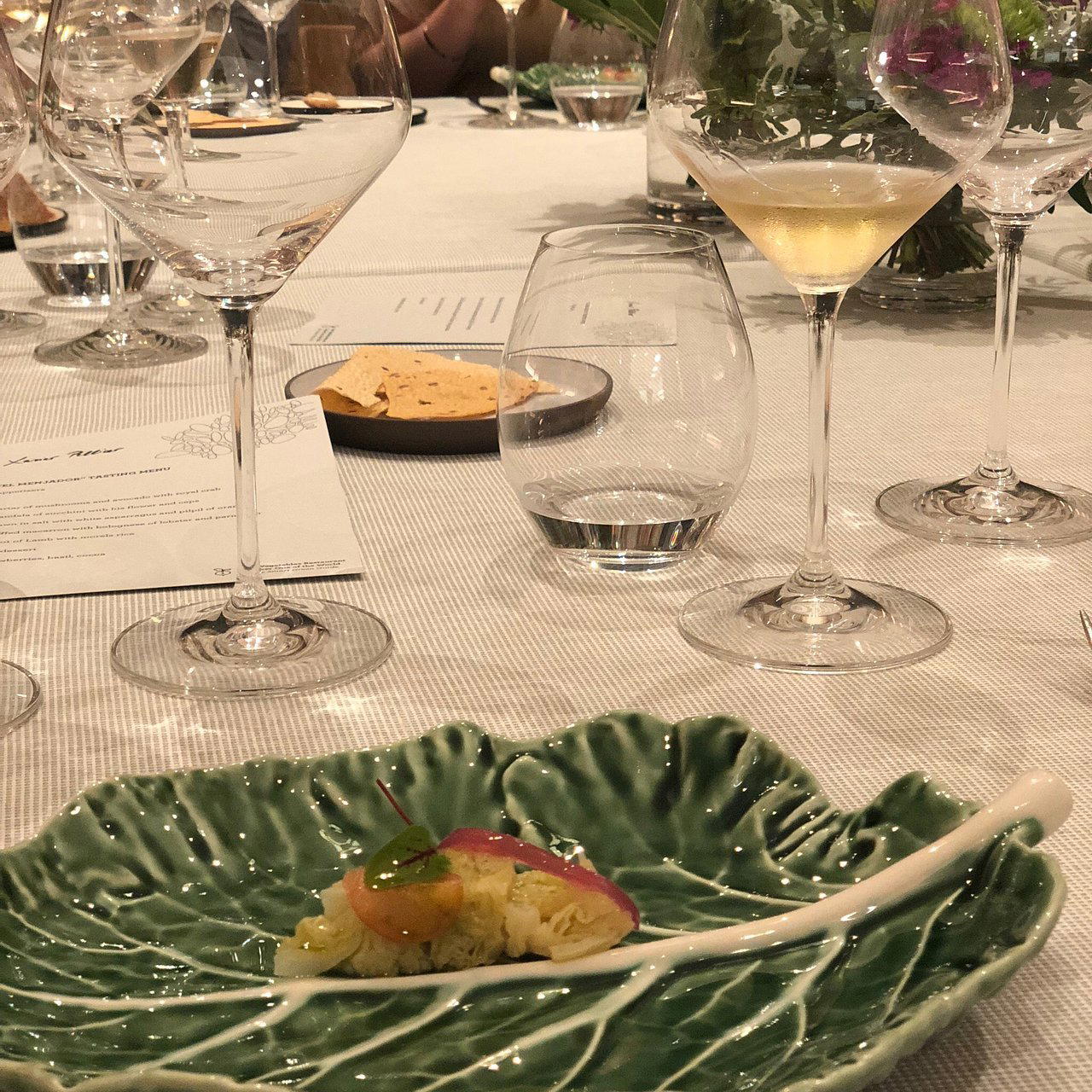
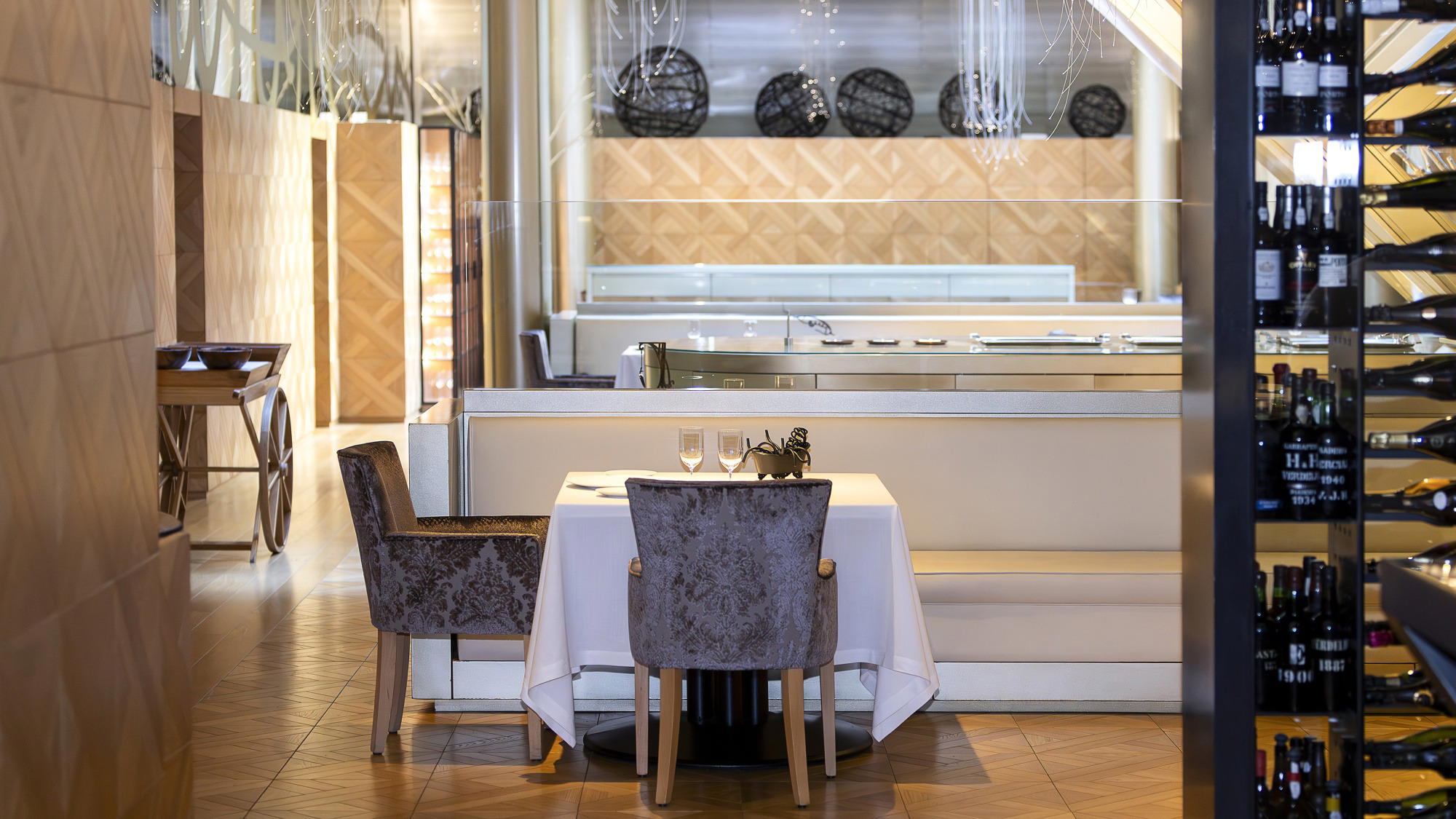
Bars in Barcelona
Browse all →
Hotels in Barcelona
Browse all →


At a Glance
- Casual Hangout
Current opening hours
- Monday
- 10 AM–6 PM
- Tuesday
- 10 AM–6 PM
- Wednesday
- 10 AM–10 PM
- Thursday
- 10 AM–10 PM
- Friday
- 10 AM–12 AM
- Saturday
- 8 AM–12 AM
- Sunday
- 8 AM–10 PM
Hours can change for holidays and private events. Last verified .