Taller de Tapas serves authentic Spanish and Catalan tapas on Rambla de Catalunya, with an extensive wine list, terrace seating, and open kitchen views.
Pearl is the En Primeur Club membership app — saves, bookings, and concierge access live there. Same editors, same standards.
- Address
- Rambla de Catalunya, 49, 51, L'Eixample, 08007 Barcelona, Spain
- Phone
- +34934874842
- Website
- tallerdetapas.com
- Directions
- Get directions
 Saves & bookings on Pearl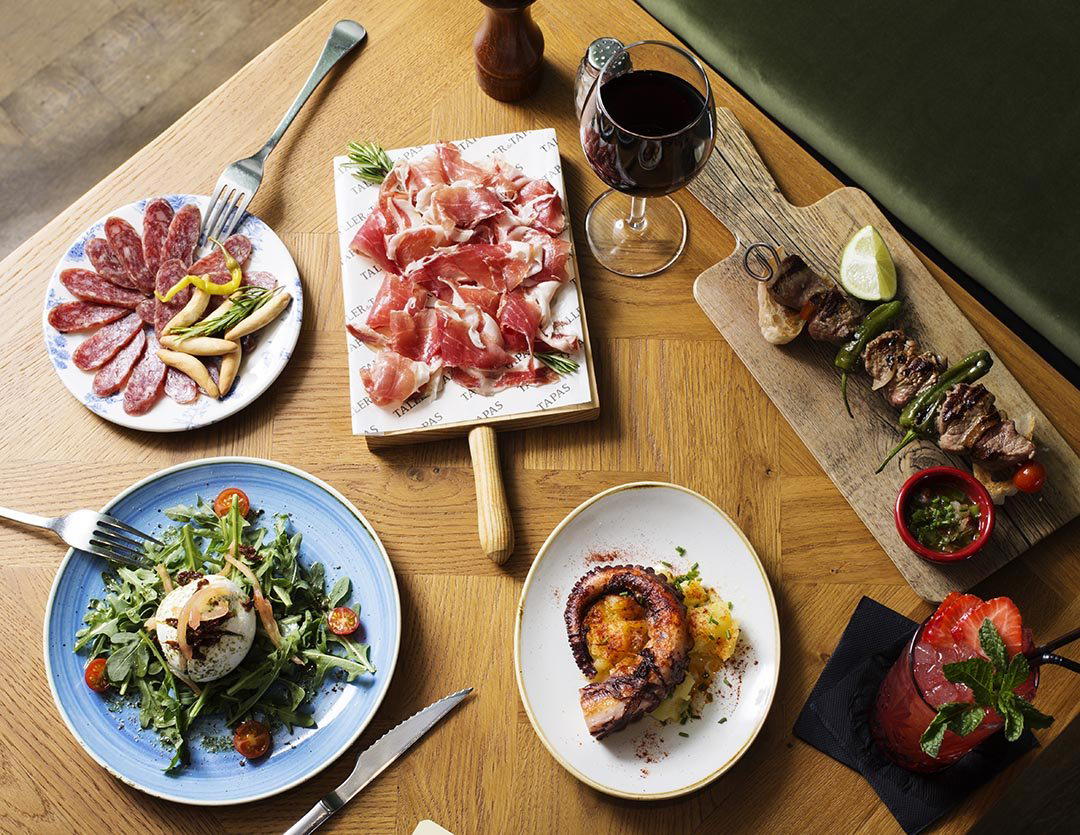
Tapas as Ritual: Eating Along Rambla de Catalunya
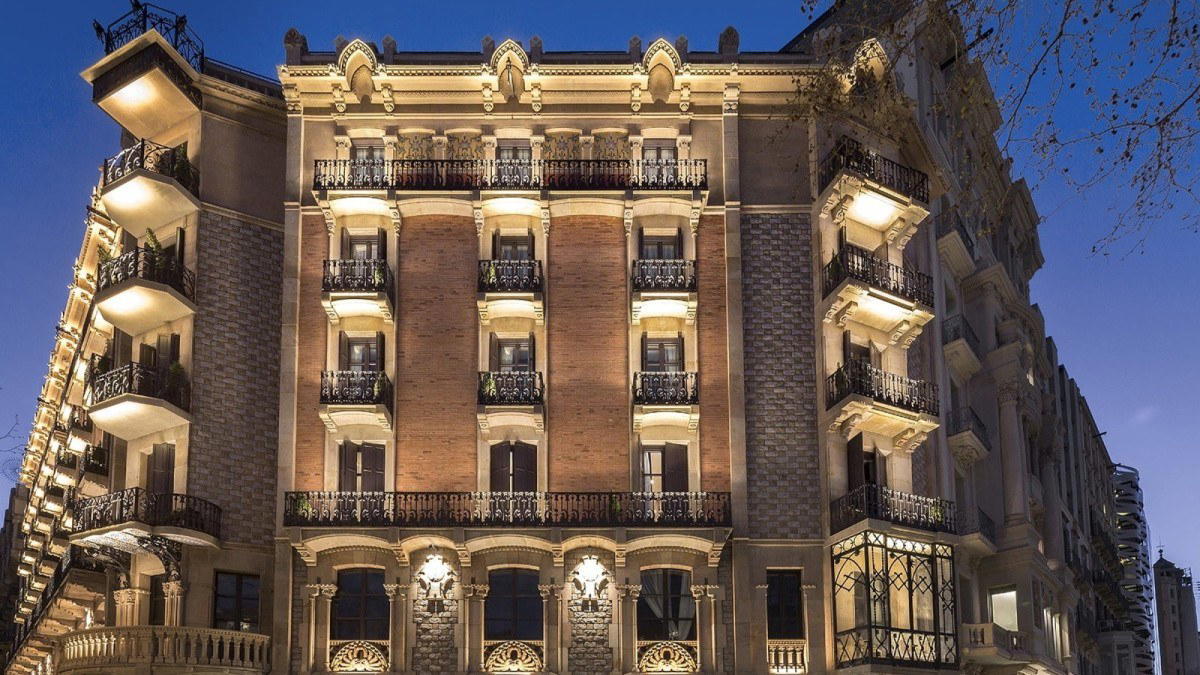
The Rambla de Catalunya cuts through L'Eixample with a different tempo than its more famous southern cousin. Broader pavements, plane trees that actually shade the terraces, a clientele that skews residential rather than tourist. Taller de Tapas sits at numbers 49 and 51 along this stretch.
Tapas culture in Barcelona operates on a set of unspoken rhythms that visitors often misread. The format rewards patience, repetition, and the willingness to order in waves rather than all at once. Taller de Tapas, with this L'Eixample address functioning as a reliable anchor point, is positioned within that tradition rather than outside it. It is a mid-market tapas operation in a city where the category spans from bar-counter olives to the molecularly reworked pintxos at the upper end of Barceloneta's seafood circuit.
The Ritual of the Spread: How the Meal Unfolds
In any competent tapas room, the first order establishes intent. Pan con tomate arrives not as a courtesy but as a signal: bread rubbed hard against ripe tomato, drizzled with oil, the salt added at the table. This is how the meal at addresses like this one calibrates the kitchen. It is a dish with no technical complexity and nowhere to hide, and in Barcelona it functions as the opener to everything that follows.
The logic of tapas pacing asks diners to think in rounds. A first wave of cold preparations, conservas, or cured items creates the foundation. Then a second wave of cooked plates, often including something with egg, something with seafood, something with potato. The meal does not have a climax in the classical sense; it has accumulation. The social architecture of sharing from communal plates means the conversation and the food arrive at the table together, and neither is meant to stop while the other happens.
Spanish tapas culture has been mythologised in northern European and American food media, often framed as spontaneous and casual to the point of chaos. The reality, particularly in a city as food-literate as Barcelona, is more structured. Portions are calibrated. Timing matters. A well-run tapas kitchen sends dishes when they are ready, not when a server decides the table needs attention, and a well-trained dining room knows the difference. Taller de Tapas operates within this framework at a price point that keeps it accessible to the neighbourhood rather than reserved for special occasions.
Barcelona's Tapas Tier: Where This Address Fits
Barcelona's restaurant culture in 2024 separates into distinct tiers that rarely overlap. At the summit sit operations like Disfrutar (Progressive, Creative), Cocina Hermanos Torres (Creative), ABaC (Creative), Lasarte (Progressive Spanish, Creative), and Enigma (Creative), all of which operate tasting menus at €€€€ price points and require advance booking weeks or months out. Cinc Sentits and Enoteca Paco Pérez hold a similar tier in modern Spanish and modern cuisine respectively. These are destination restaurants with international reputations and the booking difficulty that accompanies that status.
The restaurant occupies a different position entirely. It is part of a broader category of accessible, repeatable tapas addresses that L'Eixample depends on for its daily dining culture. The comparison set here is not the Michelin-starred circuit; it is the reliable tapas house where you eat well on a Tuesday because you live nearby, or because you want something honest after a long afternoon on the street. That category is harder to maintain than it appears: the economics of casual dining in a tourist-heavy city push operators toward lower-quality ingredients and abbreviated menus. Addresses that hold a consistent standard in the mid-market tier across multiple city locations are doing something worth noting.
The wider Spanish dining tradition that restaurant draws from is among the more internationally studied in the world. El Celler de Can Roca in Girona, Arzak in San Sebastián, Mugaritz in Errenteria, Martin Berasategui in Lasarte-Oria, Azurmendi in Larrabetzu, Aponiente in El Puerto de Santa María, Quique Dacosta in Dénia, Atrio in Cáceres, Ricard Camarena in València, and DiverXO in Madrid all represent the creative apex of that tradition. But the tradition also rests on a much larger base of everyday tapas culture, and that base is where most of the actual eating in Spain happens. It is where technique is less visible and ingredient quality is the primary variable.
L'Eixample as Dining Context
The Eixample grid, designed by Ildefons Cerdà in the 1860s, was conceived with chamfered corners to allow light and movement at every intersection. The neighbourhood's restaurants have inherited that logic in a loose sense: this is not a district of hidden courtyard dining or atmospheric alley bars, but of legible, street-level addresses where the dining room is visible from outside and the terrace is a genuine extension of the meal. Rambla de Catalunya specifically functions as one of the city's better terraced dining corridors, with enough shade and enough distance from heavy traffic to make outdoor eating viable for a longer season than most Barcelona streets allow.
The restaurant sits in the practical tier: an address that does not require the same planning as a tasting-menu reservation and does not carry the same price commitment. It is also worth cross-referencing against the international tapas-adjacent format, where something like Atomix in New York City or Le Bernardin in New York City illustrates how far the small-plate format has travelled from its Iberian origins and how different the formality gradient becomes at those price points.
Planning Your Visit
Address: Rambla de Catalunya, 49-51, L'Eixample, 08007 Barcelona. Reservations are recommended. Budget: Positioned in the accessible mid-market tapas tier; expect to spend around $25 per person. Hours: Mon to Thu and Sun, 11 AM to 12 AM; Fri and Sat, 11 AM to 12:30 AM.
Accolades, Compared
Comparable venues nearby, for context on price, style, and recognition.
| Venue | Cuisine | Price | Notes |
|---|---|---|---|
| Taller de TapasThis venue — the venue you are viewing | Authentic Spanish & Catalan Tapas | $$ | Not listed |
| Demo Gastrobar | Modern Spanish Gastrobar Tapas | $$ | la Vila de Gracia |
| Bardot @bardotbarcelona | Sophisticated Catalan Tapas | $$ | l'Antiga Esquerra de l'Eixample |
| Maysi Restaurant Barcelona | Mediterranean & Spanish Cuisine | $$ | l'Antiga Esquerra de l'Eixample |
| Santa Magdalena | Traditional Catalan | $$ | la Vila de Gracia |
| TAPAS AVINYO | Authentic Spanish Tapas | $$ | Barri Gotic |
Continue exploring
More in Barcelona
Restaurants in Barcelona
Browse all →
Bars in Barcelona
Browse all →
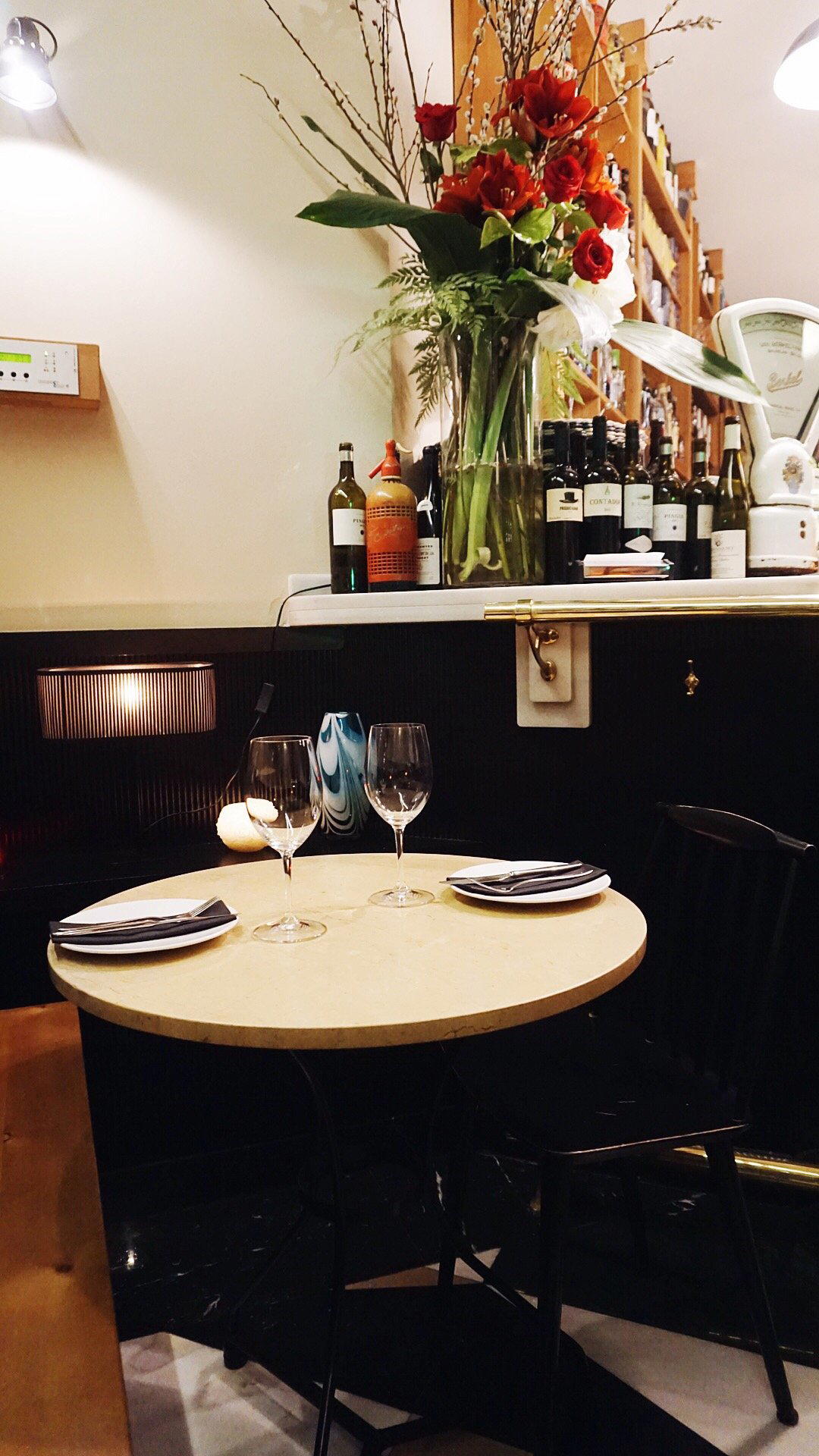
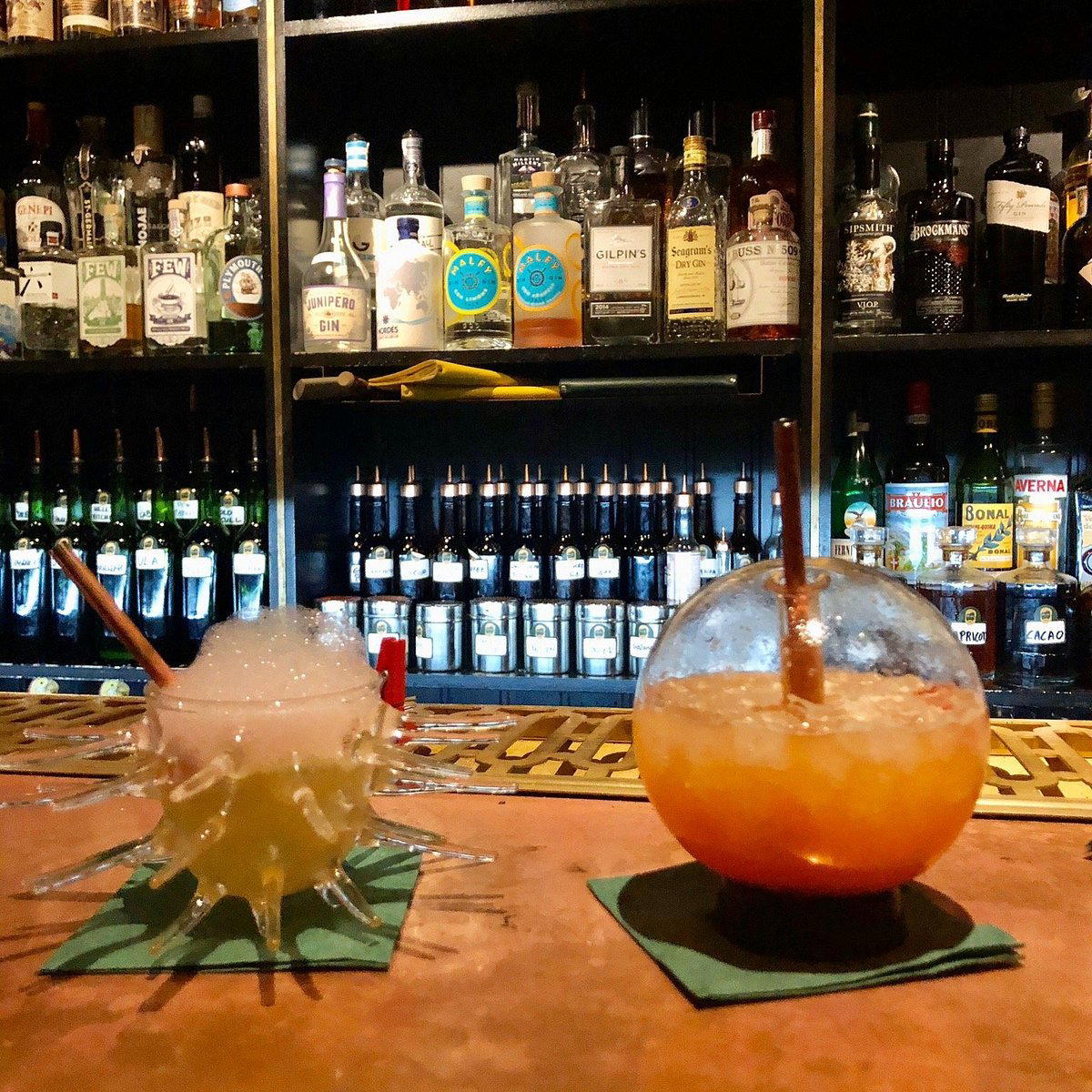
Hotels in Barcelona
Browse all →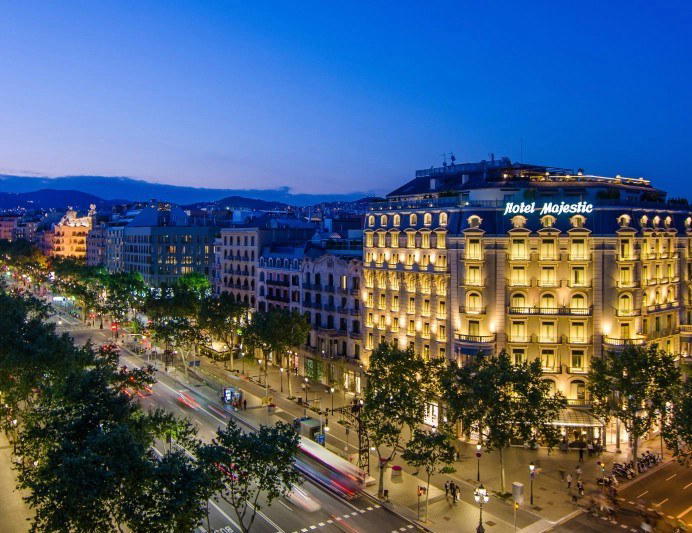
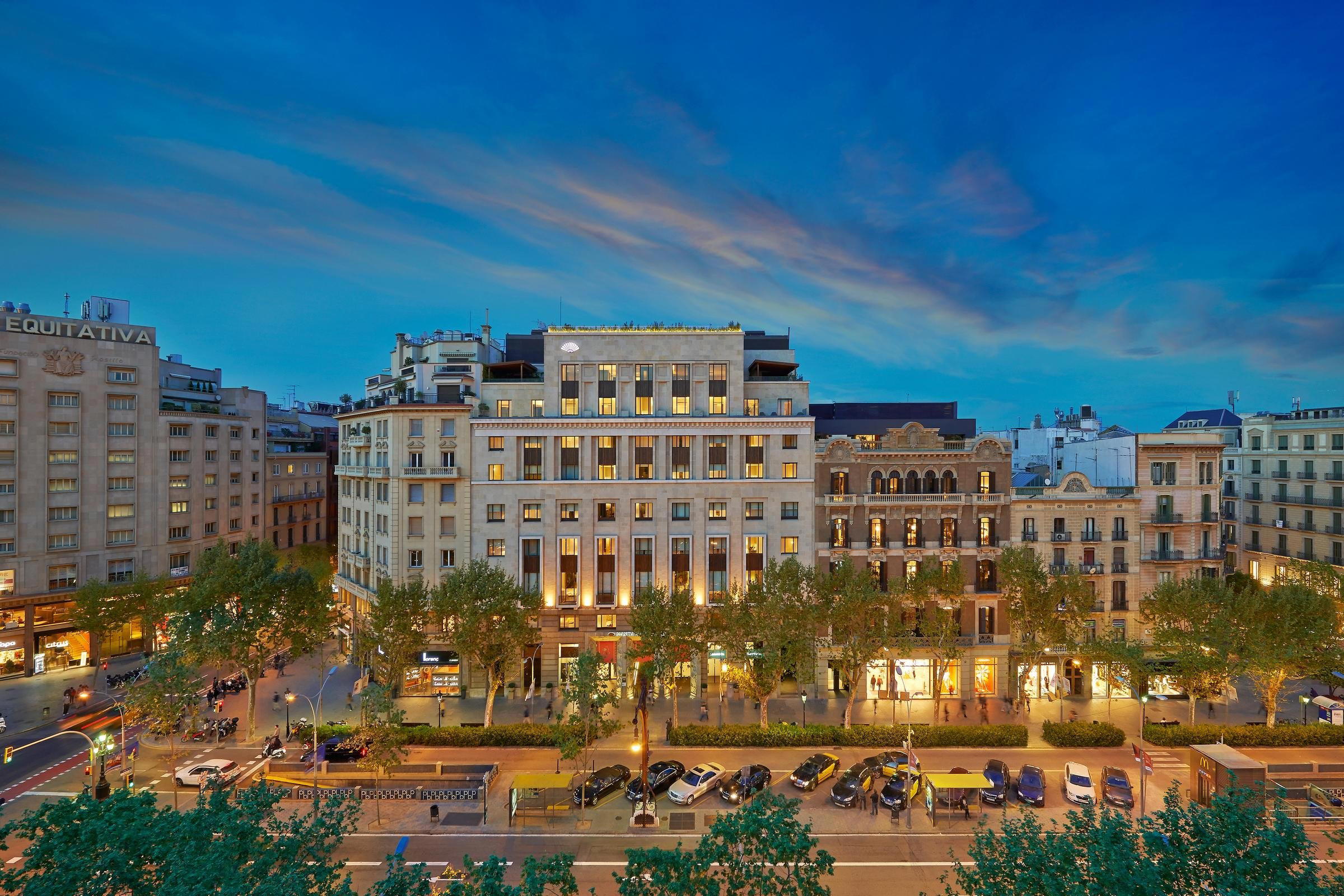
At a Glance
- Lively
- Trendy
- Casual Hangout
- Group Dining
- Terrace
- Open Kitchen
- Extensive Wine List
- Local Sourcing
- Street Scene
Current opening hours
- Monday
- 11 AM–12 AM
- Tuesday
- 11 AM–12 AM
- Wednesday
- 11 AM–12 AM
- Thursday
- 11 AM–12 AM
- Friday
- 11 AM–12:30 AM
- Saturday
- 11 AM–12:30 AM
- Sunday
- 11 AM–12 AM
Hours can change for holidays and private events. Last verified .
Lively and lively atmosphere with attentive service in a bustling urban setting.