On Carrer de Pau Claris in the Eixample, La Paella de Su occupies a distinct position in Barcelona's rice-and-fire tradition. While the city's creative fine-dining circuit pushes outward toward abstraction, this address holds to the disciplined craft of paella as its central subject. For visitors mapping Barcelona's broader dining scene, it represents the case for classical Valencian rice cookery done with precision.
Pearl is the En Primeur Club membership app — saves, bookings, and concierge access live there. Same editors, same standards.
- Address
- Carrer de Pau Claris, 118, Eixample, 08009 Barcelona, Spain
- Phone
- +34932294902
- Website
- lapaelladesu.com
- Directions
- Get directions
 Saves & bookings on Pearl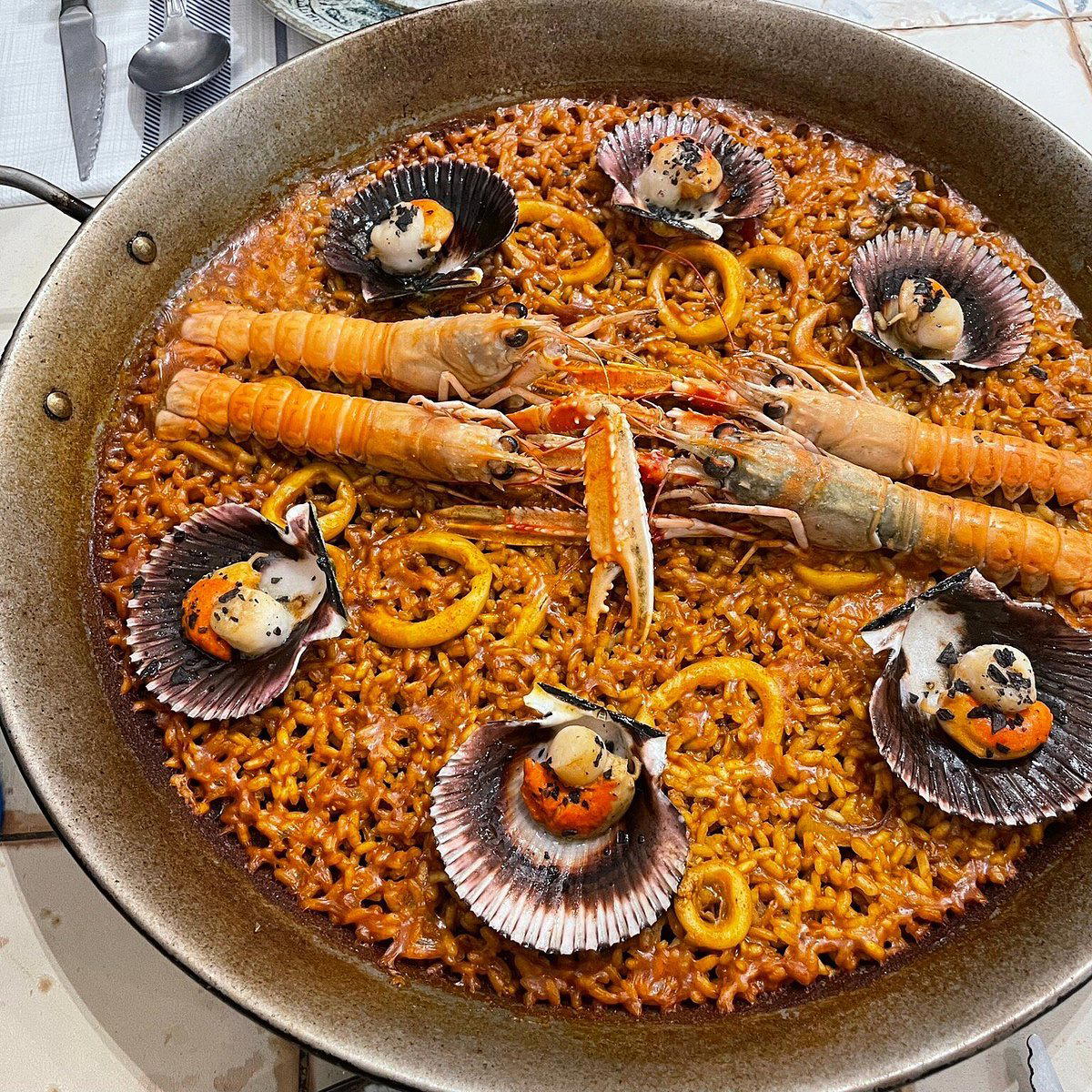
Rice, Heat, and the Eixample Grid
Barcelona sits at an awkward distance from the heartland of paella tradition. The dish belongs, by origin and orthodoxy, to Valencia, roughly 350 kilometres to the south along the Mediterranean coast. That geography matters when you encounter a dedicated paella address on Carrer de Pau Claris, in the Eixample's ordered grid of bourgeois apartment blocks and mid-century commerce. The city has long hosted rice dishes across its dining spectrum, from beachside chiringuitos near Barceloneta to upscale interpretations at hotel restaurants, but a focused, serious rice house in the interior of the Eixample places a deliberate bet: that the dish can hold the room on its own terms, without surrounding it with the theatre of sea views or the scaffolding of a tasting menu.
La Paella de Su occupies that position on Pau Claris, a street that runs through the heart of the Eixample Dret between the architectural landmarks of the Passeig de Gràcia axis and the Rambla de Catalunya. The neighbourhood here is residential-commercial, its lunch trade driven by local professionals and visiting guests from the cluster of hotels nearby. It is not a destination dining street in the sense that Carrer de Muntaner or the Gràcia side streets have become, which means a paella house here must earn its footfall from reputation rather than foot traffic.
The Discipline of the Socarrat
Across Spain's rice-cooking tradition, particularly contested and instructive variable is the socarrat, the caramelised crust that forms at the base of the pan when heat, timing, and rice variety align correctly. It is the marker that separates technically accomplished paella from the merely presentable. Achieving it consistently requires a fixed heat source, correctly calibrated liquid ratios, and the discipline not to stir. In a restaurant context, that discipline extends to kitchen sequencing: paella does not hold, does not reheat well, and punishes shortcuts in a way that many kitchen-friendly preparations do not.
This is the structural argument for specialisation. Restaurants that treat paella as one item among many on a broad Catalan or Spanish menu frequently produce versions that are serviceable but technically incomplete. The socarrat either wasn't attempted or wasn't achieved. The rice absorbed too much liquid too early, or not enough late. A dedicated rice house, by contrast, organises its entire kitchen logic around the pan, its heat source, and its timing. That focus is what distinguishes addresses like La Paella de Su from the broader category of restaurants that serve paella among other things.
Barcelona's relationship with rice cookery is also shaped by its proximity to the Delta de l'Ebre, one of Spain's principal rice-growing regions, which produces short-grain varieties suited to absorbing stock without becoming starchy. The availability of local rice at this quality level is a logistical advantage that Catalan and Valencian kitchens share, and one that separates the Iberian rice tradition from interpretations further afield. Diners visiting from cities where paella is largely an imported concept will find the ingredient baseline here materially different.
Where La Paella de Su Sits in the Barcelona Dining Map
Barcelona's highest-profile restaurants in 2024 cluster around the creative fine-dining mode: Disfrutar (Progressive, Creative) and Enigma (Creative) at the technical avant-garde end, Cocina Hermanos Torres (Creative) and Lasarte (Progressive Spanish, Creative) in the Michelin-recognised tier, and ABaC (Creative) occupying the hotel fine-dining bracket. These addresses share a set of assumptions: multi-course formats, abstracted technique, and a competitive frame that references other tasting-menu restaurants rather than tradition.
A dedicated paella house operates in a different register entirely. Its competitive comparable set is not Disfrutar or Lasarte but other serious rice restaurants, measured by the quality of the base stock, the consistency of the socarrat, and the sourcing of proteins, whether rabbit and chicken in a Valenciana format or seafood in a marinera interpretation. The critical language shifts accordingly, from conceptual ambition to technical execution. This is not a lesser category; it is a different one, with its own rigorous standards and its own informed audience.
Within Spain's broader dining geography, the rice tradition finds its most celebrated practitioners outside Barcelona's city limits. Quique Dacosta in Dénia has built a three-Michelin-star reputation partly on the foundation of rice cookery refined to fine-dining grammar. Ricard Camarena in València works from the Valencian heartland itself. At the further reaches of Spain's creative dining circuit, addresses like El Celler de Can Roca in Girona, Aponiente in El Puerto de Santa María, Arzak in San Sebastián, Azurmendi in Larrabetzu, Mugaritz in Errenteria, Martin Berasategui in Lasarte-Oria, Atrio in Cáceres, and DiverXO in Madrid represent a Spanish fine-dining circuit operating at international scale. La Paella de Su's frame of reference is narrower and more specific, which is its point.
Approaching the Venue
Pau Claris runs north-south through the Eixample, connecting the uptown commercial belt to the Plaça de Catalunya end of the city. The street at number 118 falls in a block that mixes ground-floor retail with residential floors above, typical of the Eixample's nineteenth-century Cerdà grid. Arriving at midday, the light in the Eixample is particular: the wide pavements and uniform cornice lines create a diffuse, even illumination that Barcelonins associate with the neighbourhood's specific quality of afternoon. The smell of sofregit, the Catalan onion-and-tomato base that underlies so much of the region's cooking, is the sensory signal that places you within a certain kind of Spanish lunch.
For practical planning: the Eixample is accessible from the Passeig de Gràcia metro station on lines 2, 3, and 4, placing the street a short walk from the central Gràcia and Passeig de Gràcia intersections. Lunch in Barcelona conventionally runs from 2pm to 4pm, later than northern European or American frames of reference, and paella is by tradition a midday rather than an evening dish. Visitors scheduling around this should plan accordingly. Booking details should be confirmed directly with the venue.
Comparisons with technically focused international peers, such as Le Bernardin in New York City or Atomix in New York City, illustrate how different culinary traditions approach the discipline of specialisation at a high level.
Comparable Venues
Comparable venues nearby, for context on price, style, and recognition.
| Venue | Cuisine | Price | Notes |
|---|---|---|---|
| La Paella de SuThis venue — the venue you are viewing | Authentic Valencian Paella | $$ | Not listed |
| Taller de Tapes | Traditional Spanish Tapas | $$ | Sant Pere, Santa Caterina i la Ribera |
| La Sosenga | Contemporary Catalan | $$ | Barri Gotic |
| La Bendita | Spanish Tapas and Paella | $$ | la Sagrada Familia |
| Euskal Etxea | Basque Pintxos and Tavern | $$ | Sant Pere, Santa Caterina i la Ribera |
| Ca l'Agut | Traditional Catalan | $$ | Barri Gotic |
Continue exploring
More in Barcelona
Restaurants in Barcelona
Browse all →
Bars in Barcelona
Browse all →
Hotels in Barcelona
Browse all →
At a Glance
- Cozy
- Classic
- Intimate
- Family
- Group Dining
- Special Occasion
- Open Kitchen
- Extensive Wine List
- Local Sourcing
Current opening hours
- Monday
- 1–5 PM, 7 PM–12 AM
- Tuesday
- 1–5 PM, 7 PM–12 AM
- Wednesday
- 1–5 PM, 7 PM–12 AM
- Thursday
- 1–5 PM, 7 PM–12 AM
- Friday
- 1–5 PM, 7 PM–12 AM
- Saturday
- 1–5 PM, 7 PM–12 AM
- Sunday
- 1–5 PM, 7 PM–12 AM
Hours can change for holidays and private events. Last verified .
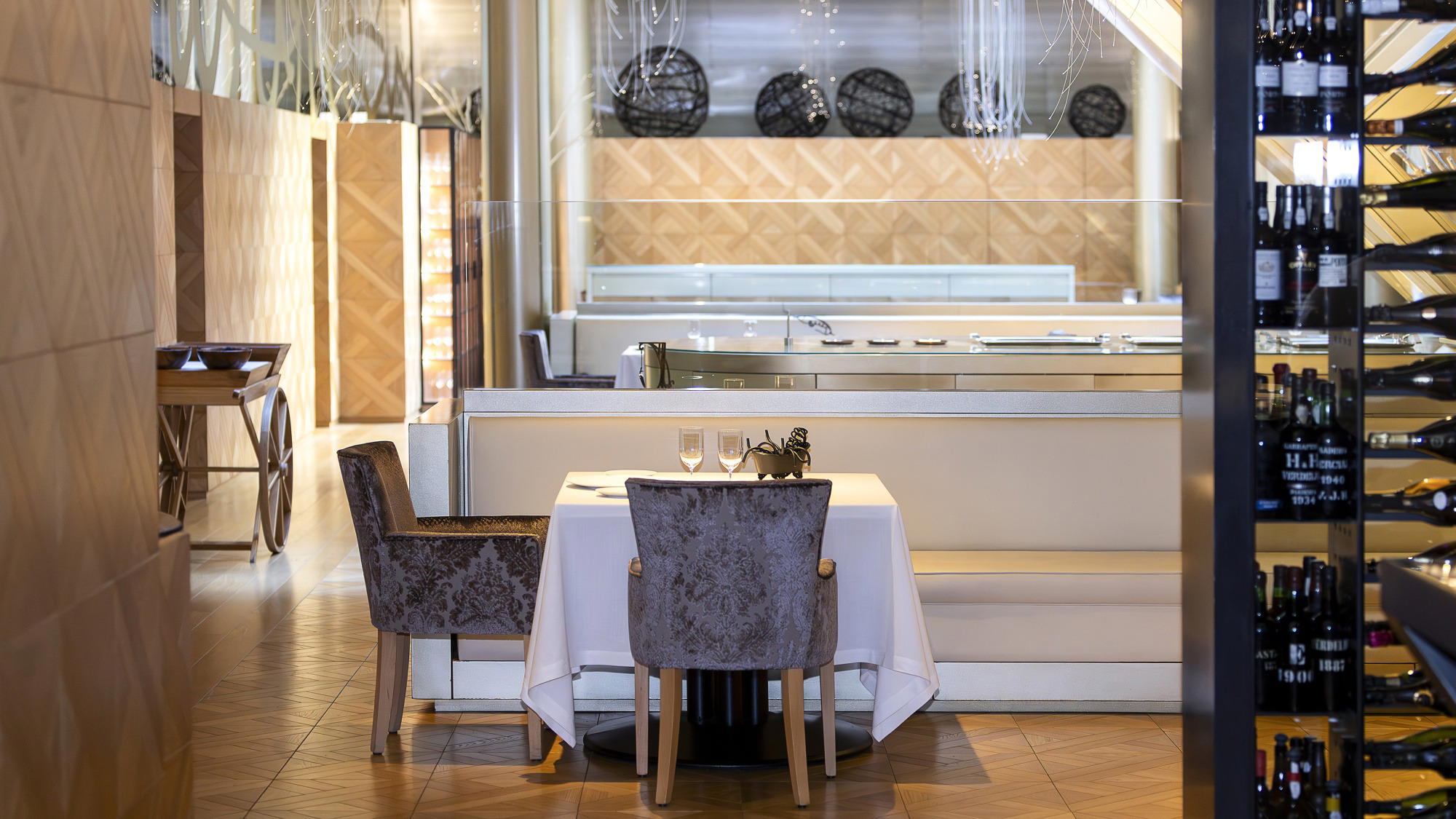
Cozy and inviting with warm interior and open kitchen for an interactive dining experience.