
Ramen MAIKAGURA belongs to Tokyo’s serious suburban ramen circuit, where counter seats, repeat Tabelog 100 recognition, and low ticket prices sharpen the lunch-versus-dinner calculation. The Chitose-Funabashi address puts it outside the central hotel path, but the value proposition is clear: a small ramen and tsukemen shop with sustained local critical traction.
Pearl is the En Primeur Club membership app — saves, bookings, and concierge access live there. Same editors, same standards.
- Address
- 東京都世田谷区船橋1-38-4
- Phone
- +81368757110
- Website
- tabelog.com
 Saves & bookings on Pearl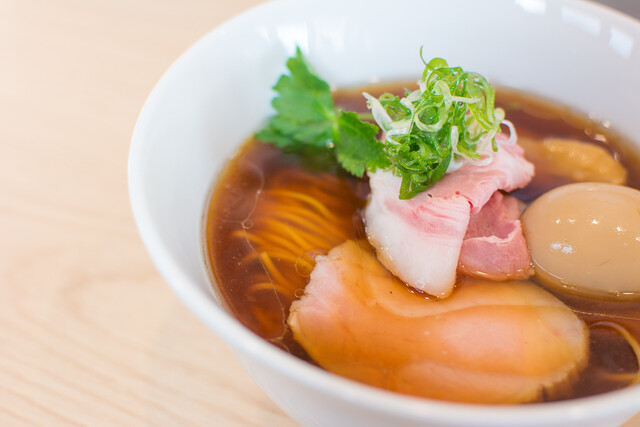
Chitose-Funabashi moves to west-side Tokyo’s quieter rhythm rather than Shinjuku or Ginza compression: station exits, residential streets, modest shopfronts, and queues formed by people who know what they came for. Here, ramen is not a reservation game or luxury tasting format; it is a focused counter meal where timing, turnover, and broth style matter.
Tokyo ramen now runs in several lanes: central-city shops for visitors, specialist counters locals cross town for, and suburban addresses whose reputations travel through rankings, repeat regulars, and station-line loyalty. Ramen MAIKAGURA belongs to the third. Its Tabelog Ramen TOKYO 100 selection from 2020 through 2025 signals sustained recognition rather than a one-year spike, and its Tabelog score of 3.86 puts it in serious contention in a category where decimals matter.
Daytime value, evening discipline, and the ramen counter calculation
The lunch-versus-dinner divide matters especially at ramen shops. Lunch turns the counter into a working-day ritual: fast decisions, compact budgets, and practical urgency before the afternoon resumes. Dinner slows the tempo. The same price band feels more deliberate after work, when tsukemen and ramen become a destination rather than convenience.
That is the useful read here. Average spend is listed at JPY 1,000 to JPY 1,999 for both lunch and dinner, keeping the evening proposition unusually efficient by Tokyo standards. Where premium sushi, French, and kappo can make dinner a financial commitment, ramen preserves a democratic counter economy. The difference is mood and intent, not price: lunch rewards tactical timing; dinner rewards the diner willing to leave central Tokyo for a short, specific meal.
The menu category is ramen and tsukemen, placing the shop in contemporary Tokyo’s ingredient-focused noodle tradition rather than an old-school broad diner format. Without naming a signature bowl where none is listed, the format is the point: ramen resolves broth, tare, fat, noodle texture, and toppings into one composition; tsukemen separates noodles and dipping broth, exposing temperature, thickness, and seasoning balance more plainly. Shops listing both are judged by how well they handle two related but distinct tests.
The neighbourhood comparison helps. Chitose-Funabashi and the Setagaya rail corridor reward diners looking beyond the central wards. Nearby Chuka Soba Nishikawa operates in the same accessible price band, while the broader local mix reaches from French at Quatre Vingt Douze to spice-led Kalpasi and Sri Mangalam A/C Soshigaya-Okura Soshigaya ookura ten. The appeal is not a single-theme dining district, but a residential eating zone where specialists earn attention without tourist density.
Recognition here means consistency, not ceremony
Tabelog’s Hyakumeiten lists matter for ramen because Michelin-style ceremony is not the dominant language. A ramen counter needs no white tablecloths to be a serious critical object; it needs repetition, precision, and enough public consensus to withstand comparison across hundreds of shops. Selection for Tabelog Ramen TOKYO 100 from 2020 to 2025 gives Ramen MAIKAGURA the multi-year signal this category values.
The room size sharpens that signal. The shop lists 9 seats, with 7 seats under distanced operation, placing it at Tokyo ramen’s small-counter end rather than in a larger, higher-throughput model. That scale compresses the exchange between kitchen and diner, limits service slack, and makes timing part of the meal. Reservations are unavailable, so the choice is operational as well as culinary: arrive with patience, expect the counter to set the pace, and treat the visit as a focused stop, not a lingering session.
Cash discipline also fits the genre. Credit cards, electronic money, and QR code payments are not accepted, so the old ramen rule applies: carry yen and keep the transaction clean. Non-smoking status and family-friendly notes, including children welcome and a kids menu, broaden the audience without making the room feel like a casual chain. It is the Tokyo everyday-dining combination: serious food, low spend, minimal ceremony, and clear rules.
For visitors, this is not the same decision as chasing a central counter near a hotel or a reservation-only dining room. It asks for a west-side detour and rewards local recognition over spectacle. The address is in Funabashi, Setagaya, near Chitose-Funabashi Station, making it more natural for travellers already exploring the Odakyu Line corridor than for those stacking meals around Marunouchi or Roppongi.
Where it fits in a Tokyo itinerary
The smarter play is to treat the meal as part of a broader Tokyo eating map, not an isolated pilgrimage. Ramen MAIKAGURA suits diners comparing low-cost, high-signal Japanese formats before moving into other categories: sushi at 12/10 Shinjuku ten, yakitori at 124. KAGURAZAKA (Yakitori), curry at 3 Chome no Curry Ya San, or seafood and grill cooking at . 鮪と炭火焼き うお炭 秋葉原店. For a lighter shift, 2D Cafe shows how Tokyo’s casual scene can be as concept-driven as its counters are technique-driven.
Travellers extending the comparison across Japan can set Tokyo ramen against other regional formats: sukiyaki in Kanagawa at -Grilled beef Sukiyaki- KAMAKURA TANUKIAN 鎌倉 たぬき庵 in Kamakura, cafe culture at.cafe in Osaka, contemporary dining at.know in Kumamoto, Vietnamese cooking at (Shoku) Vietnam in Kawasaki, curry in Hokkaido at [Curry Senmon Ten] Maruyama Kyoju. in Sapporo, and Kyoto dining at [ki:] in Kyoto. Japanese food abroad can also be a useful mirror, from Jōdo Saké Bar in Los Angeles to Onigiri Time in Pasadena.
For the larger trip, use Our full Tokyo restaurants guide to place this stop among the city’s dining categories, then cross-check neighbourhood movement with Our full Tokyo hotels guide. The surrounding night can be built through Our full Tokyo bars guide, while category completists can scan Our full Tokyo wineries guide and Our full Tokyo experiences guide. The editorial answer is simple: this is a compact, recognized ramen stop where lunch offers speed and value, and dinner turns the same format into a deliberate west-side Tokyo choice.
Peers You’d Cross-Shop
Comparable venues at similar price and category levels.
| Venue | Cuisine | Price | Notes |
|---|---|---|---|
| Ramen MAIKAGURAThis venue — the venue you are viewing | Modern Tori Paitan Ramen | $$ | Not listed |
| Dashi to Men Yuei | Modern dashi-focused ramen | $$ | Suginami |
| Masudaya | Traditional Sukiyaki & Shabu-Shabu | $$ | Shinjuku |
| TAKEUCHI Chiyoda kanda jinbou honten | Japanese Curry | $$ | Chiyoda |
| Gensen Yoshoku Sakurai | Japanese-Western Yoshoku | $$ | Bunkyō |
| cuud Terminal 1 | Modern curry udon noodle bar | $$ | Ōta |
Recognition history
Dated appearances from independent guides and award organizations, with the underlying list record or original source where available.
Tabelog 100 #25 · No. 25
Tabelog · Tabelog 100 - Ramen - TOKYO - 2025














At a Glance
- Modern
- Cozy
- Minimalist
- Solo
- Family
- Casual Hangout
- Standalone
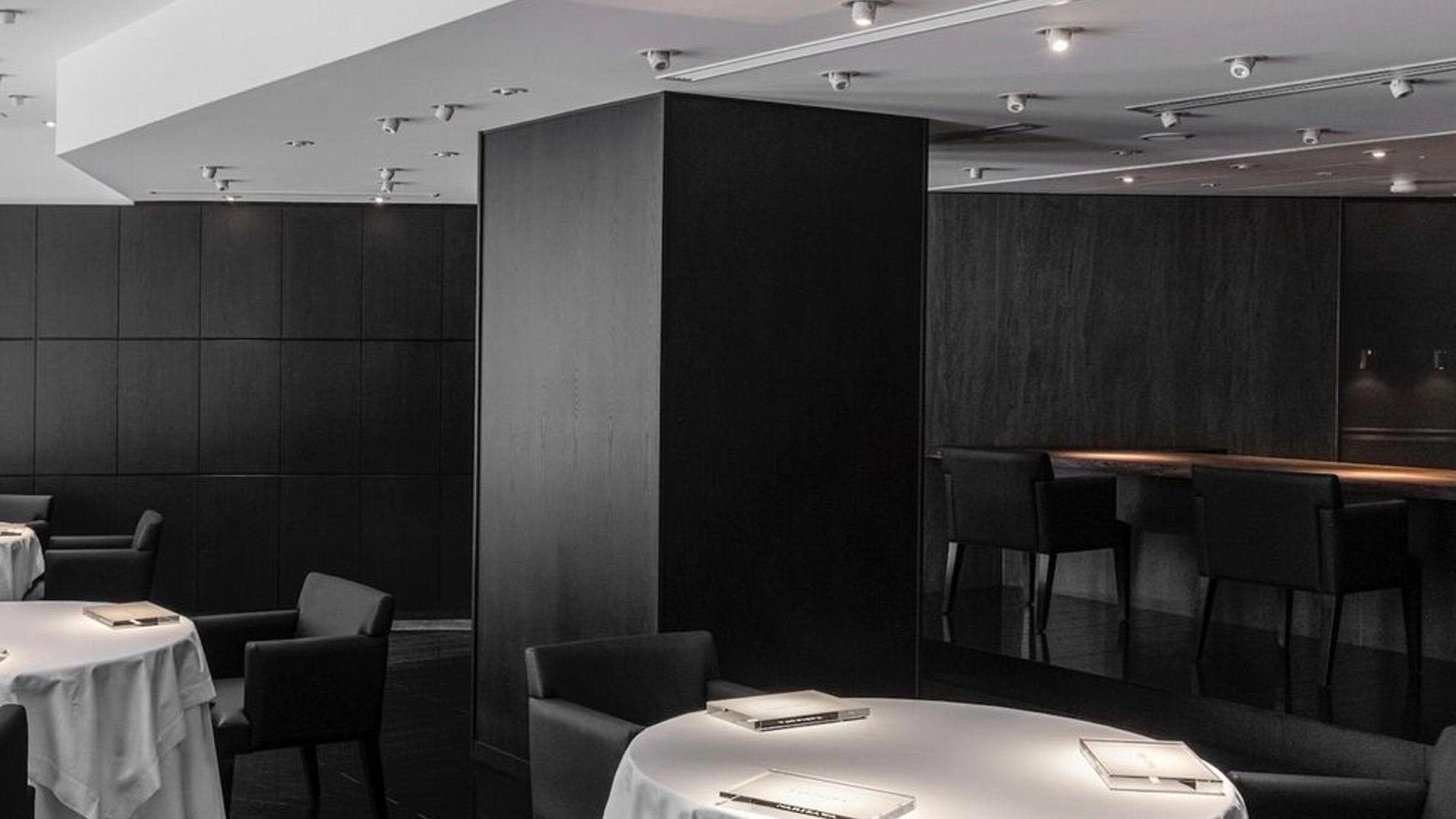
A small, no-frills ramen shop with a simple, focused atmosphere that feels quiet and ingredient-driven rather than decorative.