

A Tabelog Silver-turned-Bronze award holder across eight consecutive years, Mikasa in Kawasaki's Miyamae Ward runs an eight-seat counter serving chef's selection tempura courses around JPY 20,000 at dinner. Ranked in the top 340 restaurants in Japan by Opinionated About Dining in 2025, the counter-only format, cash-only payment policy, and proximity to Miyazakidai Station make advance planning essential.
- Address
- 2 Chome-9-15 Miyazaki, Miyamae Ward, Kawasaki, Kanagawa 216-0033, Japan
- Phone
- +81 44-853-1819
- Website
- tabelog.com
- Directions
- Get directions
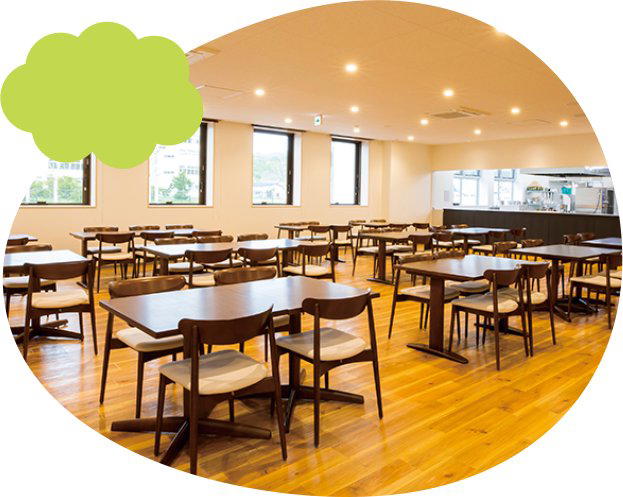
An Eight-Seat Counter Beyond the Tokyo Orbit
Japan's premium tempura scene is concentrated in central Tokyo, Ginza, Shimbashi, and Asakusa hold the densest cluster of counter restaurants commanding dinner prices above JPY 20,000. What makes Kawasaki's Miyamae Ward worth noting in that context is how seldom a suburban residential address punches into the same peer tier. Mikasa, reachable in two minutes on foot from the north exit of Miyazakidai Station on the Tokyu Denentoshi Line, has held a Tabelog score of 4.18 to 4.20 and Tabelog Award recognition every year from 2017 to 2026, starting at Silver for three consecutive years before settling at Bronze. It has also been selected for the Tabelog Tempura "Tabelog 100" in 2022, 2023, and 2025, a list that identifies the hundred most regarded tempura restaurants in Japan by accumulated peer review data. Opinionated About Dining, which applies a separate international critical methodology, ranked Mikasa among the leading 340 restaurants in Japan in 2025 and top 325 in 2024. The award record, sustained across nine years of annual evaluation, places this eight-seat counter in a conversation that has nothing to do with its postcode.
The Counter as Social Contract
Tempura at this price tier is almost always a counter format, and that format is more than a spatial choice. In Japan, the counter meal carries the logic of the izakaya made austere: a shared linear space, a single chef or small team in view, pacing governed collectively rather than table by table. The eight-seat counter at Mikasa formalises this dynamic at a higher price point. Guests settle in, the sequence begins, and the rhythm of the evening is set by the kitchen rather than negotiated at the table. The absence of private rooms reinforces the point: dinner here is communal in structure even when the crowd is small. Cash-only payment (no credit cards, no electronic money, no QR codes accepted) further compresses the experience toward the direct transaction between diner and kitchen that defines the serious Japanese counter at its most concentrated.
That social architecture suits a certain kind of dining out. Tabelog's own occasion data flags this counter as particularly recommended for groups of friends rather than formal business or romantic dinners, which aligns with the izakaya-adjacent idea of eating and drinking together at a shared rail rather than across a private table. The drinks list supports the same reading: the restaurant is noted as particular about nihonshu, with sake and wine available alongside the food course. At a counter tempura restaurant, sake selection that takes the same care as the frying oil is part of the same quality argument, not an afterthought.
Where This Sits in the Kanagawa Dining Map
Kanagawa's dining scene is wide and varied, spanning the dense international restaurant culture of Yokohama to quieter specialist counters distributed across the prefecture's residential wards. Mikasa occupies a specific position in that spread: a destination-grade specialist counter in a neighbourhood that does not otherwise generate significant restaurant traffic. Peer venues in the Kanagawa award tier include anchoa, which operates in Spanish and seafood-led European territory at slightly lower price points, and Salone 2007, an Italian address with its own recognition record. Both operate in Yokohama's more central dining corridors. The contrast with Mikasa's Miyamae Ward location is instructive: award-level dining in Japan does not require a central address, but it does require a committed local guest base willing to return, and Mikasa's sustained score across nine award cycles suggests exactly that.
Elsewhere across the EP Club Japan network, counter-format specialty restaurants occupy comparable positions in their respective cities. Harutaka in Tokyo and Gion Sasaki in Kyoto represent the same principle applied to different cuisines and cities: small, focused, award-recognised, and requiring advance planning. For tempura specifically, Numata in Osaka and Mudan Tempura in Taipei show how the tradition travels, though the suburban Kawasaki context of Mikasa is its own distinct format within that broader category.
The Course and What It Signals
The available course information is direct: a chef's selection course with sashimi at 18,000 yen, placing the full dinner experience in the JPY 20,000 to JPY 29,999 range that Tabelog's review data confirms. At that price, the question is always what the format delivers that justifies the bracket. For counter tempura at this level, the answer is generally threefold: ingredient sourcing at the summit end of seasonal availability, precision in batter and oil temperature that differs perceptibly from mid-tier execution, and a pacing discipline that treats the sequence as composition rather than as a series of individual items. Mikasa's food notes on Tabelog describe a particular emphasis on fish, which in a tempura context means the seasonal seafood elements of the course carry the same sourcing attention as the vegetable and shellfish courses at the same tier. The sashimi component in the course provides a raw contrast to the fried sequence, a common structure in serious tempura counters that reinforces the fish-forward sourcing commitment.
Chef Hitoshi Doi's name appears in the record as the kitchen lead. At a restaurant of this scale (eight seats, no private rooms, no bookings via an official website), the chef is the operation, and the score reflects cumulative experience at that counter rather than the reputation of an institution with front-of-house depth. That is a different quality signal from a larger brigade restaurant, and it is one that tempura counter dining has always relied on: proximity to the person making the decisions about what comes out of the oil and when.
Getting There and Planning Ahead
Miyazakidai Station on the Tokyu Denentoshi Line sits 120 metres from the restaurant, making access from central Tokyo via Shibuya and the Den-en-toshi Line direct for visitors staying in the city, with the journey from Shibuya taking approximately 25 minutes. From Yokohama, the connection requires a transfer. For those travelling within Kanagawa and staying in the area, our full Kanagawa hotels guide covers accommodation options across the prefecture, and our full Kanagawa restaurants guide maps the broader dining picture.
Service runs Monday, Tuesday, Friday, Saturday, and Sunday with a lunch slot from 11:30am to 2pm and dinner from 5pm to 9pm (evening counter closes at 8:30pm per Tabelog's business hours data). Wednesday and Thursday are closed. The eight-seat counter means the restaurant is fully committed to a small number of covers per service, and given the sustained award recognition and OAD ranking, demand at dinner far exceeds supply. Cash payment is the only option, so arriving prepared on that point is not optional. One parking space is available at the venue for those arriving by car.
Given the Tabelog listing note about uncertain operational status (the record flags a possible closure, relocation, or undetermined closure period), confirming current opening directly with the restaurant before travelling is advisable. This caveat applies regardless of the awards history: small counter operations are susceptible to changes that award databases and listings do not immediately reflect.
For a broader view of where Mikasa sits among Kawasaki and Kanagawa's specialist dining options, the full suite of EP Club Kanagawa guides covers bars, wineries, and experiences, alongside the restaurant and hotel directories. Other specialist counters and notable addresses in the prefecture include Ramenya Iida Shouten and Unagi Tomoei, both of which operate at different price tiers and cuisines but share the counter-led, specialist format that defines Kanagawa's most recognised dining at the neighbourhood level. Further afield, HAJIME in Osaka, akordu in Nara, Goh in Fukuoka, 1000 in Yokohama, and 6 in Okinawa round out the EP Club Japan network for those planning a wider itinerary.
Cost and Credentials
Comparable venues nearby, for context on price, style, and recognition.
| Venue | Cuisine | Price | Notes |
|---|---|---|---|
| MikasaThis venue — the venue you are viewing | Miyazakidai, Innovative Tempura | $$$$ | Not listed |
| Unagi Tomoei | Kazamatsuri, Traditional Japanese Unagi | $$$ | Not listed |
| Salone 2007 | Not listed | $$$$ | Motomachi Chukagai, Creative Modern Italian |
| Ramenya Iida Shouten | Yugawara, Premium Ramen Shop | $$ | Not listed |
| anchoa | Not listed | $$$ | Kamakura, Modern Spanish with Local Kanagawa Seafood |
| Sushi Meino | Not listed | $$$$ | Minato, Traditional Edomae Omakase with French Wine Pairings |
Recognition history
Dated appearances from independent guides and award organizations, with the underlying list record or original source where available.
Opinionated About Dining Top Restaurants in Japan Recommended
Opinionated About Dining
Tabelog Bronze #272
Tabelog
Opinionated About Dining Top Restaurants in Japan Ranked #336
Opinionated About Dining
Tabelog 100 #14 · No. 14
Tabelog · Tabelog 100 - Tempura - 2025
Tabelog Bronze
Tabelog
Opinionated About Dining Top Restaurants in Japan Ranked #322
Opinionated About Dining
Opinionated About Dining Top Restaurants in Japan Highly Recommended
Opinionated About Dining











At a Glance
- Relaxed
- Elegant
- Intimate
- Special Occasion
- Sake Program
- Local Sourcing
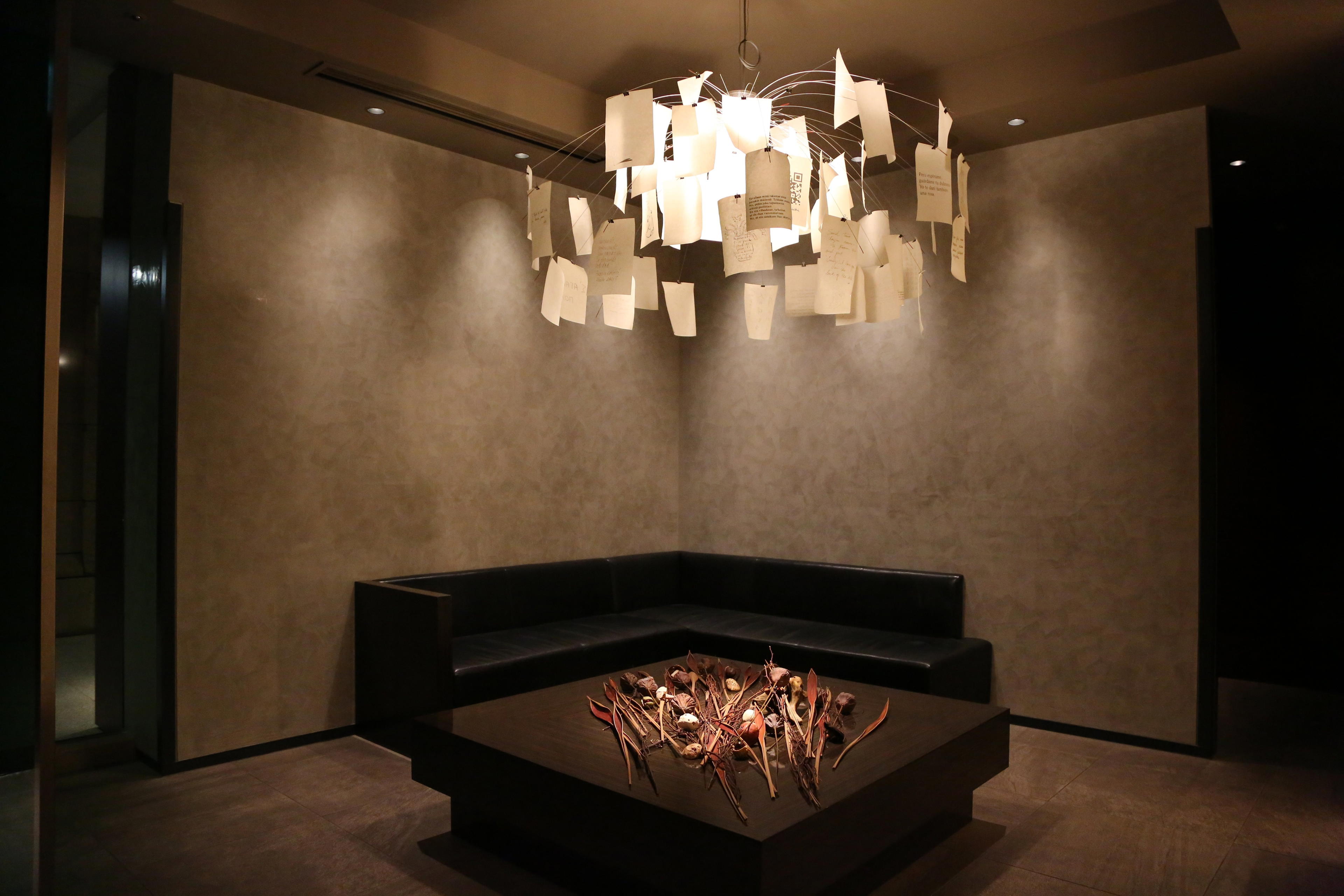
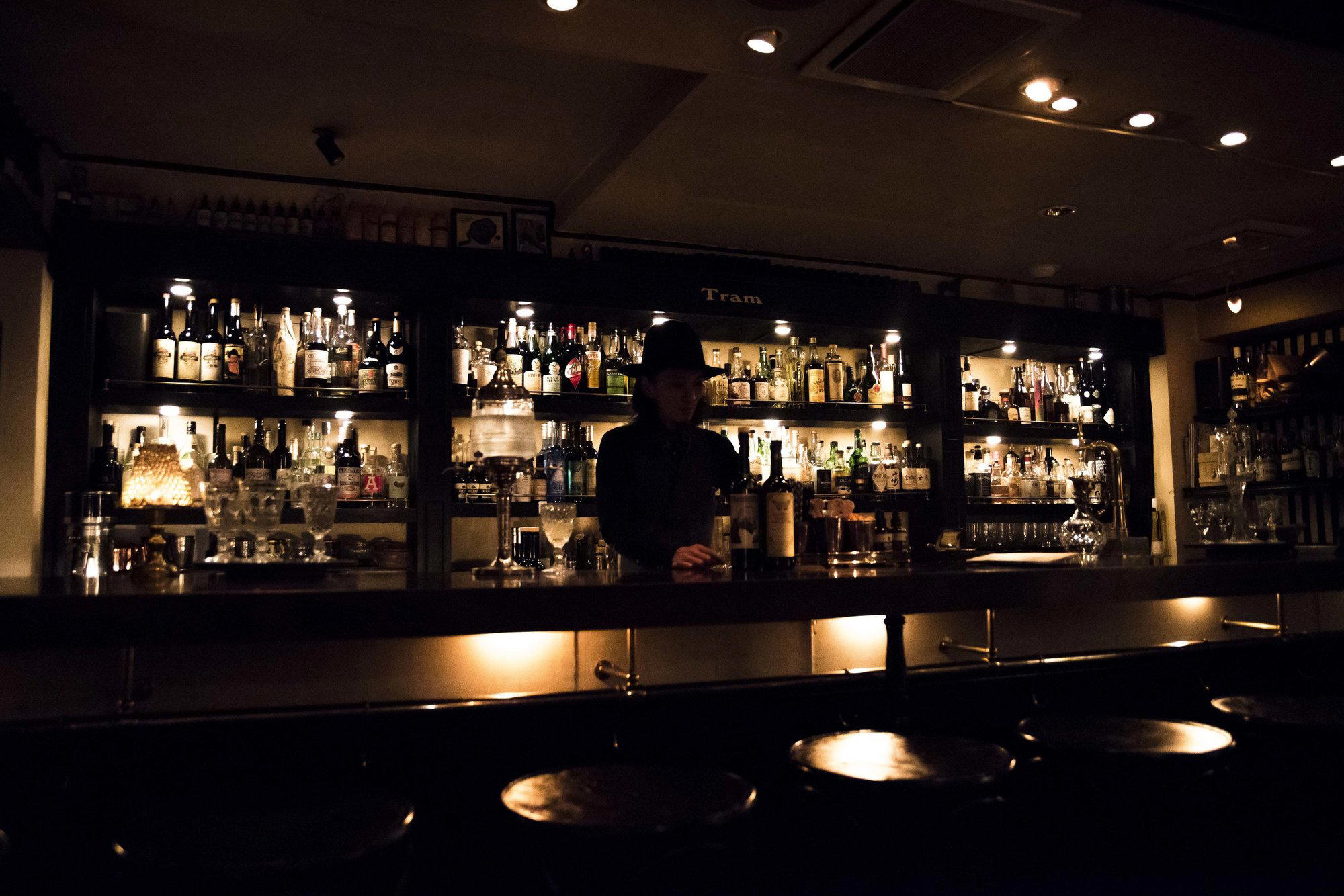
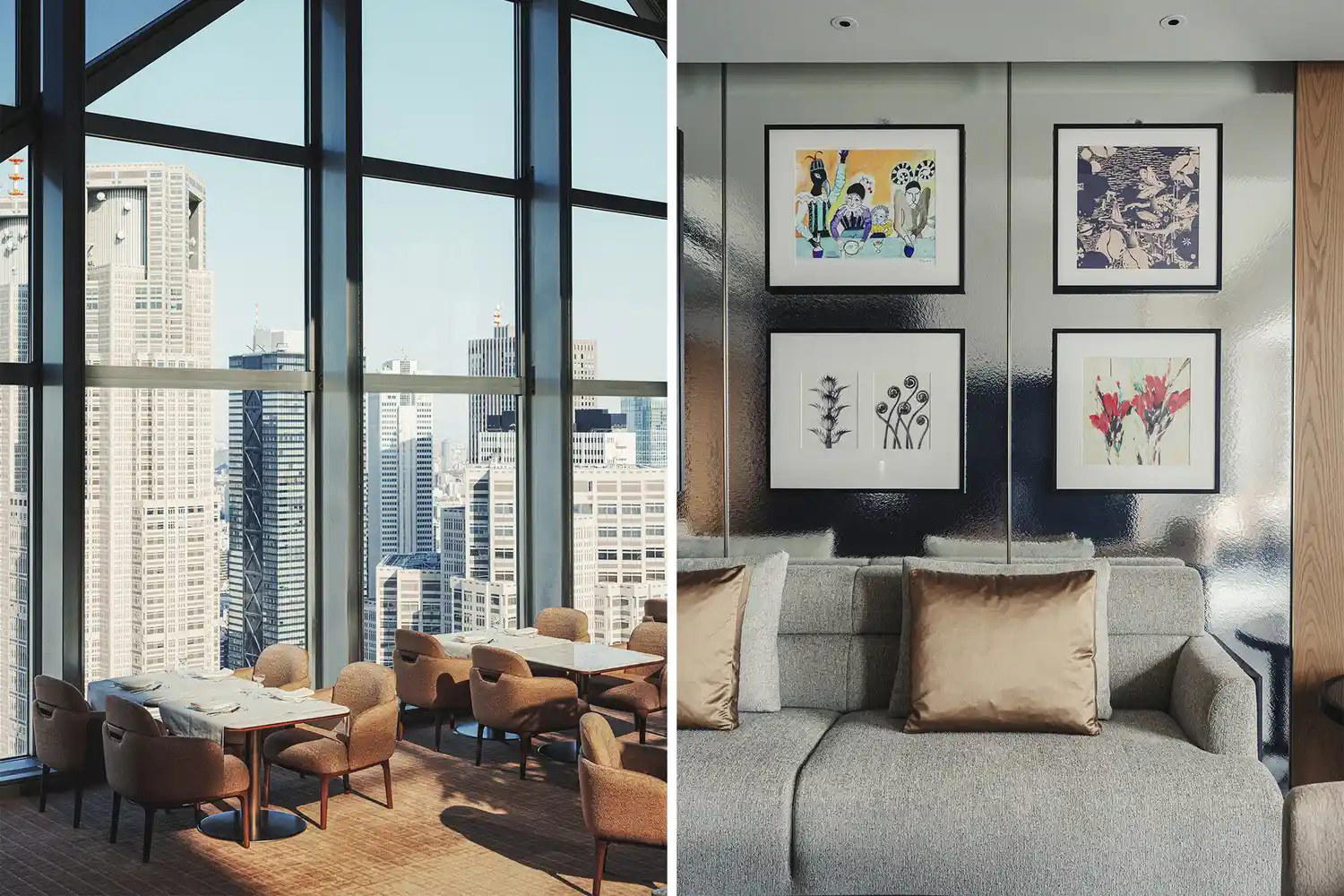
Serene and relaxing counter seating space with traditional Japanese aesthetics.