Mijin

Michelin Bib Gourmand
Our verdict
Operating from the same Gwanghwamun address since 1952, Mijin holds a Michelin Bib Gourmand for its buckwheat noodles made fresh daily in an on-site basement factory. The format is spare and deliberate: two stacked tray baskets of memil-guksu, a kettle of chilled dipping sauce, and a spread of condiments to dress as you see fit. Among Seoul's cold noodle houses, it sits at the intersection of institutional longevity and accessible pricing.

Pearl is the En Primeur Club membership app, where members save venues, book tables and use the concierge.
The menu
What to order
- Naeng Memilguksu (cold buckwheat noodles)
- Bibim Memil Myeon (spicy buckwheat noodles)
- Memil Jeonbyeong (buckwheat pancake)
- Memil Kimchi Jeon (buckwheat kimchi pancake)
A Gwanghwamun Institution Built Around One Dish
The blocks around Gwanghwamun Plaza carry the administrative weight of Seoul's old centre, and the restaurants that have survived here longest tend not to be the flashiest. They survive on repetition, consistency, and the loyalty of office workers and civil servants who return for the same bowl in the same chair for decades. Mijin, at 19 Jong-ro in the Jongno District, belongs to that category. Operating since 1952, it has outlasted political upheaval, urban redevelopment, and the full cycle of Seoul's restaurant industry several times over. The 2024 Michelin Bib Gourmand, awarded to venues that deliver notable cooking at modest prices, confirms what the neighbourhood already knew: this is not a casual survivor. It is a working benchmark for memil-guksu, the Korean tradition of cold buckwheat noodle service.
Memil-guksu as a category occupies a distinct position in Seoul's noodle geography. It is quieter than the beef-forward naengmyeon houses of Pyongyang lineage, less theatrical than the knife-cut kalguksu spots, and generally associated with the cooler, cleaner flavours of buckwheat over wheat. The format at venues in this tradition prioritises the noodle itself, with dipping sauces and condiments functioning as tools of adjustment rather than dominant elements. Yangyang Memil Makguksu and Yurimmyeon represent other points in Seoul's memil spectrum; Mijin's position within that group is shaped by its age, its location in the civic heart of the city, and the vertical integration of its production model.
The Factory Below, the Bowl Above
What separates Mijin from many noodle houses operating at comparable price points is the presence of a working factory in the basement, where both the buckwheat noodles and the dipping sauce are prepared fresh each day. This is not a marketing detail. It means the kitchen is not sourcing dried noodles from a supplier and rehydrating them, which is the default at a large portion of the city's budget noodle restaurants. The production happens on-site, under the same roof where the bowls are served, which creates a short and controllable quality chain. At a single-digit price tier in a city where ingredient costs have risen significantly since the 1950s, this is an operational commitment that carries genuine weight.
The format that arrives at the table is structured but spare. Two stacked tray baskets of cold buckwheat noodles come alongside a large kettle of chilled dipping sauce. The condiment arrangement is already in place: grated daikon, light wasabi, crispy seasoned laver, and chopped green onions. The instruction, implicit in the layout, is to build your own sauce ratio before dipping. This is a format that rewards experience. First-time visitors often under-season; regulars develop their ratios over years. That dynamic, where the diner is an active participant rather than a passive recipient, is characteristic of dipping-noodle traditions across East Asia, and it is part of why venues that do it well hold loyal audiences across generations.
Lunch vs. Evening: How the Mood Shifts on Jong-ro
The EA for this piece points toward the lunch-dinner divide, and at Mijin that divide is particularly pronounced. Lunchtime on Jong-ro draws the working crowd from the surrounding government offices, financial institutions, and the clusters of businesses that fill Jongno's mid-rise blocks. The pace is functional, the turnover fast, and the demographic skews toward people eating the same meal they have eaten here fifty times before. The atmosphere is not unwelcoming; it is simply purposeful. The two-basket format suits a tight lunch window cleanly, and the ₩ price point means no deliberation at the till.
Evening service shifts the dynamic. The office density of Gwanghwamun empties after work hours, and the foot traffic composition changes. Visitors exploring the Gyeongbokgung area, younger diners discovering the restaurant through the Michelin Bib listing, and older regulars settling into a less-hurried pace all converge. The bowl itself does not change, but the experience of eating it does. A summer evening cold noodle at Mijin, with fewer time constraints, is a materially different register than the compressed lunch. For first-time visitors, the evening slot often allows for a more considered engagement with the condiment arrangement and the noodle texture, both of which get lost when eating against the clock.
Within Seoul's cold noodle category, this time-of-day split is worth tracking more broadly. The memil-guksu houses and naengmyeon institutions that anchor the Jongno and Jung-gu areas tend to function as lunch anchors during the week and as destination meals at weekends and evenings. Compared to the premium Korean dining rooms in Gangnam, venues like Gaon or Kwon Sook Soo, which operate in a different price register entirely, or the contemporary tasting-menu format at Mingles, Mijin's value proposition is about repetition and precision in a narrow register rather than range or elaboration. It is a deliberately constrained model, and that constraint is the point.
Placing Mijin in Seoul's Wider Dining Picture
Seoul's dining scene has fractured considerably since Mijin opened. The city now supports a full spectrum from ₩ street-counter meals to multi-course tasting menus priced well above ₩₩₩₩₩. Within that range, the Michelin Bib Gourmand cohort represents a specific editorial position: cooking that a major guide considers worth a special journey, at a price where the value signal is part of the recommendation. Mijin shares that designation with other Seoul specialists, including Seoryung. The Bib designation does not imply the same technical ambition as a starred venue, it implies consistency, value, and specificity. On all three counts, a 70-year operation with on-site noodle production qualifies without difficulty.
For visitors building a Seoul itinerary with range in mind, Mijin pairs logically with a neighbourhood walk through Bukchon or a visit to Gyeongbokgung, both within easy reach of the Gwanghwamun area. The contrast with an evening meal at an innovative Korean-leaning room, alla prima, for instance, captures something useful about how Seoul's dining culture holds both registers simultaneously without either displacing the other. Across the broader South Korea dining geography, comparisons might extend to Mori in Busan or Baegyangsa Temple in Jangseong-gun as venues where a singular, restrained format carries the full weight of the experience.
Seoul's full restaurant coverage, along with guides to the city's hotels, bars, wineries, and experiences, is available through EP Club: Seoul restaurants, Seoul hotels, Seoul bars, Seoul wineries, and Seoul experiences.
Know Before You Go
- Address: 19 Jong-ro, Jongno District, Seoul, South Korea
- Cuisine: Memil-guksu (Korean cold buckwheat noodles)
- Price: ₩ (budget tier)
- Awards: Michelin Bib Gourmand 2024
- In operation since: 1952
- Production: Noodles and dipping sauce made fresh daily in on-site basement factory
- Booking: Walk-in format; lunch service on weekdays moves quickly, arrive early or allow for a short queue
- Getting there: Gwanghwamun Station (Line 5) is the closest metro stop; the address on Jong-ro is within a short walk of the plaza
What is the must-try dish at Mijin?
Mijin's menu is built around a single format, so the decision is less about what to order and more about how to eat it. The cold buckwheat noodle set arrives as two stacked tray baskets of memil-guksu with a large kettle of chilled dipping sauce. The condiments on the table, grated daikon, light wasabi, seasoned laver, chopped green onions, are there to be combined into the dipping kettle according to your preference. The Michelin Bib Gourmand citation specifically validates this format as a complete and considered proposition. Start with a conservative ratio of condiments, taste the noodle against the base sauce, then adjust. The buckwheat flavour is the anchor; the condiments are calibration tools. That process, repeated across a visit or two, is where the dish reveals its logic. For broader context on award-recognised Korean dining in Seoul, Mingles and Gaon represent the higher end of the same city's culinary range. For international reference points on venues where a singular dish format defines the experience, Le Bernardin in New York City and Atomix operate in an entirely different tier but share that same editorial clarity of purpose. Closer in spirit and price, Emeril's in New Orleans represents a different tradition where longevity and a defined house format carry institutional weight.
The Essentials
A quick peer reference to anchor this venue in its category.
| Venue | Cuisine | Price | Awards | Notes |
|---|---|---|---|---|
| MijinThis venue (the venue you are viewing) | Traditional Korean Cold Buckwheat Noodles | $1–10 | Michelin Bib Gourmand | Not listed |
| 7th Door | Modern Korean Fermentation Fine Dining | $100–150 | 1 Michelin Star · World's 50 Best #49 | Korean, Contemporary |
| Solbam | Contemporary Neo-Classical Korean | $200–300 | 1 Michelin Star · World's 50 Best #55 | Contemporary |
| Onjium | Modern Korean Royal Court Cuisine | Not listed | 1 Michelin Star · World's 50 Best #14 | Korean |
| L'Amitié | Classic French Fine Dining | $100–150 | 1 Michelin Star · La Liste Top Restaurants | French |
| Zero Complex | Modern French Neo-Bistro | $100–150 | 1 Michelin Star · La Liste Top Restaurants | Korean-French, Innovative |
Recognition history
Dated appearances from independent guides and award organizations, with the underlying list record or original source where available.
Michelin Bib Gourmand
Michelin
Full recognition history (2 entries)
Michelin Bib Gourmand
Michelin
Continue exploring
More in Seoul
Restaurants in Seoul
All restaurants in Seoul →
Bars in Seoul
All bars in Seoul →
Details
- Well Known
- Classic
- Rustic
- Casual Hangout
- Solo
- Group Dining
- After Work
- Historic Building
- Open Kitchen
- Local Sourcing
- A La Carte
- Family Style
- Vegetarian Friendly
- Vegan Options
Current opening hours
- Monday
- 10:30 AM–9 PM
- Tuesday
- 10:30 AM–9 PM
- Wednesday
- 10:30 AM–9 PM
- Thursday
- 10:30 AM–9 PM
- Friday
- 10:30 AM–9 PM
- Saturday
- 10:30 AM–9 PM
- Sunday
- 10:30 AM–9 PM
Hours can change for holidays and private events. Hours as of .
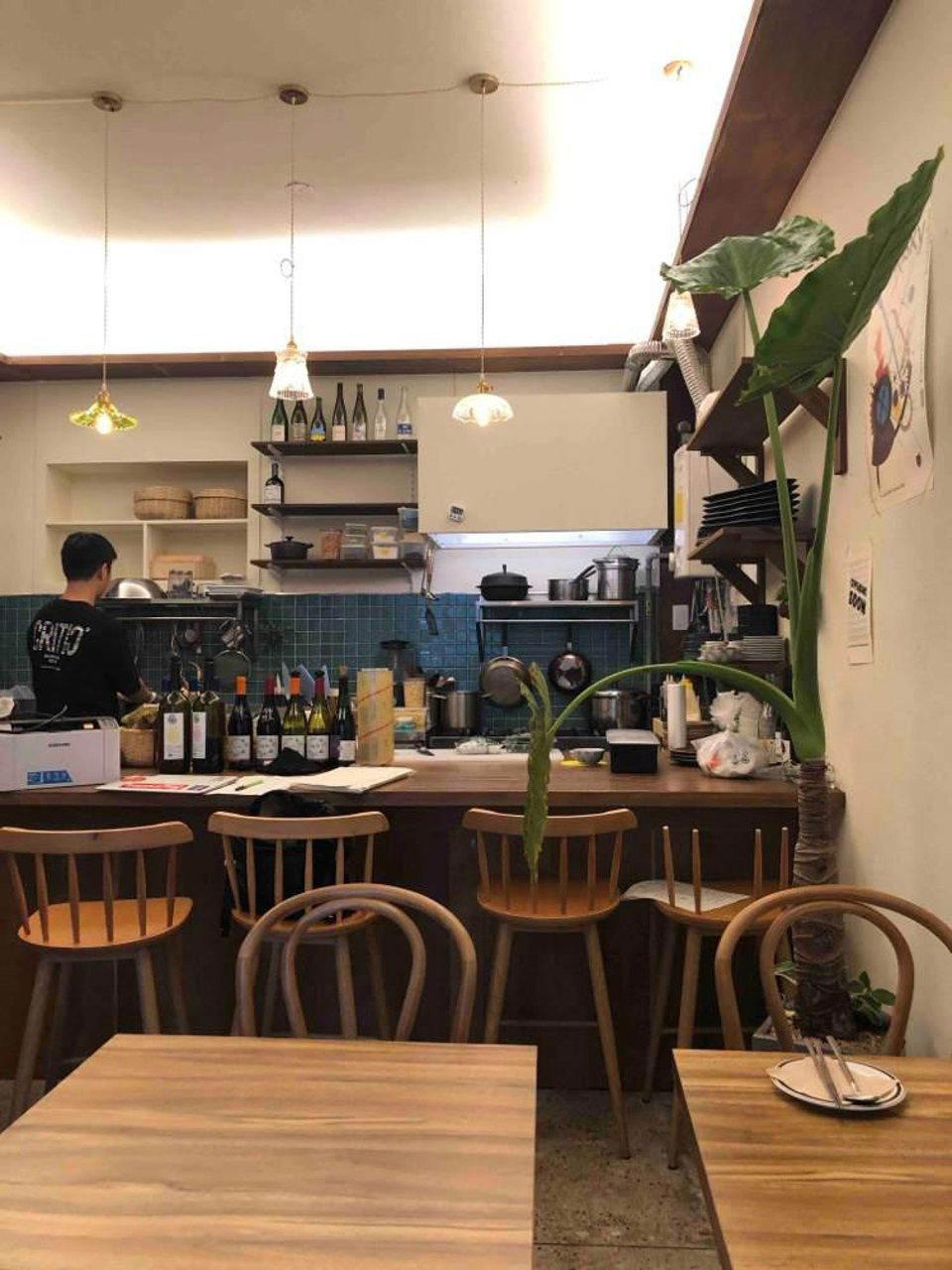
Simple, unpretentious family restaurant with two floors; casual local atmosphere with efficient service despite frequent queues; warm, homey setting focused on food rather than decor.