Yangyang Memil Makguksu

Michelin Bib Gourmand
Our verdict
Yangyang Memil Makguksu is a Michelin Bib Gourmand-recognised specialist in Seocho-gu, Seoul, earning the award in both 2024 and 2025 for its buckwheat noodle cooking. Priced at the lowest tier, it delivers a grounded, occasion-ready meal rooted in Korean noodle tradition.

Pearl is the En Primeur Club membership app, where members save venues, book tables and use the concierge.
The menu
What to order
- Gangwon-do-style cold buckwheat noodles
- Spicy buckwheat noodles with homemade kimchi
Where Buckwheat Noodles Become the Point
Seocho-gu is a district more associated with upscale apartment blocks and the legal profession than with pilgrimage dining, which makes the presence of a Michelin-recognised buckwheat noodle house at 10 Donggwang-ro 15-gil feel quietly instructive. Seoul has long maintained a parallel dining culture: one track of tasting-menu ambition (think Gaon or Kwon Sook Soo), and another track of specialist addresses that have spent decades perfecting a single dish. Yangyang Memil Makguksu sits firmly in the second track. The name tells you everything you need to know about its intentions: memil (buckwheat), makguksu (cold mixed noodles), and a regional identity drawn from the Yangyang area of Gangwon Province, historically one of Korea's principal buckwheat-growing regions.
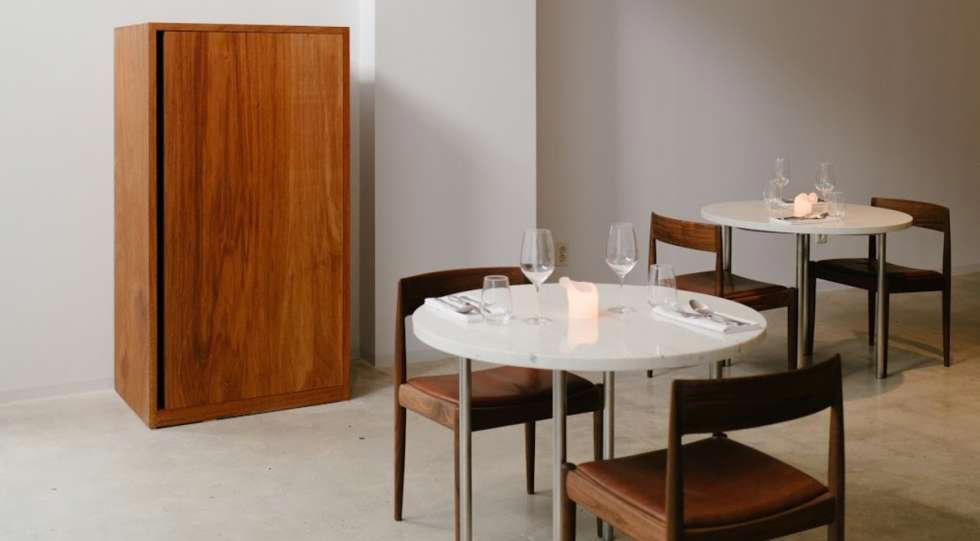
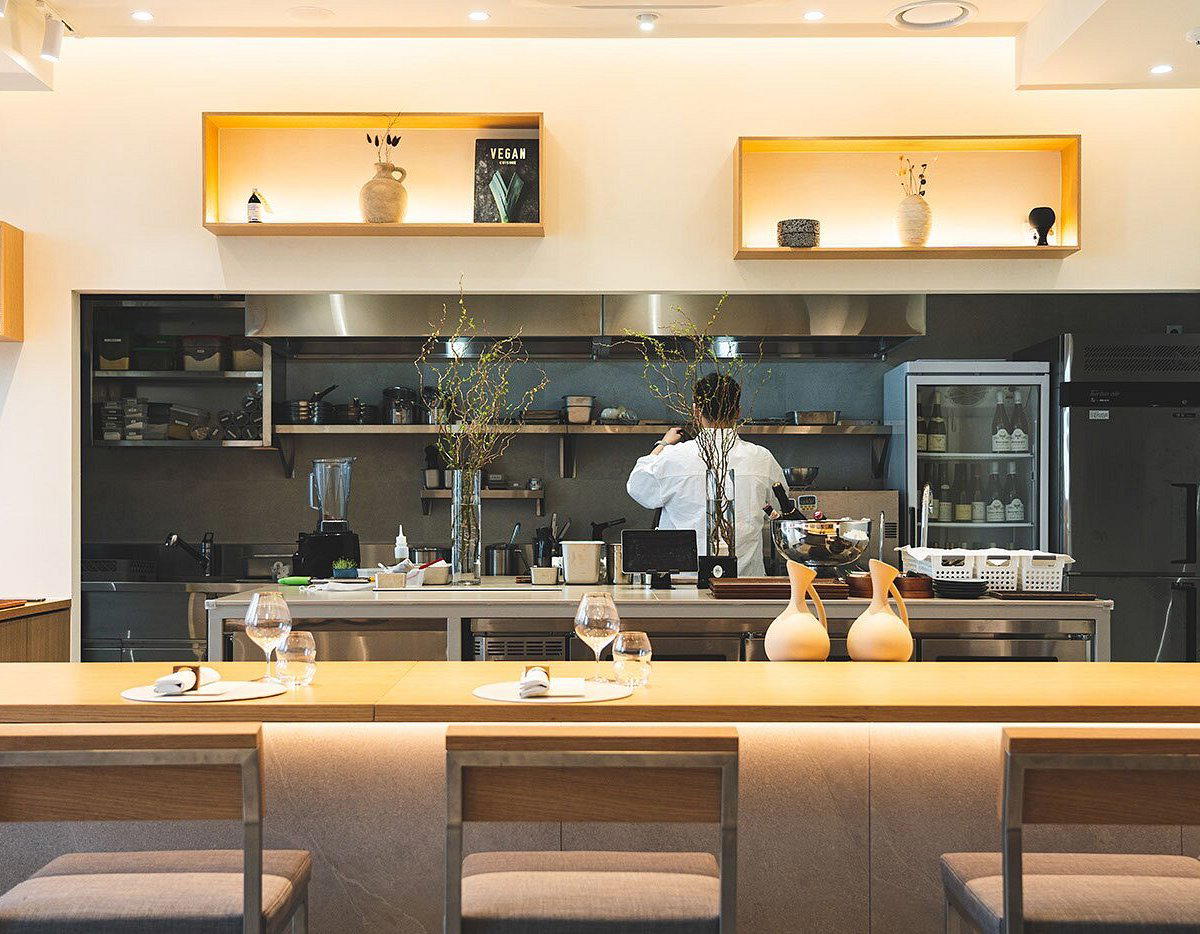
Approaching an address like this, the atmosphere is less about design statements and more about the discipline of repetition. These are rooms built around a kitchen that has committed to a narrow brief. The crowd tends to confirm it: regulars who know what they are ordering before they sit down, and first-timers directed there by Michelin's Bib Gourmand listing, which the restaurant has held for two consecutive years (2024 and 2025). That sustained recognition is a meaningful signal. The Bib Gourmand category rewards consistent quality at accessible prices, and earning it twice in a row in a city as densely competitive as Seoul requires kitchen standards that do not drift.
Buckwheat Noodles in Seoul's Dining Hierarchy
To understand why a cold noodle specialist earns Michelin attention, it helps to understand what buckwheat cooking demands. Memil noodles made with high-ratio buckwheat flour are difficult to work with: the grain lacks gluten, which means the dough tears easily and the noodle margin for error is narrow. A specialist address in this tradition is not a simplified proposition. It is a technically constrained one, where the product quality and execution consistency are immediately detectable to anyone who has eaten widely in the category. Seoul's noodle culture includes several serious makguksu addresses, and Yangyang Memil Makguksu's double Bib Gourmand places it among the tier that Michelin's inspectors have vetted explicitly.
For comparison, the broader Seoul dining spectrum at the affordable end covers everything from Mijin to Seoryung and Yurimmyeon, with each carrying its own regional or stylistic identity. What distinguishes addresses in this tier from the city's higher-spend options (the kind of contemporary Korean cooking found at Mingles or alla prima) is that the cooking proposition is structural, not seasonal. You are not eating a chef's evolving tasting narrative. You are eating a dish that has been refined over years to a specific regional standard, and the pleasure is in the execution of that standard rather than the novelty of deviation from it.
As an Occasion: The Argument for Intentional Simplicity
The editorial angle here is one that Seoul's food culture understands instinctively and that international visitors sometimes underweight: the milestone meal does not have to be the most expensive one. Korea has a deep tradition of marking moments through food that is meaningful rather than merely costly. A bowl of makguksu at a specialist address that Michelin has verified twice is a more considered choice than a generic upscale booking. The act of choosing deliberately at the lower price tier, at a place with documented recognition, carries its own narrative weight.
This matters practically for groups with mixed budgets, for occasions that call for a shared lunch rather than a formal dinner, or for travellers who want to mark an arrival in Seoul with something that says something about the city's character rather than its luxury tier. The lowest price bracket here means a meaningful meal that does not require the planning overhead of a tasting menu booking.
For a broader sense of how this address fits into the city's dining geography, our full Seoul restaurants guide maps the spectrum from Bib Gourmand specialists to the city's three-star tables. If you are building a multi-day Seoul itinerary, our Seoul hotels guide, bars guide, and experiences guide cover the surrounding infrastructure in the same editorial register. And if the buckwheat noodle tradition is drawing you further into Korean regional food culture, it is worth noting that similar craft-focused addresses exist well beyond Seoul: Baegyangsa Temple in Jangseong-gun and Mori in Busan represent two further coordinates on Korea's serious food map, each with their own regional logic.
How It Sits Against the City's Specialist Tier
Seoul's Michelin Bib Gourmand list has, since its inception, made a case for the city's depth in affordable specialist cooking. The list includes jjajangmyeon houses, gukbap specialists, and noodle addresses alongside the more photogenic categories. It is not competing with the progressive Korean kitchens that draw international press, nor with the French-influenced rooms (see Seoryung for that register). Its reference points are the other serious noodle houses, and by the Michelin measure, it has cleared that bar consistently.
For international visitors calibrating expectations: the Bib Gourmand is awarded by the same inspection body that produces the starred list. It is not a lesser category of attention. It is a different category, targeting value-to-quality ratio rather than ceiling ambition. Two consecutive awards at a single specialist address in a competitive city is a clear signal, not an administrative footnote. If the Atomix tier of Korean dining is one reference point for a Seoul trip, Yangyang Memil Makguksu is a useful counterweight: the same culinary seriousness, expressed through entirely different means.
Planning Your Visit
The address is 10 Donggwang-ro 15-gil, Seocho-gu, Seoul 06561, placing it in the southern part of the city accessible from Gangnam-area transport links. Reservations: No booking information is currently available through public channels; walk-in appears to be the standard approach, which is consistent with this price tier in Seoul. Plan for possible queues during peak lunch hours. Budget: The single-tier ₩ price range makes this among the most accessible Michelin-recognised addresses in the city. Dress: No dress code applies. Timing: Cold noodle dishes are associated with warmer months in Korean food culture, though specialist houses of this type typically operate year-round. Confirming current hours directly before visiting is advisable, as no formal hours data is available through this listing.
For those using this meal as part of a wider Seoul itinerary that includes the city's wine scene or exploring dining culture in other parts of South Korea and further afield, the same editorial standards that surface addresses like this one apply across The Flying Hog in Seogwipo and internationally at addresses such as Le Bernardin in New York or Emeril's in New Orleans. The principle is consistent: documented recognition, editorial framing, and specific reasoning over promotional generality.
Frequently asked questions
Where is Yangyang Memil Makguksu in Seoul?
Yangyang Memil Makguksu is located at 10 Donggwang-ro 15-gil, Seocho-gu, Seoul, 06561, South Korea, Seoul.
Is Yangyang Memil Makguksu expensive?
Pricing at Yangyang Memil Makguksu is listed as ₩.
What kind of recognition has Yangyang Memil Makguksu received?
Yangyang Memil Makguksu has received recognition including: Michelin Bib Gourmand (2025); Michelin Bib Gourmand (2024).
What do people recommend at Yangyang Memil Makguksu?
The name spells out the focus: memil makguksu, cold buckwheat noodles dressed in seasoned sauce, is the dish that earned this address back-to-back Michelin Bib Gourmand recognition in 2024 and 2025. The cuisine type listed is memil-guksu, meaning buckwheat noodles in their various preparations are the full scope of the kitchen. At a ₩ price range, ordering across the menu is practical rather than aspirational.
Price and Recognition
| Venue | Cuisine | Price | Awards | Notes |
|---|---|---|---|---|
| Yangyang Memil MakguksuThis venue (the venue you are viewing) | Traditional Korean Buckwheat Noodles | Not listed | Michelin Bib Gourmand | Not listed |
| 7th Door | Modern Korean Fermentation Fine Dining | $100–150 | 1 Michelin Star · World's 50 Best #49 | Korean, Contemporary |
| Solbam | Contemporary Neo-Classical Korean | $200–300 | 1 Michelin Star · World's 50 Best #55 | Contemporary |
| Onjium | Modern Korean Royal Court Cuisine | Not listed | 1 Michelin Star · World's 50 Best #14 | Korean |
| L'Amitié | Classic French Fine Dining | $100–150 | 1 Michelin Star · La Liste Top Restaurants | French |
| Zero Complex | Modern French Neo-Bistro | $100–150 | 1 Michelin Star · La Liste Top Restaurants | Korean-French, Innovative |
Recognition history
Dated appearances from independent guides and award organizations, with the underlying list record or original source where available.
Michelin Bib Gourmand
Michelin
Full recognition history (3 entries)
Michelin Bib Gourmand
Michelin
Michelin Bib Gourmand
Michelin