Yurimmyeon

Michelin Bib Gourmand
Our verdict
Yurimmyeon is a Michelin Bib Gourmand-recognised specialist in memil-guksu, the buckwheat noodle tradition that sits at the quieter, more disciplined end of Seoul's noodle culture. Located in Jung-gu near Seosomun, it draws a loyal following for the kind of restrained, ingredient-led cooking that wins repeat visits rather than social media moments. Consecutive Bib Gourmand recognition in 2024 and 2025 confirms its standing in the city's affordable dining canon.

Pearl is the En Primeur Club membership app, where members save venues, book tables and use the concierge.
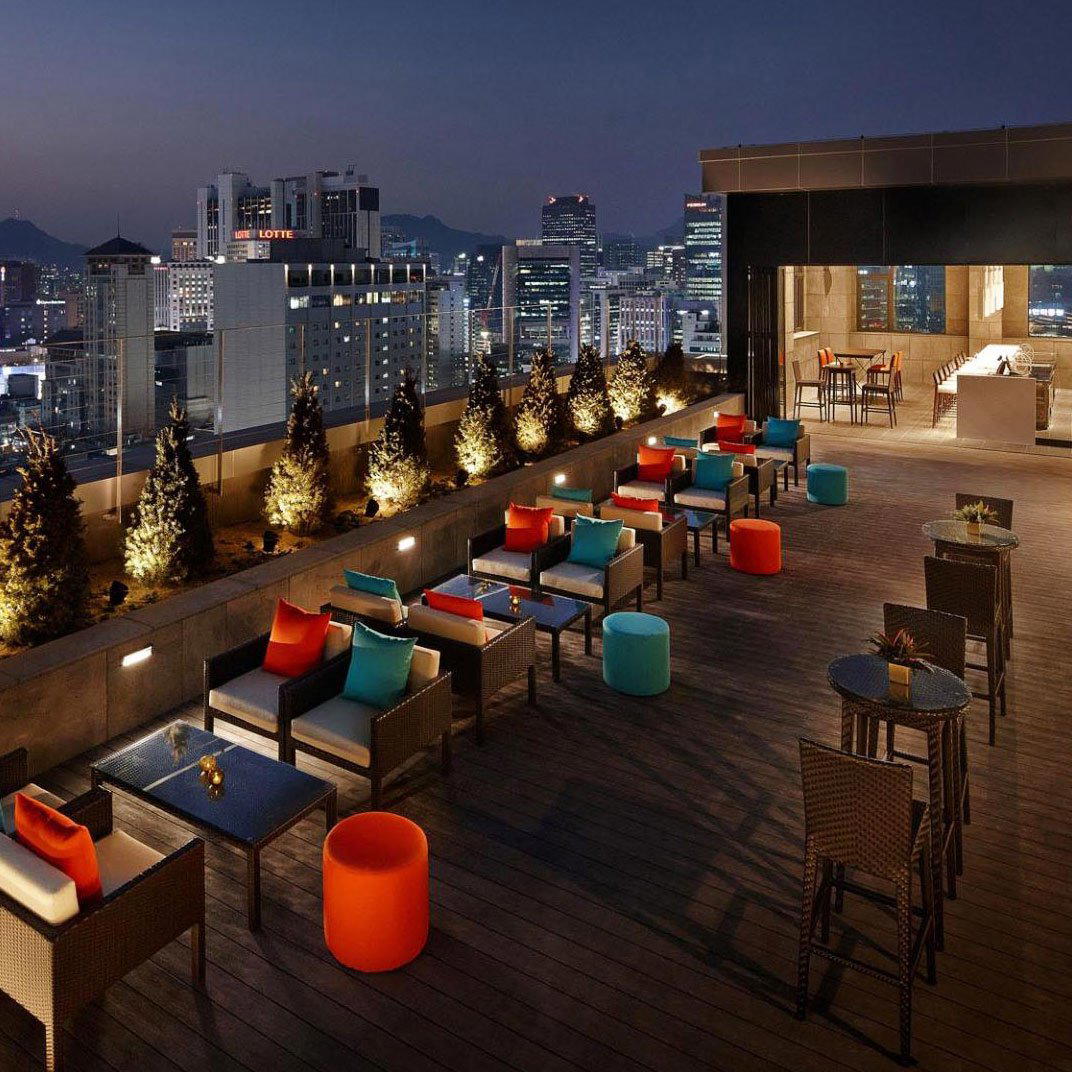
The menu
What to order
- Buckwheat noodles
- Naembiguksu
- Bibim buckwheat noodles
The Buckwheat Counter in Jung-gu
Seoul's noodle culture spans a wide range of registers, from the rich, long-simmered broths of mul naengmyeon to the punchy dressed variations of bibim guksu. Memil-guksu, noodles made from buckwheat flour, occupies a quieter position in that spectrum: less intensely seasoned than many Korean noodle dishes, more attentive to texture, and rooted in a northern Korean tradition that values the grain's natural, slightly earthy character over bold additions. The neighbourhood around Seosomun-ro in Jung-gu carries its own rhythm, a mix of office workers, older residents, and the kind of lunchtime foot traffic that sustains restaurants built on consistency rather than occasion. Yurimmyeon fits that context precisely.
What Memil-Guksu Demands
Buckwheat noodles are technically unforgiving. The grain contains no gluten, which means the binding process requires precision and the cooked noodle has a fragility that rewards attention from both kitchen and diner. The leading memil-guksu counters in Seoul understand this as a constraint that shapes the entire meal: timing matters more than it does with wheat noodles, and the window between the noodle arriving and the noodle losing its optimal texture is narrow. This is one reason the dining ritual at establishments like Yurimmyeon tends toward efficiency and attentiveness rather than the leisurely pacing associated with, say, a multi-course tasting format at somewhere like Gaon in Seoul or 권숙수 - Kwon Sook Soo in Gangnam-gu. You arrive, you order, and you eat while the noodles are in their correct state. That discipline is built into the format, not imposed as affectation.
This stands in contrast to Seoul's broader premium dining trajectory, where multi-course Korean tasting menus at ₩₩₩₩-tier venues such as Onjium, Solbam, or Zero Complex have absorbed much of the critical attention and international visitor appetite. Memil-guksu specialists operate on a different logic entirely: lower price points, faster service cadence, and a proposition that rests on the quality of a single, highly specific preparation rather than the arc of a long menu. Within that niche, consecutive Michelin Bib Gourmand recognition in 2024 and 2025 functions as meaningful external validation. The Bib Gourmand category is specifically designed for venues where quality exceeds expectation relative to price, and holding it across two consecutive guides in a city as competitive as Seoul is a signal of sustained kitchen discipline, not a one-cycle anomaly.
The Ritual of the Meal
Eating memil-guksu well is partly a matter of pace and partly a matter of understanding what you are eating. The buckwheat noodle carries a nuttiness that wheat cannot replicate, and the broth or dressing accompanying it is typically calibrated to complement rather than overpower that baseline character. Diners who approach this format expecting the aggressive seasoning of some other Korean noodle dishes tend to misread it; the restraint is the point. This is a tradition that shares some lineage with the cold noodle customs of the Korean peninsula's northern provinces, where climatic and agricultural conditions made buckwheat a staple grain and where the resulting cuisine favours clean, precise flavours over layered complexity.
The appropriate approach is to engage with the dish directly once it arrives, rather than pausing for documentation or extended conversation. The temperature at service, whether cold or at room temperature depending on the preparation, is a deliberate choice, and the noodle's texture shifts as it sits. These are not arbitrary concerns: they reflect the same kind of format discipline that distinguishes serious practitioners in any specialised cooking tradition. For comparison, consider how the pacing protocol at a focused counter format like Mori in Busan or the seasonal attentiveness at Baegyangsa Temple in Jangseong-gun similarly encodes expertise into the structure of service itself.
Where Yurimmyeon Sits in Seoul's Noodle Spectrum
Seoul's affordable noodle specialists have seen renewed critical attention as the Michelin guide has expanded its Bib Gourmand selections in the city. Venues focused on a single preparation, whether naengmyeon, kalguksu, or memil-guksu, occupy a different competitive set from the multi-cuisine Korean restaurants that dominate the upper price tiers. Within the memil-guksu category specifically, Yurimmyeon has peer restaurants in Seoul worth considering alongside it: Yangyang Memil Makguksu and Seoryung both represent the buckwheat noodle tradition in the city, while Mijin offers another reference point in Seoul's focused noodle dining. Each operates at the ₩ price tier, which places the entire category at an accessible entry point relative to Seoul's overall restaurant economy.
The contrast with Seoul's higher-ambition dining is instructive. A meal at an innovative Korean restaurant like alla prima or a Korean-focused fine dining experience at Mingles will cost multiples more and deliver a structurally different experience. Neither approach is superior; they are answers to different questions. Yurimmyeon answers the question of what Korean noodle cooking looks like when a single preparation is given full attention over years of consistent execution.
Planning Your Visit
Yurimmyeon is located at 139-1 Seosomun-ro, Jung-gu, which places it in a central Seoul district with good access to the broader city. Jung-gu contains some of Seoul's most historically layered neighbourhoods and sits within easy reach of Myeongdong and the Chungmuro area. For visitors building a wider Seoul itinerary, our full Seoul restaurants guide maps the city's dining options by neighbourhood and cuisine type, while our full Seoul hotels guide covers accommodation in the city. Those interested in the broader Seoul scene can also consult our full Seoul bars guide, our full Seoul wineries guide, and our full Seoul experiences guide.
Budget: ₩ (single-tier pricing; Bib Gourmand-level value relative to quality). Reservations: Dress: No dress code; the Jung-gu lunchtime crowd skews casual. Getting there: Jung-gu is well served by Seoul Metro; Seosomun-ro is accessible from multiple central line stations.
Frequently asked questions
What is the dish to order at Yurimmyeon?
How far ahead should I plan for a visit to Yurimmyeon?
A Pricing-First Comparison
A quick peer reference to anchor this venue in its category.
| Venue | Cuisine | Price | Awards | Notes |
|---|---|---|---|---|
| YurimmyeonThis venue (the venue you are viewing) | Traditional Korean Buckwheat Noodles | $10–20 | Michelin Bib Gourmand | Not listed |
| 7th Door | Modern Korean Fermentation Fine Dining | $100–150 | 1 Michelin Star · World's 50 Best #49 | Korean, Contemporary |
| Solbam | Contemporary Neo-Classical Korean | $200–300 | 1 Michelin Star · World's 50 Best #55 | Contemporary |
| Onjium | Modern Korean Royal Court Cuisine | Not listed | 1 Michelin Star · World's 50 Best #14 | Korean |
| L'Amitié | Classic French Fine Dining | $100–150 | 1 Michelin Star · La Liste Top Restaurants | French |
| Zero Complex | Modern French Neo-Bistro | $100–150 | 1 Michelin Star · La Liste Top Restaurants | Korean-French, Innovative |
Recognition history
Dated appearances from independent guides and award organizations, with the underlying list record or original source where available.
Michelin Bib Gourmand
Michelin
Full recognition history (3 entries)
Michelin Bib Gourmand
Michelin
Michelin Bib Gourmand
Michelin
Continue exploring
More in Seoul
Restaurants in Seoul
All restaurants in Seoul →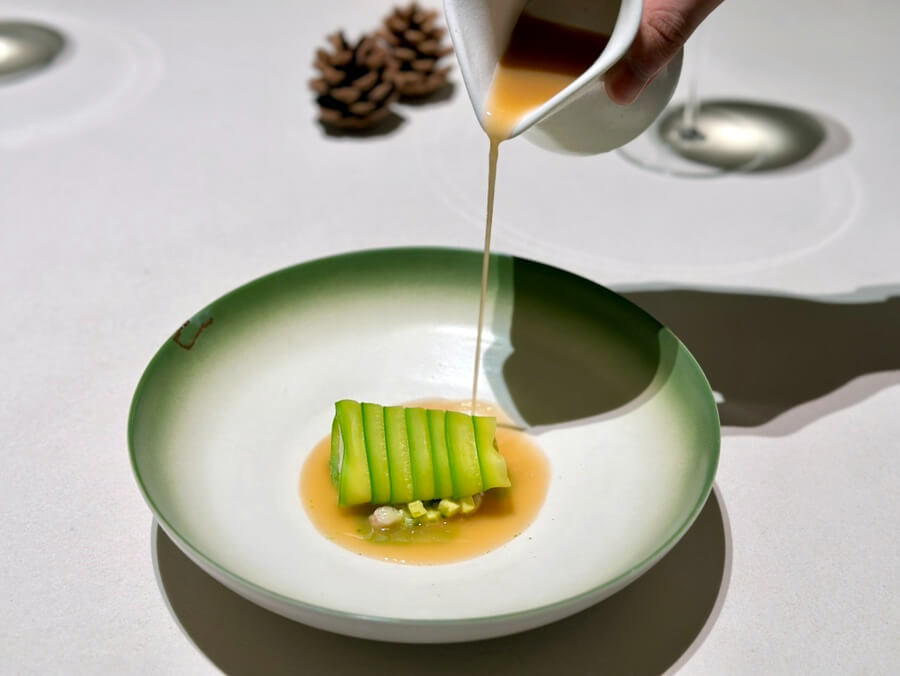
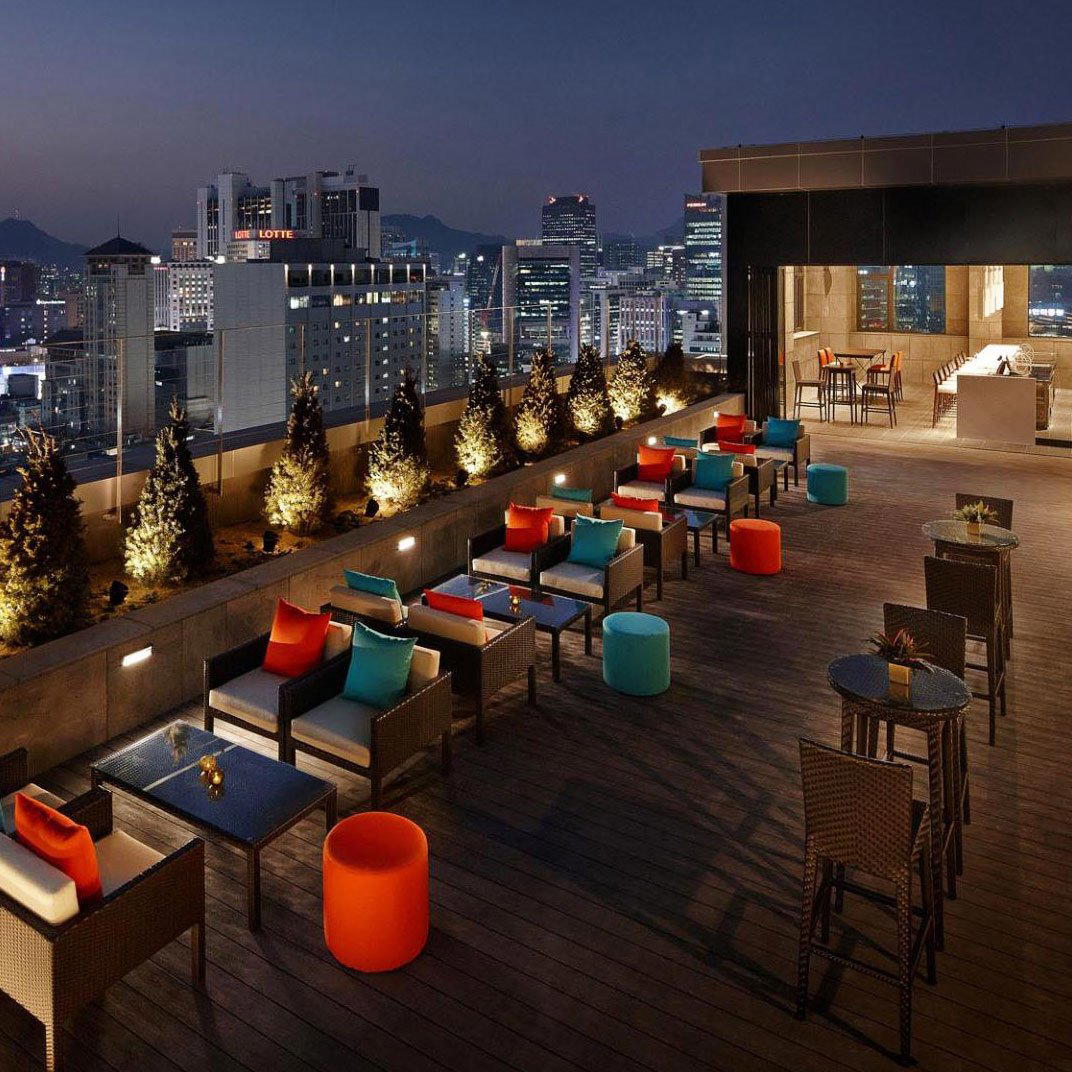
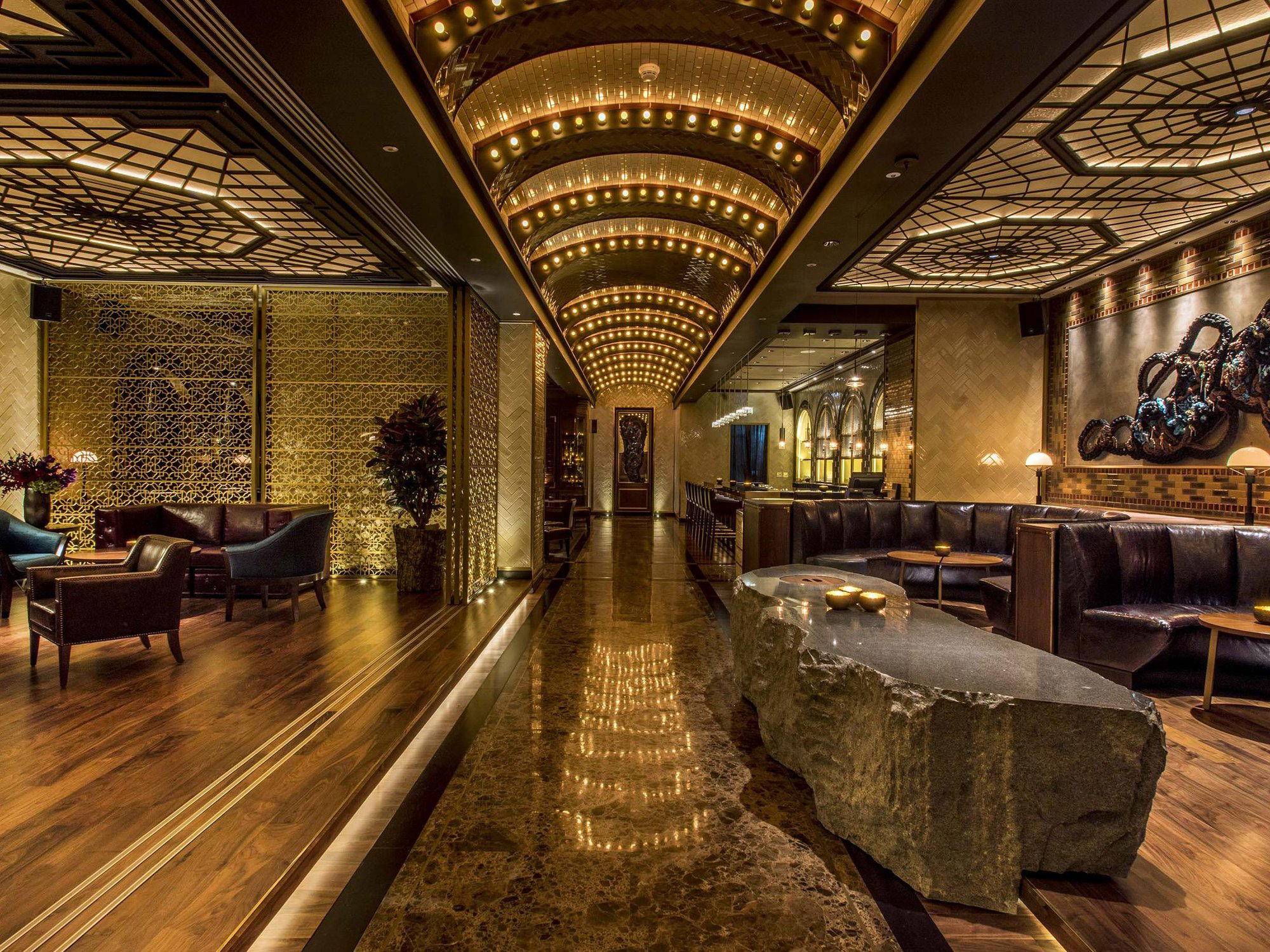
Bars in Seoul
All bars in Seoul →
Details
- Classic
- Cozy
- Modern
- Casual Hangout
- Solo
- Standalone
- Local Sourcing
- A La Carte