Our verdict
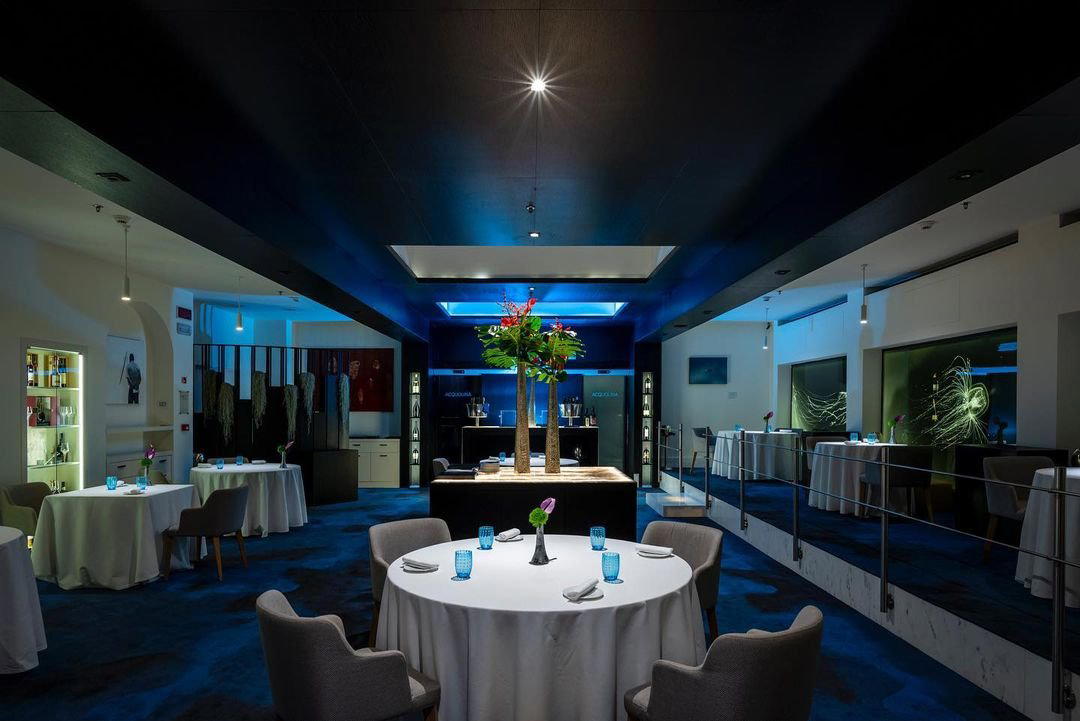
On Via Pietro Cossa in Rome's Prati district, Micalusi sits inside the city's serious seafood tier, a category that demands quality sourcing, restrained technique, and a cellar built for the table rather than the trophy cabinet. The kitchen focuses on real fish, positioned away from Rome's tourist-facing trattoria circuit and toward a local dining culture that prizes product over pageantry.

Pearl is the En Primeur Club membership app, where members save venues, book tables and use the concierge.
The menu
What to order
- Degustazione Crudo
- Gnocchetti al Gambero Rosso
Where Prati Meets the Sea
Rome's relationship with fish is older and more complicated than its reputation as a meat city suggests. The capital sits 25 kilometres from the Tyrrhenian coast, close enough that fresh catch has always arrived at its markets, yet far enough that the city developed a distinct seafood culture shaped by market availability rather than fishing-village immediacy. That culture tends toward simplicity: a whole fish roasted with olive oil and herbs, a plate of raw crudi timed to the morning delivery, a broth built slowly from shells and heads. Restaurants that honour this tradition operate on the margins of the more visible Roman dining circuit, often in residential quarters where the clientele is local and the menu changes when the catch does.
Micalusi occupies a position on Via Pietro Cossa 51D in Prati, one of Rome's more composed and residential neighbourhoods on the west bank of the Tiber, a short walk from Castel Sant'Angelo. Prati is not a neighbourhood that performs for visitors; its long straight streets, shuttered apartment buildings, and neighbourhood bars exist for the Romans who live there. That setting creates a particular dining context: the restaurants here answer to a local audience with consistent standards, not a rotating tourist clientele with variable expectations. It is the kind of pressure that tends to produce sharper kitchens.
The Fish Restaurant as Editorial Position
Seafood-focused restaurants in Rome occupy a distinct tier within the city's dining structure. At the higher end of the spectrum, creative kitchens like Acquolina apply precise contemporary technique to Adriatic and Tyrrhenian product, with the tasting format and price point that implies. Institutions like Uliassi in Senigallia and Quattro Passi in Marina del Cantone set the national benchmark for coastal fine dining. Micalusi operates on different terms: the name signals a real-fish specificity, a commitment to sourcing fish that is what it claims to be rather than substituted, mislabelled, or frozen without disclosure. That distinction is not trivial in a city where the supply chain between port and plate can involve considerable shortcuts.
Italy's serious seafood restaurants increasingly position their identity around sourcing provenance. The conversation happening at the top end of the Italian market, from Le Calandre to Reale, filters down into mid-tier dining through a shared emphasis on product integrity. A restaurant that names itself around fish authenticity is making a claim about its supply chain before the menu even arrives.
The Cellar as Context
The editorial angle at Micalusi that deserves particular attention is the wine dimension. In Rome, the leading fish restaurants have historically operated with a cellar philosophy shaped by the food: lighter, higher-acid whites from Campania, Friuli-Venezia Giulia, and Sicily that carry the iodine and salinity of the sea without overwhelming the protein. Vermentino from Sardinia, Fiano di Avellino, Etna Bianco from the slopes of the volcano, these are the registers a thoughtful fish restaurant in Rome should be working in. Soave Classico and Lugana offer the depth needed for richer preparations. The discipline of pairing wine to raw and cooked fish across a full meal requires a list with genuine range across weight, acidity, and mineral character, not simply a selection of recognisable Pinot Grigios.
The better fish restaurants in Italy treat the cellar as an argument: that the sourcing philosophy applied to the fish extends to the producers chosen for the list. This connects to what distinguishes the serious houses from the comfortable ones. At the very leading of Italian fine dining, references like Enoteca Pinchiorri in Florence set a standard for cellar depth that reframes what is possible. Micalusi operates at a different scale, but the same question applies: does the wine list serve the fish, or is it incidental to it?
For a neighbourhood restaurant with a fish-first identity in Rome's current dining scene, the answer to that question defines the experience more than any single dish. Regulars at this tier of Roman seafood dining tend to develop a working knowledge of the list over multiple visits, identifying the producers and appellations that perform most reliably against the kitchen's strongest preparations.
Positioning Within Rome's Broader Table
Rome's top-end creative dining is anchored by Michelin-starred references that include La Pergola, the city's only three-star, and creative tables like Il Pagliaccio, Enoteca La Torre, and Achilli al Parlamento. These are tasting-menu formats with serious cellars and formal service structures. Micalusi does not compete in that tier; it answers a different question about where to eat well in Rome when the appetite is for honest product at a table that functions as a neighbourhood restaurant rather than a destination event.
That is a meaningful category. The comparison relevant here is not with Rome's starred houses but with the mid-tier fish restaurants that serve Rome's resident population year-round. In that context, provenance signalling and a considered wine list are the differentiators. The alternatives, in a city with many restaurants aimed at the tourist economy, are often weaker on both counts.
For readers planning a broader Italian trip, the country's fish-focused dining canon runs deep: Dal Pescatore in Runate represents a different tradition entirely, and northern comparisons like Atelier Moessmer Norbert Niederkofler in Brunico or Piazza Duomo in Alba sit in a completely separate product and terrain. Internationally, Le Bernardin in New York City remains the reference point for what a fish-only format can achieve at full ambition. Atomix in New York City and Enrico Bartolini in Milan round out the picture of where contemporary fine dining is operating. Osteria Francescana in Modena remains the Italian reference for what happens when culinary intelligence is applied to national product without concession.
Planning a Visit
Via Pietro Cossa 51D places Micalusi in the northern Prati grid, reachable from the city centre in under fifteen minutes on foot from the Vatican end of the neighbourhood. Spring and autumn represent the strongest seasons for a fish-focused visit to Rome: the summer heat compresses supply lines and raises the stakes on freshness, while winter service at a neighbourhood restaurant of this type tends to be more relaxed and reservation-friendly. Booking ahead is advisable, particularly for weekend evenings when Prati's local dining circuit fills quickly and tables at quality fish restaurants are consistently occupied. Given the absence of published booking infrastructure, approaching the restaurant directly by visiting in person during service preparation hours is the most reliable method for securing a table.
For context on how Micalusi fits within Rome's wider dining options, the full Rome restaurants guide maps the city's table across price tiers, neighbourhood character, and cuisine type.
Frequently asked questions
How would you describe the vibe at Micalusi-Real Fish Restaurants?
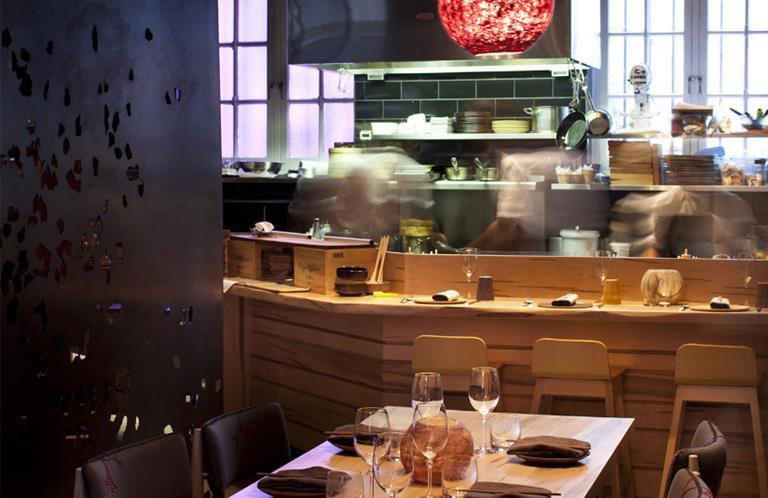
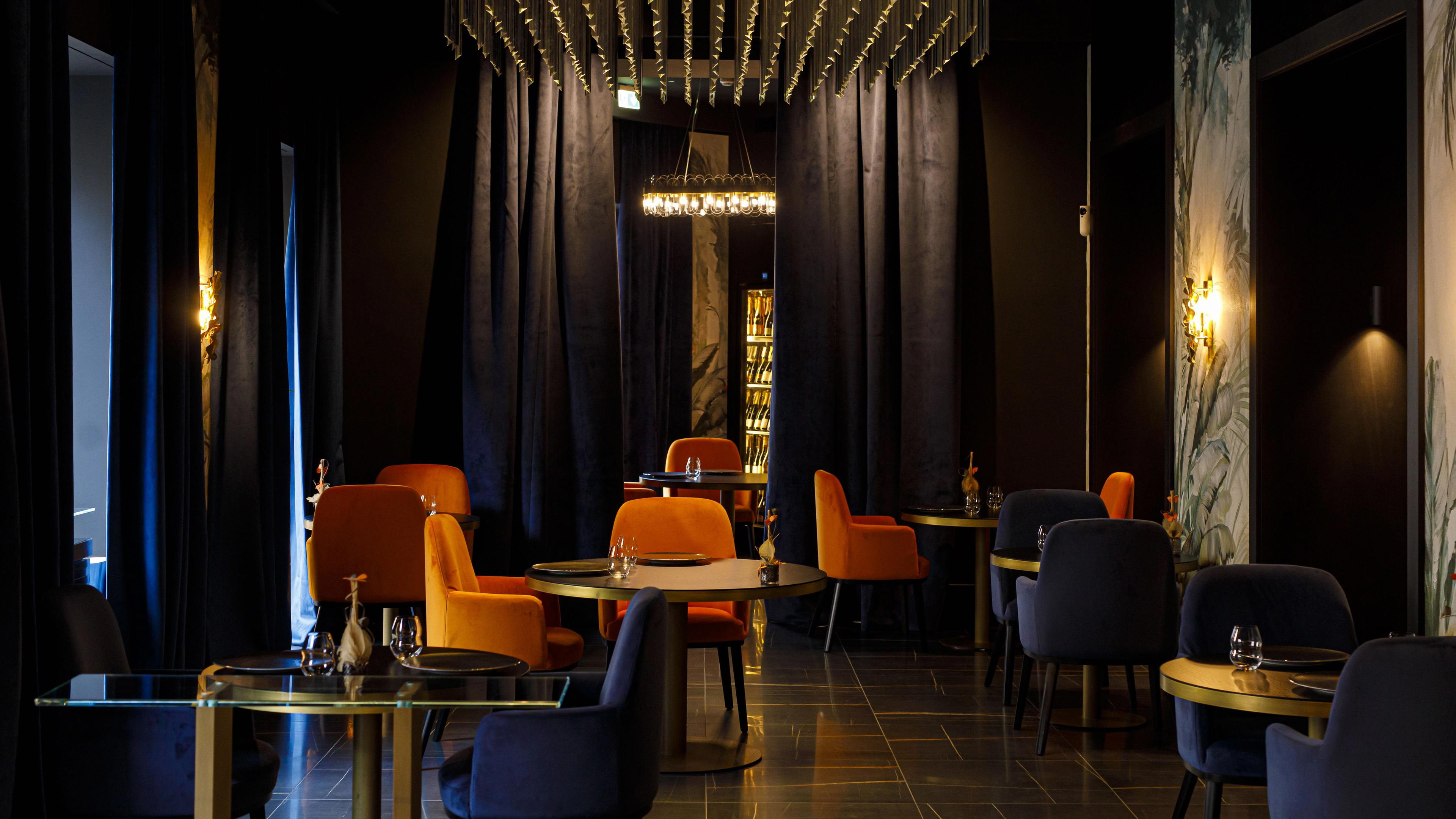
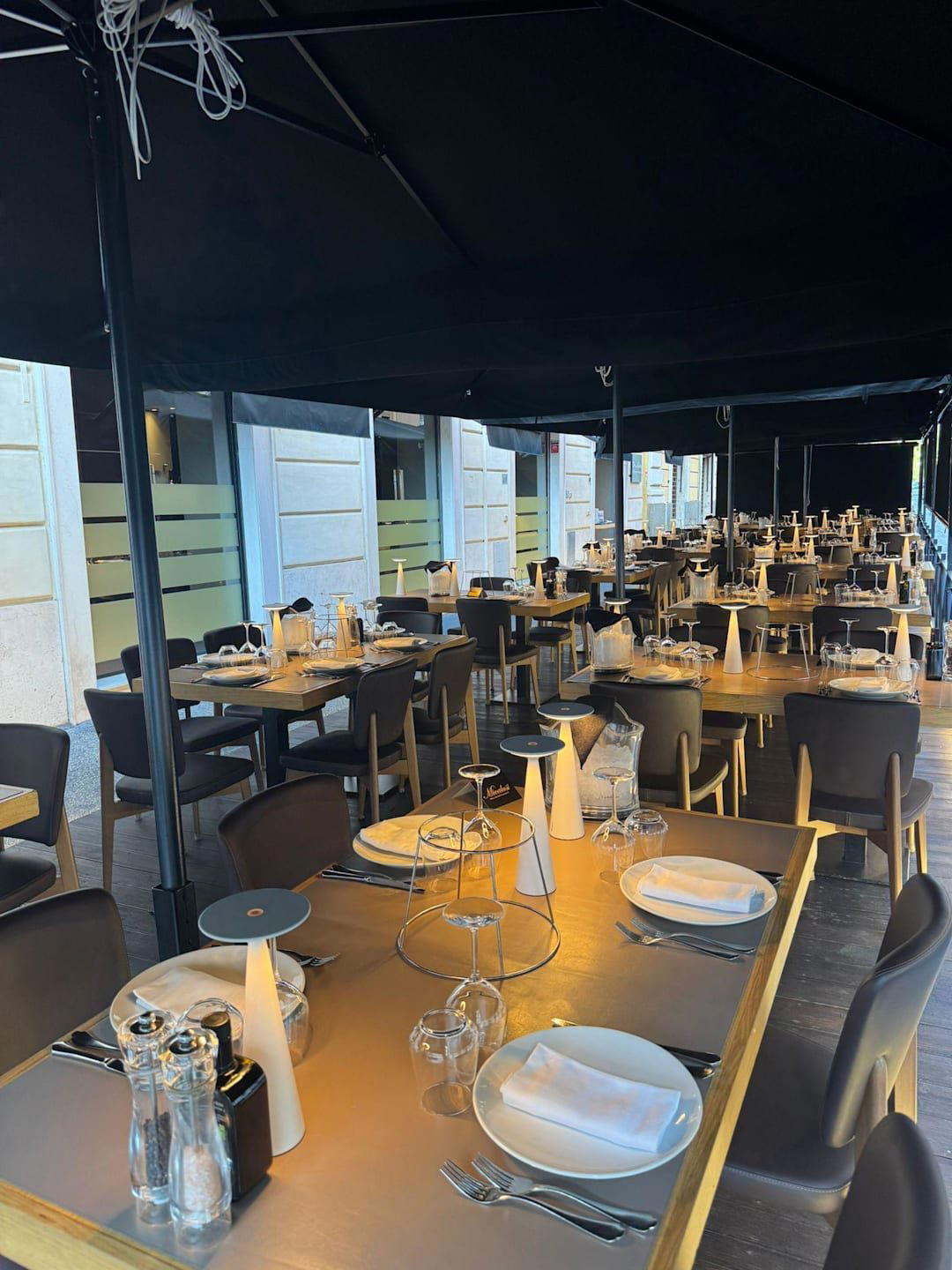
Micalusi sits in the northern Prati grid, a residential neighbourhood that runs on local regulars rather than tourist foot traffic. The address on Via Pietro Cossa 51D signals a restaurant that serves its quarter first, expect a room that feels purposeful rather than performative. The name's emphasis on 'real fish' suggests a kitchen with a position, not a broad menu chasing all appetites.
What part of town is Micalusi-Real Fish Restaurants in?
Micalusi-Real Fish Restaurants is located at Via Pietro Cossa, 51 D, 00193 Roma RM, Italy, Rome.
Is Micalusi a good option for seafood dining near the Vatican in Rome?
Via Pietro Cossa 51D places Micalusi within the Prati grid, reachable from the Vatican end of the neighbourhood in under fifteen minutes on foot, making it one of the few fish-focused addresses of this character in the immediate area. Rome's seafood restaurants of editorial note tend to concentrate further south or east, which positions Micalusi as a practical and substantive option for the northern city. The 'Real Fish' designation in its name signals a kitchen that takes sourcing as a defining commitment rather than an afterthought.
What do regulars order at Micalusi-Real Fish Restaurants?
The house identity is built around fish as a serious editorial commitment, which in Rome, a city whose seafood tradition draws on proximity to the Tyrrhenian Sea, typically means whole fish preparations, raw treatments, and market-led daily offerings. Specific dishes aren't documented in available editorial records, so the safest approach is to ask what arrived that morning and let the kitchen guide the order.
Should I book Micalusi-Real Fish Restaurants in advance?
Prati is a neighbourhood dining district rather than a tourist corridor, meaning tables at a well-regarded address here fill with locals who plan ahead. Booking in advance is advisable, particularly for dinner or weekend lunch.
Nearby-ish Comparables
Comparable venues nearby, for context on price, style, and recognition.
| Venue | Cuisine | Price | Awards | Notes |
|---|---|---|---|---|
| Micalusi-Real Fish RestaurantsThis venue (the venue you are viewing) | Authentic Italian Seafood | $100–150 | Not listed | Not listed |
| Pierluigi | Classic Roman Seafood Trattoria | $100–150 | Star Wine List · Wine Spectator Best of Award of Excellence | Regola |
| Balagan | Mediterranean Fire-Focused Grill with Tropical-Asian Fusion | $50–100 | We're Smart World 1 Radish | Monte Sacro Alto |
| Pescado Seafood Restaurant | Modern Italian Seafood | $50–100 | Not listed | Pinciano |
| VII Coorte | Roman Seafood with Sicilian Influences | $30–50 | Not listed | Trastevere |
| Enoteca L’antidoto | Modern Italian Small Plates with Natural Wines | $50–100 | Not listed | Trastevere |