Pescado occupies a corner of Rome's northern residential belt, on Viale Bruno Buozzi in the Parioli district, where the city's seafood-focused dining sits at a quiet remove from the tourist corridors south of the Tiber. The restaurant draws a loyal local following that returns for the consistency of its fish-led kitchen rather than any particular spectacle. For visitors prepared to travel outside the centro storico, it represents a different register of Roman dining.
Pearl is the En Primeur Club membership app — saves, bookings, and concierge access live there. Same editors, same standards.
- Address
- Viale Bruno Buozzi, 31/33, 00197 Roma RM, Italy
- Phone
- +393965403542
- Website
- pescadoseafood.com
- Directions
- Get directions
 Saves & bookings on Pearl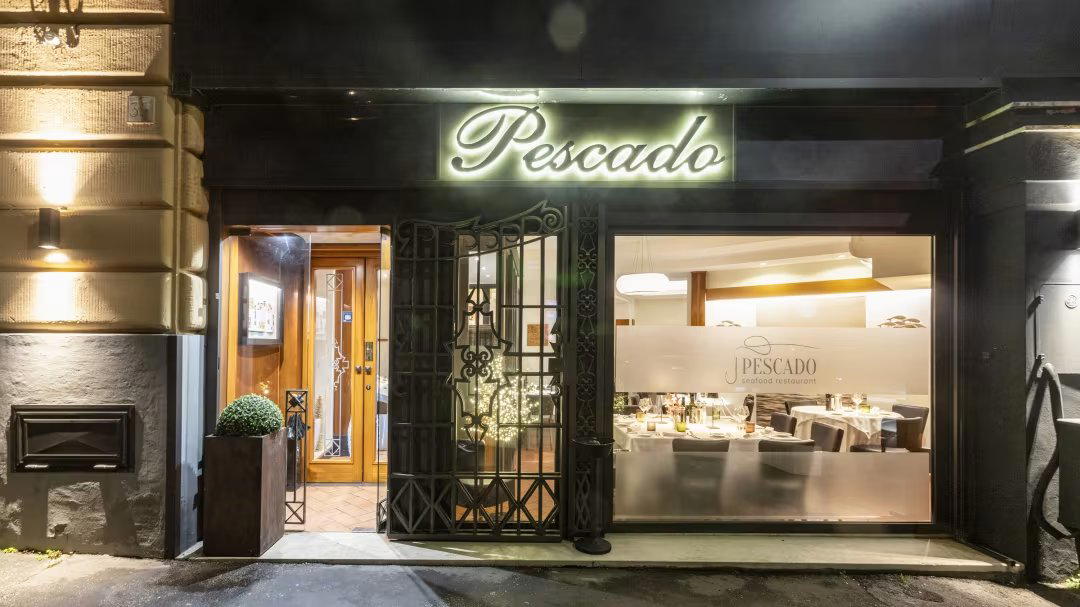
Seafood Dining in Parioli: A Different Register
Rome's seafood tradition is older and more specific than the city's modern restaurant reputation suggests. Long before the capital became a destination for creative tasting menus, the kind served at Acquolina or Il Pagliaccio, the city's fish kitchens were built around the daily catch from Anzio and Fiumicino, cooked with restraint and served to neighbourhood regulars who returned not for novelty but for reliability. Pescado Seafood Restaurant, on Viale Bruno Buozzi in Parioli, is a modern Italian seafood restaurant in Rome. The street itself is wide and tree-lined, characteristic of the prosperous northern residential quarter that developed in the early twentieth century and has since become one of Rome's more settled addresses.
Parioli functions differently from the districts that attract most of Rome's dining coverage. Its restaurants serve a clientele that lives nearby, returns frequently, and has formed opinions over years rather than single visits.
What the Regulars Come Back For
In Rome's fish-specialist sector, the tension between theatrical presentation and product integrity is sharper than in other categories. Several of the city's creative addresses have moved seafood toward tasting-menu formats, where technique and composition absorb as much attention as the fish itself. That model produces compelling results at a handful of addresses, see Enoteca La Torre or Achilli al Parlamento for the creative end of that range, but it is not the only credible model, nor is it the one Parioli's diners have historically rewarded most consistently.
The regulars at a neighbourhood seafood address like Pescado are not seeking surprise. They are seeking the confidence that comes from a kitchen which has made the same choices enough times to have refined them. That refinement tends to show in details invisible on a first visit: the calibration of a broth, the point at which a piece of fish is pulled from heat, the quality of olive oil used as a finishing element. These are the accumulated decisions that build a loyal dining room rather than a viral moment.
Across Italy's serious seafood addresses, from Uliassi in Senigallia to Quattro Passi in Marina del Cantone, the distinction between coastal kitchens that source directly and inland kitchens working through intermediaries remains commercially significant. Rome occupies an unusual position: close enough to multiple coastlines to access quality product, but not itself a port city. The leading Roman fish restaurants have historically maintained supplier relationships that compress that logistical gap. Whether they succeed shows in the dining room's repeat-visit rate more than in any single dish.
Parioli and Its Place in the Rome Dining Map
Understanding where Pescado sits geographically is inseparable from understanding who it serves. Viale Bruno Buozzi runs through the heart of Parioli, a district that contains some of Rome's most established residential addresses and a dining culture that prioritises familiarity and quality over spectacle. The area sits north of Villa Borghese, well outside the density of restaurants that cluster around the historic centre, and it draws a different profile of diner: predominantly Roman, predominantly local, with the expectations that come from long acquaintance.
That context positions Pescado in a competitive set defined less by price tier or creative ambition than by neighbourhood loyalty. It is not competing directly with the Michelin-tracked creative tables on the other side of the city, restaurants like La Pergola operate in an entirely different register, nor with the high-volume tourist trattorias of the centro storico. Its comparable set is the group of capable, consistent neighbourhood restaurants that Rome's residential quarters sustain: kitchens where the quality of the product and the reliability of the cooking matter more than the ambition of the concept.
For visitors, Parioli requires a deliberate choice to travel north. The reward is a version of Roman dining that most short-stay itineraries never reach: quieter, more settled, and shaped by the preferences of people who eat there regularly rather than once. The area is accessible by taxi or the Flaminio-area Metro line, and the relative absence of tourists from the dining room is itself informative about how the neighbourhood functions.
Rome's Broader Seafood Context
Italy's premium seafood dining has concentrated, at the highest technical level, outside Rome. The Adriatic coast runs from Senigallia through a series of serious fish-focused kitchens. The south contributes coastal addresses with direct access to Mediterranean catch. Even within the creative fine-dining tier, kitchens like Reale in Castel di Sangro or Atelier Moessmer in Brunico use regional product as structural arguments rather than decorative detail. Internationally, the standard set by Le Bernardin in New York has defined what seafood-specialist fine dining can mean at its most disciplined.
Rome's contribution to this broader picture is the neighbourhood fish restaurant: not the destination table that draws diners from across the country, but the reliable local address that serves its quarter well across years. Pescado fits that role in Parioli, and that role is not a lesser one, it is simply a different argument about what a fish kitchen is for.
Visitors who want to calibrate Rome's seafood range more broadly should also consider Acquolina for the creative end of the city's fish dining. Our full Rome restaurants guide maps the wider scene across price tiers and styles. For Italian fine dining context beyond the capital, Osteria Francescana in Modena, Dal Pescatore in Runate, Enoteca Pinchiorri in Florence, Enrico Bartolini in Milan, Le Calandre in Rubano, Piazza Duomo in Alba, and Atomix in New York each represent different arguments about what serious dining can mean at a national and international level.
Planning Your Visit
Pescado is located at Viale Bruno Buozzi, 31/33, in the Parioli district of northern Rome. The address places it away from the main tourist corridors, which means the dining room operates on neighbourhood rhythms: tables fill with local residents rather than passing visitors, and the atmosphere reflects that. Booking in advance is recommended, particularly for weekend evenings.
In Context: Similar Options
Comparable venues nearby, for context on price, style, and recognition.
| Venue | Cuisine | Price | Notes |
|---|---|---|---|
| Pescado Seafood RestaurantThis venue — the venue you are viewing | Modern Italian Seafood | $$$$ | Not listed |
| Hi-Res | Modern Italian Fine Dining | $$$$ | Campo Marzio |
| eqvo | Modern Italian Seafood | $$$$ | Settecamini |
| Balagan | Mediterranean Fire-Focused Grill with Tropical-Asian Fusion | $$$$ | Monte Sacro Alto |
| Osteria La Gensola | Traditional Roman & Sicilian Seafood | $$$ | Trastevere |
| Zuma | Modern Japanese Izakaya | $$$$ | Campo Marzio |
Continue exploring
More in Rome
Hotels in Rome
Browse all →

At a Glance
- Elegant
- Sophisticated
- Romantic
- Date Night
- Special Occasion
- Business Dinner
- Terrace
- Private Dining
- Extensive Wine List
- Sustainable Seafood
- Local Sourcing
- Street Scene
Current opening hours
- Monday
- 7:30–11:30 PM
- Tuesday
- 12:30–3:30 PM, 7:30–11:30 PM
- Wednesday
- 12:30–3:30 PM, 7:30–11:30 PM
- Thursday
- 12:30–3:30 PM, 7:30–11:30 PM
- Friday
- 12:30–3:30 PM, 7:30–11:30 PM
- Saturday
- 12:30–3:30 PM, 7:30–11:30 PM
- Sunday
- 12:30–3:30 PM
Hours can change for holidays and private events. Last verified .
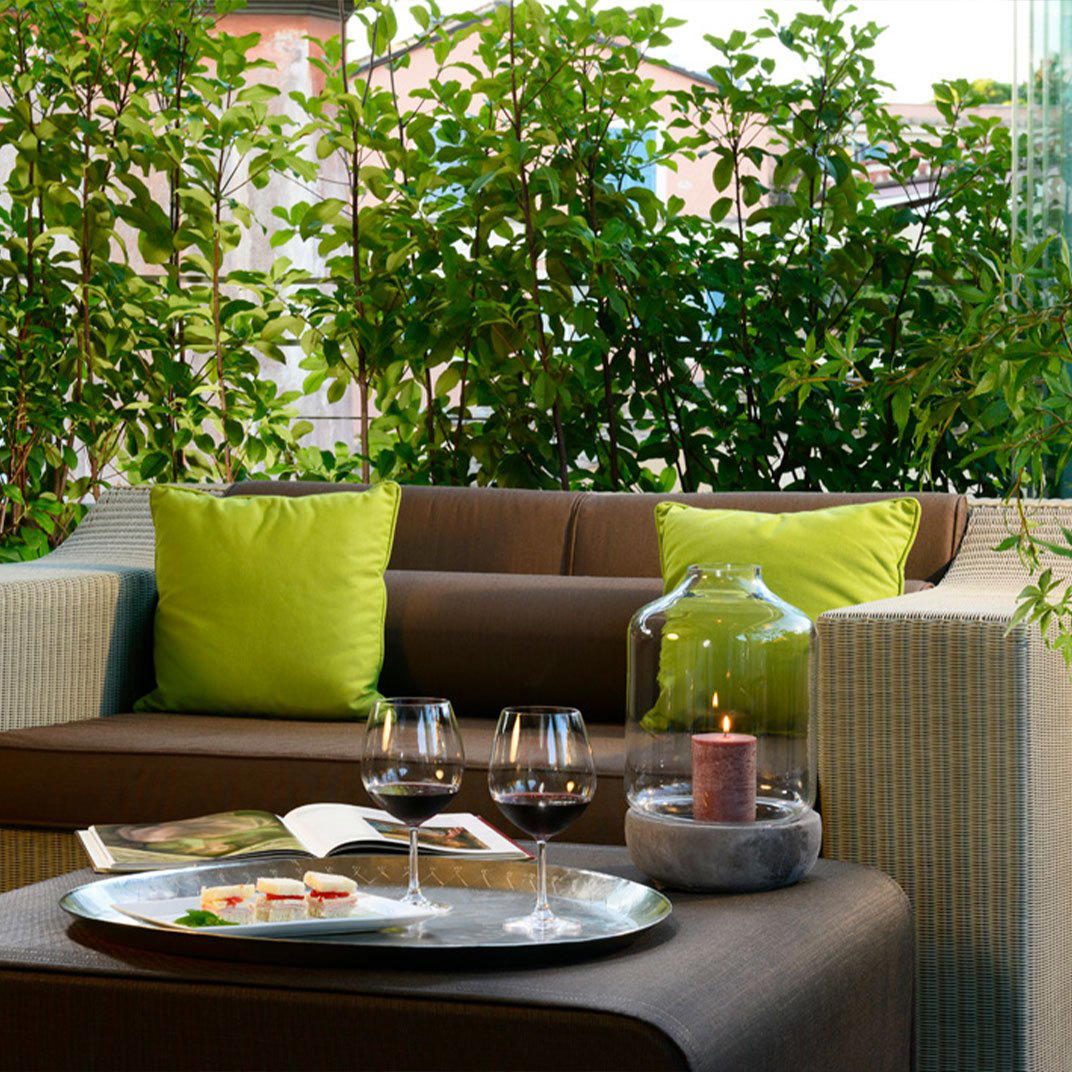
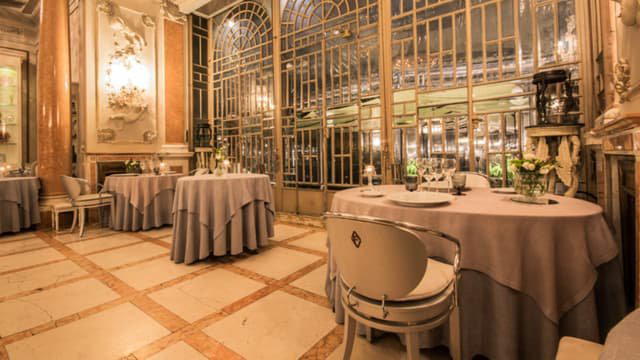
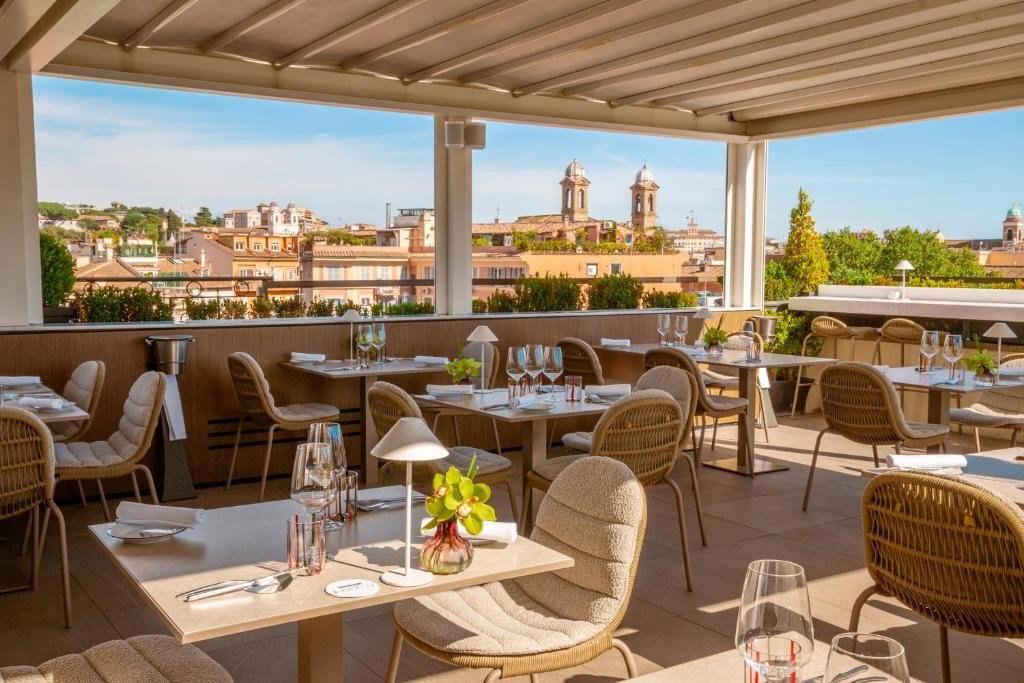
Relaxing and elegant atmosphere with modern, refined design, light furnishings, well-spaced tables, and a peaceful, chic vibe.