VII Coorte occupies a storied address on Piazza Sidney Sonnino in Trastevere, one of Rome's most historically layered neighbourhoods. The restaurant sits at a point where the quarter's working-class Roman identity meets a new generation of considered dining, making it a useful lens on how the city's mid-to-upper tier is repositioning itself beyond the tourist circuit.
Pearl is the En Primeur Club membership app — saves, bookings, and concierge access live there. Same editors, same standards.
- Address
- Piazza Sidney Sonnino, 29, 00153 Roma RM, Italy
- Phone
- +393888985314
- Website
- ristorantesettimacoorte.it
- Directions
- Get directions
 Saves & bookings on Pearl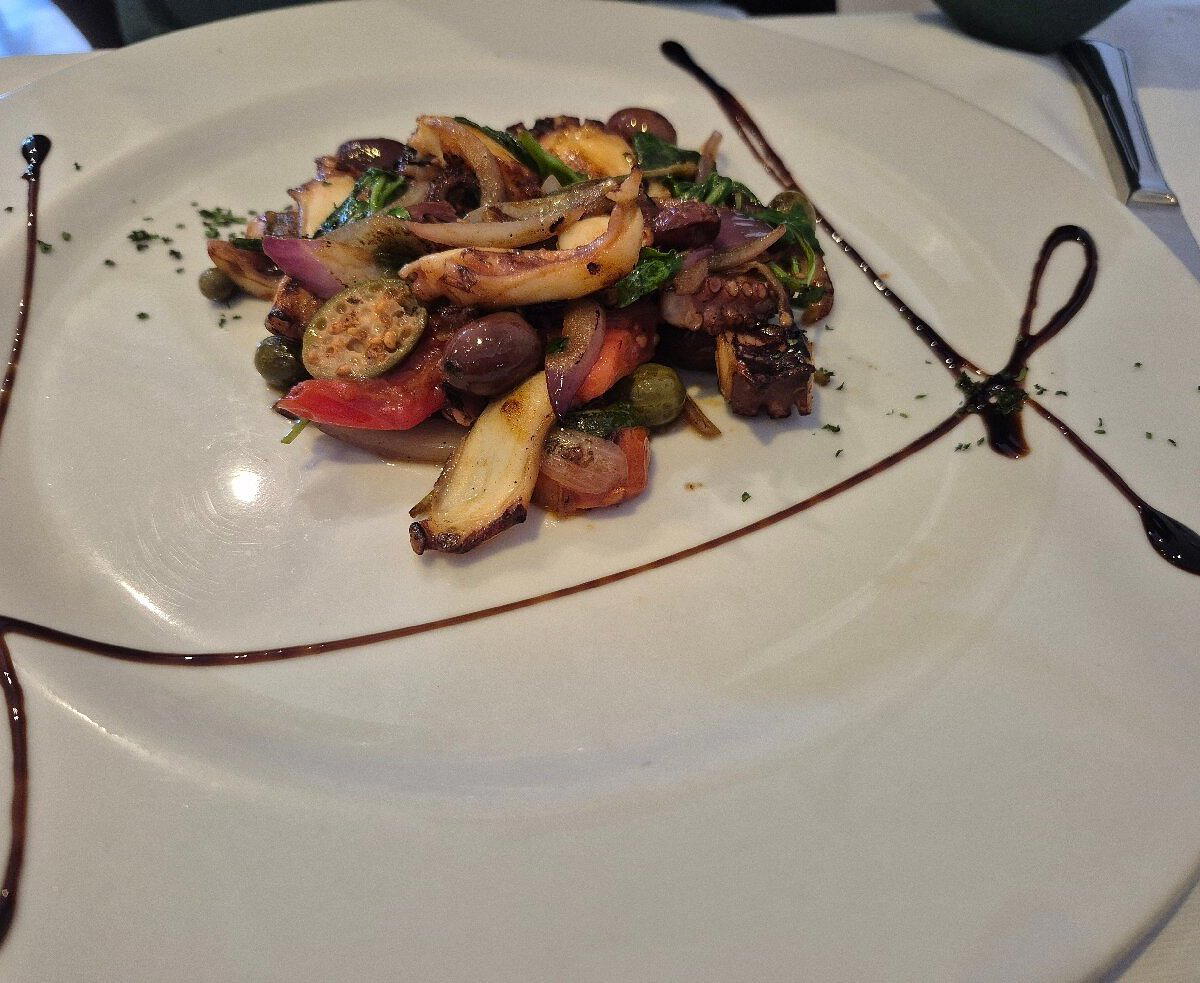
Trastevere's Shifting Table
Trastevere has always had a complicated relationship with its own reputation. For decades the neighbourhood around Piazza Sidney Sonnino operated as Rome's most photogenic shorthand for authentic Roman eating: trattorie with handwritten menus, shared tables, and abbacchio at prices that discouraged lingering. That version of Trastevere still exists, but it now competes with a quieter counter-movement. A number of addresses have repositioned in the past several years to serve a different kind of diner: one who arrives with knowledge rather than a guidebook, and who measures a meal against a broader Italian canon that includes places like Osteria Francescana in Modena and Le Calandre in Rubano. VII Coorte is a restaurant in Rome serving Roman seafood with Sicilian influences.
The piazza sits near the Tiber. The address carries a different weight than the narrow side streets associated with the neighbourhood's trattoria heritage: more visible, more exposed to the kind of foot traffic that tests whether a restaurant is serving its dining room or its location. That tension between place and purpose is something Rome's more considered restaurants have had to resolve deliberately, and it shapes how VII Coorte reads against the surrounding scene.
Rome's Creative-Formal Divide
Rome's upper-tier restaurant scene has long been anchored by a small cluster of Michelin-decorated addresses, among them La Pergola at the three-star level and Il Pagliaccio and Enoteca La Torre in the creative-formal tier. Below that bracket, the city has historically been thin on restaurants operating with real ambition but without the full apparatus of white-tablecloth ceremony. The interesting development of the past decade is the emergence of addresses that attempt the space between serious cucina romana and the tasting-menu format, drawing from Italy's broader creative conversation without abandoning Roman material.
That conversation runs nationally. Acquolina has staked out a fish-focused position in Rome proper, while outside the capital, places like Uliassi in Senigallia and Reale in Castel di Sangro demonstrate what happens when regional Italian cooking is pushed through a technical and conceptual filter without losing its geographic identity. Rome has been slower to produce that kind of address at scale, which is part of why Trastevere's more considered restaurants attract attention disproportionate to their size.
What the Evolution Signals
VII Coorte's name references the ancient Roman administrative division of Trastevere, the seventh cohort, which itself is a signal about intent. Restaurants that reach for historical framing are usually trying to do one of two things: anchor themselves in local identity as a marketing device, or make a genuine argument about continuity and place. The former produces branding; the latter produces a dining proposition. In Trastevere, where the neighbourhood's own identity has been contested between longtime residents, creative newcomers, and international tourism for at least two decades, the choice of frame matters.
The evolution question for a restaurant in this position is whether the concept has moved with the neighbourhood's changing profile or against it. Trastevere's dining scene has tilted progressively toward an international visitor base without fully abandoning its local constituency. Restaurants that have managed both successfully tend to be the ones that built a genuine culinary argument first and let the audience follow, rather than reverse-engineering the menu from the expected customer. Italy's most durable creative addresses, from Dal Pescatore in Runate to Piazza Duomo in Alba, built that argument over years and across multiple format shifts. The question for a Trastevere address is whether that kind of trajectory is available without the institutional depth those venues carry.
Compared to Rome's busiest creative addresses, the restaurant's position on Piazza Sidney Sonnino places it at a transit point between the neighbourhood's tourist-facing exterior and its more resident-oriented interior. That geography tends to reward restaurants with a clear point of view, since the foot traffic alone will not sustain a serious dining program. Places like Achilli al Parlamento, operating near the political centre of the city, have demonstrated that Roman addresses can build destination status without relying on location adjacency. The same logic applies in Trastevere: the address attracts the first visit; the kitchen earns the second.
The Italian Context Beyond Rome
Any assessment of a Roman restaurant operating in the creative-to-formal tier requires placing it against Italy's broader talent geography. The country's most decorated kitchens are disproportionately distributed outside Rome: Enrico Bartolini in Milan, Atelier Moessmer Norbert Niederkofler in Brunico, Quattro Passi in Marina del Cantone, and Enoteca Pinchiorri in Florence are all operating in the upper registers of Italian fine dining from positions outside the capital. Rome's comparative underrepresentation at the decorated tier has historically been attributed to the city's deeply conservative dining culture and its reliance on a high volume of tourist trade that reduces incentive for technical risk-taking.
That framing is beginning to shift. A new generation of Roman restaurants is building programs that treat the city's ingredient base, particularly offal traditions, seasonal produce from Lazio's agricultural hinterland, and the Jewish-Roman culinary canon, as material for contemporary expression rather than museum-piece recreation. Whether the restaurant participates in that shift, and at what level of ambition, is the editorial question that a visit would need to resolve.
Planning a Visit
Piazza Sidney Sonnino is reachable on foot from Trastevere's main drag and sits within easy distance of the Tiber Island crossing, making it accessible from both the Jewish Quarter and the centro storico without requiring transport. For visitors arriving from further afield, the 8 tram line connects the piazza to Largo di Torre Argentina. Reservations are recommended. For context on how Rome's upper tier compares internationally, Le Bernardin in New York City and Atomix in New York City represent a comparable level of formality and intent in a different market.
Cuisine and Credentials
Comparable venues nearby, for context on price, style, and recognition.
| Venue | Cuisine | Price | Notes |
|---|---|---|---|
| VII CoorteThis venue — the venue you are viewing | Roman Seafood with Sicilian Influences | $$$ | Not listed |
| Enoteca Bellini Roma | Modern Italian Enoteca | $$$ | Ponte |
| Contempo | Modern Roman Italian | $$$ | Trastevere |
| Giulio Passami L'olio | Traditional Roman Trattoria | $$$ | Ponte |
| Urbana 47 | Modern Roman Locavore | $$$ | Monti |
| Terrazza dei papi | Italian Mediterranean Rooftop | $$$ | Esquilino |
Continue exploring
More in Rome
Restaurants in Rome
Browse all →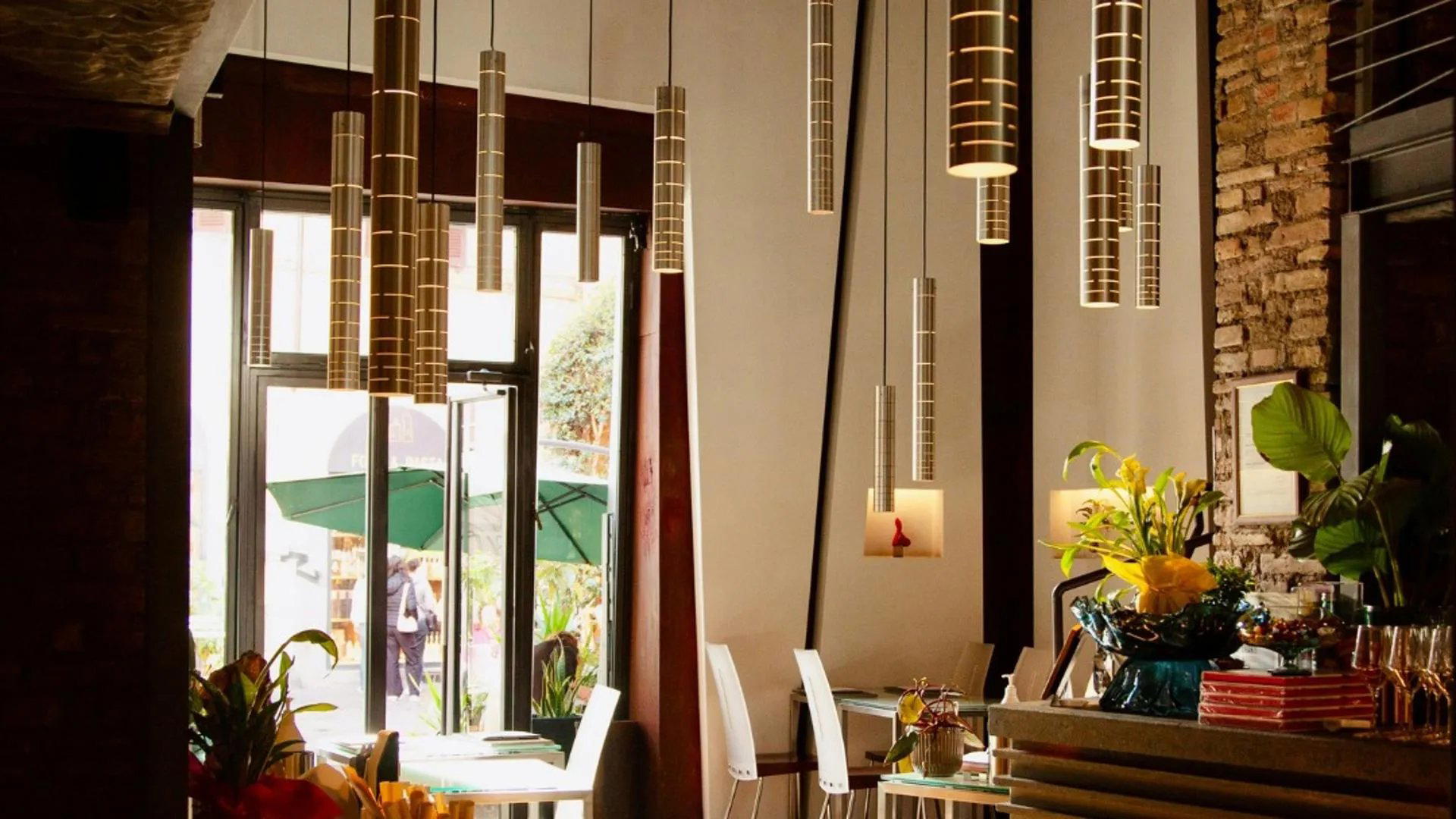
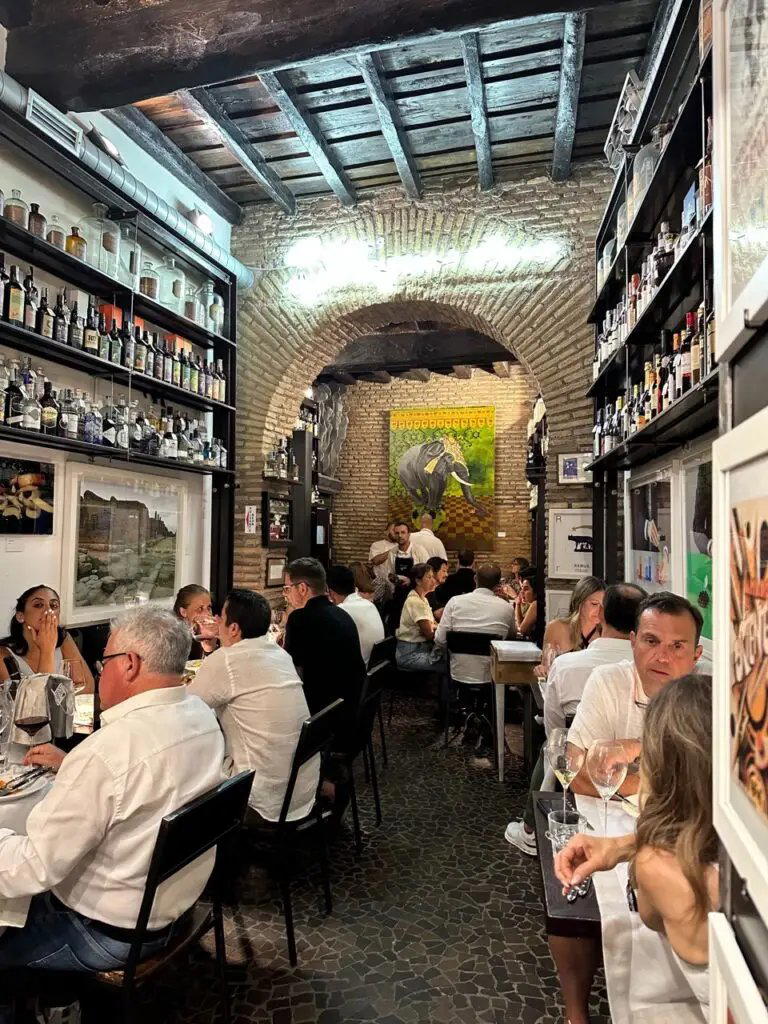
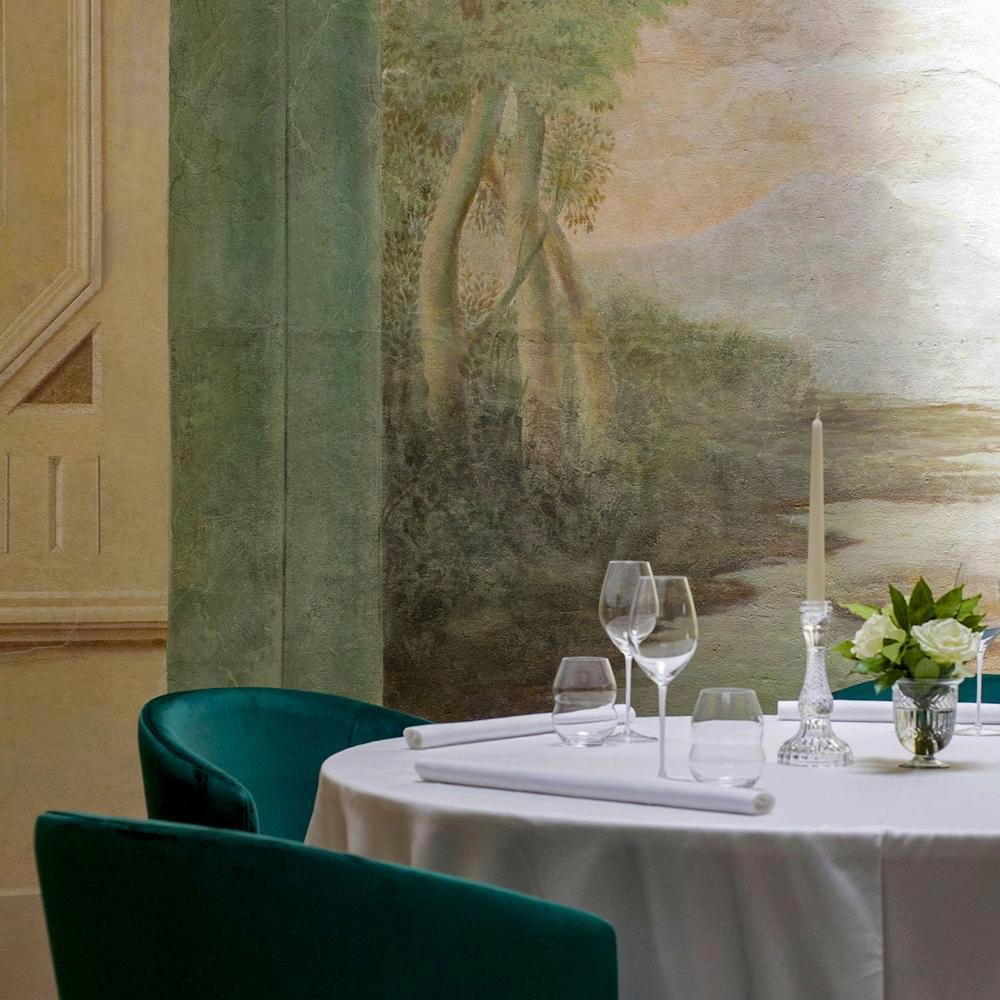
Bars in Rome
Browse all →
Hotels in Rome
Browse all →

At a Glance
- Elegant
- Cozy
- Intimate
- Date Night
- Special Occasion
- Terrace
- Extensive Wine List
- Street Scene
Current opening hours
- Monday
- Closed
- Tuesday
- 12:30–3 PM, 6–11 PM
- Wednesday
- 12:30–3 PM, 6–11 PM
- Thursday
- 12:30–3 PM, 6–11 PM
- Friday
- 12:30–3 PM, 6–11 PM
- Saturday
- 12:30–3 PM, 6–11 PM
- Sunday
- 12:30–3 PM, 6–11 PM
Hours can change for holidays and private events. Last verified .
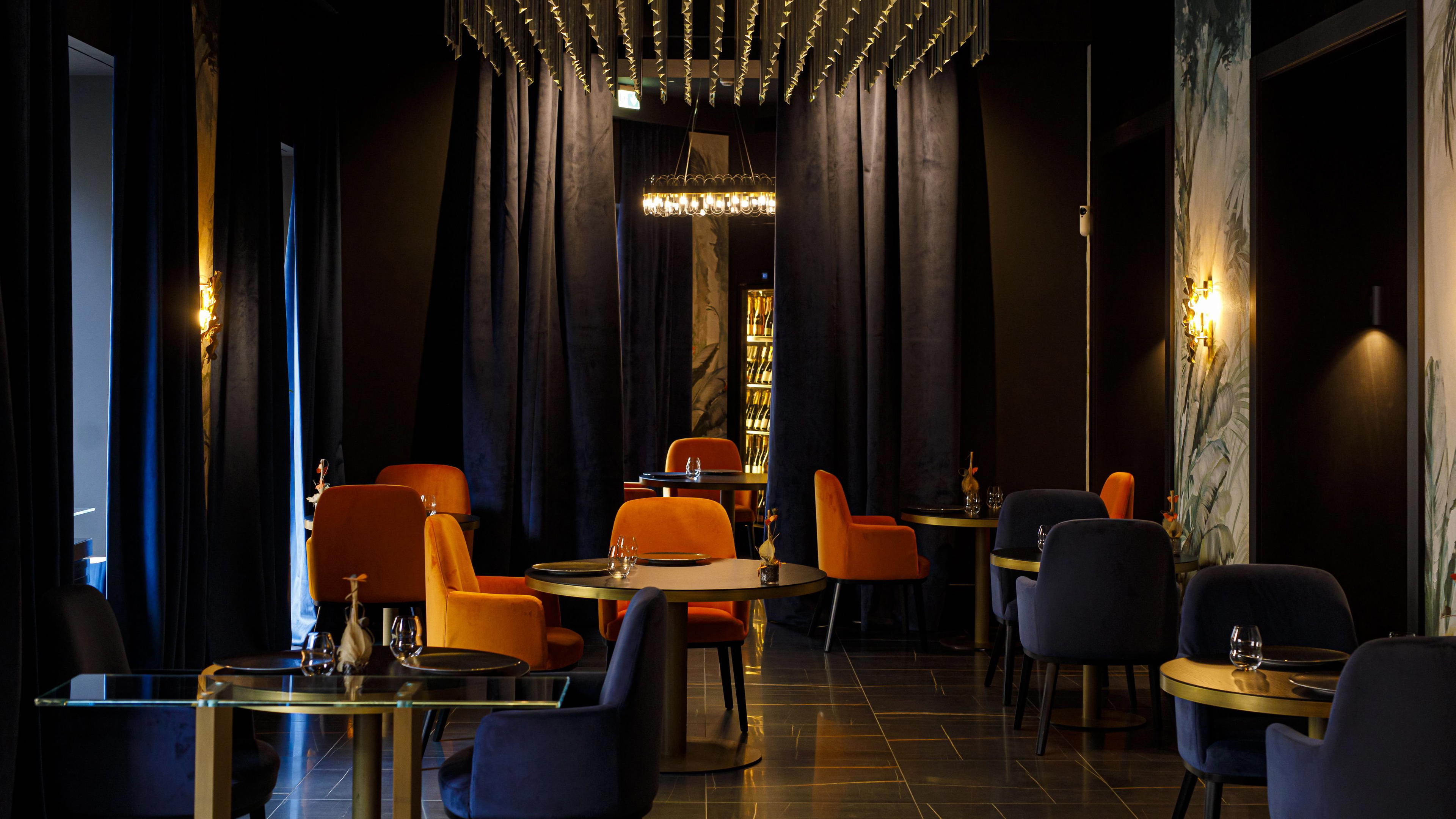
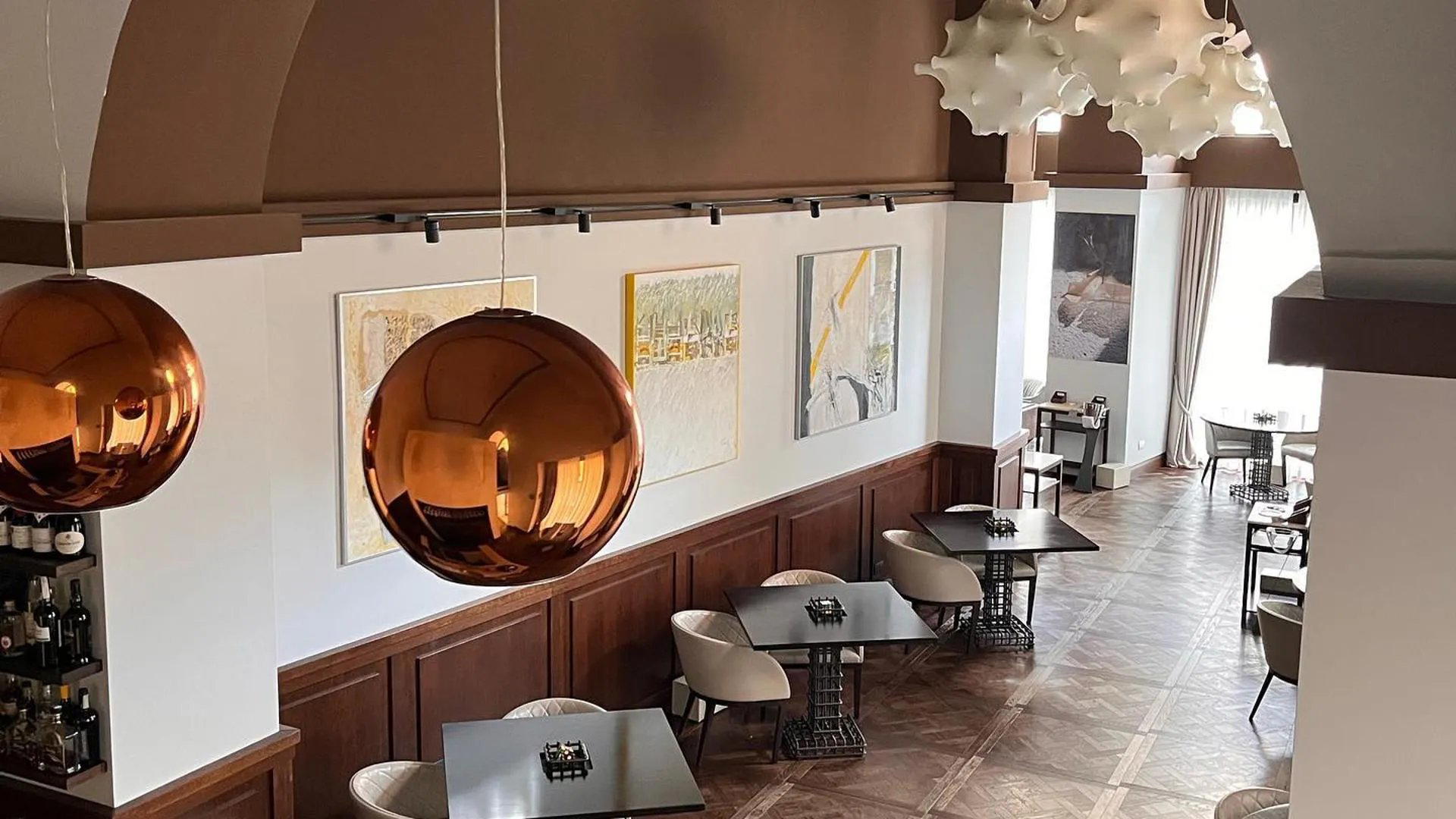
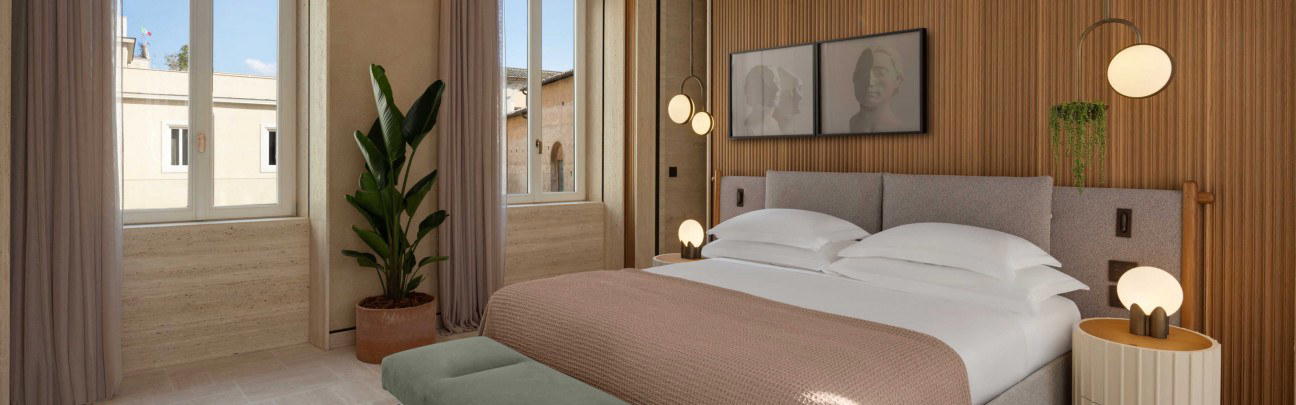
Elegant, warm, and curated environment blending tradition with style.