
A compact enoteca on a quiet Trastevere vicolo, Enoteca L'antidoto earned an Opinionated About Dining Casual Europe ranking in 2025 under chef Flaviano Pizzoli. The format sits in the informal wine-bar tier that Rome does better than almost any other European capital: serious bottles, Italian cooking with a light hand, and a room that runs on neighbourhood regulars rather than tourist footfall.
Pearl is the En Primeur Club membership app — saves, bookings, and concierge access live there. Same editors, same standards.
- Address
- Vicolo del Bologna, 19, 00153 Roma RM, Italy
- Website
- enotecalantidoto.com
- Directions
- Get directions
 Saves & bookings on Pearl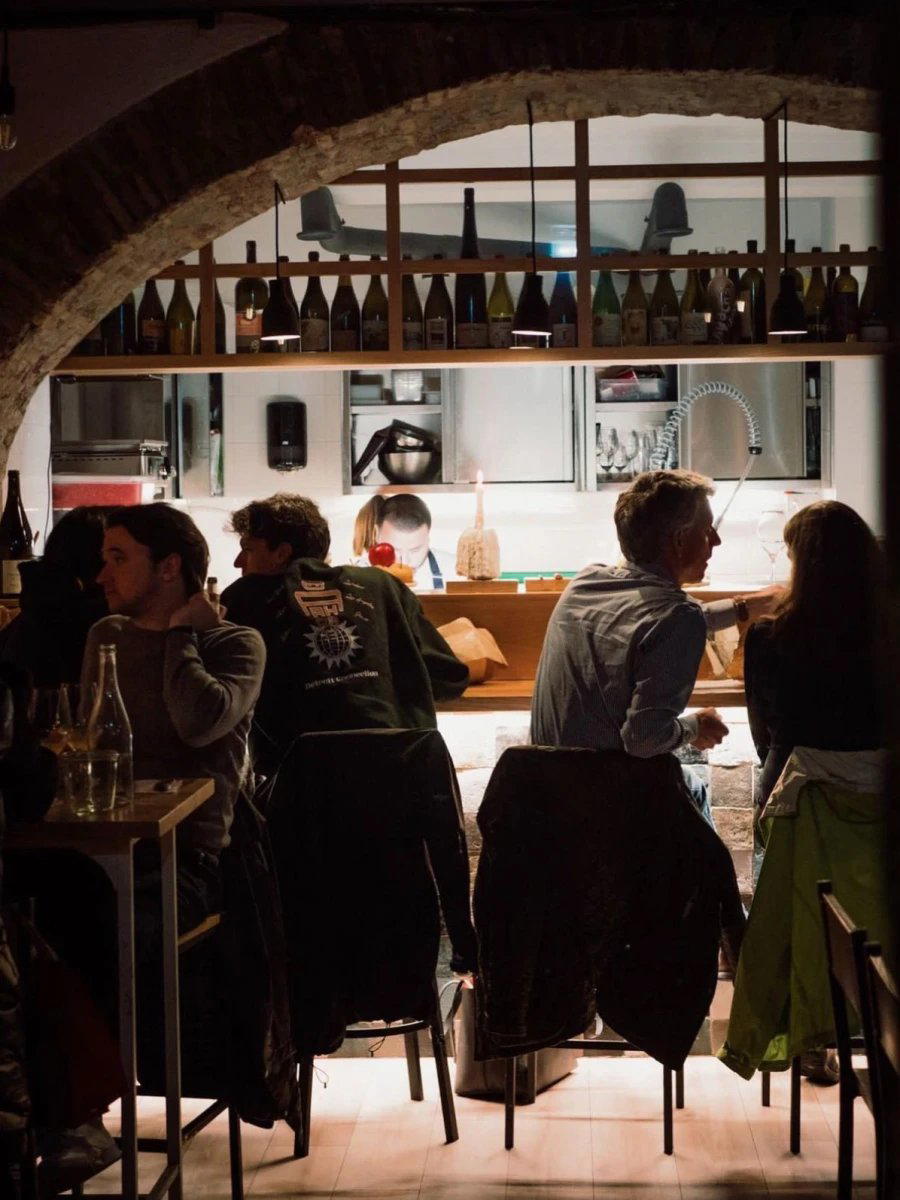
A Vicolo in Trastevere, After Dark
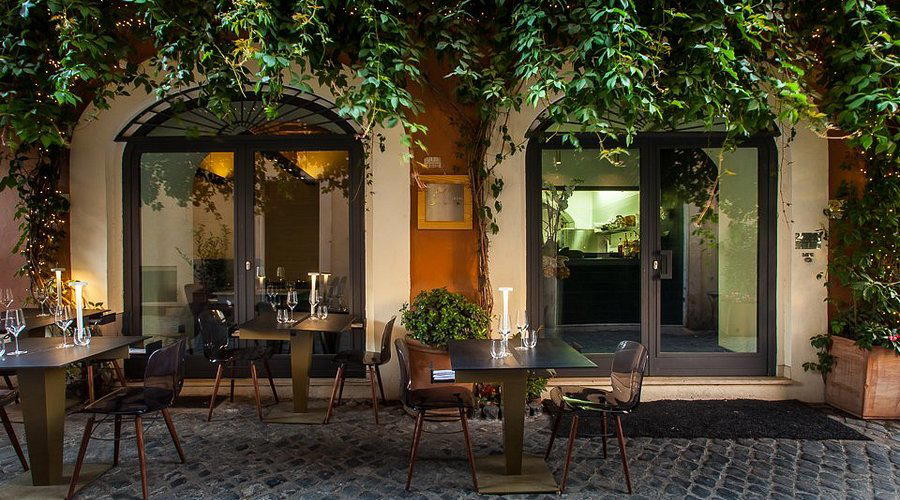
Trastevere has a texture that other Roman neighbourhoods don't quite replicate. The stones are darker, the lanes narrower, and the light — lantern-warm against medieval ochre — arrives at angles that feel staged but aren't. Vicolo del Bologna sits inside that grid, a short residential slip that feeds off the larger arteries without sharing their noise. Approaching Enoteca L'antidoto on a weeknight, before the neighbourhood reaches full volume, the sound cues come before the visual ones: low conversation, a cork pulled, the particular acoustics of a room where the ceiling is low and the walls have absorbed decades of Italian evenings. This is the sensory register that defines the enoteca format at its finest, and it's a format Rome has preserved more faithfully than most cities its size.
Where This Fits in Rome's Dining Tiers
The capital's restaurant market has a well-documented leading layer: Per Me Giulio Terrinoni, Campocori, and the Michelin-starred addresses clustered around the historic centre carry the formal end of that tier. La Pergola holds three Michelin stars at the leading; Il Pagliaccio and Enoteca La Torre each hold two. Below that formal bracket sits a much larger, more fluid category: the osterie, enoteche, and trattorie that constitute Rome's daily dining life. Enoteca L'antidoto operates in this second category, specifically in the casual-but-considered niche where wine selection functions as the menu's anchor and the food exists in a purposeful relationship with what's in the glass rather than as a separate event.
The 2025 Opinionated About Dining Casual Europe ranking (position 872) is a useful signal here. OAD's casual list specifically tracks venues where informality and quality coexist, a combination that Rome's neighbourhood enoteche have been delivering since long before casual dining became a critical category. For context on the Italian fine-dining end of that same critical conversation, Osteria Francescana in Modena and Le Calandre in Rubano anchor the formal pole; L'antidoto positions itself at the opposite end of that critical attention, where the measure is pleasure rather than precision.
The Enoteca Tradition and What It Demands
Enoteca model, wine shop, wine bar, and dining room operating in loose overlap, has roots in Italian market culture that predate modern restaurant categories. In Rome, it survived the tourist economy by serving locals first: people who return weekly, who know the cellar, and who would notice immediately if the pours changed character or the food grew indifferent. That repeat-customer accountability is structurally different from the accountability facing a destination restaurant, and it produces a different kind of quality. A well-run enoteca is calibrated for the hundredth visit as much as the first. Chef Flaviano Pizzoli operates within that tradition, where his role is less auteur than custodian: keeping the kitchen aligned with the wine program and the room's particular social temperature.
For international reference, the enoteca format has found interesting parallels abroad. cenci in Kyoto runs a similarly intimate, wine-anchored Italian operation in a completely different cultural context, and 8 1/2 Otto e Mezzo Bombana in Hong Kong demonstrates how Italian hospitality translates at a grander scale when exported. The stripped-back Trastevere version, by contrast, works precisely because it hasn't been exported or scaled: it remains anchored to the street it occupies.
The Room and How It Feels
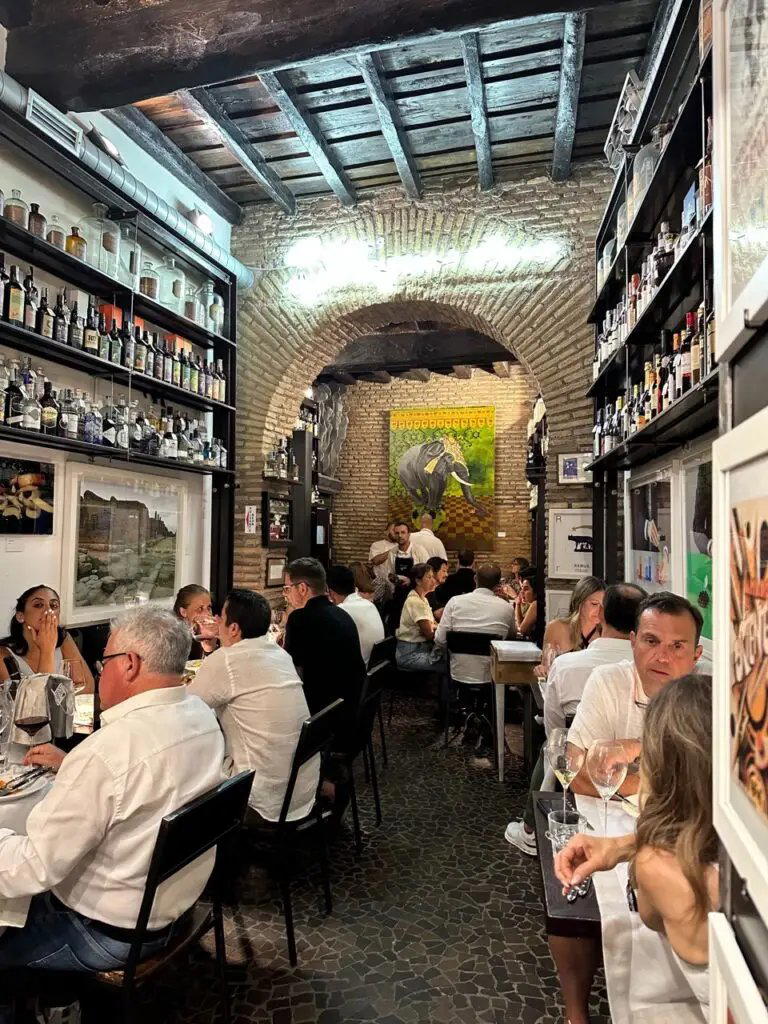
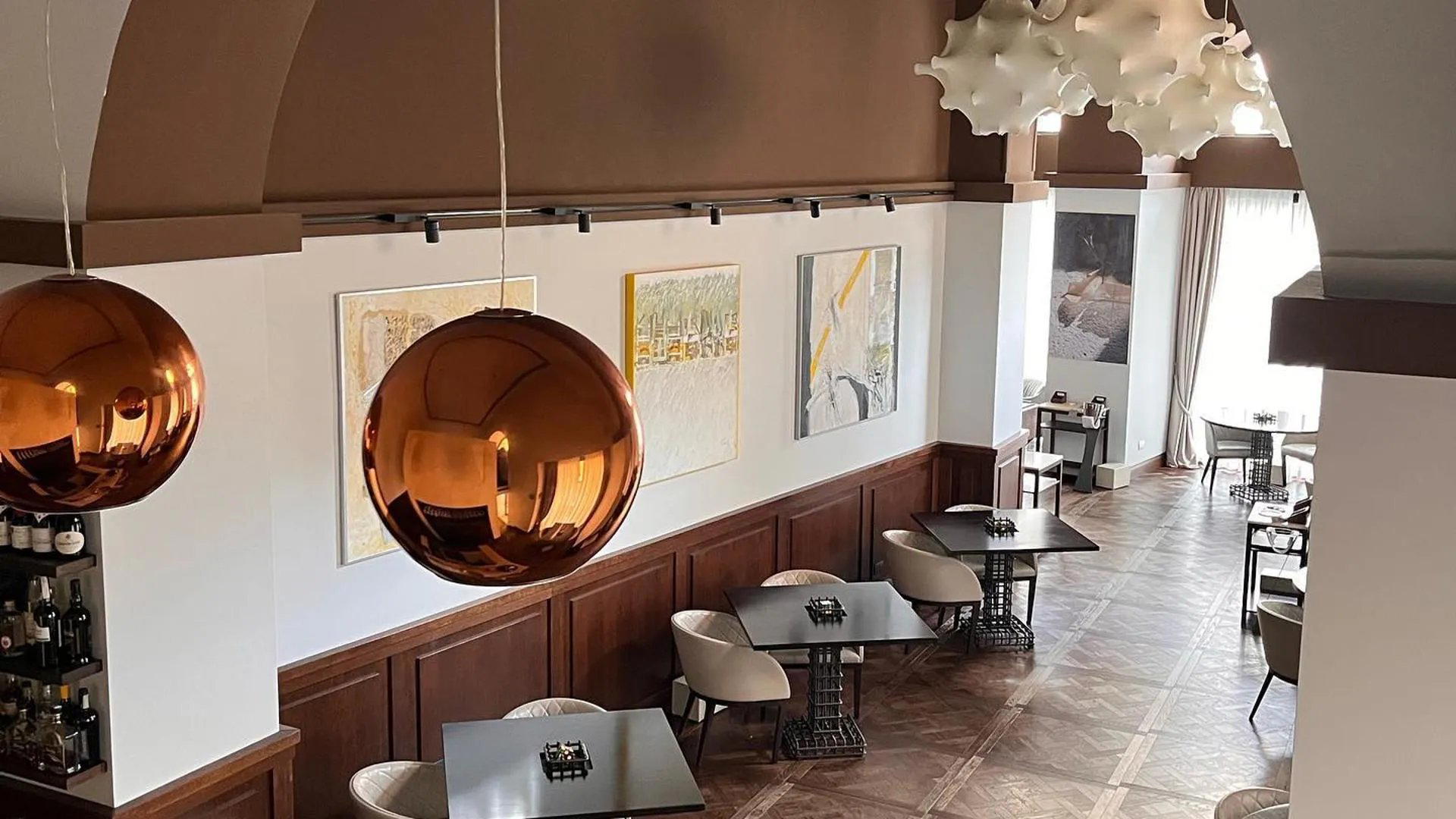
The physical experience of a small Italian enoteca is inseparable from its social function. Tables close enough that conversations occasionally merge. A wine list that arrives as a handwritten sheet or a worn card rather than a laminated document. Natural light that matters at lunch and disappears by early evening, replaced by something warmer and less defined. The smell of a room that has held wine and olive oil and slow-cooked meat for long enough that the walls carry those notes independently of what's currently in the kitchen. These are not aesthetic accidents, they are the cumulative result of a format that prioritises continuity over reinvention.
Trastevere in Context
The neighbourhood houses several dining registers simultaneously. Emma Pizzeria Con Cucina represents the serious Roman pizza end; Harry's Bar and Spazio Roma operate in other modes entirely. The enoteca sits between these poles, more focused than a generalist trattoria, less performative than a formal tasting-menu address. Within Italian fine dining more broadly, the cellar-driven format has a distinguished lineage: Enoteca Pinchiorri in Florence refined the enoteca model to three Michelin stars, demonstrating how far the format can travel when the wine collection and kitchen ambition align at the same level. L'antidoto makes no claim to that register, and that distinction is part of its appeal. It belongs to a tier where the experience is measured in grams rather than kilograms: precise, contained, and repeatable.
For visitors arriving in Rome in autumn or winter, the neighbourhood enoteca format earns its reputation most fully in the colder months. The compression of the room, warm against the street cold, and the transition to heavier, slower Roman cooking creates a coherence between environment and plate that summer dining, with its pressure toward outdoor tables and lighter menus, doesn't quite replicate. Booking ahead remains advisable regardless of season; a venue of this size and reputation operates with limited covers, and walk-in availability at peak hours is not reliable. For a broader view of what Rome's dining scene offers across all tiers and neighbourhoods, our full Rome restaurants guide maps the full range, while our Rome bars guide, hotels guide, wineries guide, and experiences guide cover the rest of the city. For the upper end of Italian regional cooking beyond Rome, Atelier Moessmer Norbert Niederkofler in Brunico, Dal Pescatore in Runate, and Enrico Bartolini in Milan represent the formal Italian alternative.
How Enoteca L'antidoto Rome compares with similar nearby venues.
| Venue | Cuisine | Price |
|---|---|---|
| Enoteca L’antidoto | Italian | Not listed |
| Campocori | Italian | €€€ |
| Emma Pizzeria Con Cucina | Italian | Not listed |
| Per Me Giulio Terrinoni | Italian | €€€€ |
| Harry’s Bar | Italian | Not listed |
| Spazio Roma | Italian | Not listed |
Recognition history
Dated appearances from independent guides and award organizations, with the underlying list record or original source where available.
Opinionated About Dining Casual in Europe Ranked #872
Opinionated About Dining
Continue exploring
More in Rome
Restaurants in Rome
Browse all →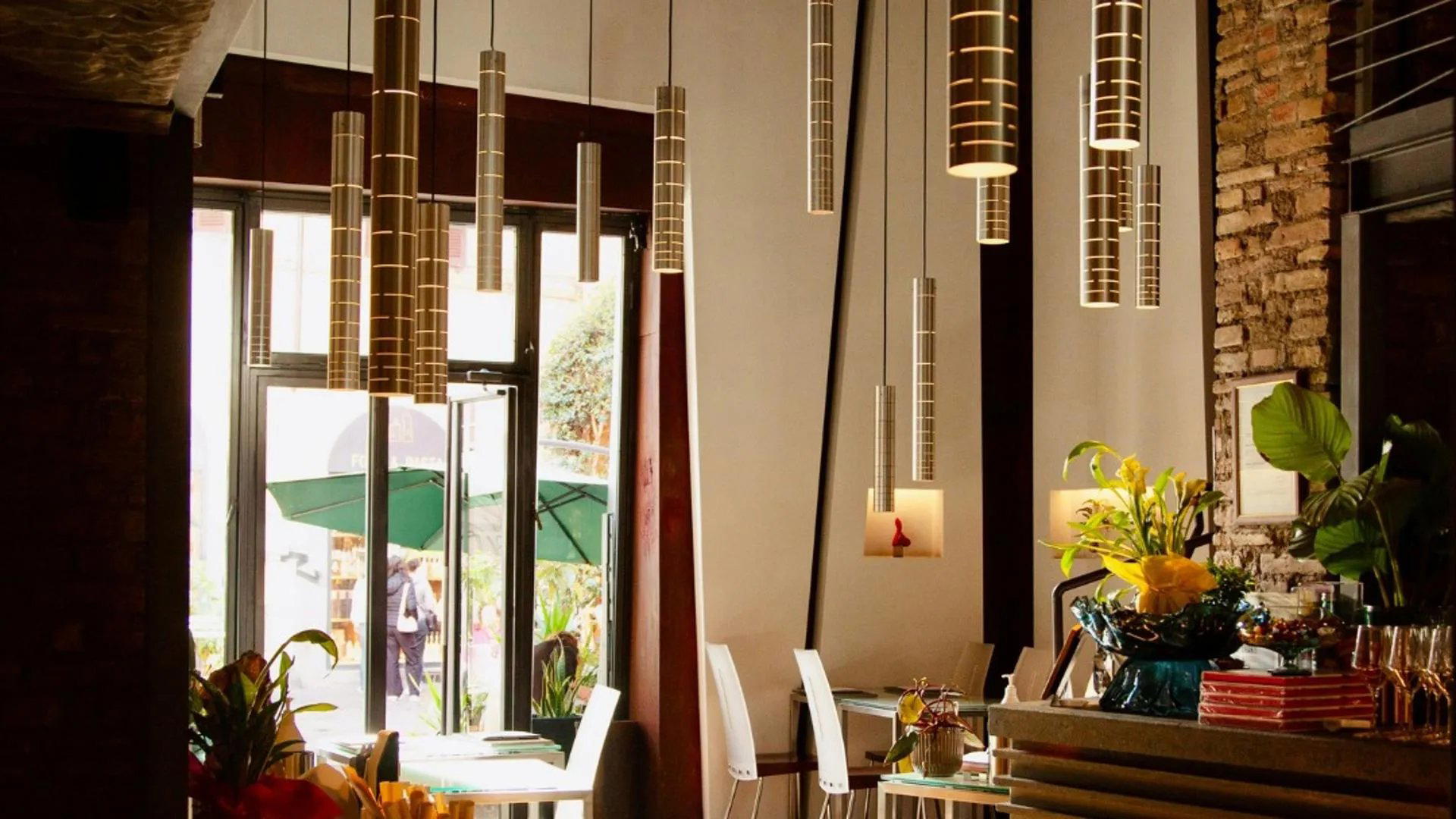
Bars in Rome
Browse all →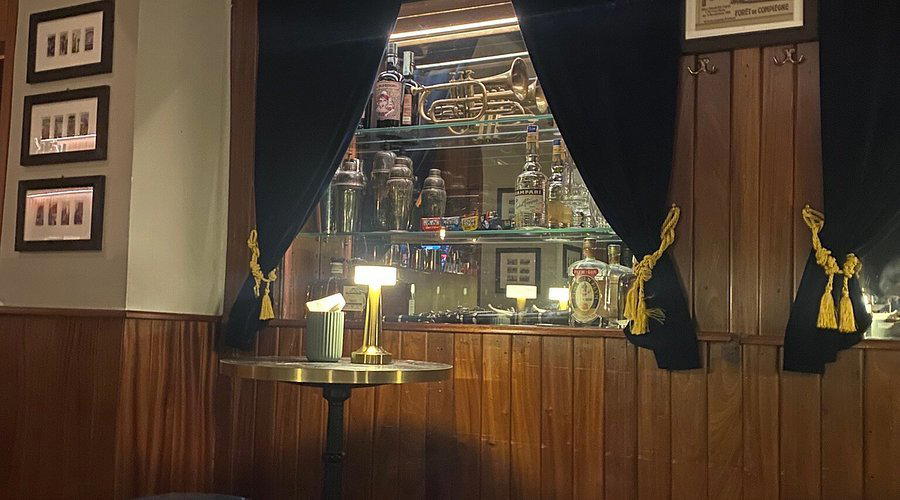
Hotels in Rome
Browse all →

At a Glance
- Cozy
- Intimate
- Elegant
- Date Night
- Special Occasion
- Open Kitchen
- Natural Wine
- Local Sourcing
- Street Scene
Current opening hours
- Monday
- Closed
- Tuesday
- 6 PM–12 AM
- Wednesday
- 6 PM–12 AM
- Thursday
- 6 PM–12 AM
- Friday
- 6 PM–12 AM
- Saturday
- 6 PM–12 AM
- Sunday
- Closed
Hours can change for holidays and private events. Last verified .
Cozy and warm with an open kitchen, fostering a relaxed atmosphere for conversation over wine and food.
Know Before You Go
- Getting there
- Vicolo del Bologna, 19, 00153 Roma RM, Italy