Our verdict
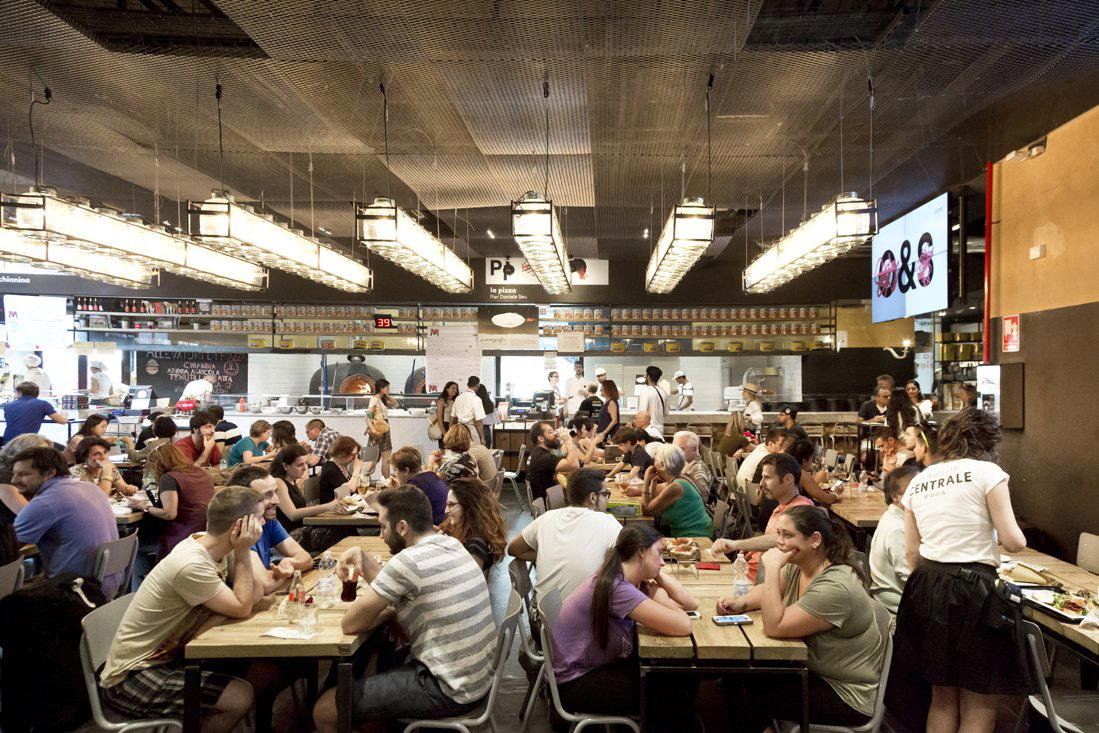
Mercato Centrale occupies a grand early-twentieth-century market hall at Via Giovanni Giolitti 36, steps from Termini station in central Rome. As a multi-vendor food market format, it places Roman and Italian producers side by side under one roof, making it a practical reference point for the city's broader artisan food culture rather than a single-chef destination.

Pearl is the En Primeur Club membership app — saves, bookings, and concierge access live there. Same editors, same standards.
The menu
What to order
- Pizza alla Bonci
- Trapizzino
- Artichokes alla giudia
Rome's Market Hall Tradition and Where Mercato Centrale Fits
The covered market hall is one of Rome's more durable civic institutions. Long before the city developed a restaurant culture built around tasting menus and chef signatures, Romans organised food life around neighbourhood markets: fixed stalls, known producers, and the kind of repeat transaction that builds something closer to a professional relationship than a consumer one. Mercato Centrale, occupying the ground floor of Termini station's early-twentieth-century market building on Via Giovanni Giolitti, belongs to that tradition in updated form. It is a multi-vendor hall rather than a single kitchen, which places it in a different competitive frame from the tightly curated tasting-counter restaurants that dominate Rome's upper tier, places like La Pergola or the creative-focused rooms at Il Pagliaccio and Enoteca La Torre.
The Mercato Centrale format, which also operates in Florence and Milan, positions itself at the junction between artisan retail and casual dining. Each stall is run by a named producer or specialist: bakers, pasta makers, cheese vendors, butchers, and wine counters operate alongside eat-in stations. The result is closer to a curated food hall than a traditional market, and closer to a restaurant than a supermarket. That positioning is deliberate. Rome has no shortage of tourist-facing food offerings, but the market hall format, when executed with genuine producer accountability, functions as a corrective to the anonymous trattorias that cluster around major transport hubs.
The Occasion Question: When a Market Hall Makes Sense
Editorial angle most worth examining here is the occasion one. Rome's fine dining circuit, from Acquolina to Achilli al Parlamento, handles milestone meals through the conventional grammar of tasting menus, sommelier pairings, and formal room design. Mercato Centrale speaks to a different kind of occasion: arrival meals, family gatherings with mixed dietary requirements, or the kind of informal celebration where the group needs to move between wine and food at their own pace rather than on a kitchen's schedule.
For visitors arriving or departing through Termini, the location on Via Giovanni Giolitti is directly adjacent to the station, which makes it one of the few food destinations in Rome where logistics and quality can be reconciled without compromise. That practical fact carries real weight. The city's most accomplished kitchens, whether Reale in Castel di Sangro or Uliassi in Senigallia, require dedicated itinerary planning. Mercato Centrale does not, which is not a concession but a feature for specific use cases.
What the Multi-Vendor Format Teaches About Roman Food Culture
Italy's regional food identity is more granular than most international coverage suggests. The conversation around Italian dining abroad tends to collapse into a handful of reference points, but within the country, provenance specificity is the baseline expectation. A well-organised market hall like Mercato Centrale makes that specificity visible in concentrated form. Vendors operate under their own names and reputations, which means accountability for sourcing is distributed rather than filtered through a single kitchen's editorial voice.
That structure has broader parallels across Italy's food culture. The country's most respected multi-generational restaurants, from Dal Pescatore in Runate to Quattro Passi in Marina del Cantone, built their reputations on producer relationships that are now decades deep. The market hall compresses that logic into a walk-through format: you can assess the provenance of the bread, the pasta, and the cured meats in a single loop rather than inferring them from a menu description. For food-literate visitors, that transparency is more instructive than most restaurant meals.
Italy's broader fine dining conversation, anchored by addresses like Osteria Francescana in Modena, Piazza Duomo in Alba, and Le Calandre in Rubano, operates at a remove from everyday food infrastructure. Mercato Centrale sits at the other end of that spectrum: it is where the ingredients that eventually reach those kitchens are produced, sold, and consumed in their least mediated form.
How Mercato Centrale Compares Within Rome's Food Hall and Casual Tier
Rome's casual eating tier has expanded considerably over the past decade, but quality distribution within it is uneven. The market hall format, as Mercato Centrale interprets it, raises the floor by attaching individual stall accountability to the broader institution's editorial curation. This differs from the anonymous street food and airport-adjacent catering that dominates the Termini zone. It also differs from the formal creative Italian rooms that occupy Rome's upper dining bracket, including the contemporary approach at Enoteca La Torre or the international reference points set by Le Bernardin in New York or Lazy Bear in San Francisco.
The comparison that matters most for planning purposes is within Rome's own casual and mid-tier food culture. Visitors who have experienced the Enoteca Pinchiorri format in Florence or the precision of Enrico Bartolini in Milan will find Mercato Centrale operating in a fundamentally different register, not a lesser one, but a different one oriented around access, informality, and breadth of offering rather than depth of single-kitchen vision. The Atelier Moessmer Norbert Niederkofler format in Brunico represents the opposite pole: a tightly controlled environment built around a single point of view. Mercato Centrale is deliberately pluralist.
Planning a Visit: Practical Notes
Because the venue sits inside Termini's market building, access from the station concourse is direct and requires no advance reservation in the conventional sense. The multi-vendor structure means different stalls may operate on different schedules, so arriving with time to assess the full hall before committing to a particular counter is advisable. For groups with varied dietary requirements, the format distributes decision-making in a way that a single fixed menu cannot. This is not a venue that suits the deep planning protocols of Rome's tasting-menu rooms, where forward booking windows of weeks or months are standard. It is instead a venue that rewards spontaneous engagement, particularly as a first or last meal anchored to a Termini arrival or departure. Our full Rome restaurants guide maps the broader dining context across price tiers and neighbourhoods.
Frequently asked questions
Where is Mercato Centrale located?
Mercato Centrale is located at Via Giovanni Giolitti, 36, 00185 Roma RM, Italy, Rome.
How does Mercato Centrale Rome differ from a traditional Roman market like Campo de' Fiori?
Mercato Centrale operates as a covered, permanent food hall with prepared food counters and artisan vendors, whereas Campo de' Fiori functions as an open-air produce and goods market without ready-to-eat stall culture at the same scale. The Termini location at Via Giovanni Giolitti 36 also positions it inside a major transit hub, meaning the visitor mix and dwell time differ considerably from neighbourhood market traditions. In Rome's food hall context, Mercato Centrale represents a curated producer-aggregation model that has more in common with similar formats in Florence and Milan than with the city's historic street markets.
What should I eat at Mercato Centrale?
The multi-vendor format at Mercato Centrale, located at Via Giovanni Giolitti 36 inside Rome's Termini station, is structured around regional Italian specialities rather than a single kitchen. Different stalls specialise in distinct product categories, so the approach is to move through several counters rather than anchor at one. Roman-inflected options sit alongside producers from other Italian regions, which reflects the market's editorial position as a cross-section of national food culture.
How far ahead should I plan for Mercato Centrale?
No advance reservation is required for Mercato Centrale. The venue operates as a walk-in market hall inside the Termini station building, making it accessible directly from the station concourse. Planning effort is better spent on timing your visit to avoid peak transit-hour crowding than on booking.
What's the signature at Mercato Centrale?
The defining format is the aggregation of specialist vendors under one covered roof, which distinguishes it from both a single-concept restaurant and a generic food court. Rome's market hall tradition predates the city's modern restaurant culture, and Mercato Centrale operates within that civic model rather than against it. The draw is access to multiple craft producers in a single visit at Termini, a location that most food-focused itineraries would otherwise bypass.
Can Mercato Centrale adjust for dietary needs?
Because the venue is organised around multiple independent vendors rather than a single kitchen, dietary flexibility depends on which stalls are operating on a given day. The multi-counter structure means vegetable-focused, cheese, and bread-oriented options typically run alongside meat and cured product stalls. It is worth surveying the full floor before ordering rather than assuming a single counter can accommodate all requirements.
Is eating at Mercato Centrale worth the cost?
Mercato Centrale sits in Rome's casual eating tier, where the value proposition is tied to product quality and convenience rather than service or ambience. The Termini location at Via Giovanni Giolitti 36 makes it particularly practical for travellers with onward connections, and the per-item pricing common to market hall formats generally keeps total spend below a seated restaurant lunch. Whether it represents value depends on which vendors you select and what you would otherwise be eating in the same price bracket around the station.
Price and Positioning
Comparable venues nearby, for context on price, style, and recognition.
| Venue | Cuisine | Price | Notes |
|---|---|---|---|
| Mercato CentraleThis venue — the venue you are viewing | Roman Italian Food Hall | $20–30 | Not listed |
| Ar Monte Testaccio | Roman-Salento Italian with Pizza | $30–50 | Testaccio, Roman-Salento Italian with Pizza |
| La Reginella d'Italia | Roman-Jewish Trattoria | Not listed | San Angelo, Roman-Jewish Trattoria |
| ZI ROSETTA | Traditional Roman Trattoria | $30–50 | San Eustachio, Traditional Roman Trattoria |
| Ristorante La Tavernaccia Da Bruno | Traditional Roman Trattoria | $30–50 | Portuense, Traditional Roman Trattoria |
| Bootleg | Italian Neighbourhood Gastropub | $20–30 | Monte Sacro, Italian Neighbourhood Gastropub |
Continue exploring
More in Rome
Restaurants in Rome
All restaurants in Rome →
Bars in Rome
All bars in Rome →

Details
- Lively
- Rustic
- Trendy
- Casual Hangout
- Brunch
- Open Kitchen
- Local Sourcing
- A La Carte
- Small Plates
- Vegetarian Friendly
- Vegan Options
- Gluten Free Options
Current opening hours
- Monday
- 7:30 AM–11:30 PM
- Tuesday
- 7:30 AM–11:30 PM
- Wednesday
- 7:30 AM–11:30 PM
- Thursday
- 7:30 AM–11:30 PM
- Friday
- 7:30 AM–12 AM
- Saturday
- 7:30 AM–12 AM
- Sunday
- 7:30 AM–11:30 PM
Hours can change for holidays and private events. Last verified .
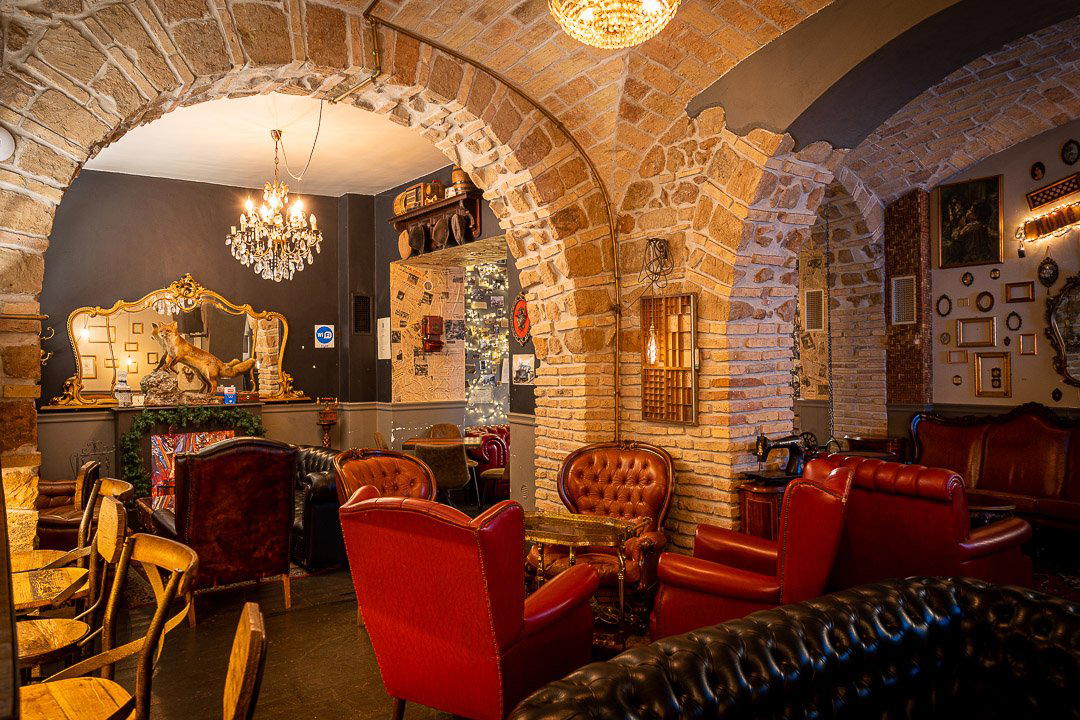
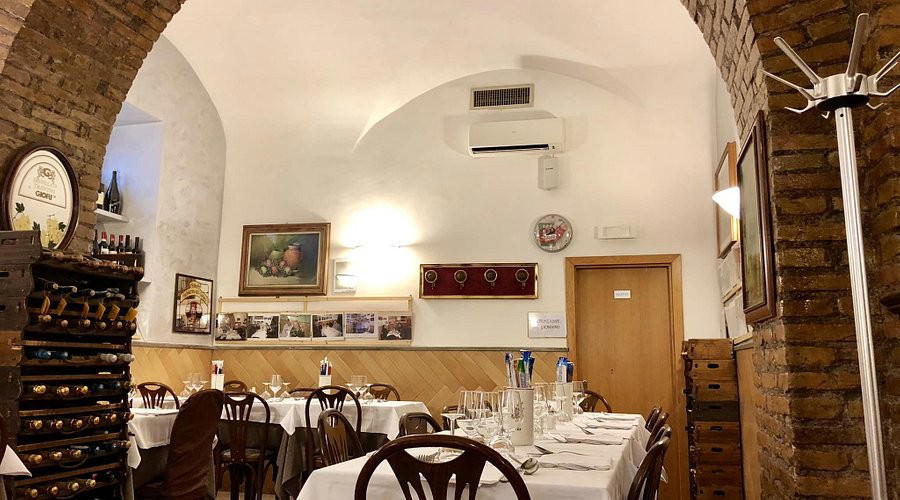
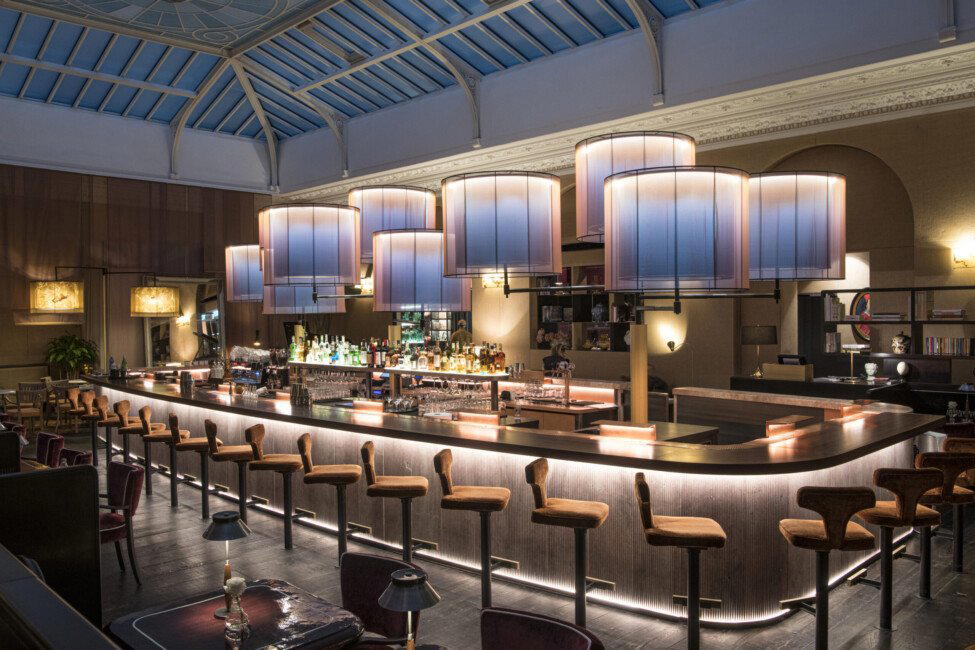
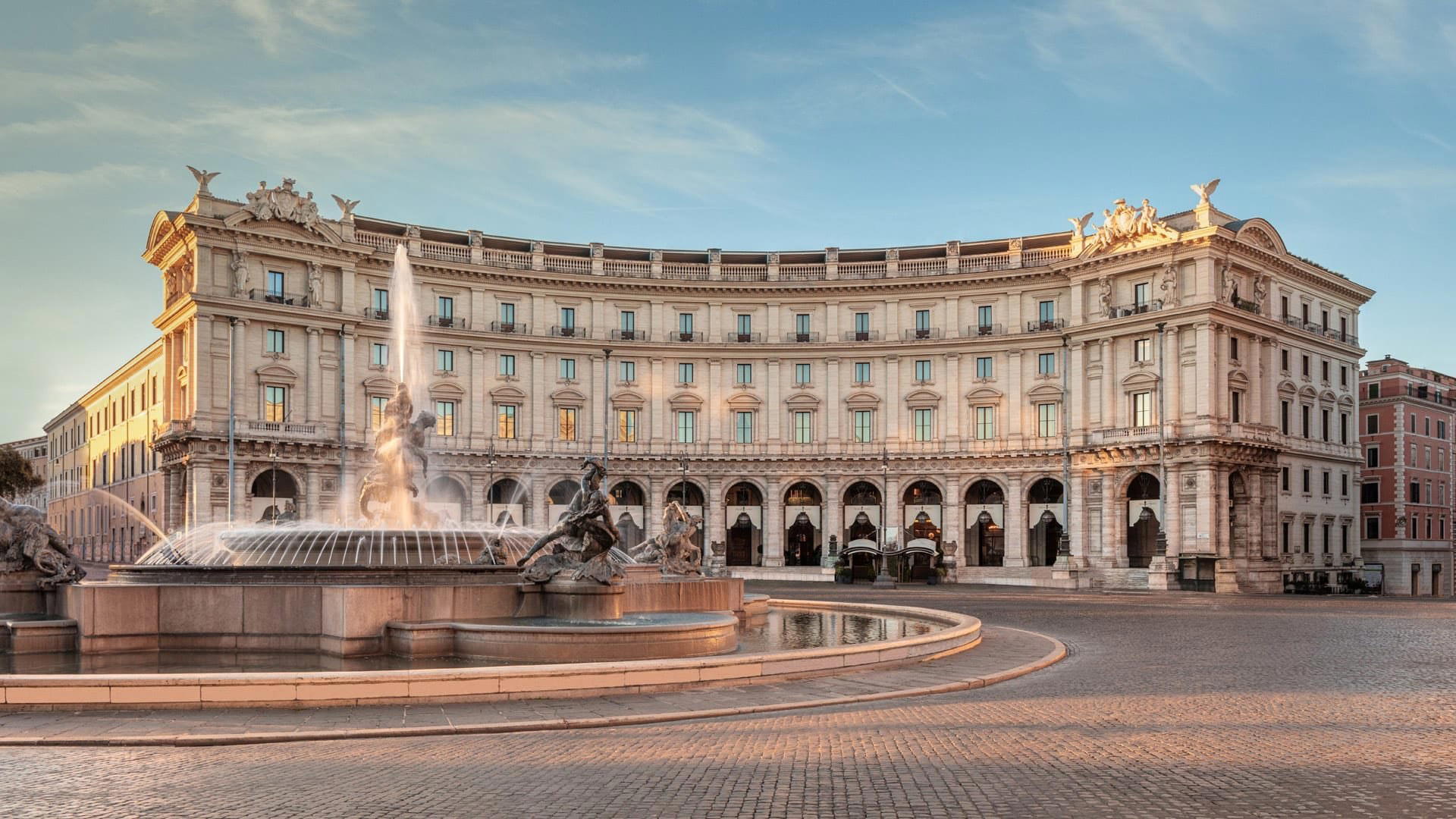
Homey and lively atmosphere with bustling stalls, communal seating, and the energy of passionate artisans preparing fresh Italian specialties.