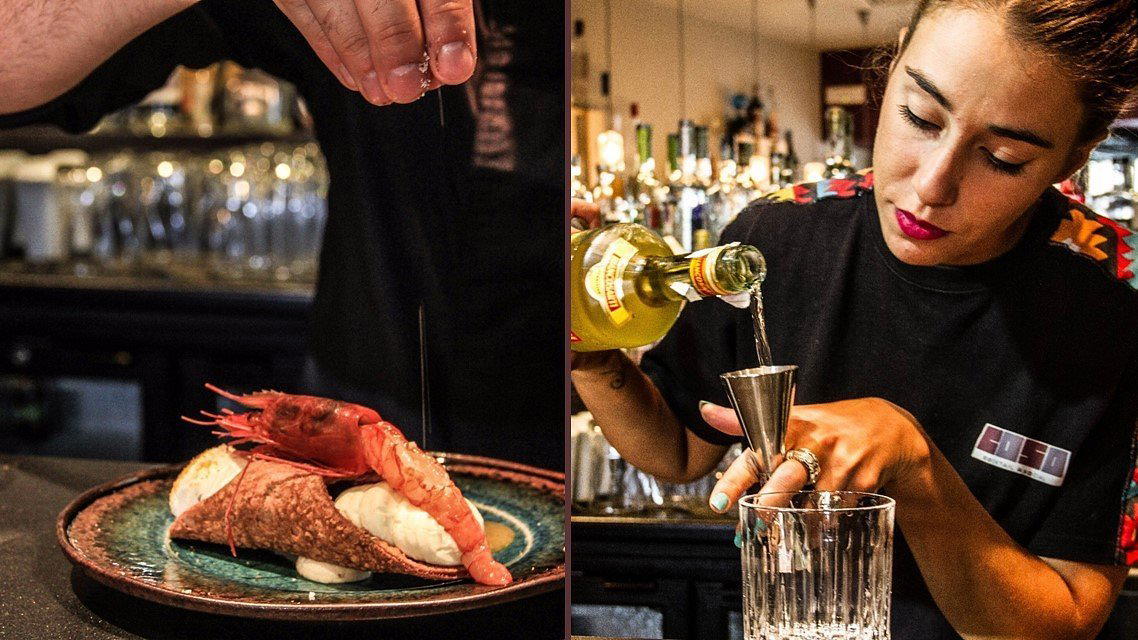
Bootleg is an Italian Neighbourhood Gastropub on Viale Gottardo in Rome, with craft cocktails and a conversational, casual setup that fits dinner or late night.
Pearl is the En Primeur Club membership app — saves, bookings, and concierge access live there. Same editors, same standards.
- Address
- Viale Gottardo, 23/25, 00141 Roma RM, Italy
- Phone
- +393517119383
- Website
- facebook.com
- Directions
- Get directions
 Saves & bookings on Pearl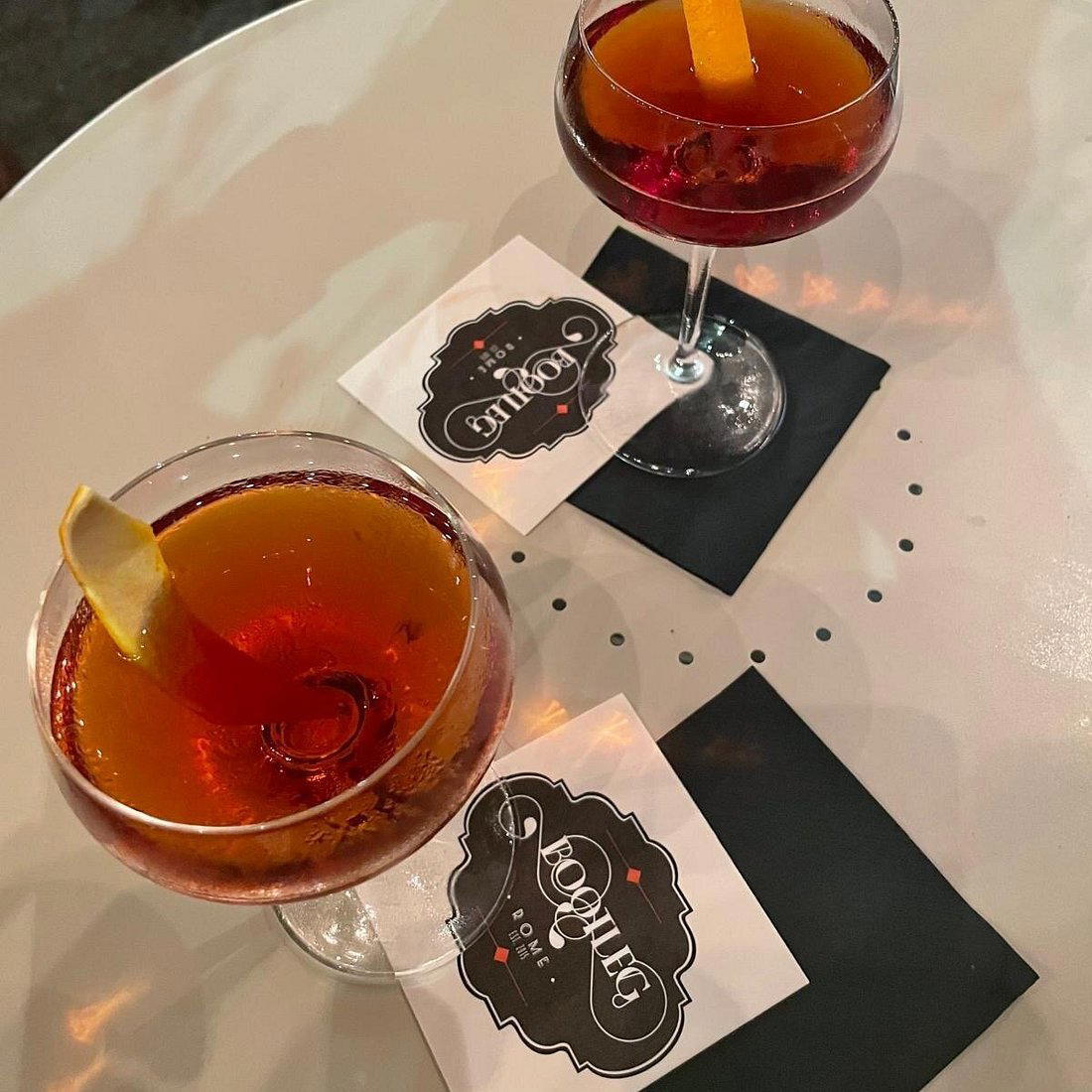
Viale Gottardo and the Question of Rome's Northern Fringe
The address alone signals something different. Viale Gottardo sits in the Montesacro district, a residential quarter north of the centre where the city stops performing for tourists and gets on with being itself. Streets of mid-century apartment blocks, neighbourhood bars with regulars who know each other's orders, the kind of urban fabric that doesn't show up in glossy city guides. It is precisely this setting that defines what Bootleg is before you step inside: a venue that has staked its identity on neighbourhood belonging rather than tourist-circuit proximity.
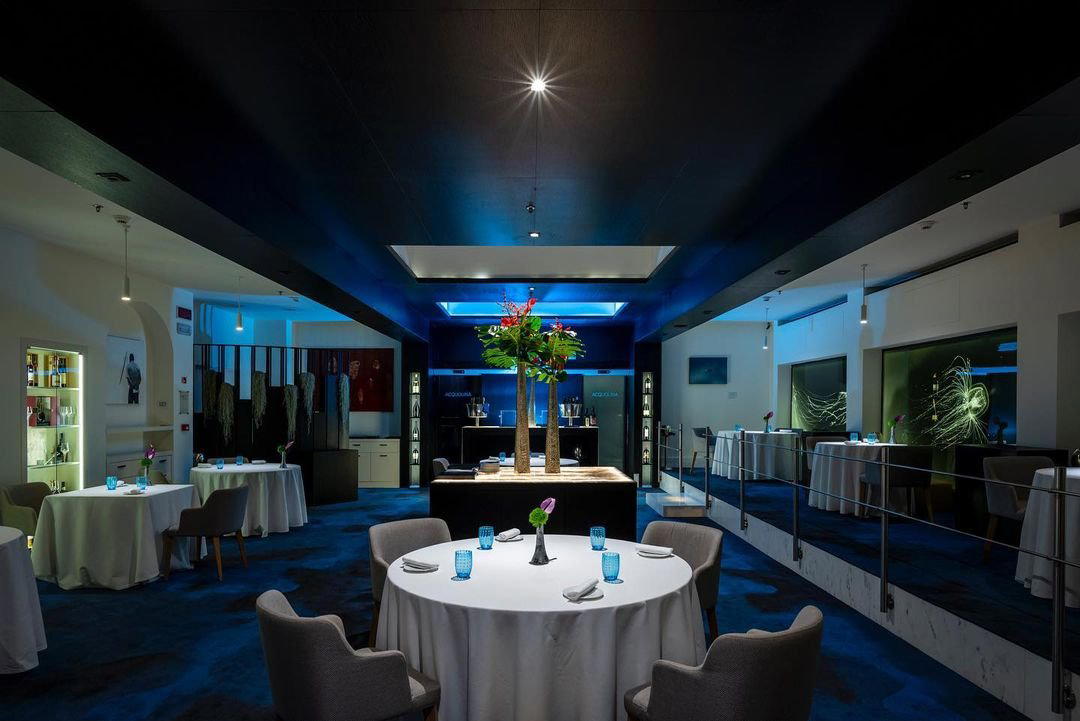
Rome's dining scene has long operated on a geographic hierarchy, with the centro storico commanding both the attention and the premium pricing of the city's most-discussed tables. The upper bracket, represented by addresses such as La Pergola, Acquolina, and Il Pagliaccio, operates with Michelin recognition, tasting menus, and booking windows that stretch months ahead. Bootleg, on the evidence of its location and format, sits outside that bracket, part of a different and more interesting trend: serious hospitality planted in ordinary Roman streets.
The Physical Container: What the Space Communicates
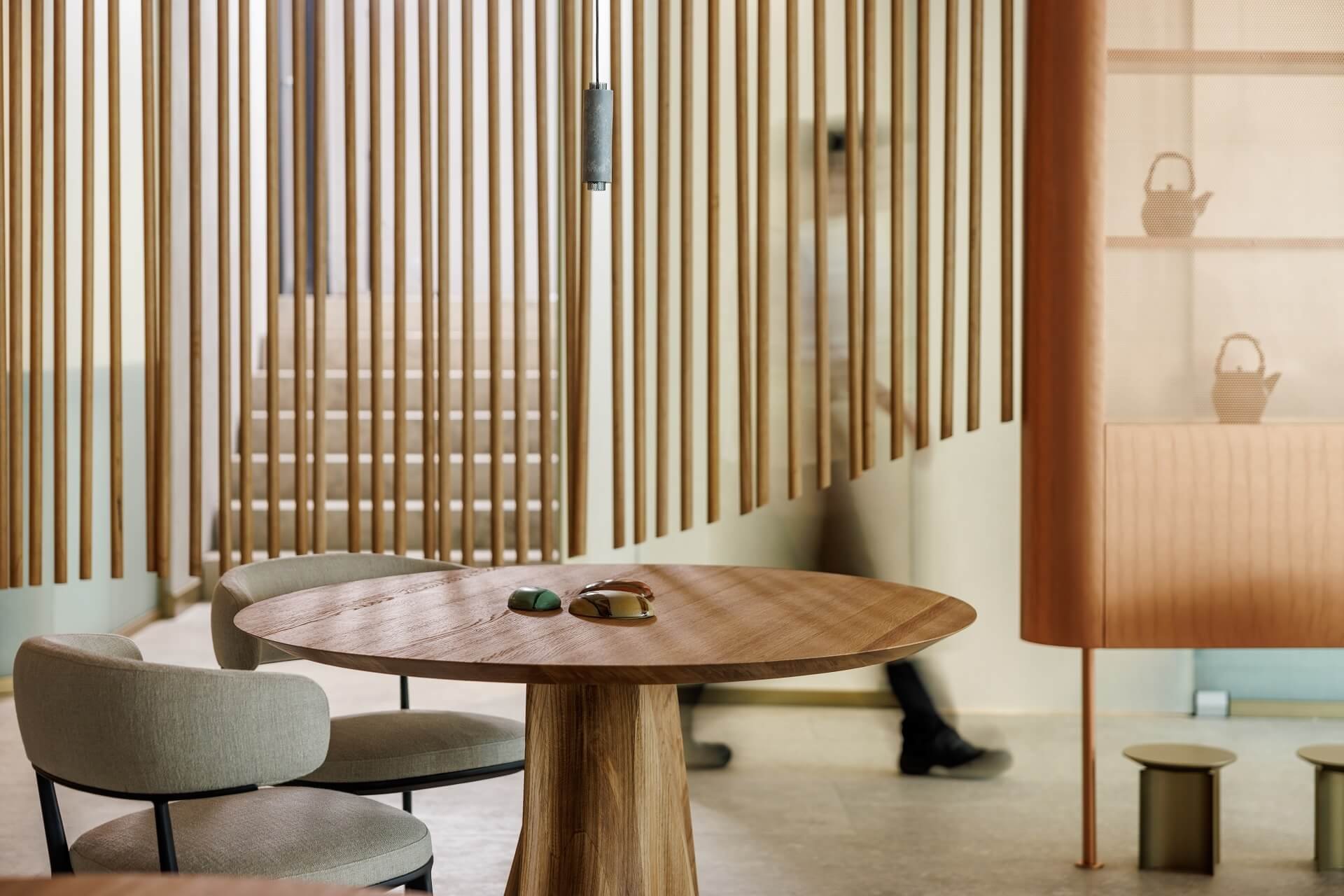
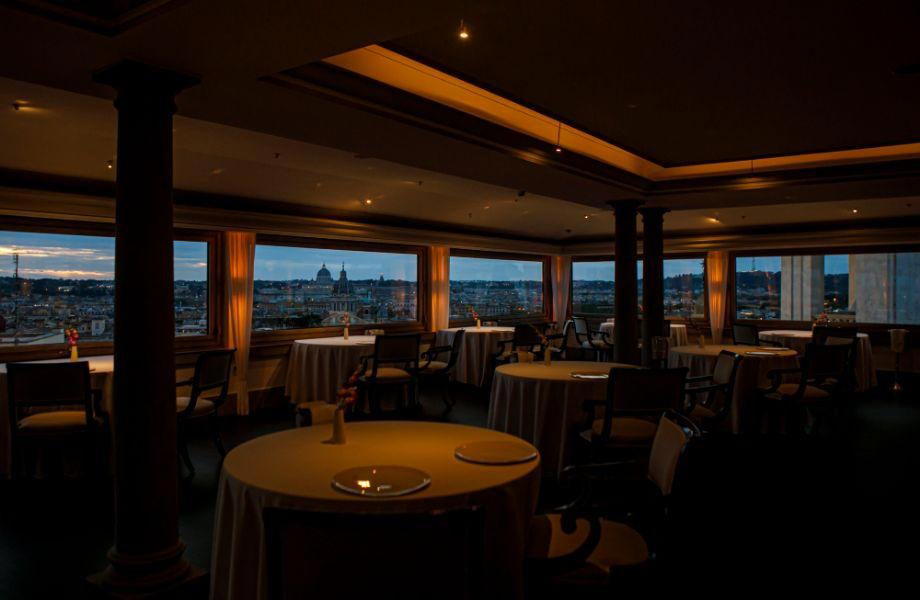
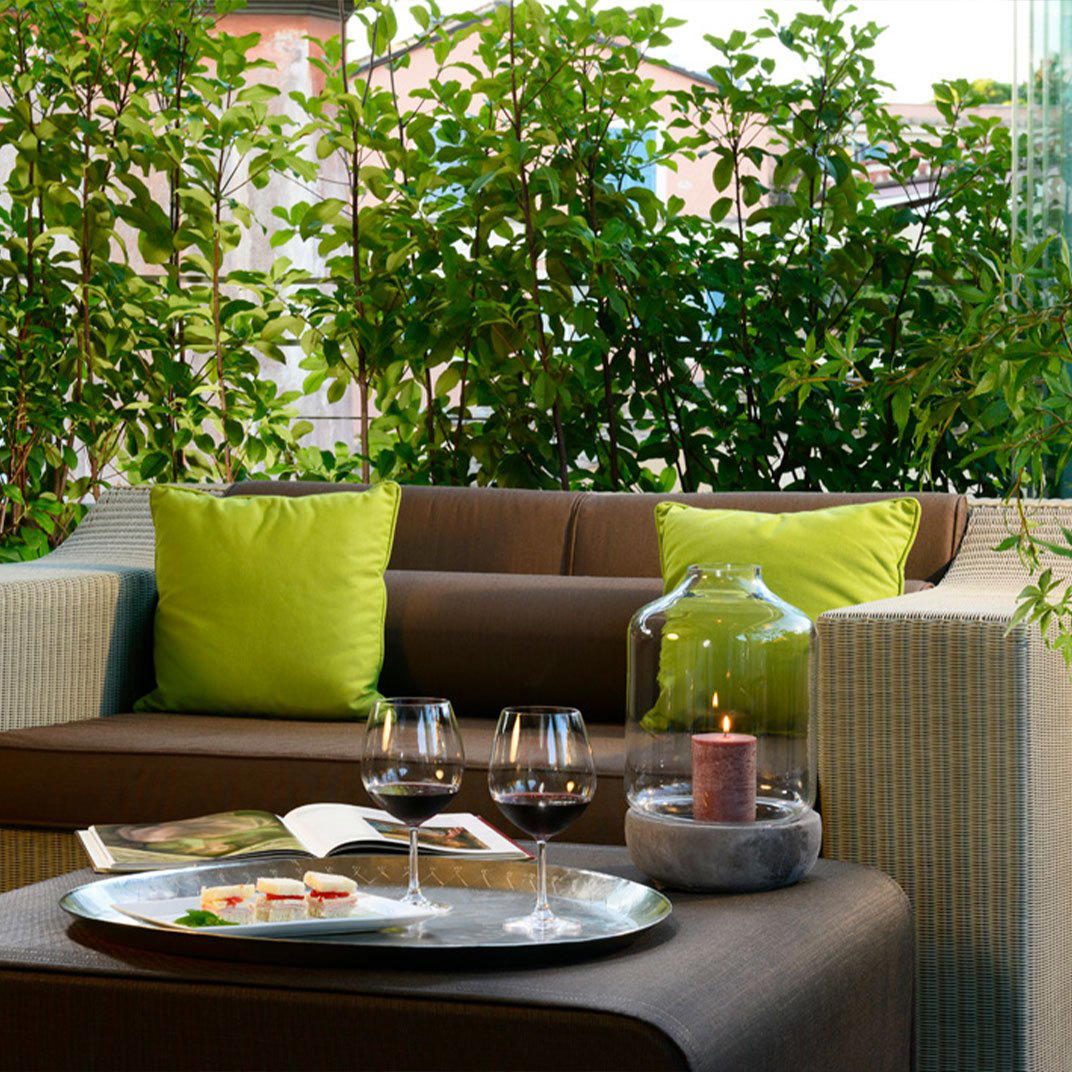
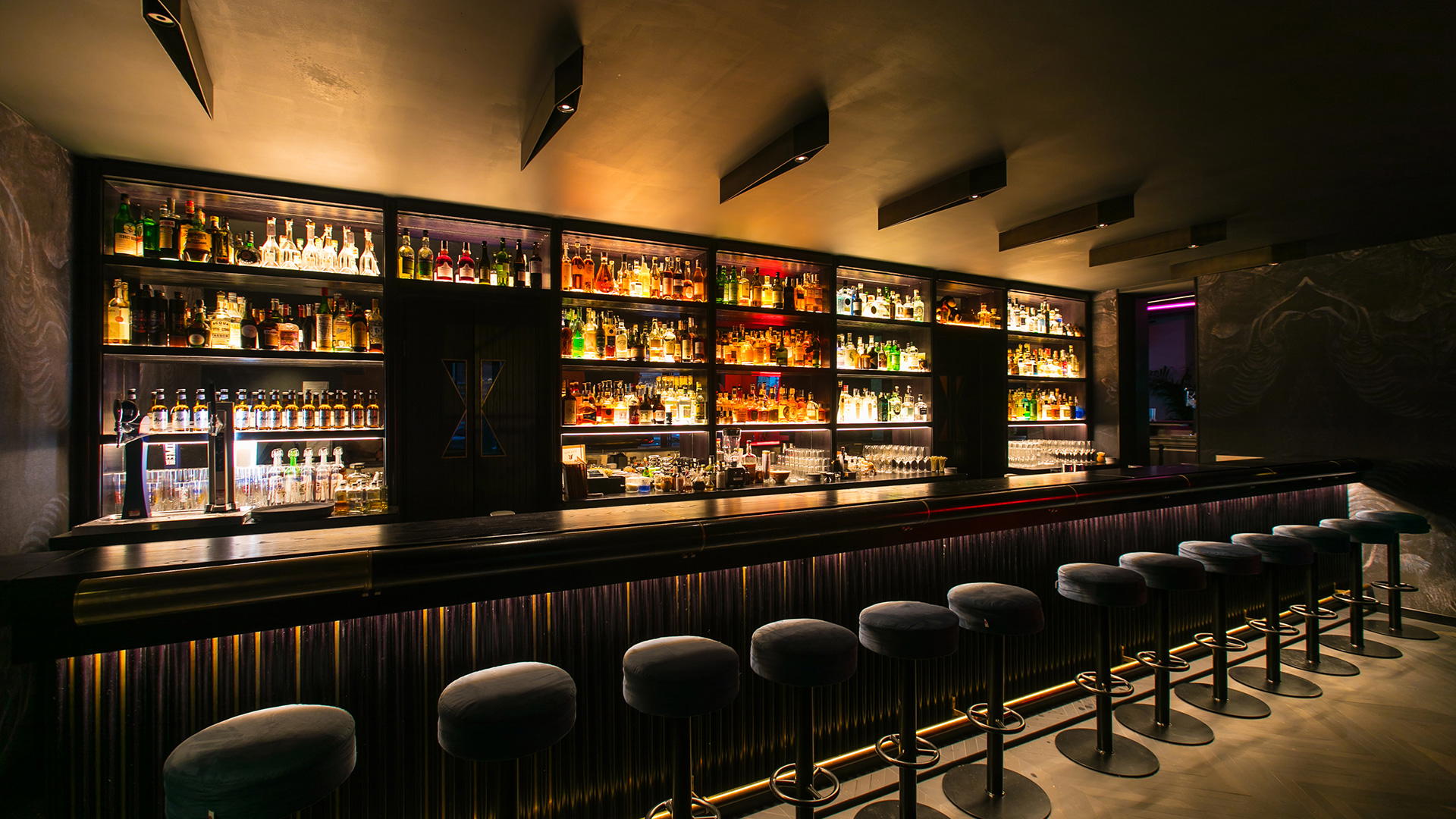
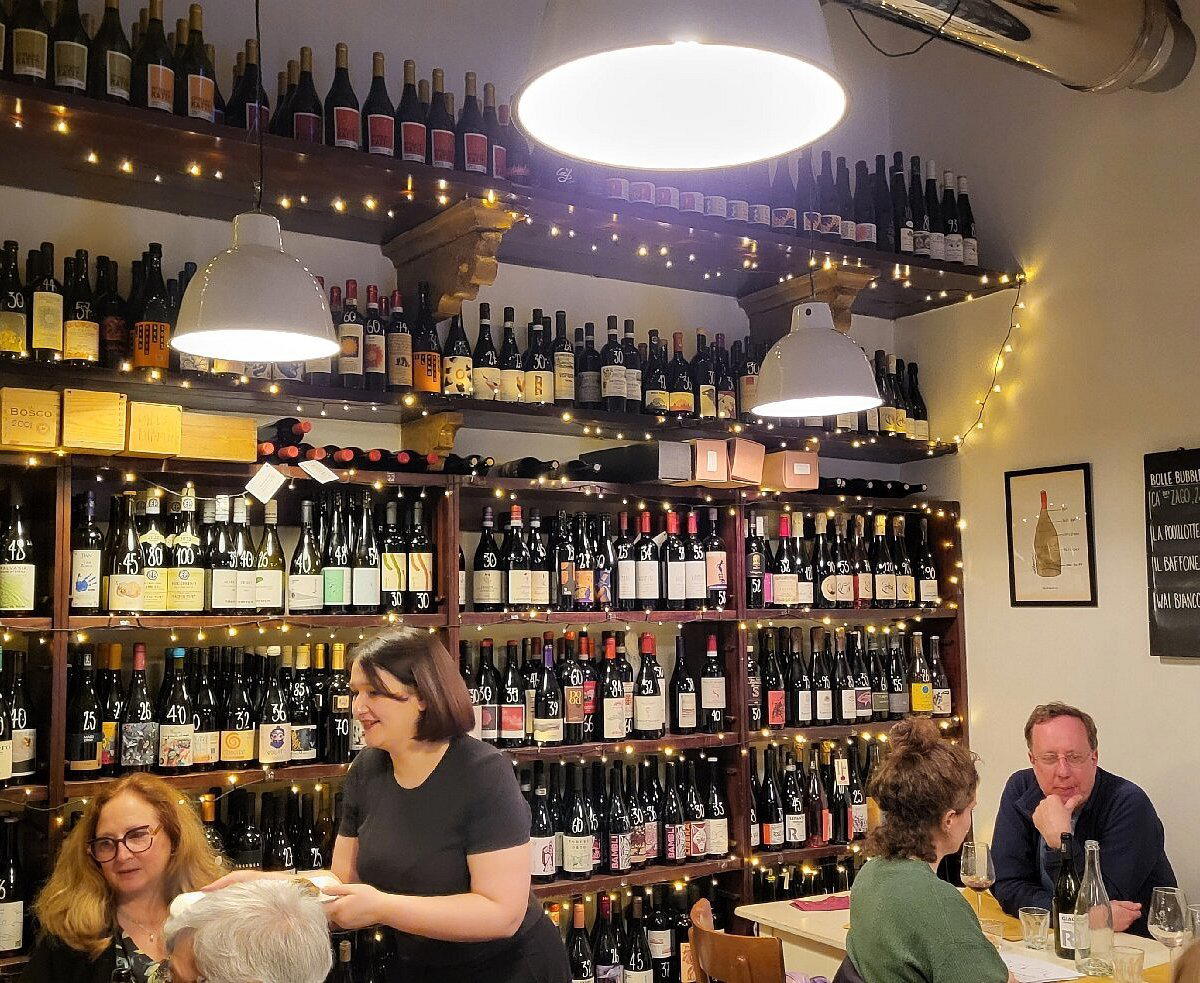
Design in Roman neighbourhood venues rarely announces itself. The spaces that endure tend to work through restraint: considered lighting, materials that reference rather than replicate tradition, a room scaled to feel full at a modest count rather than cavernous at capacity. Bootleg's position on Viale Gottardo, in a district with a strong residential character, suggests a room designed for repeat visitors rather than first-time spectacle seekers.
In the broader context of Italian casual-dining architecture, particularly durable spaces tend to share certain qualities: a bar counter that anchors the room and functions as both a social focal point and a signal of the venue's identity, seating arrangements that allow for both couples and small groups without the awkward isolation of oversized tables, and an overall atmosphere in which the physical environment doesn't compete with the food and conversation happening inside it. The neighbourhood context, unpretentious, local, unhurried, sets the expectation clearly.
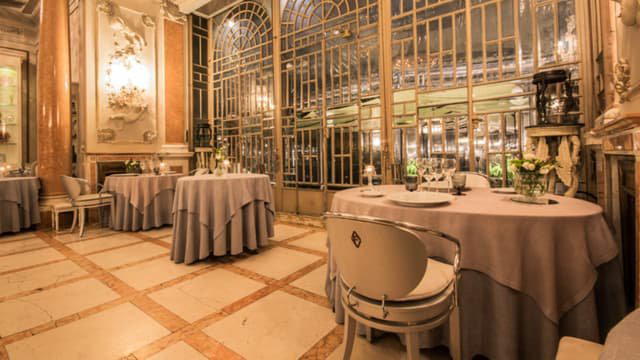
Italy has a long tradition of venues where the physical design is deliberately subordinate to the human activity inside. The trattoria format, carried forward into contemporary osterie and modern-casual spaces, has always prioritised warmth of scale over architectural statement. Venues further along the Italian fine-dining spectrum, including Enoteca La Torre and Achilli al Parlamento in Rome, occupy the formal end of that tradition, with interiors that signal occasion. Bootleg's Montesacro address reads as a different register entirely.
Rome's Neighbourhood Dining Pattern and Where Bootleg Sits
Understanding what Bootleg offers requires understanding the pattern it fits into. Rome's most rewarding food experiences have never been concentrated exclusively around the Pantheon or Campo de' Fiori. The city's less-photographed districts, from Pigneto to Ostiense to Montesacro itself, have generated a generation of operators more interested in consistency and neighbourhood loyalty than in rating-driven ambition. This is not, by definition, lesser dining. In many cases, it is more honest dining: menus calibrated for people who return weekly rather than for one-time occasions.
That same pattern plays out across Italian restaurant culture at a national level. The venues that receive critical attention, from Osteria Francescana in Modena to Piazza Duomo in Alba, tend to operate in smaller cities with strong regional culinary identities, where a flagship restaurant can anchor the local food culture in a way that is harder to achieve in a capital with Rome's volume and variety. Starred city venues like Enrico Bartolini in Milan and Rome's own high-recognition tables represent one end of the spectrum. The neighbourhood venue represents the other, and both have their place.
Internationally, the tension between neighbourhood integrity and fine-dining aspiration has produced particularly interesting dining formats of the past decade. Lazy Bear in San Francisco reframed tasting-menu theatre as a community event. Le Bernardin in New York City holds its position through rigorous consistency over decades. The question for a venue like Bootleg is which instinct it follows: the pull towards recognition and formality, or the discipline of staying rooted in the neighbourhood that gave it a reason to exist.
What to Expect in Practice
The practical picture requires some framing by category and context rather than specifics. Rome's neighbourhood venues at the casual-to-mid end of the market typically operate on a model that keeps the barrier to entry low: no enforced booking requirements for smaller groups, pricing that reflects the local market rather than a tourist premium, and menus that change with supplier availability rather than according to a fixed tasting format.
Venues in this category across Italy, from Rome's trattorias to the country-cooking model represented by places like Dal Pescatore in Runate, tend to reward guests who arrive with curiosity and flexibility rather than a fixed agenda. Bootleg is likely to be more legible and more affordable than the city's formal tasting-menu circuit, with the trade-off being less predictability in format and less infrastructure around dietary accommodations. For allergy or dietary requirements, direct contact with the venue before arrival is advisable; Rome's neighbourhood operators vary considerably in how they handle this, and assumptions based on the fine-dining model don't transfer reliably.
For planning purposes, Viale Gottardo is accessible from central Rome, placing this address a meaningful distance from the tourist core and more naturally suited to visitors staying in the northern districts or making a deliberate detour.
The comparable set Beyond Rome
Contextualising Bootleg against Italy's broader restaurant culture clarifies its position. At the summit of the national recognition hierarchy sit venues with sustained Michelin presence and long booking horizons: Le Calandre in Rubano, Uliassi in Senigallia, Reale in Castel di Sangro, Quattro Passi in Marina del Cantone, and Atelier Moessmer Norbert Niederkofler in Brunico. At the other end, Enoteca Pinchiorri in Florence represents the grand-dining model that has anchored Italian fine dining for decades. Bootleg occupies a different register from all of these: smaller in ambition or at least in visibility, embedded in local life in a way that the high-recognition circuit rarely allows.
That is not a criticism. Particularly rewarding meals in any city happen in rooms with no awards on the wall and no booking window to speak of. The test is whether the food, the space, and the service add up to something worth the detour from wherever you're already eating well.
Budget Reality Check
Comparable venues nearby, for context on price, style, and recognition.
| Venue | Cuisine | Price |
|---|---|---|
| BootlegThis venue — the venue you are viewing | Not listed | $$ |
| Profumo di Mirto | Tuscolano, Sardinian Seafood | $$ |
| La Reginella d'Italia | San Angelo, Roman-Jewish Trattoria | $$ |
| Monzù Vladì | Trastevere, Creative Regional Italian | $$ |
| Gruppo Di Rienzo | San Eustachio, Traditional Roman Italian | $$ |
| Gelateria La Romana | Sallustiano, Artisanal Italian Gelato | $$ |

At a Glance
- Cozy
- Classic
- Casual Hangout
- After Work
- Standalone
- Craft Cocktails
Current opening hours
- Monday
- 7 PM–3 AM
- Tuesday
- 7 PM–3 AM
- Wednesday
- 7 PM–3 AM
- Thursday
- 7 PM–3 AM
- Friday
- 7 PM–3 AM
- Saturday
- 7 PM–3 AM
- Sunday
- 7 PM–3 AM
Hours can change for holidays and private events. Last verified .
Restrained, unpretentious design with considered lighting and materials that reference tradition; scaled for repeat visitors rather than spectacle; bar counter anchors the room as social focal point.