Tucked into Via della Rosetta in Rome's historic centre, Zi Rosetta operates in the tradition of the Roman osteria: direct cooking, ingredient-led discipline, and a room that feels like it has been there far longer than the competition. For visitors weighing the city's full dining range, it represents a particular register of Roman eating that deserves attention alongside the capital's more decorated addresses.
Pearl is the En Primeur Club membership app — saves, bookings, and concierge access live there. Same editors, same standards.
- Address
- Zi Rosetta - Ristorante Osteria Romana, Via della Rosetta, 8, 00186 Roma RM, Italy
- Phone
- +393966861002
- Website
- zirosetta.it
- Directions
- Get directions
 Saves & bookings on Pearl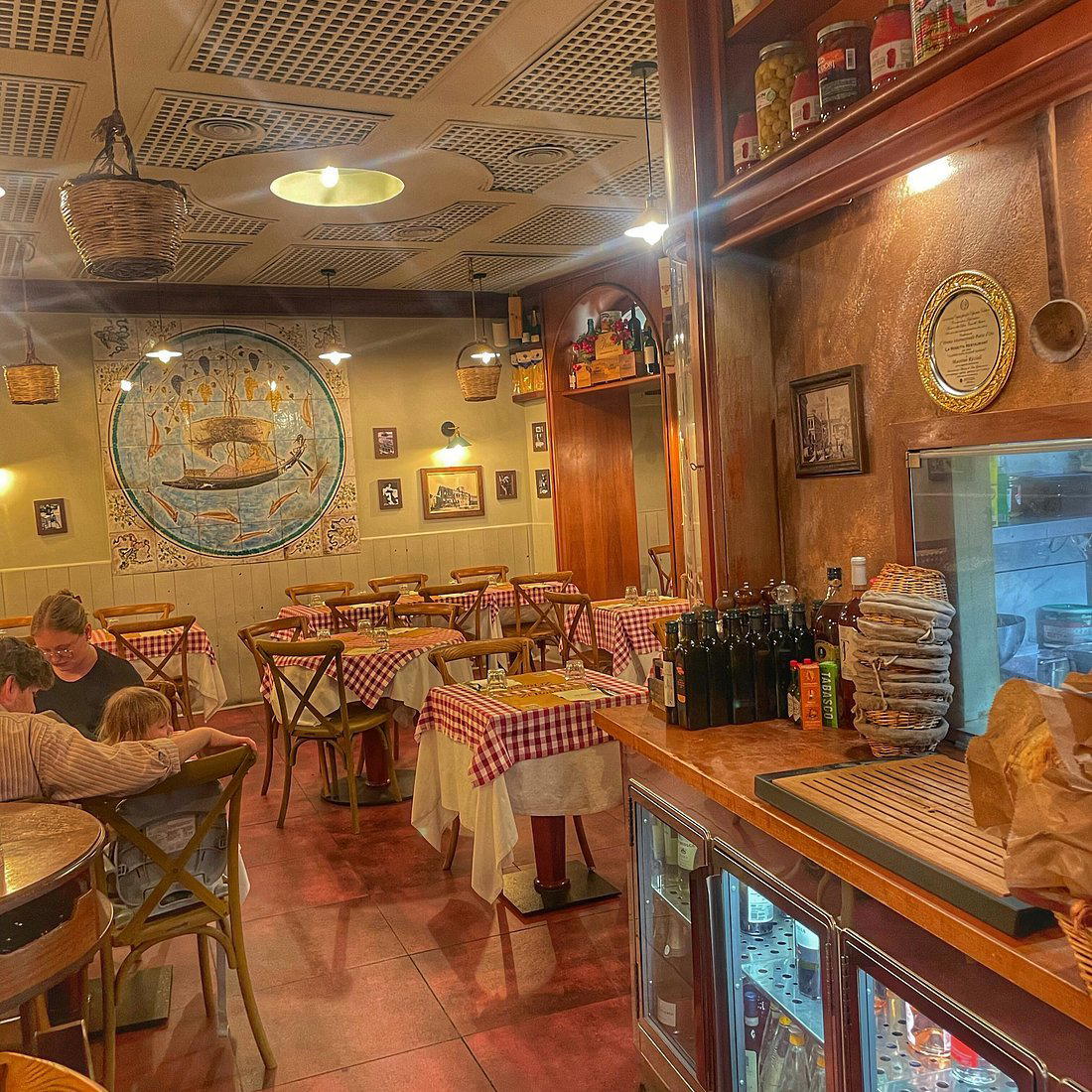
The Street, the Room, the Tradition
Via della Rosetta is a narrow corridor of the historic centre, a short walk from the Pantheon, where the stone narrows and the ambient noise of the city drops just enough to remind you that Rome's oldest dining culture was always about proximity: to the market, to the neighbourhood, to the table. Zi Rosetta sits on this street in the way that a certain category of Roman restaurant always has, occupying a physical and cultural position that predates the language of contemporary fine dining. Walking toward it, you are walking into a part of Rome where the buildings predate the restaurant concept entirely, and the cooking at addresses like this one tends to reflect that continuity.
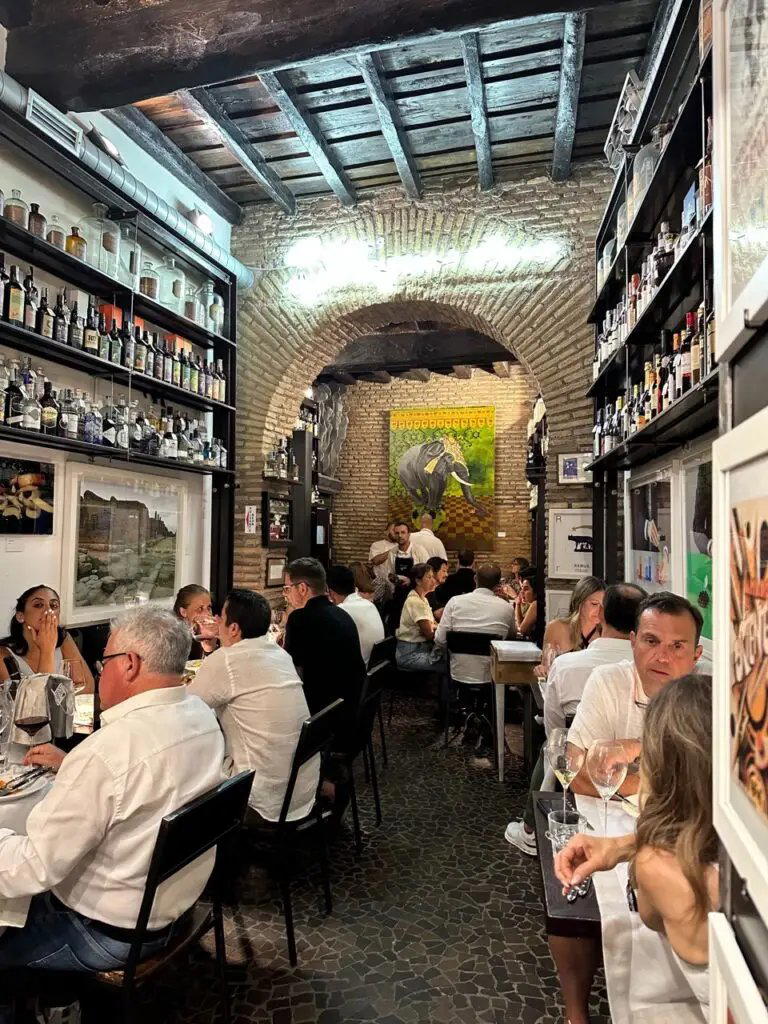
The osteria format, which Zi Rosetta operates within, carries specific obligations. It implies a kitchen oriented around what the suppliers brought in that week, a wine list shaped by region and season rather than prestige, and a room where the transaction between guest and host feels honest rather than theatrical. Rome's osterie sit in a different competitive register from the city's creative tasting-menu addresses, places like Il Pagliaccio or Acquolina, and that distinction matters when calibrating expectations. The comparison is not a hierarchy; it is a genre difference.
What the Ingredient-Led Kitchen Demands
Roman cuisine at its most disciplined is a sourcing project before it is a cooking project. The five canonical pasta preparations, cacio e pepe, carbonara, amatriciana, gricia, and the lesser-cited aglio e olio, are exercises in reduction: fewer components, higher quality requirements per component, no technique left to compensate for ingredient weakness. Guanciale from a specific curing tradition behaves differently from generic pork cheek. Pecorino Romano aged for the right period dissolves into an emulsion rather than clumping. The quality of the egg yolks shifts the colour and body of a carbonara in ways that are immediately visible before the first bite.
This is the culinary tradition that addresses on Via della Rosetta and its surrounding streets have always operated within. Italy's most celebrated kitchens, from Osteria Francescana in Modena to Dal Pescatore in Runate, have built international reputations on sourcing specificity. At the osteria level, that same discipline plays out without the tasting-menu architecture, which in some ways makes the ingredient more exposed and the standard harder to obscure.
Rome's seasonal markets, particularly the Campo de' Fiori and Testaccio market, supply the produce rhythms that have historically shaped what Roman kitchens cook. Artichokes in early spring (the carciofo romanesco, harvested from Lazio's coastal fields), offal from the city's long quinto quarto tradition, and fish from the Tyrrhenian coast arrive in windows that Roman kitchens with any commitment to the format will reflect on their menus. The leading addresses in this category treat the seasonal shift not as a marketing device but as a practical constraint that keeps the cooking honest.
The Osteria in Rome's Broader Dining Order
Rome's restaurant scene has segmented in the past decade in ways that mirror broader Italian dining patterns. At the high end, addresses like La Pergola operate within an international fine-dining framework, with the awards infrastructure and price tier to match. Creative tasting-menu formats, represented in Rome by Enoteca La Torre, Achilli al Parlamento, and similar addresses, occupy the tier below that. The osteria and trattoria format sits in a separate column entirely, not below these venues in quality terms, but lateral to them in purpose.
What has happened in Rome, as in Florence and Milan, is that the category has bifurcated. Tourist-facing trattorias cluster around major sites and operate on volume and geography rather than ingredient quality. The remaining serious osterie, typically found slightly off the main circuits, maintain the format's original discipline. Via della Rosetta, sitting in the Pantheon quarter but on a street that does not function as a primary tourist artery, occupies a position that is geographically central but not maximally exposed. That positioning is consistent with the demographic of the serious Roman osteria: known to the neighbourhood and to informed visitors, less visible to the passing trade.
For context on how this category of Roman cooking compares to Italy's broader regional traditions, it is worth noting that the ingredient-sourcing ethos visible in osterie like Zi Rosetta has parallels across the country. Reale in Castel di Sangro applies the same Apennine-sourcing logic at three-Michelin-star level. Uliassi in Senigallia has built an Adriatic seafood argument on equivalent principles. The difference is format and price architecture, not the underlying conviction that what arrives at the kitchen door determines what ends up on the plate.
Planning Your Visit
The restaurant is located at Via della Rosetta 8, in Rome's first municipality, between the Pantheon and the Piazza della Rotonda. The address is reachable on foot from most of the historic centre's major reference points, and the neighbourhood is served by bus lines running along Corso del Rinascimento and Via del Corso. As with most serious dining addresses in the Pantheon quarter, arriving during peak tourist hours in July and August will mean more competition for tables and a busier room; lunch visits in late September or through the winter months sit closer to the Roman osteria experience as it functions for residents. Booking ahead is standard practice for any Pantheon-quarter address operating in this format, and same-day availability on evenings should not be assumed.
Those interested in how Rome's creative cooking compares to Italy's other regional fine-dining centres may find it useful to read alongside our coverage of Piazza Duomo in Alba, Enrico Bartolini in Milan, and Le Calandre in Rubano.
Comparison Snapshot
Comparable venues nearby, for context on price, style, and recognition.
| Venue | Cuisine | Price | Notes |
|---|---|---|---|
| ZI ROSETTAThis venue — the venue you are viewing | Traditional Roman Trattoria | $$ | Not listed |
| Da Benito e Gilberto | Italian Seafood | $$ | Borgo |
| Elio | Contemporary Italian | $$ | Pinciano |
| Trattoria L'avvolgibile | Traditional Roman Trattoria | $$ | Appio-Latino |
| Mamma Angelina | Traditional Roman Trattoria with Fresh Seafood | $$ | Trieste |
| Fradiavolo Roma Trastevere | Contemporary Multi-Dough Pizzeria | $$ | Trastevere |
Continue exploring
More in Rome
Restaurants in Rome
Browse all →
Bars in Rome
Browse all →
Hotels in Rome
Browse all →

At a Glance
- Classic
- Cozy
- Casual Hangout
- Date Night
- Historic Building
- Street Scene
Current opening hours
- Monday
- 11 AM–1 AM
- Tuesday
- 11 AM–1 AM
- Wednesday
- 11 AM–1 AM
- Thursday
- 11 AM–1 AM
- Friday
- 11 AM–1 AM
- Saturday
- 11 AM–1 AM
- Sunday
- 11 AM–1 AM
Hours can change for holidays and private events. Last verified .
Warm and welcoming atmosphere with views of the Pantheon, blending traditional Roman hospitality and international vibes.