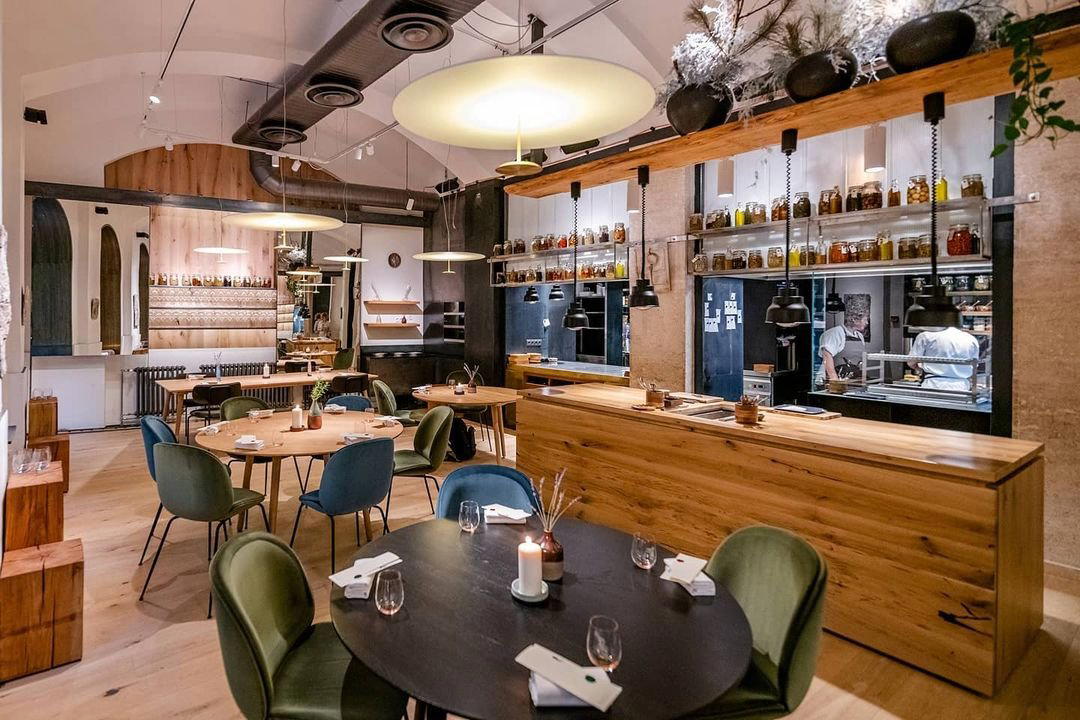
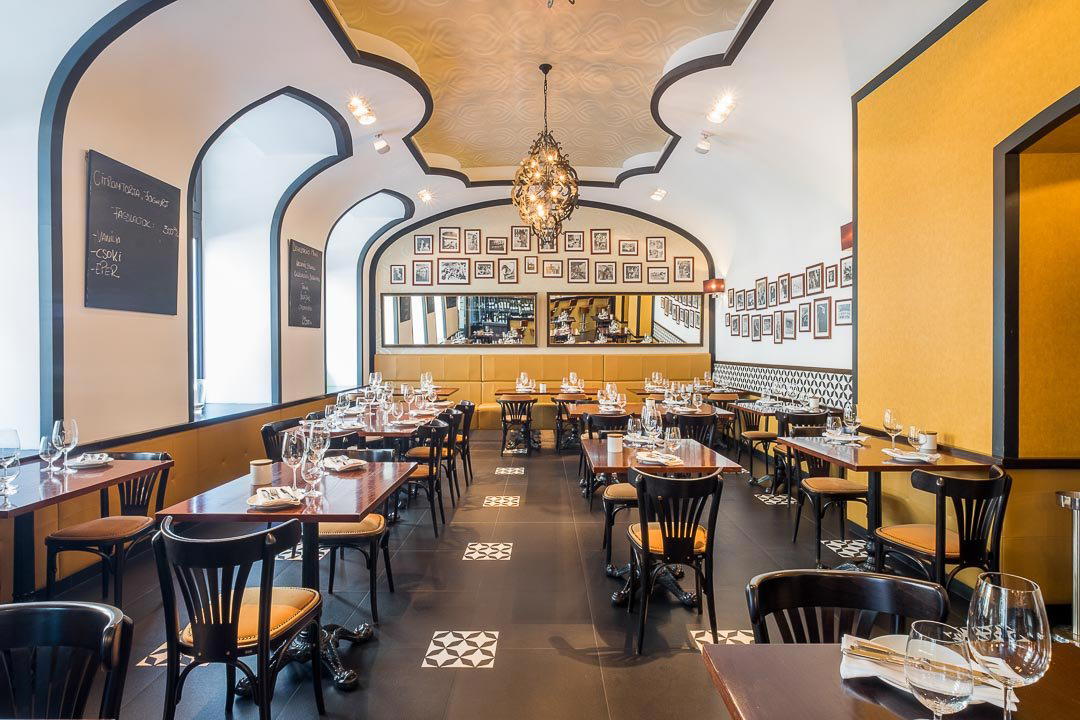
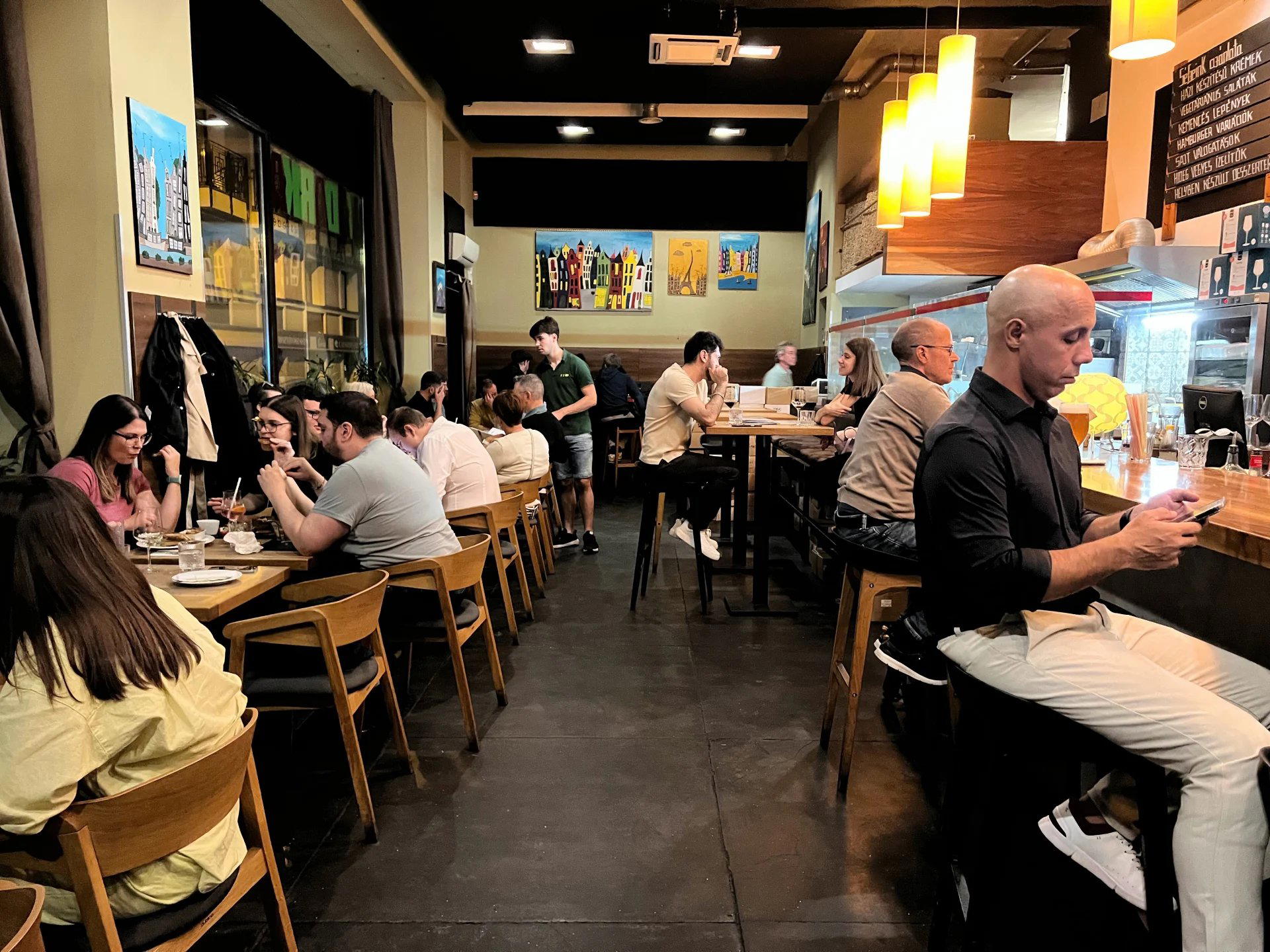
Mattarello is a Croissant Bakery & Restaurant on Dohány u. 5 in Budapest, with local sourcing, an open kitchen, and a conversational pace for breakfast, brunch, or lunch.
Pearl is the En Primeur Club membership app — saves, bookings, and concierge access live there. Same editors, same standards.
- Address
- Budapest, Dohány u. 5, 1074 Hungary
- Phone
- +36306953632
- Website
- mattarello.hu
- Directions
- Get directions
 Saves & bookings on Pearl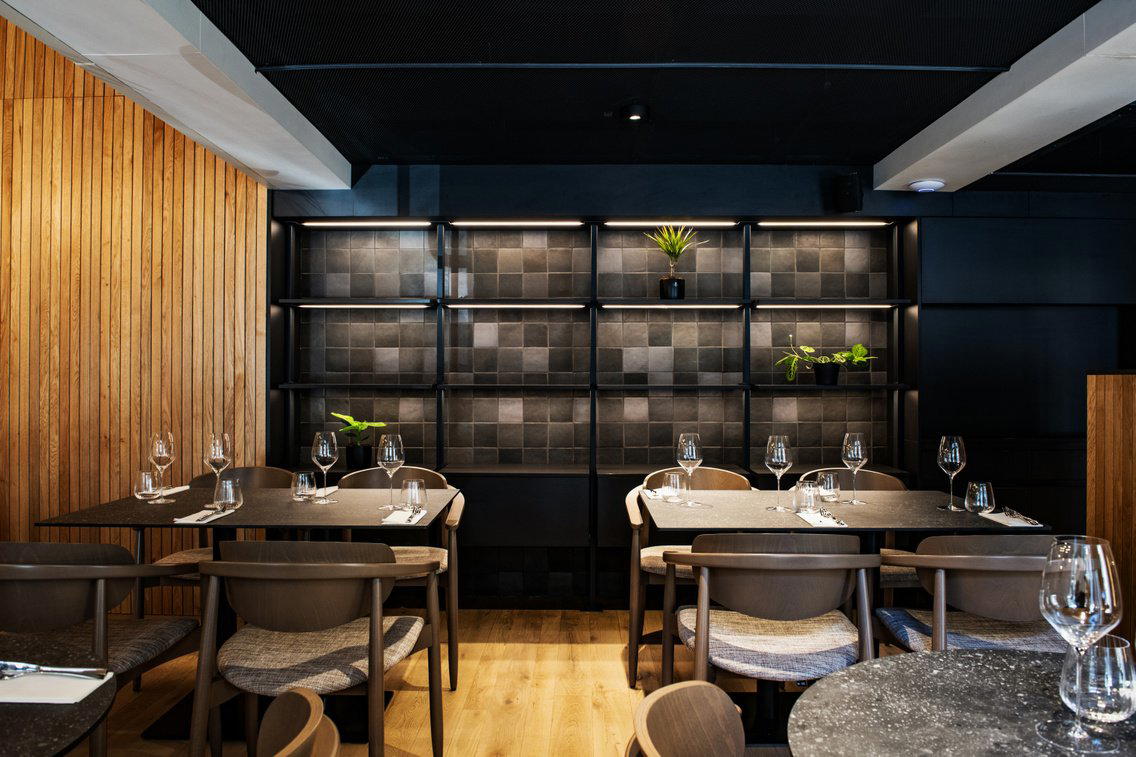
Italian Pasta Craft on Dohány Street
Mattarello is a restaurant in Budapest, at Dohány u. 5, 1074 Hungary, serving Croissant Bakery & Restaurant fare at about $25 per person. Mattarello, at Dohány utca 5 in the seventh district, sits in that second cohort. The address places it at the edge of the old Jewish Quarter, a neighbourhood that has cycled through ruin-bar notoriety and is now producing some of the city's more considered eating. The name itself signals intent: a mattarello is the long wooden rolling pin used in Emilian pasta-making, an object specific enough to mark a kitchen's priorities before you have read a single line of the menu.
The seventh district context matters because it sets the competitive frame. This is not the formal-dining corridor of the first district, where Costes (€€€€ · Modern Cuisine) and Stand (€€€€ · Modern Cuisine) operate inside an expected register of white linen and multi-course architecture. Dohány Street's eating has a more casual grain, which makes a focused pasta house a logical fit rather than a category anomaly.
The Arc of the Meal
Italian pasta restaurants in Central Europe operate within a specific tension. The raw material tradition, from semolina to egg-yolk-rich sfoglia, is codified and unforgiving: a pasta that reads as handmade to someone who has eaten in Bologna or Modena has a different texture, weight, and surface drag than one made by machine or by a kitchen that learned the technique secondhand. Venues that pursue that standard in cities without a deep Italian diaspora are making a claim that the meal itself has to validate, course by course.
At Mattarello, the progression of a meal functions as the editorial argument. Antipasti, where present, tend to set register: the care applied to sourcing and plating at the opening tells you how seriously the kitchen is treating the pasta courses that follow. In the tradition that venues like this draw from, the pasta is not a bridge course between starter and protein; it is the destination. A tagliatelle al ragù made to Emilian convention, for instance, uses a ratio of pasta thickness to sauce that most non-specialist kitchens get wrong in one direction or another. That specificity is where venues of this type succeed or lose credibility.
The middle of a meal at a focused pasta house should deliver the kind of cumulative satisfaction that comes from repetition with variation: similar technique, different shapes, different sauces, each course tightening rather than repeating what came before. This is a different meal architecture from the creative-modern menus at Babel (€€€€ · Modern Cuisine) or essência (€€€€ · Modern Cuisine), where the progression is designed to surprise. At a restaurant whose identity is built around a regional Italian craft tradition, the satisfaction comes from execution depth, not novelty.
Where Mattarello Sits Among Budapest's Dining Options
Budapest's contemporary dining tier has several reference points worth placing Mattarello against. Borkonyha Winekitchen (€€€ · Modern Cuisine) operates in a similarly approachable register, with Hungarian wine as the structural anchor, and represents what the mid-fine tier looks like when the offer is executed with consistency over years. Mattarello's pitch is narrower and more specific: not a broad modern menu with Hungarian inflection, but a single regional Italian tradition taken seriously in a city where that approach is not crowded.
Beyond Budapest, Hungary's restaurant scene has been producing interesting work outside the capital. Platán Gourmet in Tata and Pajta in Őriszentpéter demonstrate that the country's more considered dining is no longer exclusively a Budapest story. For visitors building a wider Hungarian itinerary, Aranysárkány Vendéglő in Szentendre and BoriMami in Gyöngyös are worth noting, as is Halasi Pince Panzió in Villány for those tracking the country's wine regions. In the south, Classic Grill Serbian Restaurant Underground in Szeged offers a different lens on the country's cross-border culinary geography. For eastern Hungary, Forst-Ház Étterem és Kávézó in Eger and Astro Tea & Kávéház in Gyor round out a picture of a national scene with more geographic spread than it had a decade ago.
For context outside Hungary entirely: the model of a focused, technically serious pasta restaurant operates at high levels in New York, where Le Bernardin in New York City demonstrates what single-cuisine depth looks like at the upper end of the market, and Atomix in New York City shows a different version of tasting-progression discipline applied to Korean cuisine. Neither is a direct peer, but both illustrate the broader global pattern of specialty-craft venues succeeding by going deeper rather than broader.
Planning a Visit
Mattarello sits on Dohány utca, one of the seventh district's main arteries, within walking distance of the Great Synagogue and well-connected by metro at Astoria or Blaha Lujza tér. The seventh district's density of eating options means that visitors can combine a meal here with the neighbourhood's broader offer, including wine bars and ruin venues. Reservations are recommended. Visitors with allergies or specific dietary requirements should raise those at the point of booking rather than on arrival, as pasta kitchens built around a narrow tradition may have limited substitution range. For comparison, venues at the €€€ tier in Budapest such as Borkonyha tend to book out several days in advance at peak periods; a pasta-specialist in the same district is likely to operate similarly.
La Pizza Del Lupo in Onga and Almalomb in Hosszúhetény offer adjacent reference points in the Hungarian countryside for Italian-influenced eating in a different register.
A Lean Comparison
Comparable venues nearby, for context on price, style, and recognition.
| Venue | Cuisine | Price | Notes |
|---|---|---|---|
| MattarelloThis venue — the venue you are viewing | Belvaros, Croissant Bakery & Restaurant | $$$ | Not listed |
| Fortuna | Varhegy, Contemporary Hungarian Bistro | $$ | Not listed |
| Déryné | Not listed | $$$ | Krisztina körút, Modern Hungarian Bistro with French Influences |
| Náncsi Néni | Pesthidegkut, Traditional Hungarian | $$$ | Not listed |
| Bigfish Seafood Bistro | Terézváros, Fresh Seafood Bistro | $$$ | Not listed |
| Mercatino Ristorante Enoteca | Not listed | $$$ | Varhegy, Traditional Italian Ristorante Enoteca |
Continue exploring
More in Budapest
Restaurants in Budapest
Browse all →
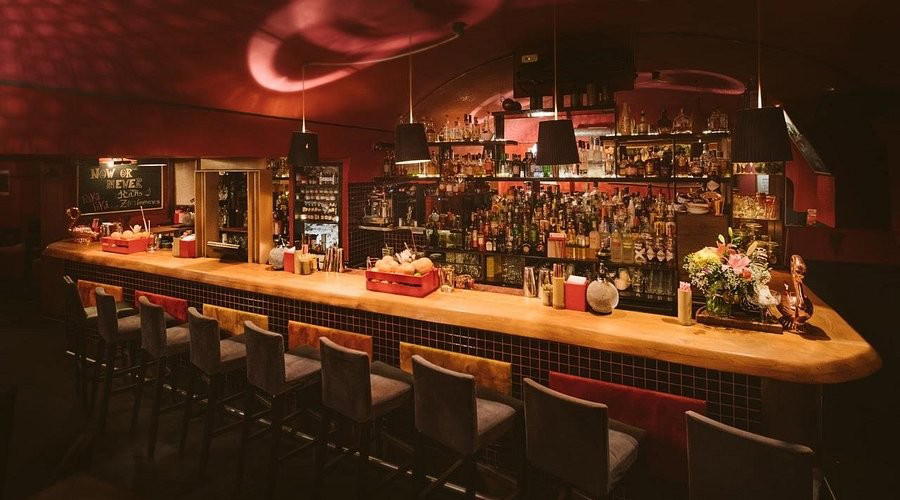
Bars in Budapest
Browse all →
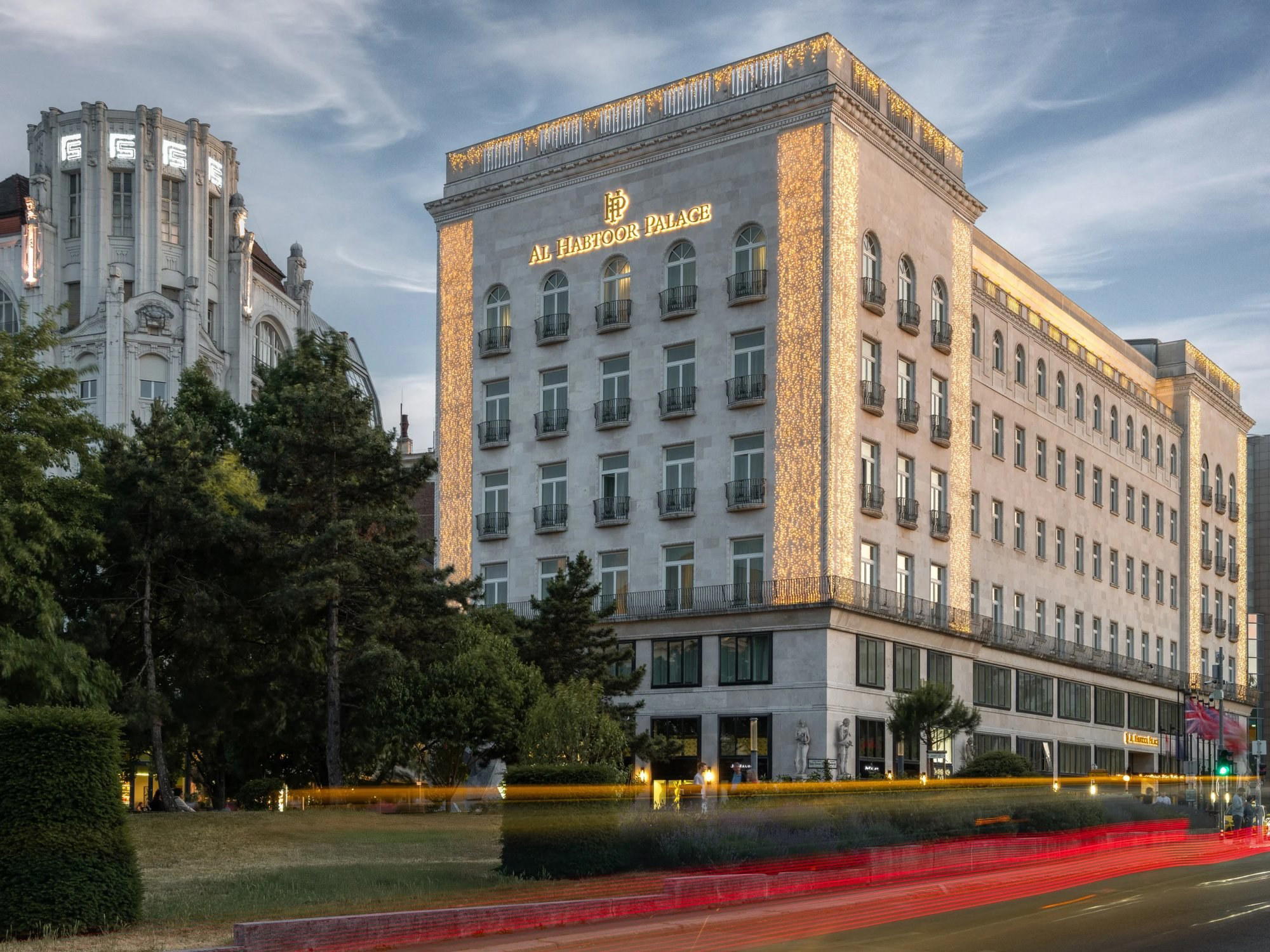
Hotels in Budapest
Browse all →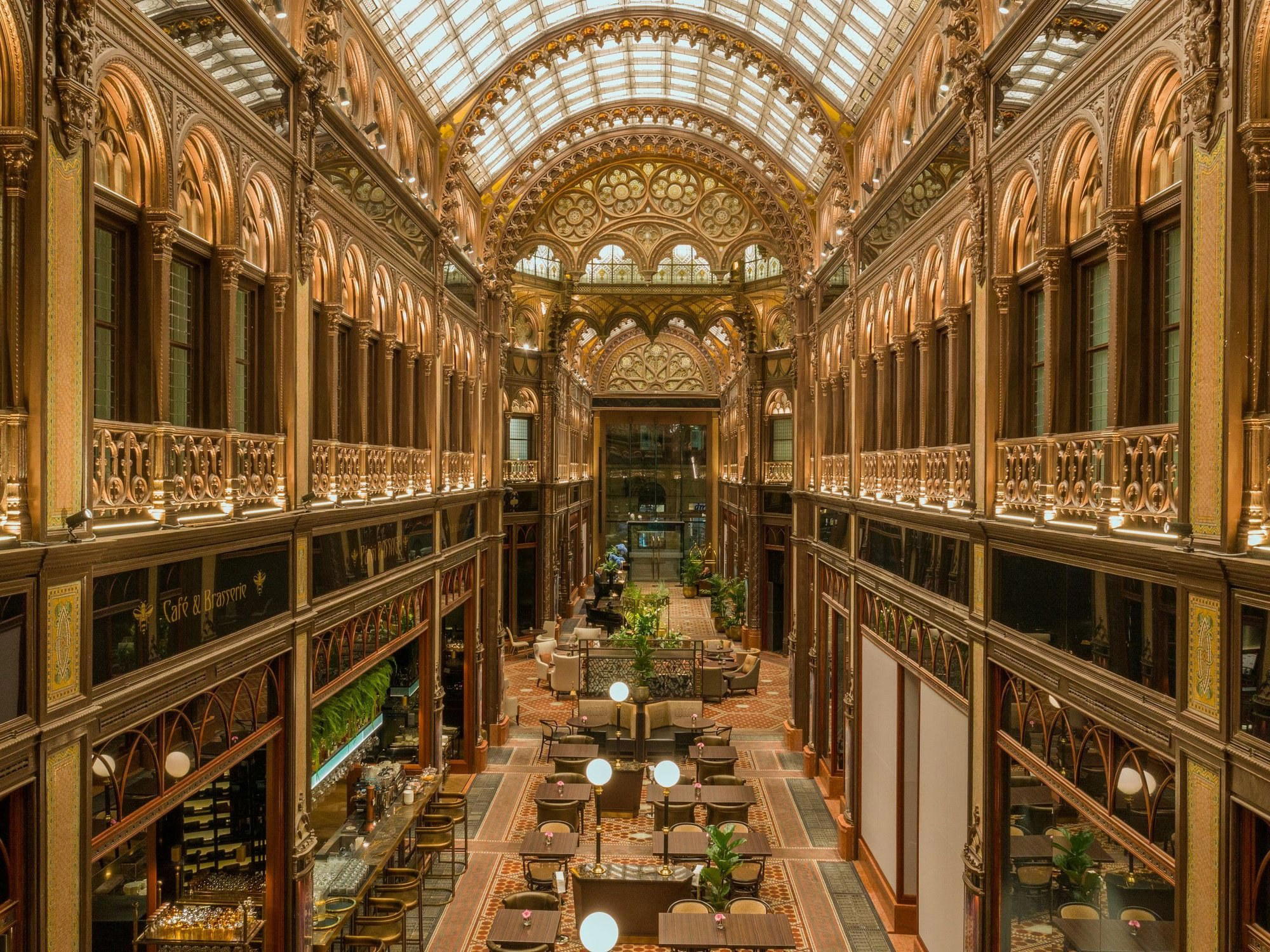

At a Glance
- Modern
- Elegant
- Cozy
- Trendy
- Brunch
- Casual Hangout
- Open Kitchen
- Local Sourcing
Fancy and sophisticated atmosphere with a clean, pleasant setting blending French pastries and Italian design influences.