On a central Budapest street connecting the Inner City to the Danube embankment, Mercatino Ristorante Enoteca occupies one of the district's more quietly considered addresses. The combined restaurant-enoteca format positions it within a small tier of Budapest venues where Italian cuisine and wine curation share equal billing. For visitors already exploring the city's serious dining scene, it represents an alternative reference point to the modern Hungarian tasting-menu circuit.
Pearl is the En Primeur Club membership app — saves, bookings, and concierge access live there. Same editors, same standards.
- Address
- Budapest, Apáczai Csere János u. 17, 1052 Hungary
- Phone
- +36304634689
- Website
- mercatino.hu
- Directions
- Get directions
 Saves & bookings on Pearl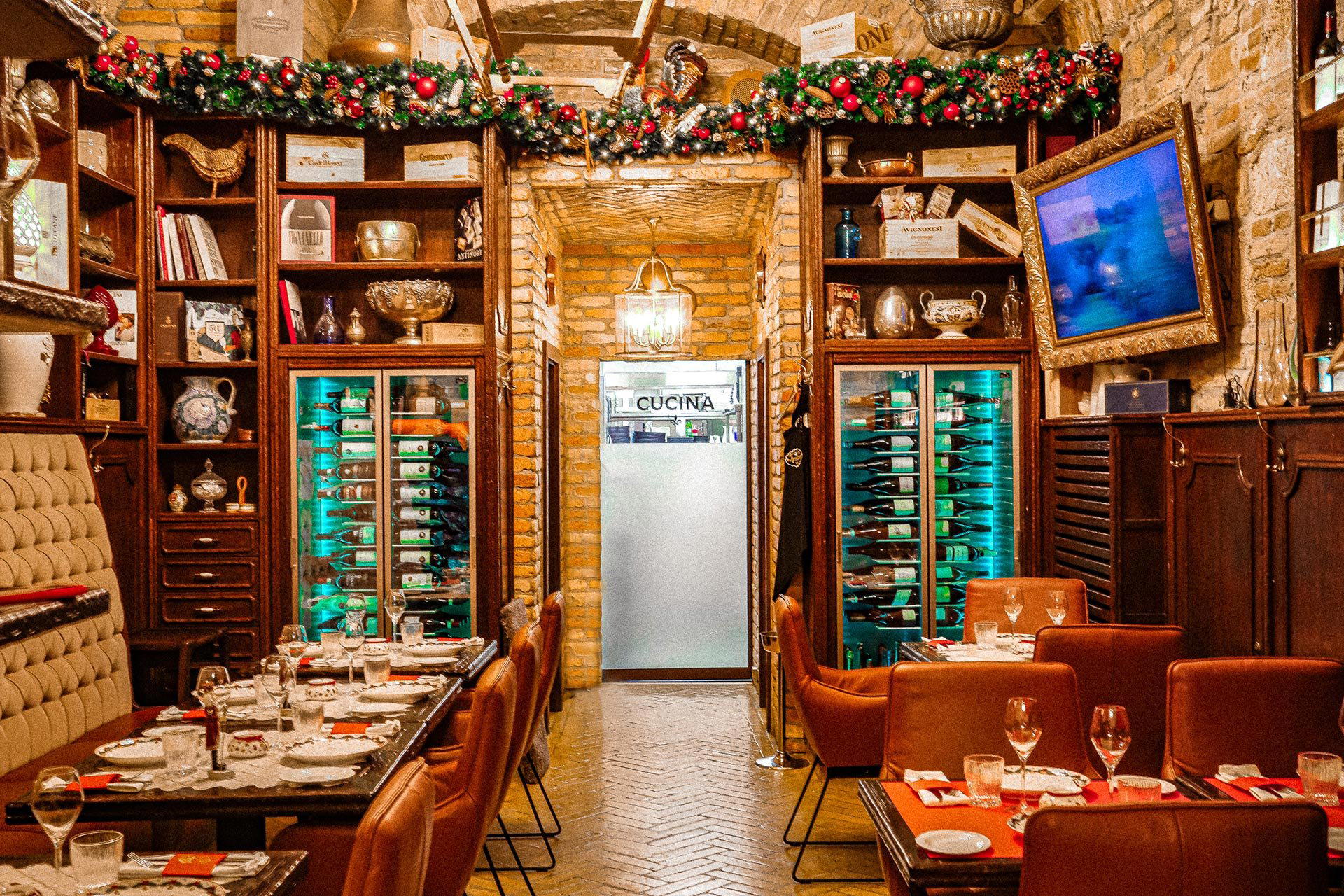
Apáczai Csere János Street and What It Means for the Table
The stretch of Apáczai Csere János utca that runs through Budapest's 5th district is not the city's loudest dining corridor. The street runs parallel to the Danube embankment, close enough to the Four Seasons Gresham Palace and the Chain Bridge approach that foot traffic trends toward hotel guests and purposeful visitors rather than the casual bar-hopping crowds that animate the Jewish Quarter after dark. That geographic specificity matters when reading Mercatino Ristorante Enoteca: a combined restaurant and wine shop positioned here is orienting itself toward a particular kind of diner, one who is already in the Inner City for a reason and who expects a degree of seriousness at the table.
In Budapest's broader dining picture, the 5th district functions as the city's institutional core, parliament, major museums, the financial quarter, and some of the oldest established restaurants all occupy this compact zone. It is not where the city's most experimental new-wave kitchens tend to open; those skew toward the 7th and 8th districts, where rents are lower and the clientele more adventurous. The Inner City's restaurants answer to a different brief: consistency, wine depth, and a format that works for business meals and longer evenings in roughly equal measure. A ristorante-enoteca combination sits neatly inside that brief.
The Ristorante-Enoteca Format in a Central European Context
The enoteca model, a wine-forward venue where the list is as considered as the kitchen, arrived in Hungary largely through the wine tourism boom of the 2000s, when regions like Tokaj, Eger, and Villány began generating serious international attention. In Budapest specifically, the format took hold in venues that wanted to position wine as a destination draw rather than an accompaniment. Borkonyha Winekitchen (€€€ · Modern Cuisine) became the clearest expression of this in the modern Hungarian register, earning Michelin recognition partly on the strength of its wine program's depth. Mercatino approaches the same premise from an Italian reference point rather than a Hungarian one, which places it in a distinct niche within the city's wine-focused dining tier.
The Italian ristorante-enoteca tradition carries specific expectations: a wine selection that extends well beyond the dinner list into cellar stock available by the bottle or case, kitchen output that complements wine rather than competing with it, and a pace of service calibrated to longer meals. Budapest's Italian dining scene has historically split between red-checked-tablecloth neighbourhood trattorias and higher-end modern Italian formats. A venue that takes the enoteca component seriously occupies ground somewhere between those poles, with a wine program that demands the same attention as the food.
Budapest's Italian Dining Tier and Where This Format Sits
City's modern dining circuit is anchored by a cluster of Michelin-recognised Hungarian kitchens. Costes (€€€€ · Modern Cuisine) was the first Hungarian restaurant to receive a Michelin star, in 2010, and it remains the reference point for the city's upper tier. Stand (€€€€ · Modern Cuisine) and Babel (€€€€ · Modern Cuisine) operate in the same bracket, both emphasising modern Hungarian technique and domestic produce. essência (€€€€ · Modern Cuisine) adds a further point of comparison in the higher-end contemporary segment.
Italian cuisine as a category sits adjacent to this circuit rather than inside it. It does not compete for Michelin attention on the same terms as Hungarian tasting-menu restaurants, but it occupies genuine demand from visitors who want a wine-led evening without the structure of a multi-course progressive menu.
For visitors building a multi-day Budapest itinerary, the practical logic is direct: the starred Hungarian kitchens deserve at least one evening, but not every meal needs to operate at that register. A wine-focused Italian dinner in the Inner City functions as a different kind of evening rather than a lesser one.
Wine as the Structural Argument
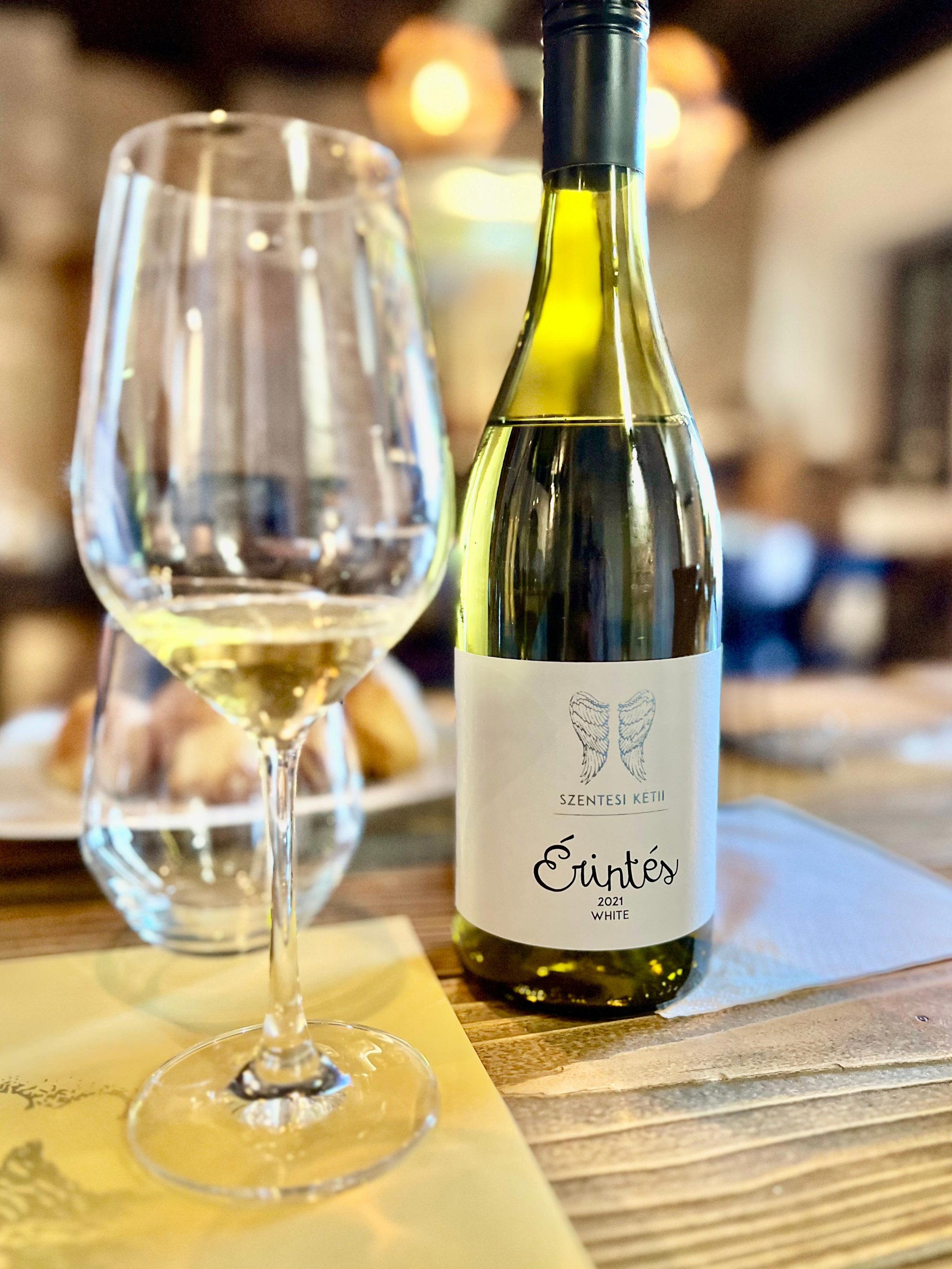
Hungary's wine regions have been undervalued internationally for longer than they deserved. Tokaj's Aszú has held its reputation across centuries, but the dry Furmint revolution, Eger's Egri Bikavér revival, and Villány's Bordeaux-variety programme have all developed serious quality signals since the early 2000s. Venues like Halasi Pince Panzió in Villány operate at the production end of this story; BoriMami in Gyöngyös represents the regional restaurant side. An enoteca in central Budapest that combines Italian kitchen output with a serious wine list occupies an interesting position relative to these Hungarian wine narratives: it can reference Italian regions alongside domestic producers, which is a format that works well for international visitors who arrive with Italian wine literacy but want exposure to Hungarian bottles.
The enoteca designation implies wine is available outside the dinner context, by the glass, by the bottle for retail, or as a standalone tasting proposition. This is a different commercial logic from a standard restaurant wine list, and it reflects a specific kind of institutional seriousness about the cellar.
Further Afield: Hungarian Restaurant Reference Points
If Mercatino anchors an Inner City evening, Budapest's wider food geography extends well beyond the city limits. Platán Gourmet in Tata and Aranysárkány Vendéglő in Szentendre are accessible on day trips from the capital. Pajta in Őriszentpéter represents the farm-to-table end of the regional spectrum. For a sense of how wine-region dining operates outside Budapest, Forst-Ház Étterem és Kávézó in Eger provides a useful comparison point in one of Hungary's most historically significant wine towns.
For international reference on what serious wine-forward restaurant programs look like at the summit of the market, Le Bernardin in New York City and Atomix in New York City represent the kind of institutional precision that defines the global upper tier. Classic Grill Serbian Restaurant Underground in Szeged, Astro Tea and Kávéház in Gyor, La Pizza Del Lupo in Onga, and Almalomb in Hosszúhetény round out a picture of how regional Hungarian dining is developing across the country.
Quick Comparison
Comparable venues nearby, for context on price, style, and recognition.
| Venue | Cuisine | Price | Notes |
|---|---|---|---|
| Mercatino Ristorante EnotecaThis venue — the venue you are viewing | Traditional Italian Ristorante Enoteca | $$$ | Not listed |
| Riso Ristorante & Terrace | Traditional Italian with Risottos and Pizzas | $$$ | Varhegy |
| Toscana | Authentic Tuscan Trattoria | $$ | Belvaros |
| Pizziozo Budapest | Neapolitan-Middle Eastern Fusion Pizza | $$ | Ferencvaros |
| Hemingway | Hungarian and International Lakeside Dining | $$$ | Kis-Gellerthegy |
| EscoBar & Cafe | Hungarian & Italian Fusion | $$ | District IX (Ferencváros) |
Continue exploring
More in Budapest
Restaurants in Budapest
Browse all →
Bars in Budapest
Browse all →
Hotels in Budapest
Browse all →

At a Glance
- Cozy
- Elegant
- Intimate
- Sophisticated
- Date Night
- Special Occasion
- Wine Cellar
- Extensive Wine List
Current opening hours
- Monday
- 12 PM–12 AM
- Tuesday
- 12 PM–12 AM
- Wednesday
- 12 PM–12 AM
- Thursday
- 12 PM–12 AM
- Friday
- 12 PM–12 AM
- Saturday
- 12 PM–12 AM
- Sunday
- 12 PM–12 AM
Hours can change for holidays and private events. Last verified .
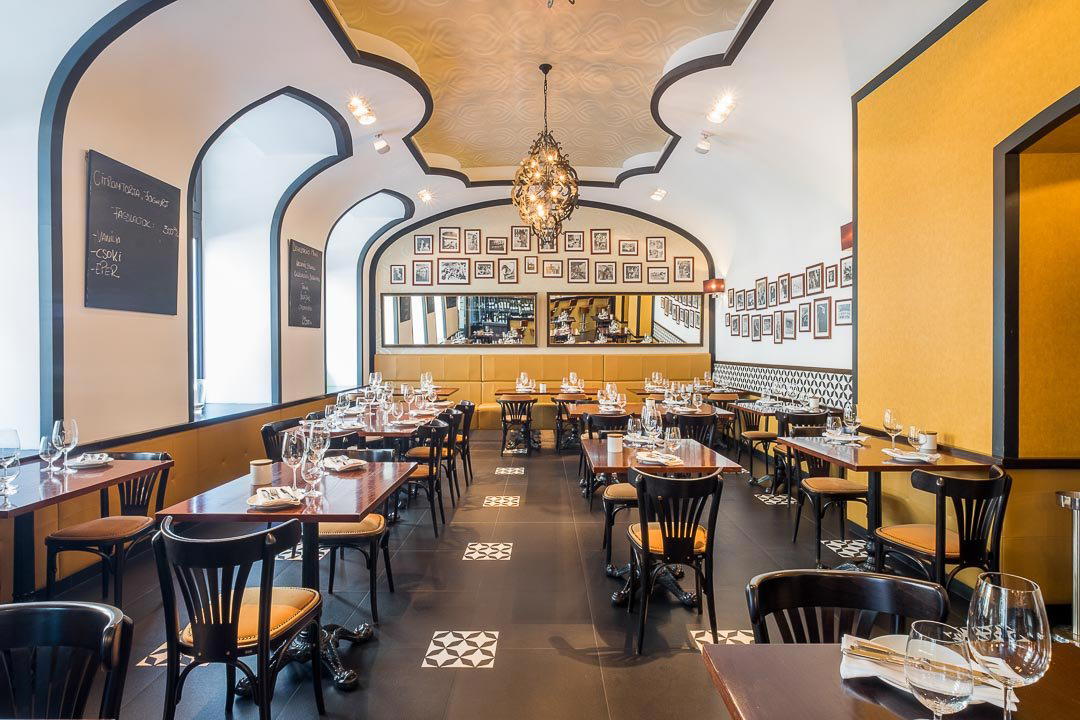
Cosy and elegant with beautiful decor and art decorations, providing a romantic and sophisticated dining experience.