1 Michelin Star
Our verdict
A consecutive Michelin-starred address in Nara's old city, Matsuki holds one star for both 2024 and 2025, placing it among a small tier of sustained critical recognition in a prefecture better known for temple visits than destination dining.

Pearl is the En Primeur Club membership app, where members save venues, book tables and use the concierge.
Where Nara's Dining Ambition Meets Critical Scrutiny
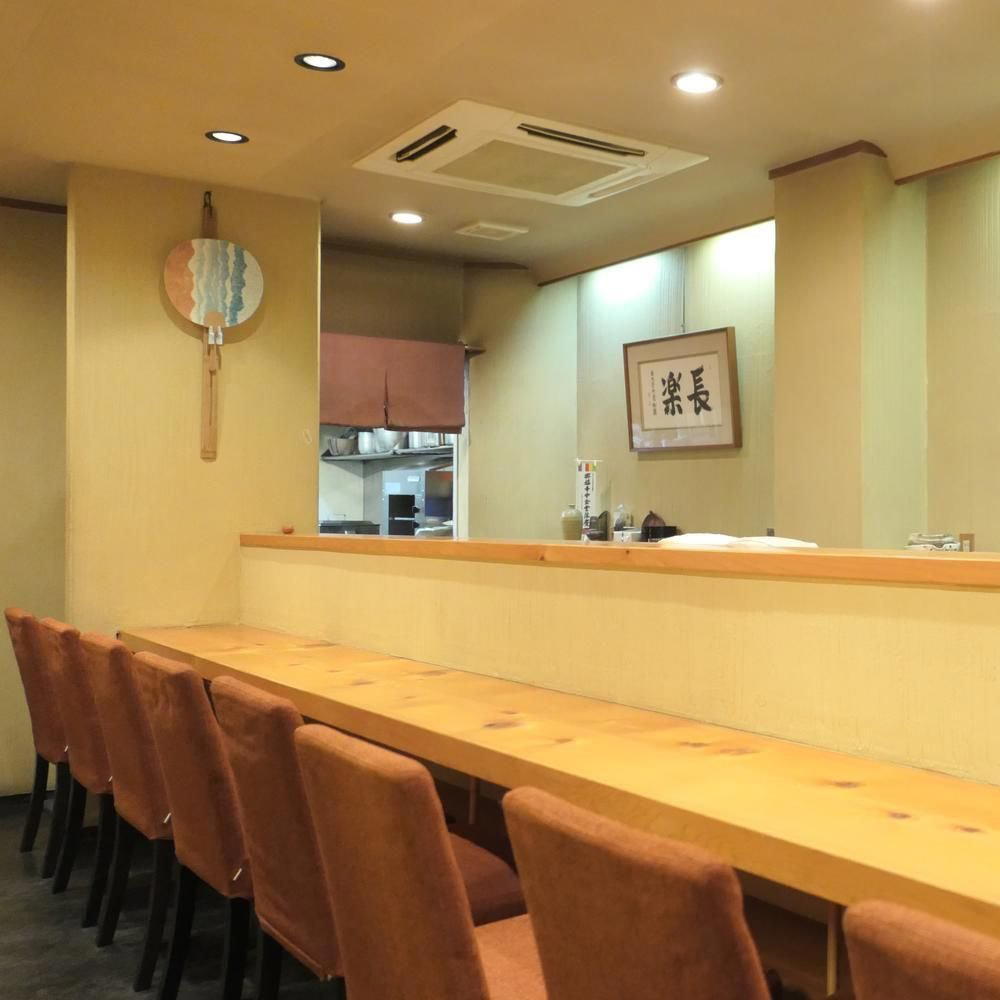
Nara occupies an unusual position in Japan's culinary map. Overshadowed by Kyoto to the west and Osaka to the north, the prefecture has long attracted visitors for its deer parks and eighth-century temples rather than its restaurants. Yet a small constellation of addresses here has quietly accumulated the kind of sustained critical attention that changes a city's dining identity. Matsuki, located in Fushigazushicho in the historic core at 1 Fushigazushicho, Nara, 630-8394, is among the clearest examples of that shift. Consecutive Michelin one-star listings in both 2024 and 2025 place it in a tier of Japanese restaurants that have demonstrated the consistency inspectors return to confirm.
Consecutive recognition matters more than single-year inclusion. A first Michelin star signals a kitchen performing at a level worth a special trip; a retained star in the following guide signals that the kitchen held that standard under scrutiny a second time. Matsuki's two-year run places it alongside addresses like NARA NIKON and Oryori Hanagaki as part of a cohort that is redefining what serious dining in Nara means. The city's restaurants no longer function purely as an afterthought for day-trippers; they are becoming destinations in their own right.
The Critical Record and What It Signals
The Michelin Guide's Japan edition operates with a density of recognition that can make a single star feel almost routine in Tokyo or Kyoto, where starred addresses number in the hundreds. Nara's field is narrower. A star here carries weight precisely because the inspector pool is smaller and the competition set is more concentrated. When Michelin returns to a city with fewer starred addresses and reaffirms a listing, it is making a more deliberate statement than in markets where stars are densely distributed.
The sample size is modest by the standards of high-volume tourist restaurants, which is consistent with the capacity and access profile of a serious Japanese dining room operating at the ¥¥¥ tier. Restaurants at this level in Japan typically seat a limited number of guests per service and rely on repeat custom and word-of-mouth rather than walk-in volume. The convergence of critical and diner opinion at this score suggests the kitchen is not relying on one audience's enthusiasm alone.
For context, the Kansai region contains some of Japan's most densely starred dining. HAJIME in Osaka and Gion Sasaki in Kyoto represent the upper tier of that field. Matsuki is not competing directly with those addresses, nor is it trying to.
Japanese Cuisine in the Nara Context
Nara's culinary identity draws on Kansai's broader tradition of ingredient-forward Japanese cooking, one that historically values subtlety over assertion and seasonal produce over technique as spectacle. The prefecture's proximity to the mountains of Yoshino and its river systems gives local kitchens access to specific ingredients that don't always travel to urban restaurant markets. Tofu traditions tied to Buddhist temple cooking, wild mountain vegetables in season, and locally caught river fish are elements of the regional table that serious Nara restaurants can access more directly than their counterparts in Osaka or Tokyo.
Among Nara's starred and recognised Japanese addresses, the cuisine category covers a range of formats, from kaiseki to more contemporary Japanese expressions. Comparison addresses in the city's dining field, including Tsukumo, Ajinokaze Nishimura, and Ajinotabibito Roman, represent the varied interpretations of Japanese cooking that coexist in what remains a relatively small dining economy. Matsuki operates within this environment at the ¥¥¥ price range, which in Japan's restaurant coding typically indicates a per-person spend in the mid-to-upper tier, below the highest omakase counters but well above casual dining.
That price positioning is significant. At ¥¥¥ in a city without Kyoto's or Tokyo's visitor density, a restaurant has to earn its bookings on reputation rather than location advantage. Sustained Michelin recognition functions here as a booking driver in ways it might not in a city where starred addresses are abundant.
Situating Matsuki in the Wider Japanese Dining Circuit
Travellers building an itinerary around Japan's Michelin-tracked Japanese restaurants often anchor on Tokyo and Kyoto, with Osaka forming a third node. Addresses like Harutaka in Tokyo, Myojaku, and Azabu Kadowaki define the Tokyo end of that spectrum. Further afield, Goh in Fukuoka and addresses such as 1000 in Yokohama and 6 in Okinawa show that serious Japanese dining has diffused well beyond the capital. Nara's inclusion in the Michelin Guide with addresses like Matsuki is part of that same geographic broadening of critical attention.
For visitors travelling between Osaka and Kyoto, Nara is a practical extension of a Kansai itinerary. The proximity means that adding a dinner at a starred Nara address does not require a separate overnight stay, though the city's accommodation options, covered in our full Nara hotels guide, have also expanded in quality in recent years. Booking at this level of Japanese dining in Nara warrants advance planning; restaurant availability at starred addresses in smaller Japanese cities can be tighter than in Tokyo, where the volume of options provides more flexibility.
Planning a Visit
Matsuki is located at 1 Fushigazushicho in central Nara, within accessible distance of the main tourist and transport nodes of the old city. At the ¥¥¥ price point, it occupies the serious-dinner tier for the area rather than the casual lunch category. Given the Michelin profile, advance booking is advisable; the restaurant is unlikely to accommodate walk-ins at prime service times. Visitors pairing Matsuki with wider Nara dining and drinking should consult our full Nara restaurants guide, our full Nara bars guide, our full Nara wineries guide, and our full Nara experiences guide to build a fuller picture of what the city now offers beyond its temples.
Frequently asked questions
Where is Matsuki in Nara?
Matsuki is located at 1 Fushigazushicho, Nara, 630-8394, Japan, Nara.
Is Matsuki expensive?
Pricing at Matsuki is listed as ¥¥¥.
Is Matsuki award-winning?
Matsuki has received recognition including: Michelin 1 Star (2025); Michelin 1 Star (2024).
What dish is Matsuki famous for?
The cuisine type is Japanese, and given Nara's Kansai context, the kitchen almost certainly draws on ingredient-forward traditions that prioritise seasonal produce and restraint over spectacle. Consult the restaurant directly for current course details.
What style of cooking does Matsuki do?
Is Matsuki reservation-only?
At the ¥¥¥ price point and with back-to-back Michelin stars in 2024 and 2025, Matsuki almost certainly operates on a reservation basis. Walk-in availability at restaurants holding this level of recognition in Japan is rare. Booking ahead is strongly advised.
What makes Matsuki worth seeking out?
Matsuki has retained a Michelin star in both 2024 and 2025, a consistent critical result in a Guide that covers Japan with considerable rigour. Its location in Nara, a city that sits outside Tokyo, Kyoto, and Osaka's dominant dining circuits, means the restaurant draws serious attention without the competition density of those cities. For travellers building an itinerary around Japan's starred restaurants, Nara adds a distinct regional register and Matsuki is the clearest argument for including it.
Credentials Lens
| Venue | Cuisine | Price | Awards | Notes |
|---|---|---|---|---|
| MatsukiThis venue (the venue you are viewing) | Kaiseki Kappo | $100–150 | 1 Michelin Star | Not listed |
| akordu | Modern Spanish with Nara Influences | $150–200 | 2 Michelin Stars · La Liste Top Restaurants | Spanish, Innovative |
| Wa Yamamura | Traditional Kaiseki | $100–150 | 1 Michelin Star | Kaiseki, Japanese |
| Araki | Seasonal Japanese Tempura and Kaiseki | $100–150 | Michelin Plate · Tabelog Bronze #23 | Not listed |
| Tama | French with Local Nara Ingredients | $50–100 | Michelin Plate | Not listed |
| NARA NIKON | Kaiseki | $150–200 | 2 Michelin Stars · La Liste Top Restaurants | Japanese |
Recognition history
Dated appearances from independent guides and award organizations, with the underlying list record or original source where available.
Michelin 1 Star
Michelin
Full recognition history (3 entries)
Michelin 1 Star
Michelin
Michelin 1 Star
Michelin