
1 Michelin Star
Our verdict
Kaiseki Morimoto holds consecutive Michelin stars (2024 and 2025) in Kashihara, Nara Prefecture, placing it among the few kaiseki addresses outside Japan's major urban centres to sustain that recognition. Under Chef Yasunari Okazaki, the kitchen works within the formal kaiseki sequence while drawing on ingredients native to the Yamato region. For milestone dining away from Kyoto's crowded kaiseki circuit, it represents a considered alternative.

Pearl is the En Primeur Club membership app, where members save venues, book tables and use the concierge.
Occasion Dining in Nara: What a Michelin-Starred Kaiseki Meal Means Here
There is a particular quality to celebrating a milestone in a city that has been doing ceremony for over a thousand years. Nara, the ancient capital that preceded Kyoto, carries that weight without performing it. The temples don't announce themselves; the streets around Kashihara move at a pace that feels calibrated to reflection rather than spectacle. Kaiseki Morimoto, located at 1 Chome-4-8 Yagicho in Kashihara, occupies that quieter register. It has held a Michelin star consecutively through 2024 and 2025, a retention that places it among the small cohort of kaiseki addresses in the wider Nara Prefecture that have sustained national-level recognition. For a birthday dinner, an anniversary, or any meal that requires the occasion to feel genuinely considered, that context matters more than most diners realise before they arrive.
Kaiseki as a Format for Significant Meals
The kaiseki sequence was designed, historically, for moments that required deliberateness: the pace of arrival, the reading of seasonal ingredients, the discipline of presentation. Unlike à la carte dining, where the meal's arc depends heavily on the diner's choices in the moment, kaiseki imposes a structure that removes that burden. Each course is predetermined, calibrated against what is available, and served in an order that builds quietly toward a close. That architecture makes it well-suited to celebratory meals precisely because the kitchen has thought about the experience as a whole rather than as a series of individual transactions.
In Japan's major cities, that format has become genuinely competitive at the leading end. Kyoto alone carries dozens of addresses working within the kaiseki tradition at varying price and ambition levels; Tokyo's kaiseki scene has grown to rival it. Venues such as Gion Sasaki in Kyoto represent the kind of deeply embedded, multi-starred prestige that makes booking in those cities a months-long exercise. Nara sits outside that intensity.
The Yamato Region as Ingredient Context
Nara Prefecture, historically called Yamato, has an agricultural identity that kaiseki kitchens can work with directly. The region is associated with Yamato vegetables, a category of heritage produce that includes varieties preserved through local farming traditions. For a format as ingredient-dependent as kaiseki, proximity to that kind of supply is a structural advantage rather than a marketing point. Comparable kaiseki addresses tied to specific regional ingredient identities include Goh in Fukuoka, where northern Kyushu produce anchors the kitchen's identity, and Harutaka in Tokyo, which demonstrates how a strong sourcing philosophy sustains recognition across years. Chef Yasunari Okazaki works within that tradition at Kaiseki Morimoto, with the Kashihara location placing the kitchen close to the agricultural base the format depends on.
The seasonality that kaiseki requires means that a meal here in spring will differ materially from one in autumn. That is not a caveat; it is the point. Diners planning milestone occasions around the cherry blossom period or the autumn foliage season in Nara are timing their meals to align with what the kitchen can do at its most expressive.
Where Kaiseki Morimoto Sits in Nara's Dining Composition
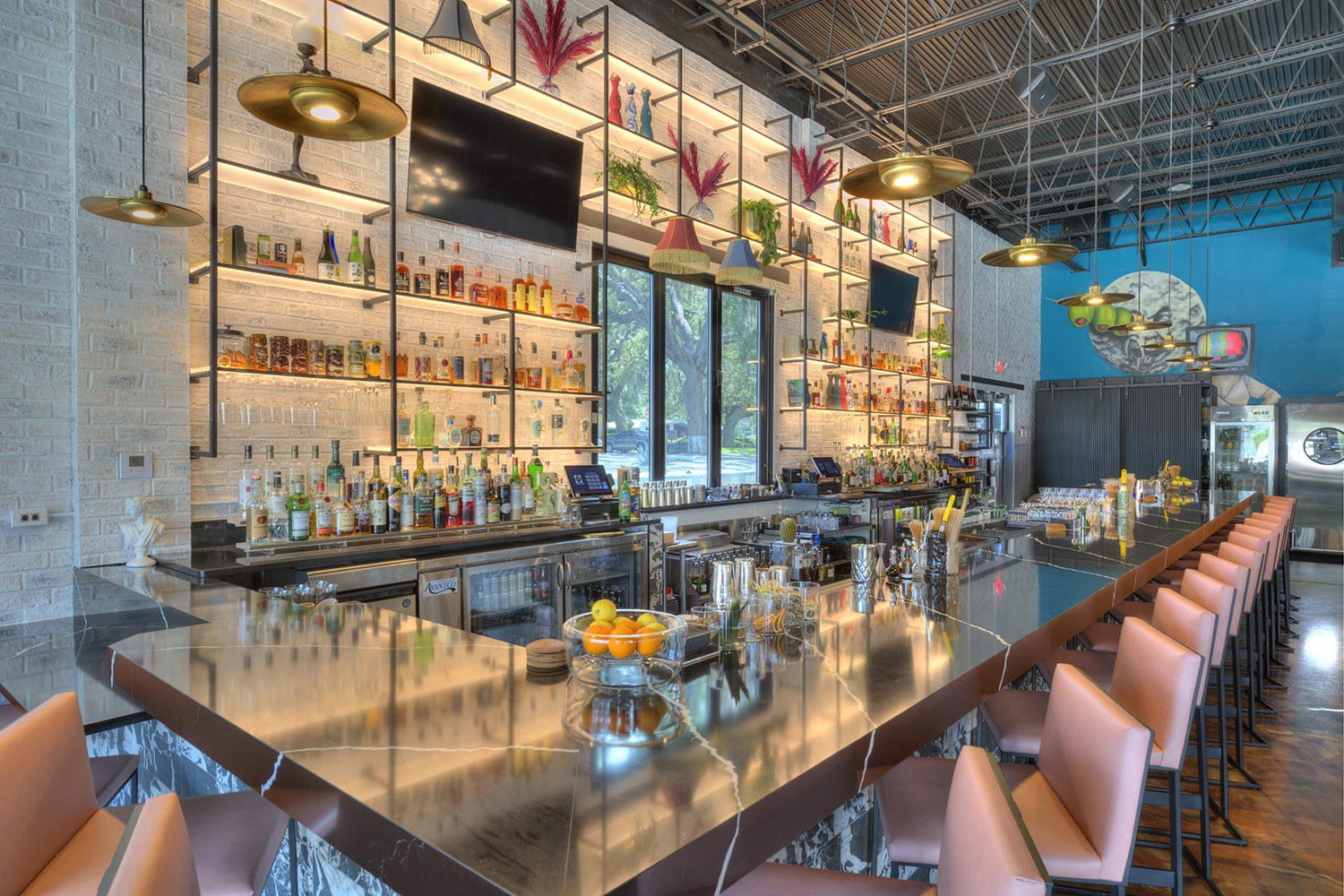
Nara's fine dining scene is smaller than Kyoto's or Osaka's, but it is not thin. NARA NIKON holds two Michelin stars, making it the highest-decorated address in the prefecture and the reference point against which other fine dining venues here are read. Kaiseki Morimoto sits one tier below in Michelin terms, in a ¥¥¥ price bracket that it shares with Oryori Hanagaki and other established addresses. For diners building an itinerary around Nara rather than treating it as a day trip from Osaka or Kyoto, the combination of Michelin-recognised kaiseki at Kaiseki Morimoto alongside a bar programme from our full Nara bars guide creates the kind of evening that makes staying overnight worthwhile.
Other Nara addresses worth considering alongside Kaiseki Morimoto for a multi-night itinerary include Tsukumo, Ajinokaze Nishimura, and Ajinotabibito Roman, each operating in different registers but collectively demonstrating that Nara's food scene extends beyond temple tourism. The full picture is in our full Nara restaurants guide.
Regional Comparison: Kaiseki Outside the Major Cities
Sustained Michelin recognition outside Tokyo, Kyoto, and Osaka carries a specific signal. It indicates that the kitchen is not benefiting from the density of food media attention or the ambient expectations of a market saturated with world-class competition. It has to be good enough for inspectors to make the trip. Among comparable kaiseki addresses working in secondary Japanese cities, HAJIME in Osaka and venues like Myojaku in Tokyo and Azabu Kadowaki in Tokyo represent the urban end of the spectrum where competition is fiercest and recognition is most contested. Kaiseki Morimoto's consecutive stars in Kashihara are earned against a quieter but no less demanding standard. That dynamic is also visible across Japan's regional dining scene: 1000 in Yokohama and 6 in Okinawa both operate in cities that sit outside the primary fine dining markets but maintain recognition through discipline rather than proximity to media hubs.
Planning a Milestone Meal Here
Kashihara is accessible from Osaka via the Kintetsu Osaka Line, making it reachable for a dedicated dinner without requiring an overnight stay in Nara city, though the prefecture's accommodation options through our full Nara hotels guide make that worth considering. The ¥¥¥ price positioning means this is a meal with genuine cost commitment, appropriate to the occasion framing. For broader planning around Nara, our full Nara experiences guide and our full Nara wineries guide offer context for filling the hours around the meal itself.
Frequently asked questions
Is Kaiseki Morimoto chef-led?
The chef associated with Kaiseki Morimoto is Yasunari Okazaki.
What's the must-try dish at Kaiseki Morimoto?
Kaiseki Morimoto operates as a fixed-sequence meal, so there is no single dish to select. Chef Yasunari Okazaki structures the progression around seasonal ingredients, and the kitchen determines what is served. Nara Prefecture, historically called Yamato, has a distinct agricultural identity that informs what arrives at the table across the course of the year.
What does dinner at Kaiseki Morimoto typically cost?
Pricing at Kaiseki Morimoto is listed as ¥¥¥.
How do I find Kaiseki Morimoto?
Kaiseki Morimoto is located at 1 Chome-4-8 Yagicho, Kashihara, Nara 634-0078, Japan, Nara.
What awards or recognition does Kaiseki Morimoto have?
Kaiseki Morimoto has received recognition including: Michelin 1 Star (2025); Michelin 1 Star (2024).
How far ahead should I plan for Kaiseki Morimoto?
Treat it as a two-to-three month planning exercise if you are targeting a specific date. Kaiseki Morimoto has held a Michelin star in both 2024 and 2025, and one-star kaiseki counters at this level in smaller cities fill quickly because the seat count is typically low. Kashihara is accessible from Osaka via the Kintetsu Osaka Line, which makes advance booking the main logistical variable rather than travel time.
Cuisine and Recognition
| Venue | Cuisine | Price | Awards | Notes |
|---|---|---|---|---|
| Kaiseki MorimotoThis venue (the venue you are viewing) | Traditional Kaiseki | $50–100 | 1 Michelin Star | Not listed |
| akordu | Modern Spanish with Nara Influences | $150–200 | 2 Michelin Stars · La Liste Top Restaurants | Spanish, Innovative |
| Wa Yamamura | Traditional Kaiseki | $100–150 | 1 Michelin Star | Kaiseki, Japanese |
| Araki | Seasonal Japanese Tempura and Kaiseki | $100–150 | Michelin Plate · Tabelog Bronze #23 | Not listed |
| Tama | French with Local Nara Ingredients | $50–100 | Michelin Plate | Not listed |
| NARA NIKON | Kaiseki | $150–200 | 2 Michelin Stars · La Liste Top Restaurants | Japanese |
Recognition history
Dated appearances from independent guides and award organizations, with the underlying list record or original source where available.
Michelin 1 Star
Michelin
Full recognition history (3 entries)
Michelin 1 Star
Michelin
Michelin 1 Star
Michelin
Continue exploring
More in Nara
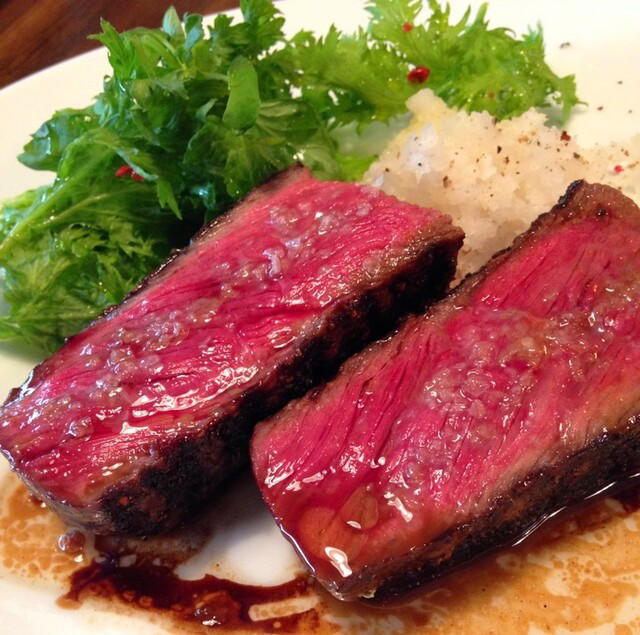
Restaurants in Nara
All restaurants in Nara →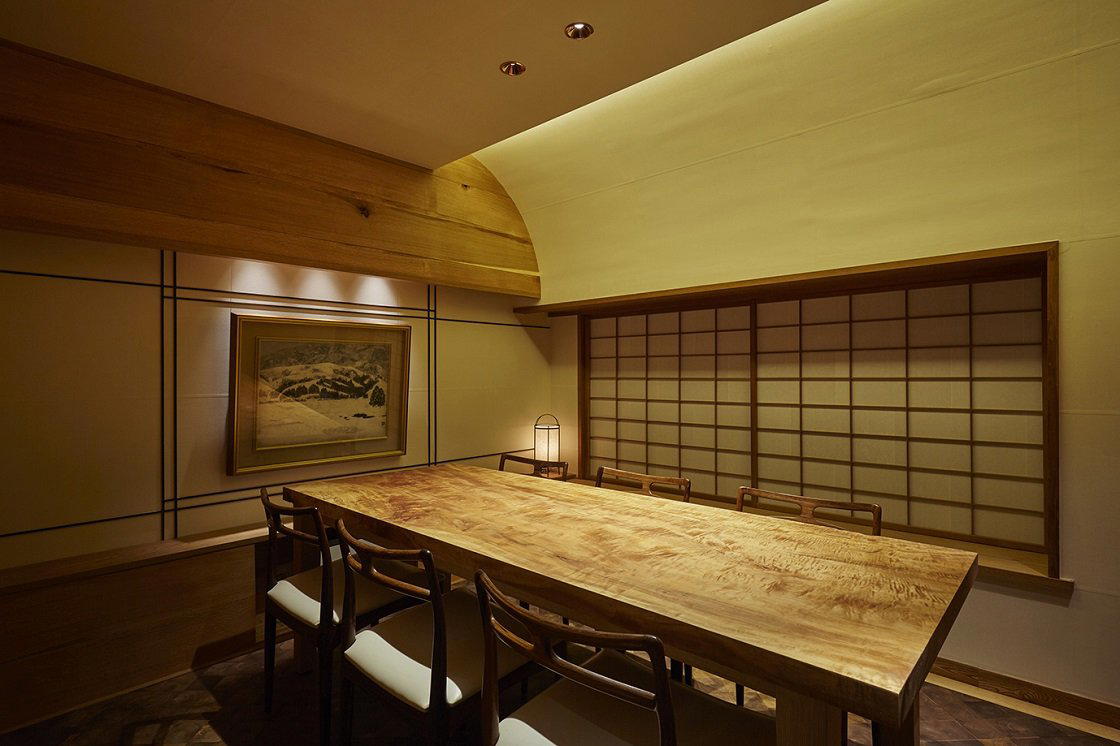
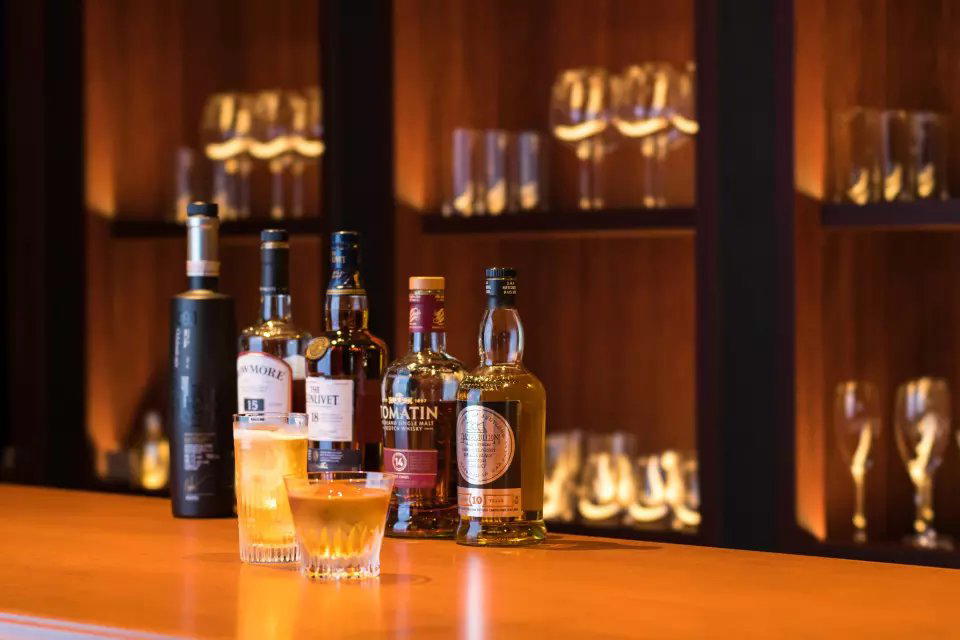
Bars in Nara
All bars in Nara →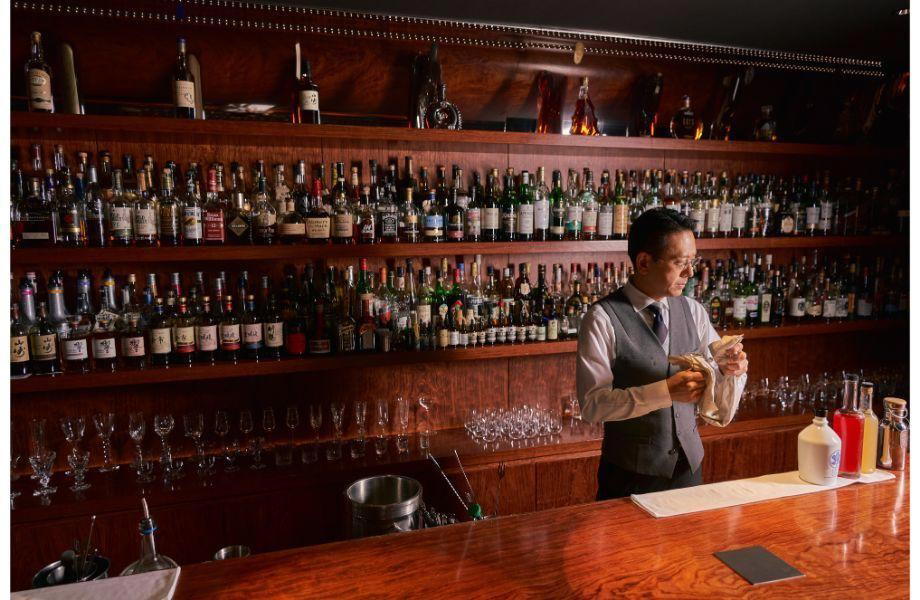
Hotels in Nara
All hotels in Nara →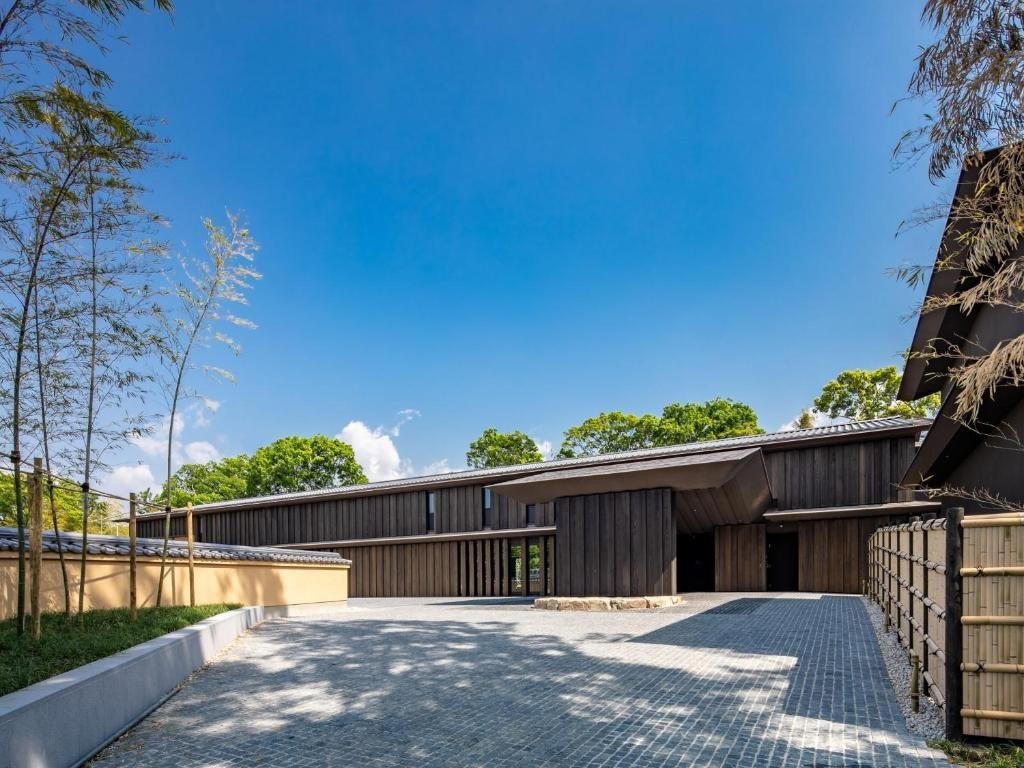


Wineries in Nara
Browse all →
Details
- Quiet
- Elegant
- Intimate
- Classic
- Special Occasion
- Private Dining
- Sake Program
- Local Sourcing
- Tasting Menu
Current opening hours
- Monday
- 12–2:30 PM, 6–9:30 PM
- Tuesday
- Closed
- Wednesday
- 12–2:30 PM, 6–9:30 PM
- Thursday
- 12–2:30 PM, 6–9:30 PM
- Friday
- 12–2:30 PM, 6–9:30 PM
- Saturday
- 12–2:30 PM, 6–9:30 PM
- Sunday
- 12–2:30 PM, 6–9:30 PM
Hours can change for holidays and private events. Hours as of .
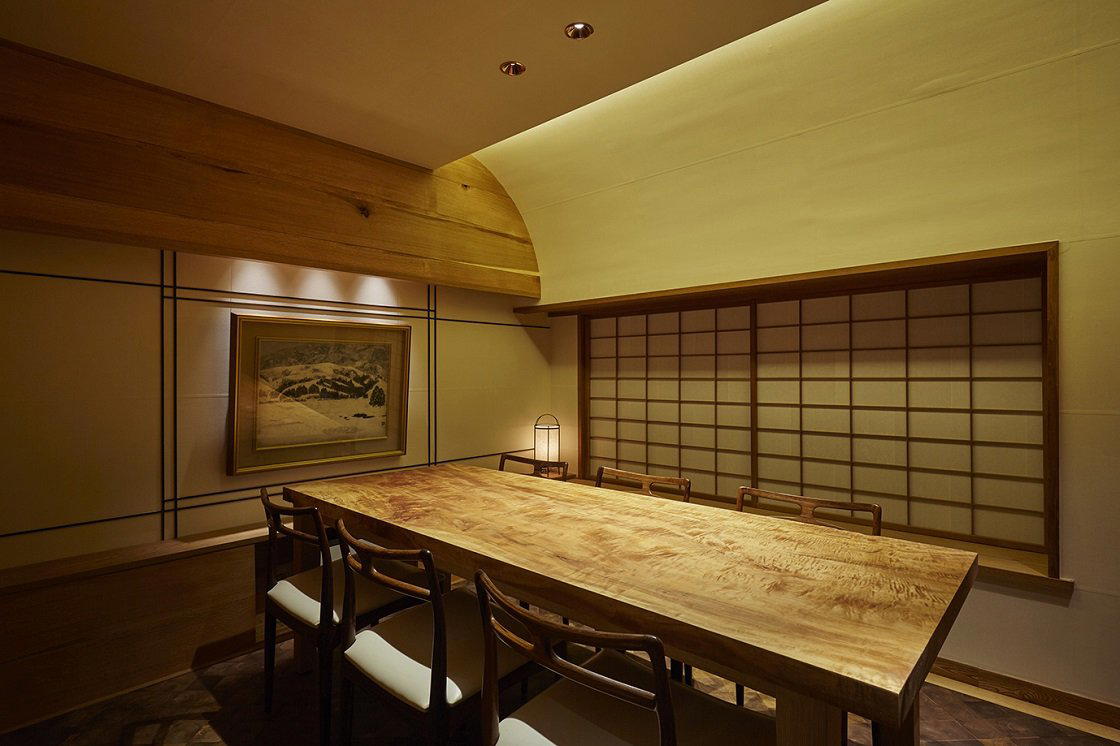
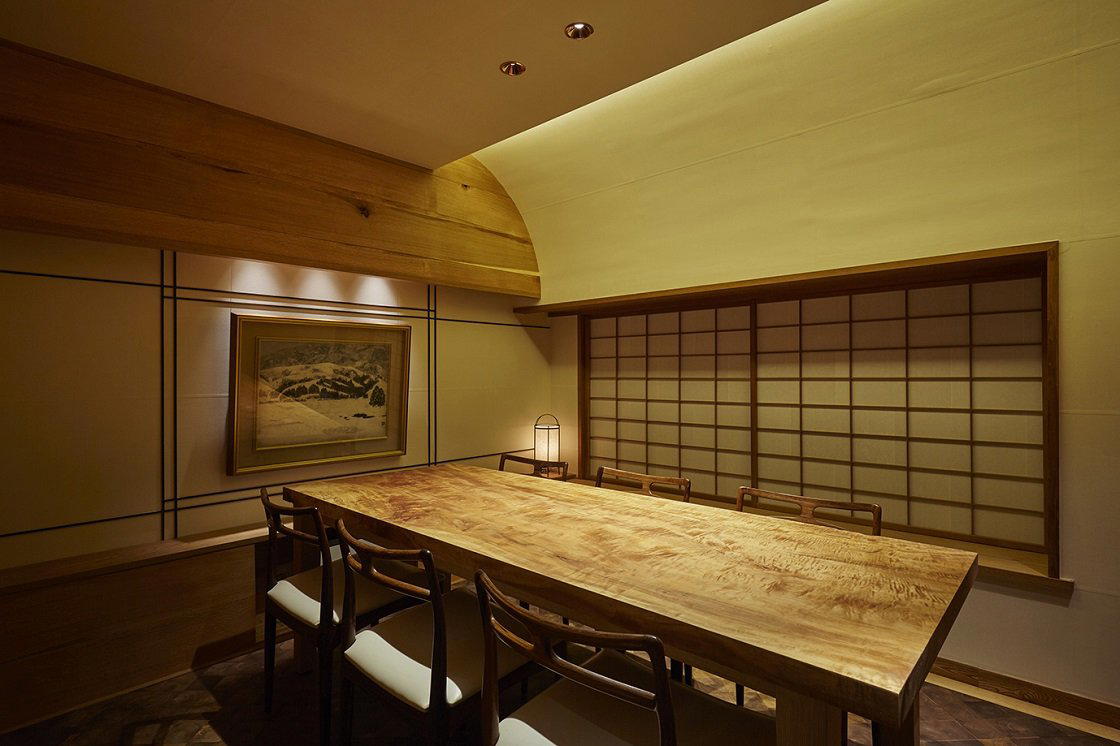
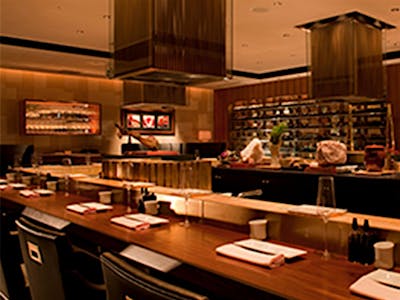
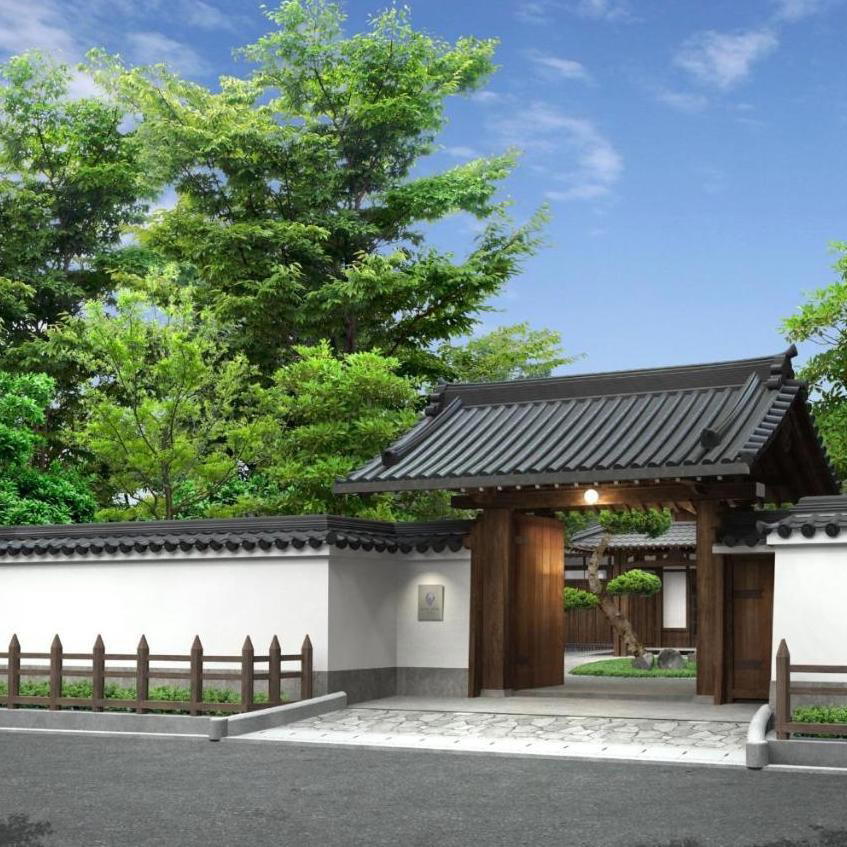
Serene, nostalgic Japanese setting in a refurbished old house with a weathered counter for eight diners, evoking countryside hospitality and traditional aesthetics.