
Koikiryori Aji Manso showcases Chef Koji Nagata's personalized omakase artistry in Nara's most sophisticated dining room, where seasonal specialties like well-known pike conger sukiyaki meet generous kaiseki portions. This gallery-like restaurant combines notable Japanese cuisine with curated artwork, creating an intimate fine dining experience tailored to each guest's preferences.
Pearl is the En Primeur Club membership app — saves, bookings, and concierge access live there. Same editors, same standards.
- Address
- 11-9 Jūriin Hatamachi, Nara, 630-8311, Japan
- Phone
- +81 742-24-3648
- Website
- facebook.com
- Directions
- Get directions
 Saves & bookings on Pearl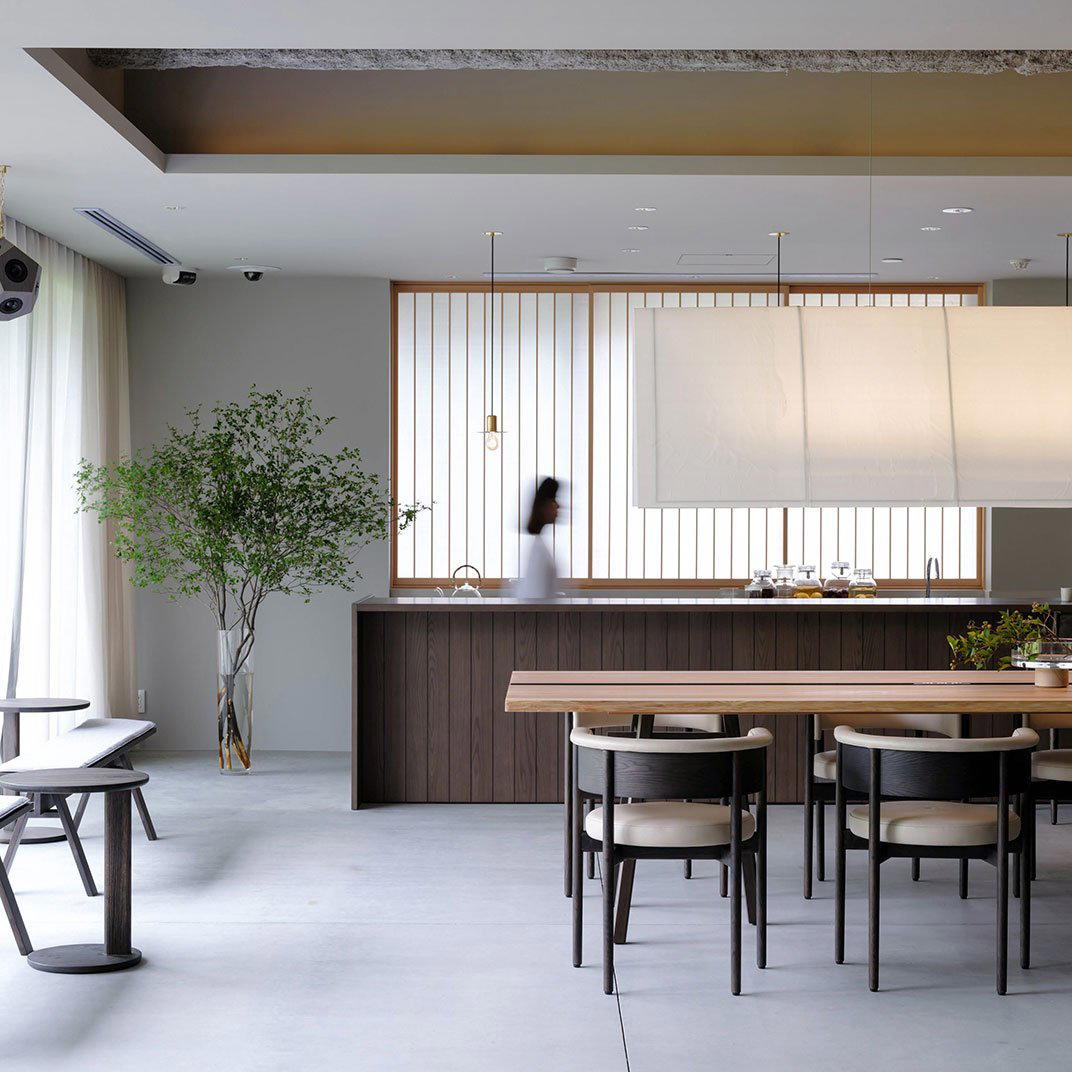
Nara's Quiet Dining Register
The approach to 11-9 Jūriin Hatamachi gives little away. Nara's historic core is a city where temples and deer parks absorb the tourist footfall, and the restaurant streets that matter most are tucked into residential lanes away from the main pilgrim corridors. Koikiryori Aji Manso is a one-star Kappo restaurant in Nara, Japan, from chef Koji Nagata, priced at about $120 per person: an interior where works by painters and potters line the walls, and where the pace of the room signals that what happens here is organized around attention rather than throughput. It is the kind of space that takes several minutes to read properly.
The Kansai Tradition Behind the Menu
To understand what Koji Nagata is doing at Koikiryori Aji Manso, it helps to place the cooking inside the broader Kansai culinary argument. Kansai cuisine, the tradition running through Osaka, Kyoto, and their surrounding cities, has always operated on different principles from the Kanto style centered on Tokyo. Where Kanto cooking historically favoured stronger soy-forward seasoning and strong broths suited to a colder, more mercantile urban culture, Kansai cooks have worked from a base of lighter dashi, subtler seasoning, and a preference for letting the ingredient speak before the condiment does. The omakase format at this level, a personally assembled set menu calibrated to each diner's preferences, is less about theatrical progression and more about demonstrating how well a chef has read the table.
Nara occupies an interesting sub-position within that tradition. It is older than Kyoto as a capital, less commercially driven than Osaka, and has developed a dining culture that draws on both while remaining less internationally legible than either. The Michelin infrastructure arrived here later and with fewer entries than in those two cities, which means that a one-star recognition in Nara in 2025 carries a different kind of signal: the city's fine-dining tier is smaller, and the restaurants that achieve formal recognition tend to have done so through consistent depth rather than the media exposure that accelerates recognition in larger markets.
Pike Conger and the Seasonality Argument
Seasonal fish is the organizing principle of Kansai fine dining in a way that has no real equivalent in the Kanto tradition. Hamo, the pike conger, is the signature summer ingredient across the Kansai region, and its handling separates kitchens with technical command from those without. The fish has hundreds of tiny pin bones running through its flesh, requiring a specific knife technique, honekiri, or bone cutting, that involves making a series of rapid, precise cuts through the bones without severing the skin, so that when the fish is briefly blanched or grilled, the flesh opens into a fan-like texture. It is one of the more demanding preparations in the Japanese repertoire, and the quality of its execution is readable in the result.
At Koikiryori Aji Manso, from early summer the kitchen specializes in pike conger, and the hamo sukiyaki hotpot has become the dish that draws repeat visitors. A sukiyaki preparation applied to conger rather than the more expected beef is a Kansai-inflected move: the sweet soy and mirin base of sukiyaki functions differently with fish than with meat, requiring adjustment of concentration and timing to avoid the flesh breaking apart. The fact that this specific preparation has generated a following suggests the kitchen has calibrated it well.
For readers planning around this: early summer through autumn is the window for the full pike conger focus. Kansai hamo season traditionally runs from around June through September, with peak quality in the warmer months. Booking ahead of that period, rather than opportunistically on arrival in Nara, is the practical approach at a restaurant operating at this recognition level.
Omakase at This Price Tier in Nara
The ¥¥¥ pricing bracket in Nara covers a narrower band of restaurants than the same designation in Tokyo or Kyoto, where the density of high-end establishments creates more internal variation. At Michelin one-star level in a city the size of Nara, the expectation is a full omakase experience with a per-head spend that positions the meal as a planned occasion rather than a spontaneous dinner.
Gion Sasaki in Kyoto operates in the kaiseki tradition at a higher award level and higher price point, with a more formalized format. At the other end of the regional spectrum, HAJIME in Osaka represents the creative-progressive end of Kansai fine dining. Koikiryori Aji Manso sits in a different tier: accessible relative to three-star peers, locally rooted, and structured around the interaction between diner preference and chef judgment rather than around a fixed conceptual program. Within Nara itself, NARA NIKON holds two Michelin stars and represents the upper bracket of the city's recognized dining.
The format also differs from the sushi omakase counters that dominate Tokyo's high-end listings. Venues like Harutaka in Tokyo operate on the tight counter format with a sequential sushi progression. Here, the structure is more flexible, organized around the koikyori (small-dish) tradition, with portions described as generous rather than minimal, and with bar snacks for those who want a lighter entry point rather than a full set. That dual register, serious enough for destination dining, relaxed enough for a drink and a few plates, is characteristic of the better Kansai restaurants at this tier.
What the Room Tells You
The art in the interior is not decorative filler. In Japan, the relationship between the visual arts and the dining room has deep precedent in the tea ceremony tradition, where the choice of scroll, ceramic, and flower arrangement is treated as an extension of the hospitality rather than ambient decoration. A restaurant that maintains a curated selection of works by painters and potters is making a statement about what kind of attention it expects from the room. It also places the ceramics in functional use: the choice of vessel is part of the dish's presentation in serious Japanese cooking, and a kitchen with access to considered pottery is working with a fuller palette.
Service is described as cheerful, which in the context of Nara's quieter, more residential dining culture is a meaningful characteristic. The formal service codes of Kyoto kaiseki houses can feel stiff to visitors unfamiliar with the register. A room that combines technical seriousness with genuine warmth is not the default, and it contributes to the repeat-visit culture evident in the review data.
Planning a Visit
The restaurant is located at 11-9 Jūriin Hatamachi in Nara's central area, within manageable distance of the main sightseeing corridors. Nara is accessible from Kyoto in roughly 45 minutes by the Kintetsu limited express, and from Osaka in a similar window, making it viable as a day or evening trip for visitors based in either city.
Given the personalized omakase format and the recognition-level demand, advance booking is the only practical approach. For the hamo season specifically, planning the visit around June through September gives access to the full pike conger menu, including the sukiyaki hotpot that has become the kitchen's calling card. Outside that window, the menu structure continues with the same diner-preference calibration, but without the seasonal centerpiece.
Oryori Hanagaki, Tsukumo, Ajinokaze Nishimura, and Ajinotabibito Roman, all covered in our full Nara restaurants guide. Those interested in the wider regional context across Japan's fine-dining tier will find useful reference points in Myojaku in Tokyo, Azabu Kadowaki in Tokyo, Goh in Fukuoka, 1000 in Yokohama, and 6 in Okinawa.
Cuisine Lens
Comparable venues nearby, for context on price, style, and recognition.
| Venue | Cuisine | Price | Awards | Notes |
|---|---|---|---|---|
| Koikiryori Aji MansoThis venue — the venue you are viewing | Kappo | $$$$ | Michelin 1 Star | Not listed |
| Sushi Kawashima | Nara-Style Omakase Sushi | $$$$ | Michelin 1 Star | Kashihara |
| Matsuki | Kaiseki Kappo | $$$ | Michelin 1 Star | Nara |
| Ajinokaze Nishimura | Michelin-Starred Kaiseki | $$$ | Michelin 1 Star | Sakurai |
| SÉN | Modern Japanese Watershed Cuisine | $$$$ | Michelin 1 Star | Tenkawa Village |
| GOKAN UOGIN | Michelin-Starred Seasonal Japanese | $$$$ | Michelin 1 Star | Nara |
Recognition history
Dated appearances from independent guides and award organizations, with the underlying list record or original source where available.
Michelin 1 Star
Michelin
Michelin 1 Star
Michelin
Continue exploring
More in Nara




Bars in Nara
Browse all →


Hotels in Nara
Browse all →




Wineries in Nara
Browse all →
At a Glance
- Classic
- Elegant
- Intimate
- Historic
- Special Occasion
- Date Night
- Sake Program
- Local Sourcing
Warm and hospitable atmosphere with cheerful service in a traditional setting featuring long wooden tables.