Maple Tree House

Our verdict
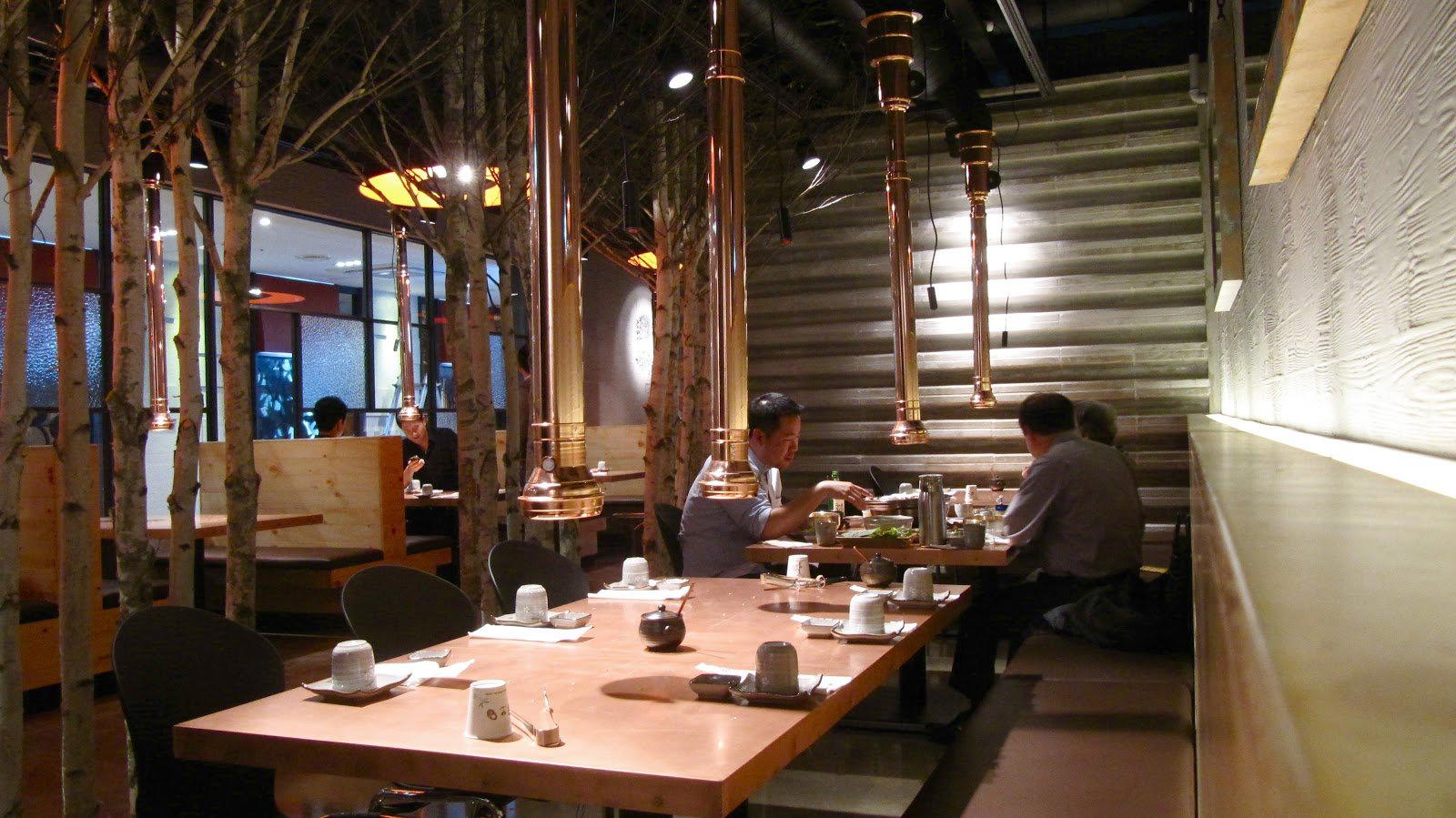
A Korean barbecue address on Samcheong-ro in Jongno District, Maple Tree House has earned consecutive recognition from Opinionated About Dining's Asia rankings, reaching #405 in 2024 and #417 in 2025. Set in one of Seoul's most architecturally preserved neighbourhoods, it draws a clientele that returns not for novelty but for consistency, the unhurried pace of charcoal grilling, and a setting that feels removed from the city's harder commercial edges.

Pearl is the En Primeur Club membership app, where members save venues, book tables and use the concierge.
The menu
What to order
- Bulgogi
- Grilled beef short ribs
- Jeju black pork belly
- Hanwoo beef striploin
Samcheong-ro and the Case for Slow Fire
Samcheong-ro is one of the few stretches in central Seoul where the built environment hasn't been entirely renegotiated by glass towers and franchise signage. The street climbs north from Gyeongbokgung Palace through Jongno District, past hanok walls and gallery courtyards, and the pace of foot traffic slows accordingly. Korean barbecue in this part of the city occupies a different register from the neon-lit galbi strips of Mapo or the high-volume grill rooms of Gangnam. Here, the format tends toward the considered rather than the convivial, and Maple Tree House, at 130 Samcheong-ro, fits that grain.
The address matters. Seoul's barbecue culture is not a monolith. In the Mapo and Hongdae corridors, the emphasis is on throughput and price accessibility. In Gangnam, many grill rooms have shifted toward wagyu-heavy menus with table-service polish. Jongno's upper reaches, where Samcheong-ro runs into the foothill neighbourhood of Buam-dong, maintain a different kind of seriousness, one rooted in the neighbourhood's identity as a space for culture, craft, and unhurried eating. Maple Tree House operates inside that context.
What the Rankings Actually Signal
Opinionated About Dining runs one of the more data-intensive restaurant ranking systems operating in Asia, aggregating assessments from a network of frequent diners rather than a small critic panel. Appearing in its Leading Restaurants in Asia list is a signal of sustained peer attention, not a one-cycle anomaly. Maple Tree House received a Recommended designation in 2023, ranked #405 in 2024, and #417 in 2025, a trajectory that suggests a stable, well-regarded operation rather than a venue riding a single season of hype. For Korean barbecue, which is a category that OAD's network assesses with significant depth given Korea's density of serious practitioners, a position inside the top 420 across all of Asia is a meaningful placement.
That average, across a meaningful volume of assessments, points to an operation that delivers reliably rather than one that spikes and disappoints. In a category where the quality of the product depends heavily on sourcing, preparation, and the precision of the grill, consistency is the operative metric.
The Regulars' Logic
The editorial angle that matters most for Maple Tree House is not the first visit but the return. Korean barbecue, as a format, rewards familiarity. The diner who has been to the same grill room a dozen times knows which cuts to order without prompting, when to add charcoal, how long each piece should sit before it's turned. The table becomes a practiced ritual rather than a discovery exercise. Venues that build loyal repeat clientele in this format tend to do so through consistency of sourcing, quality of the surrounding banchan, and a staff rhythm that reads the table rather than interrupts it.
At Maple Tree House, the Saturday and Sunday hours, running continuously from 11:30 am to 10 pm, against the weekday split of a lunch and dinner service, suggest a venue that handles a neighbourhood weekend crowd with enough demand to warrant the extended format. The weekday split service, breaking at 3 pm and resuming at 5 pm, is a standard structure for Korean grill rooms that take their product sourcing seriously enough to require a preparation gap. It also implies that both lunch and dinner are genuinely distinct services rather than one long sitting.
Regulars at this price tier in Seoul's Korean barbecue category return for the things that don't photograph easily: the temperature at which the charcoal arrives, the proportion of fat to lean in the premium cuts, the depth of the doenjang jjigae or the quality of the kimchi that arrives without being requested. These are the details that separate a neighbourhood institution from a tourist-facing barbecue operation, and they are precisely the details that OAD's network of repeat diners is calibrated to assess.
Positioning Inside Seoul's Grill Room Hierarchy
Seoul's restaurant scene at the premium end runs a wide range: multi-course tasting formats like Mingles, Jungsik, and Kwonsooksoo occupy the Michelin-starred tier, while innovative addresses like alla prima and Soigné push into contemporary cross-cultural territory. Korean barbecue sits in a separate competitive register, not tasting-menu territory, but not casual either. The OAD-recognised grill rooms in Seoul tend to differentiate on sourcing provenance, charcoal quality, and the rigour of the surrounding small dishes rather than on theatrical presentation or course architecture.
Internationally, Korean barbecue has found serious practitioners in diaspora cities: Genwa Korean BBQ and Soot Bull Jeep in Los Angeles both represent what the format looks like when transplanted and sustained over decades. But the source tradition remains Seoul, and Samcheong-ro's version of it carries a neighbourhood weight that neither export nor newer Gangnam interpretations quite replicate. For other perspectives on serious Korean dining, Gaon offers the formal hansik end of the spectrum, while Kwon Sook Soo in Gangnam-gu occupies a different register of Korean cuisine entirely.
Beyond Seoul, Korea's serious dining extends to other regions: Mori in Busan, Baegyangsa Temple in Jangseong-gun, and The Flying Hog in Seogwipo each reflect distinct regional food cultures worth tracking alongside any Seoul itinerary.
For a fuller picture of Seoul's dining options across categories, see our full Seoul restaurants guide, as well as our guides to hotels, bars, wineries, and experiences in the city. For comparison with another style of precision at the top of international fine dining, Le Bernardin in New York City offers a useful reference point for what sustained excellence looks like in a completely different category.
Know Before You Go
Planning Notes
- Address: 130 Samcheong-ro, Jongno District, Seoul, South Korea
- Cuisine: Korean Barbecue
- Monday–Friday: 11:30 am–3 pm, 5–10 pm
- Saturday–Sunday: 11:30 am–10 pm (continuous service)
- Recognition: Opinionated About Dining Leading Restaurants in Asia, Recommended (2023), #405 (2024), #417 (2025)
- Timing note: Weekday split service means the kitchen closes at 3 pm; arrive before 2 pm for a complete lunch sitting
Frequently asked questions
Is Maple Tree House child-friendly?
No child policy or dedicated family seating is confirmed in the available record. Korean barbecue involves active charcoal grills at the table throughout the meal, which is a practical consideration for younger children. The split hours, with a lunch service ending at 3 pm and dinner from 5 pm, do allow for earlier seatings on weekdays if timing matters.
What's the overall feel of Maple Tree House?
The address on Samcheong-ro places it in a neighbourhood that has held its low-rise character against most of central Seoul's commercial pressure. The format is Korean barbecue, which means the meal is built around live charcoal at the table rather than a plated sequence. Opinionated About Dining has ranked it among the top restaurants in Asia three years running, reaching #405 in 2024 and #417 in 2025.
Is Maple Tree House Michelin-listed?
Maple Tree House has received recognition including: Opinionated About Dining Top Restaurants in Asia Ranked #417 (2025); Opinionated About Dining Top Restaurants in Asia Ranked #405 (2024); Opinionated About Dining Top Restaurants in Asia Recommended (2023).
What do people recommend at Maple Tree House?
What the Opinionated About Dining rankings do signal is consistent repeat endorsement from a network of frequent diners across Asia, which in Korean barbecue terms tends to reflect meat sourcing and charcoal management more than any single dish. The format rewards ordering across multiple cuts rather than anchoring to one.
What are the opening hours for Maple Tree House?
Hours at Maple Tree House: Hours: Monday 11:30 am–3 pm, 5–10 pm Tuesday 11:30 am–3 pm, 5–10 pm Wednesday 11:30 am–3 pm, 5–10 pm Thursday 11:30 am–3 pm, 5–10 pm Friday 11:30 am–3 pm, 5–10 pm Saturday 11:30 am–10 pm Sunday 11:30 am–10 pm.
City Peers
| Venue | Cuisine | Price | Awards | Notes |
|---|---|---|---|---|
| Maple Tree HouseThis venue (the venue you are viewing) | Premium Korean BBQ | $30–50 | Not listed | Not listed |
| 7th Door | Modern Korean Fermentation Fine Dining | $100–150 | 1 Michelin Star · World's 50 Best #49 | Korean, Contemporary |
| Solbam | Contemporary Neo-Classical Korean | $200–300 | 1 Michelin Star · World's 50 Best #55 | Contemporary |
| Onjium | Modern Korean Royal Court Cuisine | Not listed | 1 Michelin Star · World's 50 Best #14 | Korean |
| L'Amitié | Classic French Fine Dining | $100–150 | 1 Michelin Star · La Liste Top Restaurants | French |
| Zero Complex | Modern French Neo-Bistro | $100–150 | 1 Michelin Star · La Liste Top Restaurants | Korean-French, Innovative |
Recognition history
Dated appearances from independent guides and award organizations, with the underlying list record or original source where available.
Opinionated About Dining Top Restaurants in Asia Ranked #417
Opinionated About Dining
Full recognition history (3 entries)
Opinionated About Dining Top Restaurants in Asia Ranked #405
Opinionated About Dining
Opinionated About Dining Top Restaurants in Asia Recommended
Opinionated About Dining
Continue exploring
More in Seoul
Restaurants in Seoul
All restaurants in Seoul →
Bars in Seoul
All bars in Seoul →
Details
- Modern
- Cozy
- Elegant
- Date Night
- Group Dining
- Family
- Business Dinner
- Open Kitchen
- Beer Program
- Garden
- A La Carte
Current opening hours
- Monday
- 11:30 AM–3 PM, 5–10 PM
- Tuesday
- 11:30 AM–3 PM, 5–10 PM
- Wednesday
- 11:30 AM–3 PM, 5–10 PM
- Thursday
- 11:30 AM–3 PM, 5–10 PM
- Friday
- 11:30 AM–3 PM, 5–10 PM
- Saturday
- 11:30 AM–3 PM, 5–10 PM
- Sunday
- Closed
Hours can change for holidays and private events. Hours as of .
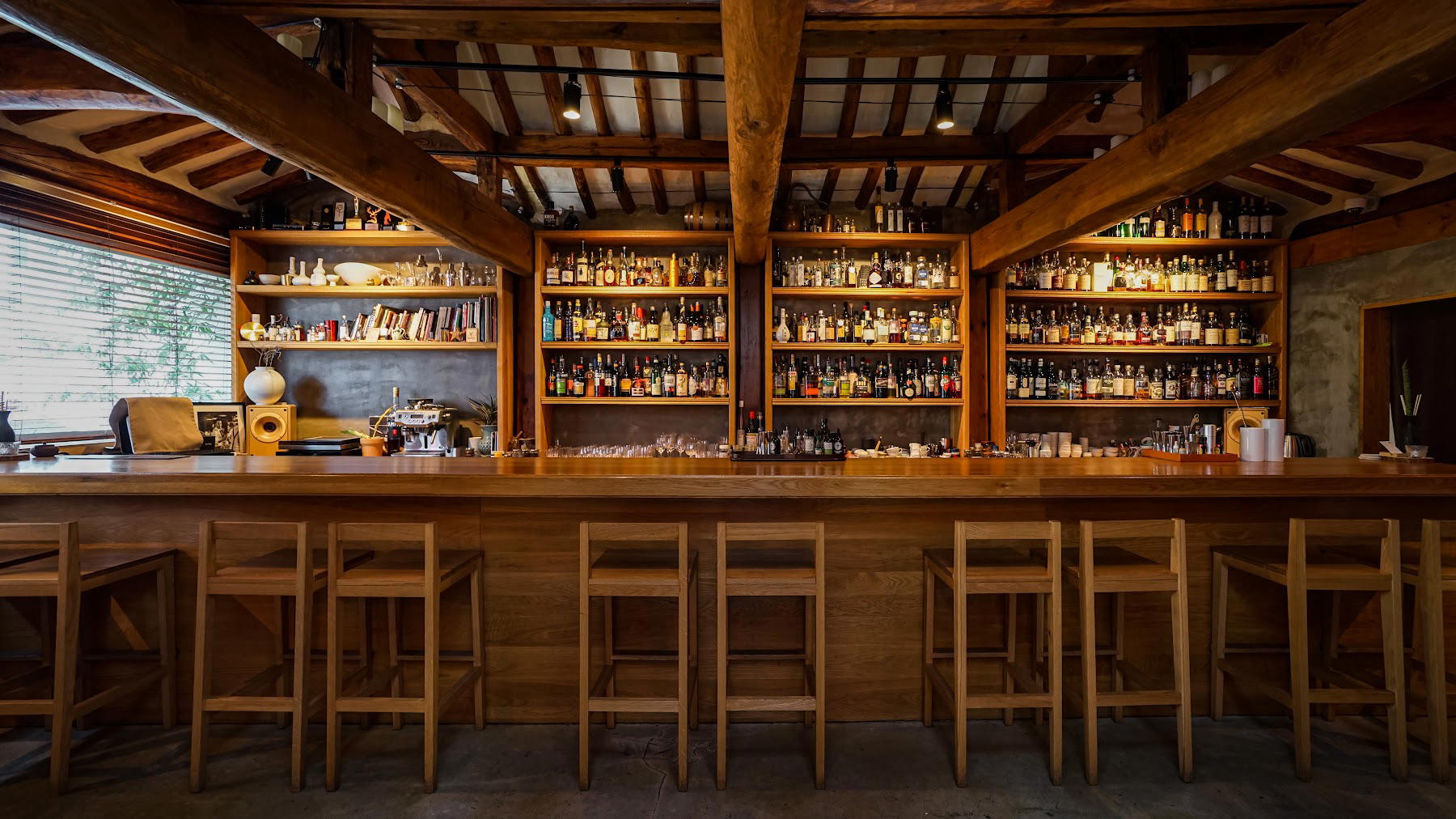
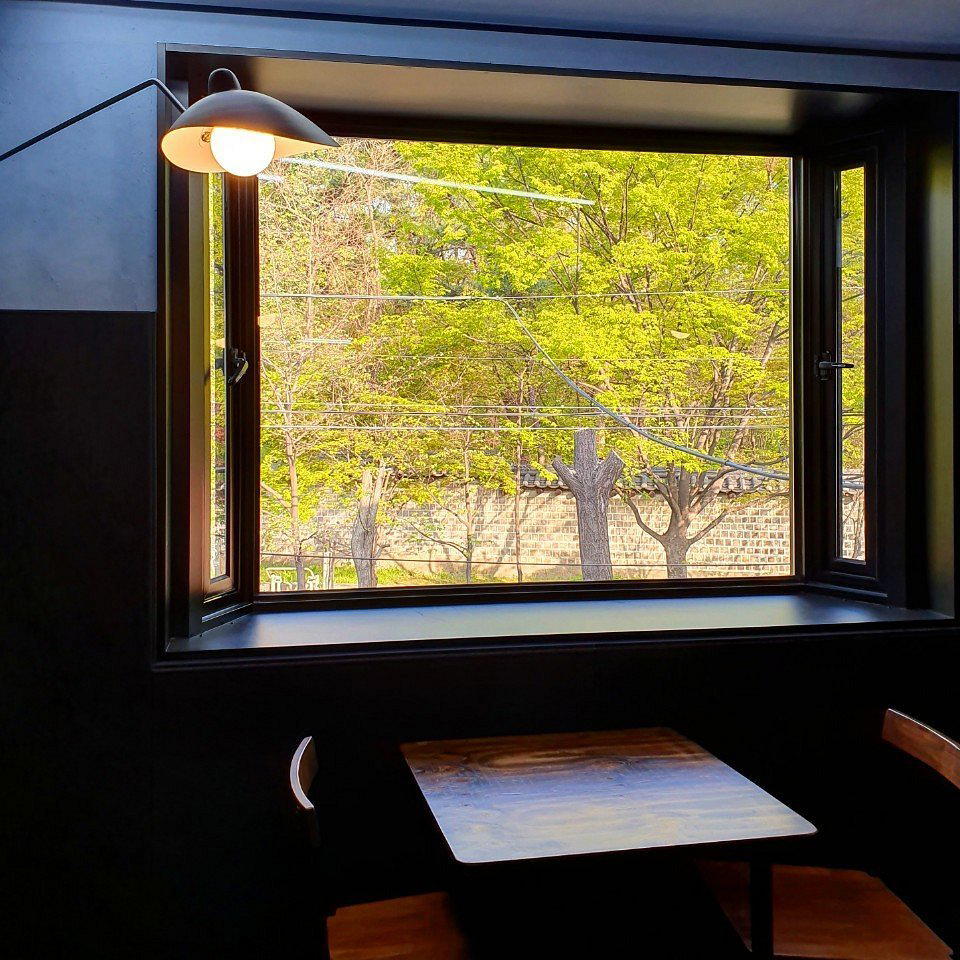
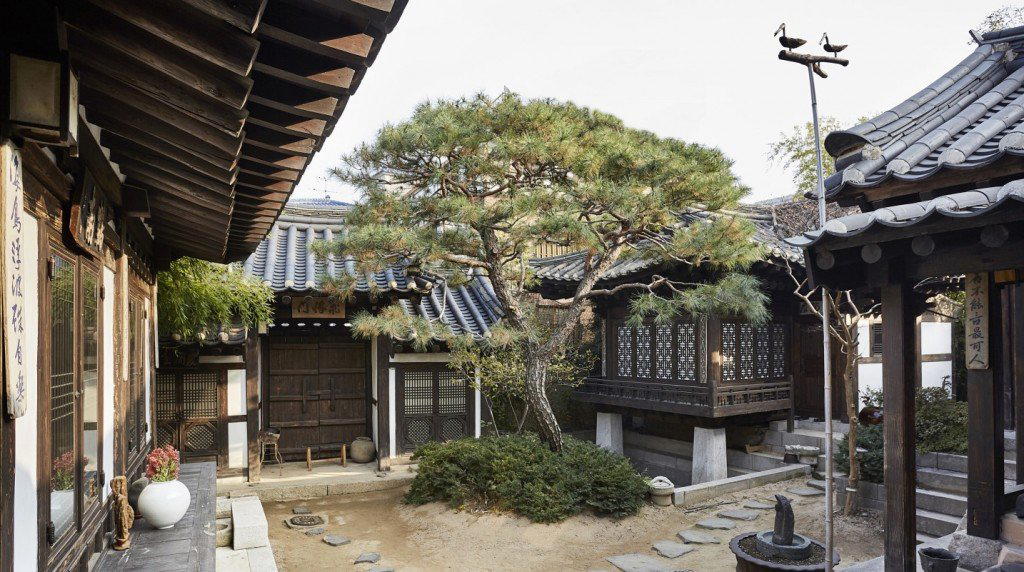
Sleek contemporary atmosphere with cozy interiors in a beautiful house, featuring nice garden elements and photos of famous guests.