On Viale Arrigo Boito in Rome's residential Parioli district, Mamma Angelina represents a strand of Roman dining that prioritises neighbourhood continuity over destination spectacle. The kitchen draws on the city's trattoria traditions while the dining room operates with a front-of-house attentiveness more associated with formal restaurants. For visitors staying north of the historic centre, it merits serious consideration.
Pearl is the En Primeur Club membership app — saves, bookings, and concierge access live there. Same editors, same standards.
- Address
- Viale Arrigo Boito, 65, 00199 Roma RM, Italy
- Phone
- +393968608928
- Website
- instagram.com
- Directions
- Get directions
 Saves & bookings on Pearl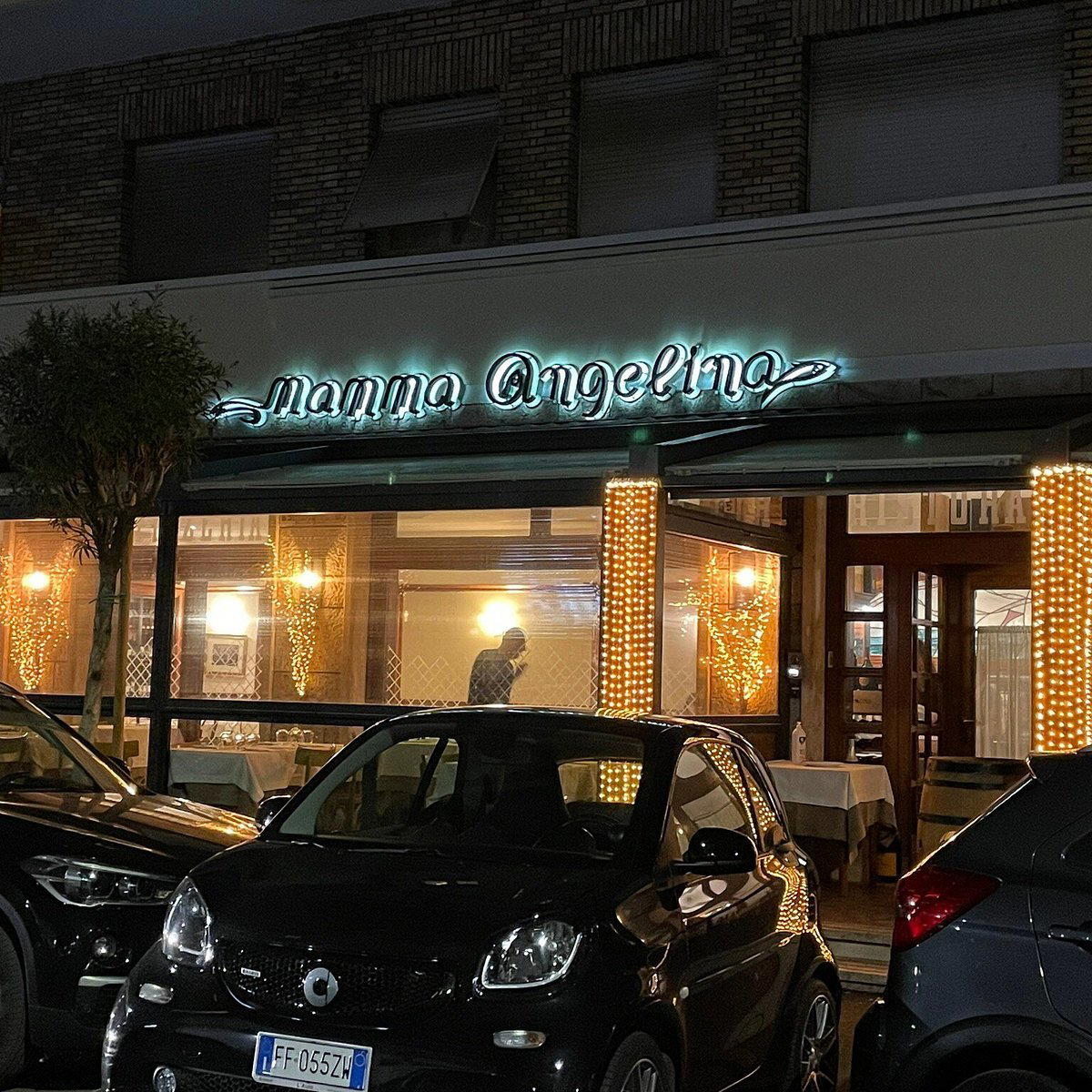
Parioli and the Quiet End of Roman Dining
Rome's restaurant geography splits more sharply than most visitors expect. The historic centre, Trastevere, the Jewish Ghetto, Testaccio, concentrates the tourist-facing trattorie and the destination-tier addresses like La Pergola and Acquolina. Further north, Parioli operates on different terms: a residential neighbourhood that has historically sustained restaurants on repeat local custom rather than passing trade. Mamma Angelina is a casual Roman trattoria in Rome, serving traditional Roman cuisine with fresh seafood. Longevity here is earned through consistency, not visibility. Mamma Angelina, on Viale Arrigo Boito, belongs to that tradition, a street-level address in a part of the city where the dining room fills with people who live within walking distance.
That neighbourhood context matters because it shapes what you should expect. Parioli restaurants are not competing with the creative Italian programs at Enoteca La Torre or Il Pagliaccio. They occupy a different tier, one where cooking is assessed against the standards of a knowledgeable local clientele rather than a travelling one. That is, in its own way, a more demanding test.
The Room and What It Signals
Approaching along Viale Arrigo Boito, the building presents a conventional residential-street frontage. Rome's northern districts are full of mid-century apartment blocks, and the restaurant sits within that urban fabric rather than announcing itself apart from it. Inside, the room reads as a proper dining space rather than a converted domestic one, the kind of environment where a long Sunday lunch makes sense and a business dinner would not feel out of place either.
What distinguishes better neighbourhood restaurants from lesser ones in this part of Rome is usually the front-of-house, and by local reputation Mamma Angelina operates with a level of table management that exceeds what the address might suggest. In a city where service in the mid-tier can be perfunctory, attentive floor work is a meaningful signal. It also reflects how the room functions: this is not a place where you flag down someone for the bill. The rhythm of the meal is managed from the floor outward.
Kitchen, Collaboration, and the Roman Tradition
Roman cuisine has a defined canon, cacio e pepe, coda alla vaccinara, abbacchio, supplì, and the city's leading neighbourhood restaurants are not innovating around that canon so much as executing it with discipline. The relationship between kitchen and dining room in this context is less about theatrical presentation and more about timing and temperature: dishes arriving when they should, at the heat they require, without disruption to the pace of the table.
The team dynamic at a restaurant like Mamma Angelina is less visible than at the tasting-menu addresses, there is no sommelier performance, no choreographed course presentation, but it is no less present. In neighbourhood dining at this level, the coordination is in the background: a kitchen that knows the room's rhythm, a floor team that reads the table without being asked. That kind of operational coherence is what separates a reliable neighbourhood restaurant from a merely adequate one.
For context on what the upper tier of Italian restaurant collaboration looks like, the dynamic is most legible at places like Osteria Francescana in Modena or Le Calandre in Rubano, where kitchen, sommelier, and front-of-house operate as a single program. The restaurant works in a different register, but the underlying principle, that the meal is a coordinated act rather than a series of disconnected transactions, applies across the category.
Where It Sits in Rome's Wider Restaurant Map
Rome has a surprisingly thin layer of creative Italian restaurants at the leading end compared to Milan or the Po Valley. Achilli al Parlamento and the Michelin-recognised addresses represent one tier. Below that sits a large middle ground of neighbourhood restaurants, many of them family-run, that form the actual daily dining culture of the city. The restaurant is positioned in that middle ground, in a neighbourhood where the competition is other Parioli regulars rather than the destination addresses reviewed in international guides.
For travellers whose itinerary takes them north of the centre, or who are staying in Parioli or the embassy district around Villa Borghese, this is the kind of address that repays local-style dining rather than destination dining. The comparison set is not Piazza Duomo in Alba or Uliassi in Senigallia. It is the question of whether the neighbourhood around your accommodation has a reliable, properly run room where the cooking respects the Roman canon and the service runs on time. In Parioli, the restaurant answers that question.
Italy's regional dining depth is visible across the country's restaurant geography, from Dal Pescatore in Runate to Reale in Castel di Sangro and Quattro Passi in Marina del Cantone, and in each case the neighbourhood restaurant tier underpins the system. Rome is no different. The city's full restaurant map rewards attention to that middle layer, not just the flagships.
Planning Your Visit
The restaurant is on Viale Arrigo Boito 65 in the Parioli district, accessible from central Rome via the A line of the metro (Spagna or Flaminio, then north by taxi or bus) or directly by taxi from the historic centre in under twenty minutes depending on traffic. The neighbourhood is quieter than the tourist-facing parts of the city, which means arriving and leaving without the delays common to central Rome addresses.
Comparable Venues
Comparable venues nearby, for context on price, style, and recognition.
| Venue | Cuisine | Price | Notes |
|---|---|---|---|
| Mamma AngelinaThis venue — the venue you are viewing | Traditional Roman Trattoria with Fresh Seafood | $$ | Not listed |
| Elio | Contemporary Italian | $$ | Pinciano |
| Trattoria Monti | Le Marche Trattoria | $$ | Esquilino |
| Metropolita | Italian Fusion Wine Bar | $$ | Flaminio |
| San Biagio | Italian Pizza | $$ | Della Vittoria |
| Nuraghe Sardo | Authentic Sardinian Seafood | $$ | Monte Mario |
Continue exploring
More in Rome
Hotels in Rome
Browse all →

At a Glance
- Cozy
- Classic
- Rustic
- Family
- Group Dining
- Casual Hangout
- Date Night
- Terrace
- Extensive Wine List
- Local Sourcing
- Sustainable Seafood
Current opening hours
- Monday
- 12:30–2:30 PM, 7:30–10:30 PM
- Tuesday
- 12:30–2:30 PM, 7:30–10:30 PM
- Wednesday
- Closed
- Thursday
- 12:30–2:30 PM, 7:30–10:30 PM
- Friday
- 12:30–2:30 PM, 7:30–10:30 PM
- Saturday
- 12:30–2:30 PM, 7:30–10:30 PM
- Sunday
- 12:30–2:30 PM, 7:30–10:30 PM
Hours can change for holidays and private events. Last verified .