On Mauritiussteinweg in Cologne's Südstadt, MakiMaki Sushi Green sits within a neighbourhood that has quietly become one of the city's more considered dining corridors. The restaurant addresses a specific gap in Cologne's Japanese offer: accessible sushi in a format that doesn't require either a counter reservation weeks in advance or a budget reserved for special occasions. Address: Mauritiussteinweg 2, 50676 Köln.
- Address
- Mauritiussteinweg 2, 50676 Köln, Germany
- Phone
- +4922193115678
- Website
- sushigreen.de
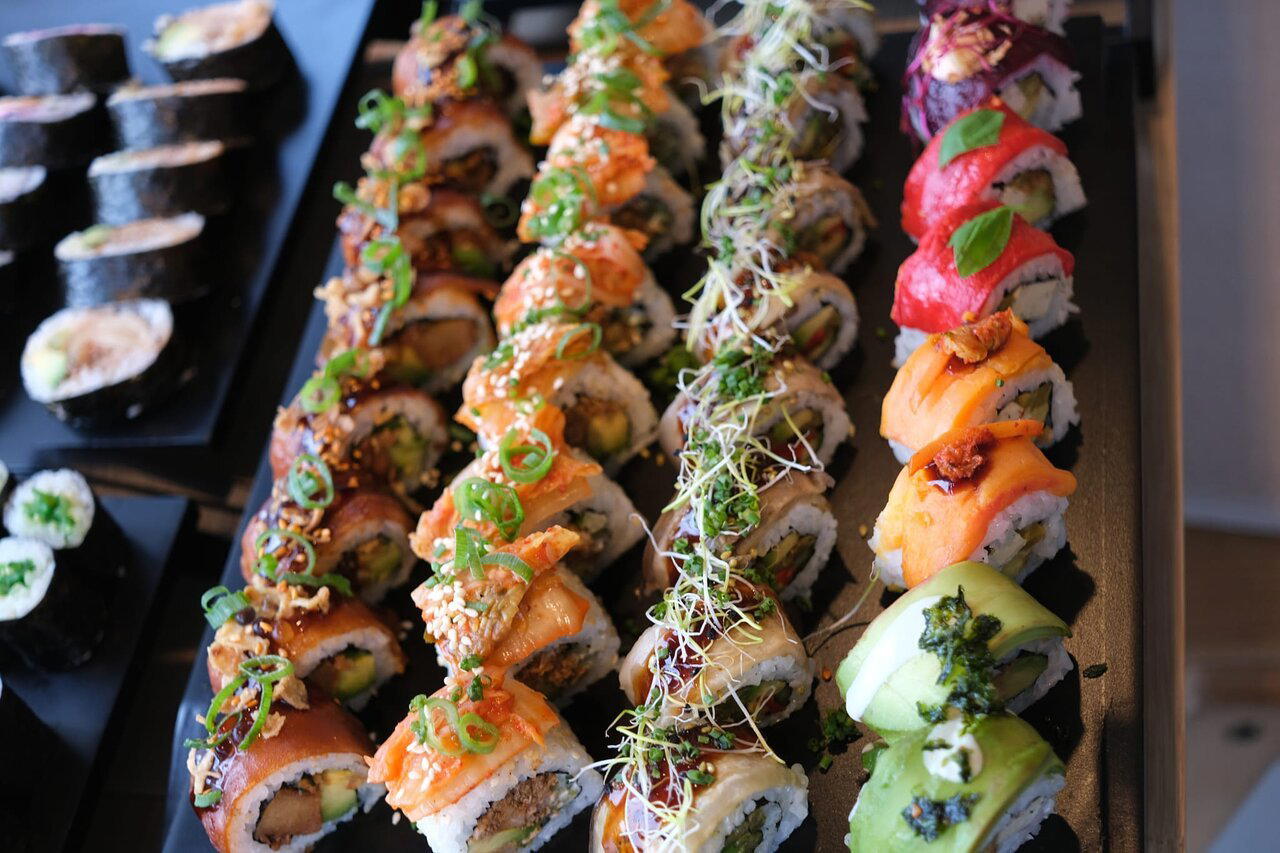
Cologne's Sushi Offer and Where MakiMaki Sushi Green Sits Within It
Cologne's Japanese dining scene operates across a wider range than most visitors expect. At one end, ZEN Japanese Restaurant anchors the city's more formal Japanese offer at the €€ tier. At the other, the city's broader casual Asian market runs from supermarket grab-and-go to suburban delivery operations. MakiMaki Sushi Green occupies a position in the accessible mid-tier: a sit-down sushi address on Mauritiussteinweg, in the Südstadt, where the pedestrian rhythm of the street and the concentration of independent food businesses create a context that tends to attract a more food-attentive crowd than the tourist corridors further north. The question worth asking of any sushi address at this level is not whether it competes with Cologne's fine-dining Japanese rooms, but whether it handles its sourcing and format with enough discipline to justify the trip over a supermarket bento or a delivery app order.
The Ingredient Question: Why Sourcing Defines the Mid-Tier Sushi Experience
Across Germany's mid-tier sushi market, the variable that most reliably separates one address from another is not technique, rice cookery and knife skills are broadly teachable, but ingredient provenance and handling. The fish question matters most. In the upper tier, counters like Atomix in New York City or, in the German fine-dining context, the rigorous product standards visible at Aqua in Wolfsburg are built around supply chains that trace back to specific fisheries, markets, or single-origin suppliers. At the accessible end of the market, those supply chains compress, and the quality gap shows in the texture of fish that has sat too long or been frozen at the wrong temperature.
MakiMaki Sushi Green's name carries a signal worth reading: the "Green" designation appears in several German and European sushi brand identities as shorthand for an emphasis on plant-forward or sustainability-conscious sourcing, though what that means in practice varies considerably by operator. Without confirmed details on specific suppliers or certification in the venue's public record, the editorial case for any particular sourcing claim cannot be made here. What can be said is that the broader trend in German mid-tier Japanese restaurants, driven by consumer pressure and a growing domestic awareness of overfishing issues, has pushed operators in this segment toward more transparent ingredient communication, whether through menu annotation, seasonal fish rotation, or visible relationships with named distributors. An address that takes that pressure seriously will show it in menu rotation patterns and in the handling of more delicate proteins.
The Südstadt Setting and What the Neighbourhood Tells You
Mauritiussteinweg runs through one of Cologne's more consistently interesting food quarters. The Südstadt has developed a character distinct from the Altstadt's tourist infrastructure: smaller operators, a higher proportion of independent businesses, and a clientele that includes a significant share of residents rather than visitors. For a sushi address, that neighbourhood positioning matters. It shapes the format assumptions, fewer theatrical presentations, more workable price architecture, and it places the venue in proximity to other food-serious operators who set a baseline expectation for product quality.
For context on what Cologne's broader dining ambition looks like at the upper end, addresses like Ox & Klee, La Cuisine Rademacher, La Société, Le Moissonnier Bistro, and maiBeck define one end of the spectrum. MakiMaki Sushi Green operates in an entirely different register, not competing with those addresses but serving a different dining moment in the same city. The Südstadt's strength is that it supports both registers without requiring visitors to choose one city over another.
Germany's Sushi Tier and What Serious Addresses Get Right
German sushi has matured considerably in the past decade. The wave of all-you-can-eat buffet formats that defined the 2000s and early 2010s has given way to a more differentiated market. At the leading, chef-driven Japanese concepts in Berlin, Munich, and Hamburg, including addresses recognisable in the same breath as JAN in Munich and Restaurant Haerlin in Hamburg for their product discipline, have raised the general standard of expectation. Accessible-format sushi restaurants have had to respond: better rice temperature control, seasonal fish substitutions when primary species are out of season or poorly available, and menus that acknowledge plant-based eating as a genuine choice rather than an afterthought.
The "Green" framing that appears in MakiMaki Sushi Green's name aligns with this broader directional shift. Across Germany's mid-tier Japanese market, operators who have leaned into vegetable-forward rolls, sustainably sourced alternatives to tuna-heavy menus, and seasonal adjustment of their fish selection have found a receptive audience, particularly in urban neighbourhoods with younger, more environmentally conscious demographics. The Südstadt fits that profile.
For comparison, the approach taken at Germany's most technically rigorous dining addresses, Schwarzwaldstube in Baiersbronn, Vendôme in Bergisch Gladbach, Victor's Fine Dining by Christian Bau in Perl, Waldhotel Sonnora in Dreis, ES:SENZ in Grassau, and Schanz in Piesport, demonstrates that the most durable food businesses in Germany are those built around clear ingredient logic, whether that means regional sourcing, single-origin product, or named supplier relationships. That principle scales down to the accessible tier: the sushi restaurants that have held their neighbourhood position over time are those that made product decisions that aged well.
The contrast with dessert-focused innovation at CODA Dessert Dining in Berlin or the seafood rigour at Le Bernardin in New York City is instructive: different format, different price tier, but the same underlying argument that product clarity is the foundation of a repeatable dining experience.
Planning a Visit
MakiMaki Sushi Green is located at Mauritiussteinweg 2, 50676 Köln, in the Südstadt. The menu sits at a mid-tier price point, around $25 per person, with reservations recommended.
Nearby-ish Comparables
Comparable venues nearby, for context on price, style, and recognition.
| Venue | Cuisine | Price | Notes |
|---|---|---|---|
| MakiMaki Sushi GreenThis venue — the venue you are viewing | Vegan Sushi | $$ | |
| Takumi 4 Tantan-Men | Spicy Japanese Tantan-Men Ramen | $$ | Neustadt/Nord |
| Miyu | Modern Asian Fusion Sushi | $$ | Neuehrenfeld |
| Ikigai | Japanese BBQ All-You-Can-Eat | $$ | Altstadt/Nord |
| Kaizen | Modern Japanese Fusion Sushi | $$$ | Neustadt/Süd |
| Takumi Chicken & Vegan Ramen | Chicken & Vegan Ramen | $$ | Neustadt/Nord |
Continue exploring
More in Cologne
Restaurants in Cologne
Browse all →
Bars in Cologne
Browse all →
Hotels in Cologne
Browse all →
At a Glance
- Cozy
- Trendy
- Intimate
- Casual Hangout
- Date Night
- Open Kitchen
- Sake Program
Cozy and relaxed with a nostalgic vibe featuring 80s music and an intimate home-like atmosphere.