

1 Michelin Star
Our verdict
Maximilian Lorenz holds a Michelin star and an Opinionated About Dining ranking that places it among Europe's most credible casual fine-dining addresses. Operating out of Johannisstraße in Cologne's northern quarter, the kitchen works within a French brasserie framework sharpened by modern technique. For a city building a serious reputation in contemporary European cooking, it represents one of the more coherent arguments for Cologne's dining maturity.

Pearl is the En Primeur Club membership app, where members save venues, book tables and use the concierge.
The menu
What to order
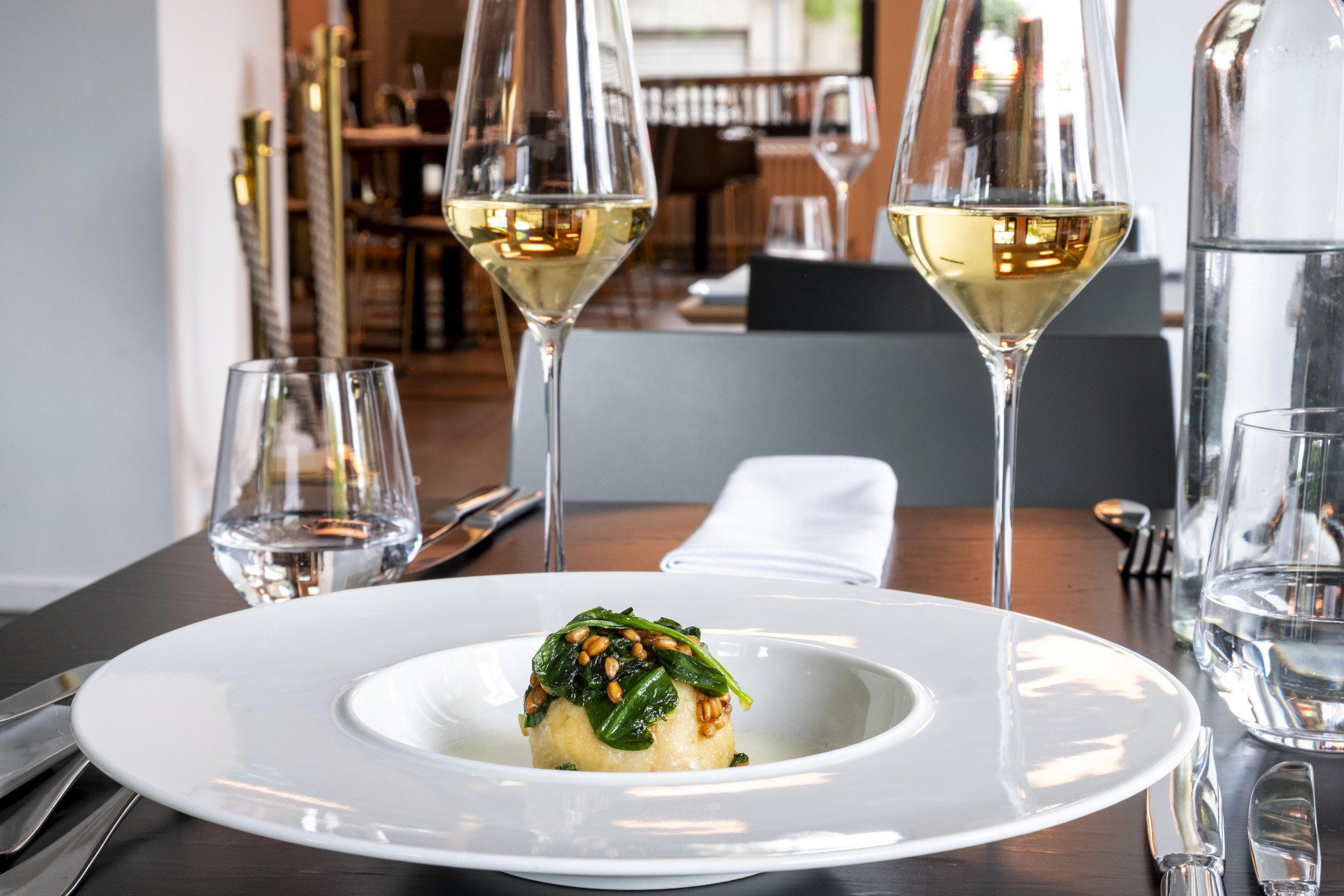
- Saarland sea bass with mussel and samphire
- Venison back with cherry and cauliflower
- Rooster breast with wild broccoli and fermented blackberries
- Yellowtail mackerel with melon and jalapeño
A Michelin-Starred Address in Cologne's Emerging Fine-Dining Scene
Cologne's restaurant scene has spent the better part of a decade assembling a credible case for itself. The city sits in the shadow of Munich and Berlin in most national food conversations, yet its cluster of independently minded kitchens operating at the upper end of the market, several now holding Michelin recognition, tells a different story. Maximilian Lorenz, on Johannisstraße in the northern reaches of the city centre, is one of the cleaner examples of what that ambition looks like when it settles into a consistent identity. The address is a single Michelin star, held in both 2024 and 2025, and a position on the Opinionated About Dining Casual in Europe list that moved from #231 in 2024 to #182 in 2025, a trajectory that suggests momentum rather than a one-season arrival.
The OAD ranking is worth unpacking as a trust signal in its own right. Opinionated About Dining draws on a pool of experienced, frequent diners rather than anonymous inspectors, and its "Casual" category is not a consolation bracket. Across Europe, it captures the most interesting tier of modern cooking: technically serious, rarely ceremonial, focused on the plate rather than the theatre around it. Being ranked #182 on that list in 2025, with a French brasserie framework as the foundation, places Maximilian Lorenz in peer company with restaurants that attract deliberate travel, not just local traffic. For context, the category spans hundreds of European addresses, and the upper two hundred represents a meaningful concentration of critical attention.
The French Brasserie Framework, Taken Seriously
French brasserie cooking, as a category, carries baggage. At its weakest, the format means faded mirrors, perfunctory steak-frites, and a wine list built around margin rather than interest. At its most focused, it means a kitchen with genuine classical fluency, stocks, saucing, precision on protein cookery, deployed without the formality that slows a multi-star French room. Maximilian Lorenz operates in the second register. Chef Massimo Toplicar works within the French framework but with what the OAD community has recognised as a modern edge sufficient to earn sustained listing alongside restaurants approaching the work from a more overtly contemporary direction.
That dual classification, French brasserie and modern cuisine, is not contradictory. It describes a kitchen that takes brasserie as its grammar but does not treat it as a ceiling. The same tension runs through several of the more interesting French-influenced rooms across Europe: Colbert in Strasbourg operates in broadly similar territory, navigating the line between brasserie tradition and contemporary ambition. In Cologne, the comparison set skews differently. La Cuisine Rademacher and Le Moissonnier Bistro both work with French reference points at different price tiers, while Ox & Klee and La Société approach modern cuisine from a less Francophile starting point.
Awards as a Map of Critical Standing
The combination of Michelin and OAD recognition in the same year, and across consecutive years, is a more reliable signal than either in isolation. Michelin inspection and OAD methodology draw on different evaluative communities: inspectors travelling anonymously versus a network of engaged gastronomes logging visits on record. When both lists agree, the agreement tends to mean the kitchen is doing something legible across critical frameworks, not just optimising for one kind of scrutiny.
Within Germany's broader starred landscape, single-star Michelin addresses span an enormous range of ambition and format. At the outer edge of that category nationally, restaurants like JAN in Munich, Vendôme in Bergisch Gladbach, and Schwarzwaldstube in Baiersbronn set the upper threshold of what the guide recognises. Maximilian Lorenz does not compete in the same multi-star register, nor, evidently, does it try to. The OAD ranking signals that its critical reception is strongest in the mode of a serious, accessible room rather than a ceremonial tasting-menu destination. That is a coherent choice, and it is one that restaurants like CODA Dessert Dining in Berlin, Aqua in Wolfsburg, and ES:SENZ in Grassau each make in their own way across the German dining map.
Locally, the comparison is tighter. maiBeck represents Cologne's modern cuisine tier at a comparable price point, and the city's growing collection of recognised rooms collectively supports a dining culture that no longer needs qualifying statements when placed alongside Hamburg or Düsseldorf. Maximilian Lorenz's consistent appearance on both the Michelin and OAD lists since at least 2024 suggests it is functioning as an anchor address rather than a rotating novelty.
Format, Hours, and What the Booking Window Implies
The kitchen runs Tuesday through Saturday, with service from 6 to 10 pm each evening. Monday and Sunday closures are standard for a restaurant of this operating model: a tight brigade focused on evening service, without the diffusion of weekend brunch or lunch covers. That compression, five dinner services per week, is common among starred rooms that want to maintain consistency rather than maximise covers, and it narrows the available booking window accordingly.
At €€€€ pricing, Maximilian Lorenz sits at the upper end of Cologne's restaurant market. What the pricing tier and operating hours do confirm is that this is not a drop-in address: advance booking is the expected approach, and given the OAD momentum and consistent Michelin retention, planning several weeks ahead is a reasonable assumption for preferred dates.
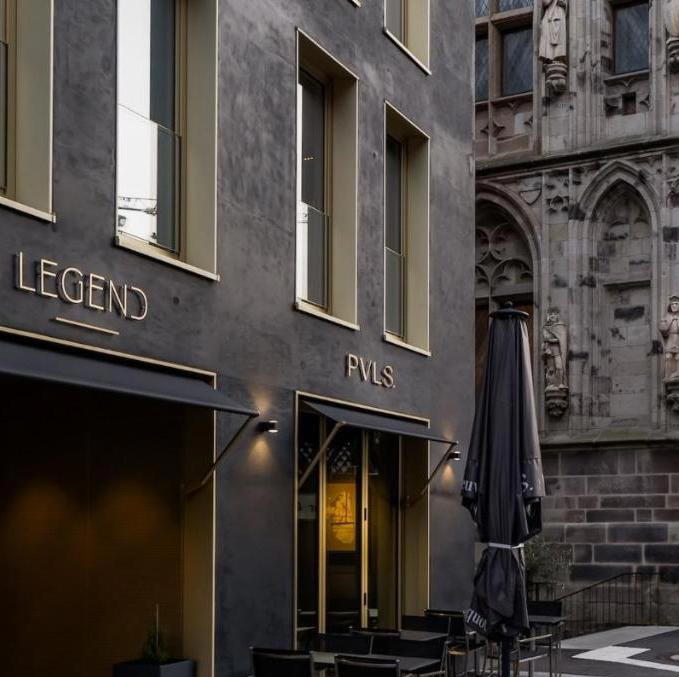
The Johannisstraße address places the restaurant in Cologne's northern city centre, within reasonable reach of the main cathedral district and the Rhine riverfront without being embedded in the most tourist-dense corridors. The neighbourhood is accessible without being particularly atmospheric, which means the restaurant's draw is almost entirely internal: the room, the cooking, the service, not the street theatre outside.
Where Maximilian Lorenz Sits in the Broader Cologne Picture
Cologne's dining offer is more layered than its national reputation suggests. The city has a well-documented Kölsch-and-brewhouse identity that dominates the visible food culture, but running beneath that is a community of serious kitchens operating in the modern European register. Maximilian Lorenz is one of several addresses on the full Cologne restaurants guide that make that case explicitly. Its French brasserie foundation differentiates it from the predominantly German-modern kitchens in the same tier, and its OAD improvement from 2024 to 2025 suggests the kitchen is tracking upward rather than consolidating a fixed position.
For visitors building a Cologne itinerary around serious eating, the city also offers well-regarded bars, a hotel market that has seen new design-led openings in recent years, and a growing experiences offer beyond the cathedral circuit. The wineries guide covers the regional wine context relevant to a city within reasonable proximity of the Ahr and Mosel. For diners arriving specifically for the food, Maximilian Lorenz makes a strong anchor booking around which the rest of the visit can be arranged.
In the wider European frame, the kitchen's dual recognition, consistent Michelin star, improving OAD ranking, positions it alongside rooms like Le Bernardin in New York City in one important respect: both earn sustained critical attention by staying within a defined framework and executing it at a level the relevant critical communities find worth returning to. The scales are different, the contexts are different, but the principle holds. Consistency of recognition over multiple years is a more reliable signal than a single high-profile review, and Maximilian Lorenz has now assembled enough of a track record to be read as a deliberate, stable presence in the European casual fine-dining tier.
Frequently asked questions
Is maximilian lorenz more mid-range or high-end?
Pricing at maximilian lorenz is listed as €€€€.
What's maximilian lorenz's location?
maximilian lorenz is located at Johannisstraße 64, 50668 Köln, Germany, Cologne.
Who is the chef at maximilian lorenz?
The chef associated with maximilian lorenz is Massimo Toplicar.
How It Stacks Up
A small set of peers for context, based on recorded venue fields.
| Venue | Cuisine | Price | Awards | Notes |
|---|---|---|---|---|
| maximilian lorenzThis venue (the venue you are viewing) | Modern German Fine Dining | $200–300 | 1 Michelin Star | Not listed |
| NeoBiota | Modern European Fine Dining | Not listed | 1 Michelin Star | Modern German, Modern Cuisine |
| ZEN Japanese Restaurant | Modern Japanese Omakase & Sushi | $30–50 | Michelin Plate | Japanese |
| Ox & Klee | Modern European Fine Dining with Six-Sense Concept | $200–300 | 2 Michelin Stars · La Liste Top Restaurants | Modern Cuisine |
| La Cuisine Rademacher | Modern French Fine Dining | $150–200 | 1 Michelin Star | Modern French |
| Le Moissonnier Bistro | French Bistro | Not listed | 1 Michelin Star · Falstaff Wine Bar - 91 Falstaff Points | French |
Recognition history
Dated appearances from independent guides and award organizations, with the underlying list record or original source where available.
Michelin 1 Star
Michelin
Opinionated About Dining Casual in Europe Ranked #182
Opinionated About Dining
Full recognition history (5 entries)
Michelin 1 Star
Michelin
Michelin 1 Star
Michelin
Opinionated About Dining Casual in Europe Ranked #231
Opinionated About Dining
Continue exploring
More in Cologne
Restaurants in Cologne
All restaurants in Cologne →
Bars in Cologne
All bars in Cologne →

maximilian lorenz
The wine
- Wine program
- Deep wine list
- Extensive wine list
- Sommelier-led
Details
- Elegant
- Minimalist
- Sophisticated
- Intimate
- Date Night
- Special Occasion
- Business Dinner
- Open Kitchen
- Private Dining
- Terrace
- Extensive Wine List
- Sommelier Led
- Farm To Table
- Local Sourcing
- Set Menu
- Tasting Menu
- German Wines
- Champagne
- Sparkling Wines
- Vegetarian Friendly
Current opening hours
- Monday
- Closed
- Tuesday
- 6–10 PM
- Wednesday
- 6–10 PM
- Thursday
- 6–10 PM
- Friday
- 6–10 PM
- Saturday
- 6–10 PM
- Sunday
- Closed
Hours can change for holidays and private events. Hours as of .
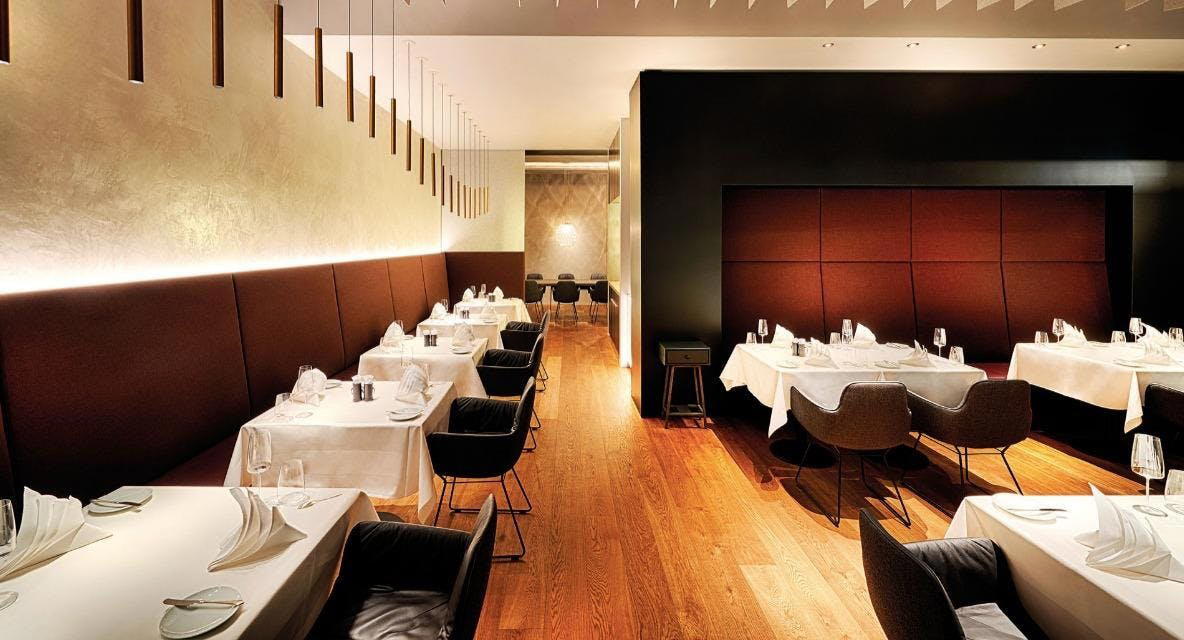
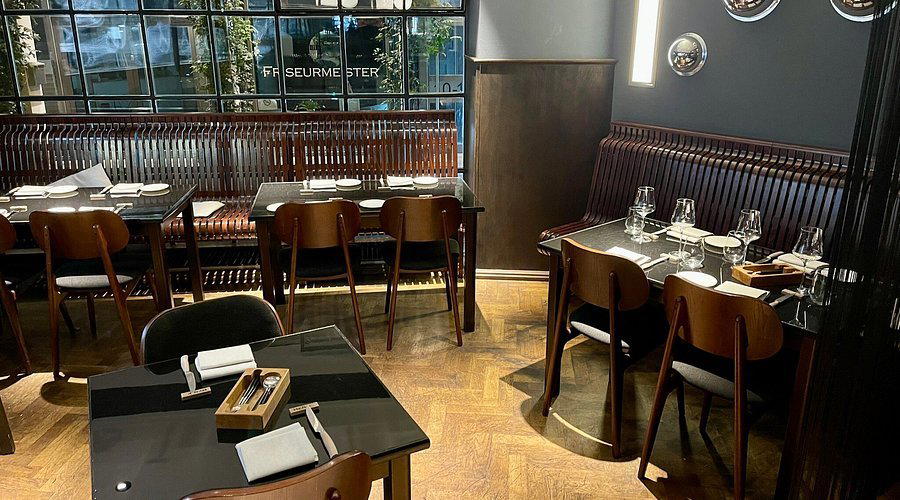
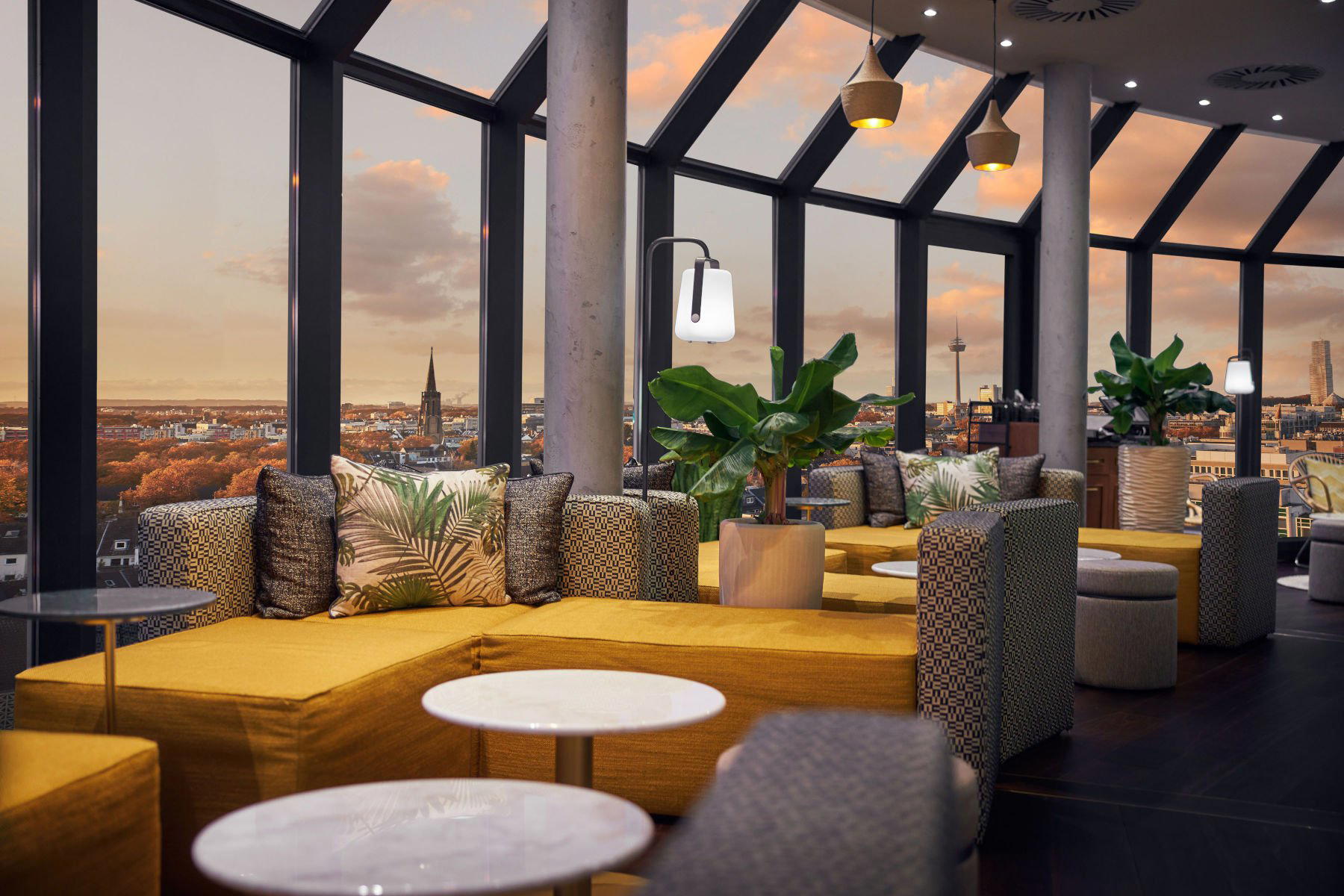
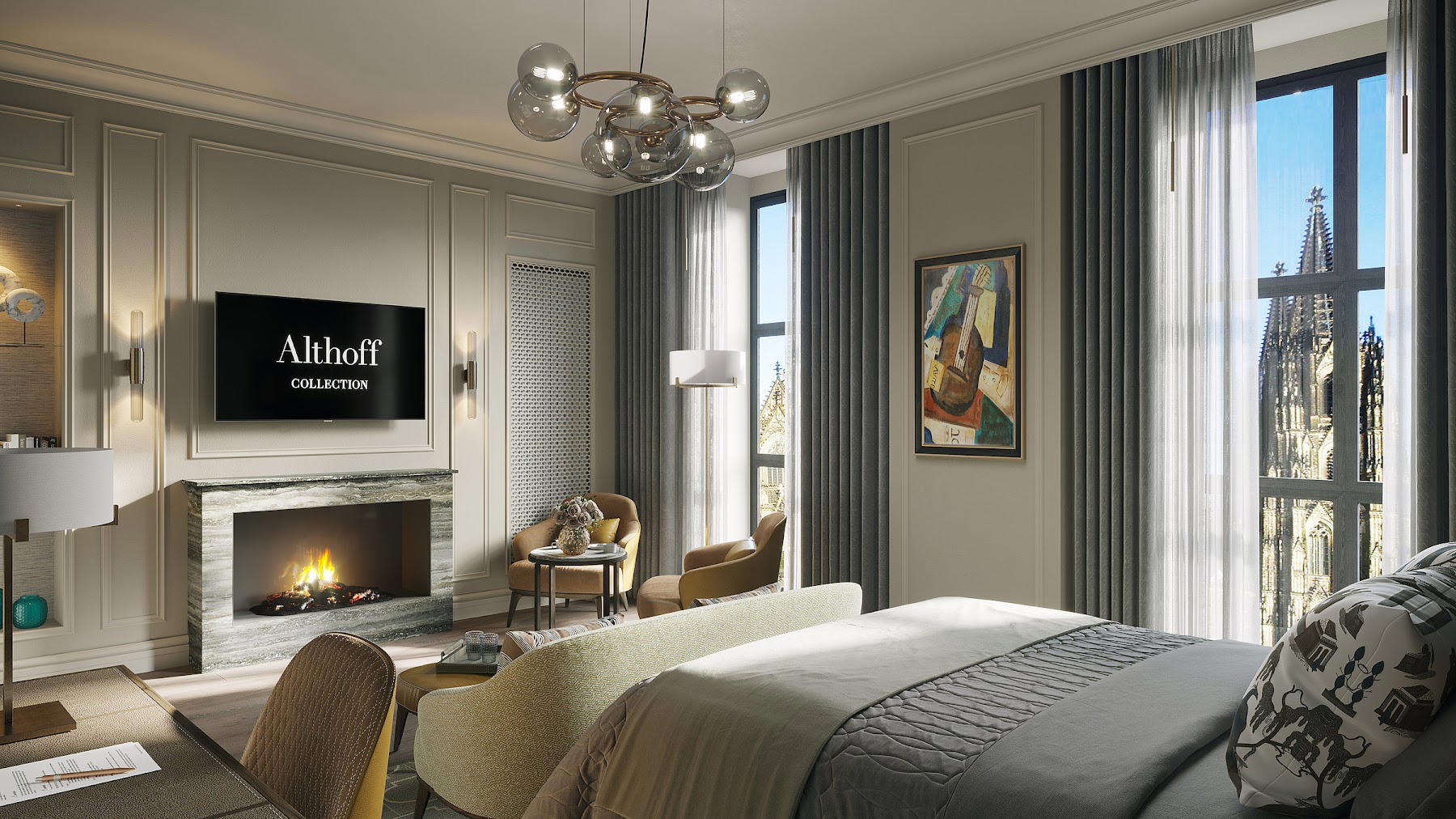
Upmarket, elegant, and minimalist interior with warm tones, clean lines, understated elegance, sleek modern design with floor-to-ceiling windows, and a deliberately relaxed atmosphere despite high-level service.