

Star Wine List · Falstaff Wine Bar - 91 Falstaff Points
Frohnatur Weinstube is the wine bar offshoot of the Frohnatur wine shop, operating out of Cologne's Ehrenfeld district with a cosy, rustic format and a well-regarded selection of natural wines. The atmosphere runs toward the low-key end of the Cologne bar spectrum, drawing a neighbourhood crowd that takes its wine seriously without the ceremony. It sits in a part of the city where independent operators set the tone.

Pearl is the En Primeur Club membership app, where members save venues, book tables and use the concierge.
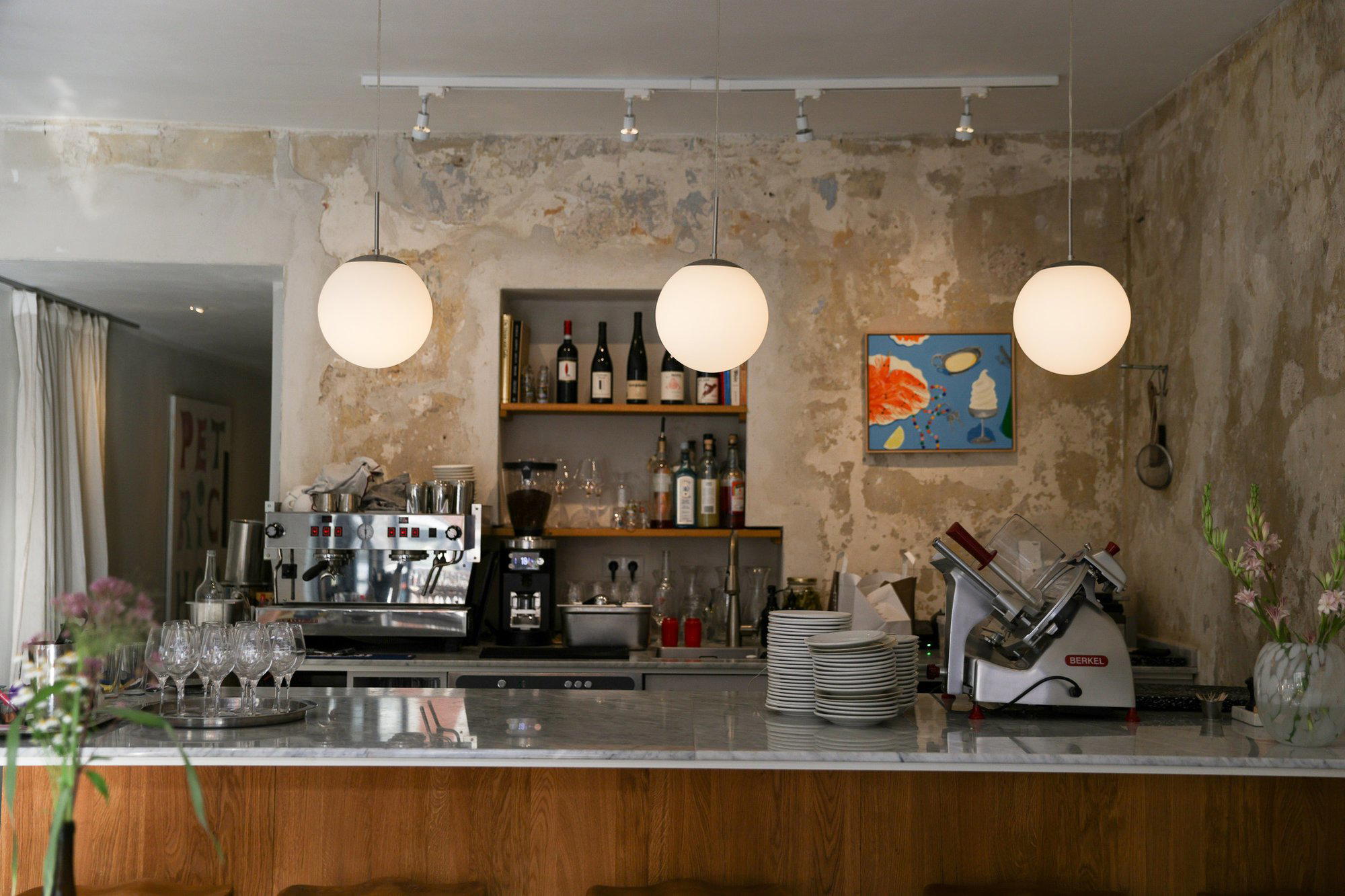
Ehrenfeld's Wine Bar Register
Cologne's Ehrenfeld has spent the better part of a decade consolidating a reputation as the city's most reliably interesting neighbourhood for independent drinking. The streets around Venloer Strasse and Friesenwall carry a mix of bottle shops, small bars, and converted spaces that have attracted a crowd less interested in Rhine-side tourism and more invested in what's actually in the glass. It's a district where the quality of the wine list tends to matter more than the length of the cocktail menu, and where a bar's credibility is often established through retail roots rather than marketing.
Frohnatur Weinstube fits squarely into that pattern. The Weinstube is the bar extension of an existing wine shop operation, which means its selection carries the weight of a merchant's curation rather than a bar buyer working from a distributor catalogue. That distinction matters in practice: the bottles available at the bar reflect a point of view assembled over time, not a seasonal rotation built around margin. Among the independent wine bars that have opened across Cologne in recent years, this kind of provenance gives the Weinstube a different footing from standalone operations.
The Format and What It Signals
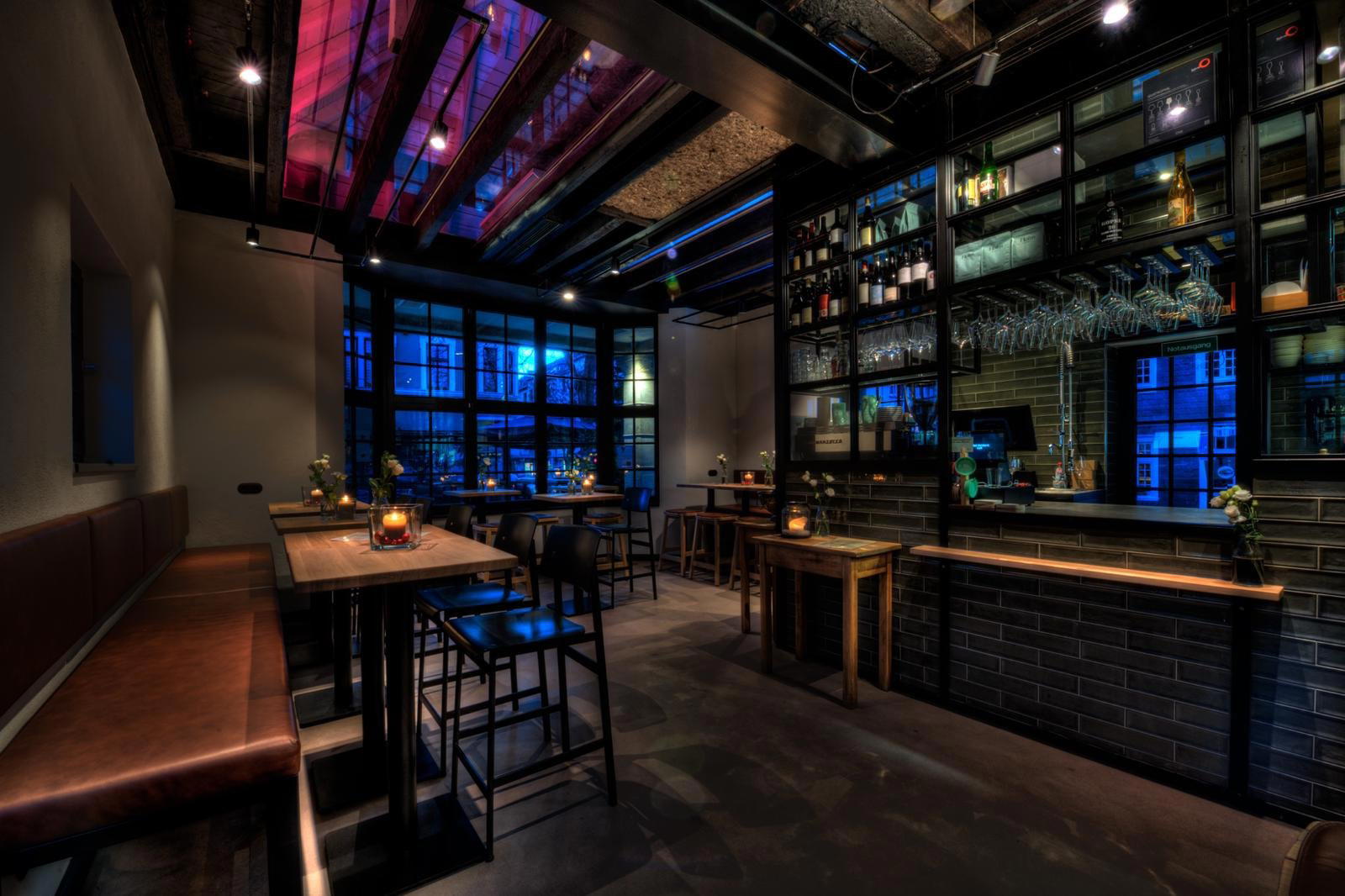
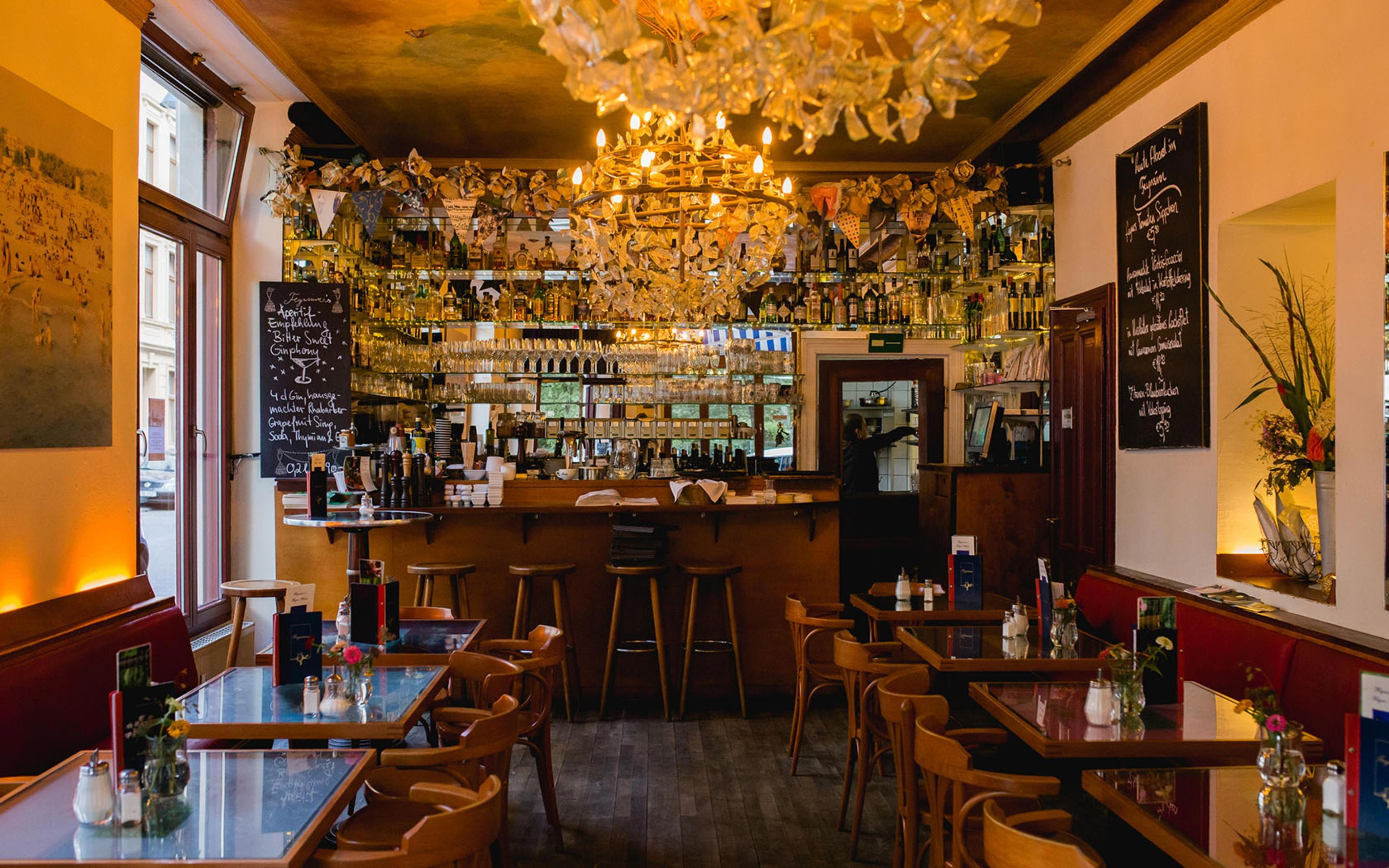
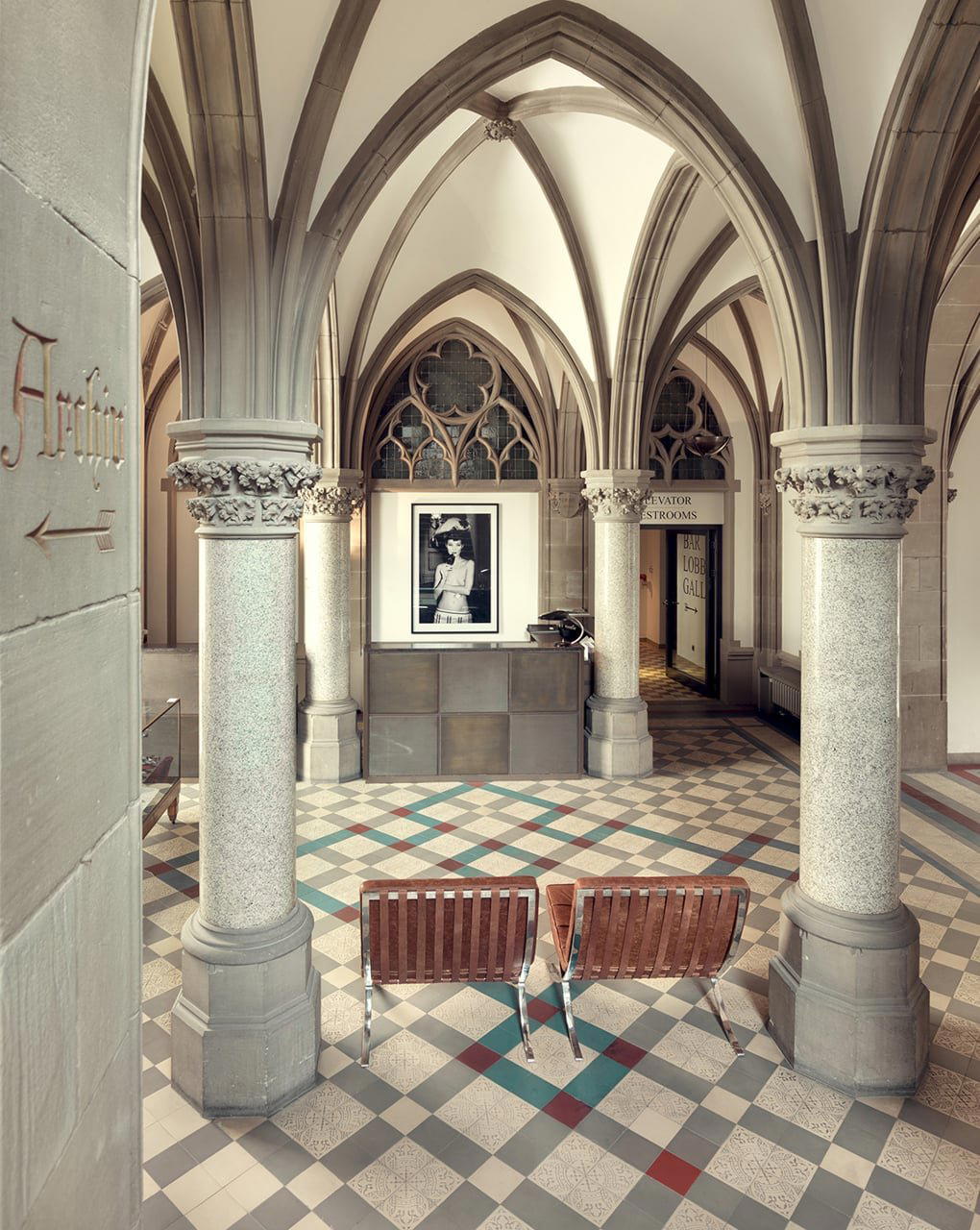
The Weinstube's physical register is described consistently as cosy and rustic, which in this context means low-key rather than austere. The space reads as old-school in the sense that its character comes from the room itself rather than a design brief. This is a format that has become less common as the broader European bar scene has moved toward deliberate interior styling, and its persistence here says something about what the operators are prioritising. The emphasis is on the wine and the conversation, with the room functioning as a setting rather than a statement.
Across Germany, the wine bar format has split into roughly two categories over the past decade. On one side sit places like Goldene Bar in Munich, which function as design-forward venues where the wine list is one component of a broader hospitality proposition. On the other sit operations closer to the traditional Weinstube model, where the bones of the room carry the atmosphere and the list does the heavy lifting. Frohnatur sits firmly in the second category, which aligns it with the neighbourhood's broader character rather than placing it in competition with more performative drinking destinations.
Natural Wine and the Shop-to-Bar Pipeline
The wine selection leans toward natural and low-intervention producers, which places Frohnatur in a growing but still specialist tier of the German wine bar market. Natural wine lists in German cities tend to cluster around a handful of recurring importers and regions, with French producers from the Loire, Beaujolais, and Alsace appearing frequently alongside Italian and Spanish bottles. The Ehrenfeld operation follows a similar logic, drawing from the parent shop's buying relationships to stock a list that reads as considered rather than comprehensive.
The shop-to-bar pipeline is a format that has worked well in other German cities. Operations in Berlin and Hamburg have demonstrated that a retail wine operation with strong importer relationships can translate credibly into a bar context when the physical space supports it.
For visitors already familiar with natural wine bar culture in other European cities, the Weinstube's offer will feel immediately legible. For those coming from a more traditional wine background, the list rewards curiosity rather than demanding prior knowledge of the category.
Where It Sits in Cologne's Drinking Scene
Cologne's bar scene distributes across several distinct neighbourhoods, each with its own character. The city centre and Belgian Quarter carry a higher density of cocktail-focused venues and established names; Ehrenfeld runs parallel to that but with a stronger independent grain. Operations like Bar Rix, Bar Trattoria Celentano, and Barracuda Bar represent the city's broader range of drinking formats, while Bei Oma Kleinmann shows how a neighbourhood anchor can sustain a long-running identity through consistency rather than reinvention.
Frohnatur Weinstube occupies a different register from all of those. It is not a cocktail bar, not a Kölsch institution, and not a venue built around a chef's name or an awards narrative. Its authority comes from the wine selection and the continuity between shop and bar, which positions it as a destination for a specific kind of evening rather than a general-purpose drinking spot. That specificity is, in this context, an advantage.
For comparison across the German bar scene more broadly, the natural wine bar format has found strong expressions in Le Lion Bar de Paris in Hamburg, Buck & Breck in Berlin, and The Parlour in Frankfurt on the Main, each operating within their own city's logic. Frohnatur's Weinstube is doing something similar in Ehrenfeld: building a case for wine as the primary event rather than a supporting element. Further afield, venues like Uerige in Dusseldorf, Kieler Brauerei am Alten Markt in Kiel, and even Bar Leather Apron in Honolulu demonstrate that the most durable bar formats tend to have a clear organising principle, whether that's local beer, craft spirits, or, in this case, merchant-sourced wine.
Planning a Visit
Frohnatur Weinstube is located at Friesenwall 84 in the 50672 postal district of Cologne, which places it within the Ehrenfeld area and within reasonable reach of the neighbourhood's other independent operations. The walk-in question is one that comes up frequently with this kind of operation: the cosy, low-capacity format suggests that showing up early in an evening session is a more reliable strategy than arriving late on a weekend. For a broader orientation to what Cologne's drinking and dining scene offers across all neighbourhoods, the full Cologne restaurants guide covers the city's range in more detail.
Cuisine and Recognition
Comparable venues nearby, for context on price, style, and recognition.
| Venue | Cuisine | Price | Awards | Notes |
|---|---|---|---|---|
| FrohnaturThis venue (the venue you are viewing) | wine_bar | $20–30 | Star Wine List · Falstaff Wine Bar - 91 Falstaff Points | Not listed |
| Bumann & SOHN | lounge | $20–30 | Not listed | Ehrenfeld |
| Café Storch | cocktail_bar | Not listed | Not listed | Neustadt/Süd |
| Venloer Str. 437 | cocktail_bar | $20–30 | Not listed | Ehrenfeld |
| Brewery Päffgen | beer_bar | $20–30 | Not listed | Altstadt/Nord |
| Barracuda Bar - Köln | cocktail_bar | $20–30 | Not listed | Neustadt/Nord |
Recognition history
Dated appearances from independent guides and award organizations, with the underlying list record or original source where available.
Star Wine List
Star Wine List
Falstaff Wine Bar - 91 Falstaff Points
Falstaff
Continue exploring
More in Cologne
Bars in Cologne
All bars in Cologne →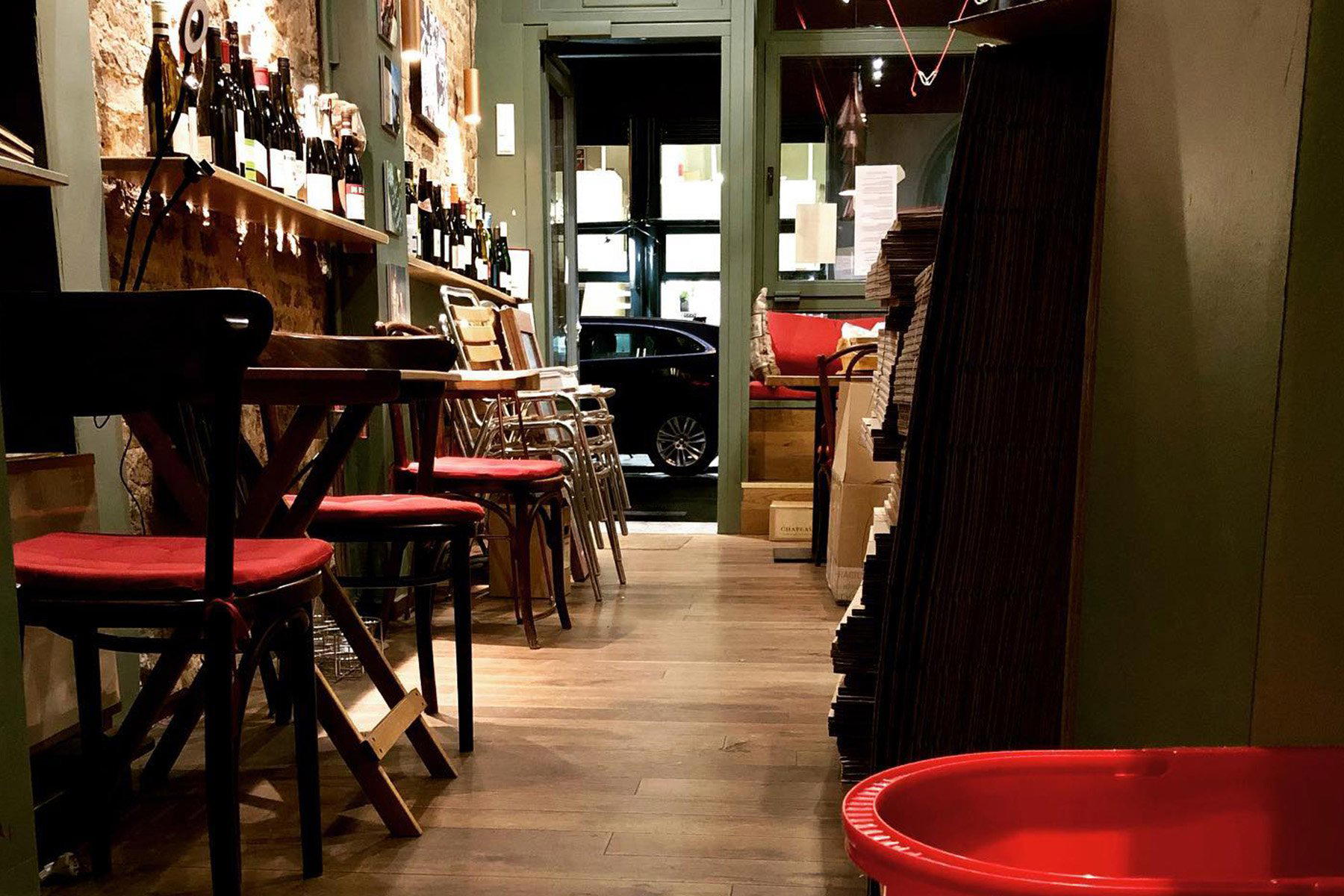
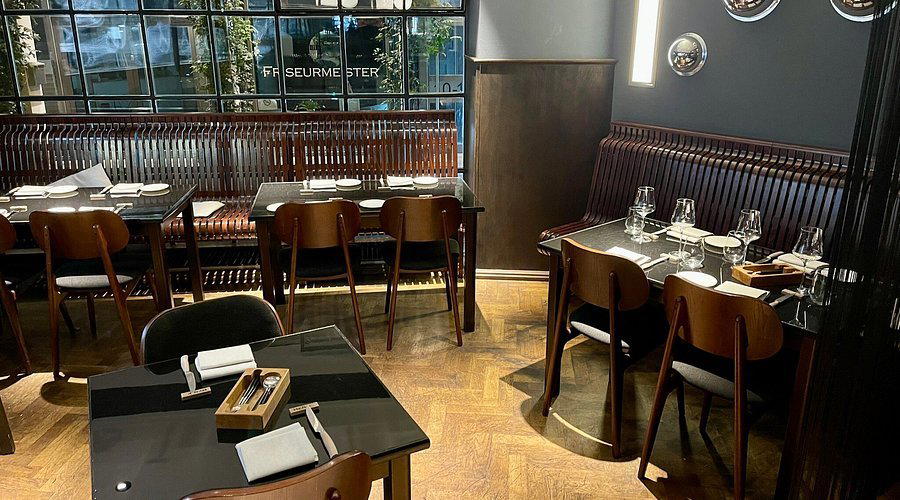
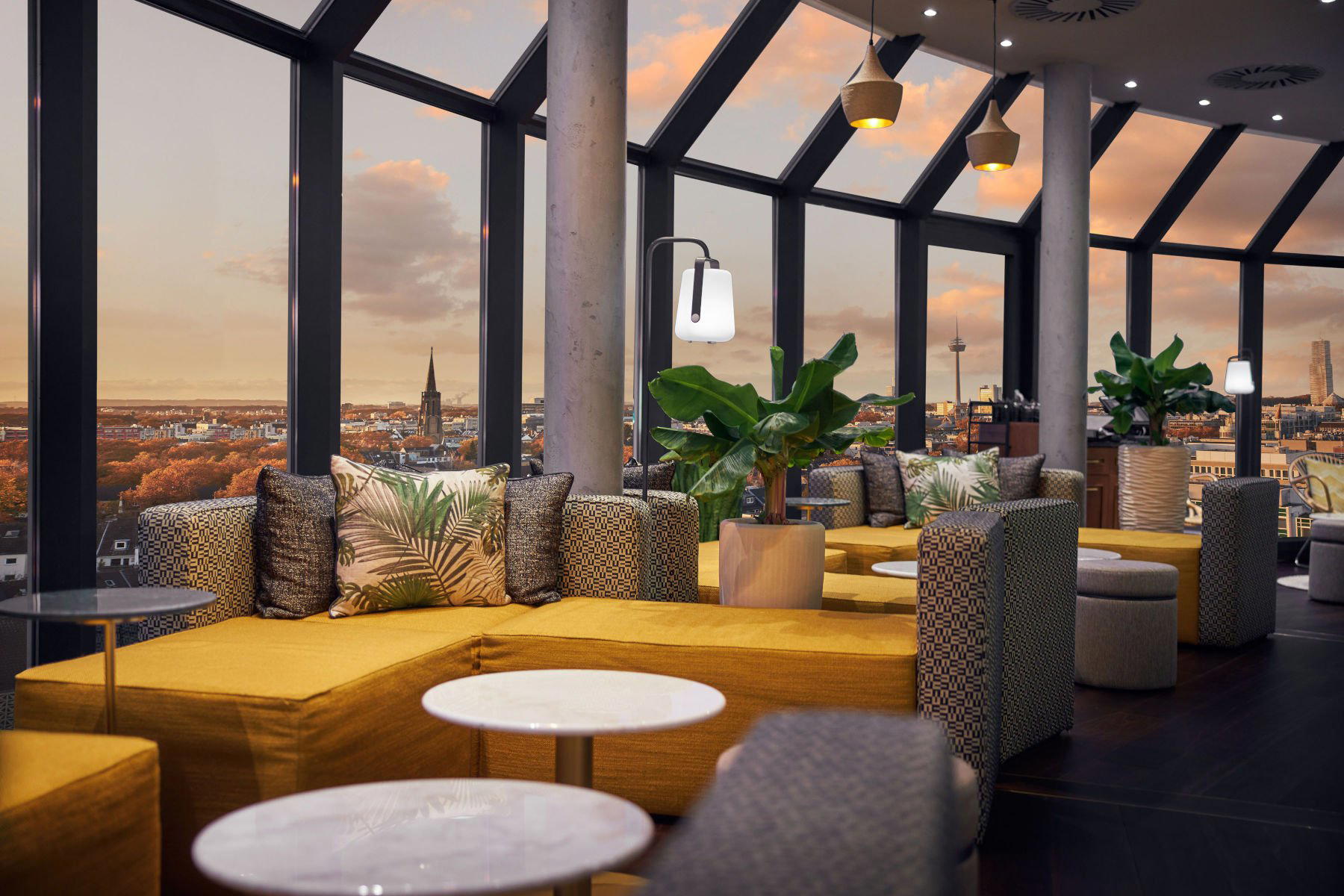
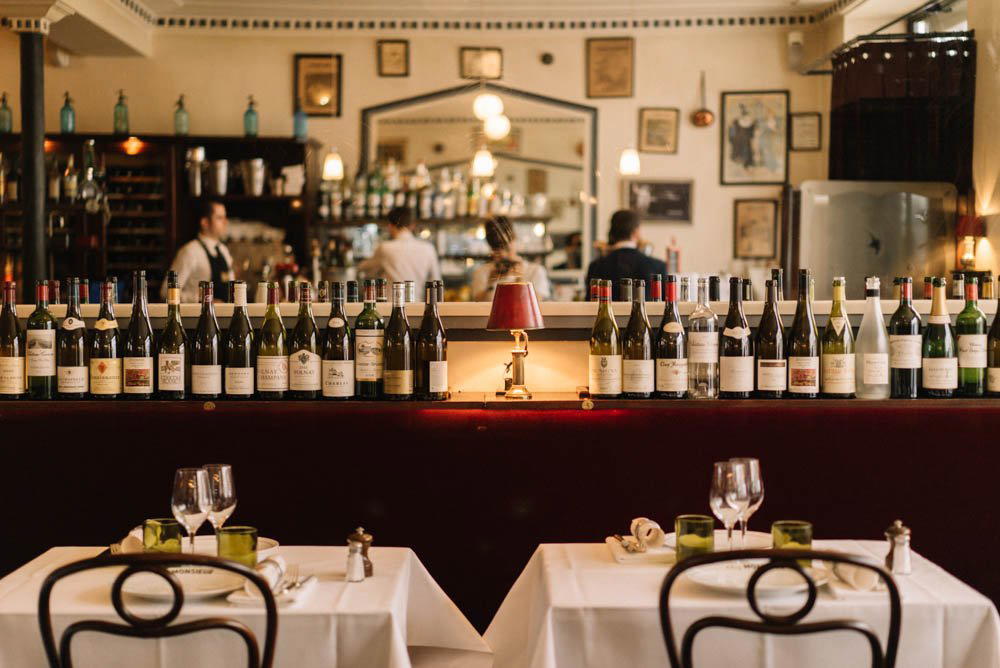
Restaurants in Cologne
All restaurants in Cologne →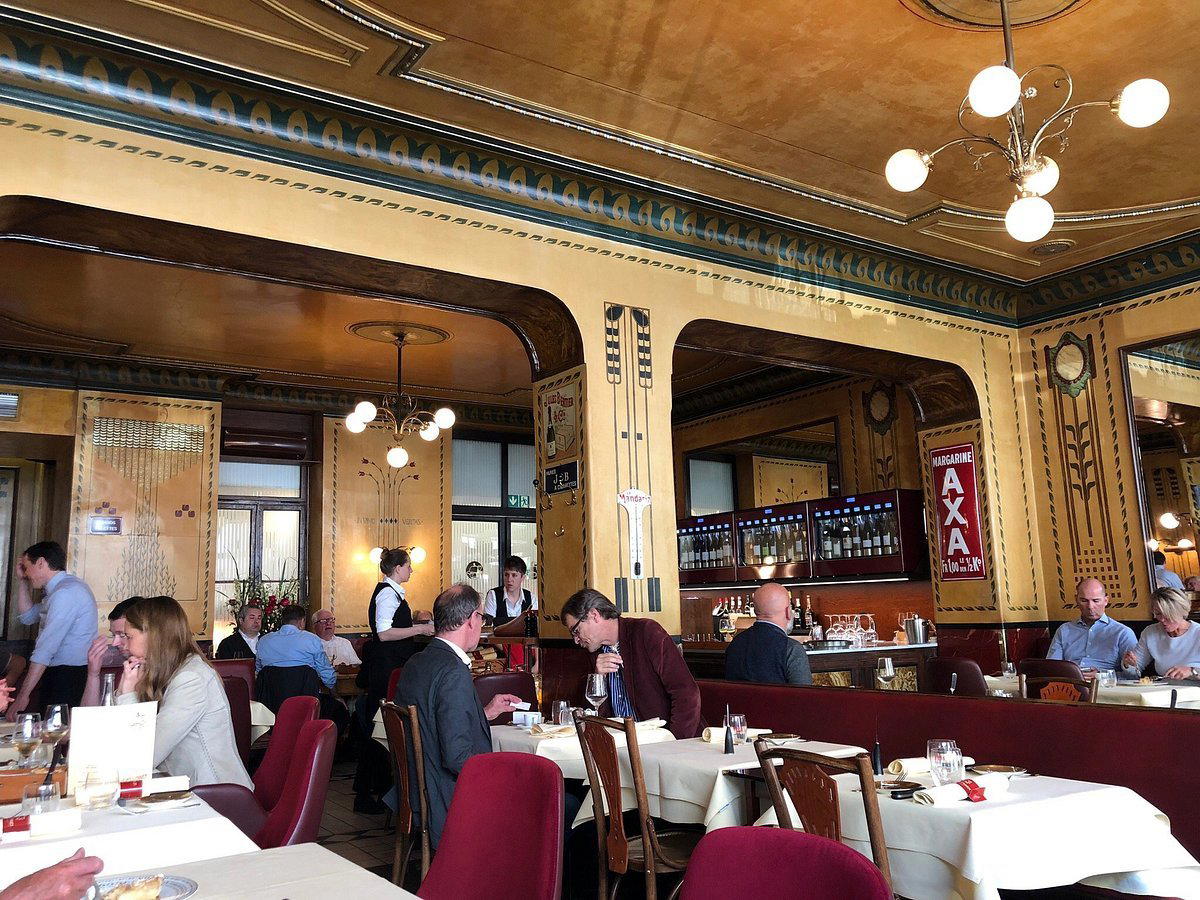
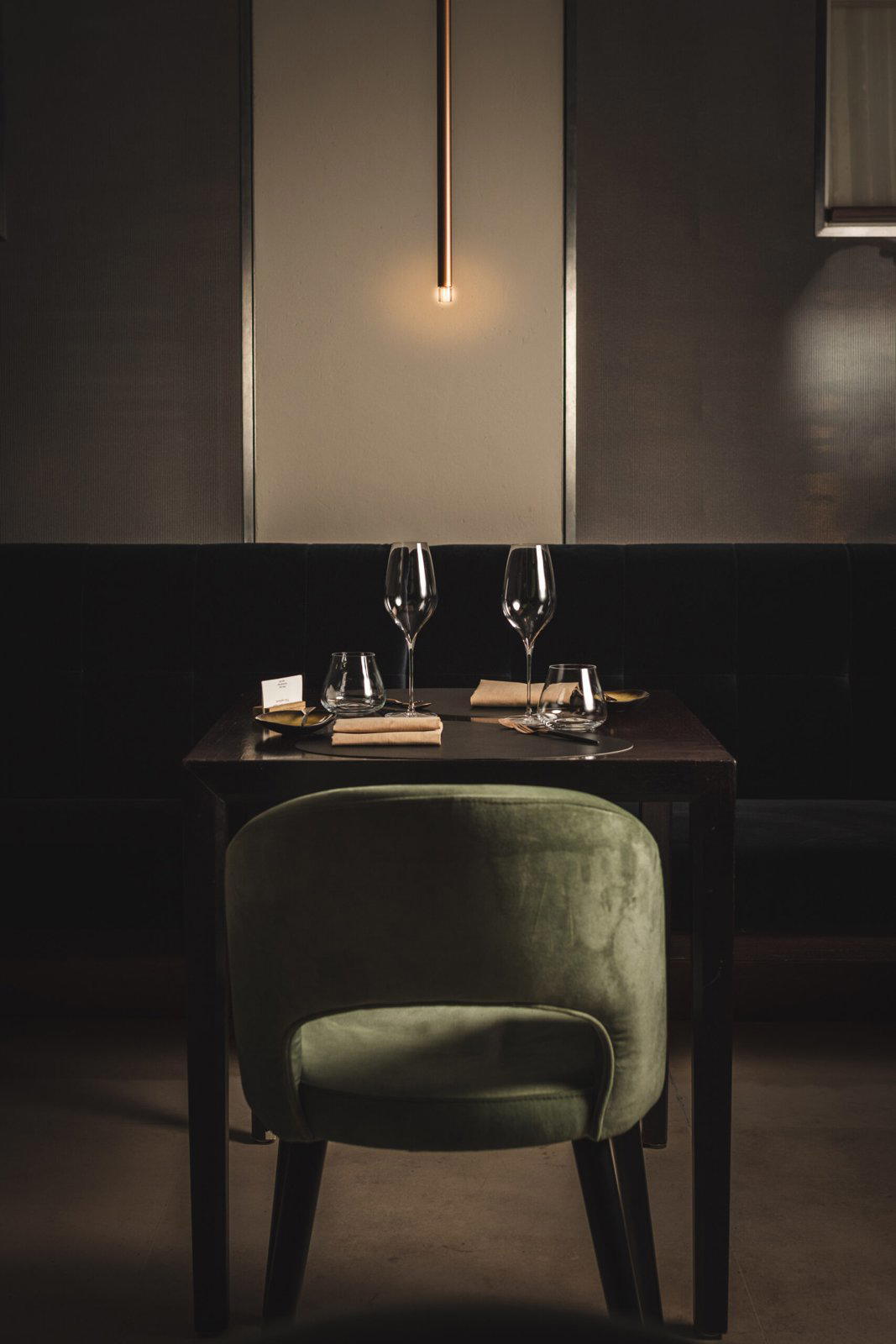

Details
- Cozy
- Trendy
- Rustic
- Casual Hangout
- Date Night
- Standalone
- Lounge Seating
- Outdoor Terrace
- Natural Wine
- Street Scene
Current opening hours
- Monday
- Closed
- Tuesday
- 5–11 PM
- Wednesday
- 5 PM–12 AM
- Thursday
- 5 PM–12 AM
- Friday
- 5 PM–1 AM
- Saturday
- 5 PM–1 AM
- Sunday
- Closed
Hours can change for holidays and private events. Hours as of .
Bright interior with exposed walls and blue tables, cozy and rustic old-school wine bar vibe with a relaxed, modern atmosphere.