Takumi Chicken & Vegan Ramen on Antwerpener Strasse sits inside Cologne's Belgian Quarter, a neighbourhood where the casual-dining register has steadily tightened over the past decade. The kitchen focuses on chicken-based and plant-forward ramen, a format that occupies a specific niche within Germany's growing ramen scene. It draws a mixed crowd of neighbourhood regulars and visitors making deliberate detours from the city centre.
Pearl is the En Primeur Club membership app — saves, bookings, and concierge access live there. Same editors, same standards.
- Address
- Antwerpener Str. 63, 50672 Köln, Germany
- Phone
- +4922156096533
- Website
- takumi-chicken-vegan.de
- Directions
- Get directions
 Saves & bookings on Pearl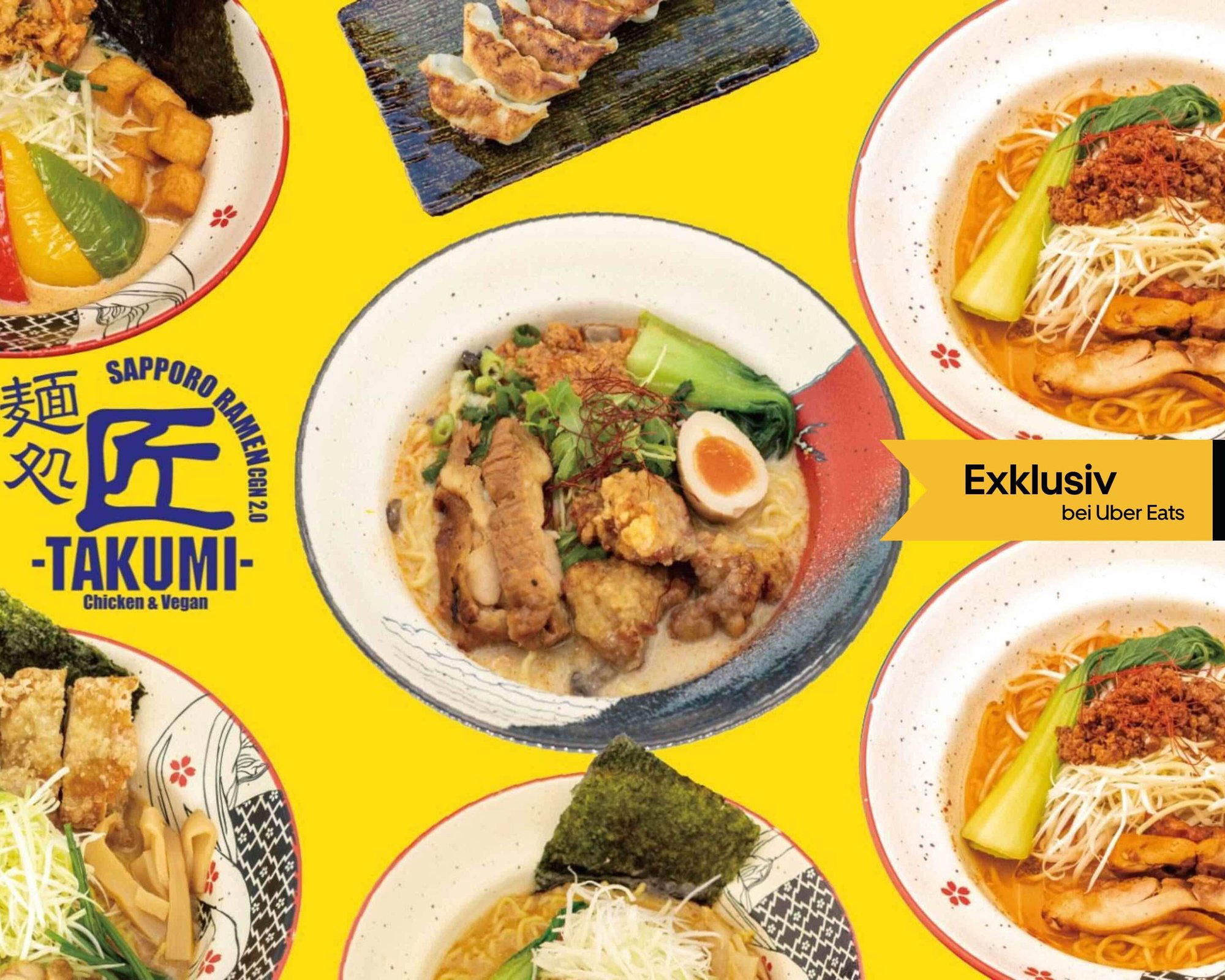
A Bowl-Forward Address in the Belgian Quarter
The Belgian Quarter, the grid of streets between Aachener Strasse and Venloer Strasse in Cologne's fourth district, has developed into one of the city's most consistent casual-dining corridors over the past ten years. Independent kitchens here operate in a register that sits well below the city's formal dining tier, represented by rooms like Ox & Klee or La Cuisine Rademacher, but with considerably more focus than a typical neighbourhood canteen. Takumi Chicken & Vegan Ramen on Antwerpener Str. 63 belongs to this middle register: a kitchen focused on chicken and vegan ramen.
The ramen category in Germany has expanded substantially since the early 2010s, when a handful of Japanese-owned shops introduced tonkotsu to cities like Düsseldorf and Berlin. What followed was a slow regional diffusion, with Cologne developing its own small cluster of dedicated ramen addresses. Within that cluster, the division between pork-forward broths and lighter or plant-based formats has sharpened. Takumi's positioning, chicken-based stocks and vegan alternatives rather than the pork belly-and-tonkotsu template, places it in a specific lane that appeals to a different diner profile than the fat-rich Hakata-style shops that still dominate the category nationally.
The Physical Environment and How It Shapes the Experience
In German ramen shops, the spatial logic tends toward compression: counter seating, limited tables, an open kitchen visible from almost every seat. This format is partly practical (ramen kitchens generate heat and steam that require good sightlines and ventilation) and partly atmospheric, reinforcing the idea that what arrives in the bowl is the entire point of the exercise. Takumi operates within this tradition. The address on Antwerpener Strasse is a ground-floor space in a mixed residential and commercial block typical of the Belgian Quarter's built fabric.
The interior arrangement in dedicated ramen counters shapes the dining experience. Seating proximity means that the rhythm of service, bowls arriving quickly, turnover implicit rather than enforced, becomes part of the experience rather than a byproduct of it. This is a format that actively discourages lingering over multiple courses, which places it in contrast to Cologne's more deliberate dining rooms like La Société or Le Moissonnier Bistro. At Takumi, the room works as a frame for the bowl rather than as a destination in itself.
Germany's ramen venues have largely resisted the theatrics that accompanied the format's arrival in London and New York, where queue management, branded merchandise, and social-media-oriented plating became part of the offer. The Cologne scene, including addresses in the Ehrenfeld and Nippes districts, has trended toward lower-key formats focused on product rather than presentation. Takumi's location in the Belgian Quarter follows that pattern, serving a neighbourhood that has less appetite for spectacle than for reliable quality at a repeatable price point.
Chicken Broth and Plant-Based Formats in Context
The decision to build around chicken-based and vegan ramen rather than tonkotsu reflects a broader shift in the category across European markets. Pork-free and plant-based ramen originally emerged to serve Muslim and vegetarian diners who were excluded from the tonkotsu mainstream, but the formats have developed culinary coherence independent of dietary restriction. A well-executed tori paitan, the thick, opaque chicken broth that functions as the closest structural equivalent to tonkotsu, requires the same long reduction and emulsification techniques as its pork counterpart, and can carry comparable depth. Vegan ramen, meanwhile, has moved from an afterthought garnish adjustment to purpose-built kombu and shiitake stock bases that hold up as standalone dishes rather than substitutions.
This matters for how Takumi reads within Cologne's dining scene. The Belgian Quarter already supports a range of informal international kitchens, and a ramen address that focuses on non-pork formats occupies a gap that tonkotsu-led competitors do not fill. For context on what focused, format-specific Japanese dining looks like at higher price points across Germany, the contrast with Düsseldorf's Japanese quarter or with formal kaiseki formats in Munich, such as JAN in Munich, is instructive: different tiers, but the same underlying discipline around ingredient specificity and broth technique.
Germany's broader fine-dining reference points, places like Aqua in Wolfsburg, Schwarzwaldstube in Baiersbronn, or Vendôme in Bergisch Gladbach, operate in an entirely separate register, but they share with casual specialists like Takumi an emphasis on kitchen focus as the organising principle. Across Cologne's own restaurant range, that same logic of deliberate specialisation shows up in maiBeck's modern German approach and at the other end of the city's pricing spectrum. The ramen format is simply one expression of that tendency.
Cologne's Casual Dining Moment
Cologne has historically been overshadowed by Hamburg and Munich in German food media, but the Belgian Quarter and Ehrenfeld have pushed the city's informal dining scene into a more competitive position over the past five years. The concentration of independent kitchens, shorter menus, and lower price points than the city's formal tier has created an environment where venues succeed on repeat visits rather than special-occasion bookings. Ramen is well-suited to that dynamic: it is a format built on regular consumption, where the same customer orders the same bowl weekly and evaluates consistency rather than novelty.
For a broader survey of where Takumi sits within Cologne's full dining range, from the casual to the formal, see the Cologne restaurants guide. For German fine dining reference points beyond Cologne, the EP Club covers ES:SENZ in Grassau, Waldhotel Sonnora in Dreis, Restaurant Haerlin in Hamburg, Schanz in Piesport, Victor's Fine Dining by Christian Bau in Perl, and CODA Dessert Dining in Berlin. For international comparison in the ramen-adjacent Japanese counter format, Atomix in New York City and Le Bernardin represent the opposite end of the price and formality spectrum, useful calibration points for understanding how the same underlying precision shows up across different dining registers.
Know Before You Go
Address: Antwerpener Str. 63, 50672 Köln, Germany
Neighbourhood: Belgian Quarter (Belgisches Viertel), Cologne
Format: Casual ramen counter; chicken-based and vegan broths
Price tier: About $18 per person
Reservations: Recommended
Hours: Mon: 12–3:30 PM, 5–10 PM; Tue: 12–3:30 PM, 5–10 PM; Wed: 12–3:30 PM, 5–10 PM; Thu: 12–3:30 PM, 5–10 PM; Fri: 12–3:30 PM, 5–10 PM; Sat: 12–10:30 PM; Sun: 1–10 PM
Comparable Options
Comparable venues nearby, for context on price, style, and recognition.
| Venue | Cuisine | Price | Notes |
|---|---|---|---|
| Takumi Chicken & Vegan RamenThis venue — the venue you are viewing | Chicken & Vegan Ramen | $$ | Not listed |
| Nobiko | Vegan Japanese Udon Noodle Bar | $$ | Kalk |
| Takumi 4 Tantan-Men | Spicy Japanese Tantan-Men Ramen | $$ | Neustadt/Nord |
| Miyu | Modern Asian Fusion Sushi | $$ | Neuehrenfeld |
| MakiMaki Sushi Green | Vegan Sushi | $$ | Altstadt/Süd |
| Beigel | Modern Bagel Café | $$ | Neustadt/Nord |
Continue exploring
More in Cologne
Restaurants in Cologne
Browse all →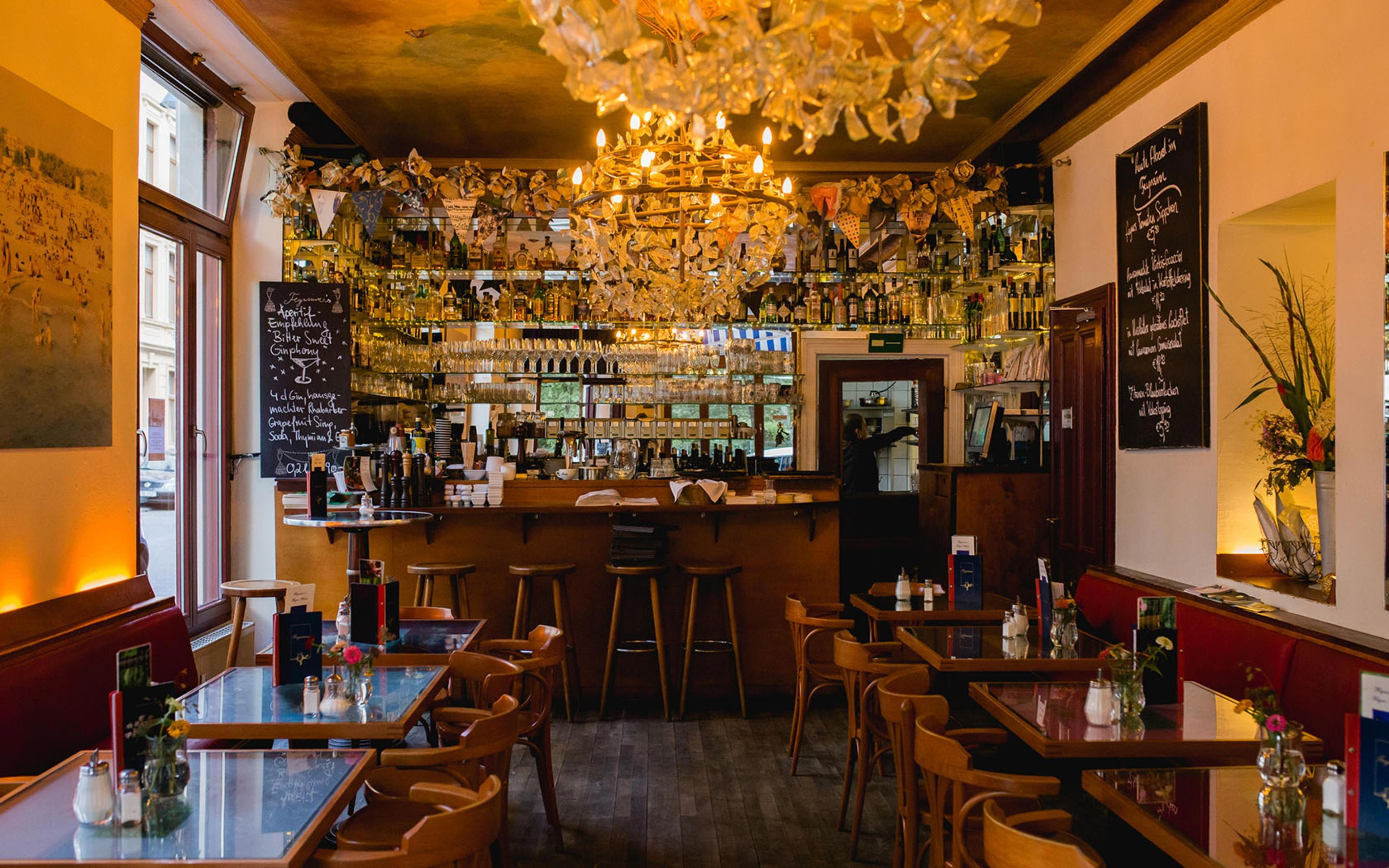
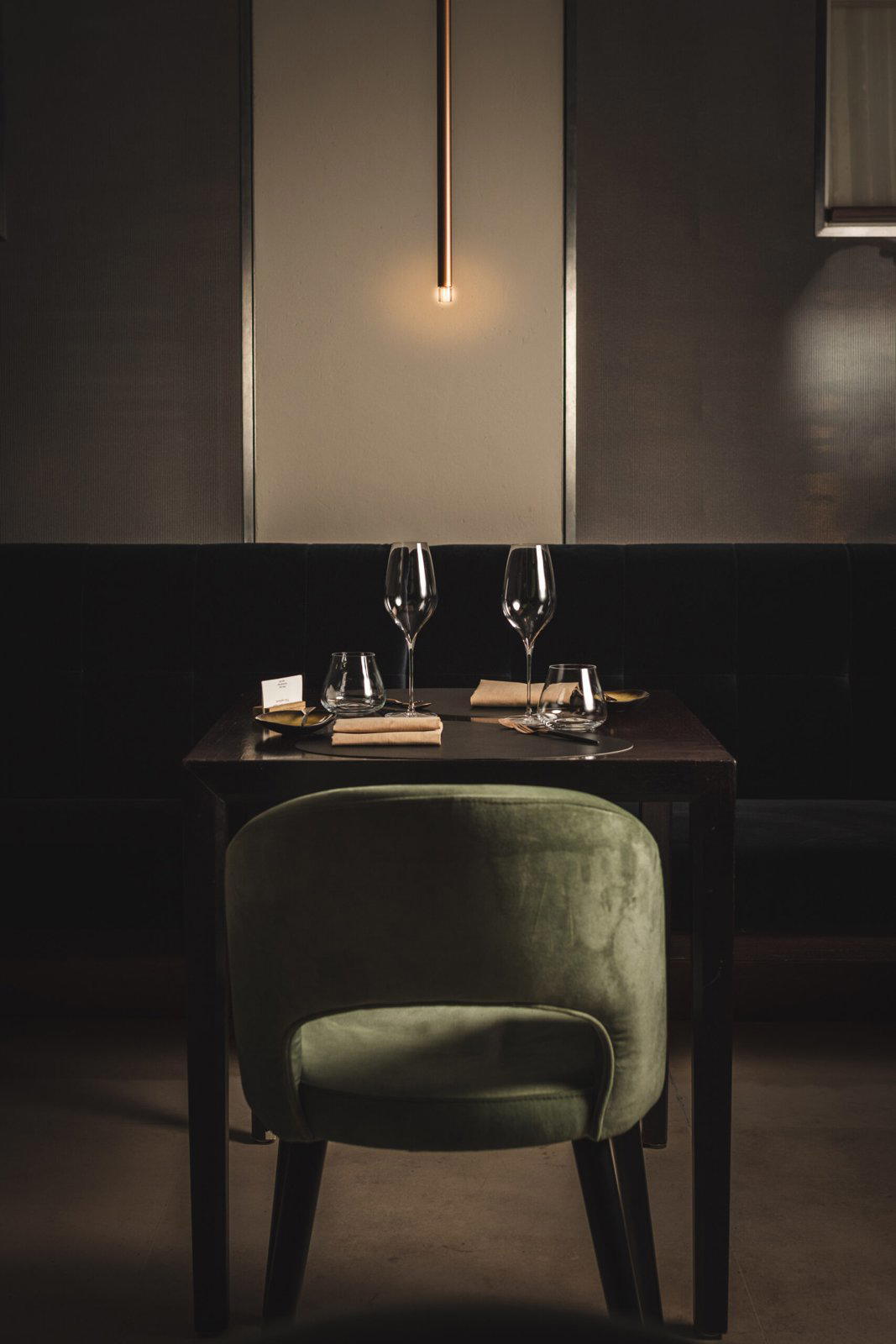
Bars in Cologne
Browse all →

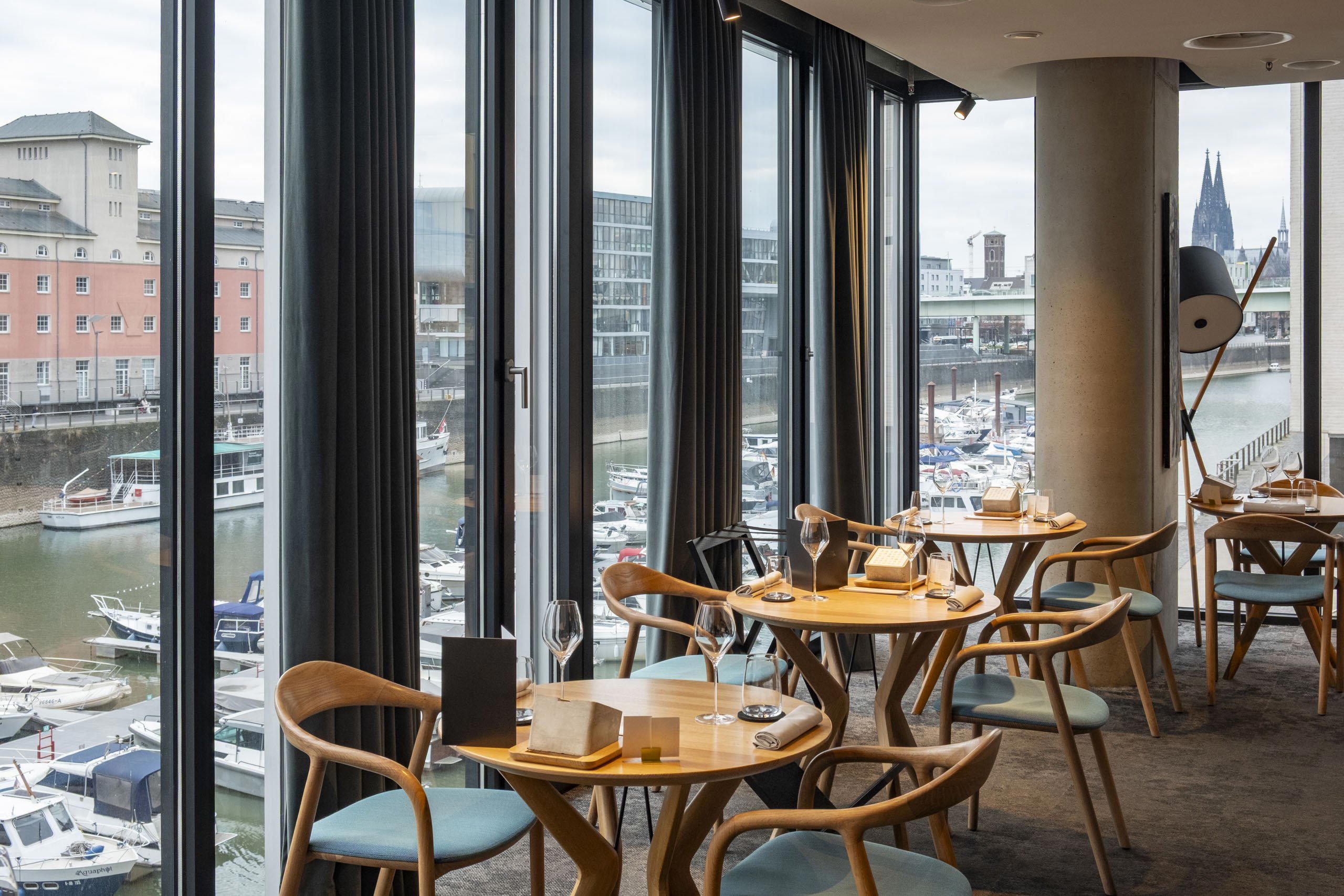
Hotels in Cologne
Browse all →

At a Glance
- Trendy
- Modern
- Cozy
- Casual Hangout
- Group Dining
- After Work
- Open Kitchen
- Beer Program
Current opening hours
- Monday
- 12–3:30 PM, 5–10 PM
- Tuesday
- 12–3:30 PM, 5–10 PM
- Wednesday
- 12–3:30 PM, 5–10 PM
- Thursday
- 12–3:30 PM, 5–10 PM
- Friday
- 12–3:30 PM, 5–10 PM
- Saturday
- 12–10:30 PM
- Sunday
- 1–10 PM
Hours can change for holidays and private events. Last verified .
Bright, minimalist interior with warm lighting, industrial touches, and a casual, energetic vibe focused on quick, flavorful meals.