On Friesenstraße in Cologne's Friesenviertel, Ikigai represents the strand of Japanese-influenced dining that has taken root across Germany's serious restaurant scene. Where peers in the €€€€ bracket lean toward French or modern German frameworks, Ikigai draws on the intersection of precise technique and local product, positioning it as a considered alternative for diners calibrating between Cologne's fine-dining options.
Pearl is the En Primeur Club membership app — saves, bookings, and concierge access live there. Same editors, same standards.
- Address
- Friesenstraße 55, 50670 Köln, Germany
- Phone
- +4922159995530
- Website
- ikigaigroup.de
- Directions
- Get directions
 Saves & bookings on Pearl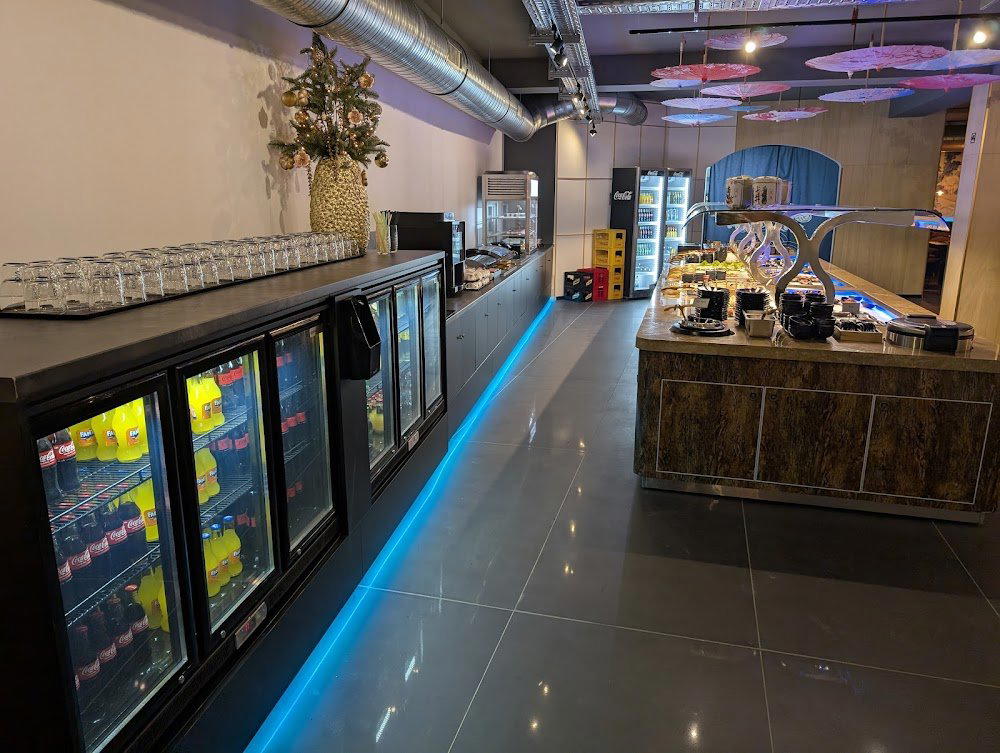
Friesenstraße and the Quiet Rise of Japanese Technique in Cologne
Friesenstraße runs through one of Cologne's more composed neighbourhoods, away from the cathedral-district crowds and the Rhine-bank tourist circuit. The street sits inside the Friesenviertel, a pocket of the city where independent restaurants have steadily accumulated without the self-conscious clustering you find in more marketed dining districts. It is this kind of address that tends to sustain the quieter, more technically demanding end of a city's restaurant scene, where the room fills on reputation rather than footfall.
Ikigai, at number 55, is a Japanese BBQ all-you-can-eat restaurant. The name itself signals an orientation: the Japanese concept of purpose or reason for being has become something of a shorthand in European restaurants that want to position themselves at the intersection of Eastern philosophy and Western fine-dining rigour. Whether a restaurant earns that framing is a different question, and in Cologne it is one worth asking carefully, given how competitive the city's upper dining tier has become.
Where Ikigai Sits in Cologne's Fine-Dining Conversation
Cologne's serious restaurant scene has expanded noticeably over the past decade. Ox & Klee holds Michelin recognition and operates at the €€€€ level with a modern cuisine format. La Cuisine Rademacher anchors the modern French end of that same tier. La Société and maiBeck represent different registers of modern cuisine, while Le Moissonnier Bistro holds the city's French bistro tradition with unusual consistency. Against this peer group, Ikigai occupies a distinct lane: Japanese-inflected dining that draws on the same technical vocabulary as the city's modern European kitchens but applies it through a different cultural lens.
That positioning matters because it changes what the diner is evaluating. The comparison set for a Japanese-influenced restaurant in a German city is not primarily local; it extends outward to venues like Atomix in New York City, where Korean fine dining has demonstrated how non-European culinary traditions can operate at the highest technical levels, and to European examples where Japanese methodology has been absorbed into serious kitchen practice. Germany itself has produced versions of this conversation at the leading end: JAN in Munich and Aqua in Wolfsburg both show how rigorous technique translates across culinary traditions. At the decorated level nationally, houses like Vendôme in Bergisch Gladbach, Waldhotel Sonnora in Dreis, and Victor's Fine Dining by Christian Bau in Perl set the benchmark against which regional ambitions are measured.
Local Ingredients, Japanese Methodology
The editorial angle that frames Ikigai most usefully is the one that has defined a generation of European restaurants drawing on Japanese technique: the pairing of imported culinary methodology with locally sourced product. This is not a new idea. French haute cuisine absorbed Japanese knife discipline and precision plating decades ago, and the influence has flowed through kitchens at every level since. What makes the current wave distinct is the degree to which the methodology itself, not just the aesthetics, has migrated: umami-first seasoning logic, fermentation as a structural tool, temperature and texture calibration at the component level.
In Germany, that conversation has developed its own character. The country's larder, with its emphasis on game, freshwater fish, root vegetables, and preserved products, maps interestingly onto Japanese culinary values. The restraint, the respect for ingredient quality over sauce complexity, the willingness to let a single product carry a course: these are points of genuine contact between the two traditions. Restaurants working this territory, from Schwarzwaldstube in Baiersbronn to CODA Dessert Dining in Berlin (which applies a similarly disciplined methodology to an entirely different course structure), show how varied the outcomes can be when European kitchens take non-European frameworks seriously rather than decoratively.
Ikigai's address in Cologne places it in a city that has historically been more conservative than Berlin or Munich in adopting these crossover formats. That makes its presence on Friesenstraße a signal worth noting. The Friesenviertel is not a neighbourhood that sustains restaurants on novelty; the clientele is experienced and the competition for regular custom is real. A Japanese-methodology restaurant holding a position there is doing so on the strength of repeat visits, not curiosity traffic.
The Broader German Fine-Dining Map
Placing Ikigai in national context requires acknowledging that Germany's fine-dining geography is more distributed than in France or the UK. Serious restaurants are not concentrated in one city; they are spread across smaller cities and rural addresses in ways that can surprise visitors. Restaurant Haerlin in Hamburg, Schanz in Piesport, and ES:SENZ in Grassau each represent the kind of regionally embedded, technically serious cooking that Germany produces at a higher density than most visitors expect. Cologne is part of that map, and Ikigai occupies a position within the city that connects to this wider pattern.
For visitors approaching Cologne's dining scene through our full Cologne restaurants guide, Ikigai represents the Japanese-influenced end of a market that otherwise skews toward French and modern European frameworks. That distinction is worth preserving when planning a multi-night dining itinerary in the city: the cooking logic, the flavour register, and the pacing of a meal here will differ materially from what Ox & Klee or La Cuisine Rademacher deliver, even if the commitment to ingredient quality operates at a comparable level.
For international points of comparison, the model has clearer antecedents. Le Bernardin in New York City built its reputation on the application of French technique to a single product category with absolute rigour; the discipline is analogous even if the culinary tradition differs. What ties these approaches together is the insistence that technique serves the ingredient rather than obscuring it, which is as good a summary of the Japanese culinary inheritance in European fine dining as any.
Planning Your Visit
Ikigai is located at Friesenstraße 55, 50670 Cologne, in the Friesenviertel. Ikigai is recommended for reservations and is open Tuesday through Thursday from 5 to 10:30 PM, Friday and Saturday from 5 to 11 PM, and Sunday from 12:30 to 3 PM and 5 to 10:30 PM; it is closed Monday. Reservations are recommended.
A Tight Comparison
Comparable venues nearby, for context on price, style, and recognition.
| Venue | Cuisine | Price | Notes |
|---|---|---|---|
| IkigaiThis venue — the venue you are viewing | Not listed | $$ | Not listed |
| Akira | Not listed | $$ | Altstadt/Nord, Authentic Japanese Sushi & Bento |
| Takumi | Not listed | $$ | Altstadt/Süd, Authentic Japanese Ramen |
| Miyu | Neuehrenfeld, Modern Asian Fusion Sushi | $$ | Not listed |
| Crusty Slices | Not listed | $$ | Altstadt/Nord, Croissant Pizza |
| Feinripp & Gold | Not listed | $$ | Altstadt/Nord, Artisanal Sandwich Culture |
Continue exploring
More in Cologne
Restaurants in Cologne
Browse all →
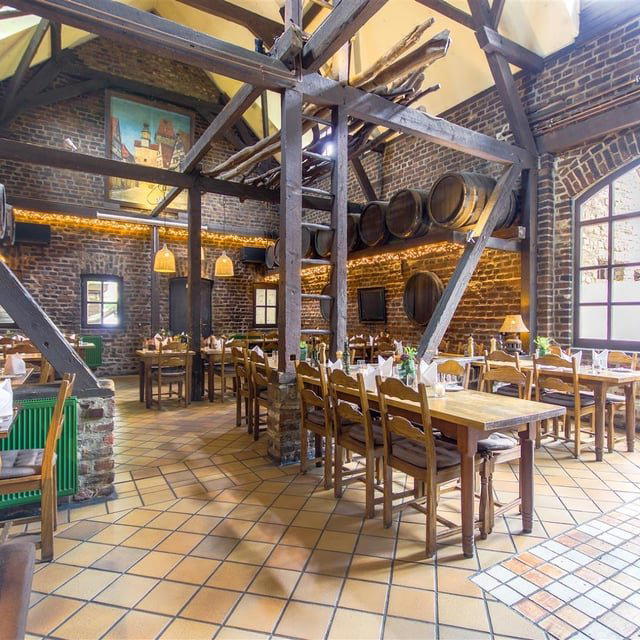
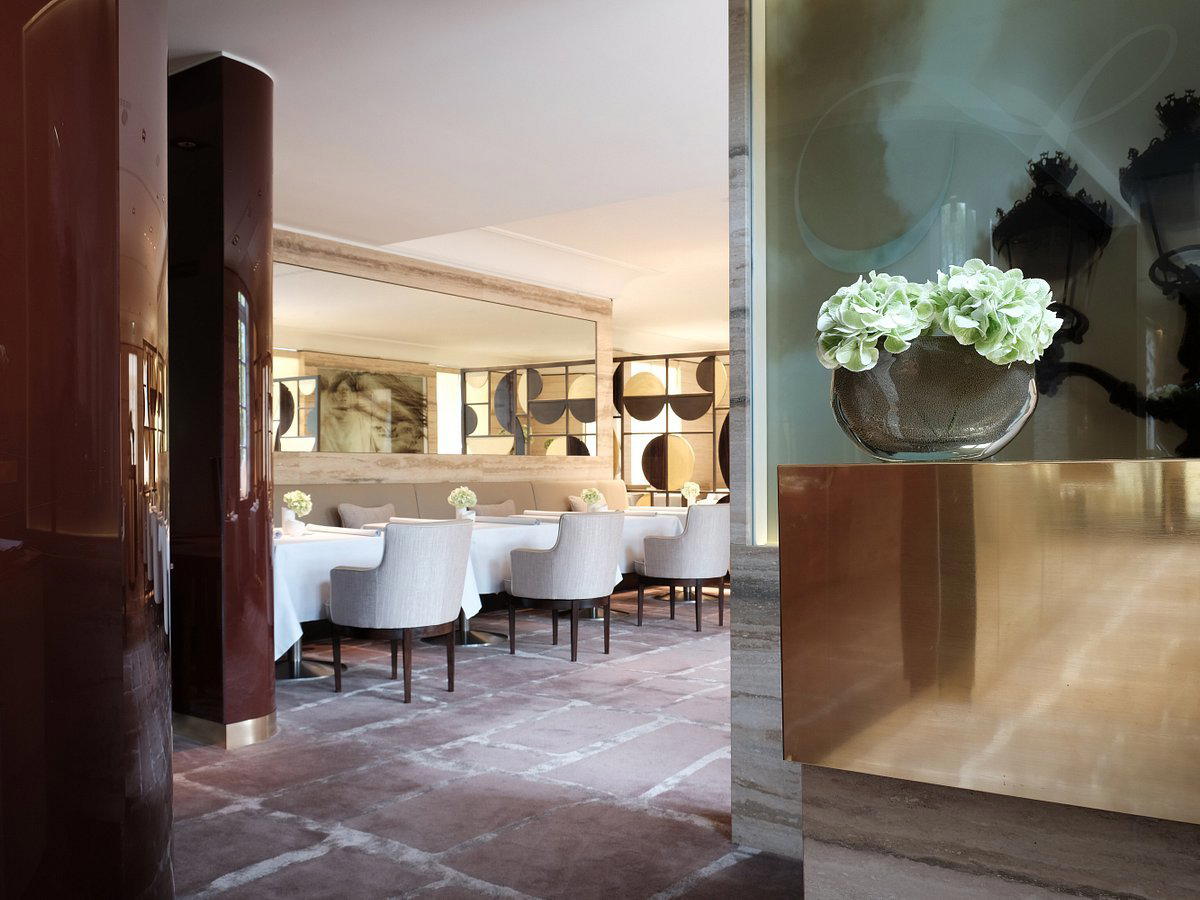
Bars in Cologne
Browse all →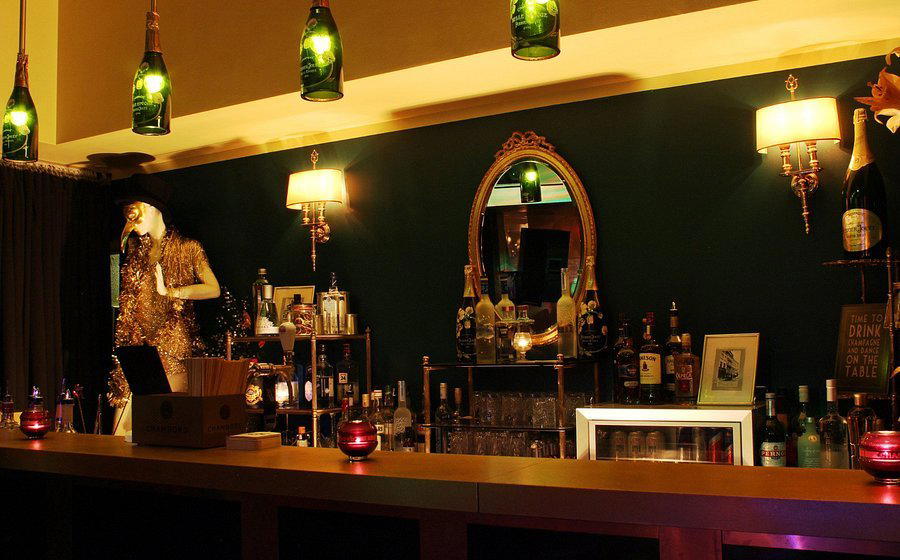
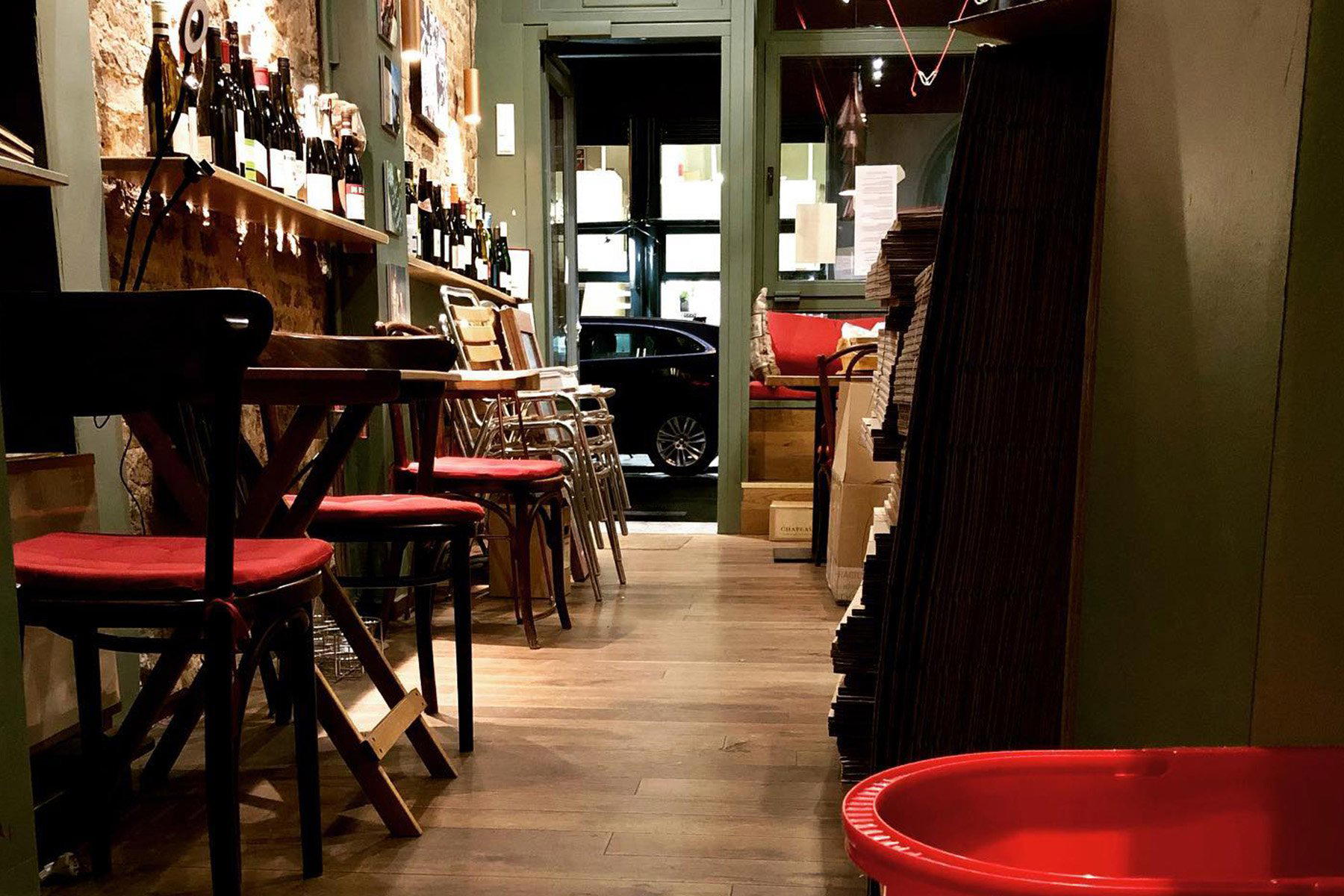

Hotels in Cologne
Browse all →

At a Glance
- Lively
- Cozy
- Modern
- Casual Hangout
- Date Night
- After Work
- Standalone
- Beer Program
Current opening hours
- Monday
- Closed
- Tuesday
- 5–10:30 PM
- Wednesday
- 5–10:30 PM
- Thursday
- 5–10:30 PM
- Friday
- 5–11 PM
- Saturday
- 5–11 PM
- Sunday
- 12:30–3 PM, 5–10:30 PM
Hours can change for holidays and private events. Last verified .
Friendly and inviting, with a lively, cozy atmosphere centered on tabletop grills and Japanese/K-pop music.