FIVE sits within Milan's contemporary Italian dining tier, where neighbourhood context shapes the experience as much as what arrives at the table. The restaurant works within a city that has quietly assembled one of Italy's most competitive modern dining scenes, positioning itself against a comparable set that includes Michelin-recognised names across the fashion and finance districts.

Pearl is the En Primeur Club membership app — saves, bookings, and concierge access live there. Same editors, same standards.
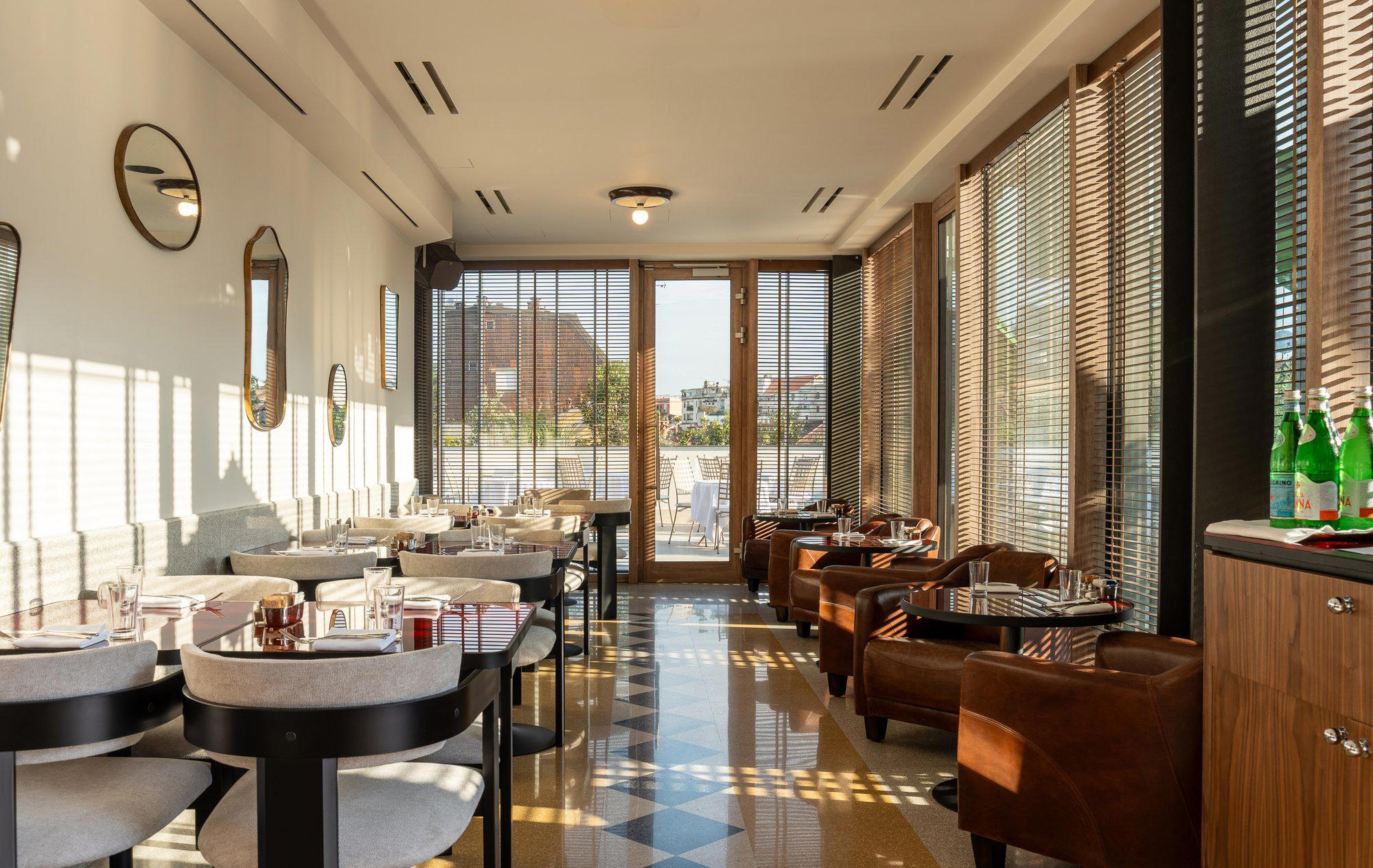
Where Milan Places Its Contemporary Ambitions
Milan's dining identity has never been a simple read. The city that built its reputation on fashion weeks and financial districts has, over the past decade, quietly assembled a contemporary Italian scene dense enough to rival Rome's historical weight and Bologna's ingredient authority. The shift has been structural: a generation of kitchens moved away from red-sauce tradition toward technically precise, ingredient-forward cooking that draws on classical Italian foundations without being bound by regional prescription. FIVE is a Contemporary Italian restaurant in Milan.
Each produces a different atmosphere before a guest sits down. FIVE's address places it within a city grid where contemporary cuisine has dispersed beyond the historic centre into areas that now host some of the more considered modern cooking in Italy.
The Contemporary Italian Tier in Practice
To understand where FIVE sits, it helps to understand what Contemporary Italian cooking has become in this city. At the upper end of the bracket, addresses like Enrico Bartolini and Cracco in Galleria carry multiple Michelin stars and price structures to match, operating at a level where the dining room, the wine program, and the service architecture are each treated as distinct projects. One step into the same tier but with a sharper modern Italian focus, Andrea Aprea represents what the category looks like when it prioritises precision over spectacle. These are the reference points that Milan's contemporary dining scene now benchmarks against.
FIVE operates within this competitive framework. Contemporary Italian in Milan is no longer a catch-all category. It implies a kitchen that takes Italian product seriously, applies technique without theatrical excess, and presents a menu that reflects seasonal movement rather than a static signature. The dining rooms in this tier tend toward considered restraint over grandeur, less about the room announcing itself, more about the cooking having something to say once the room settles.
Milan as a Dining City: The Broader Stage
Italy's most recognised restaurants are scattered far from its major cities. Osteria Francescana in Modena, Piazza Duomo in Alba, Le Calandre in Rubano, Dal Pescatore in Runate, and Reale in Castel di Sangro each draw serious diners away from metropolitan centres and into smaller towns where the kitchen is the primary reason for the journey. Uliassi in Senigallia and Quattro Passi in Marina del Cantone extend that geography toward the coasts. Even in northern Italy, Atelier Moessmer Norbert Niederkofler in Brunico demonstrates how altitude and Alpine produce can become a kitchen's entire editorial position.
Milan sits differently within this map. It is not a destination city for a single transformative restaurant in the way that Modena has become. What it offers instead is density: multiple credible kitchens within walking or short taxi distance of each other, embedded in a city with enough international traffic to sustain year-round programmes. Addresses like Enoteca Pinchiorri in Florence or Casa Perbellini 12 Apostoli in Verona remind you that northern and central Italy keep producing serious tables in second-tier cities. Milan, by contrast, has the critical mass of a metropolis with the ingredient access and producer relationships of a northern Italian city that still takes its markets seriously.
Restaurants operating in this environment, including Ristorante Berton, which has made a clear editorial choice around a lighter, more geometric approach to Italian cooking, benefit from an audience that returns regularly rather than arriving once on a prestige trip. That changes the calculus: menus need to move, seasonal variation matters, and the relationship between kitchen and regular guest becomes a meaningful part of what the restaurant actually is. The Excelsior Hotel Gallia represents another strand of this, where the hotel dining room carries enough independent credibility to compete with free-standing addresses rather than relying on room traffic.
What the Experience Looks Like
Contemporary Italian at FIVE's level in Milan typically anchors around a menu structure that acknowledges seasonal produce without making provenance its entire personality. Northern Italian kitchens have access to a particular set of ingredients, rice from the Po Valley, cheeses from Lombardy and Piedmont, freshwater fish, white truffles in autumn, and the better addresses in this tier use them with specificity rather than as brand signals. Elsewhere in Italy, kitchens like Il Piastrino in Pennabilli and Il Nazionale di Vernante in Vernante demonstrate what happens when Contemporary Italian cooking roots itself deeply in a specific microgeography. Milan's version tends to be broader in reference and more international in execution, reflecting the city's own character.
Booking patterns in Milan's competitive contemporary tier tend to tighten during Fashion Week periods in February and September, when the city's international traffic spikes and reservations at recognised addresses fill quickly. Outside those windows, the city's weekday dining culture is driven largely by business dinners and expense-account meals, which means Friday and Saturday evenings carry different energy from Tuesday or Wednesday service. Diners looking for a more considered room should note this rhythm.
A Quick Peer Check
Comparable venues nearby, for context on price, style, and recognition.
| Venue | Cuisine | Price | Notes |
|---|---|---|---|
| FIVEThis venue — the venue you are viewing | Contemporary Italian Mediterranean | $$$ | Not listed |
| Il Cestino | Traditional Milanese Trattoria | $$$ | Brera |
| Ristorante Limone | Modern Italian with Seafood and Pizza | $$$ | Stazione Centrale - Ponte Seveso |
| Osteria della Darsena | Traditional Lombard Trattoria | $$$ | Porta Ticinese - Conchetta |
| L'Amùri Sicilian Restaurant | Authentic Sicilian Seafood | $$$ | Xxii Marzo |
| Lievità | Gourmet Neapolitan Pizza | $$$ | Xxii Marzo |
Continue exploring
More in Milan
Restaurants in Milan
Browse all →
Bars in Milan
Browse all →
Hotels in Milan
Browse all →
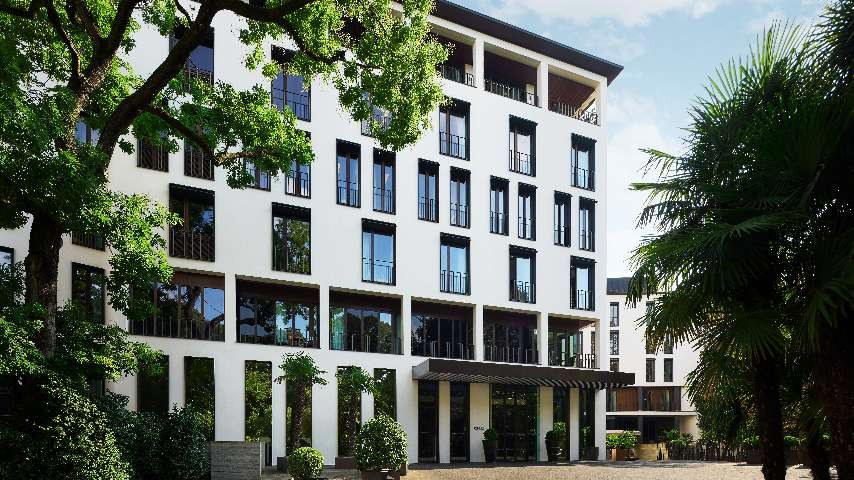
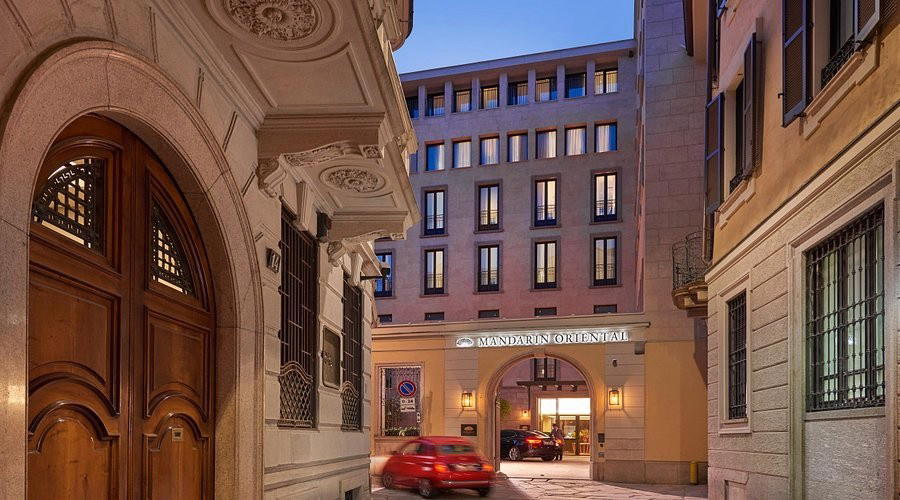
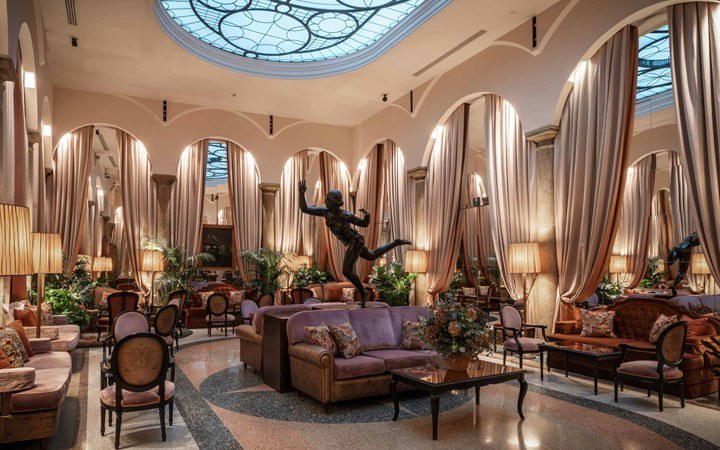
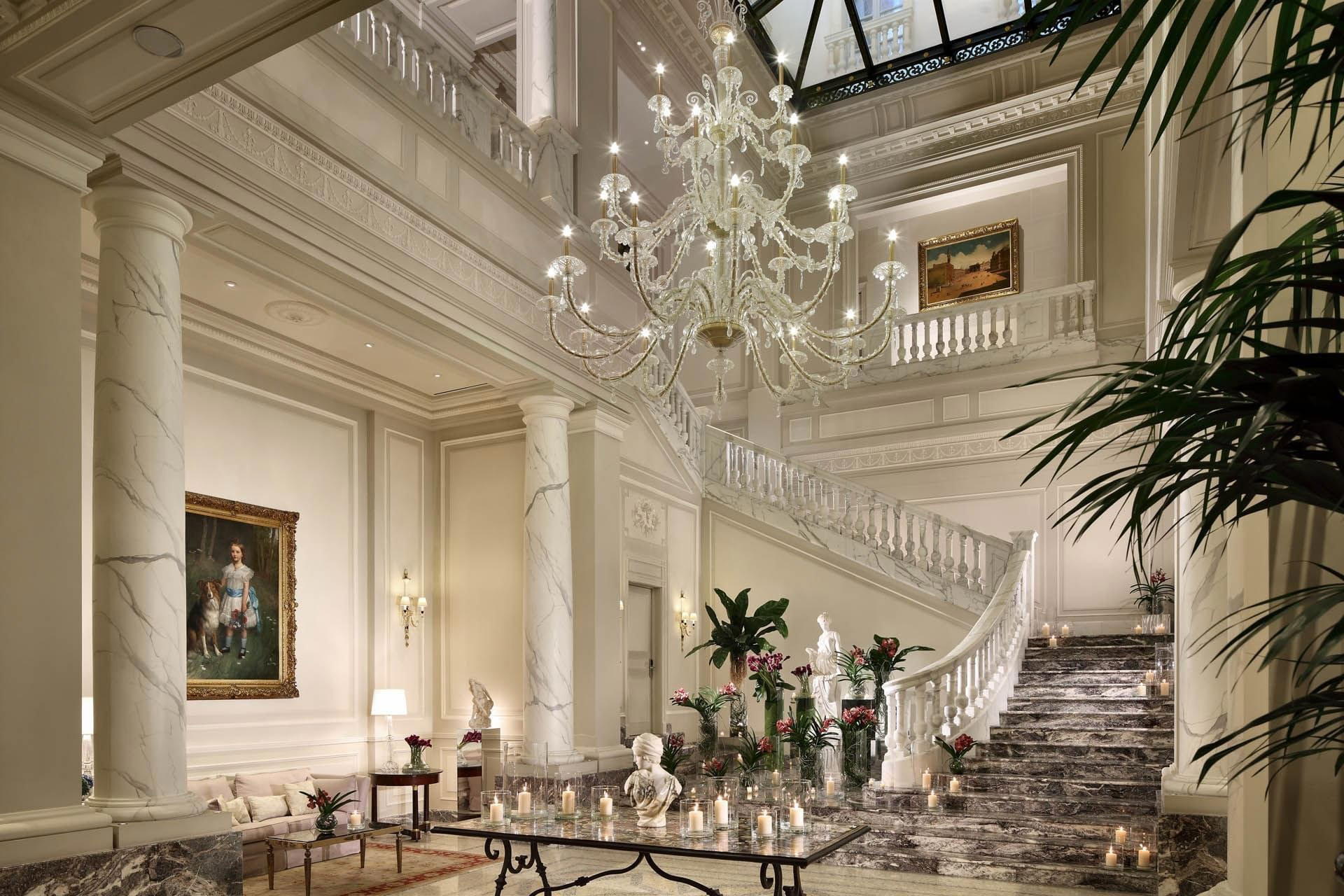

At a Glance
- Modern
- Trendy
- Brunch
- Date Night
- Rooftop
- Hotel Restaurant
- Craft Cocktails
- Skyline
Bright and airy rooftop setting with a casual yet stylish atmosphere enhanced by skyline vistas.