
Maejima puts Shiki into a sharper dining conversation than its suburban address suggests: Sichuan-led Chinese cooking filtered through a bar format, with premium single malts treated as part of the experience rather than an afterthought. Its Tabelog Chinese EAST 100 selection in 2026, after listings in 2023 and 2024, places it in a serious regional tier, but the appeal is the adult, tightly controlled format.
Pearl is the En Primeur Club membership app — saves, bookings, and concierge access live there. Same editors, same standards.
- Address
- 6 Chome-27-12 Honcho, Shiki, Saitama 353-0004, Japan
- Phone
- +81484238888
- Website
- tabelog.com
- Directions
- Get directions
 Saves & bookings on Pearl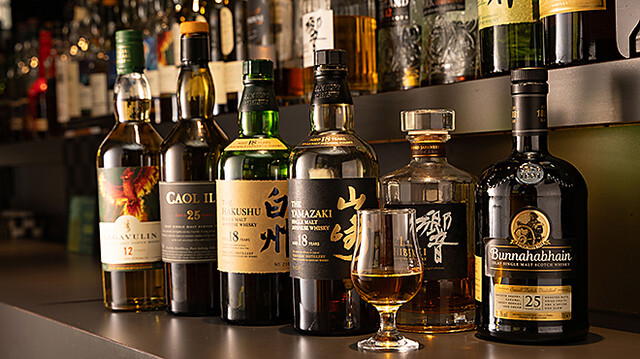
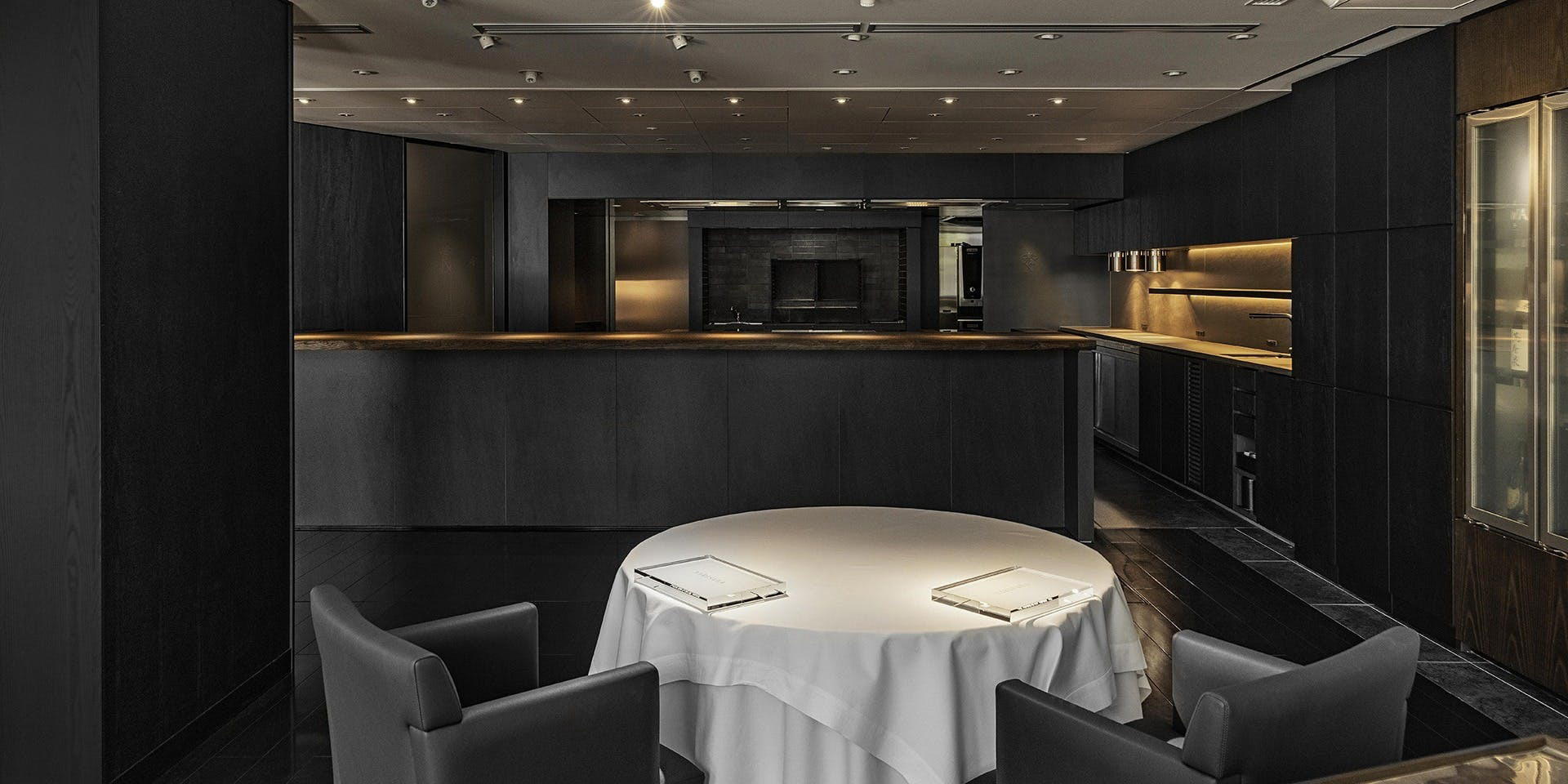
Approaching Shiki Station from the Tobu Tojo Line, the dining rhythm is usually commuter-town practical: bakeries, casual counters, and everyday restaurants built around local repeat trade. Maejima changes the register. The room belongs as much to the bar tradition as to Chinese dining, with counter seating, sports viewing, power outlets, smoking permitted, and a drinks-first policy that makes the meal feel closer to an evening session than a conventional restaurant booking.
That matters because Sichuan cooking is not only about heat. At its serious end, the cuisine depends on layered aromatics, dried chile, fermented bean pastes, vinegar, peppercorn, preserved vegetables, and the management of oil as a carrier of flavor. In Japan, many Chinese restaurants soften those edges for broad accessibility. A Chinese bar format allows a different reading: spice, salt, smoke, malt, and alcohol sit in the same frame. The result is less about formality than intensity, and that is where Maejima’s placement on the Tabelog Chinese EAST 100 list for 2026 becomes meaningful.
Sichuan cooking treated as bar food, not banquet theatre
Greater Tokyo’s Chinese dining scene tends to split into two familiar lanes. One is hotel dining, polished and multilingual, with a broad regional repertoire. The other is neighborhood Chinese, fast, generous, and priced for routine visits. Shiki’s version is neither. The categories here are Sichuan, Chinese, and dining bar, a combination that puts the spice pantry and the bottle shelf into direct conversation.
The ingredient question is therefore less about named farms or imported luxuries, and more about how a Sichuan kitchen builds depth. Fermentation, drying, roasting, steeping, and chile oil work are sourcing decisions in practice: they determine whether heat lands flat or carries fragrance and length. A serious Sichuan meal depends on the condition and balance of those pantry elements as much as on fresh produce or protein. In a bar setting, the seasoning has to withstand alcohol rather than politely sit beside tea.
The listed Japanese name, 陳麻婆豆腐 マエジマ, points toward mapo tofu as an identity marker, but the better way to read the restaurant is by its broader idea: Sichuan flavor built for drinkers. That distinguishes it from a casual Shiki address such as Shinfula, where the pricing and occasion sit in a lower-key local lane. For readers mapping the area, Kuramoto Ryori Maruto Shoyu offers a different kind of regional Japanese context, while Our full Shiki restaurants guide gives the broader dining spread.
Why the Tabelog recognition matters in a suburban setting
A Tabelog Hyakumeiten selection is not a Michelin star, and it should not be read as one. Its value is different: it signals sustained user attention inside a category where local knowledge can matter more than international visibility. Maejima was selected for Tabelog Chinese EAST 100 in 2026, with prior selections in 2024 and 2023. For a 16-seat restaurant outside central Tokyo, that repeat recognition is a stronger signal than a single viral spike.
The price bracket also separates the experience from casual Chinese drinking spots. At JPY 20,000 to JPY 29,999 for dinner, this sits closer to planned dining than spontaneous station-area drinking. That difference is visible when set against nearby casual listings such as Shinfula, or out-of-metro everyday options like ROI LEGUME Asaka honten, Asaka Bakery Asakadai ten, Udon Dokoro Ohana, and PATISSERIE ORANGE. The comparison is not about cuisine parity; it is about occasion. Maejima asks diners to treat a Shiki address with the seriousness normally reserved for central-city reservations.
The adult-only character is also part of the editorial assessment, not a footnote. All seats permit smoking, minors are not admitted, and alcohol ordering is mandatory. Those rules narrow the audience while sharpening the format. This is a restaurant for diners who accept that the bar component is structural, not decorative.
How to place it inside a wider Japan itinerary
For visitors building a food-led trip, Maejima makes sense as a targeted Shiki detour rather than a broad sightseeing anchor. The city’s appeal is not the density of central Tokyo or Kyoto; it is the precision of a small address operating at a higher culinary tier than its immediate surroundings suggest. Pairing it with other Shiki planning pages, including Our full Shiki hotels guide, Our full Shiki bars guide, Our full Shiki wineries guide, and Our full Shiki experiences guide, helps decide whether to stay local or treat the meal as an evening trip from elsewhere in Saitama or Tokyo.
It also belongs in a broader reading of Japan’s specialist dining culture, where small formats often define a trip more clearly than grand dining rooms. The contrast runs from regional cooking at -Grilled beef Sukiyaki- KAMAKURA TANUKIAN 鎌倉 たぬき庵 in Kamakura to urban casual formats such as . 鮪と炭火焼き うお炭 秋葉原店 in Tokyo.cafe in Osaka.know in Kumamoto, (Shoku) Vietnam in Kawasaki, [Curry Senmon Ten] Maruyama Kyoju. in Sapporo, [ki:] in Kyoto, #肉といえば松田 奈良本店 in Kashihara, and 1/3 HAMBURGER FACTORY in Kanazawa. For a transpacific comparison in drink-led Japanese dining, Jōdo Saké Bar in Los Angeles and Onigiri Time in Pasadena show how format, beverage, and snack logic travel outside Japan.
The verdict is clear without needing ceremony: this is a narrow, adult, spice-and-alcohol address with enough recognition to justify the detour for diners who care about Sichuan structure and bar culture. It is not the right fit for families, non-drinkers, or anyone looking for soft-focus hospitality. For the right table, that selectiveness is the point.
- Maejima特製陳麻婆豆腐 (Maejima special Chen mapo tofu)
- 最高級毛鹿フカヒレの姿煮〜四川伝統特製オイスターソース煮込み〜 (whole premium shark fin in Sichuan-style oyster sauce)
- フカヒレ姿煮 上海蟹みその贅沢ソース (shark fin with rich Shanghai crab miso sauce)
- 成都式よだれ鶏 (Chengdu-style mouthwatering chicken)
- 黒酢の酢豚 (black vinegar sweet-and-sour pork)
- 大海老チリソース (large prawn chili sauce)
In Context: Similar Options
Comparable venues by cuisine and price in the same metro.
| Venue | Cuisine | Price | Notes |
|---|---|---|---|
| Maejima | Authentic Sichuan Chinese Bar | $$$$ | Shiki |
| Kuramoto Ryori Maruto Shoyu | Modern Japanese Soy Brewery Tasting Menu | $$$$ | Tawaramoto |
| Shinfula | Modern French Patisserie | $ | Saiwai-cho, Shiki |
| 西麻布 香宮 (シャングウ) | Modern Cantonese Fine Dining | $$$$ | Minato |
| Fureika (中国飯店 富麗華) | Traditional Shanghai & Cantonese Chinese | $$$$ | Higashiazabu |
| 茶禅華 | Modern Japanese-influenced Chinese fine dining | $$$$ | Minami-Azabu |
Recognition history
Dated appearances from independent guides and award organizations, with the underlying list record or original source where available.
Tabelog 100 #8 · No. 8
Tabelog · Tabelog 100 - Chinese cuisine - EAST - 2026
Continue exploring
More in Shiki
Restaurants in Shiki
Browse all →



Bars in Shiki
Browse all →


Hotels in Shiki
Browse all →



Wineries in Shiki
Browse all →
At a Glance
- Intimate
- Lively
- Cozy
- Trendy
- Sophisticated
- Date Night
- Business Dinner
- Group Dining
- Special Occasion
- After Work
- Late Night
- Standalone
- Open Kitchen
- Craft Cocktails
- Beer Program
Current opening hours
- Monday
- 4 PM–12 AM
- Tuesday
- 4 PM–12 AM
- Wednesday
- Closed
- Thursday
- 4 PM–12 AM
- Friday
- 4 PM–12 AM
- Saturday
- 4 PM–12 AM
- Sunday
- 4 PM–12 AM
Hours can change for holidays and private events. Last verified .
An intimate Chinese bar atmosphere with warm amber lighting reflecting off rows of liquor bottles, counter and table seating, and a cozy yet energetic feel that emphasizes drinking alongside bold Sichuan cuisine.