Our verdict
Indian cuisine occupies a specific and underexplored niche within Kanazawa's dining scene, which skews heavily toward kaiseki, yakitori, and local seafood traditions. Luxury India Rubina, located in the 920-0031 postal district, positions itself in that gap, offering a format that contrasts with the city's dominant culinary register. Reservation availability and menu specifics are best confirmed directly with the venue.

Pearl is the En Primeur Club membership app, where members save venues, book tables and use the concierge.
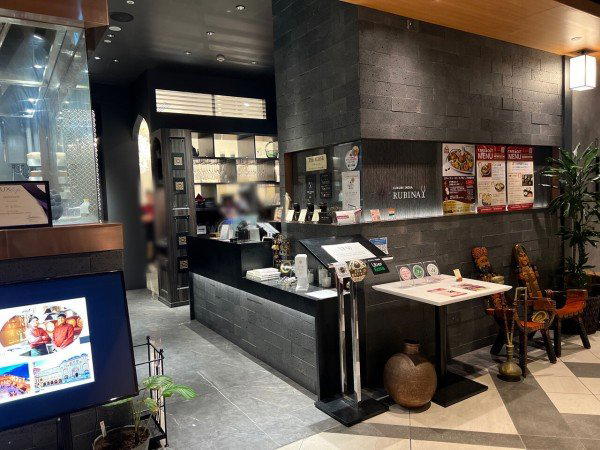
Indian Cuisine in a City Built on Kaiseki
Kanazawa has spent decades cultivating one of Japan's most coherent regional dining identities. Within that context, Indian cuisine occupies an unusual position: it is neither a heritage tradition nor a recent wave import in the way that, say, innovative Spanish formats have landed in Japanese secondary cities. It sits between those poles, drawing on a global diaspora cuisine while operating inside a food culture that prioritises local sourcing, seasonal rhythm, and craft over intensity.
Luxury India Rubina, located in the 920-0031 district of Kanazawa's Ishikawa Prefecture address, operates in exactly that space. The name signals an aspiration toward the premium tier of Indian dining rather than the casual curry counter format represented elsewhere in the city by venues like Go! Go! Curry. The distinction matters because premium Indian dining in Japan has developed a specific grammar: longer menus, more deliberate spice sourcing, an emphasis on regional Indian subcategories rather than a pan-Indian sweep, and pricing that competes with mid-to-upper-tier Japanese restaurants rather than with fast-casual.
The Sustainability Argument in Indian Cooking
Indian cuisine carries structural sustainability advantages that rarely get articulated clearly in dining coverage. A large share of the traditional repertoire is plant-forward by design, not by contemporary retrofit. Dal preparations, vegetable curries, and lentil-based dishes predating the modern sustainability movement by centuries represent a food system that was always low on the protein-intensity scale compared to, say, meat-led European traditions. When Indian restaurants operate with genuine attention to sourcing, that foundation becomes meaningful.
In Kanazawa, this intersects with a local food culture that already prizes provenance. The city's markets, particularly Omicho Market, supply restaurants across the price spectrum with fish landed from the Sea of Japan and produce grown in the surrounding Kaga plain. A premium Indian restaurant operating here has access to that same supply infrastructure, which creates the possibility of a genuinely localised approach: spice frameworks from South Asia applied to proteins and vegetables sourced within the Hokuriku region. Whether Luxury India Rubina executes that approach, and to what depth, is leading assessed on the ground and through current guest feedback, as specific sourcing claims fall outside verified data available at time of writing.
What the sustainability frame does clarify is what to look for when visiting. Menus that segment Indian regional cuisine by state or tradition, rather than offering a generic pan-Indian selection, tend to reflect more deliberate sourcing decisions. Restaurants that invest in grinding fresh spices rather than using pre-blended powder operate with greater control over both flavour and ingredient provenance. These are the signals worth watching at any premium Indian operation in Japan, and they serve as a useful lens for evaluating Luxury India Rubina on a visit.
Kanazawa's Secondary Dining Scene and Where Indian Fits
Kanazawa's international dining scene operates in the shadow of its kaiseki tradition. Venues like Kataori and Zeniya set a high bar for the kaiseki format, while Hamagurigurizaka Maekawa holds a respected position in the yakitori tier. On the creative-international side, Budoonomori Les Tonnelles represents the French-trained approach, and Dokkan occupies its own position within the city's food character. Indian cuisine, by contrast, has no equivalent anchor. There is no institution that has defined what premium Indian in Kanazawa looks like over multiple decades, which means the category is still being written.
That absence creates opportunity and risk in equal measure. The opportunity is that a well-executed premium Indian format has almost no direct competition in the city at the upper price tier. The risk is that without comparison points, guests arrive with highly variable expectations calibrated to Indian restaurants in Tokyo, London, or Mumbai rather than to what is actually achievable in a city of Kanazawa's size and supply chain. For context on what the broader Japanese dining premium looks like, venues like HAJIME in Osaka and Harutaka in Tokyo illustrate the kind of precision and sourcing depth that the Japanese dining public has come to expect across categories, Indian included.
Kanazawa itself rewards visitors who move past the primary kaiseki circuit. Amanatto Kawamura and Hakuichi represent the craft and confectionery side of the city's food identity, while the broader restaurant scene across the region, including dining in Nanao and Takashima, reflects Hokuriku's depth outside the city centre. Our full Kanazawa restaurants guide maps the broader picture for visitors building a multi-day itinerary.
Planning a Visit
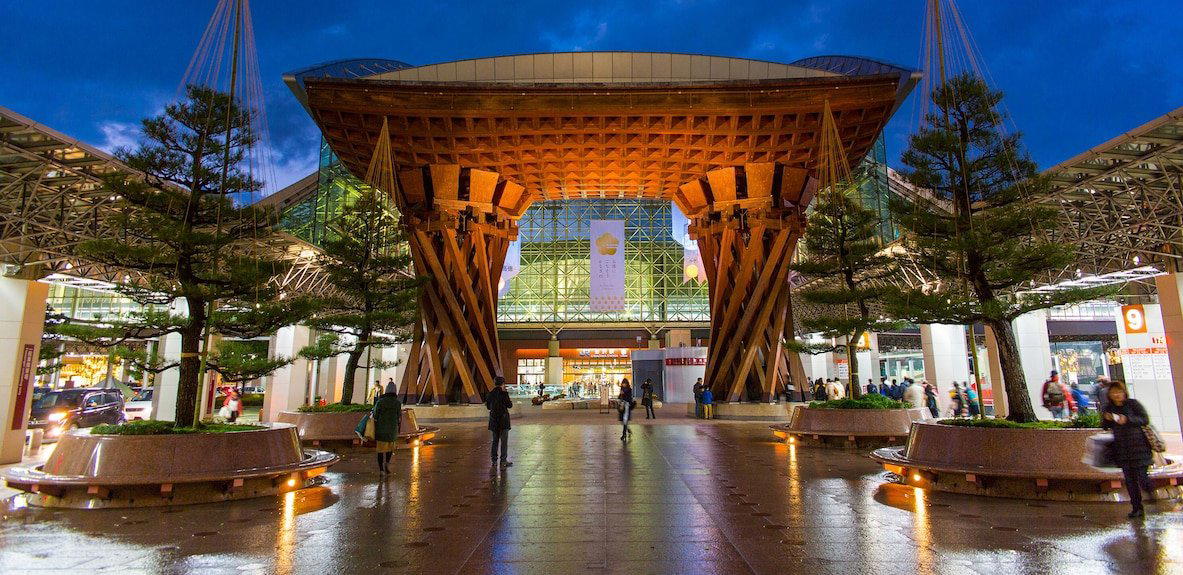
Kanazawa is accessible from Tokyo via the Hokuriku Shinkansen in approximately two and a half hours, making it a viable long-weekend destination from the capital. The 920-0031 postal district places Luxury India Rubina within the eastern central zone of the city, walkable from the main Kanazawa Station area depending on exact positioning. Confirming current hours, reservation requirements, and menu format directly before arrival avoids the frustration of showing up to a closed or fully-booked kitchen. Japanese restaurant policies on reservations vary considerably even within the same price tier, and Indian restaurants in smaller Japanese cities sometimes operate on limited days per week to manage fresh spice and ingredient turnover efficiently.
For travellers constructing a broader Japan itinerary, Kanazawa sits naturally between Kyoto and the Noto Peninsula. Dining references from cities within that corridor, including Gion Sasaki in Kyoto and akordu in Nara, illustrate the regional premium dining register that Kanazawa aspires to compete within. Further afield, Goh in Fukuoka and restaurants in Sapporo and Nishikawa Machi round out the regional context for visitors touring Japan's secondary cities. For international benchmarking, precision-led operations like Le Bernardin in New York City and Atomix in New York City demonstrate the sourcing rigour and tasting-format discipline that high-end dining has established globally, including in non-European cuisines. Similarly, Birdland in Sakai illustrates how a single-protein format can anchor a premium dining proposition in a regional Japanese city, a structural parallel worth noting for any venue specialising in a distinct culinary tradition.
Frequently asked questions
Where is Luxury India Rubina in Kanazawa?
Luxury India Rubina is located at 金沢市, 石川県, 920-0031, Kanazawa.
Is Luxury India Rubina a good option for vegetarians visiting Kanazawa?
Kanazawa's dining scene is anchored in seafood and kaiseki, making plant-forward options harder to source at traditional venues. Indian cuisine structurally includes a large share of meat-free dishes across lentil, vegetable, and dairy-based preparations, which makes Luxury India Rubina a practical choice for vegetarians in a city where that need is otherwise underserved. Confirming the current menu with the restaurant directly is recommended.
What do people recommend at Luxury India Rubina?
Given the venue is an Indian restaurant operating in Kanazawa, a city where access to Noto Peninsula seafood and local produce is widespread, dishes that incorporate regional Japanese ingredients alongside traditional Indian cooking methods would be worth asking about directly when you visit or contact the restaurant.
Do I need a reservation for Luxury India Rubina?
Indian restaurants of this category in smaller Japanese cities often accept walk-ins on weeknights but fill quickly on weekends. Contacting the venue directly before visiting is advisable, particularly if dining as a group.
What's the signature at Luxury India Rubina?
The restaurant operates in Kanazawa, where Indian cuisine sits outside the dominant kaiseki and seafood tradition, that positioning alone signals a focused offering for diners seeking something outside the regional norm.
How does Luxury India Rubina handle allergies?
No specific allergy policy has been recorded for Luxury India Rubina. Indian cuisine as a category carries significant variation in nut, dairy, and gluten use across dishes, so communicating dietary requirements in advance is practical regardless of venue. Reaching out before your visit is the most reliable approach.
At a Glance
Comparable venues nearby, for context on price, style, and recognition.
| Venue | Cuisine | Price | Awards | Notes |
|---|---|---|---|---|
| Luxury India RubinaThis venue (the venue you are viewing) | Authentic Indian Curry House | $20–30 | Not listed | Not listed |
| SPICEBOX | Sri Lankan & Indian Curry House | $20–30 | Tabelog 100 #15 | Kanazawa, Sri Lankan & Indian Curry House |
| Kureha | Traditional Japanese cafe & wagashi tea house | $10–20 | Tabelog 100 #55 | Kanazawa, Traditional Japanese cafe & wagashi tea house |
| ちくわ | Modern Kanazawa Oden | $20–30 | Not listed | Kanazawa, Modern Kanazawa Oden |
| Plat Home | Modern Creative Japanese | $30–50 | Not listed | Kanazawa, Modern Creative Japanese |
| Itaru Honten | Traditional Kanazawa Izakaya & Seafood | $30–50 | Tabelog 100 #78 | Kanazawa, Traditional Kanazawa Izakaya & Seafood |
Continue exploring
More in Kanazawa
Restaurants in Kanazawa
All restaurants in Kanazawa →
Hotels in Kanazawa
All hotels in Kanazawa →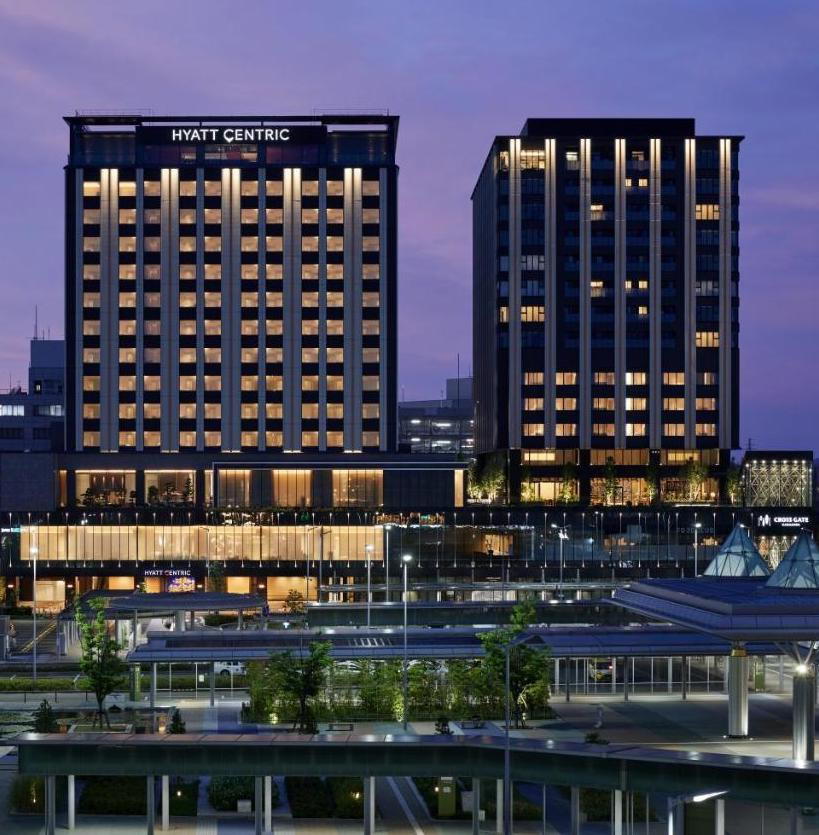
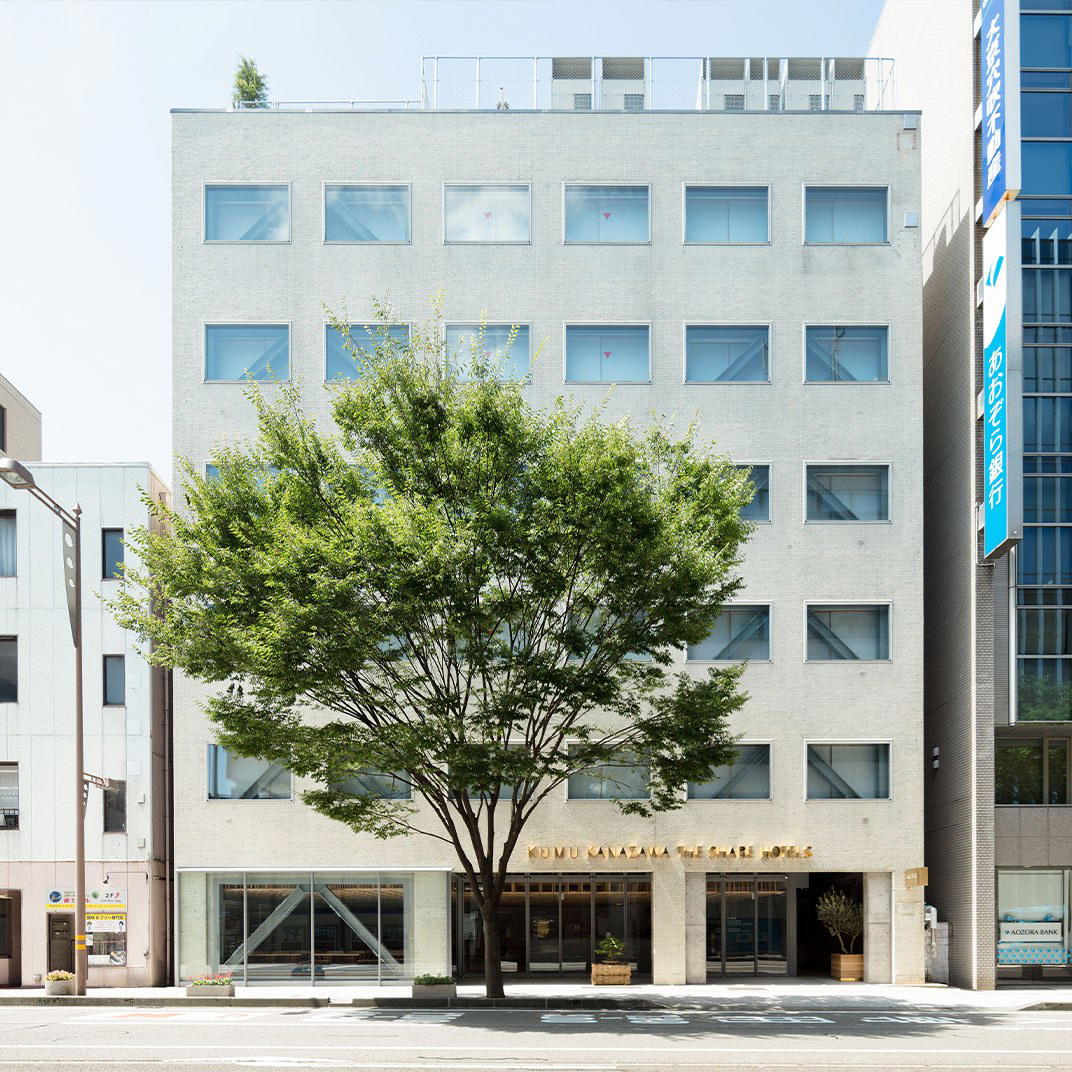
Wineries in Kanazawa
Browse all →
Details
- Elegant
- Relaxed
- Family
- Casual Hangout
- Standalone
- Sake Program
- Craft Cocktails
- A La Carte
- Vegetarian Friendly
- Halal
Stylish and relaxing space with sofa seating.