Positioned inside Les Docks Village at the edge of Marseille's regenerating Joliette waterfront, Place des Canailles occupies a district where industrial heritage and contemporary dining increasingly overlap. The address places it within reach of the city's broader restaurant scene, from neighbourhood bistros to Michelin-decorated tables, making it a reference point for anyone mapping the northern port quarter's evolving character.
Pearl is the En Primeur Club membership app — saves, bookings, and concierge access live there. Same editors, same standards.
- Address
- Les Docks Village 10.4, 10 Pl. de la Joliette, 13002 Marseille, France
- Phone
- +33660476898
- Website
- laplacedescanailles.com
- Directions
- Get directions
 Saves & bookings on Pearl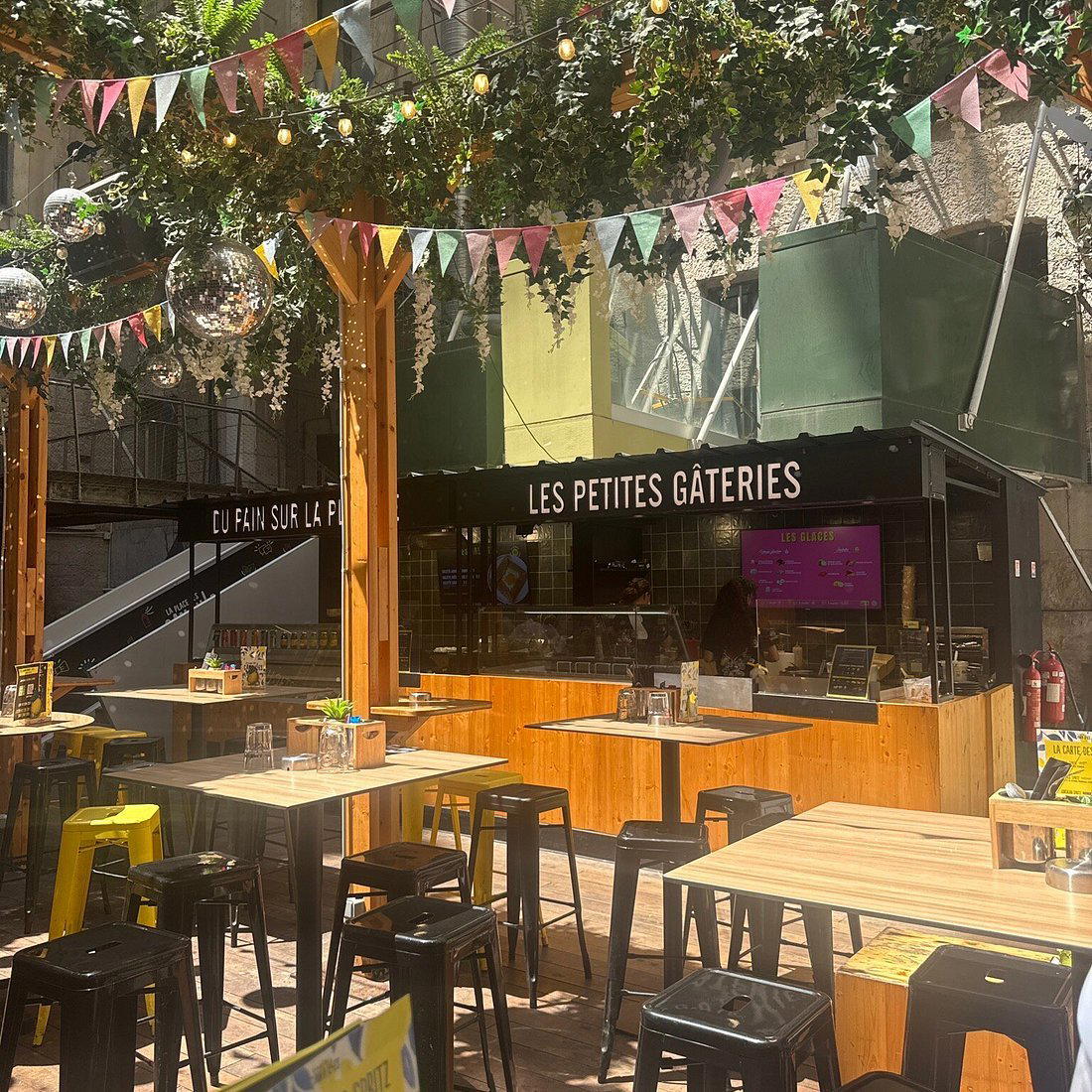
Joliette's Changing Table
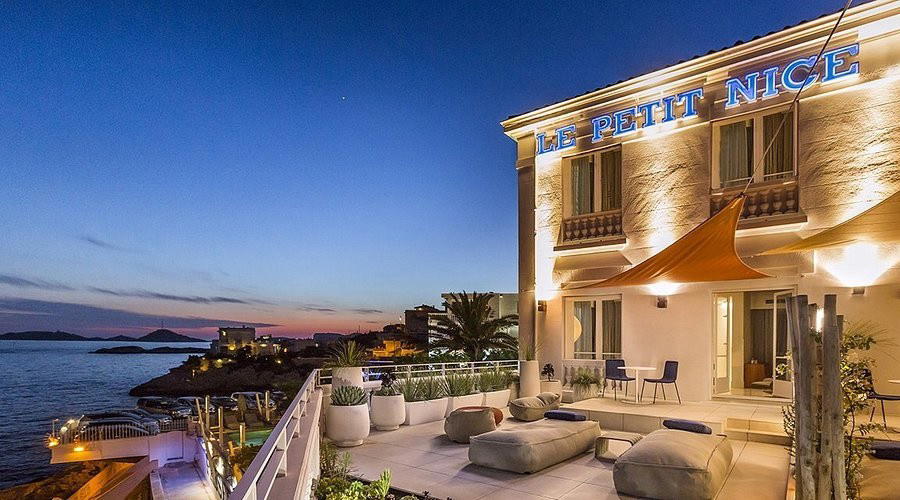
Marseille's restaurant geography has shifted considerably over the past decade. The city's culinary reputation was long anchored to the Vieux-Port and the southern corniche, where addresses like Le Petit Nice built their identity against a Mediterranean backdrop of limestone and open water. But the renovation of the Joliette waterfront — centred on Les Docks Village, the 19th-century warehouse complex repurposed into retail and dining — has drawn a different kind of operator to the northern port, one less focused on heritage tablecloths and more interested in the possibilities of a neighbourhood in transition.
Place des Canailles sits inside that complex, at address 10.4 of Les Docks Village on Place de la Joliette. The physical context matters: Les Docks is a long, arcaded building that was once the commercial engine of a colonial port. The stone facades, the vaulted interiors, the sense of scale that no new-build can replicate, these are the ambient conditions against which any occupying restaurant operates. Restaurants that work well in this setting tend to read the architecture rather than fight it, letting the bones of the space do a portion of the atmospheric work.
Where the Wine List Speaks First
Across France's more serious restaurant tiers, the wine list has increasingly become the primary editorial statement a room makes before a dish arrives. This is particularly evident in the south, where proximity to the Rhône Valley, Provence, and Languedoc means a thoughtful cellar can tell a story about geography that the food alone cannot carry. The strongest lists at this level, whether at destination addresses like Mirazur in Menton or more regionally anchored tables like Auberge du Vieux Puits in Fontjoncouse, tend to treat southern French appellations not as an afterthought but as the spine of the selection.
For a venue at the Joliette address, the wine argument is a natural one to make. Marseille sits at the convergence of Bandol to the west, Cassis to the east, and the broader Côtes de Provence stretching inland. A cellar built around these appellations, their Mourvèdre-heavy reds, their mineral whites from Clairette and Bourboulenc, their increasingly credible rosés, can anchor a meal in place in a way that a generic French list cannot. The curation philosophy at addresses in this price bracket typically reflects a choice: go broad across the national appellation map, or go deep on the south. The latter produces more coherent pairings and more legible restaurant identity.
This regional approach to wine mirrors the broader pattern visible at Marseille's more prominent tables. AM par Alexandre Mazzia, the city's most decorated kitchen, has long drawn its identity from specificity rather than comprehensiveness. Une Table, au Sud maps a similar commitment to southern produce and southern bottles. The market expectation, at least among Marseille's more attentive diners, is that the south will be taken seriously on the list.
The Joliette Dining Pattern
Les Docks Village operates on a schedule that reflects its dual identity as both a commercial district and a leisure destination. Weekday lunch traffic skews toward the professional class working in the surrounding offices and port authority buildings; weekend service draws a broader audience, including visitors who arrive by TGV at Saint-Charles and work their way down toward the water. The Joliette quarter, unlike the Vieux-Port, has not yet reached full tourist saturation, which gives its restaurants a different rhythm, less reactive to the summer season spike, more dependent on building a local repeat clientele.
That dynamic shapes what works here. Addresses that succeed in Les Docks tend to be those that appeal to regulars rather than one-time visitors, which places a premium on consistency, on a wine list that rewards return visits with discovery, and on service that reads the room rather than defaults to formal protocol. The comparison set for a Joliette address is not the starred rooms on the corniche but the better mid-tier and upper-mid-tier tables that have established genuine neighbourhood loyalty, places like Alivetu and 1860 Le Palais, which have each built a specific constituency in a city where diners are not easily impressed by credentials alone.
Marseille in the French Dining Conversation
Marseille has spent years arguing for its place in a national dining conversation dominated by Paris and, to a lesser extent, Lyon. The argument has grown more persuasive. The city now has multiple Michelin-recognised addresses, a wine culture that draws on some of France's most interesting regional appellations, and a food market tradition, the Noailles district, the daily fishmongers near the Vieux-Port, that gives its kitchens access to produce that northern restaurants can only approximate. The seasonal calendar matters here in ways it does not in Paris: spring aioli, summer bouillabaisse at its finest, autumn's return of the truffle from nearby Var.
That context places any serious Marseille restaurant in an interesting position relative to the broader French scene. The Michelin constellation in France runs from institutions like Paul Bocuse's Auberge du Pont de Collonges and Auberge de l'Ill in Illhaeusern to newer-generation tables like Flocons de Sel in Megève and Assiette Champenoise in Reims. Marseille's own decorated tables, AM par Alexandre Mazzia at the leading, Une Table, au Sud in the tier below, demonstrate that the city can compete on that level. The restaurants that sit outside that starred bracket but above the casual tier occupy a space where the wine list and the kitchen's sourcing instincts do the most visible work.
For visitors building an itinerary around the Joliette district, the practical entry point is Les Docks itself. The complex is a 15-minute walk from the Vieux-Port or a direct tram ride from Saint-Charles station. The surrounding neighbourhood rewards afternoon exploration before an evening meal: the MUCEM is within walking distance to the southwest, and the waterfront promenade along the Joliette basin gives a sense of the port's scale that no interior view replicates. Booking ahead is advisable for dinner service, particularly on weekends when the Docks draws visitors alongside its weekday professional crowd.
For a wider orientation to what Marseille's restaurant scene currently offers across formats and price points, the EP Club Marseille guide maps the full picture. Those extending the trip north or east might also consider the southern European coastal circuit that includes Mirazur in Menton or, for high-end French technique in a very different register, Alléno Paris au Pavillon Ledoyen.
How Place des Canailles Marseille compares with similar nearby venues.
| Venue | Cuisine | Price |
|---|---|---|
| Un Petit Cabanon Bouillon | Modern Cuisine | €€ |
| Chez Etienne | Provencal | Not listed |
Continue exploring
More in Marseille
Restaurants in Marseille
Browse all →
Bars in Marseille
Browse all →
Hotels in Marseille
Browse all →
At a Glance
- Lively
- Trendy
- Energetic
- Group Dining
- Casual Hangout
- After Work
- Terrace
- Open Kitchen
- Craft Cocktails
- Local Sourcing
Current opening hours
- Monday
- 10:30 AM–11 PM
- Tuesday
- 10:30 AM–1 AM
- Wednesday
- 10:30 AM–12 AM
- Thursday
- 10:30 AM–2 AM
- Friday
- 10:30 AM–2 AM
- Saturday
- 10:30 AM–5 PM, 7 PM–2 AM
- Sunday
- 10:30 AM–6 PM
Hours can change for holidays and private events. Last verified .
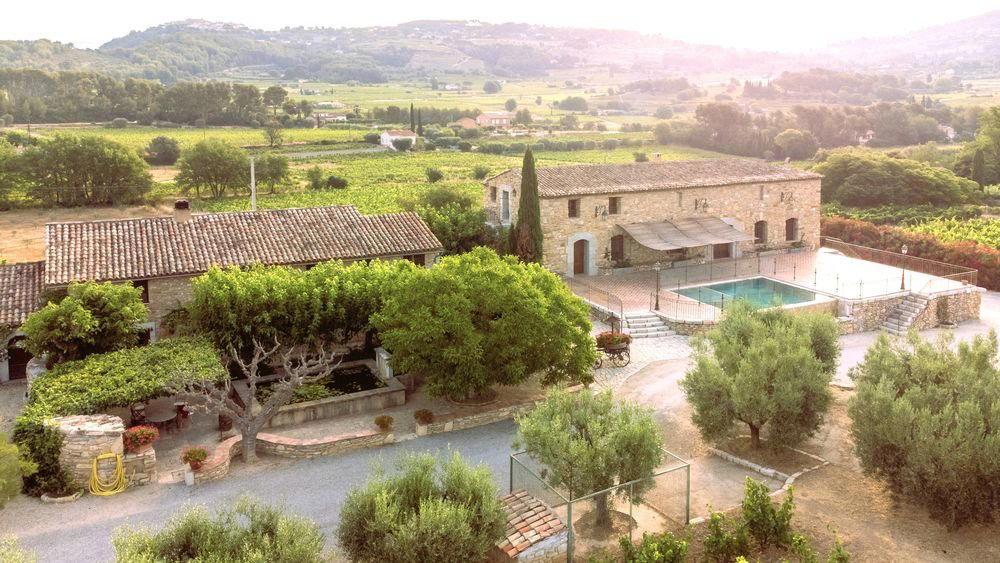
Lively and convivial atmosphere under a vegetated pergola with energetic evenings, dynamic young team, and spaces blending industrial charm with festive decor.
Know Before You Go
- Getting there
- Les Docks Village 10.4, 10 Pl. de la Joliette, 13002 Marseille, France