On the Rue Montgrand in Marseille's 6th arrondissement, Le Jardin Montgrand occupies a stretch of the city where Provençal instinct and European technique have long traded influence. The address puts it within the constellation of serious south-of-France dining, where Mediterranean ingredients meet considered preparation. A reservation here belongs in the context of Marseille's growing reputation as a city worth eating in seriously.
Pearl is the En Primeur Club membership app — saves, bookings, and concierge access live there. Same editors, same standards.
- Address
- 35 Rue Montgrand, 13006 Marseille, France
- Phone
- +33491003521
- Directions
- Get directions
 Saves & bookings on Pearl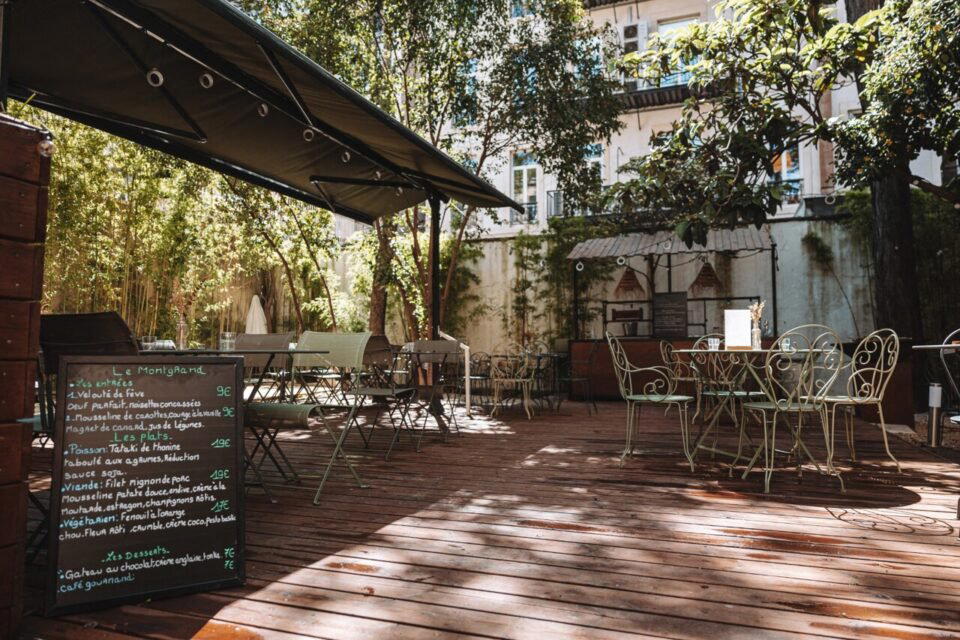
Where the Sixth Arrondissement Sets the Tone
Rue Montgrand runs through the 6th arrondissement, the part of Marseille where the city's more composed, residential character gradually asserts itself over the noise of the port. This is not the Vieux-Port's tourist axis, nor the edgier northern quarters, it is the Marseille of long lunches, stone facades, and cooking that takes its cues from local markets without ignoring what the rest of France and the broader Mediterranean has refined over generations. Le Jardin Montgrand is a restaurant at 35 Rue Montgrand in Marseille, serving modern French bistro cooking with Mediterranean influences at a price of about $37 per person.
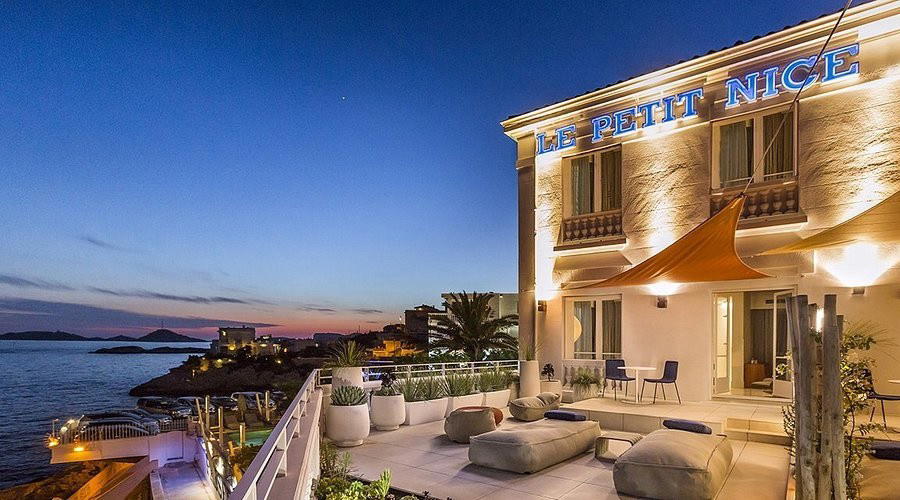
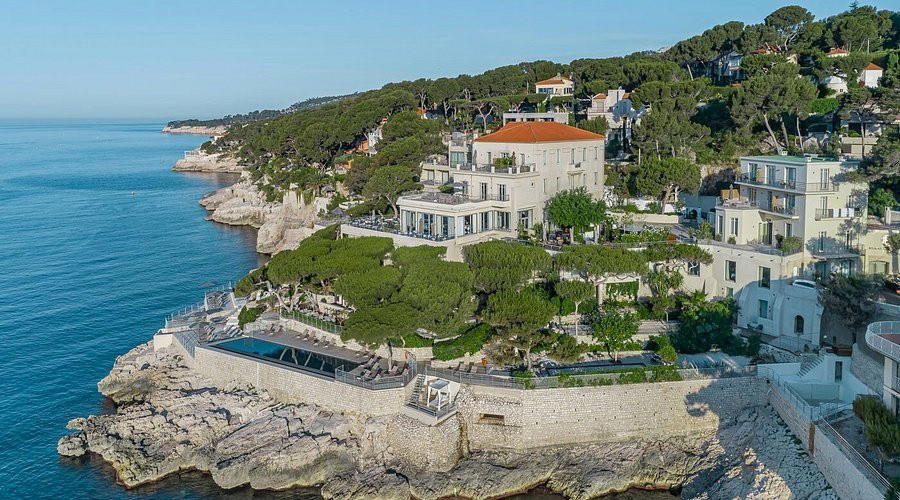
AM par Alexandre Mazzia carries three Michelin stars and operates at the creative edge of what southern French cooking can mean. Le Petit Nice holds its own at the summit of the seafood-focused register, anchored to the calanques and the Roucas-Blanc coast. Une Table, au Sud works the modern cuisine tier with similar seriousness. Within this company, the Rue Montgrand address positions Le Jardin Montgrand in a dining neighbourhood where the bar is set by working professionals and local regulars who eat well as a matter of course, not occasion.
Local Ingredients, Shaped by Wider Technique
The culinary logic that defines this part of France's south is among the more debated in European cooking: how far can Provençal tradition bend toward contemporary method before it loses its identity? Marseille's better kitchens have generally resolved this by treating local produce as non-negotiable and technique as a tool rather than an identity. The Bouches-du-Rhône supplies particularly ingredient-forward raw material on the continent, small-boat fish from the Gulf of Lion, wild herbs from the garrigue, Camargue rice, spring vegetables from the Crau plain, and olive oils with a character distinct from anything produced further east along the coast toward Liguria.
The intersection of those ingredients with European culinary method is the defining editorial of modern southern French cooking. At the reference level nationally, kitchens like Mirazur in Menton and Bras in Laguiole have demonstrated how deeply rooted local sourcing can coexist with international recognition and technical precision. Further north, Flocons de Sel in Megève and Troisgros in Ouches each operate from a similar premise, that terroir is a starting point for technique rather than a constraint on it. The tradition runs older still through institutions like Auberge de l'Ill in Illhaeusern, Paul Bocuse in Collonges-au-Mont-d'Or, and Auberge du Vieux Puits in Fontjoncouse, all of which have long demonstrated that French regional identity and precise execution are not opposing forces.
In Marseille specifically, that conversation plays out against the backdrop of bouillabaisse's contested legacy. The city's most loaded dish has been both fiercely protected and cautiously reimagined, and the way any serious kitchen here chooses to reference or depart from it says something about where it positions itself on the local-versus-international axis. The broader Mediterranean competition is equally instructive: kitchens in Barcelona, Athens, and coastal Italy are working with comparable produce and reaching different conclusions, which gives the Marseille dining scene a comparative edge it lacked when evaluating itself only against Paris and Lyon.
The 6th Arrondissement in the Broader Marseille Context
For visitors constructing a serious eating itinerary in the city, the geography of the 6th rewards attention. The neighbourhood's concentration of independent restaurants, wine bars, and mid-tier bistros means that a single reservation rarely stands alone, meals here tend to anchor a broader evening rather than conclude one. Addresses like Alivetu and 1860 Le Palais extend the neighbourhood's dining range across formats and price points. The result is a district where eating well is structural rather than notable, which is the condition under which serious restaurants tend to perform at their highest level.
Internationally, the template for what technically accomplished cooking in port cities can look like is well established. Le Bernardin in New York City built a four-decade argument for fish as the demanding medium in a fine dining kitchen. Atomix in New York City shows how imported technique applied to a specific culinary tradition can generate work that sits outside any existing category. Both examples speak to the ambition available to kitchens that take geography as a discipline rather than a decoration. Marseille's port-city logic is its own version of that premise, with the Gulf of Lion rather than the Atlantic or the Korean coastline providing the raw argument.
The French comparison set extends to Alléno Paris au Pavillon Ledoyen, Assiette Champenoise in Reims, and Au Crocodile in Strasbourg for readers mapping this address against the national register.
Planning a Visit
Le Jardin Montgrand is at 35 Rue Montgrand in the 13006 postal district, a walkable stretch of the 6th arrondissement accessible by foot from the Préfecture area and well-served by the city's metro network. Reservations are recommended. Hours: Mon 12-2 PM; Tue-Thu 12-2 PM and 7-10 PM; Fri 12-2 PM and 7-10 PM; Sat 7-10 PM; Sun closed. Marseille's restaurant season runs at its most active from April through October, with spring specifically offering the leading alignment between mild weather and the early-season produce that Provençal cooking builds around.
Peers You’d Cross-Shop
Comparable venues nearby, for context on price, style, and recognition.
| Venue | Cuisine | Price | Notes |
|---|---|---|---|
| Le Jardin MontgrandThis venue — the venue you are viewing | Modern French Bistro with Mediterranean Influences | $$$ | Not listed |
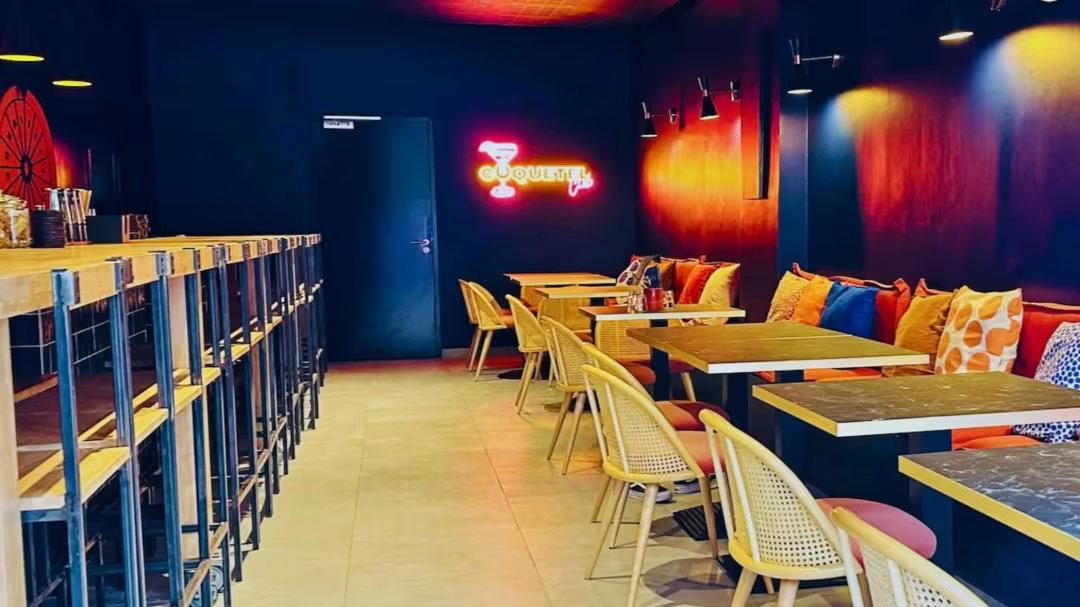
| Coquetel Club | French Cocktail Bar with Boards | $$ | Castellane |
| Les Arcenaulx | Traditional French Mediterranean with Bouillabaisse | $$$ | Opera |
| La Piscine | Modern French Mediterranean Bistro | $$ | Hotel De Ville |
| La Poule Noire | Contemporary French Bistro | $$$ | Opera |
| 1860 Le Palais | French Brasserie with Mediterranean Influences | $$$ | Belsunce |
Continue exploring
More in Marseille
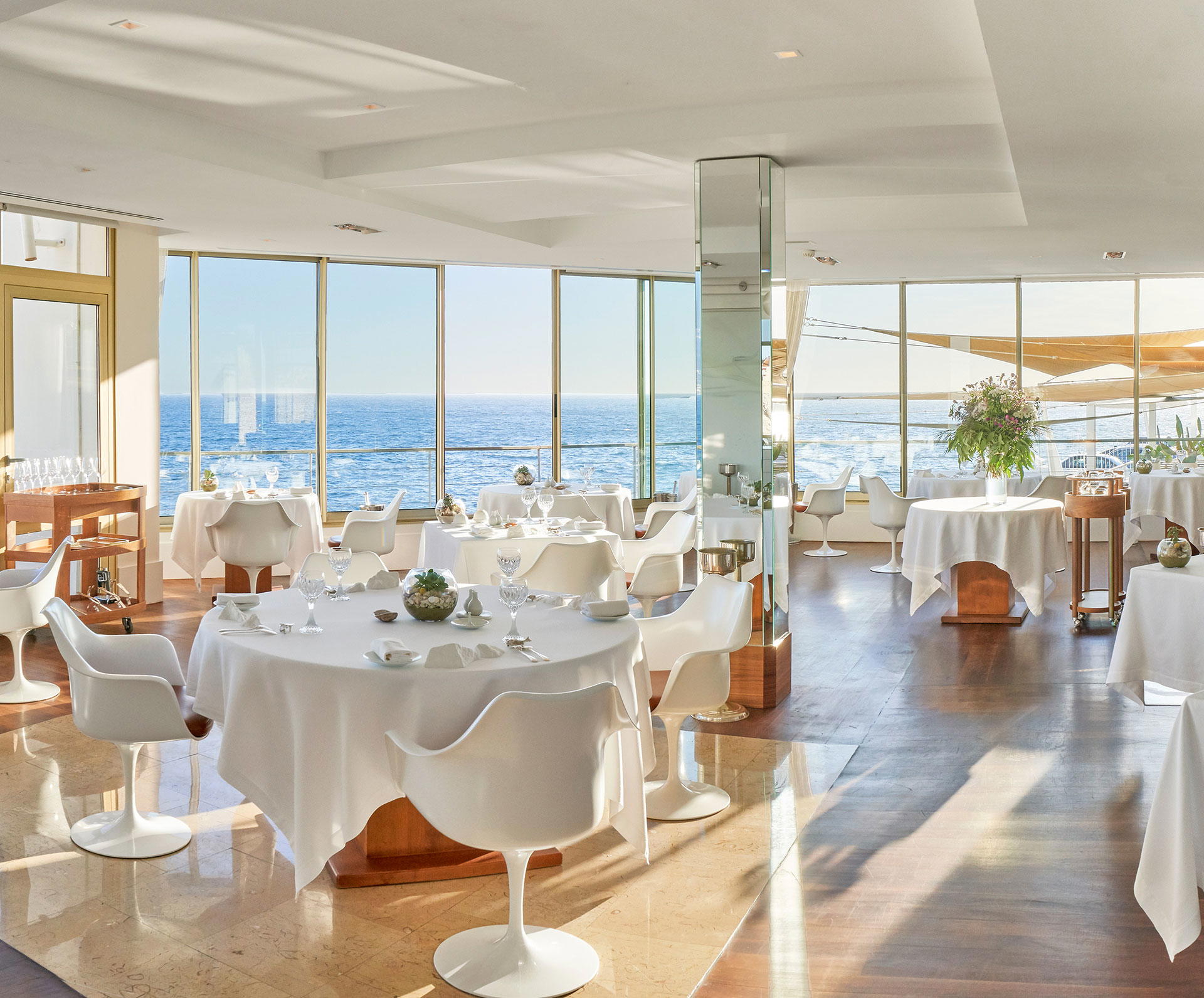
Restaurants in Marseille
Browse all →
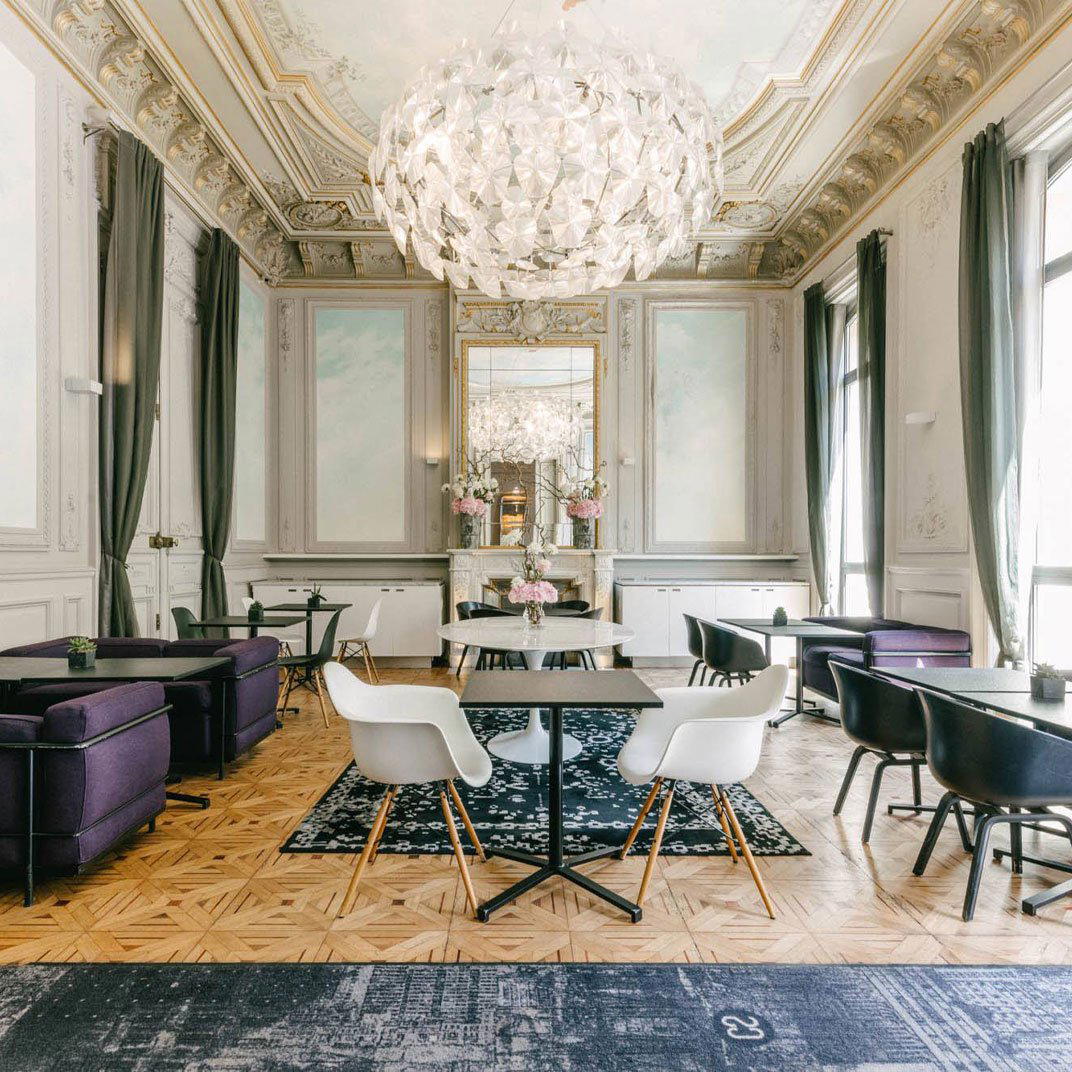
Bars in Marseille
Browse all →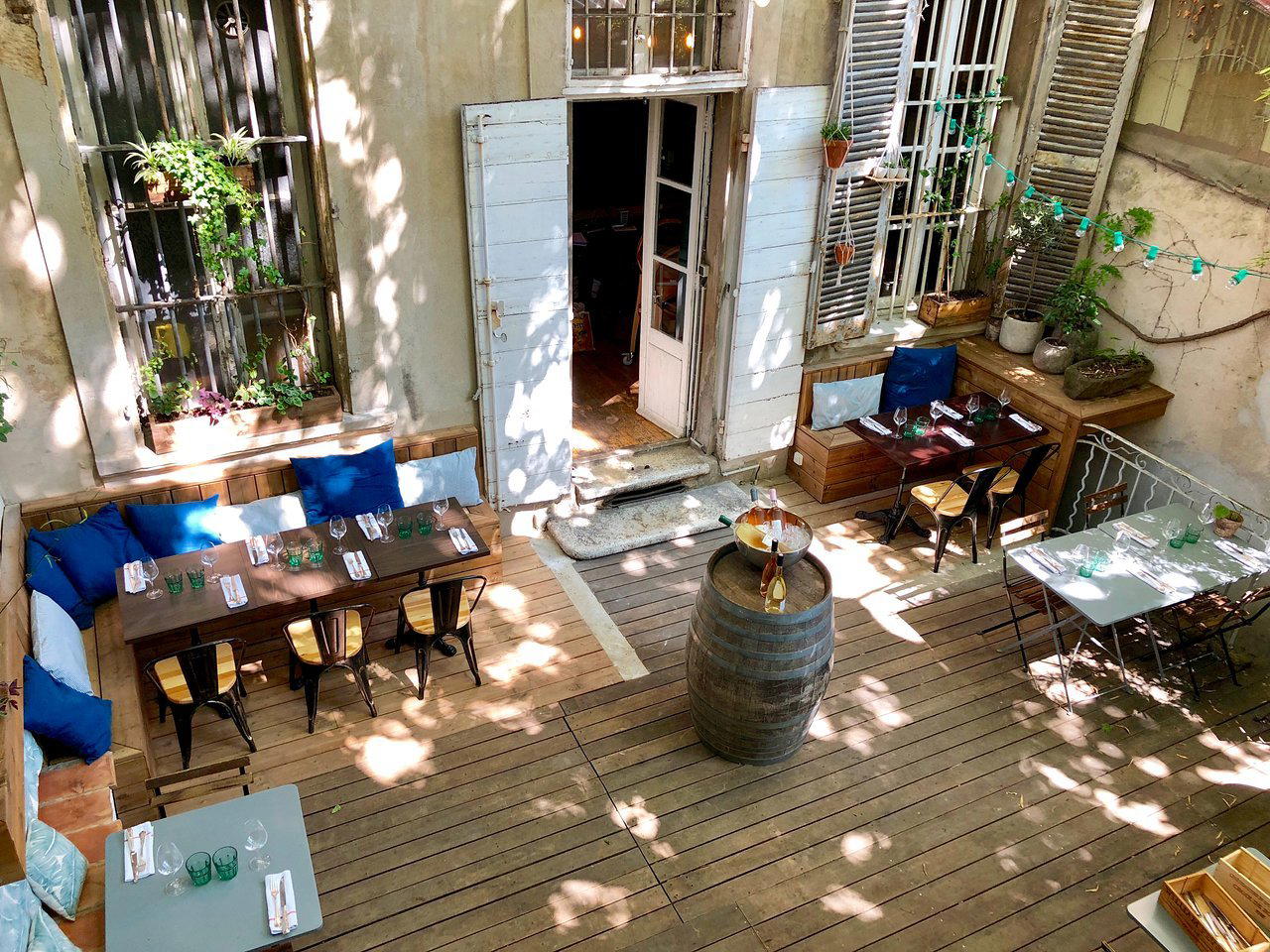
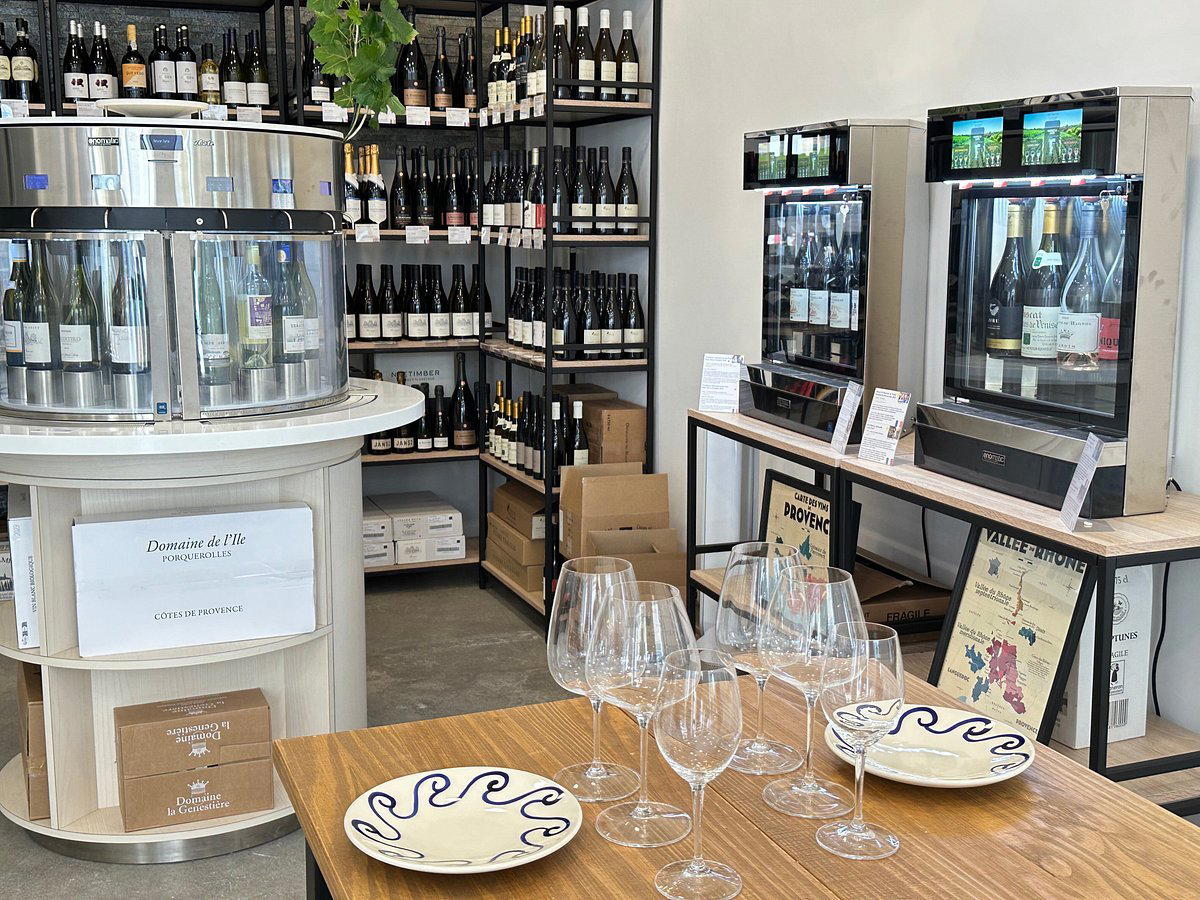
Hotels in Marseille
Browse all →
At a Glance
- Romantic
- Intimate
- Elegant
- Scenic
- Date Night
- Special Occasion
- Garden
- Terrace
- Historic Building
- Hotel Restaurant
- Extensive Wine List
- Local Sourcing
- Garden
Current opening hours
- Monday
- 12–2 PM
- Tuesday
- 12–2 PM, 7–10 PM
- Wednesday
- 12–2 PM, 7–10 PM
- Thursday
- 12–2 PM, 7–10 PM
- Friday
- 12–2 PM, 7–10 PM
- Saturday
- 7–10 PM
- Sunday
- Closed
Hours can change for holidays and private events. Last verified .
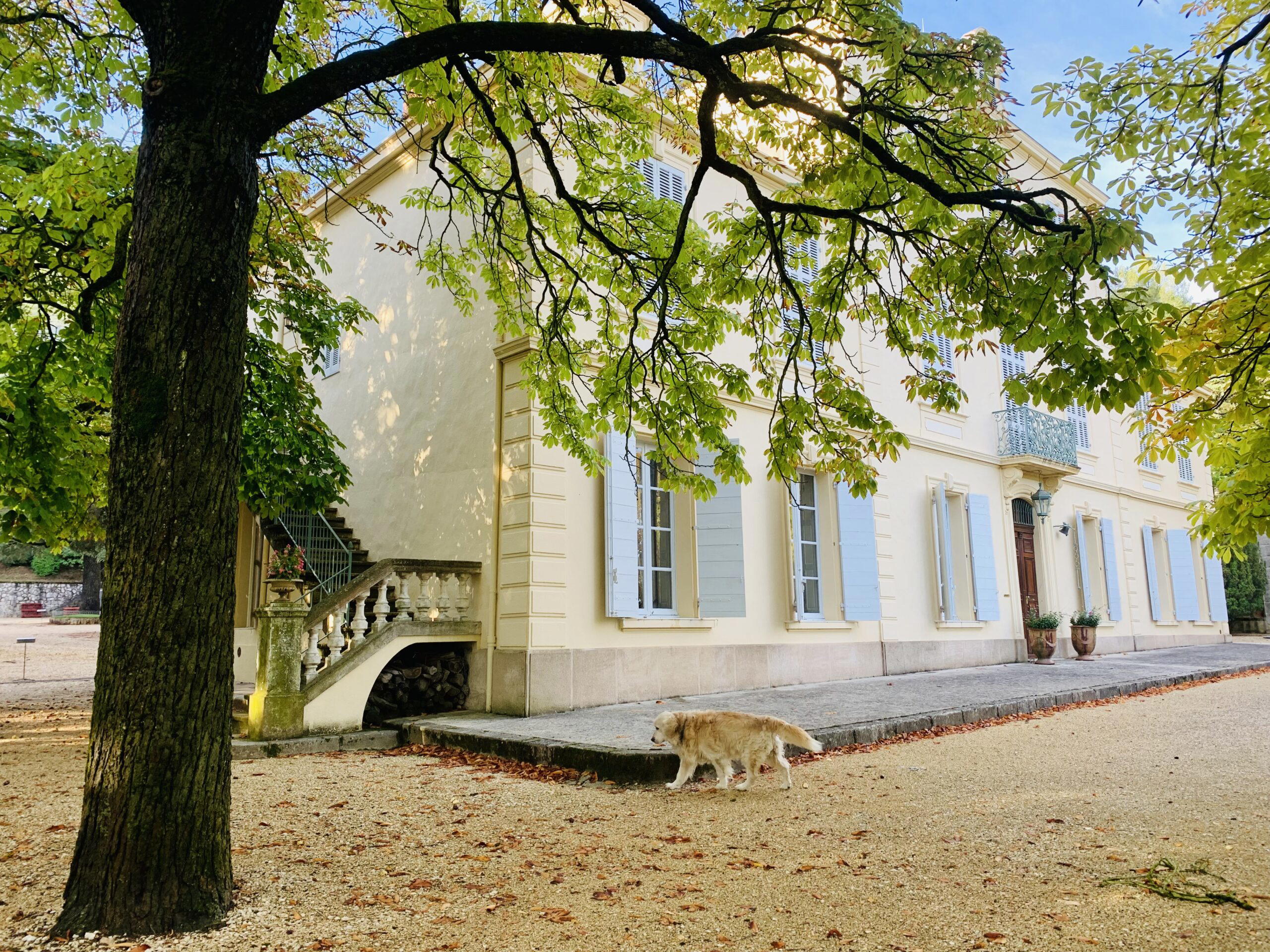
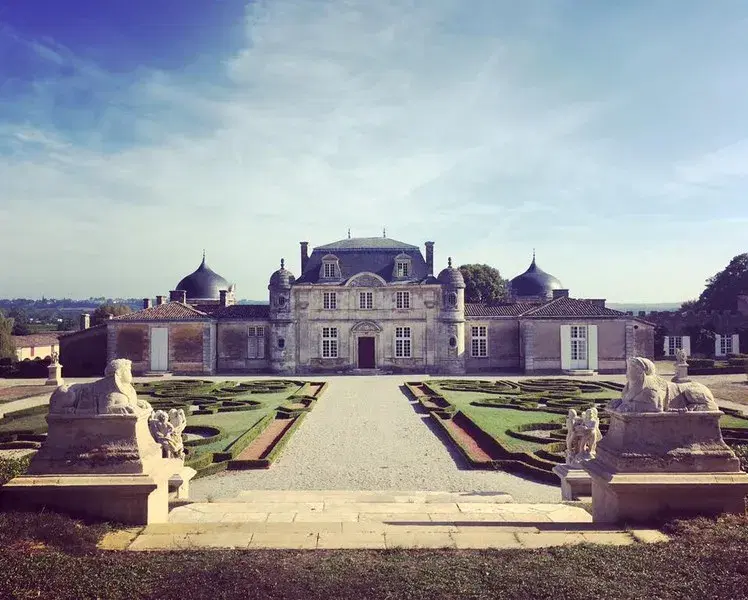
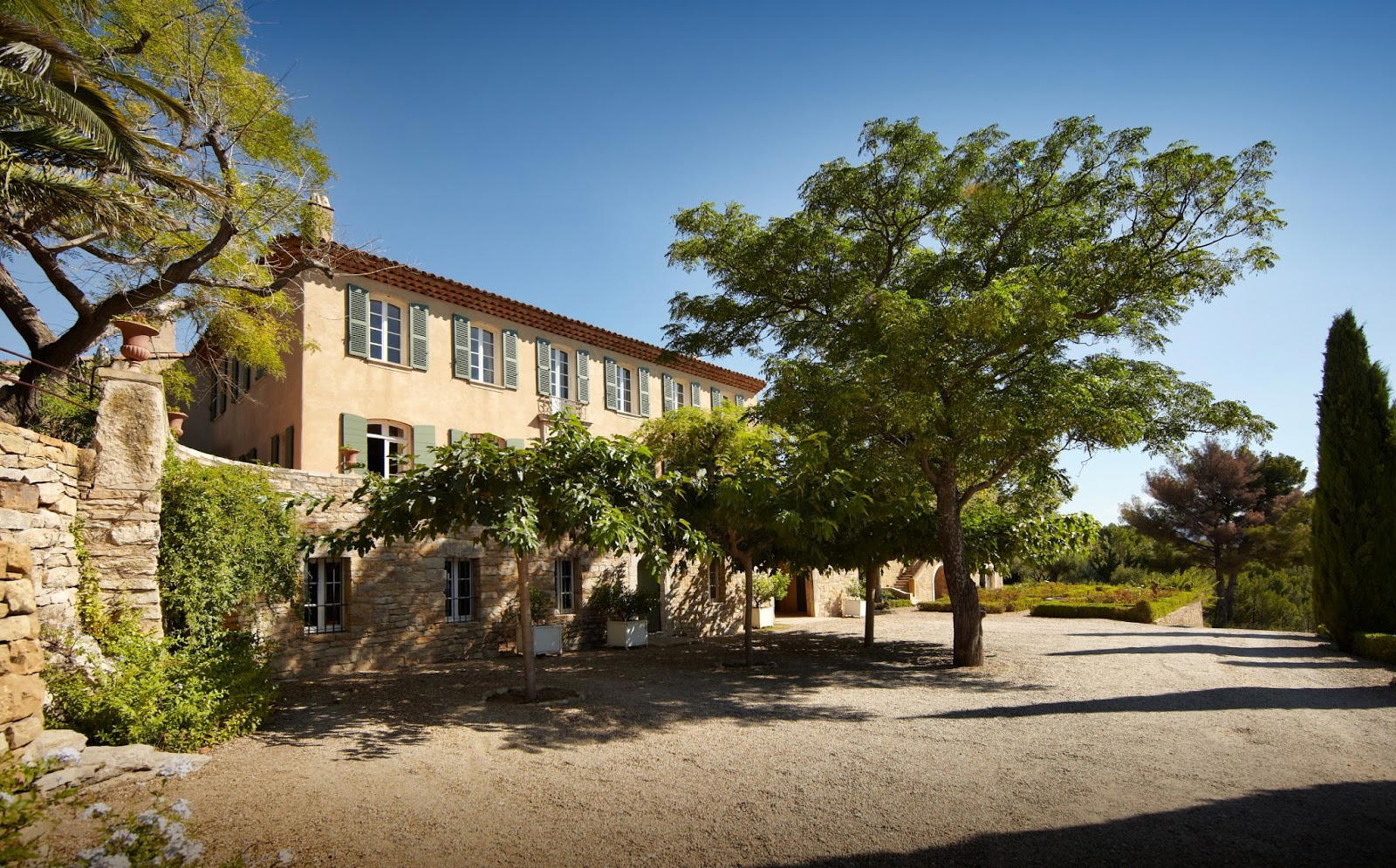
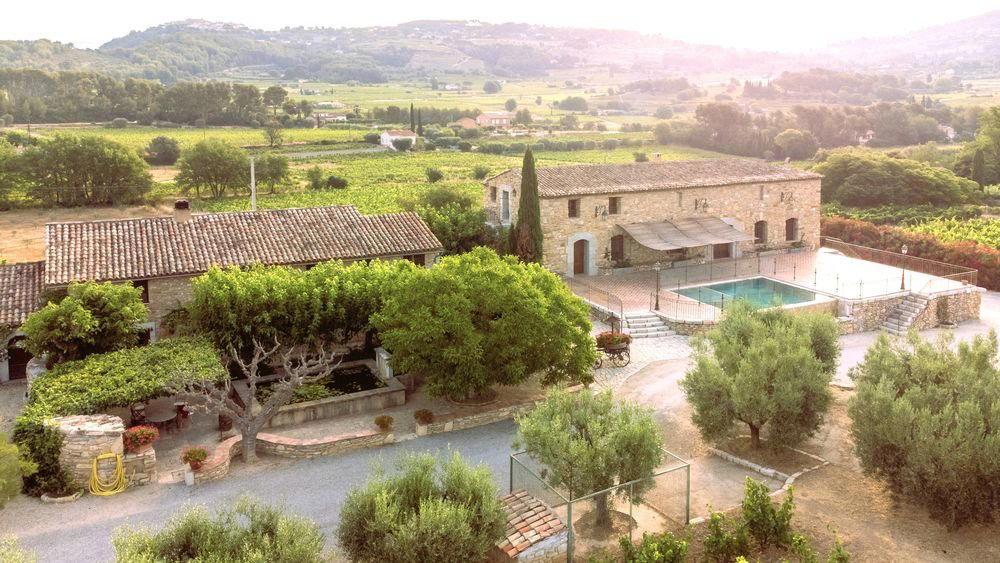
Peaceful and intimate with shaded garden seating and refined indoor atmosphere in a historic setting.