




Michelin Selected · La Liste Top Hotels · Virtuoso Luxury Hotel Partner
Housed in a listed 18th-century monument overlooking Marseille's Vieux Port, the InterContinental Hôtel Dieu earned 92 points on La Liste's 2026 Top Hotels ranking and a 2025 Gault & Millau Exceptional Hotel designation. With 194 rooms and suites, a brasserie focused on Provençal ingredients, and terrace views across the old harbour, it anchors the heritage end of Marseille's premium accommodation market.

Pearl is the En Primeur Club membership app, where members save venues, book tables and use the concierge.
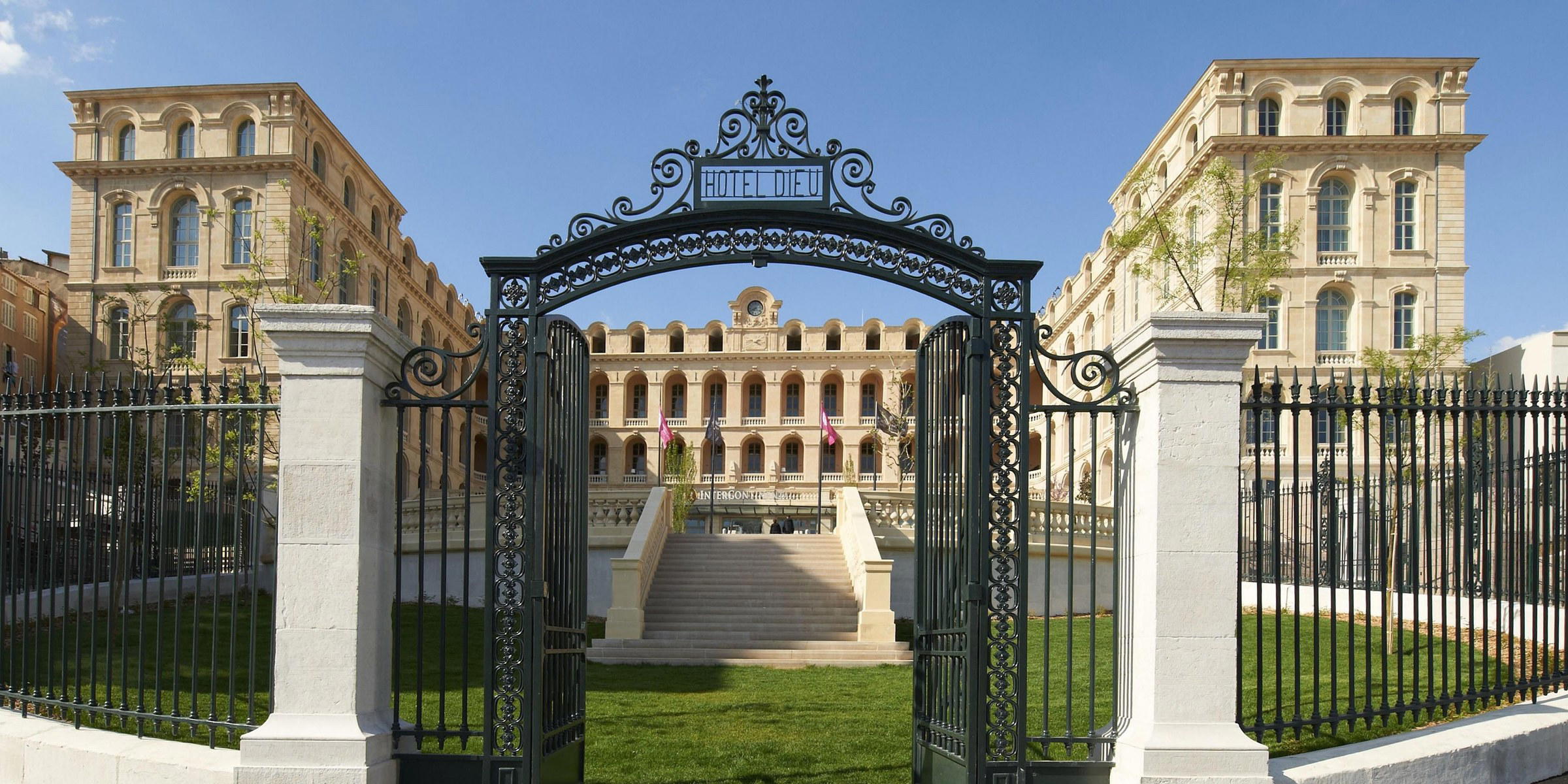
Where the Old Hospital Meets the Harbour
Approaching from the Vieux Port, the Hôtel Dieu's limestone facade reads less like a hotel and more like an institution, which, for three centuries, it was. The building dates to the 18th century and served as Marseille's main hospital before its conversion into a luxury property. That history is written into the architecture: the long colonnaded wings, the proportions of the grand central courtyard, the way the structure sits above the harbour with the authority of civic purpose rather than hospitality design. This is not a boutique property that has converted a handsome old building; it is a monument that has been carefully transformed, and the distinction shapes everything about the guest experience.
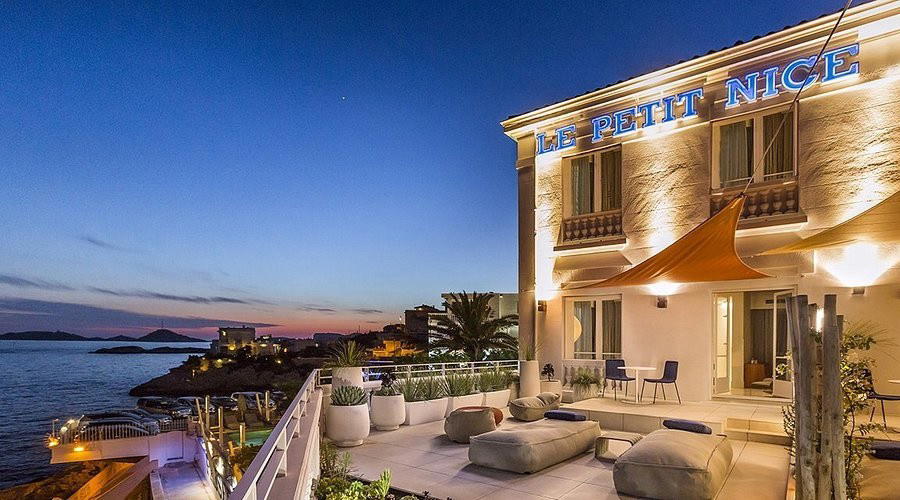
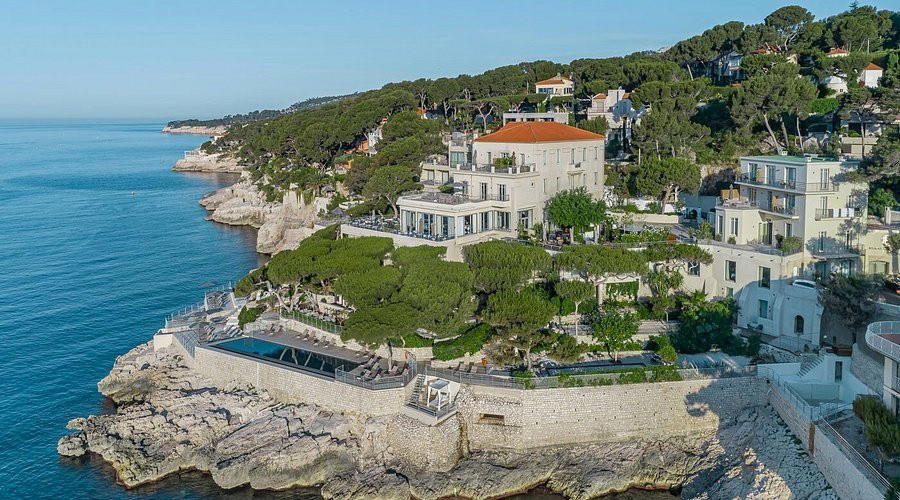
In a city where premium accommodation splits between coastal design properties like Le Petit Nice, industrial-conversion hotels like Hôtel C2, and heritage landmark conversions, the Hôtel Dieu sits firmly in the last category. What separates the Hôtel Dieu is its urban position: unlike estate or clifftop properties, it is planted directly in Marseille's oldest district, adjacent to Le Panier, with the full texture of the city immediately accessible on foot.
The Service Register of a Heritage Monument
Luxury hotel service in France has long operated along a spectrum between formal distance and curated familiarity. At the Hôtel Dieu, the inherited gravity of the building sets the register. A property that has been awarded Continental Winner in the Luxury Heritage Hotel category, a distinction from the World Luxury Hotel Awards, and scored 92 points on La Liste's 2026 Leading Hotels ranking is not operating at the level of aspirational comfort; it is positioned at the level of institutional confidence. That confidence tends to produce a particular kind of service culture: one where anticipatory attention is built into the structure of the stay rather than performed as an add-on.
The IHG Group infrastructure behind the property gives it global booking depth and loyalty programme integration, which matters for the substantial business travel and conference market that Marseille attracts. But within the building, the editorial instinct of interior designer Jean-Philippe Nuel's work frames the guest experience in terms of history rather than brand identity. The rooms and suites are decorated to acknowledge the building's origins, and that narrative coherence, knowing where you are and why the space looks the way it does, is itself a form of hospitality that more generic luxury hotels cannot replicate.
Guests with a confirmed interest in Provence's broader accommodation range will find useful points of comparison further afield: La Bastide de Gordes, Villa La Coste, and Hôtel & Spa du Castellet each occupy different corners of the regional luxury market. The Hôtel Dieu is the only option among them that places you inside Marseille itself, directly above the water, within a classified historical monument.
Rooms, Views, and the Logic of the Terrace
The property holds 172 rooms and 22 suites, totalling 194 keys. Of these, 72 face the Vieux Port, a meaningful proportion, though not a majority, and 33 come with private terraces. The view category earns a separate premium that is direct to justify: Marseille's old harbour, framed between Basilique Notre-Dame de la Garde on the hill and the Fort Saint-Jean at the waterfront, is one of the defining urban panoramas of the French Mediterranean. Comparable harbour-view premiums apply at Le Petit Nice, though that property looks out to open sea rather than the working port activity below.
The building's communal terrace functions as a social anchor, particularly through summer when Marseille's long evenings lend themselves to extended outdoor time. This is a city where al fresco life is not a seasonal concession but a year-round cultural default, and the terrace operates accordingly. For travellers planning visits, the summer terrace season broadly aligns with the period when the nearby Calanques, Marseille's limestone fjord coastline, a protected national park, are most accessible by boat from the Vieux Port.
Brasserie Les Fenêtres and the Provençal Dining Context
In-house restaurant, Brasserie Les Fenêtres, works within the audacious contemporary-Provençal register that has become the default language for serious French Mediterranean dining over the past decade. Ingredients from the region's producers, the same supply networks that inform Marseille's market culture at the Marché de Noailles and the waterfront fish vendors, provide the backbone. The brasserie extends to an outdoor terrace in summer, making it a viable anchor for guests who want to eat well without managing Marseille's broader restaurant geography on every visit. For a deeper view of the city's dining options, our full Marseille restaurants guide maps the range from neighbourhood bistros to destination kitchens.
Marseille's dining scene has shifted considerably in the past decade, and the hotel's restaurant sits in a comfortable position relative to that shift: it is not competing with the city's most ambitious kitchens, but it is not operating as a convenience-only hotel dining room either. The Gault & Millau Exceptional Hotel designation (5 points, 2025) places it in a recognised tier across the French hospitality assessment system, which tends to weigh both accommodation quality and food and beverage together.
Position, Access, and the Marseille Case for This Category
The address at 1 Place Daviel puts the hotel at the edge of Le Panier, Marseille's oldest neighbourhood, and within a short walk of the Vieux Port's ferry connections, the MuCEM museum complex, and the commercial centre. This urban centrality is less common in the Provençal luxury tier: many of the region's most awarded properties, including Baumanière Les Baux-de-Provence and Château de la Gaude in Aix-en-Provence, are designed around retreat and rural setting. The Hôtel Dieu makes a different argument: that Marseille, as a port city with a genuinely complex identity, is itself the experience, and that a classified building at its geographic and historical core is the correct base from which to access it.
For travellers considering the French Riviera more broadly before or after a Marseille stay, the Côte d'Azur end of the market is served by properties including Hotel Du Cap-Eden-Roc in Cap d'Antibes, The Maybourne Riviera, and La Réserve Ramatuelle. Further afield, the IHG group's positioning at the Hôtel Dieu finds parallels in how brands like Cheval Blanc operate heritage properties: Cheval Blanc Paris and Cheval Blanc Courchevel each anchor a landmark building with a strong local identity, rather than exporting a generic luxury template. Other internationally framed properties worth considering for comparable context include Aman Venice, Aman New York, and The Fifth Avenue Hotel, all properties where building identity precedes brand identity in the guest's experience.
Practical planning for the Hôtel Dieu works through InterContinental's standard IHG booking infrastructure, with the full range of room categories available online. Given that 72 of the 194 rooms face the Vieux Port and 33 carry private terraces, harbour view and terrace categories will attract a premium and book out ahead of peak summer periods. The hotel's 172-room scale also makes it a functioning conference venue, with meeting space accommodating groups of 10 to 200, which means August and early September, Marseille's peak cultural and festival season, should be considered well in advance. The Calanques, accessible by boat from the Vieux Port directly below, are at their most navigable between April and October, with summer months bringing the highest visitor density to the national park trails. For travellers using the hotel as a base, morning departures on organised boat tours from the Vieux Port give the leading access to the quieter inlets before crowds accumulate.
Where It Fits
Comparable venues nearby, for context on price, style, and recognition.
| Venue | Cuisine | Price | Awards | Notes |
|---|---|---|---|---|
| Hôtel Dieu Intercontinental MarseilleThis venue (the venue you are viewing) | Historic luxury hotel in restored 800-year-old building | $200–300 | Michelin Selected · La Liste Top Hotels | Not listed |
| Sofitel Marseille Vieux Port | Nautical luxury inspired by a lavish yacht with marine-themed decor. | $200–300 | Michelin Selected | Vieux Port |
| Hôtel C2 | Renovated historic mansion with modern twists | $100–200 | Michelin Selected · Gault & Millau Exceptional Hotel | Palais De Justice |
| Le Petit Nice-Passedat | Intimate seaside Relais & Châteaux villa combining luxury hospitality with a flagship gastronomic restaurant. | $300–500 | Relais Chateaux Award | 7th arrondissement |
| Villa M Marseille | Mediterranean lifestyle hotel blending elegance, comfort, and wellness | $300–500 | Michelin Selected | Bonneveine |
| nhow Marseille | Contemporary design hotel blending international architecture with Provençal coastal vibes. | $100–200 | Michelin Selected | La Corniche |
Recognition history
Dated appearances from independent guides and award organizations, with the underlying list record or original source where available.
Michelin Selected
Michelin
La Liste Top Hotels
La Liste
Virtuoso Luxury Hotel Partner
Virtuoso
Gault & Millau Exceptional Hotel
Gault & Millau
World Luxury Hotel Awards WLHA Continent Winner
World Luxury Hotel Awards
Full recognition history (6 entries)
World Luxury Hotel Awards WLHA Regional Winner
World Luxury Hotel Awards
Continue exploring
More in Marseille
Hotels in Marseille
All hotels in Marseille →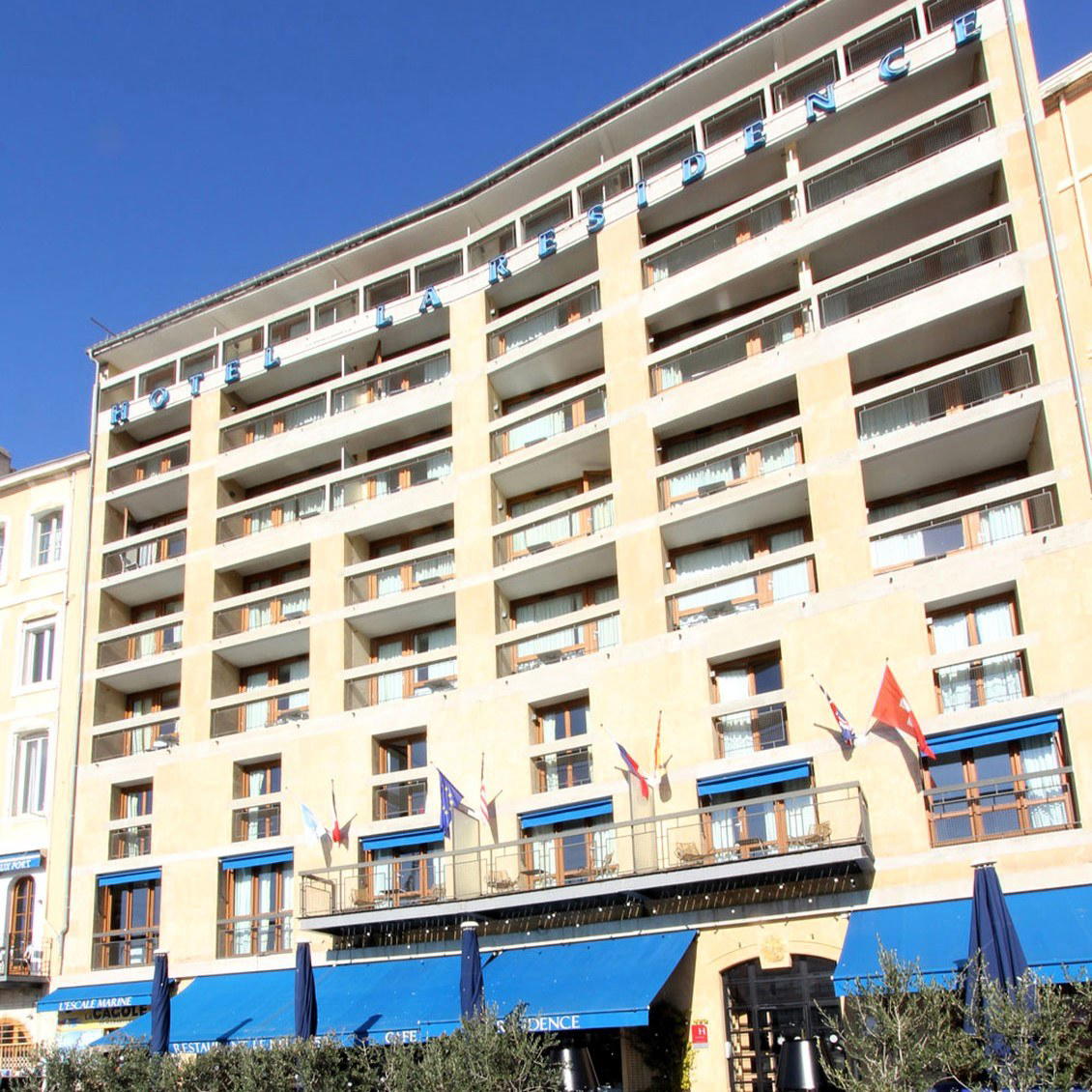
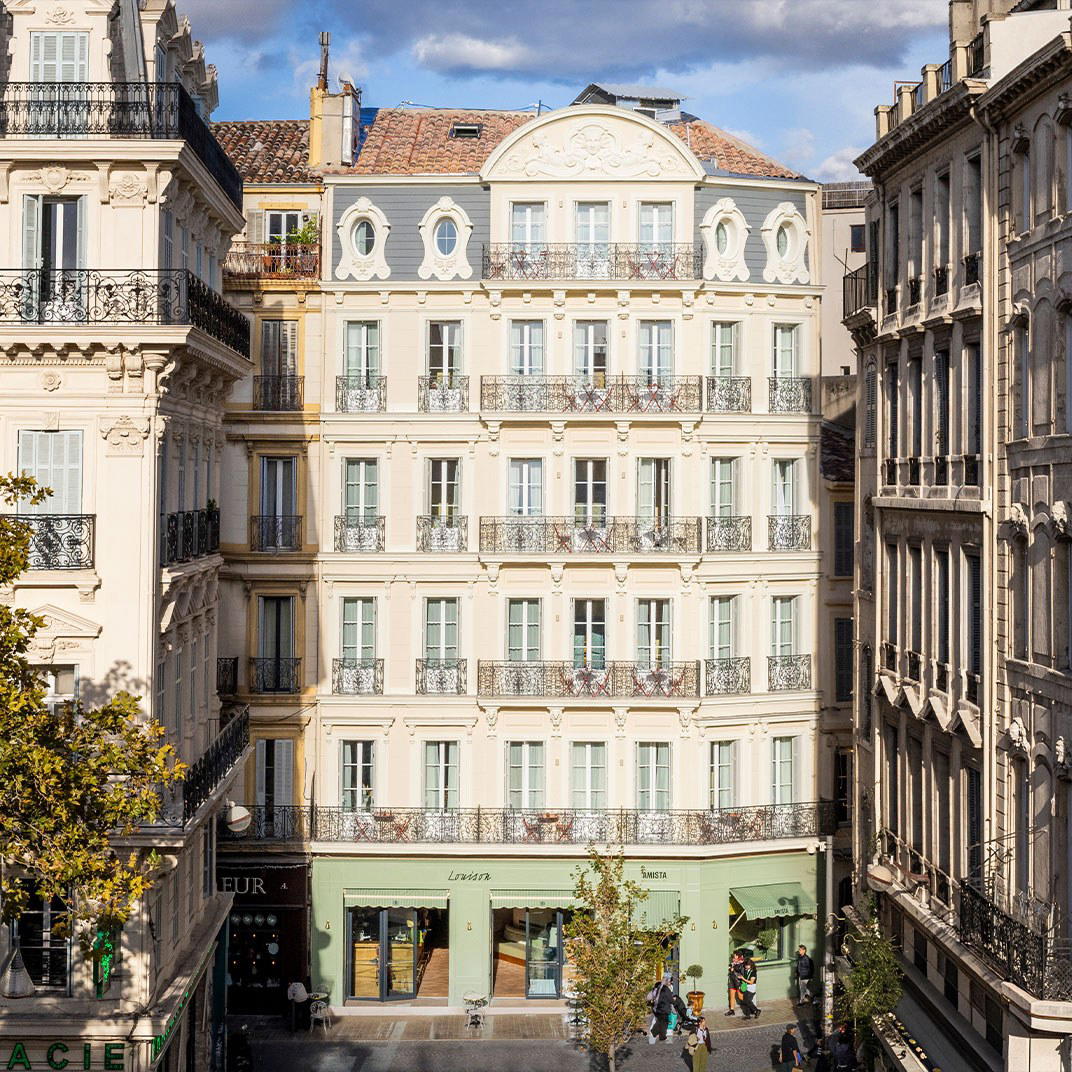
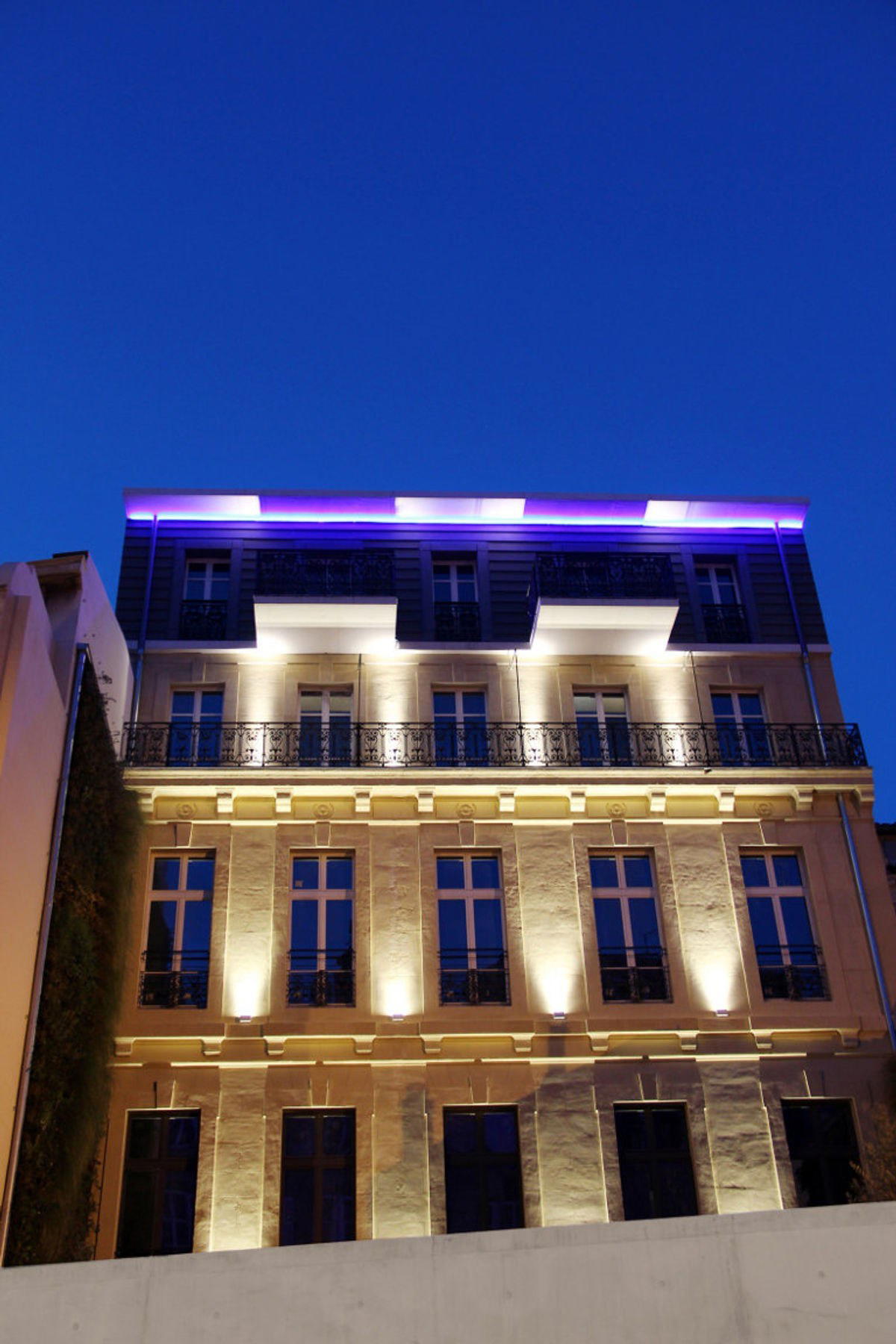
Bars in Marseille
All bars in Marseille →
Details
- Elegant
- Sophisticated
- Historic
- Well Known
- Ornate
- Romantic Getaway
- Business Trip
- Anniversary
- Weekend Escape
- Historic Building
- Terrace
- Panoramic View
- Wi Fi
- Pool
- Spa
- Fitness Center
- Room Service
- Concierge
- Business Center
- Valet Parking
- EV Charging
- Waterfront
- Street Scene
- Wheelchair Accessible
- Elevator
- Step Free Entrance
- Accessible Parking
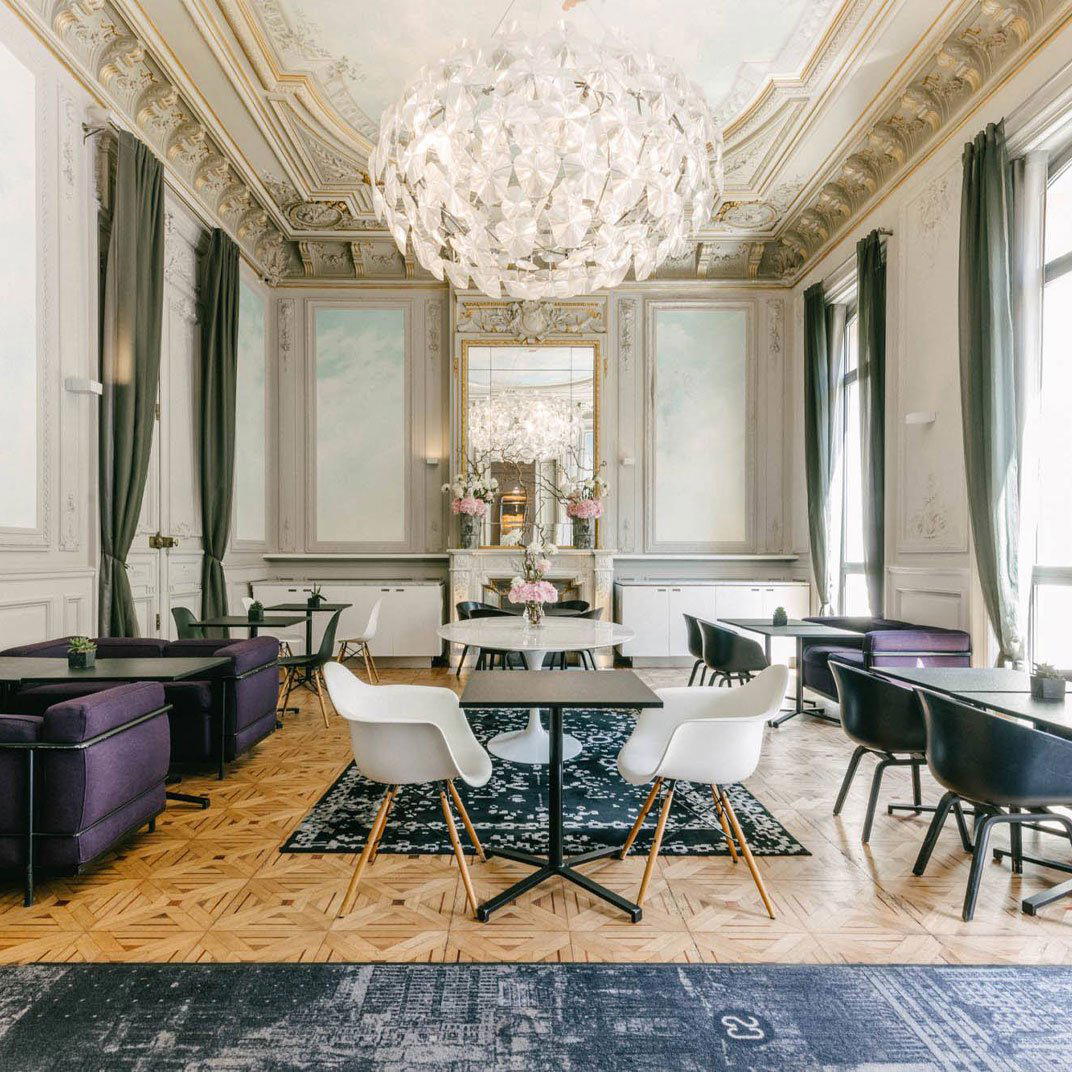
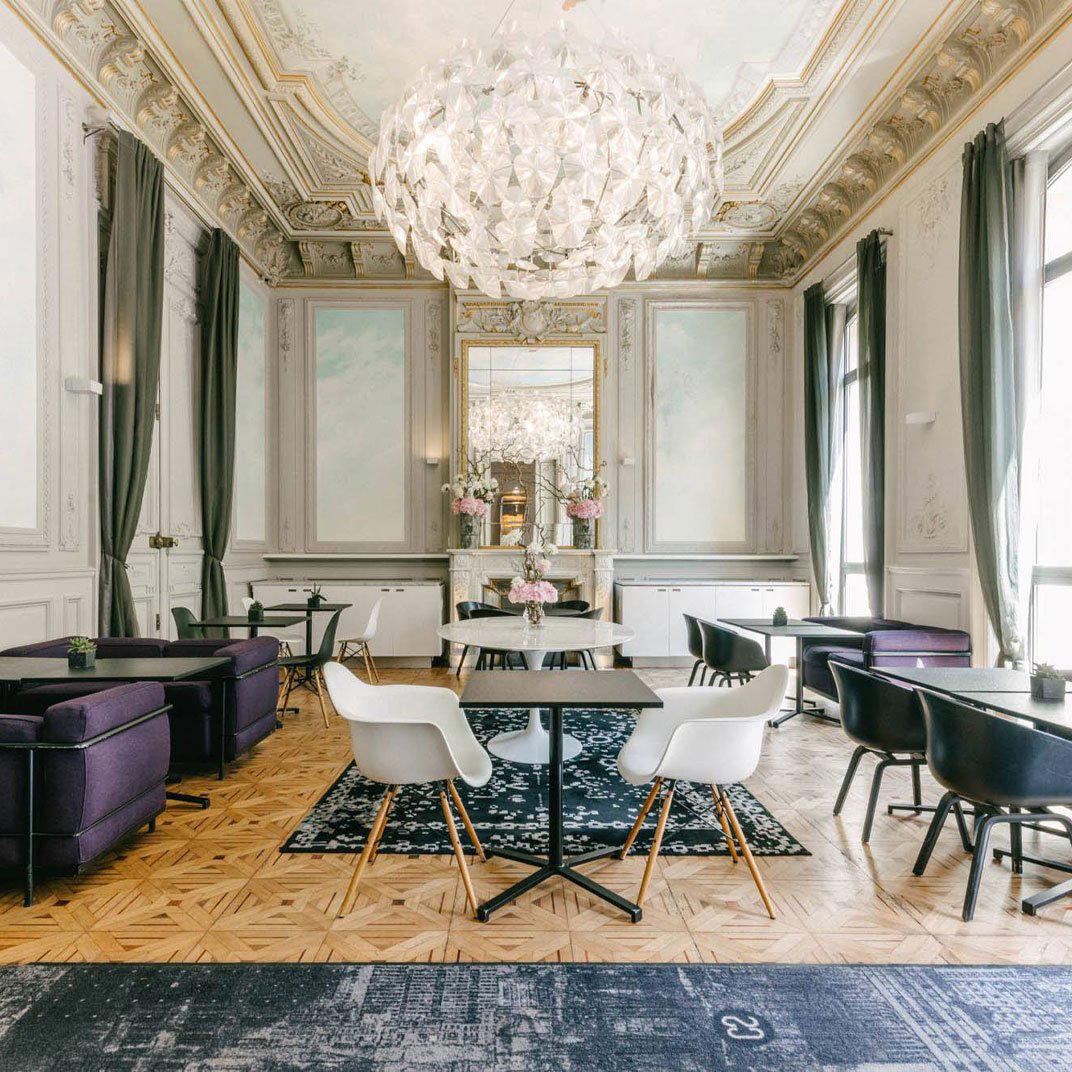
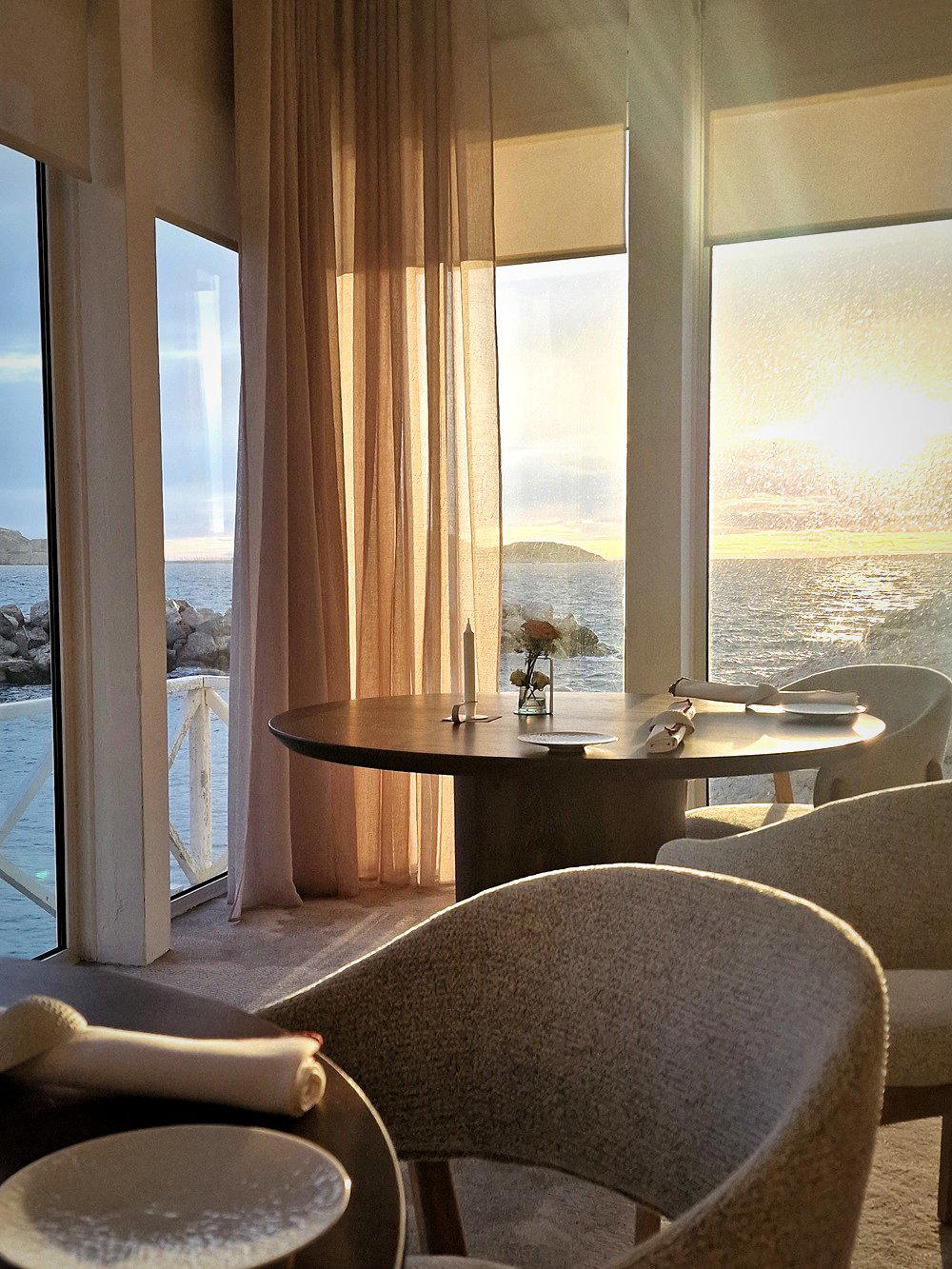
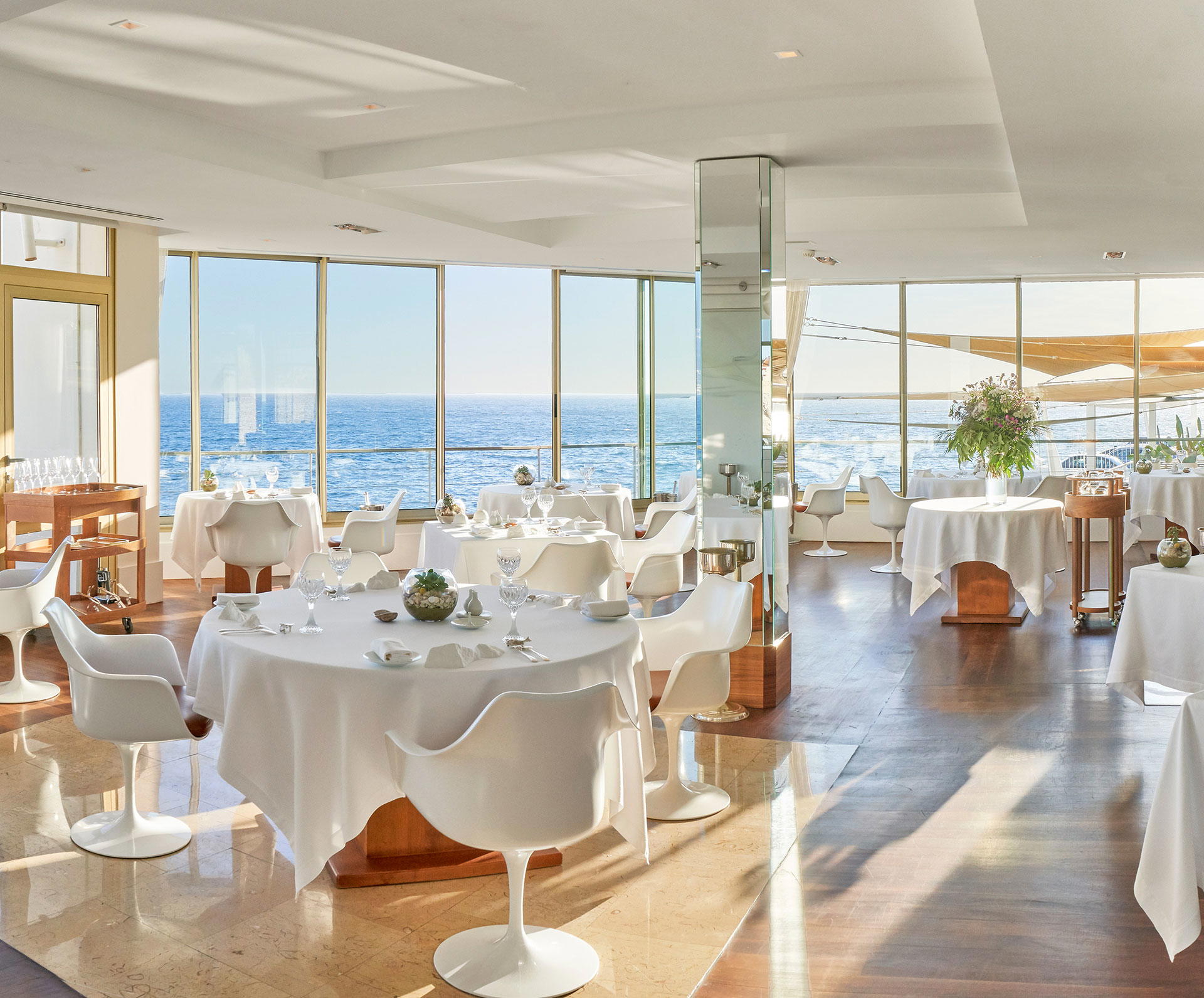
Elegant atmosphere with marble flooring, soundproofed rooms, serene spa lighting, and terrace views creating a sophisticated historic retreat.